_1745823981883.webp)

Wastewater Treatment Facility Planning for Future Capacity Needs
Planning for future capacity in a wastewater treatment facility represents a sophisticated balance between engineering foresight, regulatory compliance, and fiscal responsibility. Modern facilities must accommodate fluctuating influent volumes while maintaining consistent effluent quality across expanding operational parameters. This strategic planning process addresses hydraulic overload risks, evolving discharge standards, and the integration of scalable treatment technologies. By establishing robust capacity frameworks, facilities safeguard against process upsets during peak demand scenarios while optimising long-term capital expenditure across municipal, industrial, and specialised treatment applications.
Understanding the Core Challenges in Wastewater Treatment Facility Capacity Planning
Forecasting Demand Amid Dynamic Growth Patterns
As businesses grow, new homes are built, and people move, they change the traffic patterns that make traditional capacity models less useful. We see how pharmaceutical plants double their production shifts, semiconductor manufacturing units increase the number of clean rooms they use, and food processing plants increase the number of times they do batches. All of these facilities produce much more garbage than was expected at first. When cities and towns try to add on to suburbs or handle seasonal tourist booms that put a strain on infrastructure, they face similar problems.
Addressing Technology Integration Gaps
A lot of places don't think about how much space and workspace modern treatment tools need. When adding membrane bioreactor systems to existing active sludge systems, it is important to think about the tank size, the amount of airflow needed, and the best way to clean the membranes. Moving from simple biological treatment to nutrient removal systems with anaerobic, anoxic, and oxygenic zones requires a lot of changes to the way the process is set up and training for the people who work on it.
Bottlenecks in Legacy Infrastructure
Clarifiers that are too old, air tanks that are too small, and sludge handling systems that can't handle enough sludge often become major problems. We've seen treatment plants that are only working at 95% of their hydraulic capacity have trouble during storms when the amount of water coming in and out exceeds the design limits. Because of these restrictions, sites are forced to find ways around them, even if it means breaking environmental rules and triggering legal actions by regulators.
Modular Design Solutions
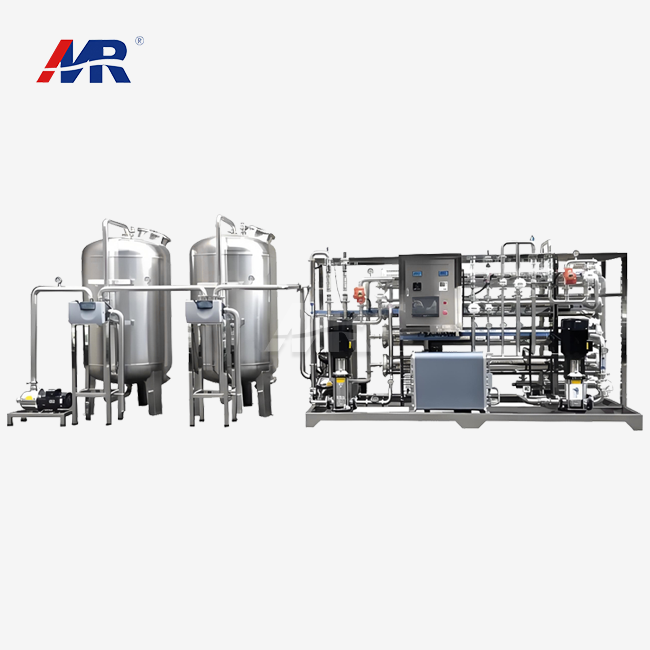
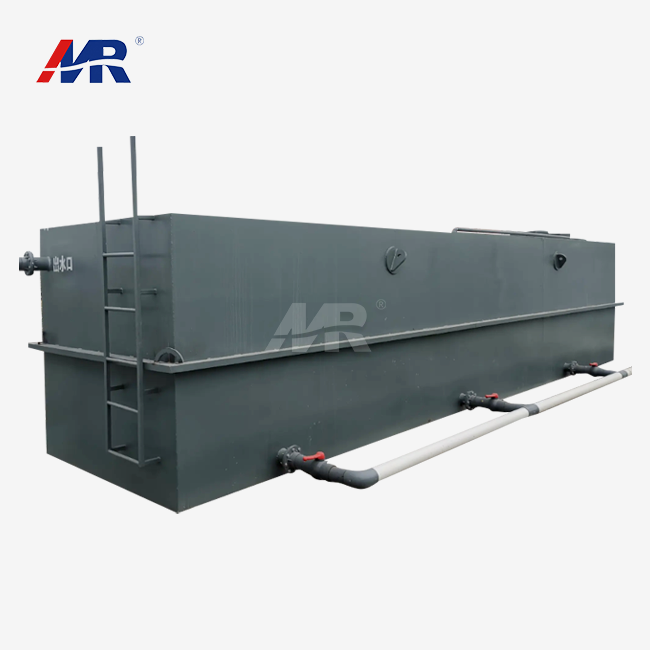
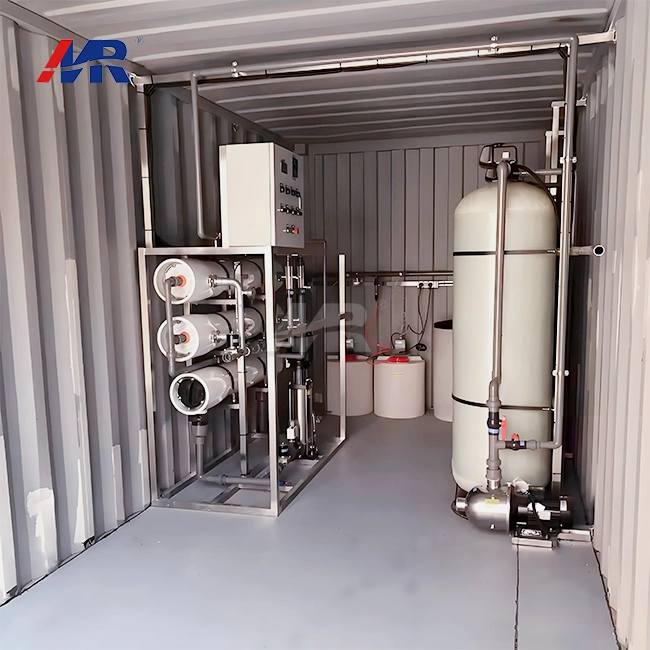
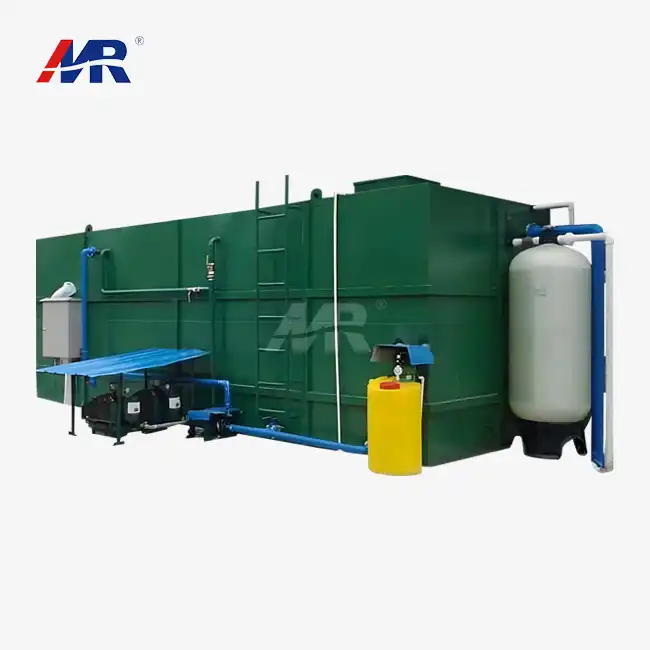
Modular process units (wastewater treatment facility) are used in more modern building designs so that capacity can be added gradually without stopping activities. Containerised membrane systems, packed sequencing batch reactors, and scalable oxidation pits make it possible for facilities to gradually increase their treatment capacity as needed. This method lowers the initial capital risk while keeping managerial freedom in the face of uncertain growth paths.
Key Design Principles to Ensure Future-Proof Wastewater Treatment Facilities
Regulatory Compliance Frameworks
Through NPDES licenses, the US EPA sets basic treatment guidelines that include limits on biological oxygen demand, total dissolved solids, and nutrient release. Most of the time, state agencies have tighter rules. This is especially true in areas that are sensitive to nutrients, where phosphorus and nitrogen removal is required. Heavy metals, volatile organic compounds, and substances that mess with hormones are some of the contaminants that facilities that serve pharmaceutical or chemical makers must deal with. Design teams need to be aware of how regulations will change over time, since release standards are always getting stricter as new contaminants become a problem and analysis tools get better at finding them.
Advanced Technology Selection
Membrane bioreactors treat wastewater biologically and physically, which makes the wastewater better and more ideal for direct recovery. These systems take up less space than regular activated sludge plants, but they can handle more biological material. Sequencing batch reactors are great for places where flow patterns change because they can be controlled by timed fill-draw cycles, which give operators a lot of freedom. Moving bed biofilm reactors offer better biological treatment in small spaces and are especially good at getting rid of nitrogen in places where the temperature changes often.
Capacity Planning Metrics
The hydraulic retention time controls how long wastewater stays in treatment zones, which has a direct effect on how well contaminants are removed. The amount of time that solids stay in a biological system controls how the microbial population changes, which in turn affects how well nitrification works and how fast sludge is made. Peak flow factors take into account changes in the day and nighttime rainfall. Depending on the collection method, they are usually between 2.0 and 3.5 times the normal daily flow. Biological system size is based on organic loading rates, which are given in pounds of BOD per day per thousand cubic feet of ventilation capacity.
Environmental Impact Considerations
The amount of energy that wastewater treatment plants use is a big part of their operating costs and their carbon footprint. Fifty to seventy per cent of a building's energy use goes to its ventilation systems. This makes fan efficiency and controlling dissolved oxygen important design factors. Strategies for managing sludge affect greenhouse gas pollution. For example, anaerobic digestion captures methane for useful use while decreasing the amount of biosolids. To keep community ties strong in areas that are becoming more urbanised, site plan factors like odour control, noise reduction, and sight screens are taken into account.
Strategic Procurement Approaches for Wastewater Treatment Facilities and Equipment
Evaluating Equipment Manufacturers
Reliable providers (wastewater treatment facility) show that their Products work well in similar situations by installing them in real-world examples that can be checked. The technical requirements must match the needs of the project, such as the flow rate, treatment goals, and limitations of the place. After-sales support includes things like the availability of extra parts, the speed with which expert help is provided, and programs for teaching operators. Innovation capacity shows how committed a company is to using new technologies like IoT tracking, energy recovery systems, and automatic process optimisation.
Comprehensive Cost Analysis
Capital spending includes buying tools, building structures, integrating electricity, and installing instruments. Operating costs include things like the amount of energy used, the amount of chemicals used, the labour needed, and regular upkeep. Lifecycle cost modelling predicts the costs of owning something for 20 years, showing that energy-efficient designs that cost more at first actually make more money in the long run because they cost less to run. Maintenance agreements help you plan your budget and make sure that equipment works as designed for the whole time it's being used.
Flexible Financing Structures
Leasing equipment lowers the amount of money that needs to be paid up front while keeping credit available for other business needs. Performance-based contracts put the risk on technology providers, who promise to meet goals for the energy economy and the quality of the waste. Capital spending and real capacity utilisation are matched by phased implementation plans. This keeps people from investing too early in infrastructure that isn't being used. For projects that improve water quality, municipal bonds and state revolving fund programs offer interest rates that are lower than the market rate.
Optimising Operational Efficiency and Maintenance for Scalable Capacity
Preventative Maintenance Protocols
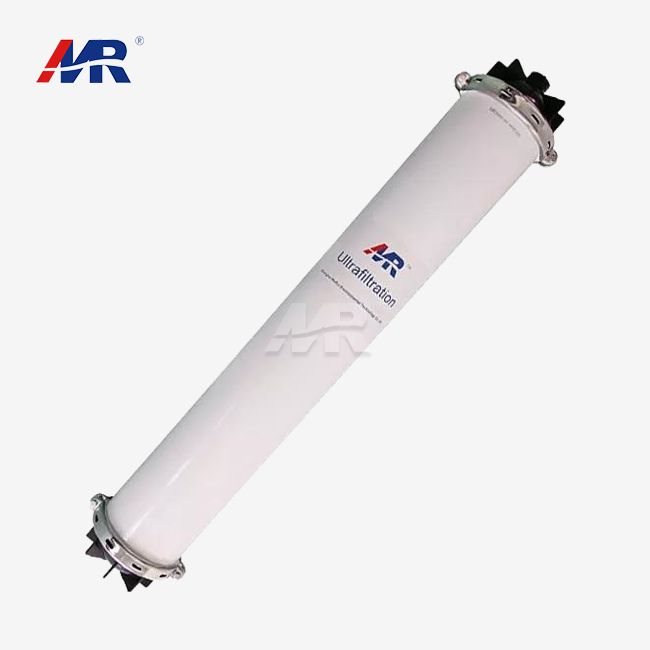
Quarterly aeration diffuser inspections prevent fouling that reduces oxygen transfer efficiency and increases energy consumption. Annual calibration of pH, dissolved oxygen, and ORP sensors maintains process control accuracy essential for biological treatment optimisation. Biannual valve exercising prevents seizing in infrequently operated process lines. Membrane integrity testing on ultrafiltration and reverse osmosis systems identifies compromised fibres before significant permeate quality degradation occurs.
Operational Challenge Resolution
Filamentous bacterial growth causes sludge bulking that impairs clarifier performance and reduces hydraulic capacity. We address this through selector zone modifications and micronutrient supplementation. Hydraulic surges during storm events can wash out biomass; equalisation basins and flow-paced chemical dosing maintain process stability. Seasonal temperature variations affect biological activity rates; selectors sized for cold-weather conditions prevent nitrification failures during winter months.
Energy Efficiency Strategies
Variable frequency drives on aeration blowers match oxygen delivery to real-time demand measured by dissolved oxygen probes, reducing energy waste during low-load periods. High-efficiency fine-bubble diffusers maximise oxygen transfer rates, decreasing air volume requirements. Anaerobic digester gas captures methane for facility heating or electricity generation through combined heat and power systems. Gravity-driven flow design minimises pumping requirements, particularly beneficial in sites with favourable topography.
Digital Monitoring Integration
SCADA systems provide real-time visualisation of flow rates, tank levels, and equipment status across distributed process units. Automated alerts notify operators of parameter excursions before they escalate into permit violations or equipment failures. Predictive maintenance algorithms analyse vibration patterns, bearing temperatures, and power consumption to forecast equipment degradation. Cloud-based data historians enable remote access for engineering consultants and regulatory reporting automation.
Future Trends and Strategic Insights in Wastewater Treatment Facility Development
Emerging Technology Integration
AI programs figure out the best amount of chemicals to use by guessing what the influent will be like based on past trends and real-time sensor data (wastewater treatment facility). IoT-enabled monitors send constant data about water quality from sampling places far away, giving a full picture of the system. Compared to plastic options, new ceramic screens are better at resisting fouling and withstanding chemicals. Electrocoagulation devices can treat certain types of industrial trash that have mixed oils and floating solids without using chemicals.
Evolving Regulatory Landscape
The EPA's new PFAS rules will require sites that receive industry wastes to use advanced oxidation or granular activated carbon cleaning. Nutrient trade programs let sites make investments to restore watersheds to balance out the nutrients they release. Carbon neutrality rules push efforts to use more green energy and make processes more efficient. As analysis methods find tiny toxins that couldn't be tested before, the need to keep an eye on pharmaceutical compounds grows.
Market Demand Shifts
A lot of procurement workers like full design-build-operate contracts because they make project risk and responsibility easier to manage. By putting them together in a workshop, modular built systems improve quality control and cut down on building time and labour costs. Applications that recover water create a need for improved treatment trains that make recycled water safe to drink. In rural places and industrial parks, where centralised collection is still too expensive, decentralised cleaning methods are becoming more popular.
Frameworks for Strategic Investment
Adaptive management strategies value flexibility over rigid long-term plans because they know that growth predictions and changes in regulations can be hard to predict. Before they are used on a large scale, new technologies are tested in pilot projects to make sure they work well in specific situations. Regional groups are used in collaborative buying to get bulk discounts and common specs. Comparing your facility's performance to that of similar facilities helps you find ways to improve things and confirm your capital investment goals.
Conclusion
Strategic planning for capacity turns wastewater treatment plants from reactive legal requirements into proactive environmental assets. Regulations must be followed, but operations must also be able to change as needed. This is done by using scalable technologies that can adapt to changing growth paths. When making purchases, people should look at the total costs over a product's whole life, not just the initial investment. They should know that things like energy efficiency and upkeep affect the company's long-term earnings. Digital tracking and prediction analytics allow for flexible management that makes the most of current capacity and helps decide when to expand. Facilities are ready to meet both current and future challenges in a wide range of industry and urban settings by using flexible designs, new treatment technologies, and detailed performance measures.
FAQ
1. How do facilities manage hydraulic surges during storm events?
Advanced installations incorporate equalisation basins that temporarily store excess flow, releasing it gradually to maintain stable hydraulic retention times. Flow-paced chemical dosing adjusts treatment intensity based on real-time influent rates. Bypass protocols with screening and disinfection provide emergency relief while minimising environmental impact during extreme wet-weather events that exceed design capacity.
2. What distinguishes membrane bioreactor systems from sequencing batch reactors?
Membrane bioreactors employ physical filtration barriers that produce effluent meeting stringent reuse standards while operating at higher biomass concentrations. Sequencing batch reactors utilise time-managed fill-draw cycles within single tanks, offering operational flexibility and smaller footprints suitable for variable flow applications. Technology selection depends on effluent quality objectives, available space, and operational complexity tolerance.
3. Can existing facilities be upgraded for enhanced nutrient removal without complete reconstruction?
Retrofitting phosphorus removal typically involves chemical precipitation systems or converting existing tanks for biological uptake processes. Nitrogen removal modifications incorporate anoxic zones within existing aeration basins through baffle installations and optimised internal recycle streams. These upgrades preserve major structural assets while achieving regulatory compliance at a fraction of new construction costs.
Partner with Morui for Your Wastewater Treatment Facility Expansion
Guangdong Morui Environmental Technology delivers comprehensive wastewater treatment facility solutions backed by 14 branch locations and 20 specialised engineers. Our vertically integrated operations include membrane manufacturing, equipment fabrication, and turnkey installation services spanning industrial, municipal, and specialised applications. As an authorised supplier of Shimge pumps, Runxin valves, and Createc instrumentation, we provide complete system integration with guaranteed performance specifications. Whether you're planning capacity expansion, technology upgrades, or greenfield development, Our Team offers customised proposals addressing your specific flow characteristics and discharge requirements. Contact our technical specialists at benson@guangdongmorui.com to discuss how our proven expertise and manufacturer-direct pricing create value across your project lifecycle.
References
1. Water Environment Federation. (2018). Design of Municipal Wastewater Treatment Plants: MOP 8, Sixth Edition. McGraw-Hill Education.
2. Tchobanoglous, G., Stensel, H.D., Tsuchihashi, R., and Burton, F. (2014). Wastewater Engineering: Treatment and Resource Recovery, Fifth Edition. McGraw-Hill Education.
3. United States Environmental Protection Agency. (2021). Primer for Municipal Wastewater Treatment Systems. EPA 832-R-04-001.
4. Metcalf & Eddy, Inc., Asano, T., Burton, F.L., Leverenz, H., Tsuchihashi, R., and Tchobanoglous, G. (2007). Water Reuse: Issues, Technologies, and Applications. McGraw-Hill Professional.
5. American Society of Civil Engineers. (2017). ASCE Standard for the Design of Wastewater Treatment Plants. ASCE/WEF Standard 36-01.
6. Qasim, S.R., Motley, E.M., and Zhu, G. (2017). Water Works Engineering: Planning, Design, and Operation, Second Edition. PHI Learning Private Limited.