

_1745823981883.webp)

Seawater Reverse Osmosis System vs Thermal Desalination Methods
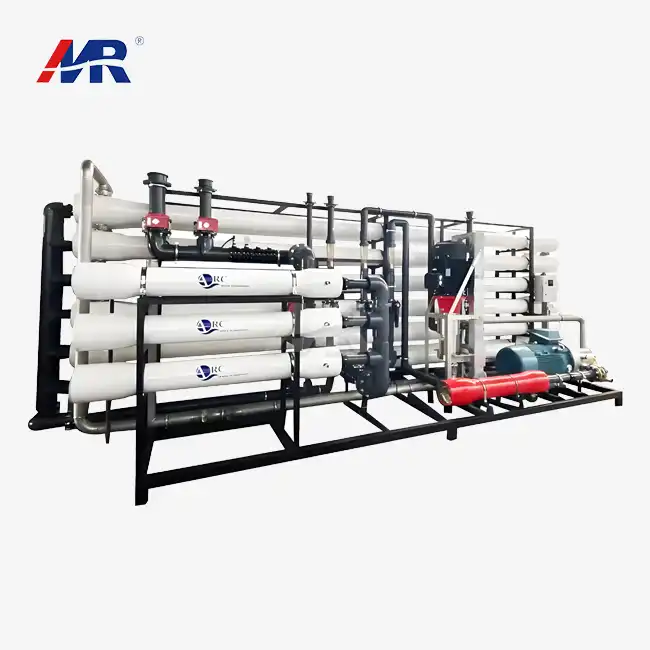
Choosing between a seawater reverse osmosis system and thermal desalination can significantly impact your facility's operational budget, environmental footprint, and water quality outcomes. The seawater reverse osmosis system uses membrane technology and high-pressure pumps to filter salts and contaminants, typically consuming 3–6 kWh per cubic metre. Thermal desalination methods like Multi-Stage Flash (MSF) and Multiple-Effect Distillation (MED) rely on heat-driven evaporation, often requiring 10–25 kWh/m³, which translates to higher energy costs and carbon emissions. Understanding these core differences helps procurement teams select the most cost-effective and sustainable solution.
Understanding Seawater Reverse Osmosis Systems
Membrane-based desalination has revolutionized coastal water infrastructure, enabling scalable, energy-efficient technologies that can be tailored to meet various industrial demands. Morui has installed reverse osmosis systems in municipal water treatment plants, offshore platforms and pharmaceutical manufacturing facilities, each configured to match the specific purity and production volume needs of the site.
Core Components and Operating Principles
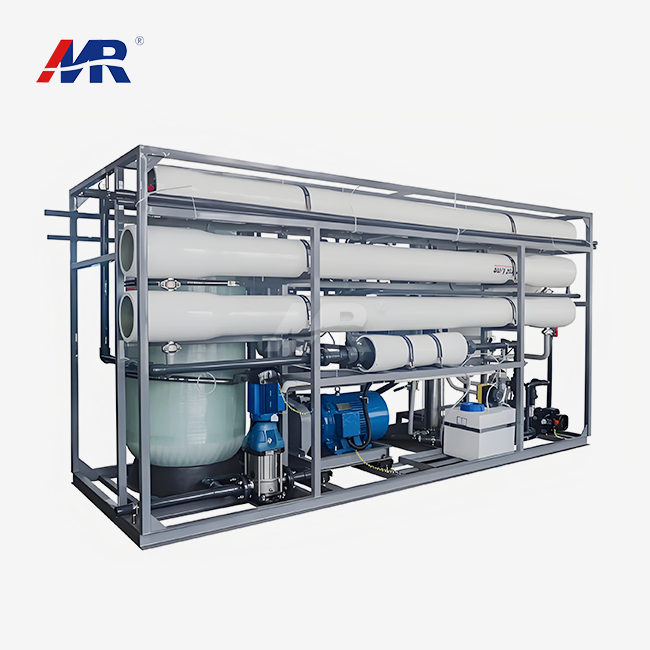
The feedwater to a seawater reverse osmosis system is passed through semi-permeable membranes under pressures of 55 to 80 bar, rejecting more than 99% of dissolved salts, microorganisms and organic substances. The pre-treatment modules are ultrafiltration units and multimedia filters, which lower Silt Density Index below 3 to protect membranes from fouling. Energy Recovery Devices (ERDs) are employed to capture hydraulic pressure from the brine discharge stream decreasing overall electricity usage by up to 60%. “This design allows our systems to deliver consistent permeate quality while having a small footprint for space challenged locations like cruise ships or island utilities.”
Energy Efficiency and Scalability
The current membrane configurations have flux rates of 8-12 liters per square meter per hour and recovery ratios of 35-45%, depending on the salinity of the feedwater. Modular architectures provide the opportunity for progressive expansion, as plant operators can scale up capacity without requiring substantial infrastructural overhauls. Our experiences in coastal manufacturing plants show how staged installations, matching capital expenditures to production growth, can reduce financial risk during market changes. IoT sensors enable real-time monitoring with predictive maintenance alerts that cut down on unnecessary downtime and increase membrane life up to 5–7 years under optimal conditions.
Material Durability and Maintenance
Corrosion can be accelerated in saltwater settings; therefore, material selection is crucial. The pressure vessels and pipework are defined as Super Duplex Stainless Steel (2507), which provides resistance to chloride-caused pitting. Biofouling and mineral scaling are controlled by automated clean-in-place (CIP) cycles with regular chemical dosing to ensure membrane integrity. Constant monitoring of differential pressure and permeate conductivity uncovers early signs of performance degradation, allowing you to take prompt action to protect your investment over the service life of 15–20 years.
Overview of Thermal Desalination Methods
Thermal technologies continue to dominate in locations with plentiful low-cost energy sources or industrial waste heat. They also can handle different feedwater quality and can be designed to fit into the existing steam system of power plants or refineries, providing operational synergies that can compensate for increased energy requirements.
Multi-Stage Flash and Multiple-Effect Distillation
Multi-Stage Flash ( MSF ) heats saltwater and sends it through a series of chambers with falling pressure to rapidly evaporate and condense it . Each stage recovers thermal energy from condensing vapor, making it more efficient overall. Multiple-effect distillation (MED) follows a similar concept, but uses either vertical or horizontal tube bundles, where vapor from one effect heats the feedwater to the next. Both approaches provide very pure water for boiler feed or medicinal purposes, but at the expense of elaborate heat exchanger networks and specific alloys to resist long-term brine exposure at elevated temperatures.
Energy Requirements and Operational Complexity
Thermal plants often use 10–25 kWh/m³ thermal energy, usually provided by natural gas boilers or combined heat-and-power (CHP) systems. This energy intensity leads to significant operational expenses and greenhouse gas emissions unless waste heat is present. Routine maintenance includes descaling heat exchangers, inspecting vacuum pumps, and managing corrosive condensate, all of which need specialized technicians and lengthier downtime than membrane systems. Thermal methods are also more complicated with heat recovery loops and the necessity for exact temperature control, so they are less appealing for facilities that want simplicity and less manpower.
Feedwater Flexibility and Output Purity
Thermal desalination can use intake water with higher turbidity and biological content, minimizing the need for pre-treatment. This trait is beneficial in industrial settings near harbors where water quality varies or seasonal algae blooms occur. The distillation process naturally removes all non-volatile impurities, producing water with less than 10 parts per million total dissolved solids, appropriate for ultrapure applications in electronics manufacturing or laboratory settings. But capital expenditure for thermal infrastructure is frequently more than reverse osmosis installations, which is part of the total cost of ownership calculations.
Performance and Energy Consumption Comparison
Evaluating energy profiles, environmental impact, and output consistency reveals why membrane technology has captured significant market share in recent decades. Detailed performance metrics guide procurement professionals toward solutions aligned with sustainability mandates and budget constraints.
Energy Use and Carbon Footprint
Seawater reverse osmosis systems consume 3–6 kWh/m³, with advanced designs incorporating renewable energy integration further reducing carbon intensity. Energy Recovery Devices reclaim up to 98% of hydraulic energy from concentrate streams, making modern plants highly efficient. Thermal methods, depending on heat source and technology variant, require 10–25 kWh/m³ of thermal energy, translating to higher greenhouse gas emissions when fossil fuels power boilers. Coastal municipalities aiming for net-zero targets increasingly favor membrane systems paired with solar arrays or wind turbines, achieving desalination with minimal environmental impact.
Scalability and Production Flexibility
Membrane plants can be efficiently scaled from 10 m³/day containerized units for offshore platforms to 900,000 m³/day facilities serving metropolitan regions. You can add membrane racks or pressure vessels to increase capacity without altering key infrastructure. Thermal plants are limited by the size of their heat exchangers and the capacity of the boiler; therefore, increasing output requires more expenditure. Such versatility makes reverse osmosis an appealing choice for industries with fluctuating water requirements such as food and beverage producers increasing production during certain seasons or pharmaceutical companies scaling up batch production.
Water Quality Consistency
Reverse osmosis provides a consistent permeate quality independent of the feedwater conditions, as long as pre-treatment is able to keep the SDI below 3. Automated controls make constant adjustments to pressure and flow rates, correcting for changes in temperature or variations in salinity. Thermal distillation generates water that is intrinsically very pure but has a slower start-up and is sensitive to feedwater temperature, which might affect responsiveness during operational adjustments. Membrane technology offers the stability and swift responsiveness that facilities requiring a steady supply of consistent-quality water, such as semiconductor fabs or dialysis centers, need.
Cost and Procurement Insights for B2B Clients
Total cost of ownership encompasses capital expenditure, operating expenses, maintenance cycles, and equipment lifespan. Strategic procurement balances upfront investment against long-term savings, regulatory compliance, and supplier reliability.
Capital and Operating Expenses
Installing a seawater reverse osmosis system typically involves lower initial capital than thermal plants of comparable capacity. Membrane vessels, high-pressure pumps, and pre-treatment modules cost less than boilers, heat exchangers, and vacuum systems required for distillation. Operating expenses center on electricity consumption and membrane replacement every 5–7 years, with energy costs dominating the budget. Thermal facilities incur higher fuel or steam costs, frequent descaling chemical purchases, and labor-intensive maintenance, elevating total expenditure over the plant's life cycle. Financial decision-makers appreciate the predictable operating profile of membrane systems, enabling accurate budget forecasting and cash flow management.
Site-Specific Considerations
Feedwater quality, ambient temperature, available utilities, and regulatory frameworks influence technology selection. Facilities with access to waste heat or natural gas at subsidized rates may find thermal desalination economically viable. Locations facing strict carbon emission limits or lacking robust energy infrastructure benefit from energy-efficient reverse osmosis paired with renewables. Our engineering team at Morui conducts comprehensive feasibility studies, analyzing intake water chemistry, seasonal variations, and local permitting requirements to recommend optimal configurations. Understanding these variables prevents costly retrofits and ensures compliance with evolving environmental standards.
Supplier Evaluation and After-Sales Support
Reputable membrane manufacturers like Toray, Dow, and Hydranautics offer warranties spanning 3–5 years, with proven track records in harsh marine environments. Evaluating suppliers involves assessing membrane performance data, availability of replacement parts, and responsiveness of Technical support teams. Morui partners with leading brands and maintains inventory at our 14 regional branches, ensuring rapid delivery and minimizing production interruptions. Our 20 engineers provide on-site commissioning, operator training, and troubleshooting, reducing the learning curve and maximizing system uptime. Procurement professionals mitigate risk by selecting partners with established service networks and transparent lifecycle cost documentation.
Conclusion
Selecting between membrane and thermal desalination hinges on energy availability, budget parameters, water quality specifications, and environmental commitments. Seawater reverse osmosis systems offer lower operating costs, scalable designs, and integration pathways with renewable energy, making them suitable for a broad range of industrial and municipal applications. Thermal methods retain advantages in facilities with abundant waste heat and tolerance for higher complexity. Thorough cost-benefit analysis, supplier due diligence, and attention to emerging innovations empower procurement professionals to secure reliable, future-proof water treatment infrastructure.
Frequently Asked Questions
1. What factors determine membrane lifespan in reverse osmosis systems?
Membrane longevity depends on feedwater quality, effectiveness of pre-treatment, adherence to cleaning protocols, and operating pressure consistency. Maintaining an SDI below 3, scheduling CIP cycles every 3–6 months, and avoiding pressure spikes extend service life to 5–7 years. Monitoring differential pressure and permeate conductivity provides early warning of fouling or damage, enabling timely interventions.
2. Can thermal desalination handle high-turbidity feedwater better than membranes?
Thermal processes tolerate higher turbidity and suspended solids, reducing pre-treatment complexity. Evaporation inherently separates contaminants regardless of particle size. Membrane systems require robust filtration upstream to prevent fouling, but modern ultrafiltration modules efficiently manage variable intake quality at lower energy cost than boilers.
3. How does energy recovery technology improve reverse osmosis efficiency?
Energy recovery devices transfer hydraulic pressure from concentrate streams back to incoming feedwater, reducing pump work. Isobaric pressure exchangers achieve recovery efficiencies above 95%, cutting total electricity consumption by up to 60%. This innovation makes membrane desalination competitive even in regions with high power costs.
4. Are there hybrid systems combining both technologies?
Hybrid configurations exist where thermal units produce high-purity water for critical processes, while reverse osmosis supplies bulk water for cooling or sanitation. Such designs optimize energy use when waste heat is available, balancing capital investment and operational flexibility. Integration complexity typically suits large industrial campuses or district-scale projects.
Partner with Morui for Reliable Seawater Reverse Osmosis System Solutions
Guangdong Morui Environmental Technology delivers end-to-end water treatment services, from initial engineering studies through installation, commissioning, and ongoing support. As a seawater reverse osmosis system supplier with over 500 employees and 20 dedicated engineers, we operate 14 branches ensuring rapid response across North America. Our in-house membrane production and equipment processing facilities guarantee quality control, while partnerships with Shimge, Runxin, and Createc provide best-in-class components. Whether you manage a municipal water plant, pharmaceutical facility, or offshore platform, Our Team tailors solutions meeting your purity standards and budget constraints. Reach out to benson@guangdongmorui.com to discuss your project requirements and discover how our proven systems optimize operational efficiency and environmental performance.
References
1. Greenlee, L.F., Lawler, D.F., Freeman, B.D., Marrot, B., & Moulin, P. (2009). Reverse osmosis desalination: Water sources, technology, and today's challenges. Water Research, 43(9), 2317-2348.
2. Elimelech, M., & Phillip, W.A. (2011). The future of seawater desalination: Energy, technology, and the environment. Science, 333(6043), 712-717.
3. Ghaffour, N., Missimer, T.M., & Amy, G.L. (2013). Technical review and evaluation of the economics of water desalination: Current and future challenges for better water supply sustainability. Desalination, 309, 197-207.
4. Shahzad, M.W., Burhan, M., Ang, L., & Ng, K.C. (2017). Energy-water-environment nexus underpinning future desalination sustainability. Desalination, 413, 52-64.
5. Amy, G., Ghaffour, N., Li, Z., Francis, L., Linares, R.V., Missimer, T., & Lattemann, S. (2017). Membrane-based seawater desalination: Present and future prospects. Desalination, 401, 16-21.
6. Voutchkov, N. (2018). Energy use for membrane seawater desalination – current status and trends. Desalination, 431, 2-14.
 VIEW MOREreverse osmosis water purification plant
 VIEW MORE200m3/hour ultrafiltration equipment
 VIEW MOREwaste water treatment plant
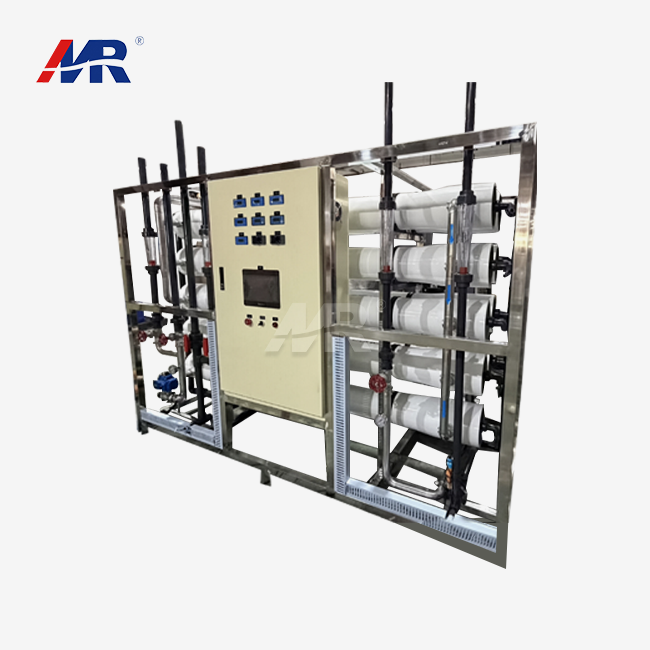 VIEW MORE8 stage reverse osmosis system
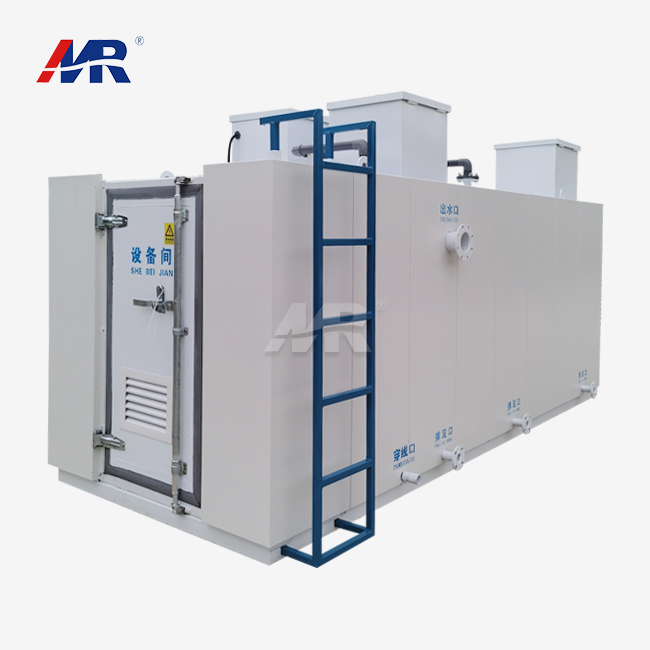 VIEW MOREwastewater treatment plant
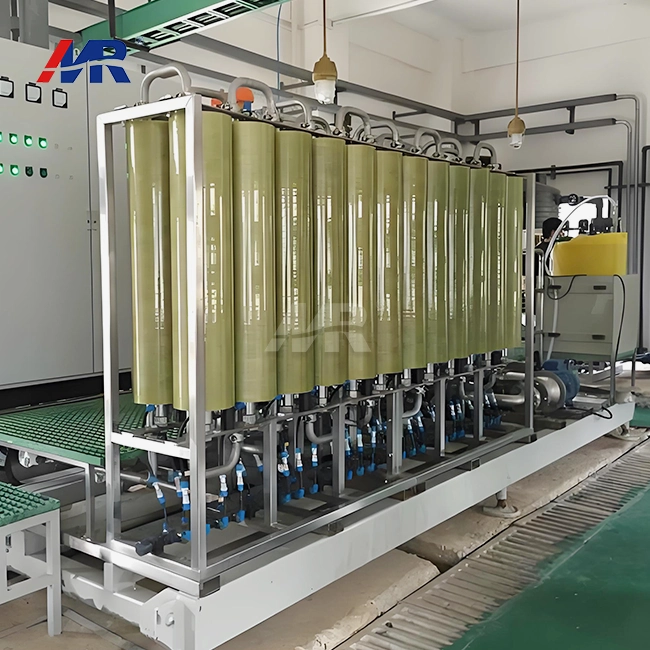 VIEW MOREDisc Tube Reverse Osmosis
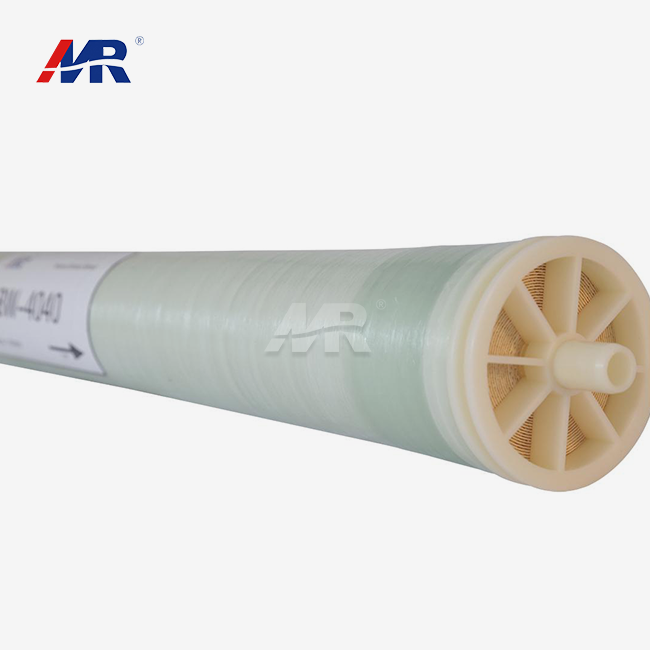 VIEW MOREindustrial reverse osmosis membrane
 VIEW MOREseawater treatment plant
