_1745823981883.webp)

Is Brackish Water RO the Best Choice for Groundwater Treatment?
When industrial facilities face groundwater challenges with elevated Total Dissolved Solids (TDS), the question often arises: Is brackish water RO the best choice for groundwater treatment? The answer is often yes, particularly for operations dealing with water containing 1,000 to 15,000 mg/L TDS. Brackish water reverse osmosis technology offers a compelling balance of energy efficiency, operational cost savings, and consistent water quality that alternatives struggle to match. Unlike seawater desalination or conventional filtration alone, this membrane-based approach targets the sweet spot between capability and economy, making it an intelligent investment for pharmaceutical plants, food processors, power generation facilities, and municipal water suppliers confronting moderately saline groundwater sources.
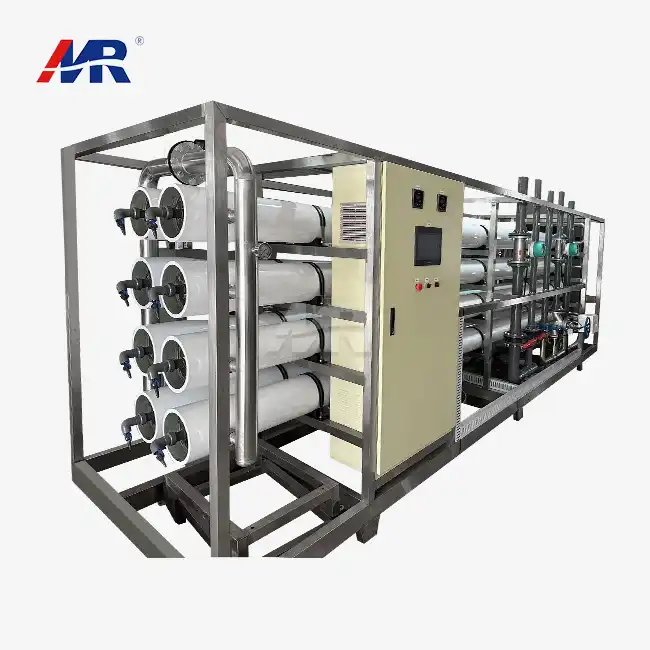
Understanding Brackish Water RO Systems
Core Operating Principles
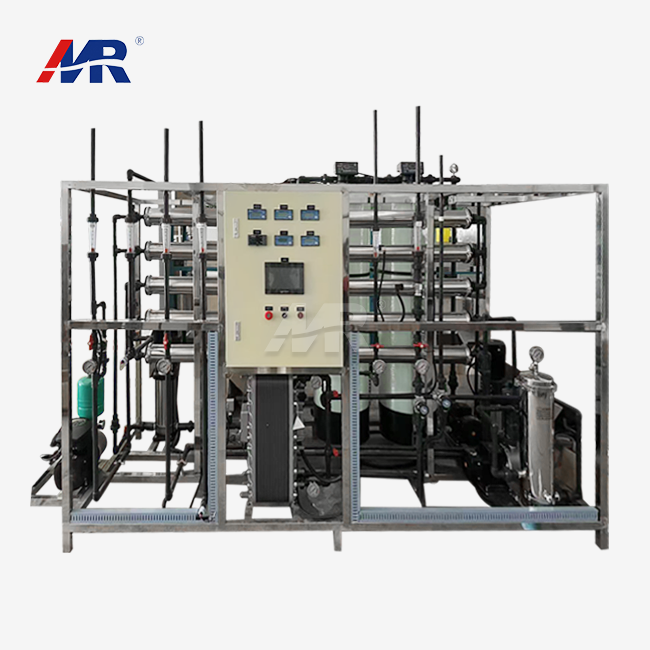
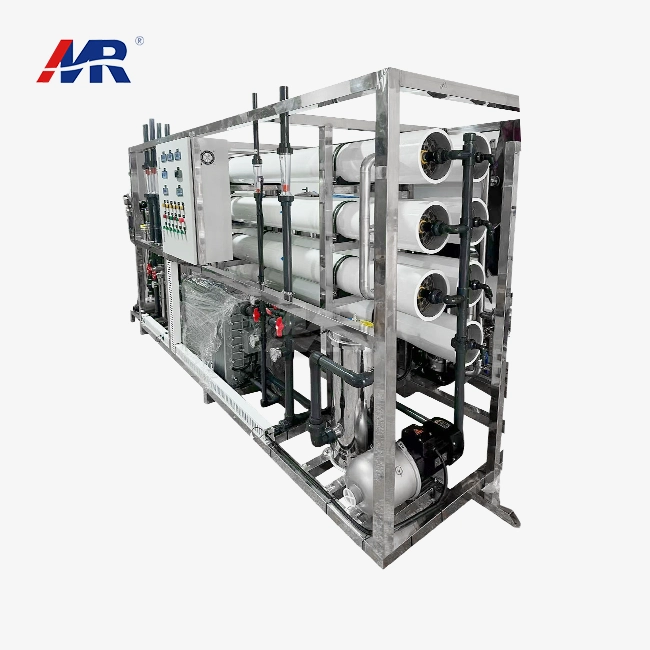
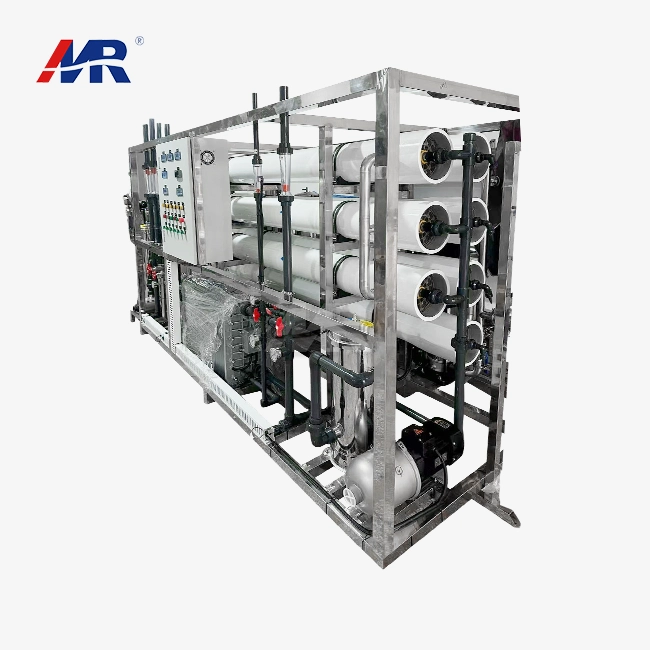
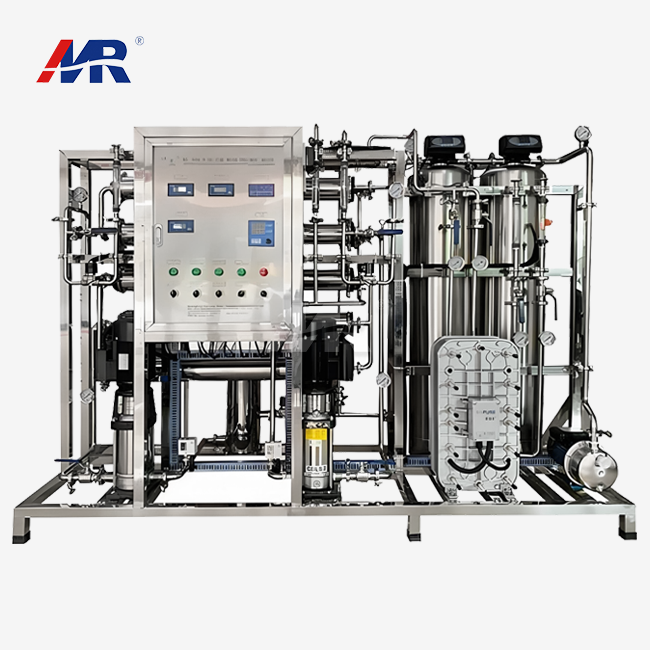
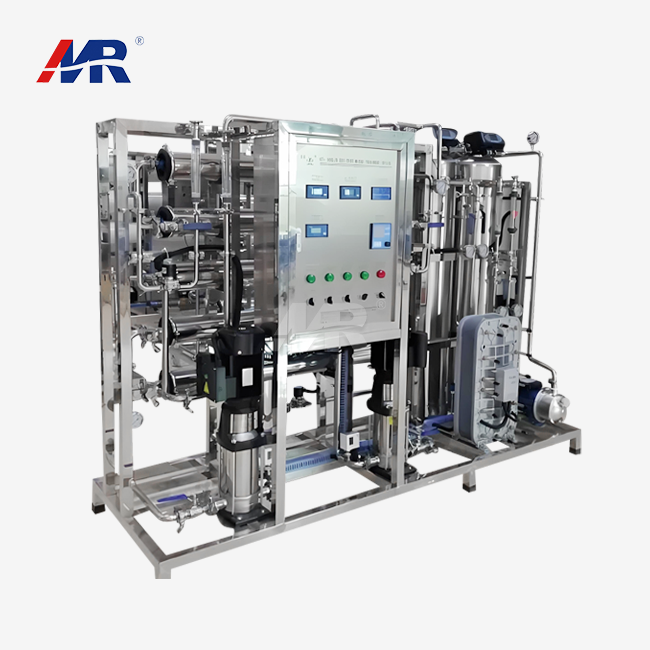
Brackish water reverse osmosis devices employ semi-permeable membranes to selectively reject dissolved salts while allowing water molecules to flow through. These systems run at intermediate pressures, typically 150 to 400 psi, far lower than the 800 to 1,200 psi required for seawater treatment. The difference in osmotic pressure forces the cleansed water through the thin-film composite (TFC) membranes made from layers of polyamide with extraordinary selectivity. This pressure range results in lower energy use and reduces operating costs.
The cross-flow filtration mechanism used in these systems constantly sweeps concentrate across the membrane surface, decreasing particle build-up and increasing membrane life. Multimedia filtration and antiscalant dosing are utilized to keep the Silt Density Index (SDI) below 3 and hence to prevent premature fouling of the membranes.
System Architecture and Membrane Types
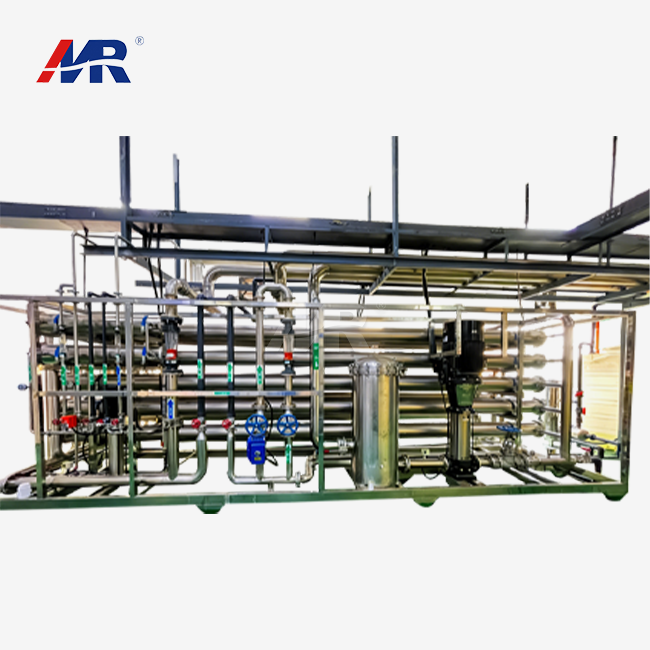
Modern designs are usually multi-stage arrays with the permeate from the first stage being used to feed the next stages, reaching recoveries of 75 to 85%. This design concept reduces wastewater discharge and is an important consideration for establishments in water-scarce areas or with rigorous discharge rules.
Membrane elements are available in a variety of topologies, although spiral-wound types are the most common in industrial applications because of their favorable surface-area-to-volume ratio. The membranes are chemically stable under the pH range 2-11 permitting effective cleaning procedures without deterioration of the material. Performance is validated to NSF/ANSI Standard 61 and ASTM D4194 for material safety and consistent rejection rates of 99.0% to 99.7%.
Benefits Driving Adoption
The brackish water ro technology delivers measurable advantages that resonate with procurement decision-makers and technical teams alike. Energy consumption per cubic meter of treated water remains significantly lower than thermal distillation or high-pressure seawater systems. Membrane longevity, when properly maintained, extends three to five years before replacement becomes necessary, providing predictable capital planning cycles.
Compliance with regulatory frameworks, including WHO drinking water standards and industry-specific requirements like GMP for pharmaceutical manufacturing, becomes straightforward. The automated nature of modern systems reduces labor requirements while maintaining consistent output quality, addressing both operational efficiency and quality assurance concerns simultaneously.
Comparison of Brackish Water RO with Other Groundwater Treatment Technologies
Brackish Water RO Versus Seawater RO
The main difference between these two applications of RO is the salinity of the input water and the accompanying pressure requirements. Seawater systems are over 35,000 ppm TDS, requiring heavy-duty high-pressure pumps and energy-intensive operation. The capital investment for seawater equipment is often 40 to 60% greater than similar brackish systems, and the operational energy expenses even more so.
When the TDS of the groundwater is in the brackish range, seawater-grade equipment is not economical. The surplus pressure capability is not exploited while power is wasted. Membrane elements developed for seawater also exhibit differing permeability characteristics and often result in lower flux rates when used to brackish feeds.
Ultrafiltration and Conventional Filtration Limitations
Ultrafiltration is very effective in eliminating suspended particles, germs, and macromolecules. It is useless against dissolved salts and minerals. UF technology alone cannot be used for facilities that need hardness reduction, silica removal, or total demineralization. Traditional multimedia filtration does the same for particulate particles but has no effect on dissolved pollutants.
A pharmaceutical manufacturer in the southwestern United States initially attempted groundwater treatment using only UF and ion exchange. The high mineral content caused frequent resin exhaustion, driving up regeneration chemical costs and generating excessive wastewater. Transitioning to a brackish water RO system reduced operating expenses by 38% annually while improving product water consistency, demonstrating the economic case for appropriate technology selection.
Cost-Effectiveness Analysis
Long-term financial modeling indicates that the initial capital investment for reverse osmosis systems is greater than for more basic filtering systems, but the total cost of ownership over a 10-year period of operation favors membrane technology. Chemical consumption for cleaning and antiscaling is still minimal compared to renewal of ion exchange resins. Automation and less frequent interventions lower the need for labor.
The largest recurring cost is energy; however, by using variable frequency drives (VFDs) on feed pumps, temperature and feed water quality changes can be optimized. The higher viscosity will lead to about a 3% reduction in permeate production for every 1°C drop in temperature. The application of VFD technology will modulate the pump speed to target flow rates without wasting energy.
How to Select the Best Brackish Water RO System for Industrial Groundwater Treatment
Feed Water Chemistry Assessment
The first step in selecting the proper system is a complete examination of the water, including total dissolved solids (TDS), pH, temperature, hardness, silica, and organic compounds. Groundwater chemistry varies substantially depending on location and aquifer type. Coastal areas are dominated by sodium chloride, whereas interior wells typically have high quantities of calcium, magnesium, and sulfate.
When quantities of silica approach 150 mg/L, special problems arise, as colloidal deposits may form that are resistant to normal cleaning methods. Silica is soluble if the pH is adjusted with appropriate antiscalants to prevent harm to the membranes. Facilities should determine whether their groundwater needs additional pre-treatment or special membrane compositions.
Capacity Planning and Scalability
Production needs should be equal to present demand + expected increase. In small systems, you are always running at full tilt, accelerating wear and reducing the flexibility to schedule maintenance periods. On the other hand, excessive oversizing decreases the system efficiency and increases the capital waste.
Modular designs enable staggered implementation, adding more membrane vessels to existing infrastructure as demand increases. This method matches capital expenditures with revenue generation. This is especially useful for increasing manufacturing operations or municipalities expanding service areas.
Manufacturer Evaluation and Quality Assurance
System dependability and support availability are affected by sourcing selections over the long term. A manufacturer with a good reputation and a history of success ensures that membrane performance claims will be fulfilled and warranties honored. ISO 9001 (quality management) and ISO 14001 (environmental management) Certifications show that the company is committed to consistently producing quality Products.
The ability to offer technical help is of great importance when you need to troubleshoot performance discrepancies or optimize operating settings. Some manufacturers include complete technical manuals, remote monitoring, and quick engineering support to help facilities personnel keep things running their best. Genuine replacement parts available through authorized distribution networks mean less downtime during maintenance cycles.
Return on Investment Calculations
Economic analysis involves comparing the cost of treated water versus the cost of alternatives such as buying water, carrying water, or continuing to operate with worse water quality. Pharmaceutical and electronics businesses use ultrapure water in their production processes and often evaluate ROI based on gains in product yield and reductions in rejection rates.
Municipal water plants estimate the avoided costs of alternative supply development, such as the installation of pipelines or the expansion of well fields. Payback durations typically range between three and seven years, depending on water prices, energy costs, and production volumes. Most systems break even within four years under typical industrial conditions.
Case Studies and Future Outlook for Brackish Water RO in Groundwater Treatment
Industrial Application Success Stories
A beverage bottling facility in Arizona faced groundwater with 4,500 mg/L TDS that exceeded standards for product manufacturing. Installing a brackish water system with an 85% recovery rate provided 200 cubic meters daily of purified water meeting all specifications. The facility reported 31% lower operating costs compared to their previous approach of blending purchased water with partially treated ground water. Product consistency improved, reducing batch rejection from 2.3% to 0.4%.
An electroplating operation in the Midwest required demineralized water to prevent contamination in their plating baths. Their existing ion exchange system demanded frequent regeneration, creating hazardous waste disposal challenges. Transitioning to reverse osmosis pretreatment reduced ion exchange regeneration frequency by 78%, cutting chemical costs and waste generation while improving bath performance and product quality.
Municipal water authorities in Texas implemented brackish groundwater treatment to supplement surface water supplies during recurring drought conditions. The 5,000 cubic meter per day facility provides reliable production unaffected by precipitation variability. Energy consumption averages 0.8 kWh per cubic meter, substantially lower than alternative supply options, including long-distance water conveyance.
Emerging Technologies and Sustainability Trends
Membrane technology continues advancing through materials science innovations. New thin-film nanocomposite membranes incorporating functionalized nanoparticles demonstrate enhanced permeability and fouling resistance, potentially reducing operating pressures while maintaining rejection rates. Energy recovery devices, traditionally associated only with seawater applications, now appear in larger brackish systems where the modest concentrate pressure still justifies recovery economics.
Renewable energy integration represents a growing trend as facilities seek carbon footprint reduction. Solar photovoltaic arrays paired with battery storage enable off-grid operation or reduce grid electricity consumption during peak-cost periods. The predictable energy demand profile of reverse osmosis systems matches well with renewable energy characteristics when properly designed.
Concentrate management technologies address the environmental challenge of brine disposal. Evaporation ponds remain common but consume substantial land area. Mechanical evaporators and crystallizers achieve zero liquid discharge, converting concentrate into recoverable salts, though capital and operating costs currently limit adoption to high-value applications or locations with prohibitive disposal costs.
Strategic Positioning for Future Requirements
Regulatory frameworks continue tightening around water quality, particularly for emerging contaminants, including PFAS compounds, pharmaceuticals, and microplastics. Reverse osmosis demonstrates excellent rejection of these substances, positioning facilities with existing systems favorably as new standards take effect. Upgrading conventional treatment to meet evolving requirements often proves more disruptive and expensive than incrementally optimizing existing membrane systems.
Climate adaptation strategies increasingly recognize groundwater's resilience against surface water variability. Facilities developing brackish groundwater resources gain supply security against drought, extreme weather events, and competing demands. This strategic advantage carries value beyond immediate production needs, supporting long-term business continuity and regulatory compliance.
Conclusion
Brackish water RO establishes itself as the superior choice for industrial groundwater treatment within the moderate salinity range through demonstrated energy efficiency, operational economy, and water quality consistency. The technology addresses diverse industrial requirements from pharmaceutical manufacturing to municipal supply with proven reliability.
Frequently Asked Questions
1. What groundwater conditions make reverse osmosis systems most suitable?
Systems perform optimally when TDS ranges between 1,000 and 15,000 mg/L. Below this range, simpler technologies may suffice economically. Above this threshold, higher-pressure equipment or multi-stage configurations become necessary. Water temperature ideally remains above 15°C to maintain reasonable flux rates without excessive pressure. Facilities should conduct detailed water analysis, including hardness, silica, iron, and organic content, to determine required pre-treatment and membrane specifications.
2. How frequently do membranes require replacement?
Membrane lifespan depends heavily on feed water quality, pre-treatment effectiveness, and maintenance consistency. Properly operated systems with SDI consistently below 3 achieve three to five years before replacement. Poor pre-treatment, inadequate cleaning, or aggressive feedwater chemistry shortens lifespan to 18 to 24 months. Tracking normalized performance parameters enables prediction of remaining useful life, allowing budget planning before emergency replacement becomes necessary.
3. What maintenance practices minimize downtime?
Daily monitoring of pressure, flow, and conductivity catches developing issues early. Monthly review of normalized data identifies performance trends requiring attention. Timely membrane cleaning when indicators reach thresholds prevents irreversible fouling. Annual comprehensive inspections including pressure vessel examination and instrument calibration maintain reliability. Maintaining spare parts inventory for wear items like high-pressure seals and cartridge filters enables rapid repairs when component failures occur.
Partner with Morui for Advanced Brackish Water RO Solutions
Our Team at Guangdong Morui Environmental Technology specializes in delivering industrial-grade reverse osmosis systems tailored to your groundwater treatment challenges. With over 500 dedicated professionals, including 20 experienced engineers and multiple equipment processing facilities, we provide comprehensive solutions from initial water analysis through installation, commissioning, and ongoing support. Our membrane production factory ensures quality control throughout the supply chain, while partnerships with respected brands, including Shimge Water Pumps, Runxin Valves, and Createc Instruments, guarantee system reliability.
Whether your facility requires pharmaceutical-grade purified water, boiler feed water for power generation, or potable water for municipal distribution, our brackish water RO systems deliver proven performance with optimized energy consumption. We work directly with procurement managers, technical decision-makers, and facility owners to configure systems matching your specific feed water chemistry, capacity requirements, and budget parameters. Our 14 branches across regions ensure responsive local support wherever your operations are located.
Contact our technical team at benson@guangdongmorui.com to discuss your groundwater treatment requirements. We offer comprehensive water analysis, system design consultation, and detailed quotations from our position as a trusted brackish water RO manufacturer committed to your operational success. Discover how our integrated approach combining equipment excellence with turnkey installation services creates lasting value for your water treatment investment.
References
1. American Water Works Association (AWWA). Reverse Osmosis and Nanofiltration: Manual of Water Supply Practices M46, Second Edition. Denver: AWWA Press, 2007.
2. Greenlee, Lauren F., et al. "Reverse Osmosis Desalination: Water Sources, Technology, and Today's Challenges." Water Research, vol. 43, no. 9, 2009, pp. 2317-2348.
3. National Research Council. Desalination: A National Perspective. Washington, DC: The National Academies Press, 2008.
4. Wilf, Mark, and Kathy Klinko. "Optimization of Seawater RO Systems Design." Desalination, vol. 138, no. 1-3, 2001, pp. 299-306.
5. World Health Organization. Guidelines for Drinking-Water Quality: Fourth Edition Incorporating the First Addendum. Geneva: WHO Press, 2017.
6. Zhu, Aijie, et al. "Minimization of Energy Consumption for a Two-Pass Membrane Desalination: Effect of Energy Recovery, Membrane Rejection and Retentate Recycling." Journal of Membrane Science, vol. 339, no. 1-2, 2009, pp. 126-137.