

_1745823981883.webp)

What Makes an MBR Membrane Effective for Water Reuse?
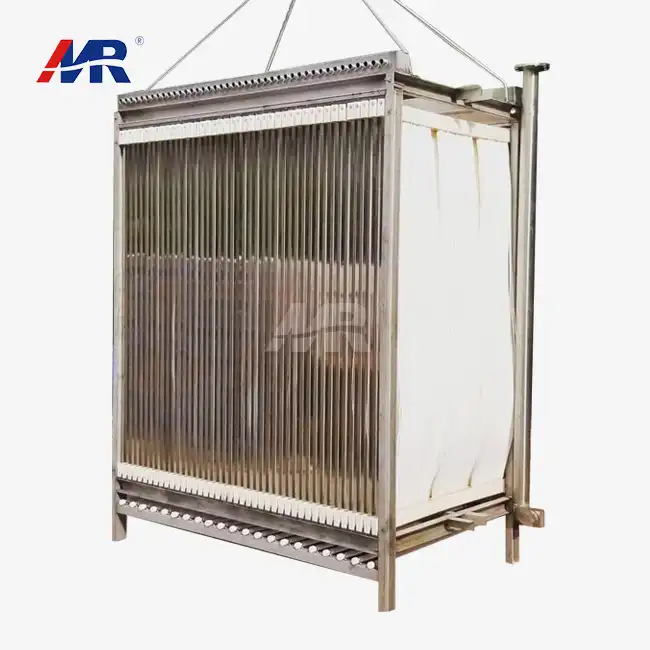
An membrane/bioreactor-wastewater-treatment">mbr membrane achieves exceptional water reuse effectiveness through the integration of biological treatment with advanced microfiltration or ultrafiltration barriers. This dual-action process allows the membrane to physically retain suspended solids, bacteria, and pathogens at levels exceeding 99.9% removal efficiency while maintaining stable flux rates even under fluctuating organic loads. The per-selective structure—typically constructed from chemically resilient materials such as PVDF or PES—enables consistent production of high-quality effluent that meets stringent discharge standards and is immediately suitable for industrial reuse, irrigation, or as pre-treated feed for reverse osmosis systems in demanding applications.
Introduction
With water scarcity and increasingly severe environmental requirements, industry and municipalities worldwide are turning to wastewater reuse as an important part of their sustainability. Membrane bioreactor technology has evolved as a revolutionary approach that integrates biological degradation and membrane filtration for producing high-grade treated water. Unlike typical activated sludge processes that require secondary clarifiers, this integrated solution uses semi-permeable barriers to produce pathogen-free, reusable effluent, drastically lowering spatial footprints.
The problem for procurement managers, plant engineers, and facility owners is knowing what really makes a membrane bioreactor system work and how to select equipment that guarantees long-term performance, operational reliability, and cost efficiencies. This article contributes scientific clarity and concrete information to help ensure confident decision-making across municipal wastewater reclamation projects, pharmaceutical manufacturing, food processing, and other industrial applications where water quality and system durability are non-negotiable.
Understanding MBR Membrane Technology: Core Principles and Process
The Integration of Biological Treatment and Physical Filtration
MBR systems are a revolutionary combination of the activated sludge process and membrane separation into a single, compact device for wastewater treatment. Inside the bioreactor, microorganisms metabolize organic contaminants, breaking down complex molecules into simpler substances. Simultaneously, the membrane barrier (pore size of microfiltration or ultrafiltration from 0.03 to 0.4 μm) is an absolute physical barrier to hold all the suspended particles, bacteria, and biomass in the reactor, allowing only clear water to pass.
The double mechanism removes the requirement for secondary clarifiers, which often occupy large land areas and are subject to performance variations under hydraulic shock loads. The outcome is excellent quality effluent, regardless of influent variation, making the technique suited for enterprises with stringent water reuse criteria.
Membrane Configurations and Material Properties
The three main types of configuration available on the market are hollow fiber, flat sheet, and tubular membranes. Hollow fiber modules have the highest packing density and enable compact system designs with effective backwashing capabilities, particularly suited for industrial wastewater with varied foulant profiles. Flat sheet membranes are more resilient and easier to clean and are generally favored for municipal applications. Tubular designs are good for high-solids streams, although they usually take up more room.
The material selection is a very important factor in performance durability. PVDF membranes have an improved chemical resistance in the pH 2 to 11 range and can handle chlorine concentrations of up to 2000 ppm in chemical cleaning cycles. Polyethersulfone alternatives are highly hydrophilic, which reduces the tendency to foul, but have significantly smaller chemical tolerance windows. Knowledge of these material differences allows engineers to match membrane specifications with specific wastewater characteristics and cleaning regimes.
Operational Parameters Governing Performance
Only when the parameters are correctly adjusted will the system be effective. Flux Rate – Flux is expressed in liters per square meter per hour (LMH). Typical flux rates are between 10 and 30 LMH depending on feed water quality and membrane type. Transmembrane pressure is a primary indicator of fouling formation, with design limits often limited to 0.6 bar to prevent irreparable damage to the membrane. In this range the biological activity is optimal and the rate of membrane fouling is controlled. The concentrations of mixed liquor suspended solids are in the range of 8,000 to 15,000 mg/L.
Aeration is used for two reasons: to supply oxygen for microbial metabolism and to generate turbulent flow at the membrane surfaces to reduce the build up of the cake layer. A long sludge retention time, often more than 20 days, leads to complete nitrification and a reduction of the excess sludge output of up to 50% in comparison to conventional systems. These characteristics together influence whether a system will operate at the design performance or will suffer early efficiency losses.
Advantages of MBR Membrane in Water Reuse Compared to Conventional Technologies
Superior Contaminant Removal and Effluent Quality
When compared to traditional secondary treatment followed by tertiary filtration, MBR membrane bioreactor systems deliver demonstrably superior results. Conventional activated sludge with secondary clarification typically achieves 85-95% removal of biochemical oxygen demand and total suspended solids. In contrast, properly operated systems utilizing membrane barriers routinely exceed 99% removal efficiency for both parameters while simultaneously achieving complete pathogen elimination without additional disinfection steps.
This performance gap becomes particularly significant in water reuse applications where regulatory standards demand turbidity levels below 2 NTU and fecal coliform counts approaching zero. Reverse osmosis systems, while effective at dissolved solids removal, require extensive pretreatment to prevent membrane fouling. Nanofiltration addresses specific contaminants but lacks the biological degradation capacity that makes integrated bioreactor technology so versatile. Ultraviolet disinfection treats pathogens effectively but provides no physical removal of particulates or organics.
Spatial and Economic Efficiency
Land constraints drive many facility upgrades toward membrane-based solutions. Traditional treatment trains incorporating primary clarifiers, aeration basins, secondary clarifiers, and tertiary filtration can occupy 50-70% more space than equivalent-capacity bioreactor systems. This footprint reduction translates directly to lower construction costs in urban environments where land values are premium considerations.
Operational economics reveal additional advantages. Chemical consumption for coagulation and flocculation—routine requirements in conventional tertiary treatment—drops significantly or eliminates entirely. Sludge production decreases by 30-50% due to extended retention times promoting endogenous respiration, reducing disposal costs that often represent 40-60% of total operational expenses. Energy consumption, while higher than basic activated sludge due to membrane aeration requirements, remains competitive when considering the elimination of multiple process steps and pumping stages.
Integration Flexibility and Upgrade Pathways
Existing wastewater treatment plants facing capacity constraints or stricter discharge limits can retrofit membrane modules into existing aeration basins, preserving infrastructure investments while dramatically improving effluent quality. This modularity allows phased capacity expansion aligned with demand growth, avoiding the large capital outlays associated with greenfield construction. Industries experiencing seasonal production variations benefit from operational flexibility, as systems maintain stable performance across wide flow ranges without the settling issues that plague clarifier-based designs.
How to Ensure MBR Membrane Effectiveness for Long-Term Water Reuse
Implementing Proactive Fouling Control Strategies
The major operational problem influencing long-term effectiveness is membrane fouling. Organic and inorganic foulants are deposited on the membrane surface, gradually increasing the transmembrane pressure and decreasing the flow. The successful operation is based on multi-level fouling control with air scouring as the first step, in which the constant air input generates shear forces to remove loosely attached particles before their consolidation into refractory cake layers.
Filtration is interrupted from time to time for short relaxation cycles during which the foulants accumulated diffuse away from the membrane surface. Backwashing, if applicable for hollow fiber topologies, reverses the flow direction to remove particulates trapped inside pore structures. These physical approaches can avoid 70-80% of possible fouling, but chemical intervention is still necessary for total recovery.
Establishing Effective Chemical Cleaning Protocols
Backwash operations are chemically augmented with dilute sodium hypochlorite or citric acid solutions to treat organic and inorganic fouling, respectively, in short, frequent intervals, usually on a daily or weekly basis, depending on the feedwater properties. Clean-in-place methods are higher-level interventions done monthly or quarterly using higher concentrations of chemicals and longer contact durations to bring membranes back to their design pressure limits.
The nature of the foulant determines the chemical that must be used to clean it. Protein foulants are treated with alkaline cleaners with oxidants, and mineral scaling requires acidic formulas. Our PVDF membrane systems are capable of withstanding chlorine exposures up to 2000 ppm, allowing for rigorous oxidative cleaning without material deterioration—a characteristic that immediately correlates to longer operational lifespan and less frequent replacement.
Monitoring and Predictive Maintenance
Real-time monitoring of transmembrane pressure, permeate flow, and temperature provides early detection of performance problems before they escalate to system failures. More recently, modern installations have begun adding automated control systems to vary aeration rates, trigger cleaning cycles, and warn the operators of problematic circumstances. The most consistent measure of actual fouling advancement that is independent of environmental variables is normalized flux tracking (adjusted for temperature and pressure variations).
Working with vendors that provide full technical assistance means you have troubleshooting knowledge in case you have operational issues. Proper startup conditions are established by professional installation performed by qualified experts and have a huge impact on long-term reliability. Responsive service availability lowers downtime during maintenance events, maintaining treatment continuity vital to industries where process water disruptions shut down output.
Choosing the Right MBR Membrane for Your Water Reuse Needs
Critical Performance Specifications
Procurement decisions must align MBR membrane capabilities with application requirements. Pore size selection balances permeate quality against fouling susceptibility—smaller pores provide superior contaminant rejection but accumulate foulants more rapidly. Our membranes feature carefully engineered pore sizes between 0.1 and 0.4 μm, optimizing the trade-off for typical municipal and industrial wastewater compositions while maintaining flux rates from 10 to 25 LMH under normal operating conditions.
Operating temperature ranges define seasonal applicability. Systems designed for 5-40°C operation accommodate most geographic locations, though understanding minimum and maximum design temperatures prevents performance surprises during extreme weather events. Chemical resistance specifications determine cleaning protocol options and membrane longevity—PVDF materials excel in this regard, tolerating pH ranges from 2 to 11 and enabling both acidic and caustic cleaning chemistries without material compromise.
Evaluating Supplier Capabilities and Support Infrastructure
Technical specifications alone provide incomplete procurement criteria. Supplier evaluation must assess manufacturing quality control, Technical support availability, spare parts logistics, and installation expertise. Guangdong Morui Environmental Technology operates membrane production facilities with rigorous quality assurance protocols, ensuring consistent product performance across production batches. Our engineering team comprises 20 specialists capable of providing application-specific design guidance, system optimization recommendations, and rapid technical assistance when operational questions arise.
Global suppliers often maintain extensive product portfolios but may lack regional service infrastructure, creating response delays during critical maintenance windows. Regional manufacturers provide proximity advantages but sometimes limited product ranges. Companies combining manufacturing scale with local presence—such as Morui's network of 14 branches serving diverse markets—offer optimal balances of product availability, technical depth, and responsive service.
Procurement Process Considerations
Sample testing with actual wastewater under controlled conditions provides invaluable performance validation before full-scale commitments. Responsible suppliers accommodate testing requests, recognizing that empirical data builds confidence far more effectively than specification sheets alone. Negotiating delivery timelines aligned with construction schedules prevents costly project delays, particularly for international procurement requiring extended shipping and customs clearance periods.
Bulk pricing structures reward larger orders but must be evaluated against inventory carrying costs and potential product improvements emerging during extended projects. Establishing preferred supplier relationships streamlines future procurements, as accumulated operational experience with specific Products reduces technical risk in subsequent installations.
Future Trends and Innovations in MBR Membrane Technology for Water Reuse
Advanced Materials and Anti-Fouling Surface Modifications
Research into next-generation membrane materials focuses on enhancing fouling resistance through surface chemistry modifications. Hydrophilic coatings reduce organic foulant adhesion, potentially extending cleaning intervals by 30-50%. Nanocomposite materials incorporating titanium dioxide or silver nanoparticles demonstrate antimicrobial properties that inhibit biofilm formation directly on membrane surfaces, addressing one of the most persistent fouling mechanisms.
Mechanical innovations include optimized fiber geometries that enhance mixing patterns and reduce dead zones where foulants accumulate. These developments promise operational cost reductions through decreased chemical consumption and extended membrane lifespan, though commercial availability remains limited to premium product lines.
Smart Monitoring and Automated Optimization
Integration of artificial intelligence and machine learning algorithms into control systems enables predictive maintenance scheduling based on operational pattern recognition. Sensors monitoring dozens of parameters continuously feed data into analytical models that forecast fouling progression, optimize cleaning timing, and adjust aeration intensity in real-time to minimize energy consumption while maintaining target flux rates.
Remote monitoring capabilities allow centralized technical teams to oversee multiple distributed installations, identifying performance anomalies and recommending corrective actions before operators detect issues through conventional monitoring. These technologies reduce staffing requirements while improving operational consistency, particularly valuable for industrial facilities where wastewater treatment represents auxiliary operations managed by limited personnel.
Regulatory Drivers and Market Evolution
Global water scarcity intensifies pressure on industries to minimize freshwater consumption through internal reuse. Regulatory frameworks increasingly mandate water recycling targets—California's recent legislation requiring industrial facilities to achieve specific reuse percentages exemplifies this trend. Tightening discharge standards simultaneously push conventional treatment plants toward advanced technologies capable of meeting stringent limits.
These regulatory pressures accelerate market adoption, driving production volumes that enable economies of scale and cost reductions. Procurement managers positioning their organizations ahead of regulatory curves gain competitive advantages through early adoption, avoiding the capacity constraints and price premiums that emerge when compliance deadlines force simultaneous market demand spikes.
Conclusion
Effective MBR membrane bioreactor systems achieve water reuse goals through carefully balanced integration of biological treatment, advanced membrane materials, and disciplined operational protocols. Procurement success requires understanding technical specifications, evaluating supplier capabilities beyond product catalogs, and committing to proactive maintenance strategies that preserve long-term performance. Industries facing spatial constraints, strict discharge requirements, or water reuse mandates will find these systems delivering superior outcomes compared to conventional alternatives, provided they select appropriate equipment matched to specific wastewater characteristics and operational contexts.
FAQ
1. What is the typical lifespan of a membrane bioreactor system?
High-quality PVDF membrane modules typically operate effectively for 5 to 8 years with proper pre-treatment and maintenance protocols. Lifespan depends heavily on feedwater characteristics, cleaning discipline, and operational conditions—installations treating relatively clean municipal wastewater at consistent flows often exceed 8 years, while harsh industrial applications with aggressive foulants may require replacement after 4-5 years. Regular monitoring of transmembrane pressure trends and normalized flux provides an early indication when membrane replacement approaches necessity.
2. How does membrane bioreactor technology compare to traditional activated sludge?
Traditional activated sludge relies on gravity settling in secondary clarifiers to separate treated water from biomass, limiting achievable effluent quality and requiring substantial land area. Bioreactor systems replace clarifiers with membrane filtration, achieving absolute physical separation that removes virtually all suspended solids and pathogens. This produces consistently higher quality effluent suitable for direct reuse applications, occupies 50% less space, and eliminates performance variability associated with settling efficiency.
3. Can these systems handle industrial wastewater with high organic loads?
Yes, though specific configurations and operating parameters must match waste stream characteristics. Systems effectively treat high biochemical oxygen demand wastewater by maintaining elevated biomass concentrations and extending retention times. Certain industrial streams containing heavy metals or toxic compounds require pre-treatment before biological processing. Consultation with experienced suppliers ensures proper system design aligned with actual wastewater composition and discharge requirements.
Partner with Morui for Superior Water Reuse Solutions
Guangdong Morui Environmental Technology specializes in delivering advanced membrane bioreactor systems engineered for reliable, long-term performance across municipal and industrial applications. Our vertically integrated capabilities—from membrane production through complete system design, installation, and commissioning—ensure technical coherence that isolated component procurement cannot achieve. With 20 dedicated engineers, 14 regional branches, and partnerships with industry-leading equipment manufacturers including Shimge Water Pumps and Runxin Valves, we provide comprehensive support throughout project lifecycles. Contact Our Team at benson@guangdongmorui.com to discuss your specific water reuse requirements with experienced professionals. Request detailed technical specifications, arrange sample testing with your actual wastewater, or explore competitive mbr membrane supplier pricing structures designed to accommodate projects from pilot installations to full-scale treatment plants. Visit moruiwater.com to discover how our proven solutions optimize water treatment processes while delivering measurable operational and environmental benefits.
References
1. Judd, S. (2016). The MBR Book: Principles and Applications of Membrane Bioreactors for Water and Wastewater Treatment. Butterworth-Heinemann, Oxford.
2. Metcalf & Eddy, Inc. (2014). Wastewater Engineering: Treatment and Resource Recovery (5th Edition). McGraw-Hill Education, New York.
3. Kraume, M., and Drews, A. (2010). "Membrane Bioreactors in Waste Water Treatment – Status and Trends." Chemical Engineering & Technology, 33(8), 1251-1259.
4. Le-Clech, P., Chen, V., and Fane, T.A.G. (2006). "Fouling in Membrane Bioreactors Used in Wastewater Treatment." Journal of Membrane Science, 284(1-2), 17-53.
5. Stephenson, T., Judd, S., Jefferson, B., and Brindle, K. (2000). Membrane Bioreactors for Wastewater Treatment. IWA Publishing, London.
6. Cicek, N., Winnen, H., Suidan, M.T., Wrenn, B.E., Urbain, V., and Manem, J. (1998). "Effectiveness of the Membrane Bioreactor in the Biodegradation of High Molecular Weight Compounds." Water Research, 32(5), 1553-1563.
 VIEW MOREContainerized Reverse Osmosis Systems
 VIEW MOREosmosis water purification system
 VIEW MOREindustrial reverse osmosis membrane
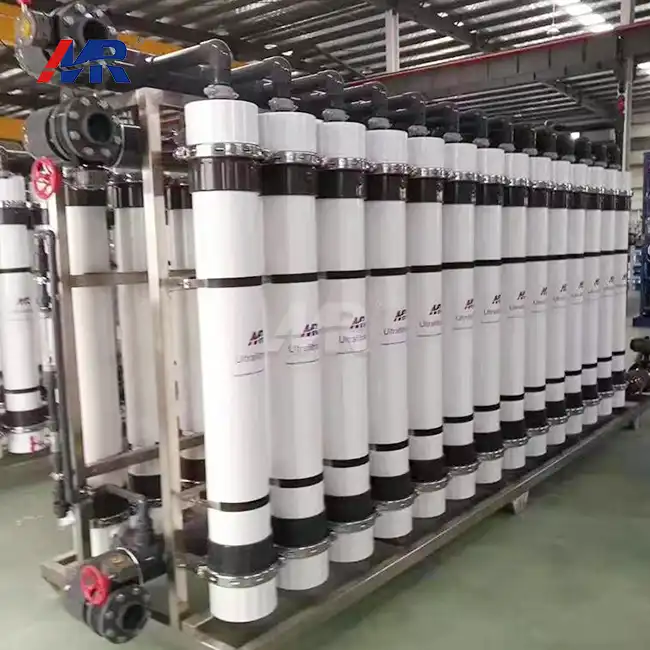 VIEW MORE70m3/hour ultrafiltration plant
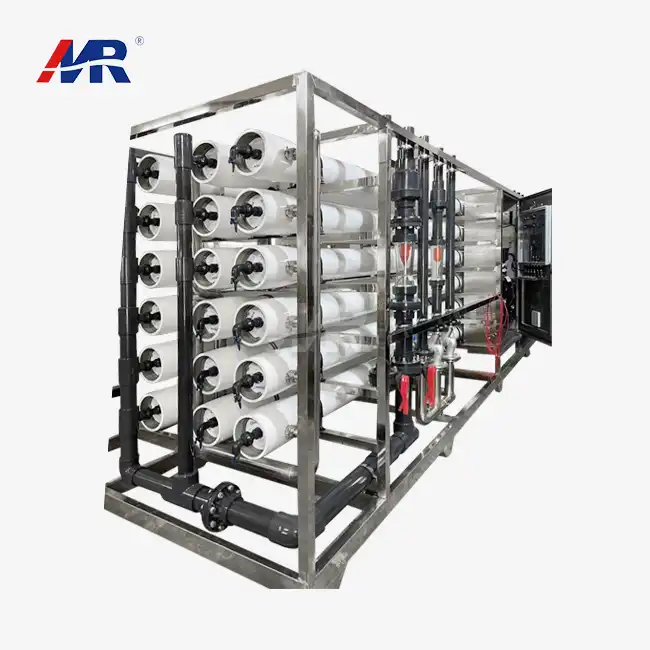 VIEW MORE100m3/hour reverse osmosis equipment
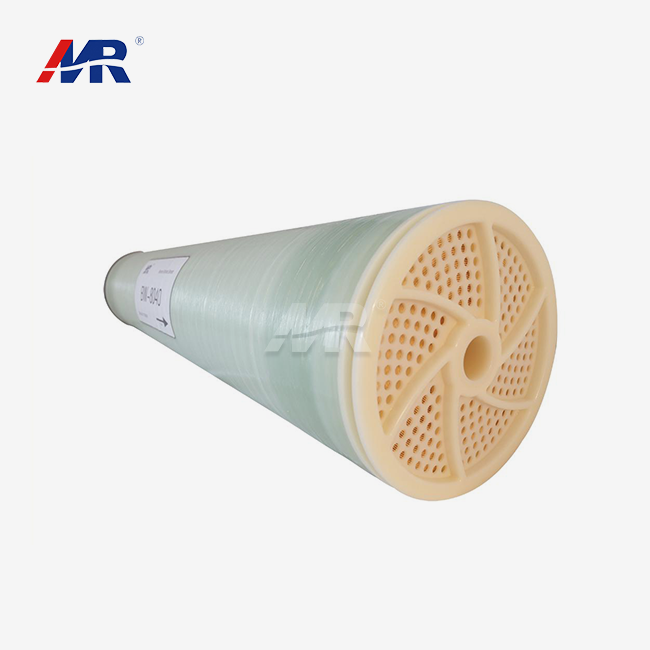 VIEW MOREbrackish membrane
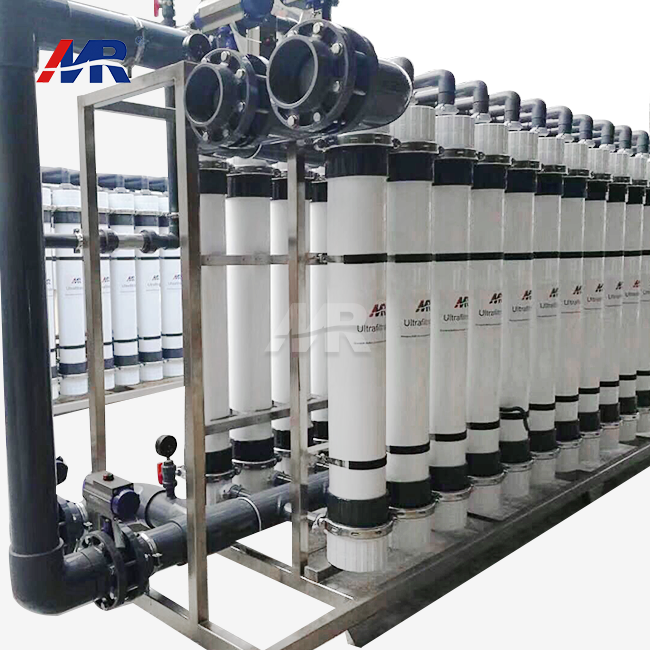 VIEW MOREultrafiltration water system
 VIEW MOREro edi system
