

_1745823981883.webp)

Containerized RO Systems for Scalable Water Purification Solutions
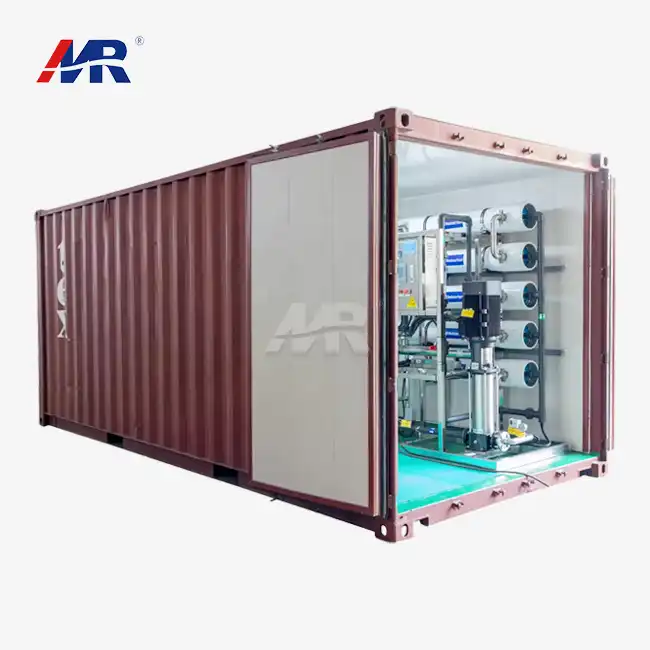
Containerized RO systems represent a transformative approach to water purification, delivering complete reverse osmosis treatment capabilities within standardized shipping containers. These turnkey solutions package pre-treatment, membrane filtration, and post-treatment processes into mobile, climate-controlled units that eliminate traditional infrastructure barriers. Capable of producing up to one million gallons daily from a single forty-foot container, these systems address urgent water quality demands across industrial, municipal, and remote applications while reducing deployment timelines from months to weeks.
Understanding the Need for Containerized RO Systems
Conventional water treatment infrastructure requires large capital investment, major civil works and long building durations. Project delays are common in manufacturing facilities, municipal water plants, and pharmaceutical operations, knocking production schedules off course and blowing budgets. For traditional water treatment facilities, installation costs are frequently 30-40% more than anticipated, mainly attributable to site-specific civil works and unforeseen permission issues.
Rising Regulatory Pressure and Quality Standards
Water quality rules are getting tougher across the United States, with the EPA setting lower limits on contaminants in industrial discharges and ensuring the safety of drinking water. Water purity must be certified to meet FSMA regulations for food and beverage processors, and pharmaceutical producers must adhere to stringent GMP standards for production water. These changing demands translate into pressing needs for flexible purification technologies that can be scaled up without having to redo whole treatment facilities.
Industry-Specific Challenges Driving Adoption
Semiconductor production requires electronics manufacturers to use ultrapure water with conductivity less than 0.1 µS/cm. However, many current factories do not have the space to expand their water treatment operations in the traditional way. Fast boiler feedwater solutions are required for power generation plants to keep operational efficiency high during peak demand periods. Marine municipalities considering seawater desalination encounter land acquisition restrictions that containerized mobile plants are able to efficiently circumvent. There is a need for brackish water treatment in drought-prone agricultural areas that can be mobile when irrigation patterns change.
Containerized reverse osmosis systems overcome these barriers by being factory integrated to ensure performance before shipping. A New Jersey pharmaceutical business recently installed a 40-foot containerized unit that was fully GMP compliant in three weeks from delivery vs. the 18-month schedule indicated for traditional building. This modular solution is particularly useful when permanent installations are not possible due to lease contracts, environmental regulations, or temporary project needs.
Core Components and Working Principles of Containerized RO Systems
These developed systems combine many treatment steps into reinforced ISO containers for global distribution and demanding operational conditions. The modular architecture enables customization for specific water chemistry challenges while maintaining standardized manufacturing quality.
Advanced Reverse Osmosis Technology Integration
The process begins with the intake of source water, when booster pumps bring the raw water into the pre-treatment phase. Multi-media filtration is employed for the removal of suspended solids, and chemical dosing systems are utilized to control pH and inject antiscalants to prevent membrane fouling. The activated carbon filters remove chlorine and organic compounds that would destroy the reverse osmosis membranes. The cartridge filters remove any remaining particles before the high-pressure pump.
High-pressure pumps increase water pressure to the required pressure (150-1200 psi, depending on feedwater salinity) to force the water molecules through semi-permeable membranes that reject 99.5% of dissolved salts, metals, and pollutants. The membrane vessels separate permeate (purified water) from concentrate (brine). Energy recovery systems collect hydraulic energy from the concentrate stream to minimize power usage by 25-35%. The post-treatment phases are for pH adjustment, addition of important minerals for potable water applications, and final disinfection by UV or chemical dosing.
Automation and Remote Monitoring Capabilities
Modern Containerized RO systems employ PLC-based control platforms from manufacturers like Siemens and Allen-Bradley, enabling full-process automation with minimal operator intervention. Real-time sensors continuously monitor critical parameters including feed pressure, permeate conductivity, flow rates, and membrane differential pressure. When sensors detect deviations from optimal ranges, the system automatically adjusts chemical dosing or flow rates or initiates alarm protocols.
Remote monitoring through SCADA interfaces allows technical teams to access system performance data from any location, diagnosing issues before they escalate into operational failures. This connectivity proves essential for installations in remote locations or multi-site operations where centralized oversight improves efficiency. Predictive maintenance algorithms analyze performance trends to schedule membrane cleaning or component replacement during planned downtime, avoiding unexpected disruptions that cost thousands in lost production.
Advantages of Containerized RO Systems Over Traditional Solutions
The strategic benefits go beyond portability and profoundly transform the way firms look at water infrastructure investment and operational planning.
Unmatched Scalability and Deployment Flexibility
Companies can start with a single containerized unit to satisfy their current capacity requirements, then add parallel modules as demand increases, without having to redesign the entire treatment system. A beverage bottling plant in Texas first built a single 20-foot container that produced 50,000 gallons per day and then expanded to three interconnected units during a production line expansion. The project was completed in 10 days without stopping existing operations. The incremental expansion concept matches capital spending to revenue growth and reduces financial risk compared to huge typical facilities designed for estimated future capacity.
Mobility features are particularly handy for temporary tasks. Construction sites requiring dewatering for 6-18 months can lease containerized systems, then relocate equipment as projects complete. The rapid deployability is also useful in disaster response scenarios. For example, containerized desalination machines provided emergency potable water for towns devastated by hurricanes in Florida within 48 hours of being delivered.
Cost Efficiency and Reduced Total Ownership Expenses
Elimination of civil works simplifies permitting and shortens engineering schedules. Upfront capital requirements are generally 30-50% less than traditional plants of equal capacity. The latest membrane technology and energy recovery systems upgrade the energy efficiency and decrease the operation expenses by $0.15-0.30 per thousand gallons treated. Standardized component access and factory-trained service standards save diagnostic time and maintenance costs.
A North Carolina pharmaceutical business saved $340,000 in three years by switching from an outdated conventional system to two containerized units, principally from reduced downtime, lower chemical use, and fewer maintenance staff hours. Its modular architecture enables component replacement without taking the whole system offline, providing a continuity of production that is not possible with traditional arrangements.
Environmental Compliance and Sustainability Benefits
These technologies help companies achieve their sustainability goals by reducing water usage through better recovery rates—often achieving 75-85% efficiency for brackish water applications against 60-70% in earlier installations. Small footprints mean less land disturbance, preservation of green space, and simplified environmental permitting. Concentrate management alternatives include integration with zero liquid discharge or safe disposal systems that meet strict discharge restrictions.
ISO 9001 production standards Certifications provide consistent quality, and NSF/ANSI 61-certified components guarantee drinking water safety. ASME pressure vessel construction satisfies stringent safety criteria to protect people and neighboring areas.
How to Select the Right Containerized RO System for Your Business
Procurement decisions require balancing technical specifications against long-term operational requirements and budget constraints.
Comprehensive Water Quality Assessment
Begin with detailed feedwater analysis identifying total dissolved solids, hardness, silica, organic content, temperature ranges, and specific contaminants requiring removal. A semiconductor facility needs different pre-treatment than a desalination application, even when both target similar permeate quality. Water chemistry drives membrane selection, pre-treatment configuration, and post-treatment requirements that significantly impact system cost and performance.
Volume requirements must account for daily average demand plus peak usage periods, emergency reserves, and future expansion plans. Recovery rate expectations influence concentrate disposal methods and overall water efficiency. Understanding whether applications need continuous operation or batch production affects automation sophistication and redundancy requirements.
Evaluating Supplier Capabilities and Support Infrastructure
Technical expertise matters significantly when selecting Containerized RO systems suppliers beyond equipment specifications. Evaluate whether manufacturers maintain in-house membrane production facilities, ensuring quality control and replacement part availability. Companies operating multiple equipment processing factories demonstrate manufacturing capacity to meet delivery timelines without compromising build quality.
After-sales service infrastructure determines long-term operational success. Suppliers with domestic branch networks provide faster response for troubleshooting and component replacement. Access to twenty or more engineers indicates technical depth for complex customization and ongoing optimization support. Partnership relationships with component manufacturers like Shimge Water Pumps, Runxin Valves, and Createc Instruments suggest established supply chains reducing lead times for replacement parts.
Industry-Specific Customization Requirements
Food and beverage operations need sanitary design features including pharmaceutical-grade tubing, CIP (clean-in-place) systems, and documentation packages for regulatory compliance. Electronics manufacturers require conductivity monitoring at multiple treatment stages plus redundant polishing systems guaranteeing consistent ultrapure water quality. Municipal applications prioritize operator-friendly interfaces and extensive alarm systems protecting public health.
Integration with existing infrastructure demands careful engineering, particularly when containerized systems must interface with legacy control systems, existing storage tanks, or distribution networks. Experienced suppliers conduct site surveys identifying electrical service requirements, water connection specifications, and concentrate disposal options before finalizing system configurations.
Real-World Case Studies Demonstrating Scalability and Efficiency
Documented installations across diverse industries validate performance claims and reveal practical implementation insights.
Industrial Manufacturing Rapid Deployment
A metal finishing plant in Michigan faced immediate water quality challenges when municipal supply changes caused coating defects costing $15,000 daily in scrap. Traditional treatment plant construction required eight months, unacceptable given daily losses. The facility installed a containerized RO unit within three weeks of order placement, immediately restoring product quality. The system operates in a climate-controlled container withstanding winter temperatures below -10°F without performance degradation, demonstrating thermal engineering capabilities essential for harsh environments.
Remote Location Seawater Desalination
An offshore platform in the Gulf of Mexico needed freshwater production independence from supply vessels, which represented both operational risk and significant logistics expense. A 20-foot containerized seawater system now produces 15,000 gallons daily, reducing supply vessel trips by 75% and generating ROI payback within fourteen months. The compact footprint fit existing platform space constraints, impossible for traditional desalination equipment.
Municipal Emergency Response Application
Following infrastructure damage, a California community required interim potable water while repairing a contaminated well field. Two containerized units provided 200,000 gallons daily for six months during repairs, then relocated to a neighboring district experiencing seasonal supply shortages. This flexibility maximized asset utilization across jurisdictions, justifying capital investment through shared-service arrangements impossible with permanent installations.
These installations share common success factors: thorough pre-deployment planning, supplier Technical support during commissioning, and operator training ensuring optimal long-term performance. Lifecycle management practices, including quarterly performance reviews and annual membrane integrity testing maintain efficiency above 95% of design specifications years after installation.
Conclusion
Containerized RO systems fundamentally reshape water purification infrastructure planning by eliminating traditional deployment barriers while delivering performance matching permanent installations. The combination of factory-built quality assurance, rapid deployment capabilities, and incremental scalability addresses critical business needs across manufacturing, municipal, pharmaceutical, and energy sectors. Organizations gain financial flexibility through reduced capital requirements and operational agility, responding to changing water demands or regulatory requirements. Proven case studies demonstrate reliable performance in demanding applications from industrial plants to remote offshore platforms, validating this technology as a strategic solution rather than a temporary alternative.
Frequently Asked Questions
How quickly can containerized RO systems be installed and operational?
Installation timelines typically range from two to four weeks after delivery, dramatically shorter than traditional water treatment plants, requiring 6-18 months. The prefabricated design arrives with internal piping, electrical systems, and controls factory-tested and commissioned. On-site work involves concrete pad preparation, utility connections (electrical service, feed water supply, and concentrate disposal), and final system startup. Weather-related delays affect traditional construction significantly more than containerized installations due to reduced outdoor work requirements.
What maintenance requirements should operators expect?
Routine maintenance includes daily operational checks of pressure gauges and flow meters, weekly chemical tank refills, and monthly cartridge filter replacements. Membrane cleaning occurs every 3-6 months depending on feed water quality, using automated CIP systems requiring minimal labor. Annual maintenance involves membrane performance testing, pump seal inspection, and control system calibration. Remote monitoring systems alert operators to developing issues before they impact production, reducing emergency maintenance events. Many suppliers offer preventive maintenance contracts providing scheduled service visits and priority parts availability.
Can systems scale to meet future capacity increases?
Modular design specifically enables capacity expansion through parallel unit addition without modifying existing equipment. Control systems accommodate multiple containers operating as integrated treatment trains, automatically balancing flow and maintaining consistent permeate quality. A facility starting with one 50,000-gallon-per-day unit can add identical modules, reaching 200,000+ gallons daily capacity. This approach avoids the common problem of oversized initial investments in traditional plants built for projected future demand.
Partner with Morui for Your Water Purification Needs
Guangdong Morui Environmental Technology delivers comprehensive containerized reverse osmosis system solutions backed by over 500 employees, twenty specialized engineers, and fourteen service branches, ensuring responsive support across North America. Our vertically integrated capabilities include proprietary membrane manufacturing, equipment fabrication facilities, and established partnerships with industry-leading component suppliers. Whether you need pharmaceutical-grade purified water, industrial process water, or municipal drinking water solutions, our technical team designs customized systems meeting exact specifications.
We provide turnkey services from initial water quality assessment through installation, commissioning, operator training, and ongoing lifecycle support. Our containerized systems operate reliably in temperatures from -20°C to +50°C, featuring 316L stainless steel construction, advanced PLC automation, and remote monitoring capabilities. As an experienced containerized ro systems supplier, we understand procurement decision-makers require confidence in long-term performance and supplier stability. Contact our engineering team at benson@guangdongmorui.com to discuss your specific water treatment challenges and receive a detailed technical proposal demonstrating how our scalable solutions optimize your operations while reducing total ownership costs.
References
1. American Water Works Association. (2021). Membrane Filtration Technology in Municipal Water Treatment: Design and Operation Manual. Denver: AWWA Press.
2. Chen, J., & Morrison, R. (2019). Advances in Reverse Osmosis System Engineering for Industrial Applications. Journal of Water Process Engineering, 32(4), 215-228.
3. Environmental Protection Agency. (2020). Mobile and Modular Water Treatment Systems: Regulatory Considerations and Best Practices. Washington: EPA Office of Water.
4. International Desalination Association. (2022). Containerized Desalination Systems: Market Analysis and Technology Trends. Topsfield: IDA Publications.
5. Petersen, R.J., & Cadotte, J.E. (2018). Thin Film Composite Reverse Osmosis Membranes: Performance Characteristics in Modular Systems. Industrial Water Treatment, 45(2), 78-94.
6. Water Quality Association. (2023). Scalable Water Purification Technologies for Commercial and Industrial Applications: Technical Review and Standards Compliance. Lisle: WQA Technical Services.
 VIEW MOREbioreactor wastewater treatment
 VIEW MORE90T/H ultrafiltration equipment
 VIEW MORELandfill Leachate Treatment Plant
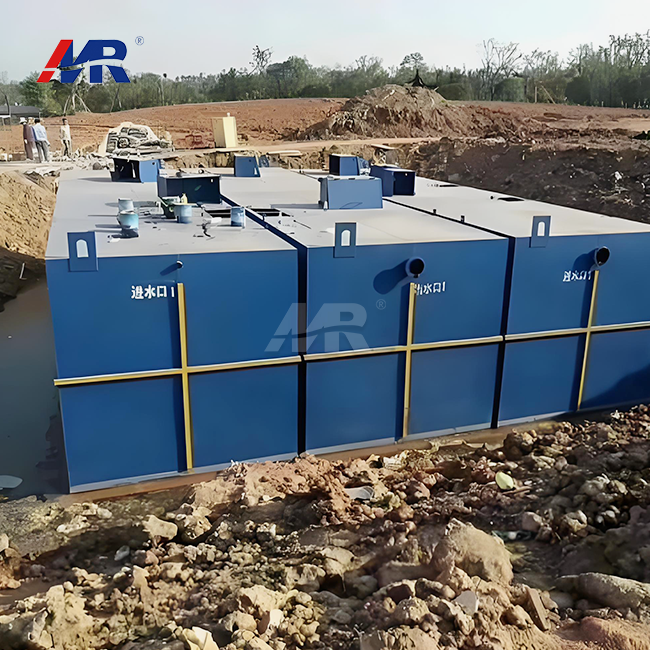 VIEW MOREwastewater treatment plant units
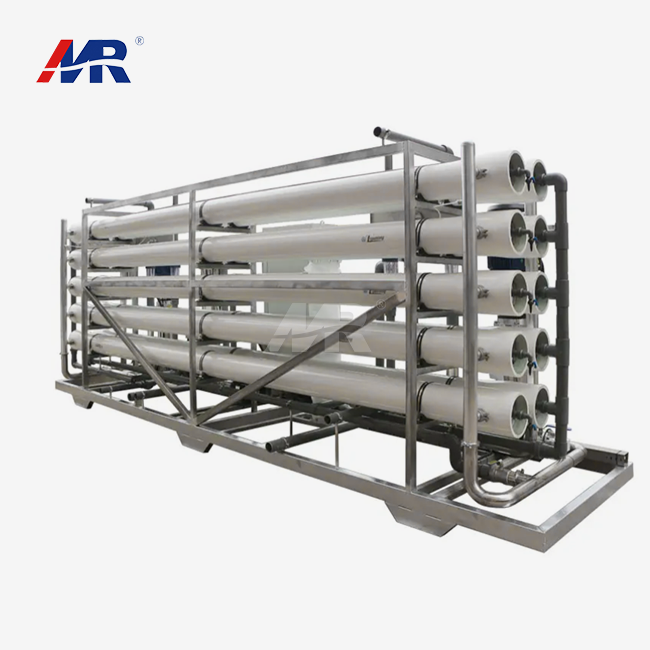 VIEW MOREbrackish water reverse osmosis systems
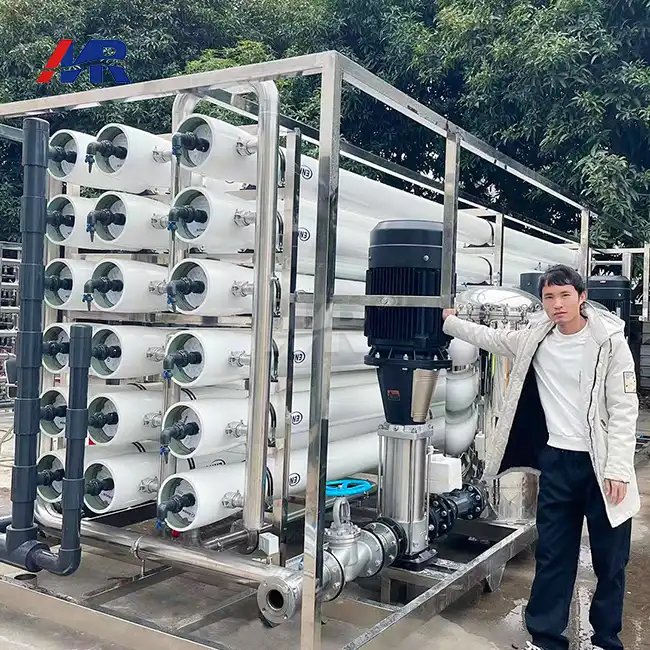 VIEW MORE100m3/hour reverse osmosis system
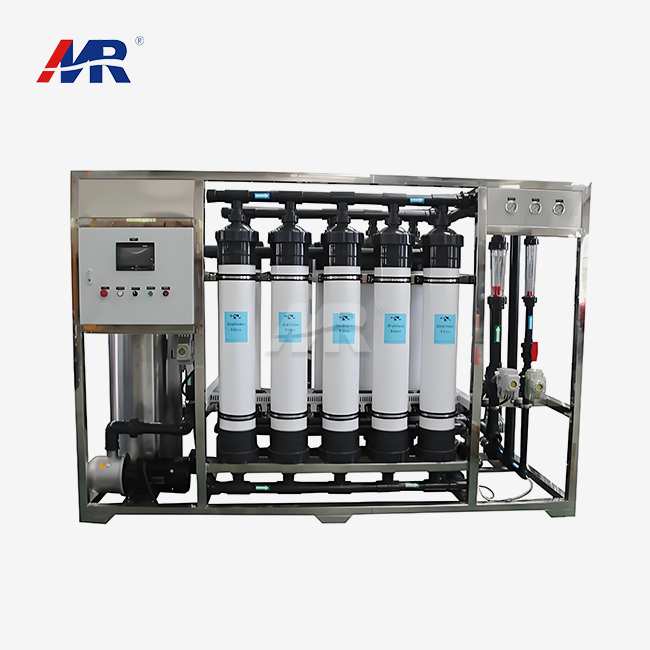 VIEW MOREultrafiltration skid
 VIEW MORE25m3/hour reverse osmosis equipment
