_1745823981883.webp)

How Does a 7 Stage Water Filter System Improve Water Quality?
A seven-stage water filter system (7-stage water filter system) cleans water precisely by removing contaminants one by one through seven different hurdles. This high-tech setup filters water down to 0.0001 microns, getting rid of sediments, chlorine, heavy metals, bacteria, and suspended solids while adding back in healthy minerals and pH balance. Unlike easier three-stage units, this all-around method guarantees stable water quality, which is important for factories, drug factories, and food processing plants where cleanliness standards affect the consistency of Products and regulatory compliance.
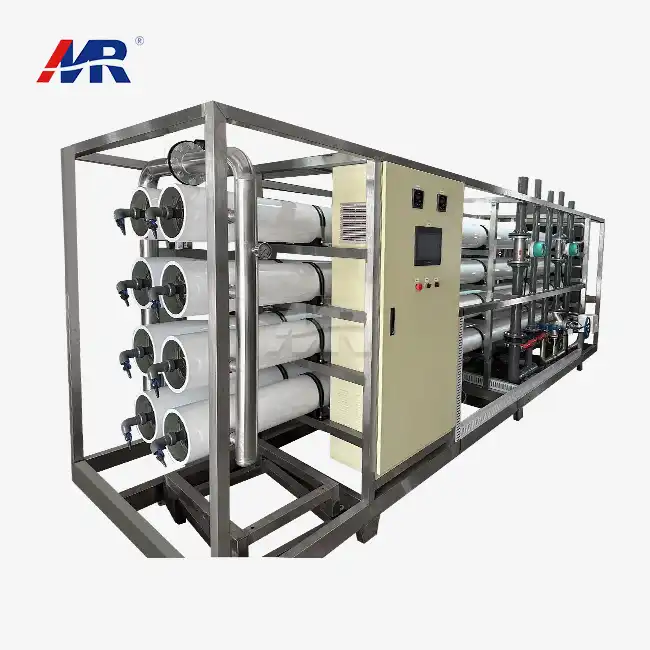
Understanding the 7 Stage Water Filter System
A seven-stage water filter system cleans water precisely by removing contaminants one by one through seven different hurdles. This high-tech setup filters water down to 0.0001 microns, getting rid of sediments, chlorine, heavy metals, bacteria, and suspended solids while adding back in healthy minerals and pH balance. Unlike easier three-stage units, this all-around method guarantees stable water quality, which is important for factories, drug factories, and food processing plants where cleanliness standards affect the consistency of products and regulatory compliance.
Understanding the 7 Stage Water Filter System
Multi-stage filtration is a big change in how we deal with problems related to cleaning water in many different industries. These systems are built in a way that blends physical barriers, chemical adsorption, membrane separation, and controlling microbes all into one solution.
What Defines a 7 Stage Configuration?
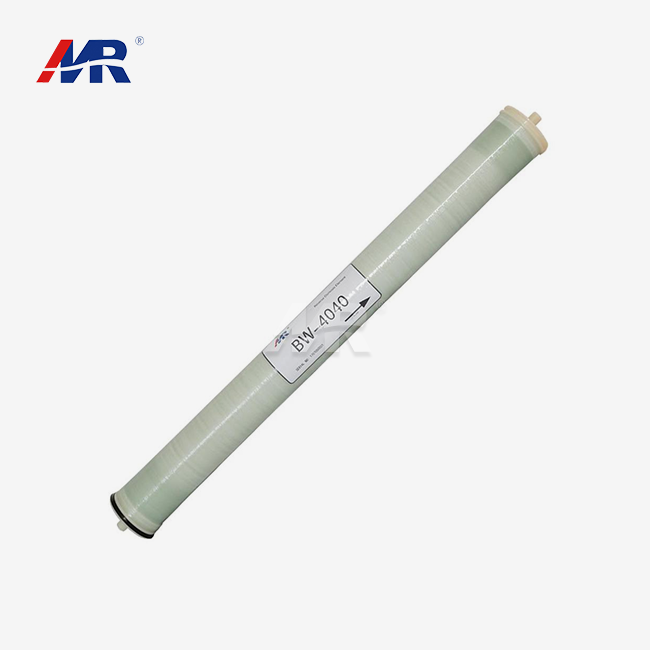
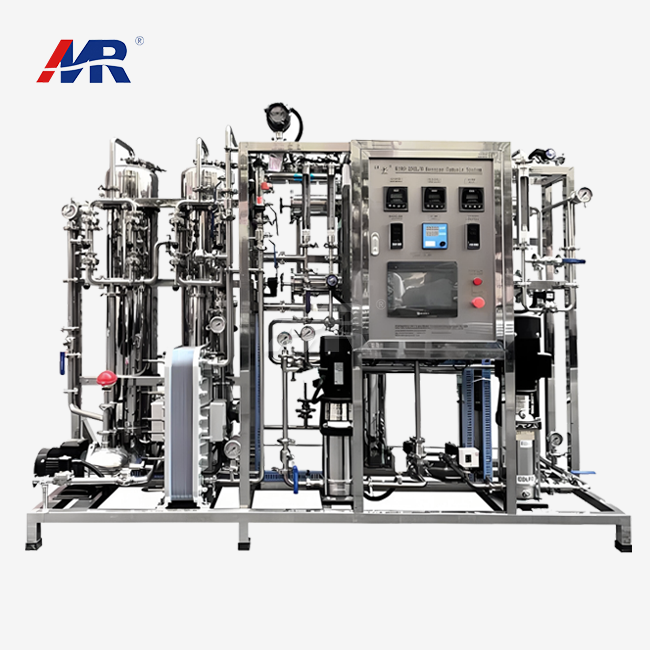
The structure of the system usually includes five-micron PP sediment pre-filters, granular activated carbon (GAC) to get rid of chlorine, carbon block filtration, reverse osmosis membranes that get rid of 99% of contaminants, post-carbon polishing, remineralization cartridges, and ultraviolet sterilization. Each layer takes care of different aspects of water quality that single-stage systems can't handle well enough. Water Quality Association research backs up the idea that multi-barrier methods can lower Total Dissolved Solids (TDS) from 300–500 ppm to below 50 ppm, which is low enough to meet pharmaceutical-grade standards. When making electronics, this level of accuracy is important because even small amounts of minerals can mess up chip production.
Core Technologies Working in Harmony
The main process is reverse osmosis (7-stage water filter system), but how well it works relies on how well the water was treated first. Sediment screens keep membranes from getting clogged, carbon stages get rid of oxidizing agents that damage polyamide membranes, and post-treatment stages fix the problems that RO has by itself, like making salty water that lacks important minerals. During the remineralization stage, calcium and magnesium are added again. This changes the pH from 5.5 to 8.0, which keeps acidic water from breaking pipes in industrial sites. UV sterilization kills all microbes, which is very important for medicinal processes where the number of bacteria must stay below one CFU per 100 millilitres.
Why Seven Stages Matter for B2B Applications
Teams in charge of buying things for factories weigh the depth of the filter against the risk of operations. A pharmaceutical company that is being audited for GMP violations can't stand microbe contamination. Food makers need to keep chlorine or organic chemicals from leaving behind bad flavours. To keep wafers from having problems, electronics factories need silica levels below 0.01 ppm. Seven-stage designs have built-in redundancy that protects against failure. If one carbon stage gets filled too soon, the water quality will be maintained by the layers below until maintenance is done. Less downtime and uniform production quality are the results of this operating robustness.
How the 7 Stage System Improves Water Quality and Health
The real value these systems bring to businesses is measured by how well they get rid of contaminants, since water quality has a direct effect on their bottom line.
Documented Contaminant Reduction Rates
Independent testing by NSF International shows that seven-stage systems can get rid of 98–99% of lead, arsenic, mercury, and chromium-6 as long as they are kept in good shape. More than 99.5% of chlorine is rejected, getting rid of the chemical taste that lowers the quality of the drink. Bacteria are removed with a log-6 decrease of 99.9999%, which meets CDC standards for controlling pathogens. New toxins like PFAS and PFOS are successfully removed by carbon adsorption and RO rejection. These chemicals are now controlled below 70 parts per trillion. These measured results are important when hospitals make treatment water or when bottling plants make sure that the same product is made on each run.
Industrial Health and Safety Benefits
Beyond product quality, the cleanliness of the water affects the safety of the workers. Workers are exposed to Legionella bacteria when raw water is used to cool equipment or mix processes. These bacteria grow in cold distribution systems. These bacteria are killed by UV sterilization steps without using chemical disinfectants, which can be dangerous on their own. Getting rid of nitrates helps facilities that process farm goods and lowers the risk of methemoglobinemia in staff who handle wash water. Remineralization steps stabilize the pH, which stops pipes from rusting and stops lead from leaching from older water systems.
Regulatory Compliance and Operational Continuity
Through the Safe Drinking Water Act, the U.S. Environmental Protection Agency sets Maximum Contaminant Levels for more than 90 chemicals. Industrial sites also have to follow sector-specific rules, such as FDA rules for areas that come into contact with food, EPA release permits for process water, and state-level rules that range from California's strict Proposition 65 to regional farming standards. Regular testing of water quality in 7-stage water filter systems shows that they are in line, which pleases inspectors and lowers the risk of being sued. This ability to record becomes very useful when the facility grows, when permits need to be renewed, or when third parties need to certify it.
Comparing 7 Stage Water Filter Systems With Other Solutions
It's important to be able to tell the difference between the different filtering methods and setups before making a purchase choice.
Performance Advantages Over Simpler Systems
Five-stage systems usually don't do remineralization or UV sterilization, so the mineral content is lower, and RO is the only way to kill microbes. This lowers the original spending by 15 to 20 percent, but it makes things harder in the long run. RO percolate is acidic, which eats away at stainless steel tanks and pipes, so they need to be replaced too soon. If UV sterilization isn't used, post-membrane pollution can happen during filter changes. Mineralization is often part of six-stage setups, but UV treatment is left out, which isn't good enough for medical or pharmaceutical uses. The extra cost of the seventh stage—usually $300 to $800 for business installations—reduces risk more than it should.
Total Cost of Ownership Analysis
Teams that buy equipment weigh the cost of the purchase against the costs of running the business over the next five to ten years. Seven-stage systems use 20% less ro membrane area than stand-alone RO units that handle the same flow rates. This is because better pre-treatment makes the membrane last longer, from 24 months to 36 to 40 months. This cuts the cost of repair from $1,200 a year to $800 when used in business settings. The amount of energy used is the same for all designs because the main power load is on the booster pumps, no matter how many stages there are. The wastewater ratio—an important measure of sustainability—improves from 3:1 in basic RO systems to 1.5:1 in seven-stage designs that recycle filtrate and restore pressure.
Application-Specific Suitability
For making electronics, the resistance needs to be higher than 15 megohm-cm, which can only be done by combining RO with electrodeionization (EDI). For semiconductor-grade output, standard seven-stage consumer devices need to have EDI modules added. On the other hand, farm irrigation can handle higher TDS levels, so the remineralization step isn't needed and might even be harmful. The design of the stage must match the needs of the end user. For example, pharmaceutical facilities put an emphasis on controlling microbes through UV enhancement, while beverage plants put an emphasis on carbon depth for taste optimization.
Procurement Considerations for B2B Clients
Strategic choices about buying include more than just the specs of the tools. They also include the skills, lifecycle support, and growth of the provider.
Evaluating Supplier Credibility and Capabilities
Guangdong Morui Environmental Technology has 14 area offices with a total of 500 workers, 20 of whom are engineers who develop water treatment systems. This system allows quick release and local service response, which are very important for keeping production running as smoothly as possible. Our membrane production plant controls the quality of the parts and makes sure the supply chain works reliably, which is something that third-party wholesalers can't do. We have strategic relationships with Shimge Water Pumps, Runxin Valves, and Createc Instruments. This lets us use the best parts while still being accountable to a single source. Customers get a full installation service that includes site inspection, equipment setup, and user training. This is something that different providers have a hard time coordinating.
Customization and Scalability Options
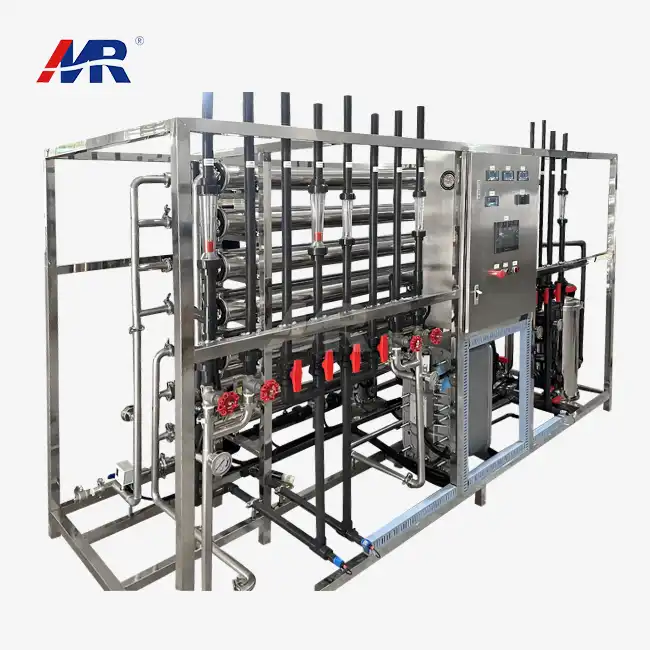
Standardized seven-stage domestic units only give 50 to 75 gallons of water a day, which is not enough for commercial use. Through parallel membrane grids and high-capacity pre-filters, commercial setups can handle anywhere from 200 to 800 gallons of water per day. Morui makes changes based on the application. For example, pharmaceutical clients get USP-grade parts and automated cleaning cycles. Food processors get CIP-compatible housings for cleaning validation. And electronics manufacturers get conductivity monitoring with automatic shutdown protection. Private labelling is possible for wholesalers who serve niche markets thanks to OEM customization, and modular designs let capacity grow without replacing core infrastructure.
Warranty Terms and Service Level Agreements
Industrial filter systems are big expenses that need to be backed up by performance promises. Full guarantees should cover the stability of the membrane for 24 to 36 months, structural problems with the case for five years, and problems with the computer controls for three years. Service level agreements that spell out reaction times—ideally, four hours for emergency help and 24 hours for regular service—keep output from stopping, which can be very expensive. Maintenance contracts that include replacing filters, checking the water quality, and yearly performance checks make planning easier and make sure the system works at its best. Check the supplier's financial security and the number of service locations in your area. Even the best tools can be a risk if the customer service after the sale isn't good enough.
Maintenance and Troubleshooting Best Practices
Long-term success relies on upkeep plans (7-stage water filter system) that are proactively made to fit the level of activity and the changing source water.
Scheduled Filter Replacement Protocols
In high-turbidity situations, sediment pre-filters need to be replaced every three months, but with public water sources, they may last six months. Carbon steps usually last between 8 and 12 months, which can be seen by test strips showing chlorine escape. Normalized flux and salt rejection tests must be done on RO membranes once a year, and they need to be replaced when rejection falls below 95% or flux drops 15% from baseline. Depending on how much they are used, remineralization tubes last between 12 and 18 months. UV lights kill germs for about 9,000 hours of use, which is about 12 months in factory areas where they are used all the time. Keeping detailed service logs lets you change parts before they stop working properly and affect the quality of the production.
Common Operational Issues and Resolutions
Lower flow rate usually means that the pre-filter is clogged or the membrane is shrinking. The limit point can be found by comparing the pressures at different steps of the filter. If the inlet pressure stays the same but the permeate flow drops, the membrane needs to be cleaned or replaced. People who say the taste doesn't taste right may be referring to bacterial growth in storage tanks after RO, which can be fixed by disinfecting them with hydrogen peroxide. Leaks usually happen when O-rings aren't properly set when the filter is changed. This problem can be avoided by using food-grade silicone lube when putting the machine back together again. Gradual rises in permeate TDS, or TDS creep, are signs of membrane damage or O-ring bypass, which means the part needs to be inspected and replaced.
Professional Service Integration
Internal maintenance teams can change filters on a regular basis, but specialists are needed for membrane autopsies, system performance optimization, and regulatory compliance testing. Professional checks should be done once a year and should include checking the flow rate, the pressure at all steps, the strength of the UV lamp, and a full study of the water quality that includes controlled contaminants. These tests create paperwork that meets the requirements of ISO 9001 quality systems and certificates specific to the business. By building relationships with qualified service providers before equipment breaks down, you can stop emergencies from turning into long production stops.
Conclusion
Seven-stage water filtration systems deliver measurable water quality improvements through integrated technologies addressing diverse contaminant categories. Industrial applications benefit from consistent output meeting pharmaceutical, food-grade, and electronics manufacturing standards while supporting regulatory compliance and workforce safety. Procurement decisions should weigh total ownership costs, supplier service capabilities, and application-specific customization needs rather than focusing narrowly on initial equipment pricing. Proper maintenance protocols and professional service partnerships ensure these systems deliver their full operational lifespan and performance potential. Organizations prioritizing water quality as a production critical control point find that comprehensive multi-stage filtration provides both risk mitigation and competitive advantage.
FAQ
1. Can a 7 Stage System Remove Fluoride Effectively?
Standard carbon and sediment stages do not adequately remove fluoride, which exists as dissolved ions. The reverse osmosis membrane stage achieves 85-92% fluoride rejection, though specialized activated alumina post-filters can boost removal to 95%+ if fluoride reduction represents a critical requirement. Municipal water typically contains 0.7-1.2 ppm fluoride; RO treatment reduces this to 0.1-0.2 ppm, well below EPA maximum contaminant levels.
2. How Often Should Industrial Systems Undergo Filter Replacement?
Replacement intervals depend on source water quality and daily throughput volume. High-sediment applications may require monthly pre-filter changes, while carbon stages typically last 6-12 months. RO membranes in commercial systems generally achieve 24-36 months of service with proper pre-treatment. Establishing baseline performance metrics during commissioning enables condition-based maintenance rather than arbitrary time intervals, optimizing costs.
3. Are These Systems Suitable for High-Volume Industrial Applications?
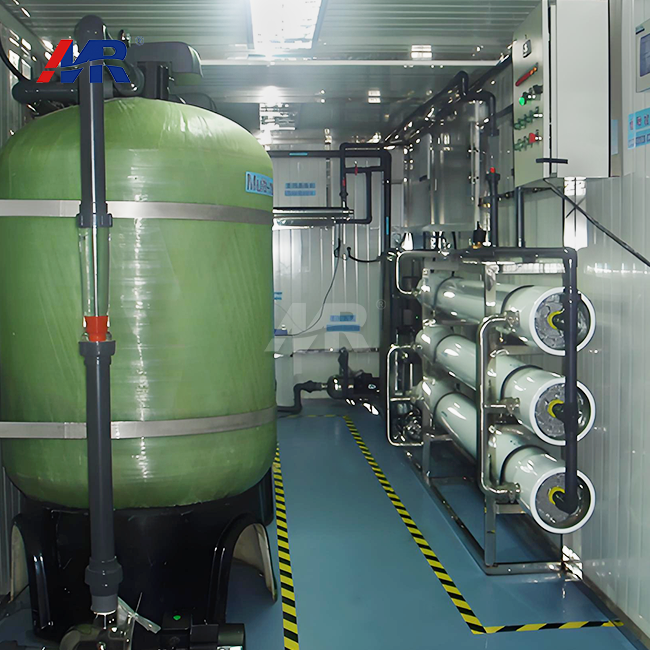
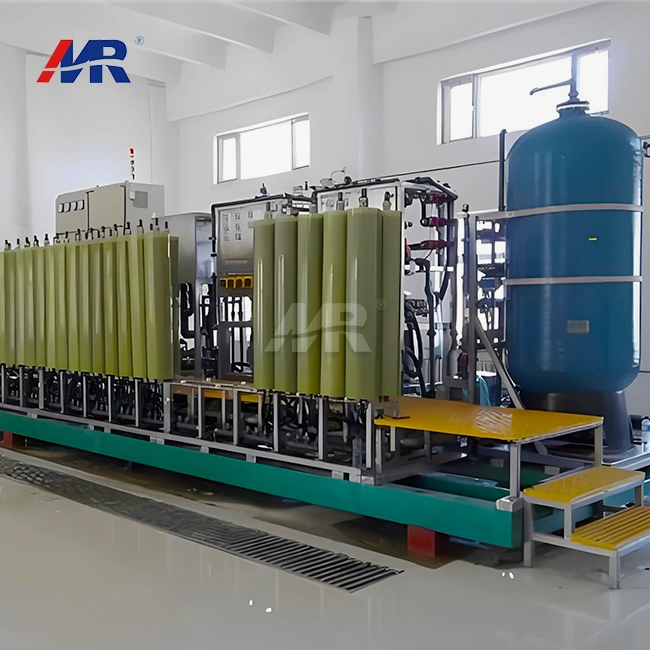
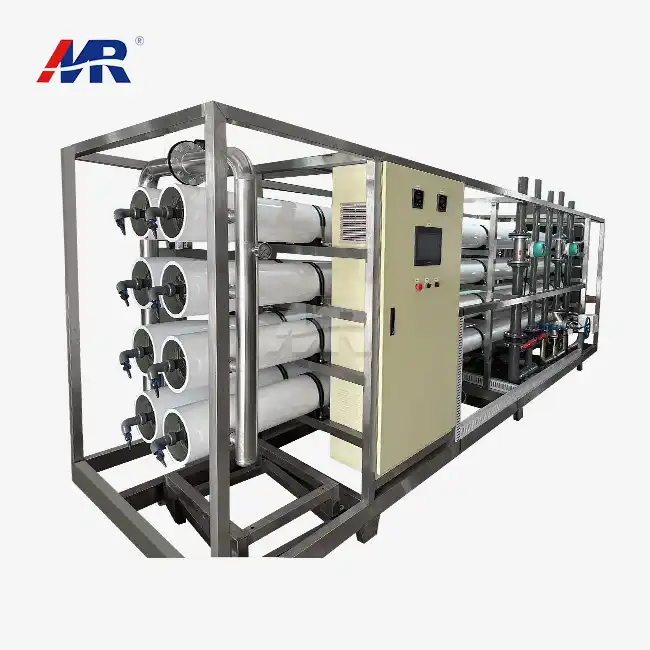
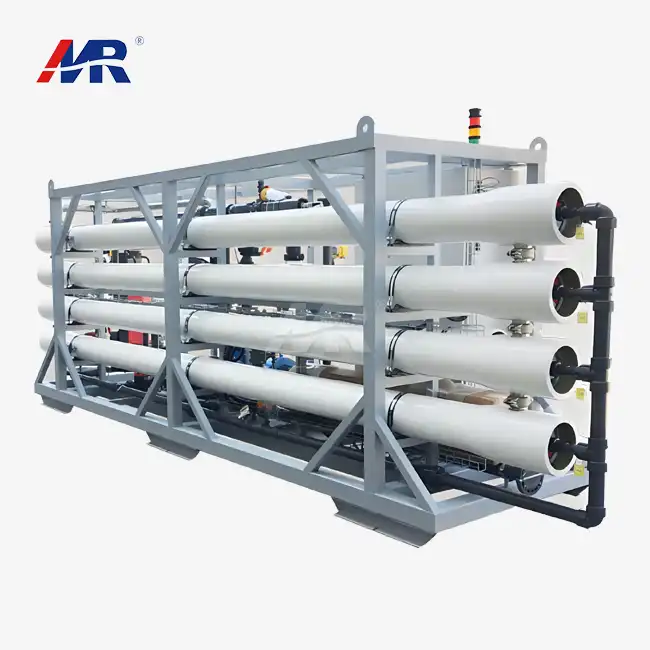
Seven-stage configurations scale effectively through parallel membrane arrays and commercial-capacity housings. Single units handle 200-800 gallons daily; industrial installations often deploy multiple systems in parallel to achieve thousands of gallons hourly. Large-scale operations may benefit from centralized pre-treatment feeding multiple RO trains, maximizing efficiency while maintaining the water quality benefits inherent to multi-stage approaches.
Partner With Guangdong Morui for Industrial Water Filtration Solutions
Guangdong Morui Environmental Technology brings comprehensive water treatment expertise to manufacturing, pharmaceutical, electronics, and food processing sectors requiring reliable filtration systems. Our engineering team designs customized seven-stage configurations matching your specific water quality challenges, production volumes, and regulatory requirements. As both a 7-stage water filter system manufacturer and solutions integrator, we control quality from membrane production through final installation and commissioning. Our 14 regional service centers ensure rapid response and ongoing support across North America. Contact our technical specialists at benson@guangdongmorui.com to discuss your water purification needs, request detailed specifications, or schedule a site assessment.
References
1. Water Quality Association. (2021). Multi-Barrier Approach to Water Treatment: Performance Standards and Testing Protocols. WQA Technical Reference Manual, 8th Edition.
2. National Sanitation Foundation International. (2020). NSF/ANSI Standard 58: Reverse Osmosis Drinking Water Treatment Systems - Contaminant Reduction Performance Requirements.
3. United States Environmental Protection Agency. (2022). National Primary Drinking Water Regulations: Maximum Contaminant Levels and Treatment Techniques. EPA 816-F-22-001.
4. American Water Works Association. (2019). Membrane Filtration Guidance Manual. AWWA Manual M53, 2nd Edition.
5. Food and Drug Administration. (2021). Current Good Manufacturing Practice in Manufacturing, Packaging, Labeling, or Holding Operations for Dietary Supplements. 21 CFR Part 111.
6. Semiconductor Equipment and Materials International. (2020). Ultrapure Water Specifications for Semiconductor Manufacturing Processes. SEMI Standards F63-0320.