_1745823981883.webp)

How Does a Large Reverse Osmosis System Support High Water Demand?
A big reverse osmosis system (large reverse osmosis system) can handle a lot of water every day by using cutting-edge cross-flow filter technology to handle 10,000 to 500,000 gallons. High-pressure pumps and semi-permeable thin-film composite membranes are used in these industrial-grade systems to keep delivering clean water while meeting quality standards. The modular design lets the capacity grow as needed, energy recovery devices lower the amount of power used, and automated controls make sure the system runs without interruptions. These are all very important factors for facilities that need to clean a lot of water for manufacturing processes, municipal supply, or pharmaceutical production.
Understanding Large Reverse Osmosis Systems
When industrial growth and worries about water quality and availability come together, companies need reliable cleaning technology. At Morui, we've seen how well-designed RO systems can change operations in a wide range of fields, from making drugs to running city services. Figuring out what makes industrial-scale systems different from private units helps people make smart investment choices.
Defining Industrial-Scale Water Purification Infrastructure
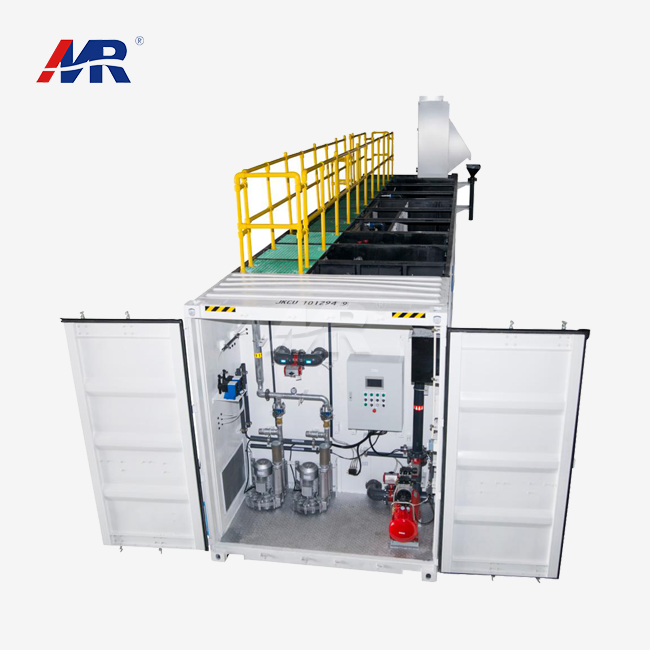
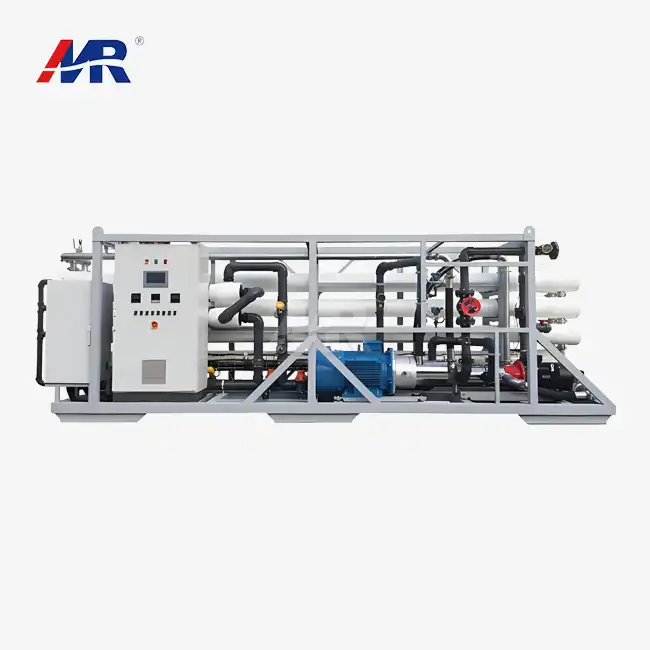
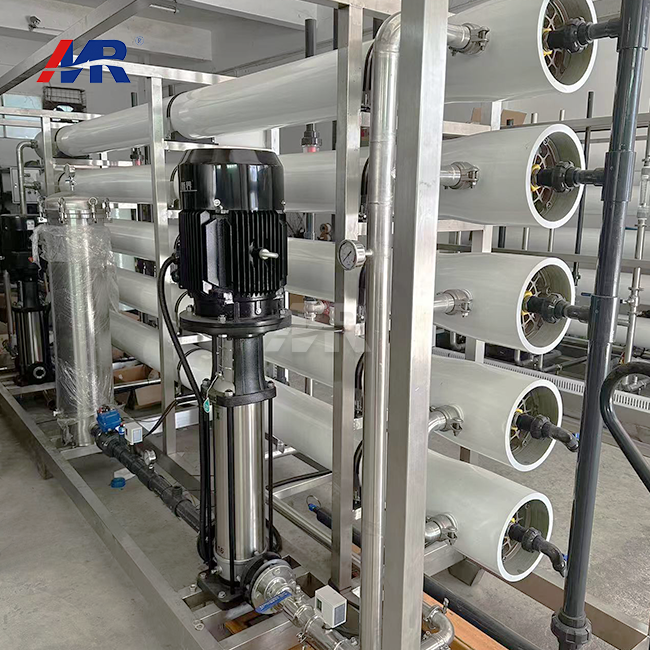
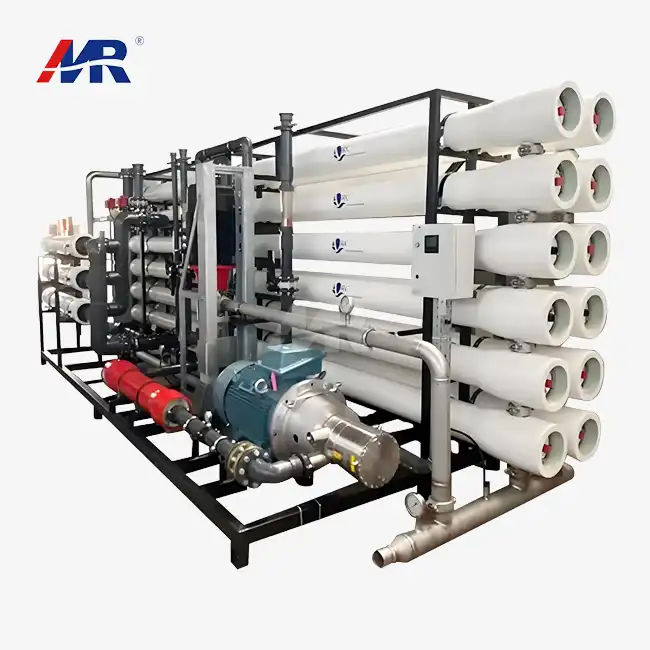
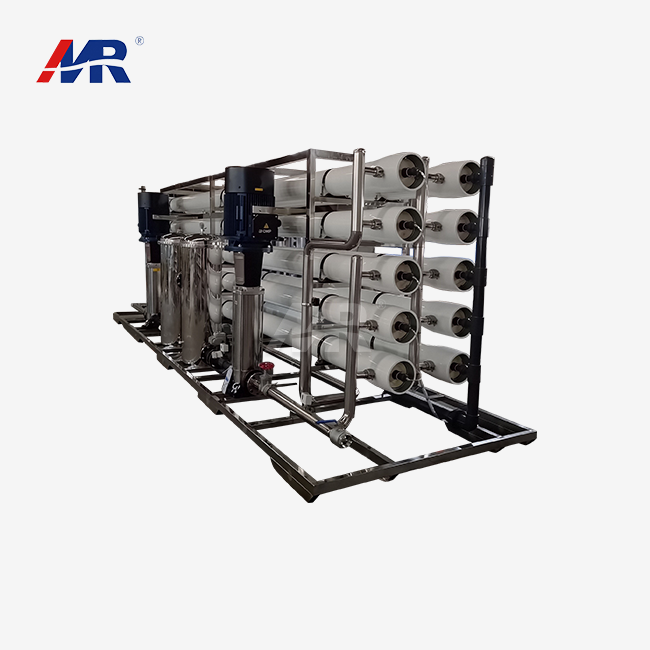
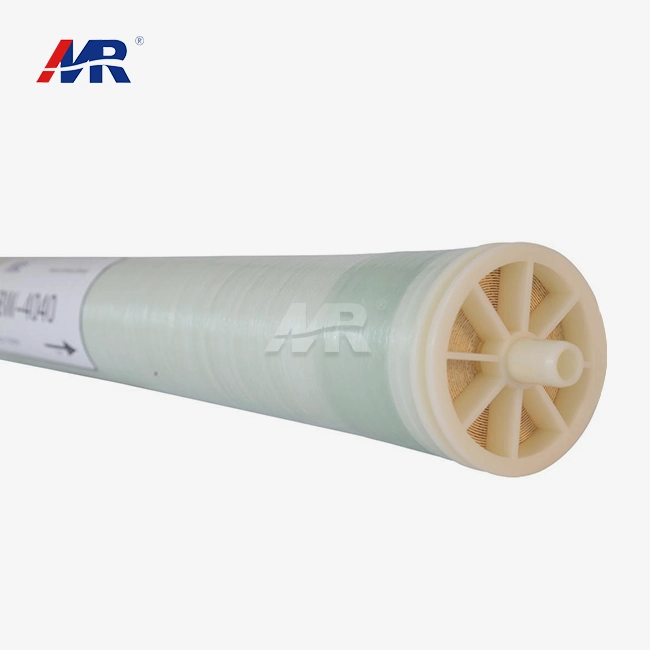
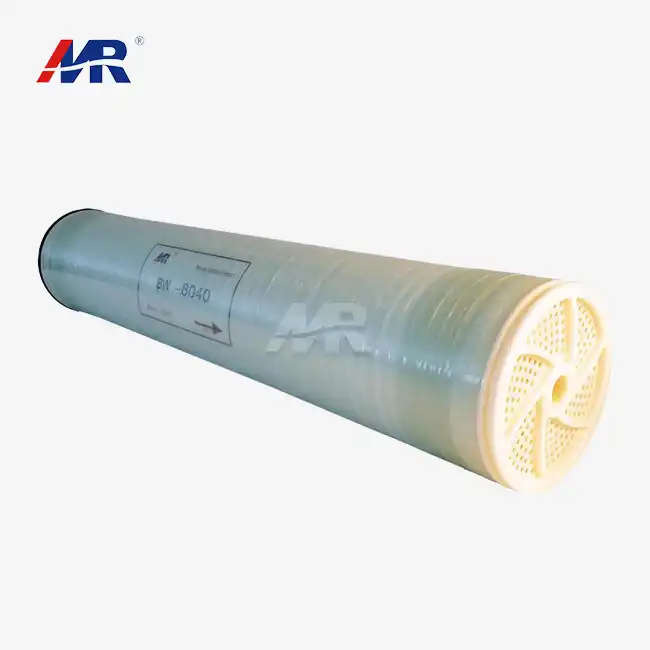
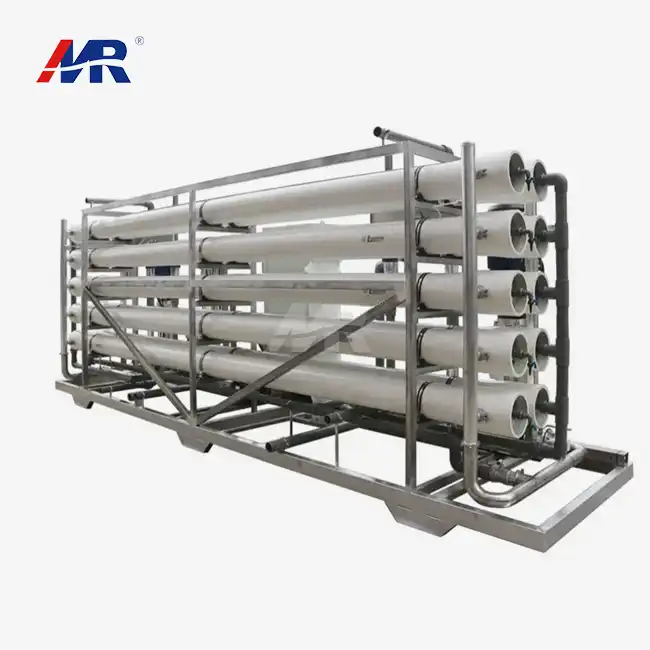
Industrial reverse osmosis infrastructure is a complete way to treat water. It is made up of high-capacity pressure tanks that hold many membrane elements. Before the water gets to the membrane array, these systems treat the feed water in steps that include sediment filtration and activated carbon. The design usually has membrane sections with a width of 4 or 8 inches set up in parallel trains. This lets facilities get the output they need for ongoing production runs. These setups are different from private units because they are equipment rooms with strengthened floors to support the weight of pressure tanks, pump systems, and control boxes.
Critical Components Driving Performance
Membrane technology is what makes any high-capacity cleaning device work. We work with top membrane makers like FilmTec, Dow, Hydranautics, and Toray. Each has its own benefits when it comes to fouling protection and salt rejection rates. To get water through membranes, 150 to 450 PSI of high-pressure multistage pumps are needed to fight osmotic pressure. Variable frequency drives control the speed of the pumps, which keeps equipment safe from hydraulic shock during starting. Programmable logic controls with human-machine interfaces keep an eye on real-time factors such as transmembrane pressure, conductivity, and permeate flow. This lets workers notice changes in performance before they become so bad that they need to be shut down, which costs a lot of money.
How Pretreatment Protects System Integrity
Pretreatment affects how reliable a system will be in the long run (a large reverse osmosis system). If raw water has dissolved solids, particle matter, or biological contaminants in it, filters will quickly get clogged up. This will lower the flow and make the operation more expensive. A full pretreatment train might have multimedia screens to get rid of particles, antiscalant dose systems to stop minerals from precipitating, and UV sterilisation to stop the growth of microbes. Checking the Silt Density Index makes sure that the quality of the feed water stays within acceptable limits before it gets to the membrane step. At our facilities, we've seen that clients who spend enough on preparation can increase the life of membranes from three years to more than seven years, which greatly increases their return on investment.
Supporting High Water Demand: Core Benefits and Performance
Industries that use a lot of water can't have their supplies cut off, or the quality of their water be uneven. These problems can be solved by large-scale RO technology, which has real performance benefits that directly lead to cost savings and better operations.
Performance Metrics That Matter to Operations
Three measures describe the ability of water treatment facilities. Flow rate is the number of gallons per minute that are sent to production lines. It has a direct effect on how fast things are made. Recovery rate, which is the amount of feed water that is turned into cleaned permeate, affects how much water is used and how much trash is made. The salt rejection efficiency measures how well the system can get rid of dissolved solids. For industrial uses, rejection rates of 99.2% to 99.8% are common. Our systems get recovery rates of 50% to 80%, based on the nature of the feed water. To get the most out of the water, they use concentrated recirculate loops. Over the course of 18 months, a pharmaceutical client with a 50,000-gallon-per-day system said it regularly met USP pure water standards by rejecting 98.7% of salt.
Economic Advantages Over Time
The operating economics of high-capacity water treatment go beyond the cost of the starting equipment. Designs that use less energy and have energy recovery devices take in hydraulic pressure from the concentrate stream. This cuts power use by 30 to 40 percent compared to regular designs. Older cleaning methods required a lot of physical work and mistakes when dosing chemicals. Automated chemical dose systems get rid of those problems. By keeping scale from building up in boilers and cooling towers, cleaned water lowers the need for upkeep and increases the life of all the equipment in the building. A food processing company in the area found that installing a RO system of the right size cut their yearly water treatment costs by $47,000. It also made their Products more consistent and cut down on production line downtime caused by water quality problems.
Reliability Features That Minimize Downtime
For operations to go on all the time, they need strong planning and smart tracking. Duplex pump setups offer support, letting you work on one pump while the backup unit keeps production going. Monitoring the conductivity of the permeate stream in real time shuts down the system automatically if the water quality changes too much, saving the processes and goods that come after. The structure stays strong even when it's under constant high pressure, thanks to the stainless steel construction and ASME-certified pressure tanks. The flexible skid-mounted design we use makes it easy to change parts quickly, which cuts down on the average time it takes to fix something when it breaks.
Choosing the Right Large Reverse Osmosis System for Your Business
To choose the right water treatment infrastructure (large reverse osmosis system), you need to match scientific requirements with the needs of the application. At Morui, we help our clients through this review process by matching the need for success with the limits of the funds and the facilities.
Assessing Capacity Requirements
The first step in planning capacity is to look at trends of high water demand across output cycles. A drug factory with three shifts needs different amounts of space than a food processing plant with regular production high points. When you figure out the highest hourly demand, you should add 20 to 25 percent as a safety range to allow for future growth or changes to the process. The quality of the feed water is checked to find out the Total Dissolved Solids (TDS) levels, the pH, and any possible foulants that could affect the size of the system. An electronics company that needs 100,000 gallons of ultrapure water every day will have different needs than a city water plant that treats the same amount of salty groundwater.
Comparing Membrane Technologies
The choice of membrane has a direct effect on how well it works and how much care it needs. Toray membranes can handle chlorine very well, so they can be used in places where the feed water is treated. FilmTec membranes are better at keeping out fouling when the water has a lot of organic matter in it. Dow membranes have the best salt rejection in the business for uses that need very little conductivity in the product water. Pentair membranes work well in normal industry settings and don't cost a lot. In the 14 years we've been in business, we've seen that matching the chemistry of the membrane to the features of the feed water lowers the number of times it needs to be cleaned and increases its useful life. To find the best membrane designs, our research team looks at factors like the temperature, pH range, and profile of contaminants in the feed water.
Evaluating Supplier Capabilities
Choosing the right provider is just as important as specifying the right tools. When processes depend on system dependability, things like manufacturing ability, expert help depth, and service network accessibility are important. We have more than 500 workers spread out across 14 sites. Twenty specialist techs help with technical questions and problems. Our plant that makes membranes makes sure that all the parts are available and that the quality is controlled all along the supply chain. We can use tried-and-true parts that come with maker warranties because we work with well-known names like Shimge Water Pumps, Runxin Valves, and Createc Instruments. Installation services, such as hydraulic testing, system setup, and user training, make sure that the system works well and starts up smoothly from the very first day.
Ensuring System Reliability: Maintenance and Troubleshooting
To keep producing a lot of water, you need to follow strict repair procedures and act quickly when performance starts to go off track. Not doing normal maintenance speeds up the wear and tear on parts and raises the total cost of ownership.
Essential Maintenance Protocols
Cleaning plans for membranes should match what the maker says and how well the system actually works. We tell our clients to set standard performance measures during startup by writing down permeate flow, conductivity, and trans-membrane pressure. Then, they should keep an eye out for 10-15% changes that mean the membrane needs to be cleaned. Using alkaline and acidic chemicals for cleaning gets rid of organic fouling and mineral scaling, respectively. Membranes are protected from damage by particles when cartridge filters are changed before the differential pressure goes over the limits. Checking high-pressure seals, pump mechanical seals, and valve diaphragms on a regular basis keeps them from breaking down without warning. As part of our maintenance contracts, techs visit the site every three months to check the tuning of the controls, look at the pressure tanks, and look over performance trends data.
Addressing Common Operational Challenges
Less permeate flow often means that the membrane is getting clogged or scaled, which means that the pretreatment needs to be looked into right away, and the cleaning procedure needs to be changed (large reverse osmosis system). Increasing conductivity in product water means that the membrane is breaking down or the o-ring seal is failing, which means that specific elements need to be inspected and replaced. If there are differences in pressure between membrane stages, it means that the flow receiver is blocked or that membrane elements are broken. When energy use goes up, it's usually because fouling is getting worse or the pump is wearing out and needs to be serviced. Every day at Morui, our Technical support team takes calls about problems and uses remote tracking to figure out what's wrong and show workers how to fix it so that production doesn't stop.
Case Studies: Real-World Implementations Supporting High Water Demand
Real-life examples show how well-designed systems can give measured results in a wide range of fields. These examples show how large-scale RO technology can be used to solve problems.
Industrial Manufacturing Success
A beverage-producing plant in the southeastern United States had trouble with uneven product quality, which was linked to different types of local water. Seasonal changes in TDS and the odd release of chloramine caused flavour differences that put the brand's image at risk. We planned and set up a system that can handle 75,000 gallons of water per day. It has two stages of RO and UV sterilisation. Activated carbon was used to get rid of chloramines, and multimodal filtration was used to get rid of dissolved solids. Once it was put in place, the conductivity stayed below 10 microsiemens, which got rid of any quality changes. The building cut down on rejected products by 23% and made it possible for industrial equipment to be cleaned in place for longer periods of time. Within 32 months, the system paid for itself through lower chemical costs and less trash.
Municipal Water Treatment Application
A coastal town with 45,000 people had to deal with groundwater that was becoming salty because of decades of irrigation for farming that lowered the water table. As chlorine levels rose, they might have gone over the EPA's secondary drinking water guidelines. The water authority hired us to build a plant that would treat salty water and process 250,000 gallons of it every day. Our approach included energy-recovery devices that cut the amount of power needed to treat 1,000 gallons of water to 2.8 kWh. The method got rid of 97.5% of the salt, making the water safe for drinking by meeting all primary and secondary guidelines. Concerns about the environment were handled by concentrating control through deep well pumping. After three years, the facility is still up 99.2% of the time, and the membranes aren't losing much of their performance. The residents got more water security, and the government saved money by not having to build expensive new pipelines to get water from other sources.
Conclusion
High-capacity water purification through industrial reverse osmosis systems addresses critical operational needs across manufacturing, municipal, pharmaceutical, and food processing sectors. These installations deliver reliable performance through advanced membrane technology, intelligent automation, and robust engineering. When properly specified, installed, and maintained, they provide measurable economic benefits, including reduced operational costs, consistent product quality, and extended equipment lifespan. The scalability of modular designs allows facilities to expand capacity as production grows. At Morui, our comprehensive approach combining equipment manufacturing, technical expertise, and aftermarket support ensures clients achieve their water quality and quantity objectives.
FAQ
1. How long do membranes last in high-capacity systems?
Membrane lifespan varies between three and seven years, depending on feed water quality, pretreatment effectiveness, and maintenance discipline. Facilities with comprehensive pretreatment and regular cleaning protocols consistently achieve the upper end of this range. The complete system infrastructure typically operates beyond a decade with routine component replacement and proper care.
2. What differentiates small and large RO units?
Capacity distinguishes residential from industrial installations. Small units serve single-family homes, producing 50-100 gallons daily, using simple carbon pre-filters and single membrane elements. Industrial systems process thousands to hundreds of thousands of gallons daily, incorporating sophisticated pretreatment, multiple membrane arrays, automated controls, and energy recovery devices to support continuous commercial operations.
3. How do energy recovery devices reduce costs?
Energy recovery devices capture hydraulic pressure from the concentrate stream—typically 50-70% of feed pressure—and transfer it to incoming feed water. This pressure exchange reduces pump work, cutting electrical consumption by 30-40%. The operational savings prove substantial for large installations running continuously, often justifying the additional capital investment within two to three years.
Partner with Morui for Your Large Reverse Osmosis System Needs
Managing high-volume water purification challenges (large reverse osmosis system) demands experienced partners with proven capabilities. Guangdong Morui Environmental Technology Co., Ltd. brings comprehensive solutions combining equipment manufacturing, membrane production, and turnkey installation services. Our engineering team designs customized systems matching your specific capacity requirements, feed water characteristics, and quality standards. Whether you're a pharmaceutical manufacturer needing GMP-compliant purified water, a food processor requiring consistent product quality, or a municipal utility addressing water scarcity, we deliver reliable large reverse osmosis system solutions. Contact us at benson@guangdongmorui.com to discuss your requirements with our technical specialists. As an established large reverse osmosis system manufacturer, we provide competitive quotations, warranty protection, and ongoing technical support, ensuring your operation maintains optimal performance for years ahead.
References
1. American Water Works Association. (2021). "Reverse Osmosis and Nanofiltration: Manual of Water Supply Practices M46." Denver: AWWA Publications.
2. Greenlee, L.F., Lawler, D.F., Freeman, B.D., Marrot, B., & Moulin, P. (2009). "Reverse Osmosis Desalination: Water Sources, Technology, and Today's Challenges." Water Research, 43(9), 2317-2348.
3. Wilf, M., & Bartels, C. (2005). "Optimization of Seawater RO Systems Design." Desalination, 173(1), 1-12.
4. Fritzmann, C., Löwenberg, J., Wintgens, T., & Melin, T. (2007). "State-of-the-Art of Reverse Osmosis Desalination." Desalination, 216(1-3), 1-76.
5. National Research Council. (2008). "Desalination: A National Perspective." Washington, DC: The National Academies Press.
6. Elimelech, M., & Phillip, W.A. (2011). "The Future of Seawater Desalination: Energy, Technology, and the Environment." Science, 333(6043), 712-717.