

_1745823981883.webp)

Seawater Desalination Plant Trends for Future Water Demand
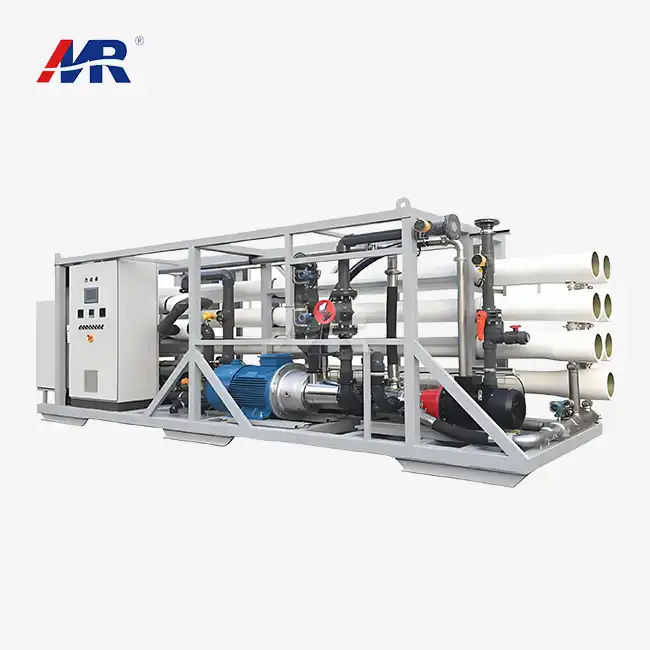
The global seawater desalination plant market is experiencing transformative growth driven by escalating water scarcity, climate variability, and technological innovation. Modern desalination facilities now integrate renewable energy sources, advanced membrane technology, and digital monitoring systems to deliver sustainable freshwater solutions. As industries ranging from pharmaceuticals to power generation face mounting pressure to secure reliable water supplies, understanding emerging trends in desalination becomes essential for procurement managers and technical decision-makers navigating this evolving landscape.
Understanding the Current Landscape of Seawater Desalination
The distillation business is based on technologies that have been around for a long time and have improved a lot in the last twenty years. There have been big changes in how places provide clean water, trying to find a balance between being efficient and caring for the earth.
Core Technologies Powering Modern Desalination
At the moment, reverse osmosis technology rules the market, making up about 65% of all total capacity around the world. Under pressures ranging from 55 to 80 bar, this membrane-based process pushes seawater through semi-permeable walls. It rejects more than 99.8% of the salt. Thin-film hybrid membranes made from polyamide materials are used in modern RO systems. These membranes are very durable in chloride-rich settings.
Thermal desalination methods, such as Multi-Stage Flash distillation, are still useful in places where there are lots of cheap energy sources. Through a series of pressure steps, these systems drain seawater, turning it into pure vapour while leaving behind concentrated salt. Even though they use a lot more energy than membrane processes, thermal plants are effective in very salty situations where RO may not work as well.
Operational Challenges and Environmental Considerations
Energy use is still the highest cost for desalination plants, making up about 40 to 50 percent of their total production costs. Normal RO plants need three to five kilowatt-hours of power for every cubic metre of freshwater they make. This large amount of energy use has a direct effect on the carbon footprint of desalinated water, especially in places where power is generated from fossil fuels.
Getting rid of brine is another major environmental problem. For every cubic meter of freshwater that is made, desalination plants make about 1.5 cubic meters of concentrated brine that is twice as salty as the seawater that they take from. Marine environments can be hurt by improper release, so facility planners must carefully consider how to comply with regulations and find the best ways to get rid of waste.
Regulatory Frameworks Shaping Industry Standards
Environmental agencies all over the world have strict rules about how much salt is in brine, how different the temperatures are, and what chemicals are left behind. The U.S. Environmental Protection Agency makes sure that coastal sites follow the rules for National Pollutant Discharge Elimination System licenses. Before work can begin, the agency requires full environmental impact studies. Because of these rules, engineering teams and environmental experts have to work together during the planning stages of a project.
Key Trends Driving Future Seawater Desalination Plant Development
As the industry tries to meet expectations for ecology and business efficiency (seawater desalination plant), innovation speeds up in many areas. Renewable energy, materials science, and digital technologies are coming together in ways that will completely change how desalination works.
Renewable Energy Integration: Reducing Carbon Footprints
In seaside areas with lots of sun, solar-powered desalination plants are popping up all over. These plants use photovoltaic panels and battery storage systems to work without the power grid. Adding wind energy has the same benefits in places where there are steady marine waves. These green designs lower operating costs and help the earth by reducing the need for dirty fuels.
Hybrid systems that connect filtration to current power production systems make the best use of energy. Thermal power companies can use waste heat to power multi-effect distilling processes, which recover resources and make the process very energy efficient. This mutually beneficial method works especially well for industrial buildings that need both power and process water.
Advanced Membrane Materials Enhancing Performance
Next-generation membranes that contain graphene oxide and carbon nanotubes have 30–50% better leakage rates than regular polyamide membranes while still rejecting salt at the same level. The better resistance of these materials to biofouling means that they can be used for longer periods of time without needing to be cleaned with chemicals. Less fouling directly leads to lower upkeep costs and more service for the system.
Biomimetic membranes based on aquaporins are a new area of research that uses protein channels that naturally move water molecules but not salts. Even though they are expensive to use on a big scale right now, these biological membranes are very selective with very little energy input, which suggests that costs will likely go down as production increases.
Digitalization Through AI and IoT Integration
Real-time monitors in intelligent tracking systems keep an eye on important factors like turbidity, pH levels, total dissolved solids, and membrane pressure differentials. Machine learning systems look at past performance data to figure out what repairs need to be done before equipment breaks down. This keeps unplanned downtime to a minimum.
SCADA platforms let workers manage multiple sites from a single control room, which makes the best use of staff for managers of spread assets. Automated dosing systems change the amount of chemicals that are fed based on changes in the quality of the source water. This keeps the standards of the product water uniform while using as few chemicals as possible.
Modular and Scalable Design Configurations
Containerised distillation machines meet the need for water quickly in emergency aid situations, military activities, and brief business uses. All of these small systems' process parts—pretreatment, high-pressure pumps, membrane sections, and post-treatment—fit into normal shipping Cases. This makes it easy to move them quickly to faraway places.
Using modular building methods makes it possible to increase capacity in stages that match the rising demand for water. Facilities can start up with the first production units and add parallel treatment trains as demand rises without stopping what they're doing. This freedom is especially helpful for cities and towns that aren't sure how their populations will grow in the long run.
Comparative Analysis: Selecting the Right Desalination Technology
To make a procurement choice, you need to carefully compare different technologies based on practical needs, cash limits, and site conditions. We looked at success measures for a number of different ways to help the decision process.
Cost Structure Comparison Between RO and Thermal Systems
Depending on the size of the plant and the conditions at the site, reverse osmosis setups usually cost between $1,000 and $2,000 per cubic metre of daily capacity. The costs of running the business range from $0.50 to $1.20 per cubic metre created, with energy costs being the most variable.
As the industry tries to meet expectations for ecology and business efficiency (seawater desalination plant), innovation speeds up in many areas. Renewable energy, materials science, and digital technologies are coming together in ways that will completely change how desalination works.
Energy Recovery Devices Improving Efficiency
Isobaric pressure exchanges are used in modern RO systems to move hydraulic energy from streams of pressurised brine to incoming feedwater. Up to 98% of the pressure energy is recovered by these devices, which cuts net energy use by 40–60% compared to systems that don't recover energy. The California Carlsbad Desalination Plant uses pressure exchanger technology to keep its energy use below 3 kilowatt-hours per cubic metre.
Pelton turbines and turbochargers are different ways to recover energy that can be used in smaller setups or to fix older systems. Even though they aren't as good as isobaric exchanges, these mechanical devices can save mid-sized buildings a lot of money on energy costs.
Case Studies From Leading Global Installations
The Sorek Desalination Plant in Israel makes 624,000 cubic meters of fresh water every day by taking in seawater through vertical beach wells. This means that much less preparation is needed than when water is taken in from the open ocean. This creative method has less of an effect on the world and is easier to run. The facility's amazing water costs are less than $0.60 per cubic metre thanks to its well-thought-out design and excellent operations.
The Tampa Bay Seawater Desalination Plant shows how well it can work with current water systems, adding to natural water sources during droughts. The building's operational model is flexible, so production can be changed based on changes in yearly demand and the availability of other supplies. This makes the total system more cost-effective.
Procurement Insights: Choosing and Buying Desalination Plant Solutions
Navigating the procurement landscape demands a comprehensive understanding of supplier capabilities, technology maturity levels, and total cost of ownership considerations. We've supported numerous clients through equipment selection and vendor qualification processes.
Evaluating Technology Providers and Suppliers
Leading membrane manufacturers, including DuPont, Toray, and Hydranautics, offer high-performance elements with established track records in demanding applications. Membrane selection impacts long-term operational costs through effects on energy consumption, chemical cleaning frequency, and replacement intervals. Procurement teams should request detailed performance guarantees specifying salt rejection rates, permeate flow, and fouling resistance under project-specific conditions.
Turnkey solution providers such as Veolia, Acciona Agua, and IDE Technologies deliver comprehensive design-build-operate services encompassing engineering, equipment procurement, construction management, and commissioning. These integrated approaches streamline project execution while consolidating accountability, though potentially limiting technology flexibility compared to component-based procurement.
Key Supplier Evaluation Criteria
Technology maturity deserves careful assessment, particularly for innovative approaches lacking extensive operational history. We recommend prioritizing proven systems for critical applications while reserving emerging technologies for pilot installations where performance verification precedes full-scale deployment.
Service network coverage significantly influences lifecycle costs and operational reliability. Suppliers maintaining local service centers, spare parts inventories, and trained technicians within your operating region minimize downtime risks and simplify maintenance logistics. International suppliers lacking domestic representation may offer attractive capital pricing but impose hidden costs through delayed Technical support.
Cost Factors and Financing Models
Total capital investment encompasses engineering design, equipment procurement, civil construction, electrical infrastructure, and commissioning services. Comprehensive budget planning should allocate 15-20% contingency reserves addressing site-specific challenges or unforeseen conditions revealed during construction.
Lifecycle cost analysis evaluating 20-year operational periods provides a clearer economic comparison than initial capital costs alone. Variables including energy prices, membrane replacement frequency, chemical consumption, and labor requirements substantially impact cumulative expenses. Build-own-operate-transfer contracts shift operational risks and financing burdens to specialized developers, enabling municipal and industrial clients to procure water supply through long-term purchase agreements rather than direct facility ownership.
Preparing for the Future: Strategic Recommendations for Procurement Managers
Forward-thinking procurement strategies position organizations to capitalize on technological advances while mitigating risks associated with evolving regulations and market conditions. We've developed strategic frameworks guiding long-term infrastructure investments.
Aligning Investments With Water Demand Forecasts
Demographic growth, industrial expansion, and climate variability create complex demand projection scenarios requiring sophisticated forecasting models (seawater desalination plant). Conservative planning incorporating 30-40% capacity margins accommodates uncertainty while avoiding costly overcapacity during initial operational phases. Modular design approaches enable incremental expansion aligned with actual consumption growth rather than speculative projections.
Diversified water portfolios combining desalination with reclaimed water, groundwater, and surface sources enhance supply security while optimizing costs. Desalination serves as a drought-resistant baseload supply, allowing traditional sources to recharge during wet periods and providing backup capacity during supply disruptions.
Emphasizing Sustainability and Regulatory Compliance
Environmental stewardship increasingly influences procurement decisions as stakeholders demand reduced carbon emissions and minimal ecological impact. Specifying renewable energy requirements during procurement processes encourages suppliers to propose solar or wind integration, potentially qualifying projects for green financing incentives or carbon credit programs.
Brine management strategies warrant equal attention, with advanced approaches including deep well injection, evaporation ponds, or beneficial reuse in industrial processes. Collaborative planning with environmental agencies during project development avoids permitting delays and ensures regulatory alignment.
Leveraging Innovation for Competitive Advantages
Strategic partnerships with technology innovators provide early access to performance improvements and cost reductions. Pilot programs testing next-generation membranes or novel energy recovery systems within existing facilities generate valuable operational data while positioning organizations as industry leaders driving technological progress.
Continuous asset modernization through component upgrades maintains competitiveness throughout facility lifecycles. Retrofitting older installations with energy recovery devices, advanced monitoring systems, or high-efficiency pumps extends operational life while reducing unit production costs. This incremental improvement approach often delivers superior returns compared to complete facility replacement.
Conclusion
The desalination industry stands at an inflection point where technological maturity, environmental imperative, and economic viability converge to enable widespread adoption. Procurement managers navigating this landscape must balance competing priorities—capital constraints against lifecycle costs, proven technology against innovative efficiency gains, and operational simplicity against performance optimization. Successful strategies embrace modular scalability, integrate renewable energy sources, and leverage digital monitoring capabilities while maintaining focus on regulatory compliance and environmental stewardship. The facilities commissioned today will serve communities and industries for decades, making thoughtful technology selection and supplier partnerships critical to long-term success.
FAQ
1. What factors most significantly impact seawater desalination plant operational costs?
Energy consumption dominates operational expenses, typically accounting for 40-50% of total production costs in reverse osmosis facilities. Electricity prices directly determine the economic viability of desalination projects, making energy-efficient design and renewable integration critical cost control strategies. Membrane replacement intervals constitute another major variable expense, with typical RO elements requiring replacement every 5-7 years, depending on feedwater quality and pretreatment effectiveness. Chemical consumption for membrane cleaning, antiscalant dosing, and post-treatment pH adjustment adds incremental costs that vary based on source water characteristics. Labor requirements scale with facility complexity and automation levels, though modern SCADA systems enable single operators to manage substantial production capacity.
2. How do environmental regulations affect desalination plant design and operation?
Discharge permits govern brine salinity concentrations, temperature differentials, and residual chemical levels, directly influencing diffuser design and dilution requirements. Intake structures must incorporate fish screening and exclusion systems, minimizing marine organism impacts, adding capital costs and operational complexity. Some jurisdictions mandate marine environmental monitoring programs tracking ecosystem health near discharge points, requiring ongoing sampling and reporting throughout facility operational life. These regulatory frameworks necessitate early engagement with environmental agencies during project planning to ensure permit requirements are integrated into design specifications rather than requiring costly retrofits.
Partner With Morui for Advanced Seawater Desalination Solutions
Guangdong Morui Environmental Technology Co., Ltd. brings comprehensive capabilities to your water treatment challenges through integrated engineering, manufacturing, and service delivery. Our Team of 20 specialized engineers and 500 dedicated professionals across 14 branches delivers customized desalination systems tailored to your specific requirements, whether you're addressing industrial process water needs, municipal supply augmentation, or remote location applications. We manufacture advanced membrane components in our dedicated production facilities while maintaining strategic partnerships with industry-leading brands, including Shimge Water Pumps and Runxin Valves, ensuring optimal component quality throughout your system. As an established seawater desalination plant manufacturer, we provide complete turnkey solutions encompassing design, equipment supply, installation, commissioning, and ongoing technical support. Reach out to our technical team at benson@guangdongmorui.com to discuss your water supply objectives and receive a detailed feasibility assessment aligned with your operational parameters and budget considerations.
References
1. Jones, E., Qadir, M., van Vliet, M. T., Smakhtin, V., & Kang, S. (2019). The state of desalination and brine production: A global outlook. Science of the Total Environment, 657, 1343-1356.
2. Elimelech, M., & Phillip, W. A. (2011). The future of seawater desalination: energy, technology, and the environment. Science, 333(6043), 712-717.
3. Ghaffour, N., Missimer, T. M., & Amy, G. L. (2013). Technical review and evaluation of the economics of water desalination: Current and future challenges for better water supply sustainability. Desalination, 309, 197-207.
4. Lattemann, S., & Höpner, T. (2008). Environmental impact and impact assessment of seawater desalination. Desalination, 220(1-3), 1-15.
5. Voutchkov, N. (2018). Energy use for membrane seawater desalination – current status and trends. Desalination, 431, 2-14.
6. Miller, J. E. (2003). Review of water resources and desalination technologies. Sandia National Laboratories Report SAND-2003-0800.
 VIEW MOREcommercial sewage treatment plant
 VIEW MOREseawater desalination equipment
 VIEW MOREDTRO membrane
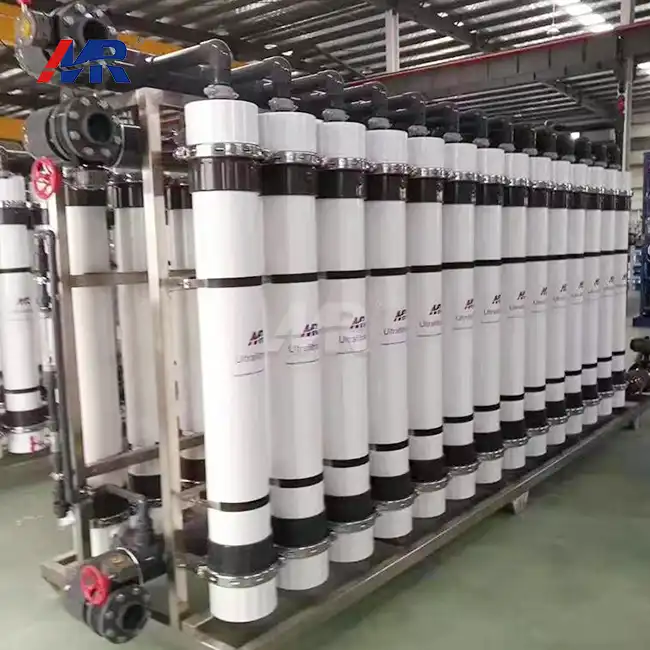 VIEW MORE70m3/hour ultrafiltration plant
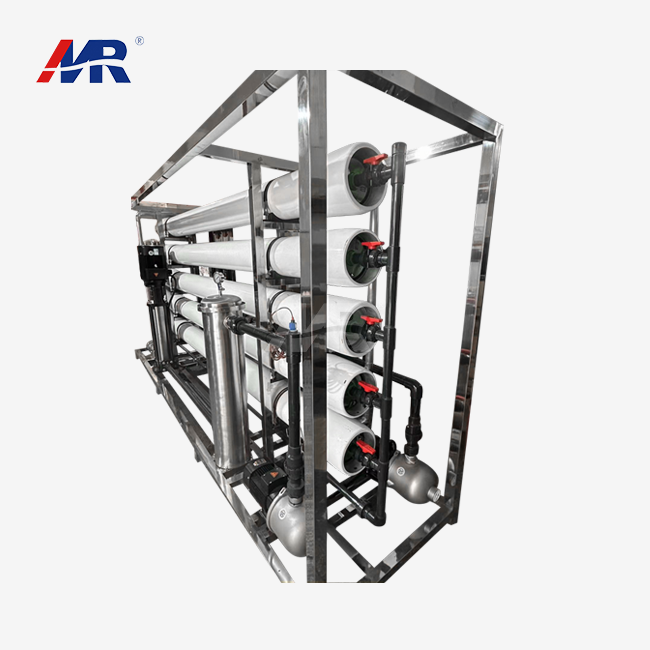 VIEW MOREreverse osmosis water treatment equipment
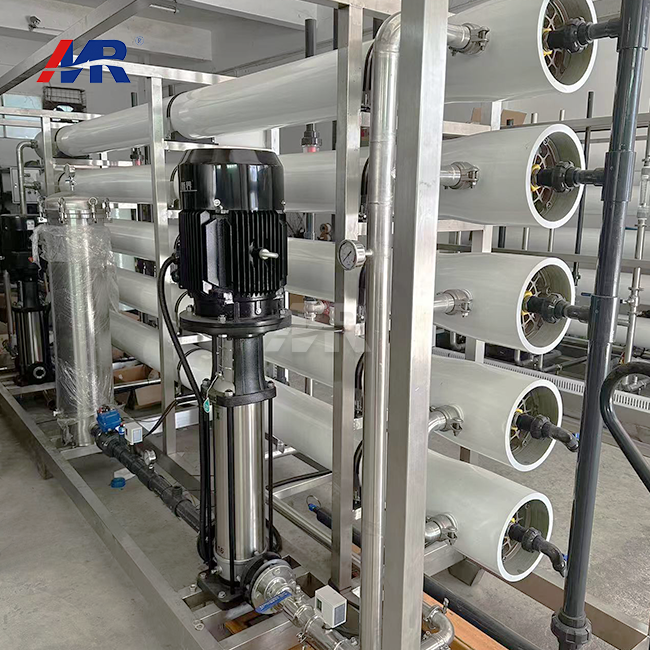 VIEW MOREosmosis water purification system
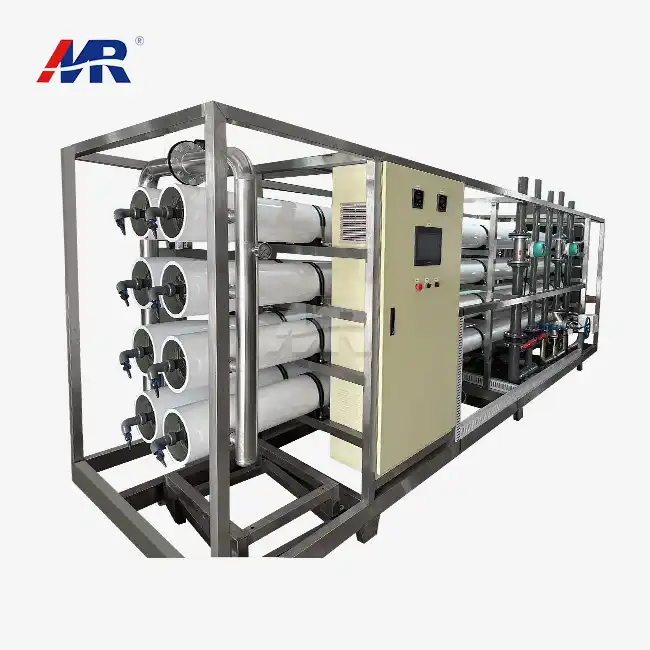 VIEW MORE8m3/hour two pass reverse osmosis system
 VIEW MOREro uf filter
