_1745823981883.webp)

What Features Define the Best Reverse Osmosis System for Well Water?
The best reverse osmosis system for well water has advanced multi-stage filtration with high-rejection Thin Film Composite (TFC) membranes that reject 97–99% of salt, built-in pre-filtration that can handle high iron and sediment loads, and a strong GPD output that can be adjusted to meet operational needs. These systems have special parts like booster pumps for low-pressure situations, remineralization stages to neutralize pH, and low waste-water ratios that balance efficiency with environmental responsibility. These parts deal with the complex mix of contaminants that only come from untreated groundwater sources.
Introduction
Filtration problems with well water are very different from those with public water sources. Different types of contaminants, like soils, dissolved metals, bacteria, and agricultural water, need different ways to be treated. We've worked with makers, food processing plants, pharmaceutical companies, and farms all over the United States, and we've seen how bad water treatment slows down production, lowers the quality of Products, and makes it hard to follow the rules.
To meet government requirements, buying a good RO system made for well water isn't just a necessary evil. It's about keeping your activities safe, avoiding expensive downtime, and making sure the quality of your products stays the same. RO technology cleans water completely by getting rid of many impurities that other methods miss. This makes sure that your business always has the water quality it needs. The right RO system is the most important part of your water quality plan, whether you're in charge of a beverage bottling line, a dialysis center, or a facility that makes semiconductors.
Understanding the Unique Challenges of Well Water
Contaminant Complexity in Groundwater Sources
Well water has many different kinds of pollutants that change depending on where it is and the time of year. There are unpredictable amounts of bacteria, iron, manganese, hardness minerals, sulfates, nitrates, and sediments in the water. We looked at water samples from industrial wells in farming areas where nitrate levels from fertilizer runoff were higher than what is safe and from factories in mineral-rich areas where iron and manganese stained goods and equipment.
Limitations of Conventional Treatment Methods
Water softeners and other traditional methods of cleaning only get rid of hard water. They don't do anything about dissolved solids, heavy metals, or bacteria. It is true that UV filters kill germs, but they don't get rid of chemical contaminants or lower total dissolved solids (TDS). Even though carbon filters get rid of chlorine and some organic chemicals and make the water taste and smell better, they can't fix all of the problems that come up with well water.
How Reverse Osmosis Targets Well Water Contaminants
One thing that makes reverse osmosis different is that it uses semi-permeable filters that get rid of tiny particles, metals, and dissolved salts at the molecular level. The membrane has very small pores (about 0.0001 microns), which keep out contaminants but let water molecules pass through. Up to 99% of dissolved mineral solids, heavy metals like arsenic and lead, nitrates, sulfates, and almost all bacteria are removed by this process. This is a very important step for making sure that processes are safe and following the rules in industrial settings.
Core Features That Define a Top Reverse Osmosis System for Well Water
Multi-Stage Filtration Architecture
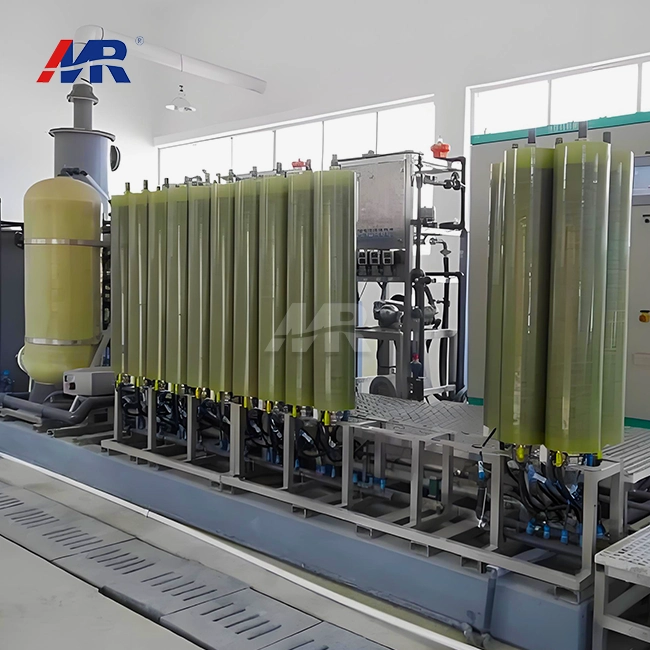
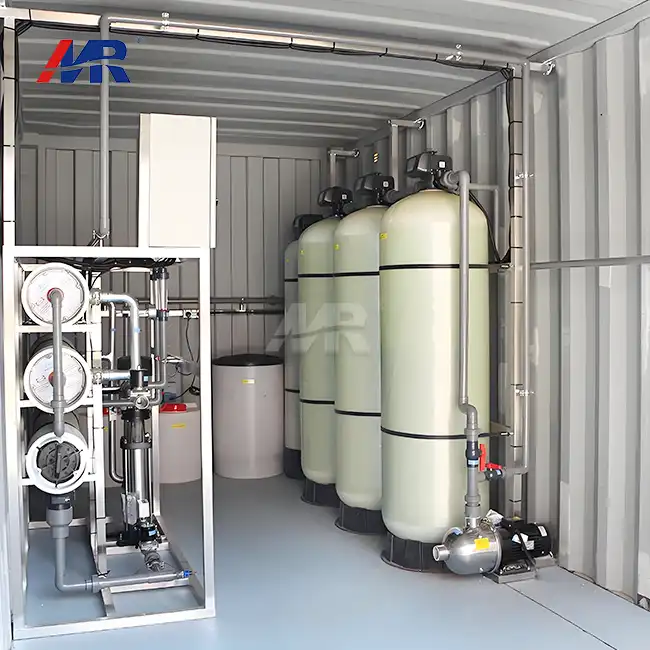
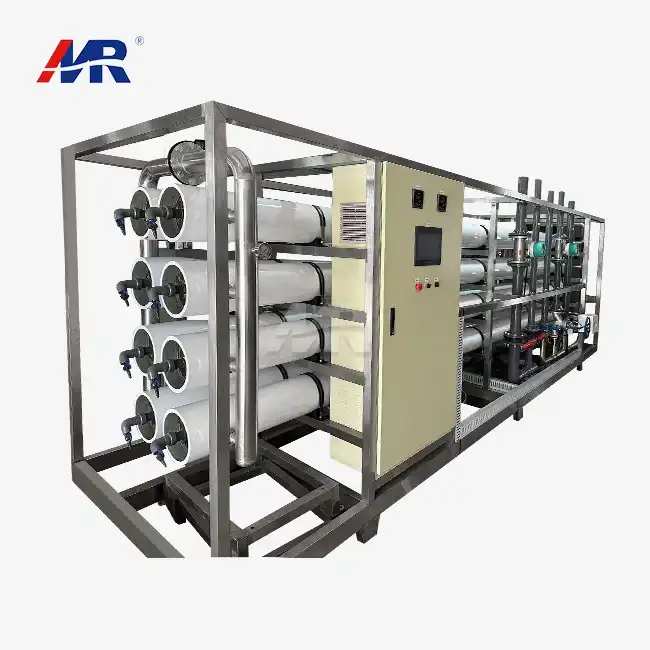
High-quality RO systems use more than one stage of filtering. The first stage is sediment pre-filters, which catch particles as small as 5 microns and protect the next stages from damage. After that, carbon block pre-filters get rid of chlorine, volatile organic compounds (VOCs), and organic chemicals that could hurt the performance of the membrane. The ro membrane stage gets rid of most of the contaminants. Post-filters clean the water, and possible remineralization steps keep the pH levels in balance.
When pre-filtration is done right for the best reverse osmosis system for well water, membranes last a lot longer. When strong pre-filtration works well with high sediment loads, we've seen membrane life increase from 18 months to over three years in setups for food industry clients. This directly leads to lower total cost of ownership and fewer breaks for upkeep.
Membrane Quality and Rejection Rates
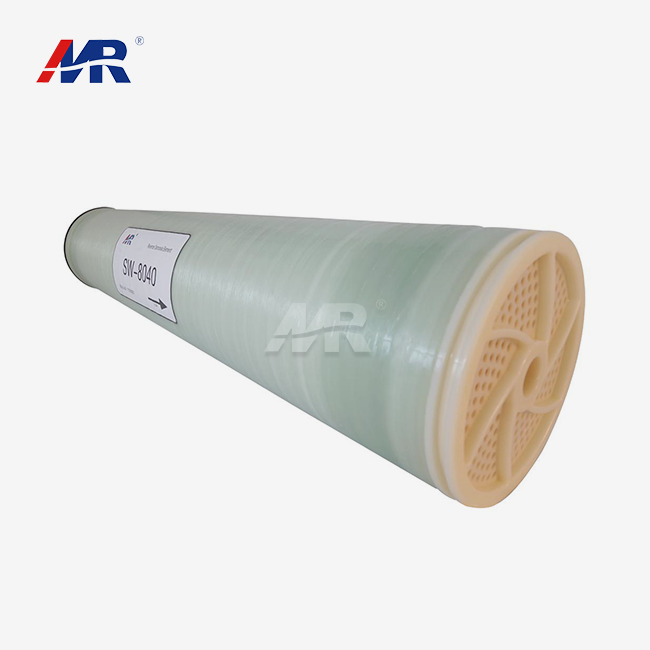
The membrane is the most important part of any RO system, and how well it works depends on how well it is made. Thin Film Composite membranes are very good at getting rid of iron, manganese, and hardness ions, which are contaminants that are common in well water. A high-quality barrier can reject 97–99% of dissolved salts and get rid of almost all heavy metals and radionuclides.
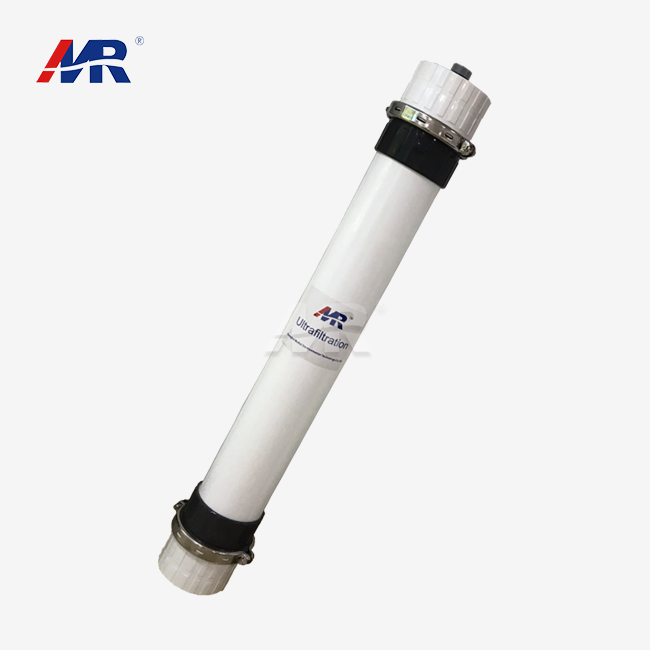
The shape of the membrane is also important. Spiral-wound membranes have a lot of surface area packed into a small package. This makes them perfect for business settings where room is limited. Iron and manganese weathering can foul the membrane material. This is a common problem in treating well water that needs careful system design to avoid.
System Capacity and Flow Rate Requirements
The volume of your system must match exactly with the amount of water you need for operations. Residential units that can only make 50 to 100 gallons per day won't be enough for even small businesses. Systems that make hundreds to thousands of gallons of water every day are needed in industrial settings. Flow rates are measured in gallons per minute instead of GPD.
We've made systems for beverage companies that need 5,000 gallons of water every day with regular quality and pressure and for medical facilities that need a steady flow for dialysis operations. Knowing when demand is highest, how much store space is needed, and the pressure requirements will make sure the system works when your operations need it the most.
Advanced Features for Well Water Applications
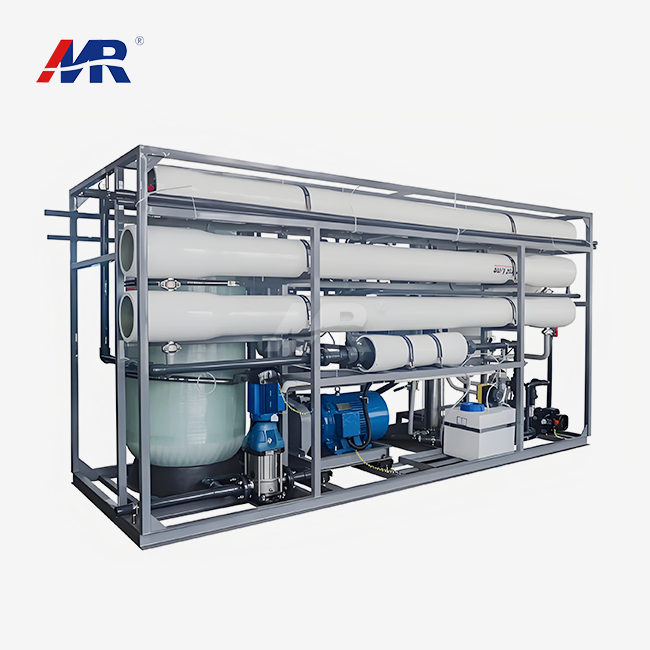
Booster pumps built into the membrane handle low well pressure, making sure that the membrane works the same way even if the source water pressure changes. The remineralization steps add back in good minerals like calcium and magnesium. This keeps the pH stable so that the acidic nature of pure RO water doesn't damage pipes and equipment. This trait is especially useful in food and drink uses where the mineral content changes the taste and stability of the product.
Optional UV sterilization adds another defense against biological risks, answering worries about bacteria and viruses that might be present in private well sources that aren't supervised by the city. Automated cleaning systems keep membranes from getting clogged by regularly clearing out particles that have built up. This extends the time between services and keeps performance consistent.
Construction Quality and Monitoring Systems
Durable building materials don't rust in tough well water circumstances. Longevity and safety are ensured by NSF-certified components and housings made of stainless steel. This is especially important in pharmacy and food processing uses where material compatibility is important. For business use, pressure tanks must meet ASME standards. This provides safety margins that home-grade equipment can't match.
Key performance factors like feed water pressure, permeate flow, TDS levels, and membrane differential pressure are tracked by strong tracking systems. These measures allow for predictive maintenance, which lets workers know about problems before they become so bad that the system stops working. Digital controls that can log data help with documenting compliance and improving processes.
Comparing Top Reverse Osmosis Systems for Well Water in 2024
Leading Brands in Industrial RO Technology
A number of makers have built names for dependability and new ideas in treating well water. APEC has strong business systems with full pre-filtration and large screens that can be used in light industrial settings. Small businesses and startups like iSpring because it offers options at low prices and with good expert help. Home Master is an expert at getting rid of iron and manganese. Its unique pre-filtration designs make membranes last longer in hard well water. Watts provides scalable systems and complete service networks for municipal and big business sites, drawing on a wealth of engineering knowledge.
Comparative Analysis of System Features
When looking at different systems, the number of filter processes can be anywhere from five for homes to ten for factories, with many pre-treatment steps and fine-tuning after processing. Flow rates range from 50 GPD for home units to more than 10,000 GPD for business systems. Maintenance needs are very different between systems. For example, some need their filters to be changed every six months, while others can go up to 18 months between service times because they are less likely to get clogged.
Warranty coverage shows that the maker trusts the product and wants to provide long-term assistance for the best reverse osmosis system for well water. Some cheaper systems may only cover the membrane for one year, while more expensive ones may cover the pressure vessels and walls for five years and the membrane for two years. The guarantee terms explain how long the parts are supposed to last and how the company stands behind their goods.
Specialized Solutions for Specific Well Water Challenges
Well water that is high in iron needs special pre-oxidation and filter steps before RO membranes can be used to keep them from sticking permanently. Manganese greensand filters or chemical oxidation steps that turn dissolved iron into filterable bits are used in systems made for these conditions. Integrated water softener or anti-scalant injection systems that stop calcium carbonate from building up on barrier surfaces are helpful in situations with hard water.
Sources that are biologically contaminated need to be completely cleaned by UV light or chlorination, followed by dechlorination, before they can be exposed to a barrier. We've set up systems for farming that use small wells where the risk of bacterial contamination is still high. These systems include multiple disinfection steps that keep microbes safe without hurting the membrane.
Cost Versus Value Assessment
The initial spending is very different depending on the features and abilities. Commercial systems for small businesses start at around $2,000 to $5,000, while setups for large businesses can cost over $100,000. These up-front costs need to be compared to ongoing costs like power use, new filters and membranes, and maintenance staff.
When figuring out the total cost of ownership, you should think about how long the membrane lasts, how much energy it uses, and how much trash it makes. Systems with a waste ratio of 1:1 use a lot less water than older systems with a waste ratio of 4:1. This saves money on water costs and is better for the earth. With permeate pumps, energy-efficient designs can cut power use by 75%, which saves a lot of money over the life of the system.
Installation, Maintenance, and Long-Term Management of RO Systems for Well Water
Commercial Installation Requirements
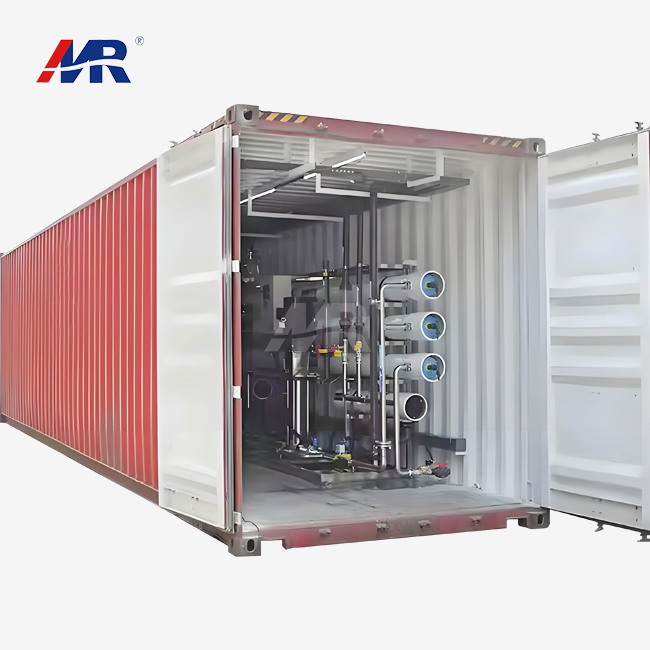
An effective rollout starts with a site survey that looks at things like the quality of the source water, the amount of room available, the electrical capacity, and the drainage options. The steps for installation include putting the system on stable foundations, connecting the inlet pipes with the right pressure regulation, setting up drains for the discharge of concentrate, and connecting the electrical controls to the building's power management systems.
Installation costs usually include plumbing supplies and labor, electrical work like specialized circuits and control panel integration, and commissioning services where experts check the system works and teach workers how to use it. We've found that having experienced techs install your system lowers problems during startup and speeds up the time it takes to be fully operational, which usually makes the 15-20% extra cost worth it.
Preventive Maintenance Schedules
On regular maintenance plans, replacing filters and membranes at the right time is a top priority to avoid expensive downtime and performance loss. Depending on how cloudy the source water is, sediment pre-filters need to be replaced every three to six months. Carbon filters, on the other hand, last between six and twelve months. Under normal conditions, RO membranes need to be replaced every two to three years. However, well water that is hard to clean may shorten this time frame.
Regular upkeep tasks include checking the pressure to find leaks, cleaning the system to stop germs from growing, and checking the performance by measuring TDS and flow rate. By writing down these activities, you help with following the rules and making guarantee claims, and you also learn more about how the system works as a whole.
Water Quality Monitoring Protocols
Checking the water quality before and after placement makes sure that the system works well and follows the rules. Key factors like TDS, pH, microbial signs, and contaminants of worry like nitrates or heavy metals should be tested in a lab. How often you test depends on the regulations and how important the process is—for example, pharmaceutical uses may need to be checked every day, while farming uses might only need to be tested every three months.
With real-time sensor systems, tracking is always going on, with no delays in the lab. Inline TDS meters measure how well the membranes reject water, pressure monitors find scaling or fouling, and flow meters check the system's capacity. These tools let you respond right away to problems as they arise, stopping quality slips that could put the safety of the product or process at risk.
How to Choose the Best Reverse Osmosis System for Your Well Water Needs
Analyzing Your Water Quality Profile
To choose the right for best reverse osmosis system for well water, you need to know exactly what problems you're having with your water quality. A full lab test should find all the poisons that are there, how much of them there are, and how they change with the seasons. This info tells us what kind of pre-treatment is needed, which membranes to use, and how much space the machine has. We suggest checking for at least these things: TDS, pH, hardness, iron, manganese, nitrates, sulfates, bacteria, and any contaminants that are specific to your business and affect your processes.
By knowing how much is being used and how it changes over time, you can avoid either undersizing, which results in not enough supply, or oversizing, which wastes money on capital and running costs. Find out how much store space is needed to meet the difference between production and consumption, as well as the average daily usage and peak hourly demand. Demand patterns in manufacturing processes are often very clear and tied to production plans. This means that careful capacity planning is needed.
Key Selection Criteria for Industrial Applications
The most important thing is how well the filtration works—the system must consistently get rid of your specific contaminants in amounts that meet your process needs or legal standards. How well contaminants are removed depends on the chemistry of the membrane, the design of the pre-treatment, and how the system is set up. Instead of general promises that TDS will be lower, ask for specifics that show the rejection rates for the chemicals you are worried about.
Total cost of ownership includes the price of the system itself, the cost of installation, the cost of continuing supplies, the amount of energy it uses, the cost of upkeep, and how long the system is expected to last. Lower-priced systems often have higher running costs because they collect water less efficiently, need new membranes more often, or use too much energy. Some clients have saved 40% over five years by choosing better methods, even though they cost 25% more at first.
Evaluating Supplier Support and Customization
Long-term happiness and system efficiency are greatly affected by supplier support services. Look for makers that offer technical advice on how to size and set up systems correctly; help with installation or networks of qualified installers; full training for your maintenance staff; and quick Technical support when problems arise. Companies that focus on commercial and industrial work know what businesses need better than companies that mostly serve private customers.
With customization choices, you can make systems fit your needs exactly. Modular designs let you add more space as your business grows. With custom pre-treatment, problems with specific contaminants can be solved. Centralized control is made easier by connecting to systems that watch buildings. Warranty terms and brand image affect buying choices because they show how committed the manufacturer is to making reliable products.
Real-World Performance in Demanding Applications
We've set up methods for dairy processors in Wisconsin, where high amounts of nitrate from farming runoff put the safety of the products and following the rules at risk. After setting up RO systems correctly with strong pre-filtration, these companies consistently reduced nitrates by more than 95%, keeping output going without any problems with water quality.
A business in California that makes semiconductors needed ultrapure water with a resistivity higher than 15 megohms for cleaning chips. With their two-stage RO system and electrodeionization, they can now safely make water that meets these strict requirements. This helps with precision manufacturing that won't accept any contamination. With fewer product flaws and higher output, the investment paid for itself in eight months.
Conclusion
When choosing the right reverse osmosis system for well water, you need to think carefully about your specific poisoning problems, operational needs, and long-term business goals. The best systems combine cutting-edge membrane technology with strong pre-filtration, enough capacity for your needs, and tracking tools that make sure the system always works well. If you look at the total cost of ownership instead of just the original price and work with suppliers who have a lot of experience treating industrial water, you can set up your business for stable water quality that helps with production, following the rules, and business growth.
FAQ
1. Does reverse osmosis remove iron and hardness from well water?
Yes, reverse osmosis does a good job of getting rid of both iron that has been dissolved and hardness minerals. Most of the time, RO filters can get rid of 95–98% of iron and 93–97% of calcium and magnesium, which make water hard. But if there is more than 0.3 ppm of iron in the water, it might need to be pre-oxidized and filtered to keep the membranes from getting clogged and to make the system last longer.
2. How often should filters and membranes be replaced in well-water applications?
Depending on the amount of particles, sediment prefilters usually need to be changed every three to six months. Six to twelve months is how long carbon filters last. RO filters usually need to be replaced every two to three years, but this time can be shortened if the water in the well is hard or has a lot of iron in it. Monitoring the system's flow and water quality on a regular basis lets you know when it needs to be replaced.
3. What advantages do RO systems offer beyond water softeners?
Water softeners change calcium and magnesium in the water for sodium, but they don't get rid of heavy metals, bacteria, dissolved solids, nitrates, or other typical well water pollutants. RO systems clean water completely by getting rid of up to 99% of dissolved solids and almost all germs. This makes the water safe for sensitive uses when softeners alone aren't enough.
Partner with Morui for Superior Well Water Treatment Solutions
Guangdong Morui Environmental Technology is an expert at creating and putting in place industrial-grade reverse osmosis systems that are specifically made for hard well water uses. As a top producer of the best reverse osmosis system for well water manufacturers, we have more than ten years of experience in a wide range of fields, such as making electronics, food and drinks, and medicines. Our 20-person engineering team creates unique solutions that meet your exact needs for volume and contaminant profile.
We offer full support from the original water analysis to system design, equipment supply, installation, and ongoing upkeep. We have 14 branches and 500 dedicated workers. Our membrane production plant makes sure of supply reliability and quality control, and our relationships with top brands like Shimge Water Pumps, Runxin Valves, and Createc Instruments provide full turnkey solutions. Email Our Team at benson@guangdongmorui.com to talk about your well water problems and get a personalized plan that improves water quality, operating efficiency, and return on investment.
References
1. American Water Works Association. (2022). "Reverse Osmosis and Nanofiltration Manual of Water Supply Practices." AWWA Manual M46, Third Edition.
2. National Ground Water Association. (2023). "Private Well Water Quality: Common Contaminants and Treatment Options." NGWA Technical Report Series.
3. United States Environmental Protection Agency. (2021). "Drinking Water Treatment Technologies for Household Use." EPA Publication 815-F-09-004.
4. Water Quality Association. (2023). "Point-of-Use Reverse Osmosis Systems: Performance Standards and Application Guidelines." WQA S-300 Technical Standards.
5. Journal of Water Process Engineering. (2023). "Membrane Fouling in Reverse Osmosis Systems Treating Groundwater: Prevention and Mitigation Strategies." Volume 51, Research Articles.
6. International Desalination Association. (2022). "Industrial Applications of Membrane Technology: Best Practices for Groundwater Treatment." IDA Technical Proceedings Annual Conference.