_1745823981883.webp)

What Should You Look for in an Osmosis Water Machine?
You need to think about a lot of scientific, practical, and financial factors when picking the best osmosis water machine. These affect how clean the water is, how long the system lasts, and how much it costs to run. To make a choice, you should think about membrane filtration accuracy (usually 0.0001 microns to get rid of contaminants effectively), desalination rates above 97%, system capacity measured in Gallons Per Day (GPD), energy efficiency metrics, NSF/ANSI 58 compliance, and compatibility with technology that is already in place. The people in charge of buying things should also check what contracts cover, how easy it is to get maintenance, and how well providers can help with tech problems. You can be sure to get a reliable reverse osmosis system that meets strict industry standards and has the lowest total cost of ownership for use in medicine, food and drink, making electronics, and treating public water if you know these things.
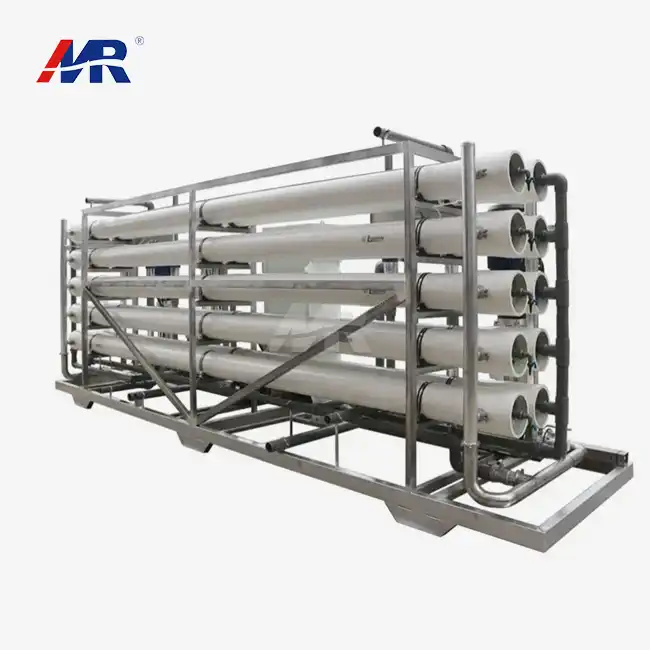
Understanding Reverse Osmosis Water Machines: Core Concepts and Benefits
How RO Technology Removes Contaminants Effectively
Reverse osmosis works by using hydraulic pressure to push water molecules through walls that are only partially porous, against the body's natural osmotic pressure. Along with heavy metals and bacteria that are already in the water, it gets rid of them. The Total Dissolved Solids (TDS) levels in the water from this process are less than 10 ppm. This means that it can be used for delicate jobs like making drugs and cleaning semiconductors. The holes in the membrane, which are only 0.0001 microns wide, stop things that are 5,000 times smaller than a human hair. Lead, arsenic, nitrates, and PFAS chemicals are some of these particles that normal screens can't get rid of.
Core Components Working in Synergy
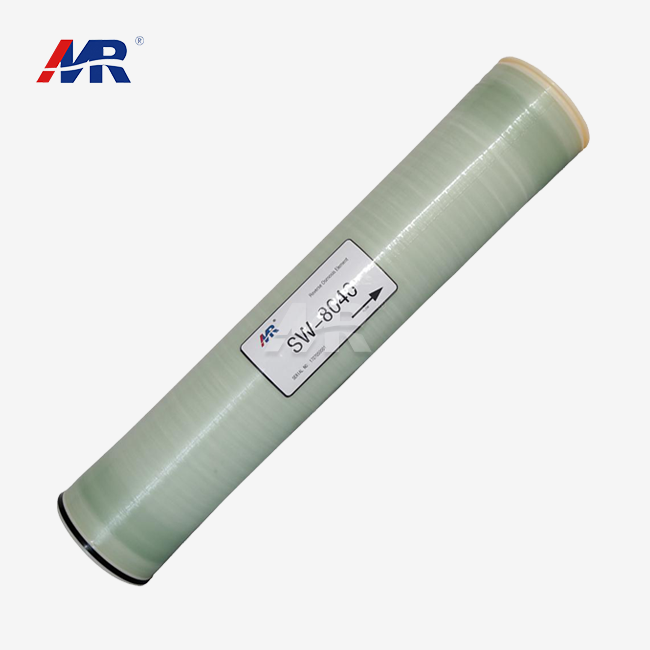
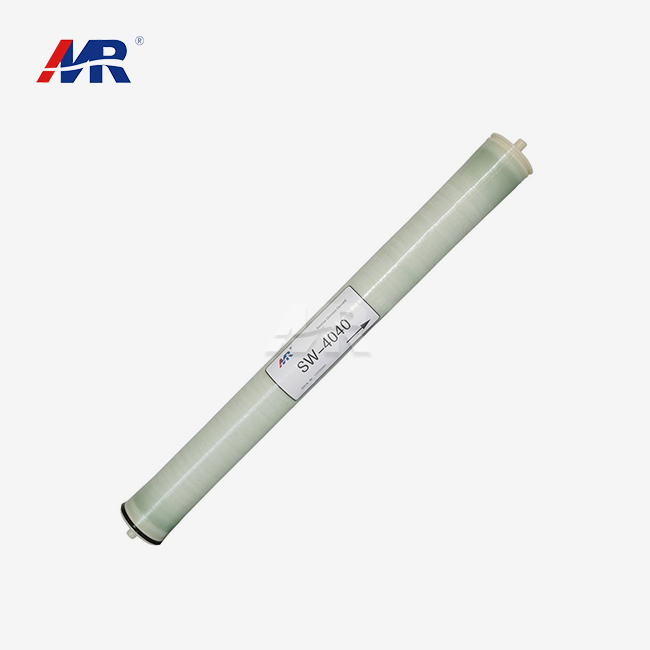
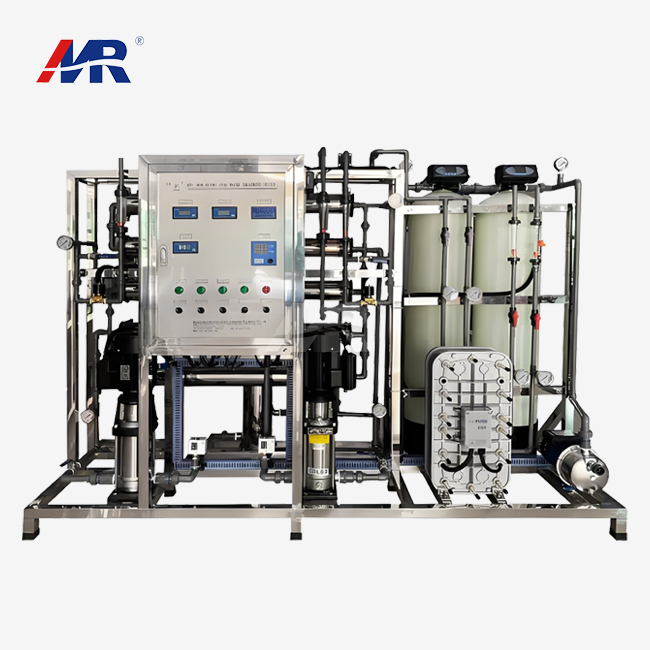
So that the ro membrane doesn't get clogged up and break down too fast, sediment and chlorine are taken out in the pre-filtration steps. The best feed pressure is between 60 and 80 PSI, which is what the high-pressure pump makes sure of. In this way, the permeate flow rates stay the same. Cleaning steps get rid of any tastes and smells that are still there after filtration, and remineralizing systems add minerals that are good for certain uses. When it comes to germs and pH levels, Thin Film Composite (TFC) screens work better than cellulose acetate choices. In other words, they last longer between service calls and don't stop activities as often.
Advantages Over UV and Distillation Systems
The UV light only kills germs; it doesn't get rid of contaminants that have been destroyed. RO systems, on the other hand, remove both solid and liquid contaminants at the same time. Distilleries use a lot more energy than reverse osmosis systems—about 2 to 3 kWh per gallon vs. 0.1 to 0.3 kWh for RO systems. This means that RO systems are more cost-effective for ongoing industrial processes. The person using RO equipment doesn't need to do much to keep it working well, but people who use distillation units need to regularly descale and repair them.
Key Factors to Consider When Choosing an Osmosis Water Machine
Filtration Performance Against Industry Standards
There are different rules for water safety for each industry for osmosis water machines. If you want to make drugs, you need water that is USP Purified and has a conductivity of less than 1.3 microsiemens per centimeter. People who work in places that sell food and drinks need to have systems that get rid of chlorine on a daily basis. Chlorine changes the way that craft beer and specialty coffee taste. Electronics manufacturers need resistivity values above 18 megohm-cm for the methods they use to make chips. It can save you a lot of money and time if you make sure that a system meets all of your legal needs before you buy it.
System Capacity and Scalability Considerations
By making sure that the daily water supply capacity is equal to the working demand, assets aren't wasted, and costs are kept low. A 400 GPD system is enough for small pharmaceutical processing plants, but bottling plants may need 10,000 GPD or more systems with backup trains to make sure production doesn't stop during maintenance. Most of the time, recovery rates fall between 50 and 75%. This shows how much of the feed water is turned into product water. How much it costs to get rid of trash changes because of this. Higher recovery rates lower running costs in places that don't have a lot of water or that have to pay high fees to dump waste.
Energy Efficiency and Operational Costs
A big part of the costs over time comes from the energy used. Some parts of modern systems are able to collect energy from concentrate streams and put it back into the system. This makes the pump use 30 to 40 percent less power. A variable frequency drive changes the speed of the pump based on real-time demand to make the best use of energy during off-peak production hours. If you want to get accurate estimates of how much each model will cost to run over 10 years, you should ask for specific energy consumption numbers at different working temperatures and feed water grades.
Installation Requirements and Infrastructure Compatibility
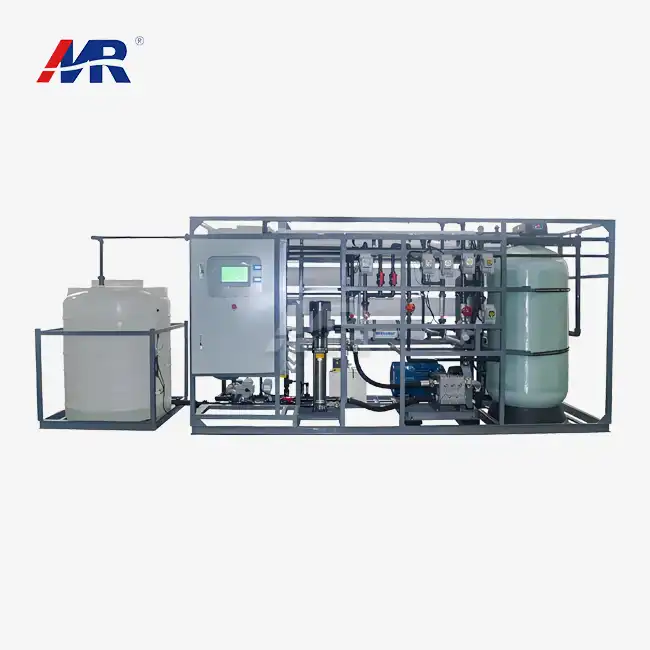
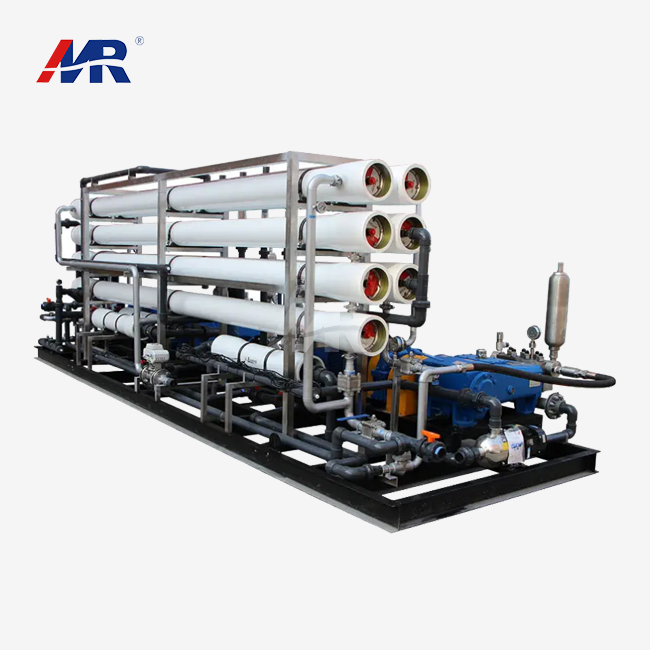
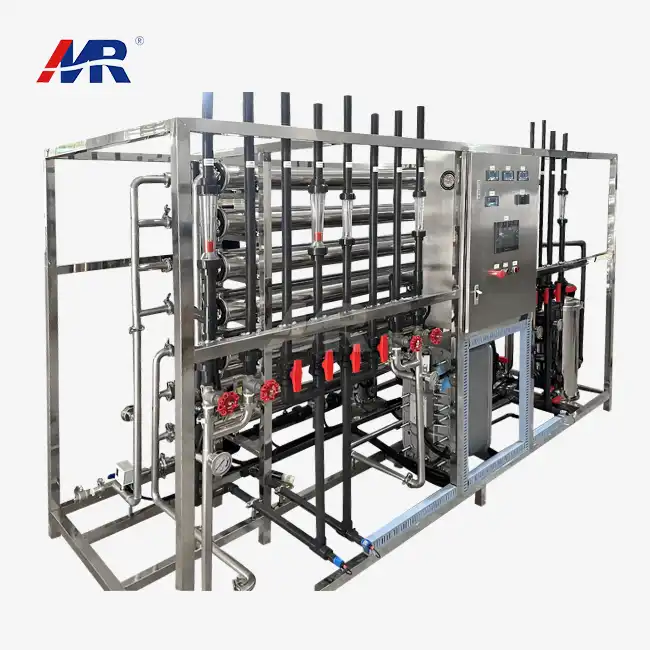
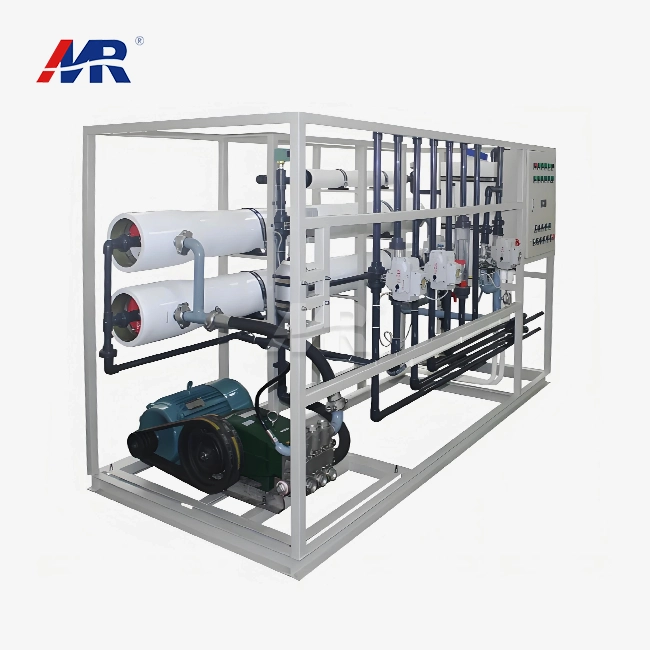
It's hard and takes a lot to put things where they need to go because of things like space, electricity, and water. Skid-mounted systems put all the parts on one frame, which makes them easy to put together. It only takes days instead of weeks to install now. It is cheaper to make unique designs because they can be used with standard three-phase power sources and common pipe sizes. It is important to know about your building's pressure rates, drain capacity, and temperature control choices so that rollout goes easily and no unexpected changes need to be made to the infrastructure.
Comparative Analysis of Top Osmosis Water Machines in 2026
Evaluating Manufacturer Reputation and Certifications
Companies that have a good name in the industry keep their ISO 9001 quality management Certifications and follow industry standards such as FDA 21 CFR Part 11 for pharmaceutical uses. Claims that pollution has been reduced are backed up by tests done by the Water Quality Association (WQA) or NSF International. Businesses that have worked in your field before know all the rules and can give you information that makes reviewing easier. Real-life examples from businesses like yours that have been checked out show how things work, not just how they should work in marketing.
Feature Comparison: Budget vs. Premium Systems
Simple industrial systems that cost between $8,000 and $15,000 usually have single-membrane designs, manual flush valves, and simple pressure gauges for osmosis water machines. These systems work well for small businesses with basic water quality needs. High-end systems that cost at least $100,000 have automatic cleaning features, the ability to track TDS in real time and log data, backup pumps that keep the output going, and advanced tests that find performance issues before they happen. If a site goes down and costs more than $1,000 an hour or if people don't follow the rules, they should spend the extra money.
Smart Monitoring and Value-Added Technologies
Monitoring tools that can connect to the internet send data to cloud platforms about how things are running. This lets you fix problems from away and plan maintenance that won't need to be done. Automatic membrane cleaning extends the life of the membrane by stopping concentration polarization when the system is shut down. Alkaline remineralization steps bring the pH level back to between 7 and 9. This keeps lines further down the system from rusting. These longer guarantee plans that cover membranes for 3–5 years instead of the standard 1–2 years show that manufacturers are sure that their parts will last.
Procurement Considerations: How to Buy and What to Expect
Understanding Price Structures and Bulk Advantages
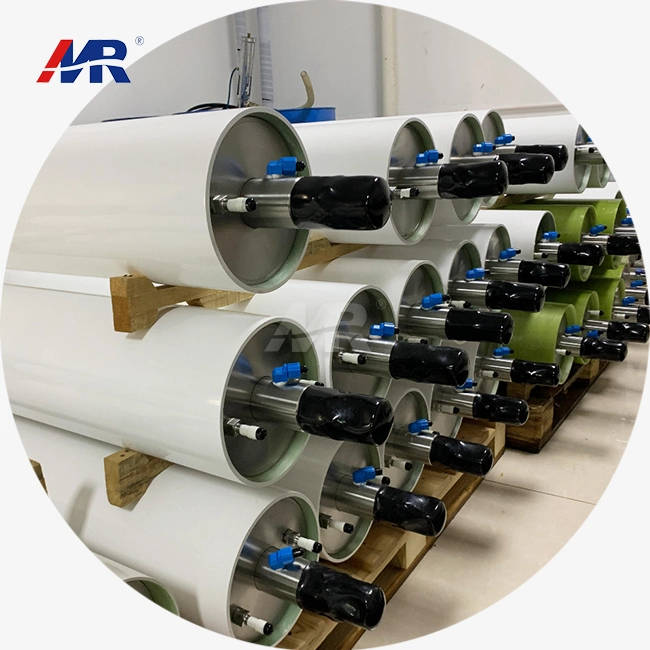
Learning how prices work and why buying in bulk is a good idea. Capital equipment costs vary based on how often it is used, how automatic it is, and the materials that are used. Housings made of FRP (fiber-reinforced plastic) cost 20–30% less than those made of stainless steel, but stainless steel can handle harsh chemicals in feed waters better. You can save 10 to 25 percent when you buy in bulk for more than one store. It's easier to train workers and keep track of extra parts when tools are the same across places. Lease-to-own deals help companies that need to keep track of their cash flow more than having assets keep their money.
Warranty Terms and After-Sales Support
How the guarantee works and how to get help after the sale. For 24 to 36 months, full guarantees cover work, parts, and membrane repairs. This way, things don't break down before they should. Tech support hotlines that are open 24 hours a day, seven days a week help cut down on downtime by giving people tips right away on how to fix issues. If a business doesn't have its own water treatment experts, service level agreements that offer to be on-site within 48 hours are very important. It is important to make it clear that warranties do not cover things like bad feedwater or poor upkeep. This will prevent fights when claims are made.
Replacement Parts Availability and OEM vs. Third-Party Components
What replacement parts are out there and the difference between OEM and third-party parts. Third-party membranes work better for less important jobs with less strict requirements and cost 30–40% less than OEM membranes. OEM membranes make sure that performance stays the same and that guarantees are valid. When you work with more than one seller, problems in the supply chain that stop production are less likely to happen. It's cheaper to buy high-pressure seals, pressure switches, and solenoid valves in an emergency if you keep them on hand at times that the manufacturer recommends. It's easier to plan your inventory when you know how long parts take to arrive. For example, popular things can be delivered the next day, while specialized membranes can take up to 8 weeks.
Ensuring Long-Term Success: Installation, Maintenance, and Support
Professional Installation Services and System Optimization
Installation teams made up of experts check the feedwater's quality factors, set up tools, test how well they work, and teach workers how to do simple jobs for the osmosis water machine. If there are issues with the infrastructure, like not enough electrical grounds or drain capacity, they are found by professionals before they hurt the equipment. To keep the warranty valid, make sure you follow the right steps when you first turn it on, like cleaning it with a membrane protection solution and slowly raising the pressure. Documentation packages that include pipe and instrumentation diagrams (P&IDs), operation directions, and maintenance plans make it easier to follow the rules and share what you know.
Routine Maintenance Protocols Maximizing Uptime
Every three months, the pre-filter cartridge needs to be replaced so that the membrane doesn't get stuck. Every six months, the high-pressure pump needs to be checked for seal wear so that it doesn't break, and once a year, the membrane's cleaning power needs to be tested. The membrane is protected when the feedwater temperature stays below 77°F (25°C). To find gunk that needs to be cleaned with chemicals, check the difference in pressure between the housings. Repair plans that are based on working hours instead of times on a calendar help sites that use a lot of different materials get the most out of their money.
Manufacturer Technical Support and Training Programs
Customers are less likely to need to hire outside service providers if the manufacturer gives full user training that includes how to use the system, simple repairs, and regular upkeep. People who go through advanced training learn how to clean chemicals, fix filters, and set up control systems so that they can be used in-house. Technicians can handle small issues on their own with the help of Technical support files, video lessons, and application building help. The company that makes the tools does performance tests every year to find ways to make them work better and last longer.
Conclusion
To pick the best osmosis water machine, you should carefully consider its technical specs, how it works, and how well it can be supported in the long run. At the top of your list should be accurate filtration, energy efficiency, the name of the manufacturer, and full after-sales service. This will ensure that your purchase offers consistent water quality while keeping costs low over its lifetime. Making sure that the system can handle your output and that you know what your business's safety needs are will keep you from spending too much or not getting enough done. It is best to work with manufacturers that have a lot of experience and offer installation help, maintenance training, and quick technical support. This way, you can be sure that the equipment will work well in harsh industrial settings.
FAQ
1. How often should membranes be replaced in industrial RO systems?
When to change the membrane depends on how well it is taken care of, how long it is used, and what kind of water it comes from. To keep their water treatment systems in good shape, cities should switch out their membranes every three to five years. Businesses that deal with hard feedwater, on the other hand, are likely to foul the membranes every 18 to 24 months. If you keep an eye on the measured filtrate flow and salt rejection rates, you can see when performance loss needs your attention. If you treat membranes properly before you use them and clean them with chemicals often, they will last a lot longer. Writing down everything that needs to be fixed helps you figure out when to buy new things and save money for that.
2. What differentiates reverse osmosis from ultrafiltration technology?
Reverse osmosis membranes have holes that are only 0.0001 microns wide. These pores get rid of salts, metals, and small organic molecules that dissolve. It's because ultrafiltration membranes have bigger holes (0.01-0.1 microns) that let minerals that are dissolved pass through but not bacteria, viruses, or solids that are on the surface. UF systems only need 10–30 PSI of working pressure, while RO systems need 60–80 PSI. Also, the reject streams that RO systems make are more concentrated. Ultrafiltration gets rid of germs better than RO because it leaves minerals in the water. RO, on the other hand, gets rid of dissolved chemicals better.
3. Can RO systems integrate with existing water treatment infrastructure?
Because they are movable and have many link options, modern RO systems are easy to connect to infrastructure that is already in place. With the help of extra pumps or valves that lower the pressure as needed, systems can handle different entry levels. Either flanged or threaded connections can be used to connect the permeate and concentrate outputs to normal pipe sizes. Standard protocols, like Modbus or Profibus, let building automation tools and control systems talk to each other. It's easy to add pre-treatment equipment like softeners or carbon filters upstream of RO units to protect membranes and make them work better.
Partner with Morui for Superior Water Treatment Solutions
Guangdong Morui Environmental Technology has osmosis water machine systems made for businesses that are ready to clean your water in the hardest situations. These tools are made to last and do their job well. Our services cover a wide range, from 50 GPD home units to city systems with 100,000 GPD or more. We can do this because we have a plant that makes membranes and a big network of suppliers, such as Shimge Water Pumps and Runxin Valves. We offer complete options that include picking out the right equipment, setting it up, activating it, and keeping it in good shape. We have 20 dedicated experts and 14 groups that help in different areas. Contact our technical team at benson@guangdongmorui.com to talk about your project needs and get a full quote from a reputable osmosis water machine provider that wants your business to succeed.
References
1. American Water Works Association. (2022). "Reverse Osmosis and Nanofiltration: Manual of Water Supply Practices M46." AWWA Publishing, Denver, Colorado.
2. Crittenden, J.C., Trussell, R.R., Hand, D.W., Howe, K.J., Tchobanoglous, G. (2023). "MWH's Water Treatment: Principles and Design, 4th Edition." John Wiley & Sons, Hoboken, New Jersey.
3. National Sanitation Foundation International. (2023). "NSF/ANSI Standard 58: Reverse Osmosis Drinking Water Treatment Systems - Certification Requirements." NSF International, Ann Arbor, Michigan.
4. Pharmaceutical Engineering Magazine. (2024). "Purified Water Systems: Design and Validation Considerations for Pharmaceutical Manufacturing." International Society for Pharmaceutical Engineering, Tampa, Florida.
5. U.S. Environmental Protection Agency. (2023). "Membrane Filtration Guidance Manual." EPA Office of Water, Washington D.C.
6. Water Quality Association. (2024). "Industrial and Commercial Water Treatment: Best Practices and Technology Guide." WQA Technical Publications, Lisle, Illinois.