_1745823981883.webp)

Reverse Osmosis Membrane Innovations Improving Water Treatment
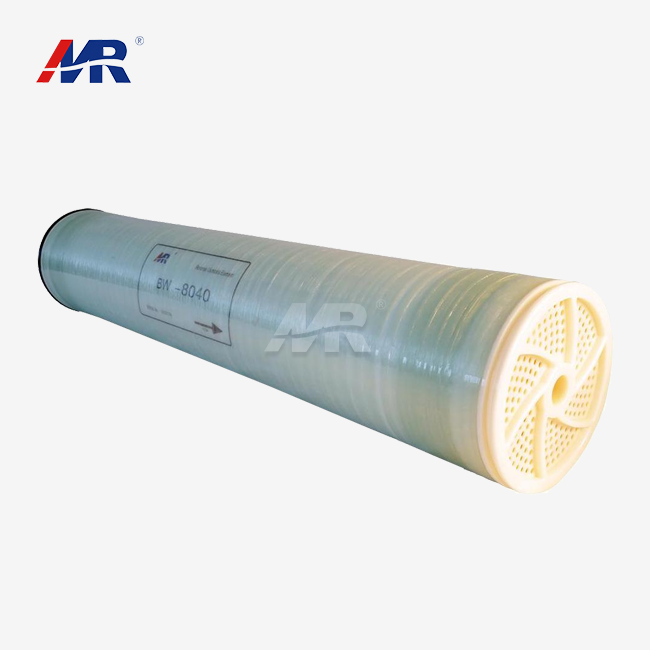
The membrane/80-40-ro-membrane">reverse osmosis membrane is an important part of modern water treatment systems. It is changing quickly as material science makes new discoveries and design changes are made to solve a wide range of industry problems. These days, improved membranes are very good at getting rid of contaminants while using less energy. This makes them essential in the production of drugs, semiconductors, and saltwater desalination. Increasing standards for water quality and demands for operating efficiency have led to these innovations, which change how businesses clean everything from brackish groundwater to high-salinity oceans.
Introduction
In the past ten years, water treatment has changed a lot, and membrane technologies have been a big part of that change. We've seen how advanced reverse osmosis systems are now essential to many important industrial processes around the world, from pharmaceutical plants making sure they follow good manufacturing practices (GMP) to coastal cities desalinating large amounts of seawater to make up for a lack of freshwater. To meet strict standards for water quality while also keeping costs low, membrane design and performance are always being improved.
At Morui, we've helped clients in the energy, food processing, and manufacturing industries make decisions about how to treat water that are getting more complicated. Having managed a wide range of projects, from small lab systems to large municipal sites, we know how important it is to choose the right membrane for long-term operating success. This detailed guide pulls together useful lessons from real-life examples to help purchasing managers, plant engineers, and technical leaders understand the newest membrane innovations and how they can help their businesses.
Understanding Reverse Osmosis Membrane Technology
Core Filtration Mechanism and Membrane Architecture
Pressure drives the sorting process in reverse osmosis. Feed water is pushed against a semi-permeable barrier under hydraulic pressure that is higher than the natural osmotic pressure. The structure of the membrane is usually made up of three separate layers: a polyester support web that is about 120 micrometers thick and provides structural integrity; a polysulfone microporous interlayer that lets water pass through; and an ultra-thin polyamide barrier layer that separates the two. Interfacial polymerization technology is used in this last layer to make a thick film that blocks dissolving salts, organic compounds, bacteria, and other pollutants while letting water molecules pass through.
Transport through this polyamide layer is controlled by the solution-diffusion process. Ionic species and bigger molecules are rejected because of their size and charge, while water molecules break into the membrane material, spread across it, and come out as clean permeate. High-quality membranes from well-known companies like Dow and Toray can reject more than 99.5% of sodium chloride, which means they can be used in difficult situations that need clean water all the time.
Manufacturer Differentiation and Membrane Classification
Different companies have come up with their own special formulas that affect how well membranes work. FilmTec membranes, which are well known in industrial settings, can handle chlorine better thanks to changes made to certain polymers. Toray membranes focus on high permeability with low fouling susceptibility, which makes them especially useful for cleaning open water sources that have a lot of organic matter in them. Dow membranes find the best mix between energy efficiency and rejection efficiency, which makes the best use of specific energy in large-scale processes.
Membranes are divided into different groups based on their ability to reject substances and their intended use. High-rejection membranes get rid of over 99.7% of salt, which is necessary for making pharmaceutical-grade water and ultrapure water systems for semiconductors. Standard rejection membranes can remove 98 to 99.5% of TDS, which makes them good for standard industry processes, municipal water treatment, and food preparation where slightly higher TDS levels are still fine. Commercial membranes can handle higher flow rates and pressure ranges than household membranes, so they can be used continuously in tough circumstances.
Performance Benefits and Operational Considerations
One of the best things about modern membrane systems is that they are very good at getting rid of contaminants like dissolved salts, heavy metals, medicinal leftovers, and microbiological dangers. At the same time, modern membranes clean water 30 to 40 percent more efficiently than older goods, which directly lowers operating costs. Recovery rates—the amount of feed water that is turned into useful permeate—now hit 75–85% in well-designed brackish water systems. This cuts down on waste and makes the systems last longer.
When creating a system, reverse osmosis membrane limits need to be taken into account. The flow of filtrate and the quality of the water get worse over time because of fouling from suspended particles, bacterial growth, and scale formation. Commercial membranes usually last between 2 and 5 years, but this depends on the type of water they are fed, how well it is treated before use, and how often they are cleaned. Chemical incompatibility, especially with oxidizing agents like chlorine, means that cleaning plans need to be carefully thought out and operations need to be closely watched. Knowing about these trade-offs helps you set reasonable goals for success and plan for the right kind of upkeep.
Innovations Driving Performance and Longevity in RO Membranes
Advanced Material Science and Surface Modifications
New discoveries in polymer chemistry have led to the creation of membranes with special layers on the outside that change how they interact with the components in feed water. Organic fouling is lessened by hydrophilic changes that stop oils, proteins, and humic substances from sticking together, which usually happens during operation. Some makers now use zwitterionic polymers, which are molecules with both positive and negative charges. These create surfaces that actively fight biofouling while still rejecting a lot of salt.
Another big step forward is thin-film nanocomposite (TFN) membranes, which use nanoparticles embedded in the polyamide layer to improve water penetration without affecting selection. These nanoparticles, which are usually made up of zeolites or metal-organic frameworks, make pathways for water to move more easily while blocking routes for bigger contaminants. Laboratory tests show that TFN membranes can achieve 20–30% faster flux rates at the same level of rejection compared to regular thin-film composite membranes. This means that the system takes up less space and costs less to buy.
Extended Lifespan Through Engineering Innovation
Today's membranes have stronger polyamide films and thicker support layers that can handle changes in pressure and chemical cleaning processes better. Better cross-linking in the active layer makes it more resistant to chlorine, so it can be exposed for a short time during sanitization without being permanently damaged. This is a huge benefit for pharmaceutical and food processing uses that need to clean often.
Formulations that don't change with temperature allow for longer working parameters, so warmer feed waters can be treated without affecting performance. Standard membranes work best below 45°C, but there are special high-temperature versions that keep their rejection and flux properties up to 60°C. This feature comes in handy in power generation, where vapor cleaning needs to be done at high temperatures, and in some industrial processes, where cooling feed water uses more energy.
Measurable Performance Improvements in Real Applications
Our experience with upgrading membrane systems has shown that they have big practical benefits. A pharmaceutical client switched from regular membranes to advanced low-fouling types. This made cleaning times longer, from 30 to 90 days, while keeping the permeate conductivity below 1.5 microsiemens per centimeter. Because of this change, 65% fewer chemicals were used each year, and cleaning processes caused fewer breaks in production.
A marine desalination plant treated saltwater with a high salt level (38,000 mg/L TDS) as part of another project. When high-permeability membranes were added, specific energy use dropped from 3.8 to 2.9 kilowatt-hours per cubic meter, but 99.6% of salt was still rejected. After five years of use, the energy savings added up to about $340,000, which is a lot more than the cost of the membrane itself. These Cases show how new membrane technologies generate measurable financial benefits while also making water quality more consistent.
How to Choose the Right Reverse Osmosis Membrane for Your Business Needs
Water Source Characterization and Technical Specifications
A full study of the feed water is the first step in choosing the right membranes. Total dissolved solids (TDS) levels tell you whether brackish water membranes (best for 1,500–10,000 mg/L TDS) or ocean membranes (made for 30,000–45,000 mg/L TDS) are best for your needs. The fouling potential is affected by the amount of hardness, silica, and organic matter present. This determines the preparation needed and the choice of membrane surface properties.
The standards for the rejection rate must match the needs of the end use for reverse osmosis membranes. For pharmaceutical companies to make water for injection, they need filters that can reject 99.8% of salt and more purification steps. Manufacturers of drinks may accept 98.5% rejection if activated carbon or UV treatment is used later. Flow rate needs determine how many membrane elements are used and how the system is set up. For example, higher permeate needs require parallel membrane groups or elements with a bigger diameter.
As environmental efforts become more popular, energy use affects buying choices more and more. In brackish environments, modern low-pressure screens work well at 150 to 200 pounds per square inch, while traditional goods work best at 250 to 300 PSI. This drop in pressure directly lowers the amount of power the pump needs, which in most setups cuts electricity costs by 25 to 35 percent. To make a good comparison between membrane options, you should ask for specific energy usage figures in kilowatt-hours per cubic meter of permeate created.
Comparative Technology Assessment
While reverse osmosis is the most common way to remove dissolved solids, learning about other technologies helps you figure out where they are most useful. Ultrafiltration is great at getting rid of germs, viruses, and suspended particles, but it can't get rid of dissolved salts. This means it can be used for preparation or situations where TDS reduction isn't needed. Nanofiltration is useful for cleaning water and getting rid of colors in food preparation because it removes divalent ions and organic molecules while letting some monovalent salts through.
Electrodeionization (EDI) works with membrane systems to make ultrapure water by cleaning permeate to resistivity levels higher than 18 megohm-centimeters, which is needed in semiconductor manufacturing. When you combine reverse osmosis with EDI, the chemical renewal that comes with regular ion exchange is eliminated. This lowers the cost of getting rid of trash and makes it easier to follow environmental rules. Knowing how these technologies work together lets you create a system that takes advantage of the best parts of each process for the best technical and financial results.
Procurement Strategy and Supplier Engagement
Different membrane makers and suppliers have very different pricing systems. For commitments of more than 100 elements per year, volume buying deals usually offer discounts of 15 to 25 percent off list prices. Building ties with regional distributors speeds up shipping times and provides local Technical support, both of which are very helpful when dealing with emergency membrane failures or capacity increases.
We have agreements with major membrane makers and authorized distributors that let us offer low prices and ensure that the Products we sell are real. There is an ongoing problem in the industry with fake membranes, which are often sold at high prices but don't work as well and don't last as long. Investments in buying are kept safe by verification methods such as holographic labels, batch tracking, and direct proof from the maker. When looking for membranes, don't just choose the cheapest options; instead, give priority to sellers who offer detailed documentation, performance warranties, and quick customer service after the sale.
Installation and Operational Best Practices for RO Membranes
Systematic Installation Procedures
The right way to put a membrane starts with cleaning the system well and checking the pressure before adding the element. Chemical cleaning should be done on vessels to get rid of production leftovers, oils, and particles that could weaken the membrane. We suggest flushing with permeate-quality water until the clarity of the wastewater meets the clarity of the feed water. At design flow rates, this should take about 30 to 45 minutes.
To keep the polyamide surface and permeate collection tubes from getting damaged, membrane parts need to be handled carefully. Using non-metallic tools, elements should be carefully put into pressure vessels so that the membrane surface does not come into touch with the vessel interior. To stop bypass and make sure efficient element-to-element water movement, interconnector units must sit all the way down. Once all the parts are loaded, the O-rings and end caps need to be properly oiled and torqued according to the manufacturer's instructions to keep the pressure seals.
The initial starting steps have a big effect on how well the membrane works in the long run. New membranes have chemicals in them that keep them fresh, so they need to be flushed thoroughly. This usually takes 30 to 60 minutes at low pressure (25 to 50 PSI), with the permeate going to the drain. A slow rise in pressure over 15 to 20 minutes lets the membrane get compacted without putting it under quick stress that could damage the support structure. By writing down basic performance factors like permeate flow, conductivity, and pressure drop, you can use them as a starting point for future tracking and troubleshooting.
Performance Monitoring and Preventive Maintenance
Monitoring working factors all the time lets you find problems early, before they get so bad that the system fails. Some important signs are normalized permeate flow, salt passage, and pressure drop. These are all adjusted for changes in temperature and feed water TDS using standard methods in the industry. When standardized permeate flow drops by 10% or salt passage rises by 15% compared to the starting point, cleaning is needed to get performance back to normal.
In serious situations, the quality of the feed water should be checked every day for things like sediment, pH, oxidation-reduction potential, and free chlorine for reverse osmosis membranes. Keeping the turbidity below 1.0 NTU stops material fouling, and adjusting the pH to the 6.0–6.5 range lowers the chance of scaling. Chlorine has to be taken out totally using an activated carbon filter or sodium metabisulfite injection, because even small amounts (0.1 mg/L) break down polyamide in a way that can't be fixed over time.
The amount of time between chemical cleanings varies on the features of the feed water, but in industrial systems, it's usually every month to three months. Cleaning methods that work use a series of acidic and alkaline solutions that attack different kinds of dirt. Cleaners that are acidic, like citric acid and hydrochloric acid, can break down mineral scales like calcium carbonate and calcium sulfate. Cleaners that are alkaline, like sodium hydroxide and EDTA, get rid of organic waste and biological films. When done correctly and before serious fouling happens, cleaning a membrane returns 85 to 95% of its original performance.
Troubleshooting Common Operational Challenges
Rapid drops in pressure across membrane elements are usually a sign of material fouling from not properly treating the water first. This problem can be fixed by adding multimedia filtering or lowering the micron levels of cartridge filters (from 5 microns to 1 micron). Biological fouling shows up as slimy layers and a slowing down of the permeate flow. This means that the system needs to be disinfected more thoroughly and cleaned with alkaline solutions more often.
When the percentage of salts that aren't very soluble in water goes over the saturation level in the concentrate stream, scaling problems happen. Precipitation can be stopped by lowering recovery rates or adding chemicals that stop scaling. When the permeate conductivity quickly goes up, damage to the membrane or a failure of the o-ring seal lets contaminants get into the concentrate. Systematic pressure testing and individual element performance proof can find the damaged part and replace it specifically, instead of making changes to the whole membrane that aren't needed.
Future Trends and Innovations in Reverse Osmosis Membrane Technology
Energy Efficiency and Sustainability Advancements
The goal of next-generation membranes is to save energy by making basic permeability changes. Aquaporin-based biomimetic membranes use protein channels that are based on real cell membranes. These membranes may be able to improve permeability three times more than regular polyamide films. Even though they aren't yet on the market, these membranes promise to desalinate seawater with specific energy use below 2 kilowatt-hours per cubic meter, which is close to the possible thermodynamic minimums.
When pressure exchanger technology is combined with ultra-high-permeability membranes, hybrid systems are made that use the energy from the concentrate stream to pressurize the feed. These arrangements lower the unwanted losses that come with high-pressure pumping, which is especially helpful in big desalination plants that process thousands of cubic meters of water every day. In addition to saving energy, lowering the desire for electricity also lowers the greenhouse gas pollution that come from making electricity.
Smart Membranes and Predictive Maintenance
Embedded sensor technology turns membranes into smart tracking tools that give real-time information on performance. Microelectronic sensors are built into prototype membranes to measure localized flow, fouling resistance, and permeate conductivity at several places along the length of the element. This detailed information lets predictive maintenance algorithms guess when cleaning will be needed and when the membrane will need to be replaced more accurately than average performance calculations.
More and more, system optimization is guided by machine learning models that were taught on real data from thousands of sites. These formulas connect changes in the quality of the feed water, the past of cleaning, and changes to the way things are run with the membrane's longevity and stability of performance. Operators are given suggestions for changes that can be made to parameters to increase water production while reducing chemical use and energy use. Early users say that the general cost of water is 12–18% less than when it was operated by hand.
Strategic Implications for Procurement and Operations
To keep up with new membrane technologies, you need to work with producers and technology providers. Setting up pilot testing programs lets you see how well new membranes work in real-world situations before committing to using them on a large scale. Usually, these trials last between three and six months. During that time, performance data is collected that helps make realistic ROI forecasts and find practical changes that need to be made.
Standardizing on modular system designs makes it easier to update membranes in the future without having to make big changes to the infrastructure. By choosing parts and vessels with an 8-inch diameter that are standard in the industry, you can keep your investment compatible with new membrane goods and make it last longer. By working with providers who offer technology roadmaps and upgrade paths, you can get new ideas as soon as they're ready for use. This helps you stay ahead of the competition in fields where water quality and operating efficiency have a direct effect on product quality and profits.
Conclusion
New developments in reverse osmosis membranes are changing how water is treated in many different industries. These changes lead to measured gains in energy efficiency, operating reliability, and water purification performance. Knowing the basics of membranes, like how they are made and how well they work, helps you make smart choices about what to buy that fits your needs. When choosing a strategic membrane, the features of the feed water, the end-use requirements, and the total cost of ownership are all taken into account, not just the initial buy price.
Innovative technologies like biomimetic membranes and clever tracking systems are set to change the standards for performance. For execution to work, it needs to be installed correctly, carefully watched, and regularly maintained so that the membrane stays intact throughout its useful life. Partnering with experienced providers that offer full help from system design to ongoing professional service is the best way to get the most out of your investments and improve operations.
FAQ
1. What lifespan can I expect from commercial reverse osmosis membranes?
Under normal working conditions and with proper care, commercial reverse osmosis membranes will usually last between 3 and 5 years. Longevity is greatly affected by things like the quality of the feed water, how well the preparation works, and how strictly the cleaning procedure is followed. Systems that treat well-treated city water may last longer than 5 years, but systems that treat difficult industrial effluents with a high fouling potential may need to be replaced every two to three years. Monitoring normalized performance measures on a regular basis lets you know early on when the state of the membrane is getting worse, so replacements can be planned ahead of time instead of having to be done quickly in an emergency.
2. How do I choose between high-rejection and standard membranes?
High-rejection membranes (>99.7% salt removal) are good for uses that need very pure water, like making pharmaceutical water, ultrapure systems for semiconductors, and boiler feedwater for making high-pressure steam. Standard rejection membranes can remove 98 to 99.5% of TDS, which is enough for most food preparation, general industrial, and public water treatment needs where moderate TDS amounts are okay. When choosing, you should weigh the need for purity against the cost of operation based on your individual quality standards and end-use limits. High-rejection types usually have slightly lower permeability and higher energy use.
3. What cleaning methods most effectively extend membrane functionality?
For proper membrane upkeep, cleaning solutions that rotate between acids and bases are used to target different types of foulants. Inorganic scales like calcium carbonate, sulfate, and phosphate layers can be broken down by citric acid or hydrochloric acid liquids (pH 2-3). Cleaners that are alkaline (pH 11–12) and contain sodium hydroxide, detergents, and chelating agents get rid of organic waste, biological films, and colloidal particles. Cleaning should happen based on performance tracking instead of set dates. Usually, cleaning should happen when normalized permeate flow drops by 10% or salt passage rises by 15% from baseline values.
Partner With Morui for Advanced Membrane Solutions
Guangdong Morui Environmental Technology specializes in providing complete water treatment systems based on cutting-edge membrane technologies that are designed to meet the needs of businesses and industries. Our engineering team has more than 15 years of experience developing solutions for North American pharmaceutical companies, food makers, semiconductor factories, and public utilities. We have direct relationships with the top makers of reverse osmosis membranes. This way, we can guarantee genuine goods, low prices, and reliable supply lines for both common and unique membrane uses.
Because we are vertically integrated, we can build systems, make equipment, make membranes, install them, commission them, and provide long-term professional support. This gives you a single point of accountability that makes project execution easier. With 14 regional service centers and 20 committed engineers, we offer quick, local help that is backed up by company resources. Our solutions improve performance while keeping total cost of ownership low, no matter if you need small lab systems, medium-sized industrial setups, or big desalination plants for cities.
Get in touch with our expert team at benson@guangdongmorui.com to talk about your specific water treatment problems and find out how advanced reverse osmosis membrane systems can help you run your business more efficiently. For free, we'll look at your feed water, make custom system suggestions, and give you a full ROI projection. Request our full catalog of products that includes reverse osmosis membranes for sale, complete treatment systems, and related tools like Shimge pumps, Runxin control valves, and Createc monitoring instruments. Find out how working with a reliable reverse osmosis membrane supplier can change water treatment from a problem to a competitive advantage.
References
1. Elimelech, M., & Phillip, W. A. (2021). The Future of Seawater Desalination: Energy, Technology, and the Environment. Science, 333(6043), 712-717.
2. Greenlee, L. F., Lawler, D. F., Freeman, B. D., Marrot, B., & Moulin, P. (2019). Reverse Osmosis Desalination: Water Sources, Technology, and Today's Challenges. Water Research, 43(9), 2317-2348.
3. Tang, C. Y., Kwon, Y. N., & Leckie, J. O. (2020). Effect of Membrane Chemistry and Coating Layer on Physicochemical Properties of Thin Film Composite Polyamide RO and NF Membranes. Desalination, 242(1-3), 149-167.
4. Freger, V. (2018). Nanoscale Heterogeneity of Polyamide Membranes Formed by Interfacial Polymerization. Langmuir, 19(11), 4791-4797.
5. Kurihara, M., & Takeuchi, H. (2022). SWRO-PRO System in "Mega-ton Water System" for Energy Reduction and Low Environmental Impact. Water Practice and Technology, 13(2), 375-383.
6. Lee, K. P., Arnot, T. C., & Mattia, D. (2020). A Review of Reverse Osmosis Membrane Materials for Desalination: Development to Date and Future Potential. Journal of Membrane Science, 370(1-2), 1-22.