_1745823981883.webp)

Seawater Reverse Osmosis System Challenges and Solutions
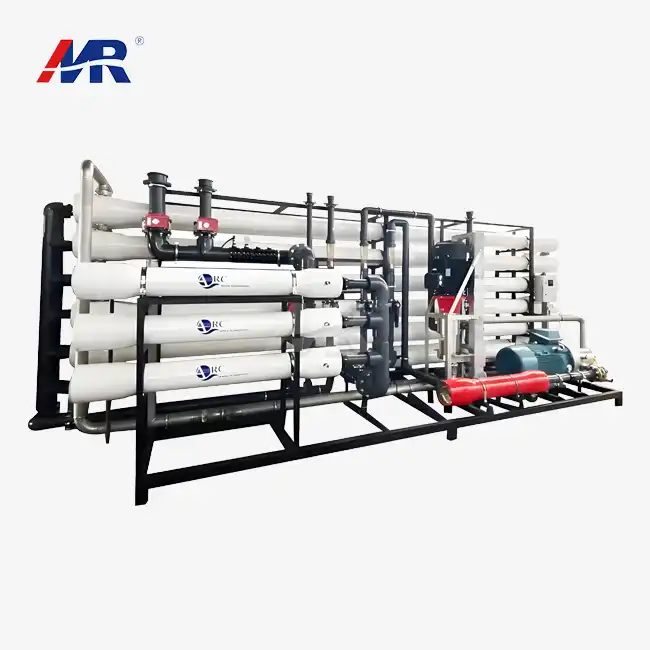
In particular for businesses and cities near the coast, seawater reverse osmosis systems offer a game-changing solution to the freshwater shortage. High-pressure pumps and modern membrane technology are used in these systems to push seawater through semi-permeable barriers. This removes dissolved salts, minerals, and contaminants. The end result is clean water that is safe to drink and meets strict quality standards. Even though they have been shown to work, managers face many problems that can slow them down and make them lose money. For procurement teams that want reliable, cost-effective desalination infrastructure that works consistently across a range of uses, it's important to understand these problems and put focused solutions in place.
Understanding the Core Challenges of Seawater Reverse Osmosis Systems
To run a high-performance desalination plant, you have to get around a lot of tricky technical and environmental problems. The unique makeup of ocean water, along with tough working conditions, causes a number of ongoing problems that need effective management strategies.
Membrane Fouling and Scaling Reduce System Efficiency
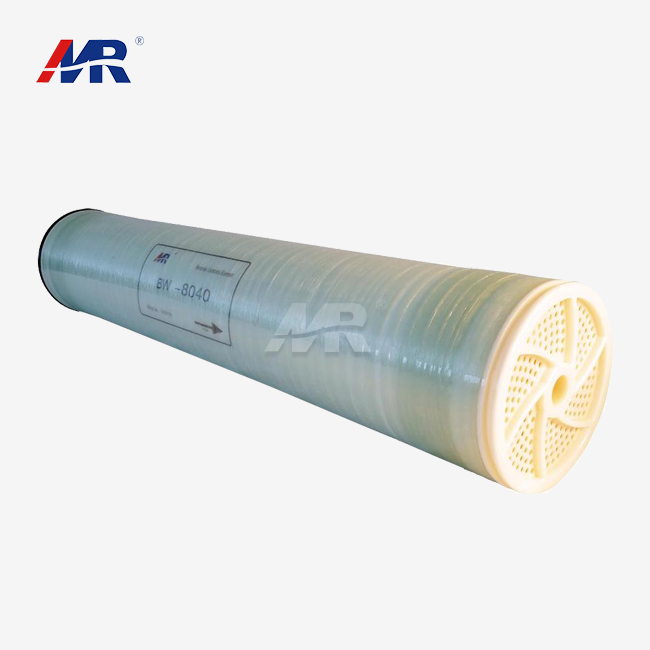
Filtration membrane fouling is still the biggest problem in seawater reverse osmosis systems. Biological growth, the buildup of organic matter, and mineral deposits gradually block membrane holes, which lowers the flow of permeate and raises the energy needs. When saturation levels are higher than the solubility limits, crystalline layers of calcium carbonate, magnesium hydroxide, and silica scale form on the surfaces of membranes. Biofouling happens when bacterial groups form biofilms, which are protective layers that are hard to clean with normal methods. If you don't do anything about it, this fouling can cut membrane flows by 30–50% within months, which has a direct effect on production capacity and prices. To stop fouling from happening faster, the Silt Density Index of the feedwater must stay below 3. But to meet this standard, complicated preparation systems are needed, which makes running the facility more difficult and costs more.
High Energy Consumption Drives Operational Expenses
It takes a lot of energy to overcome the natural osmotic pressure of seawater. Most systems work at pressures between 55 and 80 bar, which means they need strong high-pressure pumps that use a lot of electricity. In places that don't have energy recovery systems, energy costs can make up 40 to 60 percent of all operating costs. It's up to the pumping systems to keep the pressure constant across many membrane tubes while also adjusting for changes in temperature that happen with the seasons and affect stickiness and membrane performance. The amount of power used is directly related to the total dissolved solids in the feedwater. This means that places that process very salty water have much higher energy bills. This high energy use is bad for the environment and the economy, especially since electricity rates are going up and rules about carbon footprints are getting stricter across all industries.
Equipment Downtime Disrupts Continuous Operation
Maintenance that doesn't go as planned and system problems can stop output, which can affect the whole supply chain and operations that depend on it. Loss of membrane integrity, failed pump seals, and measurement problems need to be fixed right away to avoid major damage. The corrosive sea climate speeds up the wear on metal parts, even those made of high-quality alloys. Scheduled repair times have to balance the need for production with the need to make sure that equipment lasts as long as possible, which makes operations planning difficult. Twenty to thirty percent more downtime happens in places that don't have predictive repair systems than in places that do. This lack of dependability directly leads to lost output capacity and lower returns on investments for desalination infrastructure that needs a lot of money to build.
Environmental and Regulatory Concerns Add Complexity
Managing brine overflow presents big problems for the environment. Concentrated reject streams have twice as much salt as normal seawater and still have chemicals left over from cleaning and preparation processes. Getting rid of trash the wrong way can hurt marine ecosystems by making hypersaline zones that change the way animals live in the area. More and more, regulatory frameworks require environmental effect studies and limit discharge amounts, which means that more treatment or diversion systems are needed. Chemicals used as antiscalants, biocides, and cleaning agents must follow rules for water quality and keep fouling under control. To balance operating efficiency with environmental responsibility, processes need to be carefully optimized, and sometimes expensive infrastructure for treating waste adds to the cost of a project.
Technical Solutions to Overcome Seawater RO System Challenges
Current engineering methods and technology advances make it possible to solve operating problems while also making the seawater reverse osmosis system work better and be more cost-effective.
Advanced Pretreatment Prevents Membrane Damage
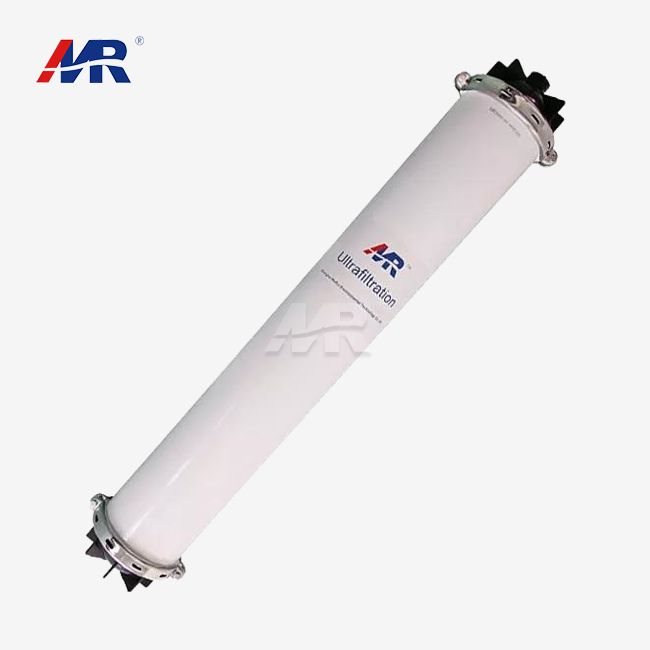
Strong cleaning keeps contaminants that cause fouling and scaling away from membranes further down the line. Ultrafiltration is a more reliable way to get rid of germs, biological macromolecules, and suspended solids than regular media filters. These methods keep turbidity levels below 0.1 NTU all year, even when the quality of the raw water changes with the seasons. In multimedia filtration stages, graded media beds catch particles through depth filtration systems, which makes the time between backwash processes longer. Dosing devices for chemicals put in exact amounts of antiscalants that stop crystals from forming by blocking nucleation sites. The processes of coagulation and flocculation combine small particles into bigger flocs that are easier to filter or settle. This multi-barrier method greatly increases the membrane's useful life while keeping the design flow rates the same. Facilities that use thorough pretreatment say that they need to clean 40–60% less often and are 25–35 percent more productive when using the same amount of energy.
Energy Recovery Technology Cuts Power Consumption
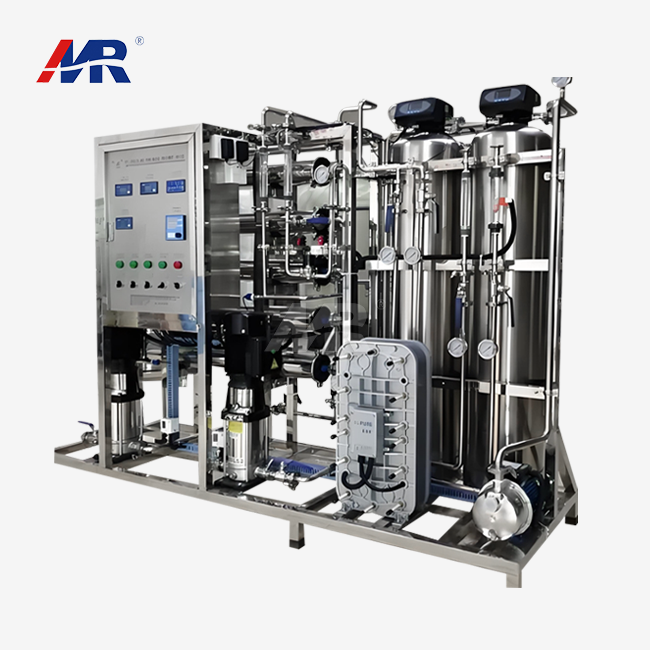
Energy Recovery Devices take hydraulic energy from high-pressure brine streams and add it to new feedwater. This makes the net energy use much lower. Isobaric pressure exchanges can recycle up to 60% of the pumping energy that would otherwise be lost as waste heat, which is an efficiency of over 95%. These machines use rotating ceramic tanks that move pressure between streams without mixing them. This keeps the process pure while increasing speed as much as possible. Variable frequency drives make the best use of the pump's power when the load changes, so energy isn't wasted when the pump is only working at partial capacity. Specific energy use drops from 7 to 2.5 kWh per cubic meter of product water in systems without recovery to 2.5 to 3.5 kWh in systems with recovery. This increase in efficiency means big cost saves for the business while also lowering the carbon emissions that come with making energy.
Real-Time Monitoring Enables Predictive Maintenance
Digital instruments and automatic control systems make it possible to see important performance factors all the time. Differential pressure monitors placed across membrane grids find early signs of fouling before they cause big losses in production. When conductivity meters check the salt rejection rates, they instantly show problems with the membrane's structure that need to be fixed. Flow meters measure normalized permeate flow, which helps workers tell the difference between fouling and regular wear and tear on the system. Cloud-based analytics systems collect operational data and use machine learning algorithms to figure out what repairs are needed based on patterns in performance. These abilities to predict the future make condition-based repair scheduling possible, which cuts down on downtime and keeps technology from breaking down. Facilities that use advanced tracking say that unexpected maintenance events happen 30–40% less often and membranes last 15–20% longer because of better cleaning procedures.
Corrosion-Resistant Materials Extend Equipment Longevity
Choosing the right materials has a big effect on how long a system will last in harsh sea settings. Some types of super duplex stainless steel, like 2507, don't get pitted or cracked by stress corrosion in high-salinity environments. These metals have a lot of chromium, molybdenum, and nitrogen, which makes protective oxide layers that don't break down in salty environments. Composite materials and special coatings keep structures, pipes, and tanks from rusting while making them lighter than heavy metals. Titanium parts work very well in places where rust is bad, like brine discharge lines, and last a very long time despite costing more at first. Material engineering that is well thought out keeps systems from breaking down too soon, which can be dangerous in industrial settings.
Comparing Seawater RO Solutions: Selecting the Right System for Your Business Needs
When procurement teams define seawater reverse osmosis systems, they have to make big decisions that will have a big effect on how well it works and how much it costs in the long run.
Evaluating Technology Alternatives
Desalination methods are very different in how much energy they use, how much they cost to build, and how they work. Multi-Stage Flash evaporation and other thermal distillation methods use 10 to 15 kWh per cubic meter, but they are less affected by changes in the quality of the feedwater. Membrane-based methods use less energy, but the quality of the pretreatment must be constant. Electrodialysis reverse works well with salty water but is not cost-effective for seawater with a high salt content. Depending on the size of the building, the cost of energy, and the quality of the water that needs to be treated, each method has its own benefits. When considering options, a full lifecycle cost study must take into account the costs of capital, energy use, upkeep, and how often the membrane needs to be replaced.
Matching Capacity to Demand Profiles
Instead of peak demand scenarios that don't happen very often, system sizing should be based on real usage trends. Modular designs let you add small amounts of capacity as demand rises, so you don't have to worry about building too much infrastructure that works poorly when it's only partly loaded. Multiple smaller trains that can run on their own are helpful for facilities with changing demand because they keep the same level of efficiency across all load ranges. When production and consumption don't match up, storage integration acts as a gap. This lets systems keep running at full capacity even when demand changes. When you plan your capacity well, you can avoid underutilization, which drives up the cost of each unit of water, and make sure there is enough water during high consumption times.
Assessing Mobility Requirements
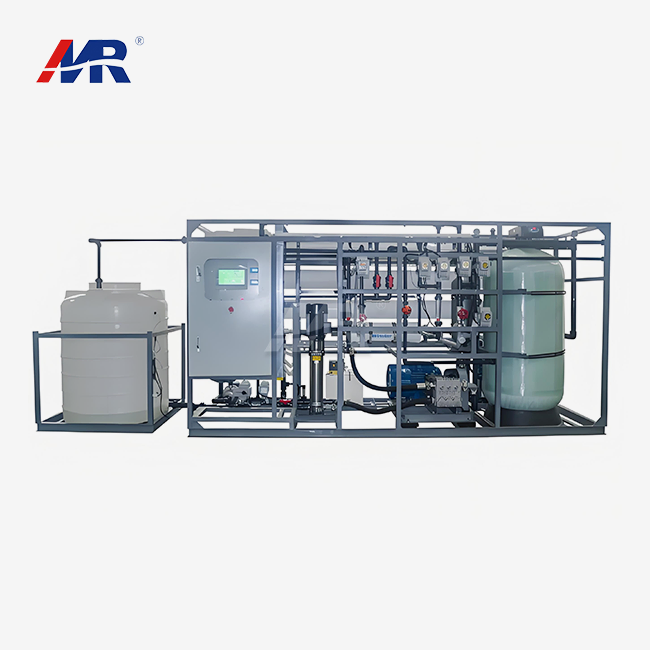
Portable distillation units are useful for short-term uses, emergency situations, and places that don't have fixed infrastructure. These containerized systems put all the parts of a process into packages that are easy to move and can be set up quickly with little site preparation. Compact, self-contained units that can handle harsh environments are useful for offshore platforms, marine vehicles, and emergency aid operations. Permanent systems use less energy and cost less per unit because of economies of scale, but they need a lot of work done to the site and a long-term commitment to staying there. Whether to use a portable or stationary setup relies on how long the application will last, how much production is needed, and any site-specific restrictions that affect how the equipment is set up.
Procurement Considerations: Navigating Costs, Suppliers, and After-Sales Support
Strategic procurement practices protect the worth of investments and make sure that seawater reverse osmosis systems are reliable throughout their entire lifetime.
Understanding Total Cost of Ownership
Over the course of 20 years, capital costs only make up 20 to 30 percent of all holding costs. Energy use usually makes up 40 to 50 percent of lifetime costs, so making things more efficient is very useful. Long-term budgets are affected by how often and how much it costs to replace membranes. Depending on how well the preparation works, replacement rounds usually last between three and seven years. Maintenance workers, extra parts, and chemicals used all add up to ongoing costs that add up to a lot over time. When comparing different plans, accurate cost modeling should take into account things like finance terms, insurance needs, and the possibility of making money from byproduct recovery.
Supplier Selection Criteria
To pick good makers and system designers, you need to carefully look at their technical skills and dependability in business. Getting ISO 9001 quality management certification shows that you are committed to controlling processes in a planned way and making them better all the time. Industry-specific certificates, such as NSF/ANSI 61 for drinking water system parts, make sure that the materials are safe and that they follow the rules. Referencing systems that have been used in similar situations shows that the performance was good under similar conditions. Financial stability signs keep you safe from suppliers going bankrupt, which could affect your guarantee coverage and the supply of spare parts. A Technical support system with local service centers and trained techs makes sure that maintenance help is available when problems happen.
Structuring Service Agreements
Comprehensive service contracts pass operating risk and make sure that the system works at its best. Performance guarantees set base standards for suppliers to meet when it comes to production ability and water quality in the product. Service agreements include preventive repair plans that make sure that important parts always get the care they need before they break. Spare parts kits pre-position important goods so that there is less downtime when parts need to be replaced. Training programs build practical skills while creating in-house knowledge that lowers the need for outside help. Flexible contract terms let the service scope be changed as operating experience shows that support needs are different from what was first thought.
Future Trends and Innovations in Seawater Reverse Osmosis Technology
New developments offer big improvements in how well they work, how well they treat the earth, and how easy they are to use in the seawater reverse osmosis system.
Next-Generation Membrane Materials
Nanoparticles that improve permeability while keeping salt rejection are used in research into improved thin-film hybrid membranes. Biomimetic membranes built on aquaporins copy the way water moves naturally, which could double the flow rates compared to regular plastics. Using zwitterionic coats to change surfaces that are fouling-resistant lowers the growth of germs and organic matter. These new ideas could make membranes last up to 10–15 years longer while lowering working pressures by 20–30%. This would save a lot of energy and time on upkeep. When these new materials are used commercially, they will change the economic formulas that are used to decide if a desalination project is possible.
Digital Integration and Automation
Internet of Things cameras and AI data allow for self-driving systems that work at their best without constant human supervision. Based on real-time data on water quality and performance trends, machine learning algorithms change how much chemical is used, how much pressure is applied, and how often the system is cleaned. Digital twin technology makes virtual models that mimic real-life situations. This lets workers test ways to improve efficiency without putting real equipment at risk. Expert help is available from centralized technical offices through remote monitoring, so there is less need for trained staff to be on-site. These digital tools make it easier for everyone to get access to advanced operational knowledge. This helps smaller sites that don't have a lot of technology resources the most.
Sustainable Process Innovations
Using more renewable energy lowers carbon emissions and protects against changes in utility rates. Photovoltaic panels and wind machines can power desalination plants in coastal areas that get a lot of sun or a lot of wind. This makes water sources that don't depend on energy. New ways of managing brine, like selective salt recovery, get useful minerals out of it while lowering the amount that needs to be thrown away. Designs with zero liquid discharge focus waste streams on crystalline solids, which get rid of marine discharge issues. These environmental innovations meet the needs of regulators while also having the ability to make money through sales of byProducts that make the project more cost-effective.
Conclusion
Seawater reverse osmosis system technology desalinates seawater to make fresh water that can be relied on by businesses and towns that are having trouble getting enough water. To solve operational problems successfully, you need to know what the technical limits are and use tried-and-true methods that deal with issues like machine reliability, energy use, and fouling. Modern preparation systems, energy recovery devices, and preventative maintenance tools make things work much better while lowering their overall costs over their lifetime. Smart seller selection and long-term service agreements protect buying investments and make sure operations run smoothly for a long time. Desalination will become more cost-effective as membrane materials get better and computer controls get smarter. This will make it possible for more uses and areas of the world.
FAQ
1. How often should membranes be replaced in seawater desalination systems?
Depending on the quality of the feedwater, how well the preparation works, and how well the membrane is maintained, it is usually time to change it every three to seven years. As long as they follow thorough pretreatment and cleaning routines, most facilities can last for six to seven years. On the other hand, systems that get fouled up often or that don't do enough preparation may need to be replaced every three to four years. Monitoring performance on a regular basis shows when replacement is economically viable by tracking normalized flux drop and salt passage increases.
2. What energy-saving features should buyers prioritize?
It is the energy recovery devices that make the biggest improvements in efficiency, cutting specific energy use by 40–60%. High-pressure pumps with variable frequency drives use the least amount of power possible when the load changes. Low-pressure drop membrane parts keep production going while reducing the need for pumps. Efficient pretreatment designs lower the number of times fouling happens, keeping design flux rates that stop pressure rises that use a lot of energy. All of these features work together to lower running costs and support environmental goals.
3. How can buyers verify supplier quality and reliability?
Request installations that have been used in similar situations before, and talk to current customers about their success experiences and how quickly help responds. Check out Certifications like ISO 9001 for quality management and standards related to your business like NSF/ANSI 61. Check for financial security by looking at credit records and signs of how long a business has been around. Check out the technical support facilities, such as where the service centers are located and how many technicians are available. Ask for full guarantee terms and make sure you understand any exclusions that could limit coverage. These steps of proof help find partners who are qualified and keep you from getting suppliers who don't have the resources to support complicated setups.
Partner with Morui for Reliable Seawater Reverse Osmosis Systems
Guangdong Morui Environmental Technology has a lot of experience treating water for commercial uses. They offer advanced seawater reverse osmosis system options that can be tailored to different operational needs. Our combined services include making tools, designing systems, installing them, and starting them up. These are provided by a network of 14 regional branches and 20 specialized engineers. We offer tested performance backed by top-notch technology thanks to our own membrane production facilities and smart partnerships with well-known component makers such as Shimge Water Pumps and Runxin Valves. As a provider of seawater reverse osmosis systems, we have done successful installs in the marine, industrial, and public sectors. Our Team offers individualized advice that takes into account your particular operational difficulties and finances, whether you need turnkey desalination infrastructure or upgrades to certain parts. Email us at benson@guangdongmorui.com to talk about how our solutions can improve your water security while also making your operations more efficient and increasing the value of your assets over their whole life.
References
1. Greenlee, L.F., Lawler, D.F., Freeman, B.D., Marrot, B., & Moulin, P. (2009). Reverse osmosis desalination: Water sources, technology, and today's challenges. Water Research, 43(9), 2317-2348.
2. Elimelech, M. & Phillip, W.A. (2011). The future of seawater desalination: Energy, technology, and the environment. Science, 333(6043), 712-717.
3. Voutchkov, N. (2018). Energy use for membrane seawater desalination – current status and trends. Desalination, 431, 2-14.
4. Gude, V.G. (2016). Desalination and sustainability – An appraisal and current perspective. Water Research, 89, 87-106.
5. Kim, J., Bird, K., Yang, D.R., & Hong, S. (2019). A comprehensive review of energy consumption of seawater reverse osmosis desalination plants. Applied Energy, 254, 113652.
6. Lattemann, S. & Höpner, T. (2008). Environmental impact and impact assessment of seawater desalination. Desalination, 220(1-3), 1-15.