

_1745823981883.webp)

Why Are More Regions Building a Seawater Desalination Plant?
Regions worldwide are increasingly investing in seawater desalination plants because traditional freshwater sources—rivers, lakes, and aquifers—can no longer meet surging demand driven by population growth, industrial expansion, and climate variability. These plants convert abundant ocean water into high-purity drinking and process water, independent of rainfall patterns. Coastal municipalities, manufacturing hubs, and energy facilities recognize that desalination infrastructure offers climate-resilient water security, reducing vulnerability to droughts and enabling sustained economic development in water-stressed environments.
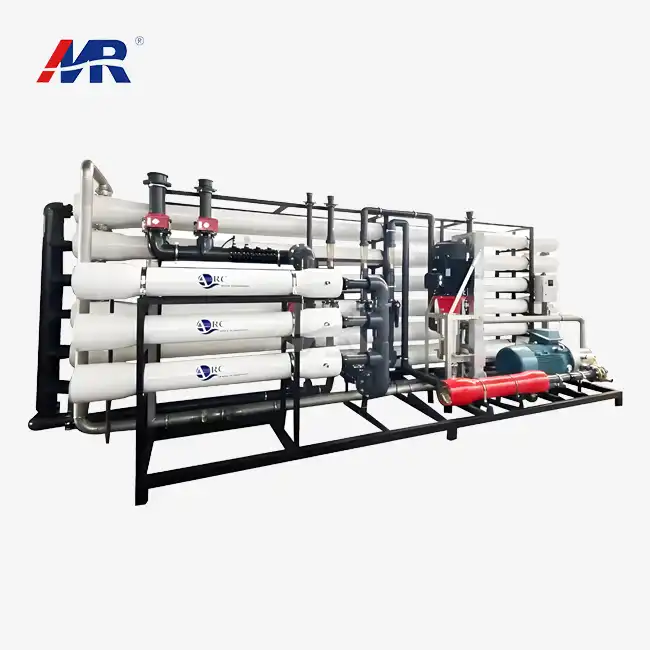
Understanding the Growing Need for Seawater Desalination Plants
Lack of water is one of the most important problems that modern societies have to deal with. Pharmaceuticals, semiconductors, and many other industries rely on reliable, high-quality water sources. However, pollution, development, and drainage for farming are putting pressure on typical freshwater sources.
The Global Water Crisis and Regional Vulnerabilities
The UN says that by 2030, the world will need 40% more water than it has available. Seawater desalination has been used for a long time in dry places like the Middle East. Every day, Saudi Arabia and the United Arab Emirates take millions of cubic meters of seawater and turn it into freshwater. The Carlsbad plant in California, which has been open since 2015, provides water to 400,000 people, showing that even developed areas have severe water problems. Seawater desalination technology is essential for keeping operations running smoothly and meeting public health standards in coastal places with lots of people or a lot of industry activity.
Industries Driving Demand for Reliable Water Access
The manufacturing industry needs water that is much cleaner than what is required by city norms. For drug manufacturing, pharmaceutical firms need purified water that meets GMP standards. For making chips, electronics companies need ultrapure water with total dissolved solids below 1 ppm. Reverse osmosis systems are used by companies that prepare food and drinks to make sure that their Products are safe and consistent. When local aquifers get dirty or run out, these businesses use seawater desalination plants as a stable and manageable option. Power plants, especially thermal and nuclear ones, need a lot of water for cooling and boiler feed, so they have a lot to gain from building up desalination infrastructure.
Key Technologies and Processes Behind Modern Seawater Desalination Plants
When buying managers and engineers understand the technical side of seawater desalination, and they can better choose options that meet their needs.
Reverse Osmosis Dominates the Market
About 70% of the world's desalination potential comes from reverse osmosis technology for seawater desalination plants. At pressures ranging from 55 to 80 bar, the RO process pushes seawater through semi-permeable thin-film composite membranes. The membranes keep out salts and other impurities while letting pure water molecules pass. Modern RO plants can get rid of more than 99.8% of salt, making water that is safe to drink and meets WHO standards. The process starts with taking in seawater. Next, it goes through preparation that includes filtering and chemical dosing to keep the membranes from getting clogged. Permeate goes through post-treatment, which includes pH adjustment and remineralization, after the RO step. This is done before it is distributed.
In the past, the biggest operating cost was the amount of energy used. By taking up to 60% of the energy from high-pressure brine streams and moving it to incoming seawater, energy recovery devices, especially isobaric pressure exchanges, have completely changed how things work. This new idea cuts down on carbon emissions and running costs by a huge amount. This means that RO systems can be economically viable even in places where energy rates are higher.
Alternative and Emerging Desalination Methods
Multi-stage flash distillation, which extracts seawater through a series of high-pressure steps, is still common in the Gulf because oil production provides a lot of cheap thermal energy. Combining RO with thermal methods in hybrid systems makes the best use of energy and boosts recovery rates generally. Solar-powered seawater desalination and membrane distillation are getting more attention for use outside of grids and to help with green goals. These technologies work well in places like military bases, resorts on remote islands, and crisis aid where power from the grid isn't available or isn't reliable.
Economic and Environmental Considerations for B2B Procurement
When evaluating seawater desalination projects, it's important to think about the long-term return on investment, the initial cash cost, and the ongoing operational costs.
Breaking Down Cost Structures in 2026
Capital costs for seawater desalination plants vary a lot depending on their size, location, and level of difficulty. A medium-sized plant that makes 10,000 cubic meters of water per day might cost between 10 and 15 million dollars to build. This includes the infrastructure for taking in water, systems for cleaning, ro membrane arrays, energy recovery equipment, and units for post-treatment. The main costs of running a business are the power used, replacing membranes, adding chemicals, and paying workers. Using green energy and advanced energy-efficient designs can cut costs by 20 to 30 percent over the life of the plant, which is usually 25 to 30 years with proper upkeep.
Finance methods are different. Public-private agreements spread out the risk and the cost of cash, which makes it possible for big city projects to happen. Medium-sized businesses that want to keep their working cash will like lease-to-own deals. More and more, tax breaks and green financing programs help projects that are good for the environment and help reach goals for water sustainability.
Sustainability and Regulatory Compliance
Environmental responsibility is no longer a choice; it's a requirement for getting things for a seawater desalination plant. If it is not handled properly, brine overflow, which is a byproduct of concentrated salt production, can be harmful to marine environments. Diffuser systems that quickly dilute brine, smart release time that matches tide patterns, and co-location with power plant cooling water streams are some of the best ways to do things. In the US and Europe, environmental effect studies, discharge monitoring, and following marine life protection guidelines are required by law.
Environmental management system Certifications like ISO 14001 improve a company's image and meet the needs of all stakeholders. Procurement teams should give more weight to providers whose designs are low in emissions, work with green energy, and provide clear data on their environmental performance. These things lower the risk to the company's image and are in line with the environmental promises that investors and customers are increasingly looking for.
Procurement Strategies and Market Insights for Seawater Desalination Plants
To choose the best seawater desalination system and provider, you need to carefully look at their scientific, financial, and customer service aspects.
Framework for Evaluating Technologies and Suppliers
When comparing dehydration options, people who make decisions should look at a number of factors. The permeate flow rate and salt rejection show how efficient a membrane is. This has a direct effect on the quality of the water and the amount that can be produced. Durability is important. In harsh naval settings, equipment that is made of corrosion-resistant materials like Duplex 2205 or Super Duplex 2507 stainless steel lasts longer. Energy use, membrane replacement processes, and how often upkeep is done must all be factored into the total cost of ownership. Case studies and client examples that show the supplier's good name are signs of trustworthiness.
Support after the sale is very important. Comprehensive warranties that cover membrane performance decline, expert help through online tracking, and quick access to spare parts all help keep downtime to a minimum. Teams in charge of buying things should ask for thorough repair schedules, training programs for employees who work for the company, and clear ways to report technology problems. Turnkey contractors who offer combined planning, procurement, building, and finishing services make project management easier, but clients should check the contractor's track record with similar projects of the same size and type.
Leading Manufacturers and Equipment Providers
Global manufacturers have built strong places by constantly coming up with new ideas and forming smart relationships. High-performance thin-film materials that work best in seawater are sold by companies that specialize in membrane technology. Companies that sell equipment offer combined skid-mounted RO units that can be set up in modules, which is attractive to businesses that need to be able to expand quickly. Regional wholesalers who know the rules, weather, and logistics of their area add value by making solutions fit the needs of each market.
Procurement managers should check certifications, ask for performance promises, and discuss service-level agreements when they are looking for parts. Supply chain risk is lower when there are multiple sources for key parts. Working with makers who have regional service centers guarantees quick help and keeps costly business breaks to a minimum.
Challenges and Future Trends in Seawater Desalination
Even though technology is getting better, practical problems still exist and shape ongoing attempts to innovate for seawater desalination plants.
Common Operational Issues and Mitigation Strategies
Organic matter, bacteria, and particles can dirty membranes, which slows the flow of permeate and uses more energy. Ultrafiltration, coagulation, and biocides are all effective pretreatments that can make membranes last longer. Calcium and magnesium salts that build up on membrane surfaces cause scaling, which needs to be treated with an antiscalant and cleaned with chemicals on a regular basis. Failures of high-pressure pumps stop output. Unplanned outages can be avoided with multiple systems and predictive maintenance programs that use vibration analysis and thermal imaging.
Energy intensity is still a problem, especially in places where energy is produced from fossil fuels. By using green energy sources like wind turbines and solar photovoltaic panels, carbon emissions can be cut, and fuel prices can be protected against changes. Battery storage devices keep the flow of electricity steady, which lets plants run during times when green energy production is at its highest.
Cutting-Edge Innovations Shaping the Industry
AI and machine learning algorithms improve plant performance by looking at sensor data in real time, like pressure, flow, and conductivity, and changing the working settings to get the most out of them. Automated tracking finds problems early on, which starts preventative maintenance before small problems get worse and cause major failures. Blockchain technology improves the openness of the supply chain by checking the authenticity of parts and making sure they are environmentally friendly during the whole buying process.
Solar-powered seawater desalination units, especially those with photovoltaic-driven RO systems, work well in seaside areas and islands that are far from the power grid. New membrane materials, like graphene oxide and carbon nanotubes, offer better flux rates and less fouling. When forward osmosis and RO are combined in hybrid systems, they may be able to make huge strides in lowering energy use. By keeping up with these trends, buying teams can make sure that investments will still be useful in the future and will be in line with changing rules that focus on reducing carbon emissions and promoting a circular economy.
Conclusion
The increase in building seawater desalination plants is a practical reaction to the fact that climate change and development are making water shortages worse. Pharmaceuticals, electronics, energy, and food production are just some of the industries that count on clean, stable water supplies that old sources can't provide. Modern RO technology, along with new ideas for recovering energy and environmentally friendly ways of running a business, provides options that are both practical and affordable. To choose systems that meet the needs of the organization and help reach long-term goals for water security and business responsibility, procurement professionals have to weigh the costs of capital investment, operational efficiency, environmental compliance, and source dependability.
FAQ
1. What is the typical lifespan of a seawater desalination plant?
A seawater desalination plant that is well taken care of can work well for 25 to 30 years. How long it lasts depends on things like the quality of the feed water, the working conditions, how hard the upkeep is, and the quality of the parts. Usually, reverse osmosis membranes need to be replaced every 3 to 7 years. On the other hand, if they are properly maintained, corrosion-resistant building materials and high-pressure pumps can last the whole life of the plant. Predictive maintenance programs, regular checks, and replacing items at the right time all help to keep operations running smoothly and for a long time.
2. How does seawater desalination differ from conventional freshwater treatment?
Total dissolved solids in seawater are about 35,000 ppm, which is a lot more than the 500 ppm that are usually found in salty groundwater. To deal with high salt and chloride content, seawater desalination needs higher working pressures and stronger pretreatment. Using filtering and cleaning to get rid of turbidity, pathogens, and organic pollutants is what most freshwater treatment methods do. Seawater desalination has much higher initial and ongoing costs, so it is mostly used when freshwater sources aren't available or aren't enough.
3. What strategies minimize energy consumption in desalination plants?
Using energy recovery devices can take up to 60% of the energy from high-pressure brine streams, which cuts the need for electricity by a huge amount. By improving the membrane selection and preparation methods, the fouling rate can be lowered. This keeps the flow of permeate steady and lowers the pressure needs. Using sustainable energy sources like solar and wind reduces your reliance on the power grid and your operating costs. Real-time data analytics are used by advanced process control systems to fine-tune operating settings, which increases efficiency and decreases waste.
Partner with Morui for Comprehensive Desalination Solutions
To get a seawater desalination plant, you need to know what you're doing and have relationships you can trust. Guangdong Morui Environmental Technology Co., Ltd. specializes in providing water cleaning systems that are ready to use and meet the needs of both businesses and cities. We can offer complete solutions, from the initial planning phase to installation and start-up, thanks to our in-house membrane production plant and large network of equipment processing factories. With more than 500 workers in 14 branches, including 20 experienced engineers, we offer both deep scientific knowledge and quick service. As a reputable seawater desalination plant manufacturer and supplier, we can make unique systems that are the most energy-efficient, long-lasting, and in line with government regulations. Visit moruiwater.com or email us at benson@guangdongmorui.com to learn more about how our water knowledge can help you plan for the future.
References
1. Al-Karaghouli, A., & Kazmerski, L. L. (2013). Energy consumption and water production cost of conventional and renewable-energy-powered desalination processes. Renewable and Sustainable Energy Reviews, 24, 343-356.
2. Elimelech, M., & Phillip, W. A. (2011). The future of seawater desalination: Energy, technology, and the environment. Science, 333(6043), 712-717.
3. Ghaffour, N., Missimer, T. M., & Amy, G. L. (2013). Technical review and evaluation of the economics of water desalination: Current and future challenges for better water supply sustainability. Desalination, 309, 197-207.
4. Greenlee, L. F., Lawler, D. F., Freeman, B. D., Marrot, B., & Moulin, P. (2009). Reverse osmosis desalination: Water sources, technology, and today's challenges. Water Research, 43(9), 2317-2348.
5. Jones, E., Qadir, M., van Vliet, M. T., Smakhtin, V., & Kang, S. M. (2019). The state of desalination and brine production: A global outlook. Science of the Total Environment, 657, 1343-1356.
6. Voutchkov, N. (2018). Energy use for membrane seawater desalination – current status and trends. Desalination, 431, 2-14.
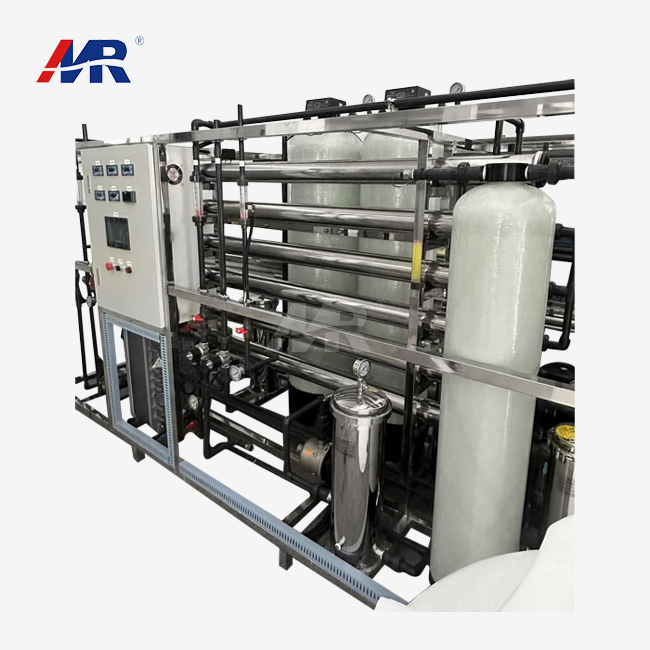 VIEW MOREelectrodeionization edi system
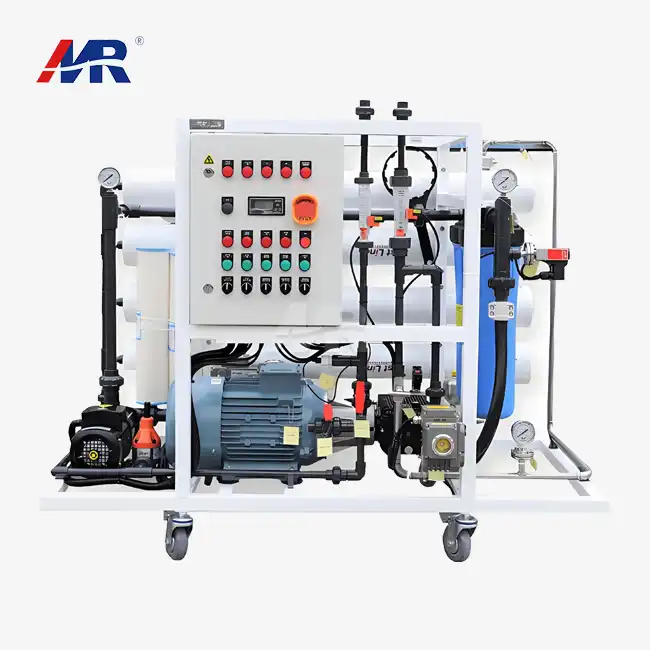 VIEW MORE2m3/hour seawater desalination equipment
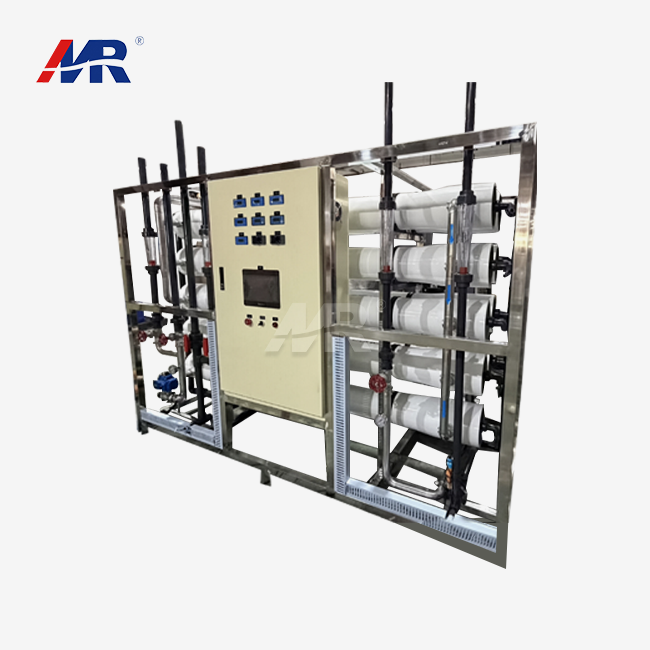 VIEW MORE8 stage reverse osmosis system
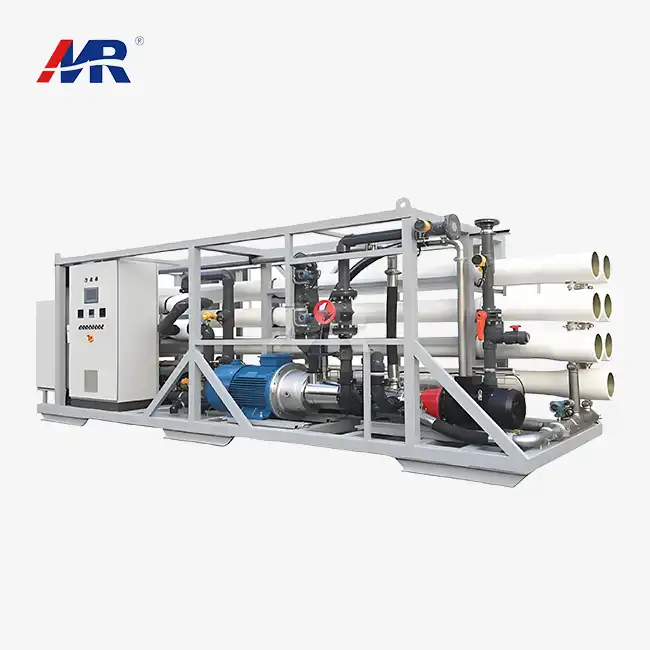 VIEW MORE20m3/hour seawater desalination equipment
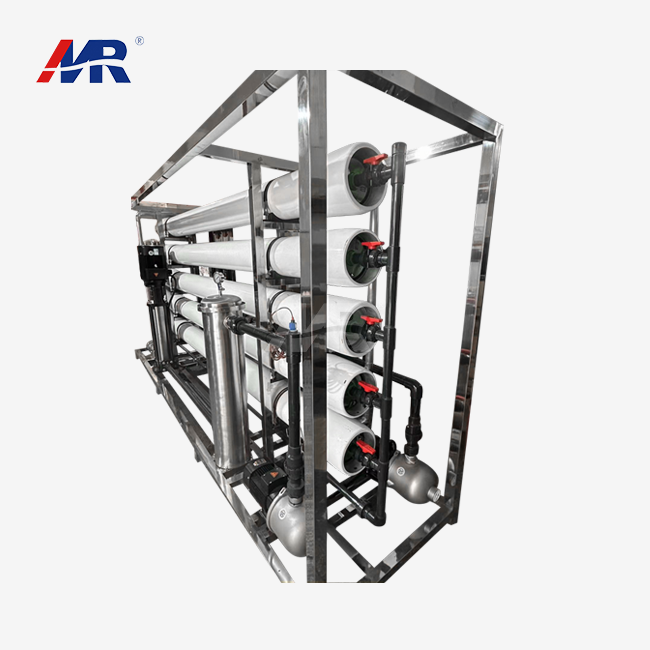 VIEW MOREreverse osmosis water treatment equipment
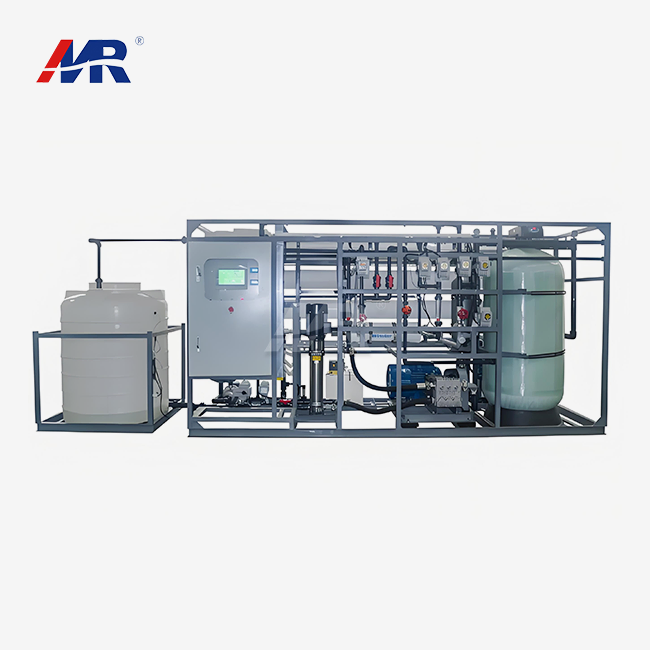 VIEW MOREseawater treatment system
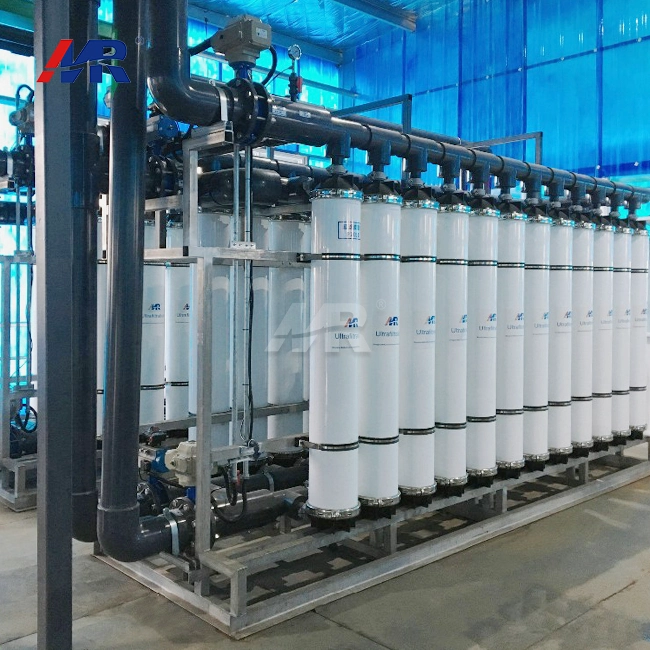 VIEW MOREultrafiltration equipment
 VIEW MORE3T/H reverse osmosis equipment
