

_1745823981883.webp)

Osmosis Water Machine Buying Guide for Better Water Purity
To choose the best osmosis water machine, you need to know how reverse osmosis technology solves important water problems in industry, healthcare, and city government. With 0.0001-micron filter accuracy, these modern purification systems get rid of dissolved solids, heavy metals, and new contaminants that get in the way of production processes and regulatory compliance. This guide helps procurement managers, technical directors, and facility owners make decisions about water treatment investments. It doesn't matter if they're improving a clean room for pharmaceuticals, expanding a line for making drinks, or building infrastructure for desalinating seawater.
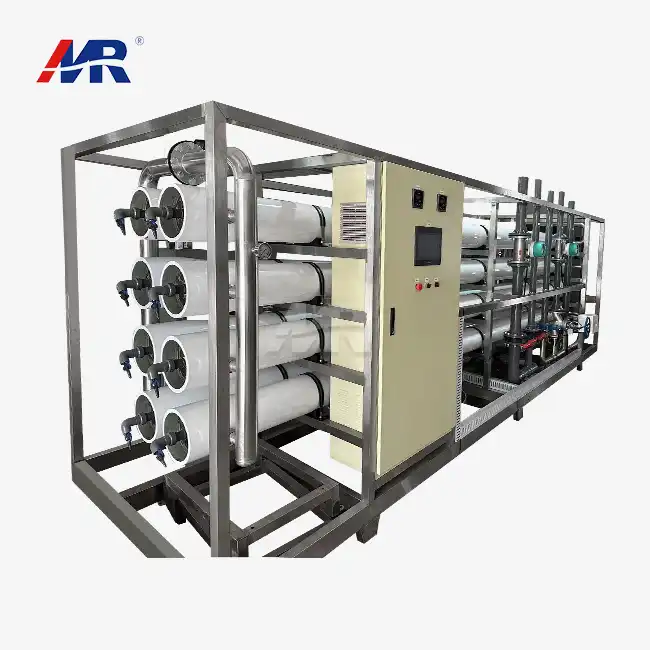
Understanding Osmosis Water Machines and Their Benefits
How to Use Osmosis Water Machines and What They Can Do for You
How Reverse Osmosis Technology Works
In reverse osmosis technology, water molecules are pushed through membrane obstacles by hydraulic pressure (usually 150 to 600 PSI), but 97 to 99% of dissolved contaminants are rejected. RO screens physically separate impurities based on molecular size, collecting sodium, calcium, nitrates, fluoride, arsenic, lead, and microbiological risks such as viruses and bacteria. Carbon filters, on the other hand, only adsorb chlorine and sediment. The concentrated brine is released while the pure permeate goes to your application. This provides uniform water chemistry that is needed for food safety, semiconductor rinsing, and medicine compounding.
Multi-Stage Filtration Architecture
Five to seven cleaning steps are usually built into industrial systems. Particles and chlorine that could hurt membranes are taken out by pre-filtration. Total dissolved solids (TDS) go from levels above 500 ppm to less than 10 ppm in the ro membrane stage. After treatment, you can use UV cleaning, electrodeionization (EDI) for very pure applications with a resistivity of 18.2 megohm-cm, or remineralization for usable applications that need to improve the taste. This modular design lets ocean desalination projects handle 35,000 parts per million of seawater, while urban upgrades handle 150 parts per million of groundwater.
Operational Advantages for Commercial Applications
Putting in place RO systems meets a number of business needs. Pharmaceutical companies that keep verified water systems that meet USP Purified Water standards can make it easier to follow the rules, and food makers that meet FDA requirements for process water can do the same. Boiler workers can make equipment last longer by stopping scale from forming in heat pipes and electronics makers from finding flaws on silicon wafers. Cost predictability comes from using fewer chemicals than with ion exchange regeneration, and automatic tracking systems cut down on the work that needs to be done while keeping records of quality assurance for audit trails.
Maintenance Requirements and System Reliability
Following the right repair steps has a direct effect on uptime and the uniformity of the water quality. The performance of the membrane decreases when the feed water has too much hardness, which needs to be treated with a water softener first. When to replace filters depends on the type of water coming from the source. For example, sediment tubes may need to be changed every three months in rural areas with a lot of turbidity, while carbon filters normally last six months in cities. When the differential pressure goes up by 15%, cleaning processes for the membranes with citric acid or special soaps bring back the flux rates. Monitoring the TDS in the product water and the permeate flow rates lets you know quickly if the membrane is getting clogged or the seal is failing, which keeps production running smoothly.
Comparing Osmosis Water Machines with Other Purification Technologies
Taking a look at osmosis water machines and other methods of cleaning water
Reverse Osmosis Versus UV and Carbon Filtration
Each tool deals with a different type of pollution. Carbon-activated filters are great at getting rid of chlorine, volatile chemical compounds, and taste-and-odor compounds, but they can't get rid of minerals or salts that are already dissolved in the water. Through 254-nanometer wavelength contact, UV sterilization kills germs but doesn't change dead bacteria, endotoxins, or chemical contaminants. Because RO membranes are a barrier against both particles and dissolved substances, they can't be replaced in places with a lot of salt or for tasks that need water with low conductivity. When you combine technologies, you get multiple layers of protection. For example, carbon pre-treatment shields membranes from damaging agents, and UV post-treatment keeps microbes out of distribution loops.
Capacity Configurations: Countertop to Industrial Scale
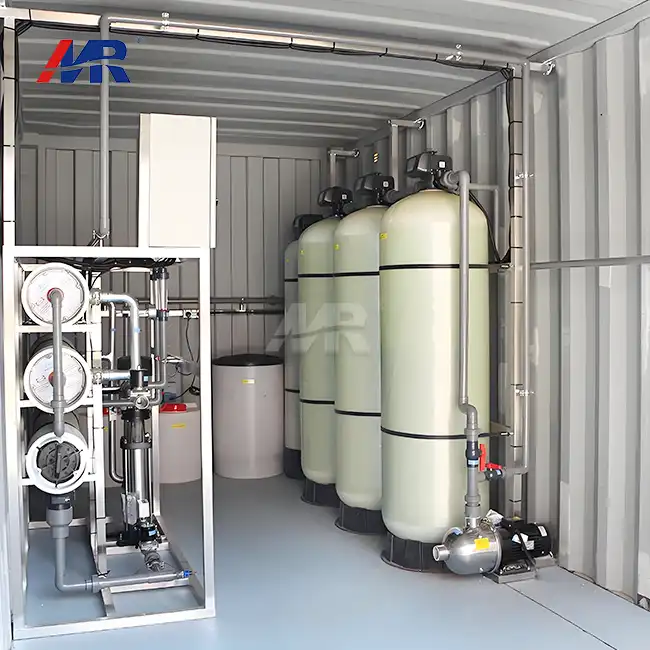
System size is determined by the needs of the application. Dentist offices and specialty coffee roasters are two examples of light business users who might need 50 to 100 gallons per day (GPD) from small under-counter units. Beverage makers in the region need skid-mounted systems with two pumps and automatic backwash settings that can handle 5,000 to 10,000 GPD. Coastal desalination projects and municipal water plants use containerized systems that can produce 100,000 GPD or more through multi-vessel designs. Recovery ratios, which show how much of the feed water is turned into product, range from 25% for brackish desalination to 75% for low-TDS uses. These ratios affect energy costs and the amount of trash that needs to be disposed of.
Energy Efficiency and Total Cost of Ownership
Energy recovery devices (ERDs) are used in modern systems to capture hydraulic pressure from concentrate streams. This cuts power use by 30 to 60 percent in seawater uses. Variable frequency drives (VFDs) make sure that pumps work at their best during different demand cycles. When figuring out the total cost, you need to take into account how often the membranes need to be replaced (usually every 3 to 5 years for professional thin-film composite (TFC) membranes) and how much electricity costs ($0.50 to $2.00 per 1,000 gallons created). Smart flushing algorithms that reduce wastewater during idle periods make energy-efficient models with long payback periods very appealing for facilities that work multiple shifts or have yearly production peaks.
How to Choose the Right Osmosis Water Machine for Your Business Needs
How to Pick the Best Osmosis Water Machine for Your Company
Assessing Water Source Characteristics
A full study of the water is what system design is based on. The TDS, hardness, pH, chlorine levels, iron, manganese, silica, and microbiological markers should all be written down in the test results. When it comes to membrane chemistry, surface water at 250 ppm and brackish groundwater with 3,000 ppm TDS are not the same. Facilities along the coast that treat rainwater need housings made of corrosion-resistant stainless steel and special high-rejection screens. Agricultural businesses that need to deal with nitrate pollution above 10 mg/L can benefit from choosing membranes that are specifically designed to reject monovalent ions. Changes in temperature can affect how well a membrane works. For example, well water that is colder than 60°F slows down flow rates, so bigger membrane surfaces are needed to reach production goals.
Volume Demand and Peak Flow Requirements
Figure out how much water is used each day by adding up the amounts needed for production, cleaning, and safety gaps for backup equipment. While pharmaceutical clean-in-place (CIP) processes are going on, demand may rise to 150% of normal production rates for two hours. Electronics companies that work three shifts need a backup pump that can keep the power going. Choose systems with holding tanks big enough to handle peak demand for 4 to 8 hours, or use direct-feed designs with membranes that are too big to handle rapid flow. If you need to do seasonal work, like watering crops or hosting guests at a vacation, you might be better off renting extra space instead of making permanent projects too big.
Certification Standards and Compliance Benchmarks
Industry-specific certificates show that the equipment is suitable. NSF/ANSI Standard 58 checks claims that drinking water systems reduce contaminants and make sure materials are safe for homes and small businesses. Pharmaceutical water systems that meet USP chapters 643 and 645 must use materials and test procedures that are approved by the FDA. For ultrapure water resistance and particle counts, electronics makers use SEMI standards. The American Water Works Association (AWWA) has rules that must be followed for municipal projects. ISO 9001 certification shows that a producer has quality control systems in place, and CE marking shows that the product meets European Union safety standards for installations that will be exported. During the review of the procurement process, ask for paperwork packages that include material certificates, performance test data, and validation procedures.
Evaluating Supplier Capabilities and Support Networks
The benefit of a long-term relationship goes beyond the price of equipment. Check how technically knowledgeable a provider is by seeing if they can provide computational fluid dynamics modeling for custom skid layouts, AutoCAD manufacturing drawings, and help with starting up and testing. Geographic service coverage is important. When membrane elements break or pump seals fail, providers with regional branch networks can respond faster. Training programs that get your repair staff certified in how to run the system make you less reliant on outside service contracts. Usually, membranes are covered by warranties for three years and mechanical parts for one year. However, extensions can be arranged to protect financial investments. Check to see if spare parts are available, especially for unique control valves and sensors, so that you don't have to deal with long periods of downtime when parts fail.
Procurement Considerations: Navigating Pricing, Deals, and Supplier Selection
Things to think about when buying osmosis water machines: figuring out prices, deals, and which suppliers to choose
Understanding Equipment and Installation Cost Structures
Besides membrane tubes, capital expenses include other things as well. Multimedia filters, softeners, and cartridge housings make up 15 to 25 percent of system costs, so they should be included in the budget as separate items. Instrumentation like conductivity monitors, flow meters, and pressure gauges adds another 10 to 15 percent. High-pressure pumps with VFDs make up 20 to 30 percent. Installation work costs vary by area, but for turnkey starts that include piping, electrical integration, and setting the control panel, they are usually 25–40% of the value of the equipment. Extra costs like building changes for equipment pads, electricity service upgrades, and wastewater discharge permits need to be figured out early on so that the job doesn't go over budget.
Bulk Purchase Strategies and Financing Options
When you buy in bulk, you can get big cost savings. Facilities that are planning rollouts at more than one site or local utilities that are updating more than one treatment plant should discuss savings of 15 to 30 percent on standard equipment packages. Leasing through equipment loan companies helps you keep your working capital while giving you tax breaks by letting you classify costs as business expenses instead of capital loss. With performance-based contracts, providers promise that the water quality will meet certain TDS goals. This lowers practical risk and aligns incentives. Some companies let you trade in old technology for credit on new ones. This way, you can get rid of old systems more cheaply while moving to more efficient ones.
Verifying Supplier Credentials and Service Infrastructure
Doing your research ahead of time saves you from getting bad equipment or help. Check to see if the business is registered, if it has professional liability insurance, and if it can bond for big jobs. Look at case studies that show similar setups in your industry. For example, buyers in the pharmaceutical industry should look at GMP-validated systems, while desalination projects need experience applying seawater. Site visits to reference sites show how the system really works, how easy it is to maintain, and how reliable it will be in the long run. Authorized dealer networks for component names, like well-known pump makers like Shimge and control valve suppliers like Runxin, make sure that legitimate parts are easy to find and that warranties are honored. Joining professional groups like the American Membrane Technology Association (AMTA) or the Water Quality Association (WQA) shows that you are involved in your field and know a lot about technology.
Maintaining Your Osmosis Water Machine for Sustained Performance
How to Keep Your Osmosis Water Machine Running Well
Routine Maintenance Schedules and Filter Replacement Protocols
Systematic care keeps things running at their best and makes parts last longer. Every day, you have to keep track of permeate TDS and flow rates, log pressure differences across filter steps, and make sure the high-pressure pump works. When membrane housings are checked for leaks and drain line performance once a week, early failures are caught. By replacing the cartridge filter once a month, you can stop particles from getting through, which speeds up membrane fouling. Cleaning the membrane every three months with pH-adjusted treatments gets rid of scale layers and biological films, which restores the flux capacity. Qualified techs do full inspections once a year that include replacing O-rings, checking the state of pump seals, and calibrating the control system. Maintaining records of maintenance tasks in digital logbooks meets the needs of governmental audits and allows for planned repair based on patterns of performance.
Troubleshooting Common Operational Issues
Seeing the signs lets you solve the problem quickly. Declining permeate flow with steady feed pressure means that the membrane is getting clogged and needs to be cleaned with chemicals or the element needs to be replaced. If the permeate TDS goes up, it means that the membrane is damaged by chlorine, an oxidizer, or mechanical stress. This means that the system needs to be shut down right away to avoid contamination. High-pressure pumps that make strange noises are likely showing signs of wear or cavitation from not getting enough feed. When there are a lot of high-pressure shutdowns, it means that valves or post-filters are blocking the flow further downstream. By keeping in touch with factory-trained service techs, you can get technical help and real replacement parts when your own troubleshooting skills aren't enough.
Real-World Performance in Commercial Environments
A moderately sized pharmaceutical contract maker in New Jersey set up a 2,000 GPD RO system with EDI polishing to provide analytical labs and clean filling rooms. The plant turns city water with an average of 180 ppm TDS into clean water with less than 1 ppm TDS that meets USP standards. The system was up 98.5% of the time for three years because the membrane was cleaned every three months and the whole system was serviced once a year. Conductivity tracking that is connected to the building management system of the facility ensures quality in real time, and written records of maintenance help get the facility ready for an FDA review. This installation shows that reverse osmosis equipment that is properly chosen and kept works reliably to support important industrial processes.
Conclusion
To find the best osmosis water machine for your business, you need to carefully consider its water quality needs, production numbers, and legal responsibilities. When the right qualities of the source water are used, reverse osmosis technology cleans water better than any other method. It can be used in pharmaceutical, food processing, electronics manufacturing, and public settings. Long-term value is highest when certified equipment is bought from suppliers with full expert help, easy-to-reach service networks, and years of experience in the field. Sticking to written repair procedures guarantees long-term performance, compliance with regulations, and operating dependability. Investing in modern water treatment facilities directly improves the quality of Products, the life of equipment, and the ability of businesses to stay open in a wide range of industries.
FAQ
1. What filter replacement intervals should commercial osmosis systems follow?
When to replace things depends on the quality of the feed water and how long the osmosis water machine is running. In high-turbidity situations, sediment pre-filters usually need to be changed every three months, but this can go up to six months if the water comes from a public source. Depending on how much chlorine there is, carbon screens last between 6 and 12 months. Under normal conditions, RO membranes last between 3 and 5 years. However, they need to be replaced sooner if the number of cleaning processes goes up or the rejection rates go down. An annual professional check finds parts that are getting close to the end of their useful life before they break, which keeps production from being interrupted.
2. Which certifications verify osmosis machine quality for B2B applications?
NSF/ANSI 58 approval proves that a drinking water system works well and that the materials are safe. For pharmaceutical uses, FDA approval and USP validation are musts. SEMI F63 guidelines for ultrapure water are used in electronics factories. AWWA standards must be followed for municipal projects. ISO 9001 certification shows that a manufacturer has quality control methods in place. To make sure you're following the rules, ask for full paperwork packages during the purchase evaluation. These should include material certificates, performance test results, and third-party validation data.
3. Can osmosis systems integrate with existing water treatment infrastructure?
Modern RO systems can be easily integrated with other systems. The units can be installed on their own or can be connected to softeners, carbon filters, and storage tanks that are already in place. Building management tools can talk to control systems through Modbus, BACnet, or separate signals. When choosing the right size, you should think about the available feed flow, drainage capacity, and electricity service. If you want to retrofit an existing building, you may need to change the pipes and move things around, but flexible box designs make installation easier than custom-built systems.
Partner with Morui for Advanced Osmosis Water Machine Solutions
Guangdong Morui Environmental Technology has been treating water for more than ten years and can help you with your buying choice. As a complete maker and provider of osmosis water machines, we offer complete solutions, from the initial analysis of the water to the installation, commissioning, and ongoing expert support of the equipment. Our engineering team in all 14 of our regional branches makes unique systems to meet the GMP standards for pharmaceuticals, the ultrapure needs of semiconductors, ocean desalination projects, and the recycling of industrial wastewater. We keep an eye on quality at every stage of production because we make our own membranes and tools and have official partnerships with Shimge pumps, Runxin valves, and Createc sensors. For full quotes, expert advice, and system design that fits your needs, email our procurement specialists at benson@guangdongmorui.com.
References
1. American Water Works Association. (2021). Reverse Osmosis and Nanofiltration: AWWA Manual M46. Denver: AWWA Publications.
2. Bergman, R. A. (2019). Membrane Filtration in Industrial Water Treatment: Design, Operation and Optimization. Water Quality Association Technical Journal, 41(3), 145-167.
3. Food and Drug Administration. (2020). Guide to Inspections of High Purity Water Systems. Washington: FDA Center for Drug Evaluation and Research.
4. International Desalination Association. (2022). Desalination Yearbook 2021-2022: Global Water Intelligence. Oxford: Media Analytics Ltd.
5. National Sanitation Foundation International. (2018). NSF/ANSI Standard 58: Reverse Osmosis Drinking Water Treatment Systems. Ann Arbor: NSF International.
6. Water Quality Association. (2020). Commercial and Industrial Reverse Osmosis Systems: Selection, Installation and Maintenance Guidelines. Lisle: WQA Technical Publications.
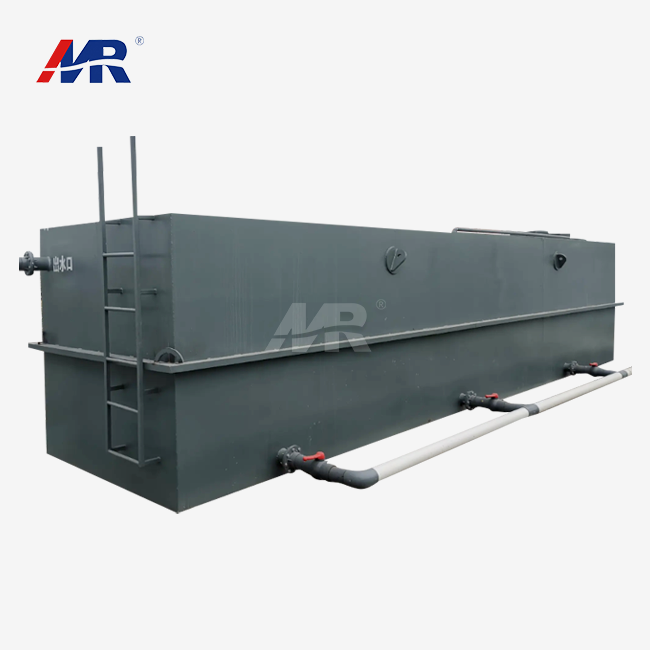 VIEW MOREdomestic wastewater treatment plant
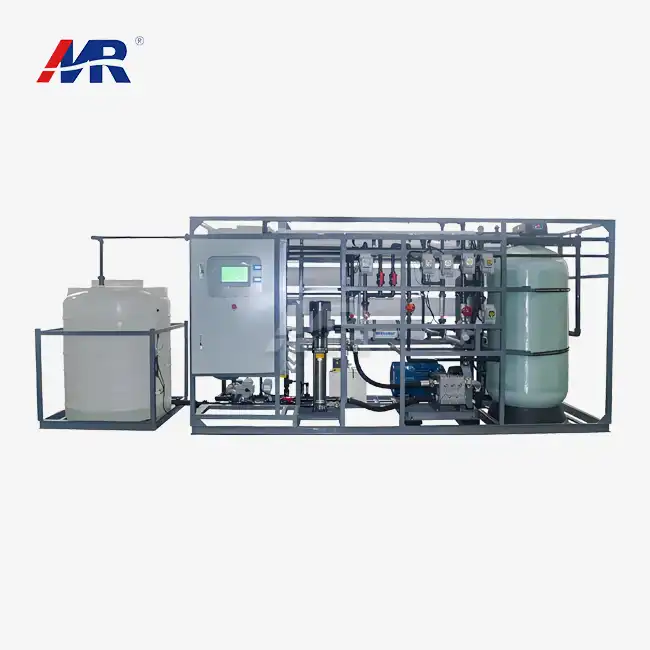 VIEW MORE5m3/hour seawater desalination equipment
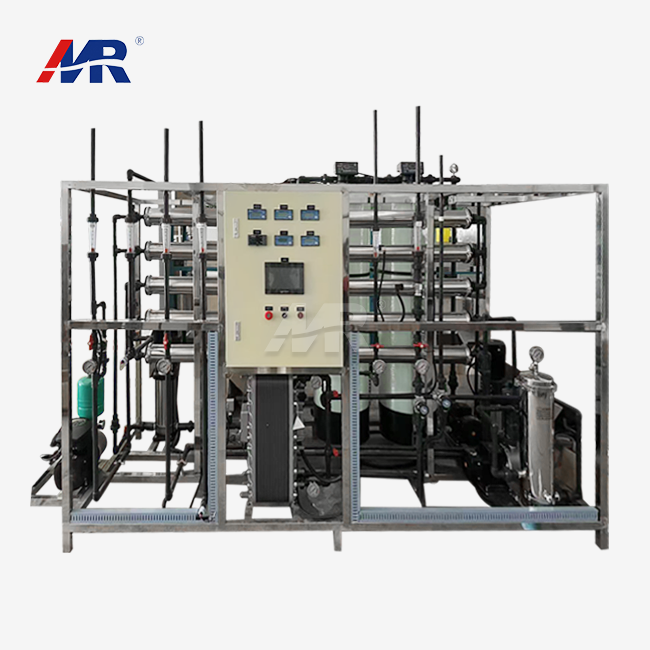 VIEW MOREedi purified water system
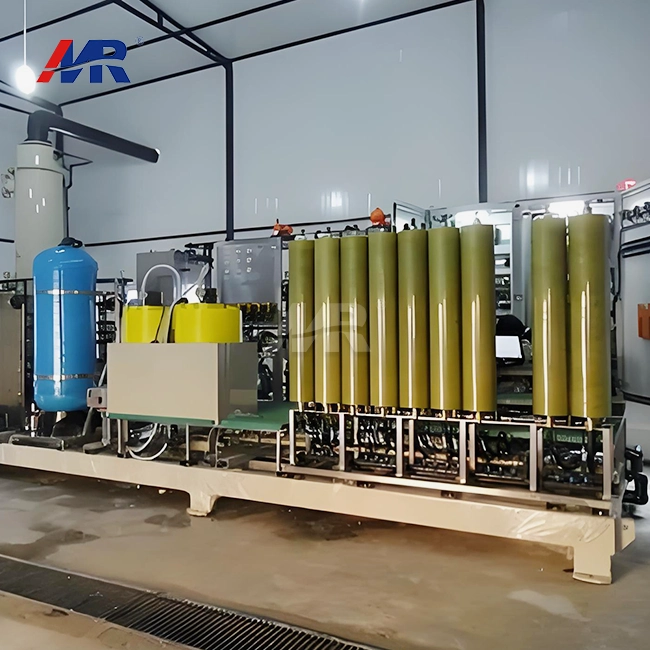 VIEW MOREDTRO Water Treatment
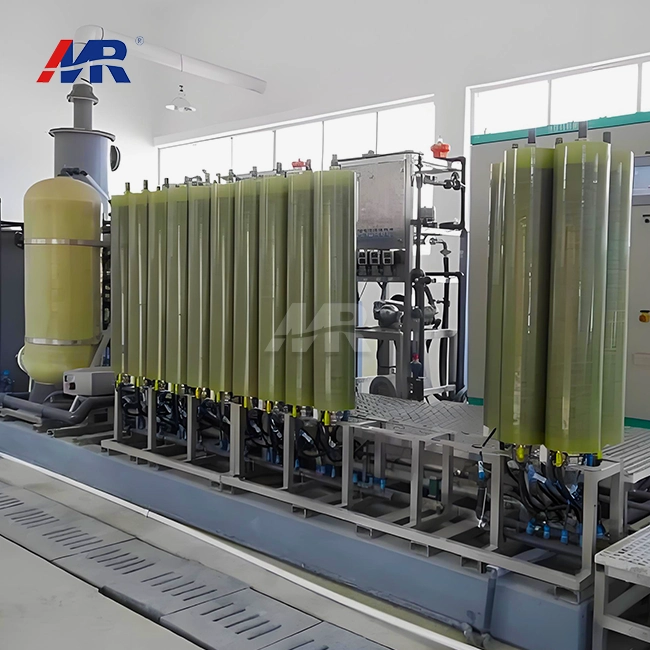 VIEW MOREDTRO Landfill Leachate Treatment
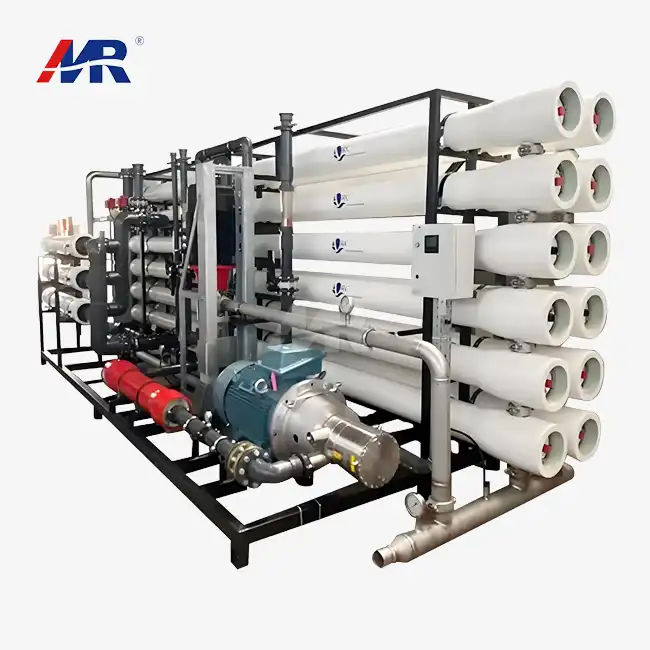 VIEW MORE45m3/hour seawater desalination system
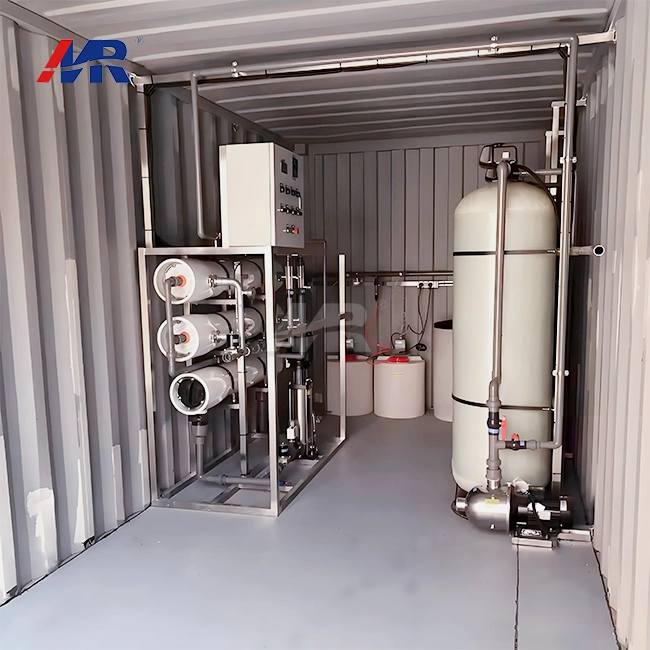 VIEW MOREcontainerized water treatment systems
 VIEW MOREcontainer ro equipment
