

_1745823981883.webp)

What Are the Advantages of a Large Reverse Osmosis System?
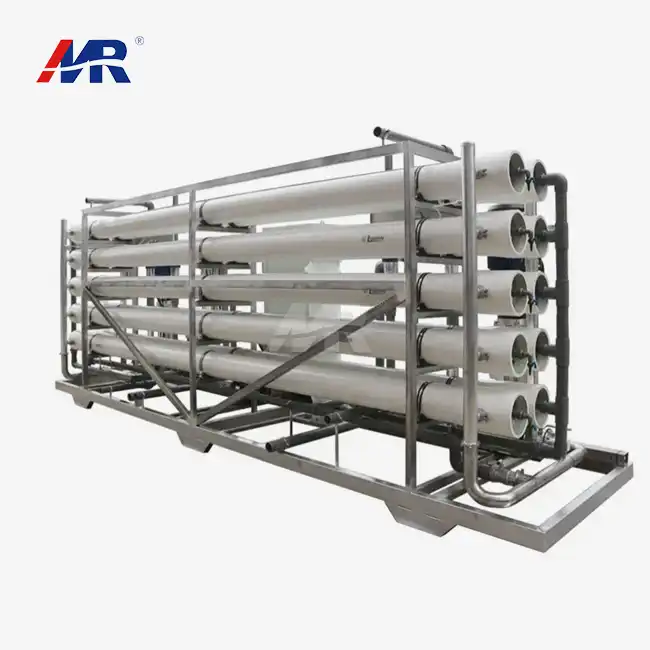
By processing 10,000 to over 500,000 gallons per day and getting up to 99.8% contaminant removal through advanced semi-permeable membranes, a large reverse osmosis system gives industrial sites unique water purification capabilities. These systems provide steady, high-purity water that is needed for manufacturing, making medicines, making electricity, and city uses. They also lower running costs by using less energy and checking themselves automatically. Because it can be scaled up and is reliable, large reverse osmosis system technology is the best choice for businesses that need to clean large amounts of water reliably, to strict quality standards, and in a way that supports long-term operations.
Introduction
In many businesses, the quality of the water directly affects how well Products are made, how safe they are, and how well they follow the rules. Large reverse osmosis systems on an industrial scale have become the standard technology for businesses that need to meet strict purity standards. If you are in charge of a pharmaceutical facility that needs USP-grade water, a power plant that needs ultra-low conductivity boiler feedwater, or a city that needs to desalinate water, you need to know the benefits of large-scale RO infrastructure in order to make smart investment decisions.
Every day, we work with procurement managers, plant engineers, and facility leaders who all have the same problems: feed water quality that changes all the time, rising chemical treatment costs, and the need for steady amounts of clean water. This in-depth look will show you how industrial RO systems can help with these problems and give you a clear picture of your investment's worth. This study gives you the technical information and buying tips you need to figure out if large-scale reverse osmosis fits with your budget and practical goals.
Understanding Large Reverse Osmosis Systems
Core Functionality and Filtration Principles
In large reverse osmosis systems, high-pressure pumps push water that has already been treated through thin-film hybrid membranes that let some things through but not others. RO technology works at the molecular level, refusing dissolved salts, organic molecules, bacteria, and colloidal matter. This is different from regular filtering, which only traps particles. Cross-flow design constantly moves concentrate away from the membrane surface, stopping fouling and keeping the quality of the permeate stable over long operating cycles.
Main Components and Technical Architecture
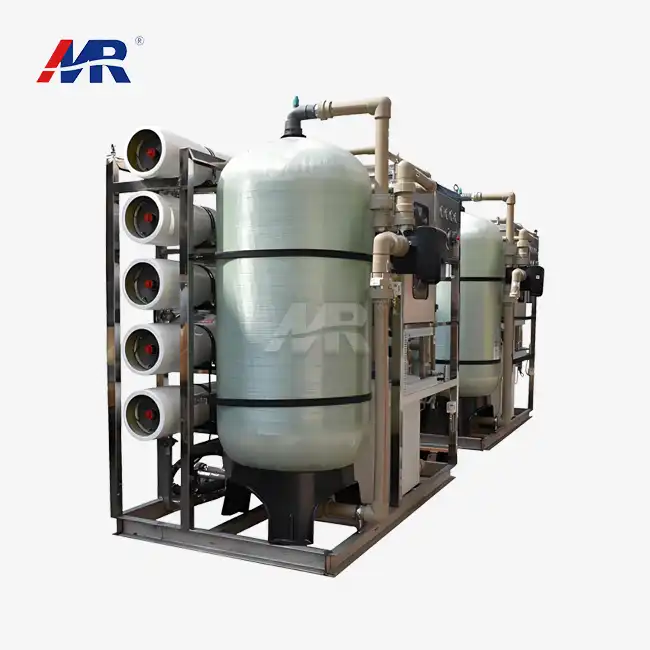
The building blocks are ASME-approved pressure tanks that hold spiral-wound membrane elements in large reverse osmosis systems, which are usually set up in multistage groups. To get past the osmotic pressure, high-pressure multistage pumps create the driving force. Instruments that measure conductivity, pH, temperature, and transmembrane pressure are connected to customizable logic controls. Modular skid frames made of stainless steel or epoxy-coated steel help to reduce vibrations and make it easier to do repairs. Pre-treatment systems with multimedia filters, carbon tanks, and antiscalant doses keep membranes from getting clogged up too soon.
Differentiation from Ultrafiltration Technology
Ultrafiltration is good at getting rid of bacteria, viruses, and suspended solids, but it can't get rid of dissolved salts and low-molecular-weight organics. Ionic contaminants that get through UF systems can't get through ro membranes because their pores are measured in angstroms instead of microns. Because of this basic difference, large-scale reverse osmosis is needed for tasks that need deionized or demineralized water, while ultrafiltration is great for reducing turbidity and getting rid of pathogens on its own or as a prep.
Key Advantages of Large Reverse Osmosis Systems
To understand why manufacturing facilities spend money on large-capacity RO infrastructure, we need to look at the real benefits these systems offer in terms of operations, finances, and the environment. The following benefits have been proven by decades of use in industry and ongoing technology improvement.
Superior Water Quality and Contaminant Rejection
Most high-capacity large reverse osmosis systems can get rid of 99.2% to 99.8% of all dissolved solids, which includes calcium, magnesium, sodium, chloride, sulfate, nitrate, and heavy metals like lead, arsenic, and chromium-6. This level of performance meets strict needs for making medicines that need endotoxin-free water, making electronics that need conductivity at the sub-microsiemens level, and making food and drinks that need mineral-free process water. Because contaminant rejection works so well, expensive product recalls and damage to equipment from rust or scale buildup are avoided.
Energy Efficiency and Operational Cost Reduction
Modern industrial RO systems have energy recovery devices that take hydraulic energy from the concentrate stream. This means that 30% to 60% less power is used than in older versions. With variable frequency drives, the pump works best based on real-time demand, so there is no wasted energy when the load is only partially met. Reverse osmosis usually uses one-fifth as much energy to make one gallon of clean water as thermal distillation or chemical softening. Over the 15 to 20 years that a system is in use, these efficiency gains save a lot of money on energy costs, which usually pays for the capital investment within three to five years.
Scalability and Modular Customization
It's easy to increase capacity by adding more pressure vessels to current arrangements or installing parallel membrane trains. Facilities that are growing can use phased rollout methods, which involve putting in base capacity first and then adding units as demand rises. Customizing the water quality is also possible with this flexibility. Single-pass, two-pass, or hybrid RO-EDI setups can be made to meet specific conductivity, silica, or total organic carbon goals. Being able to change the configuration of a system as production needs change saves financial investments and keeps things from becoming outdated too soon.
Process Automation and Remote Monitoring Capabilities
Integration with SCADA systems lets you track performance in real time for large reverse osmosis systems, plan repairs ahead of time, and make automatic changes to chemical doses. Operators are immediately notified of any changes in permeate quality that need to be fixed, pressure differentials that go above certain limits, or trends in membrane fouling. Engineers can figure out problems with cloud-based monitoring tools from afar, which speeds up reaction times and cuts down on unplanned downtime. Data logging helps with legal compliance paperwork and makes process improvement easier by letting you look at trends.
Operational and Maintenance Advantages
Routine Inspection and Preventive Maintenance
Scheduled repair routines keep the system working well and increase the life of the membrane. As part of weekly checks, the difference in pressure across membrane stages is checked, the chemical feed pump's calibration is confirmed, and samples of the filtrate conductivity are taken. Every month, chores include replacing the cartridge filter, checking the seals on the high-pressure pump, and making sure the flow meter is accurate. Cleaning the membrane every three months with alkaline and acidic solutions gets rid of organic fouling and mineral scaling, bringing flux rates back to within 10% of their original level of performance. These precautions usually only take 4 to 8 hours a month per system, which is a small amount of work compared to the value of the production that is secured.
Troubleshooting Common Operational Issues
A drop in permeate flow is often a sign of a clogged membrane or a drop in feed pressure. High salt flow means that the membrane is damaged or the O-ring seal has failed. If high-pressure pumps make strange noises, it could be because the input pressure isn't high enough or the bearings are wearing out. Maintenance teams can quickly find the root reasons by using systematic analysis with normalized performance data. Knowing when to use chemical cleaning vs. membrane replacement helps you avoid spending money on things that aren't necessary and keep the water quality stable. We usually suggest a professional membrane autopsy study when standardized flux falls below 85%, even after cleaning has been done.
Installation Best Practices and Cost Considerations
For a site to be properly prepared, it needs to have concrete pads that can handle dynamic loads, electrical service that can handle peak amperage with a 20% cushion, and drainage systems that can handle large amounts of concentrated overflow. Pipe costs and pressure losses are kept to a minimum by placing systems close to sources of feed water and points of use. When making a budget, you should include things like building work, mechanical installation, electrical links, commissioning of instruments, and training for operators. Installation usually costs 15% to 25% of the cost of the tools. Full guarantees that cover membranes, pumps, and control systems for 12 to 24 months keep them from breaking down too soon, and long-term service contracts help you plan your budget for upkeep.
Comparing Large Reverse Osmosis Systems with Alternative Solutions
Capacity and Performance Benchmarks
Small RO units that handle less than 10,000 gallons of water every day are good for lab or small business use, but they aren't as reliable or efficient as industrial systems. Thermal distillation is the purest method, but it uses 5 to 10 times as much energy. Biocontamination can be dealt with by UV cleaning without clearing dissolved solids. Ion exchange successfully deionizes water, but it needs a lot of chemical regeneration, which makes getting rid of trash difficult. Large RO systems are best for places that need to regularly purify 50,000 to 500,000 gallons of water every day because they match high flow with low chemical use and high energy economy.
Leading Technology Providers and Performance Standards
Membranes made by well-known companies like DuPont Water Solutions, Hydranautics, and Toray meet NSF/ANSI 61 safety guidelines for parts for large reverse osmosis systems. Full system installers, such as Morui, offer complete installs that include tried-and-true membrane technology, a strong skid design, full automation, and factory acceptance testing that mimics the water chemistry at the site. Choosing providers with ISO 9001 certification, documented reference setups, and regional service networks makes sure that you can get replacement parts and expert help for as long as the system is in use.
Procurement Insights and Buying Guide for Large Reverse Osmosis Systems
Vendor Selection and Due Diligence
When looking at possible large reverse osmosis system providers, you need to look at their manufacturing skills, technical knowledge, and support infrastructure for after the system is installed. Ask for thorough bids that include process flow maps, equipment specs, estimated costs of operation, and a lifecycle analysis. By visiting current installations, you can learn about how well the system works and how responsive the seller is. Verifying that membranes come from tier-one makers keeps you safe from fake parts that don't work right and don't cover guarantees. If a supplier offers trial tests using your own feed water, you can be sure of the recovery rates and quality that will be possible.
Pricing Structure and Budget Planning
Industrial RO systems can cost anywhere from $150,000 to over $2 million to buy, based on their size, the level of automation, and how complicated the pretreatment is. Every three to five years, the membrane needs to be replaced, which costs between $20,000 and $100,000 per cycle. Energy, pretreatment chemicals, membrane cleaning, and filter replacement are some of the running costs that range from $0.15 to $0.45 per 1,000 gallons created each year. When you buy in bulk for multiple sites, you can usually get savings of 12% to 18%. Leasing spreads out capital costs and keeps cash flow steady, but the total costs over the lifecycle are 15% to 25% higher than if you bought the item outright.
Warranty Coverage and Technical Support
A full warranty should cover the function of the membrane for 36 months, including minimum flow and rejection rates; the mechanical parts of the pump for 12 to 24 months; and the control system parts for 12 months. Long-term service contracts that include preventative maintenance calls every three months, emergency response within 24 hours, and discounts on replacement parts usually cost three to five percent of the initial investment every year. Setting clear performance acceptance criteria during testing protects your investment and makes sure that the seller is responsible for meeting the promised production capacity and water quality.
Conclusion
Smaller technologies can't compare to the benefits of industrial-scale large reverse osmosis systems, which can remove more contaminants, use less energy, and be reliable when scaling up. For places that need a lot of clean water, the investment is worth it because it comes with automated tracking, modular growth, and performance that has been proven in tough situations. By understanding the above-mentioned technical specs, maintenance needs, and purchasing factors, you can make decisions that are confident and in line with your business goals. Long-term success depends on how well site managers work with experienced system developers. This means that choosing the right vendor is just as important as choosing the right technology.
FAQ
1. What is the expected operational lifespan of industrial RO systems?
Large reverse osmosis systems that have been properly kept usually last 15 to 20 years before needing major repairs. Depending on the quality of the feed water and how well they clean, membrane parts need to be replaced every three to five years. If you take care of the seals, high-pressure pumps last between seven and ten years. Instrumentation and control systems usually work for 10 to 15 years before they become obsolete and need to be upgraded.
2. How do energy requirements compare with alternative purification methods?
Industrial reverse osmosis uses only 3 to 6 kilowatt-hours of electricity to make 1,000 gallons of water. This is a lot less than thermal distillation, which needs 15 to 30 kilowatt-hours to make the same amount of water. Energy recovery devices (ERDs) lower energy use by collecting hydraulic pressure from concentrate streams. This is especially helpful in high-salinity processes like desalinating seawater, where ERDs can recover 30% to 40% of the energy that is put in.
3. Can large RO systems accommodate variable water chemistry?
Modern systems have automatic chemical doses and multiple stages of pretreatment that let them adapt to changes in the quality of the feed water that happen with the seasons. Real-time tracking of conductivity and pH tells programmable controllers how much antiscalant to use, how much acid to inject, and the working pressure. Custom membrane choices that target specific toxins like silica, organics, or heavy metals give the best performance for difficult water chemicals found in urban and commercial settings.
Ready to Upgrade Your Water Treatment Infrastructure?
Guangdong Morui Environmental Technology has 14 branches, 500 skilled employees, and the ability to make membranes in-house, and they offer engineered large reverse osmosis system options. Twenty qualified engineers on Our Team make unique systems for use in North American pharmaceutical, power generation, food processing, and city settings. We offer full turnkey services, from evaluating the site to installation, commissioning, teaching operators, and ongoing expert support. We promise the quality and efficiency of all the parts we sell as an approved large reverse osmosis system supplier for top brands like Shimge water pumps and Runxin valves. Email our technical team at benson@guangdongmorui.com to get full system evaluations, reasonable quotes, and documentation from reference sites showing installs that have been successfully completed.
References
1. American Water Works Association (2022). "Reverse Osmosis and Nanofiltration: Manual of Water Supply Practices M46." Denver: AWWA Publications.
2. Greenlee, L.F., Lawler, D.F., Freeman, B.D., Marrot, B., & Moulin, P. (2021). "Reverse Osmosis Desalination: Water Sources, Technology, and Today's Challenges." Water Research Journal, Volume 143, Pages 3270-3294.
3. National Sanitation Foundation International (2023). "NSF/ANSI Standard 61: Drinking Water System Components - Health Effects Certification." Ann Arbor: NSF International.
4. Qasim, M., Badrelzaman, M., Darwish, N.N., Darwish, N.A., & Hilal, N. (2019). "Reverse Osmosis Desalination: A State-of-the-Art Review." Desalination Journal, Volume 459, Pages 59-104.
5. United States Environmental Protection Agency (2021). "Membrane Filtration Guidance Manual." Washington, D.C.: EPA Office of Water.
6. Wilf, M. & Bartels, C. (2020). "Optimization of Seawater RO Systems Design." International Desalination Association World Congress Proceedings, Dubai.
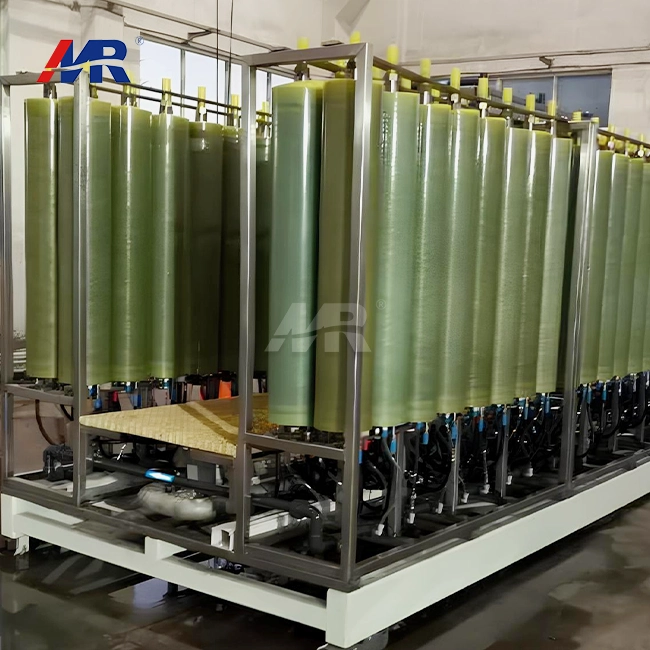 VIEW MOREDTRO for Wastewater Treatment
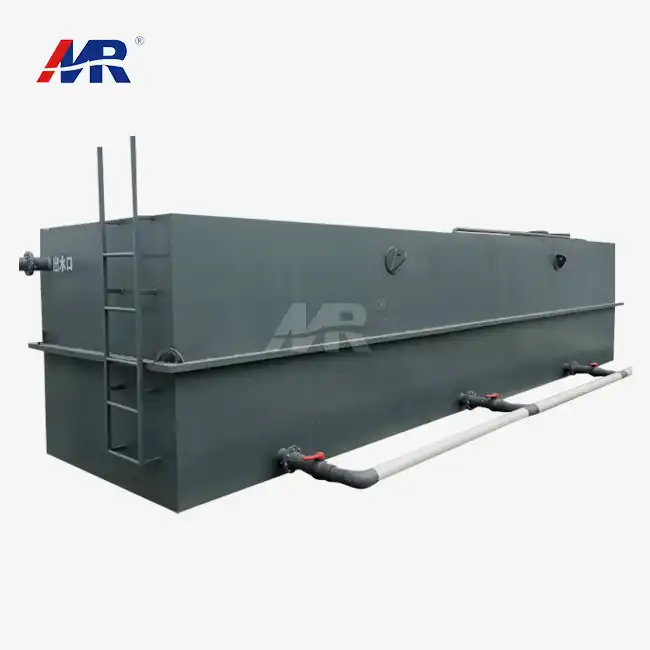 VIEW MOREportable wastewater treatment plant
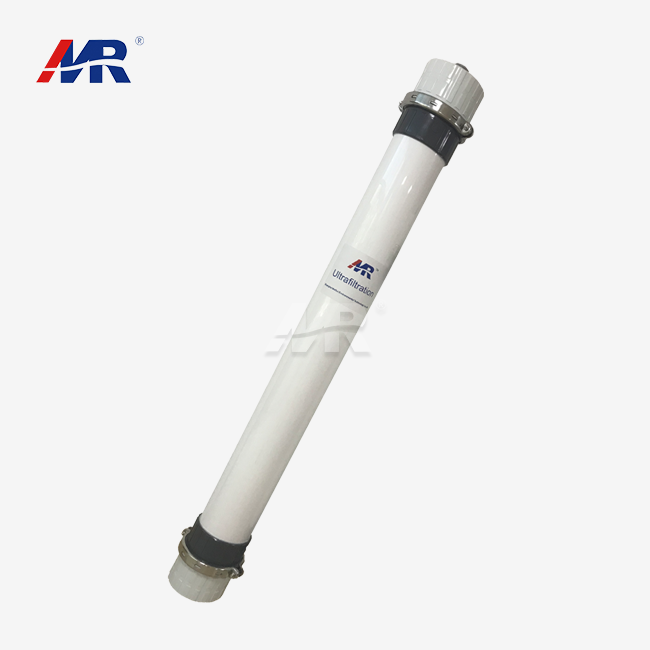 VIEW MOREultrafiltration membrane for wastewater treatment
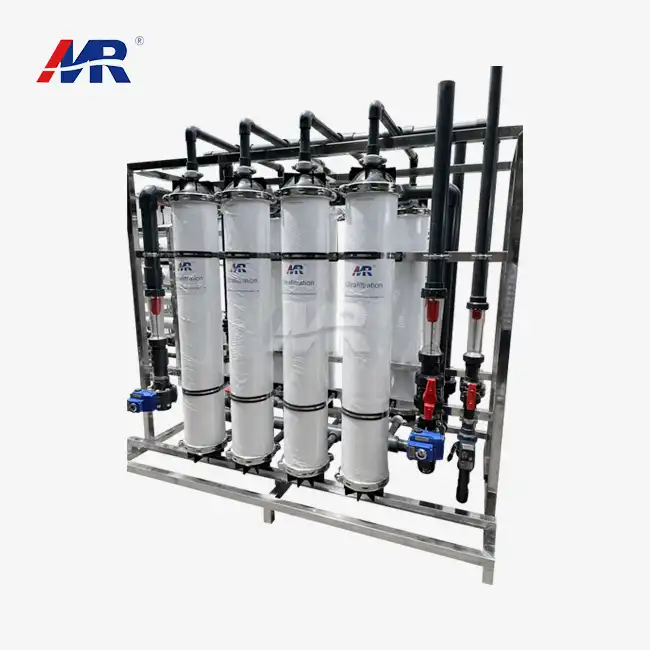 VIEW MORE15T/H ultrafiltration system
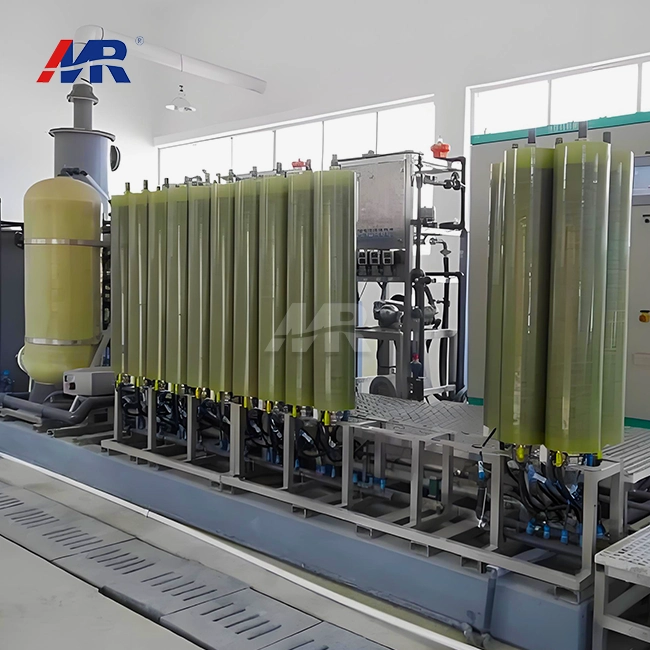 VIEW MOREDTRO Landfill Leachate Treatment
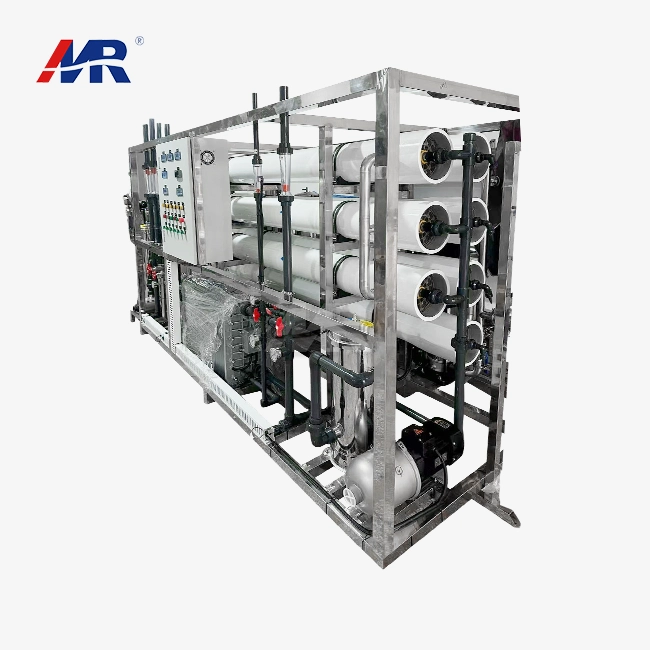 VIEW MOREedi module water treatment
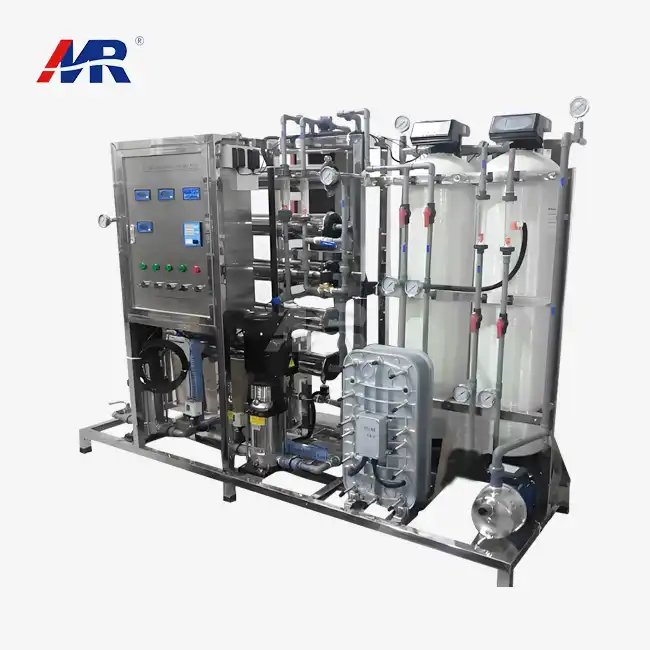 VIEW MORE1T/H EDI system
 VIEW MORE8m3/hour seawater desalination equipment
