

_1745823981883.webp)

Why Are Containerized RO Systems Popular for Rapid Deployment?
Containerized RO systems have changed the way water is treated because they are plug-and-play, which means they don't need to be built over an extended period of time. These flexible solutions solve important distribution problems in many fields, from making medicines to helping people after a disaster. They do this by putting whole purification plants inside standard shipping containers. Their pre-engineered design lets them produce water right away without having to make permanent infrastructure investments. This makes them more appealing for projects that need to be done quickly, since delays directly lead to operational losses and lost income.
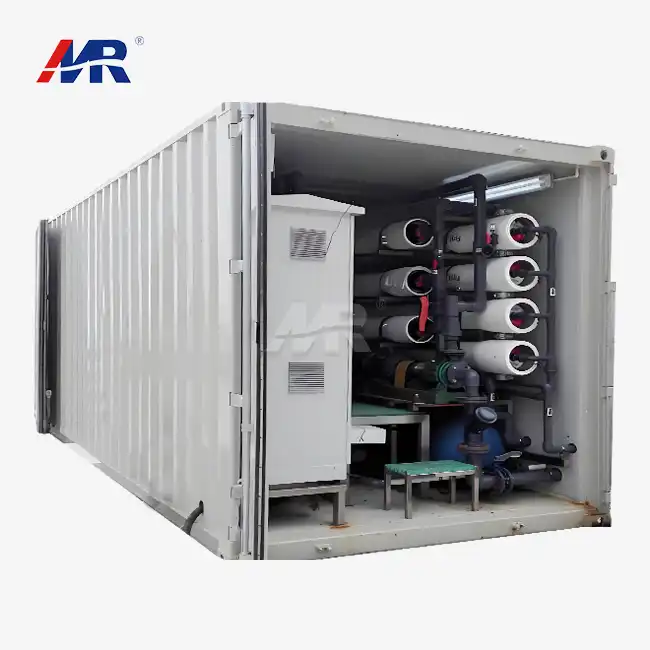
Introduction to Containerized RO Systems
Pressures from a lack of water and limits on infrastructure have led to a lot of new developments in mobile cleaning technologies in the last few years. We've seen how containerized RO systems are a big change from traditional set installs to treatment platforms that are flexible and can be moved around.
What Defines a Containerized RO System?
A containerized RO system puts all the important parts for treating water inside normal ISO shipping containers, which are usually 20 or 40 feet long. With this complete building method, pre-treatment equipment, high-pressure pumps, membrane vessels, post-treatment units, and automatic control systems are all put together in climate-controlled rooms. The design gets around normal civil building rules while still meeting industrial-grade performance standards that are the same as those for fixed facilities.
Core Operational Workflow
Through a carefully planned series of steps, the functional process turns raw water into clean permeate. The raw water comes in through booster pumps and multi-stage filtration. It then goes through chemical doses for pH adjustment and antiscalant protection, as well as capsule filters that protect the membranes. Before pushing water through ro membrane vessels, high-pressure pumps raise the water pressure based on the salt levels in the feed water. Pure water with very few dissolved solids collects as permeate, while concentrated brine either flows out or goes through more recovery processes. Most of the time, energy recovery machines can get back 30 to 40 percent of their working energy from high-pressure reject streams. Depending on the needs of the final use, post-treatment units change the chemistry of the water by disinfecting, adjusting the pH, or remineralizing it. Advanced PLC-based control systems keep an eye on quality factors, flow rates, pressure differences, conductivity readings, and more. They also adjust processes automatically and let workers know when performance changes.
Technology Integration Advantages
Modern containerized designs use advanced automation to get the best recovery rates (60–85% for brackish water uses) while matching the need for high production with the risk of going too big. Combining thermal protection with built-in HVAC systems makes it possible to work in temperatures ranging from -20°C to +50°C, which greatly increases the number of places where the system can be deployed. When demand for capacity goes up, the modular design lets you add more container units in parallel, which gives you scalability that standard plants can't match without spending a lot of money.
Advantages of Containerized RO Systems for Rapid Deployment
The competitive benefits that are driving adoption in many different industries come from basic differences in design theory compared to traditional methods. We have proof that when procurement officials look at water treatment projects, they always put speed-to-operation and rollout flexibility at the top of their lists. Containerized RO systems offer a streamlined approach to project management and facility engineering.
Accelerated Installation Timelines
Usually, it takes 12 to 24 months for a traditional reverse osmosis plant to go from breaking ground to being fully operational. This includes a lot of work on the site's planning, building construction, installing equipment, and integrating the whole system. With containerized options, this time frame can be cut down to 4–12 weeks, based on how ready the site is and how well the utilities are connected. Pre-assembly and testing in the factory get rid of the building site factors that often cause projects to take longer than planned and cost more than planned. Standard container sizes work well with global shipping networks, train systems, and trucking fleets, so transportation makes use of current logistics infrastructure. This ability to "plug and play" is especially helpful when production plans don't allow for long periods of water system downtime or when an emergency requires instant purification.
Modular Scalability for Diverse Capacity Requirements
The containerized method has a huge range of capacity options that work for a variety of operating sizes. Small 20-foot units can produce 5 to 50 cubic meters of water per hour, which is enough for building sites in remote areas, small factories, or rural communities that need water sources. Mid-range 40-foot systems can provide 50 to 500 cubic meters per hour for medium-sized commercial uses like processing food, making medicines, or providing extra supplies to cities. Large sites use many containers lined up next to each other to process more than 1,000 cubic meters of water per hour for big desalination projects, power plants, or petrochemical buildings. This modularity lets capacity grow in stages that match the growth of the business, instead of causing huge original investments.
Economic Advantages Throughout System Lifecycle
Even though the beginning prices of the equipment seem about the same as for traditional builds, containerized designs are more cost-effective in the long run for a number of reasons. Industry comparison studies show that getting rid of building structures, foundations, and large networks of pipes can cut capital costs by 20 to 35 percent. When things are made in a factory, quality control is better than when they are put together on-site in different kinds of weather and conditions. This means that there are fewer problems with start-up and guarantee claims. Operating costs are greatly reduced by designs that use less energy and include variable frequency drives and energy return devices. Remote tracking lets you plan ahead for maintenance, which cuts down on unplanned downtime and makes the most of membrane cleaning processes and replacement times for consumables.
Here are some practical perks that technical decision-makers really value:
- Reduced Site Preparation: Since there aren't many foundation requirements, the building can be put down on packed gravel pads or concrete areas that are already there instead of designed structural supports
- Simplified Utility Connections: Standardized entry points for power, raw water, and concentrate output speed up the hookup process
- Integrated Protection: Climate-controlled shelters keep sensitive electronics and membranes safe from the elements that weaken their performance and shorten the life of their parts
- Enhanced Security: Container structures that can be locked protect against illegal entry and equipment theft that is common in remote areas
These benefits directly lead to a faster return on investment and better project economics for containerized RO systems, which is important to financial decision-makers who are weighing different treatment options.
Comparing Containerized RO Systems with Traditional and Alternative Solutions
Knowing how different treatment methods affect performance helps procurement teams choose the best technologies for each working situation and business goal.
Performance Against Conventional Fixed Plants
Traditional reverse osmosis systems provide high-quality water and reliable operation even after long periods of building. Because they are fixed, they work well for long-term buildings that are already set up. Containerized options, on the other hand, purify water just as well, with salt rejection rates higher than 99.5% and quality that meets the same government standards, such as NSF/ANSI 61 compliance for potable water uses. No matter how the building is set up, the basic membrane separation method stays the same. In both Cases, quality standards are based on the ASME pressure vessel codes and the industrial accuracy of ISO 9001.
Distinguishing Features Versus Skid-Mounted Systems
Skid-mounted systems are in the middle because they offer treatment trains that are already put together but don't have full container security. Even though skid systems are faster to install than stick-built plants, you still need to build structures for weather protection, security fences, and different control rooms. Containerized units are easier to move around because shipping containers can be used as self-contained transport vehicles that don't need any extra packing or special handling tools. The sealed design keeps parts safe while they're being moved and stored between uses, which is very important for rental situations or seasonal businesses. Standardized container sizes make it easier to plan processes and figure out how much freight will cost for all foreign transfers.
Cost-Benefit Analysis Across Solution Types
When comparing investments, you need to look at the total cost of the job, not just the price of the tools. A pharmaceutical company recently talked about how a containerized system cut the time it took to treat water from 18 months to 6 weeks. This meant that product launches could happen on time, saving the company millions of dollars in lost income. By getting rid of architectural design, permit delays, and construction management, they were able to cut soft costs by about $400,000 compared to the permanent building approach they had originally planned. Civil engineering companies constantly report that containerized solutions have 25–40% lower installation costs in remote areas where building logistics are very difficult.
Operational Efficiency Indicators
Case studies from the business world show that, across key measures, their performance reliability is about the same as that of standard systems. Over 36 months, a Nevada mining operation with twin containerized units set up in a rotating duty setup had 98.3% uptime. The amount of energy used to treat brackish water was 3.2 kWh per cubic meter, which is the same as the efficiency standards for regular plants that treat the same type of feed water. Routine checks and replacement of consumables took an average of 4 hours per month, and major membrane cleaning processes were extended to every 6 months thanks to effective pre-treatment design.
Applications and Use Cases in Global B2B Water Treatment Markets
Because mobile purification tools are so flexible, they are being used in a huge range of industries and places where standard infrastructure wouldn't work.
Industrial Manufacturing Sectors
For production processes, cleaning tools, and quality control labs, pharmaceutical and biotechnology companies need ultrapure water that meets strict GMP standards. Containerized systems with RO plus electrodeionization (EDI) polishing steps provide 18-megohm resistivity water that can be used to make injectable drugs and do safe processing. The flexible method lets capacity grow as production volumes rise without stopping what's already being done. Electronics and computer companies also depend on ultrapure water for making chips and cleaning very precisely, since even small amounts of contaminants can lower yields. Mobile RO units are used by food and drink makers as seasonal production facilities, temporary operations while plants are being renovated, or quick capacity additions during times of high demand.
Municipal and Community Water Infrastructure
Containerized desalination systems are being used more and more by water companies as backup systems in case of emergencies, like droughts or contamination of main supply sources. Coastal cities and towns use these systems to treat brackish groundwater, turning resources that weren't useful before into drinkable water that cuts down on the need to import water. These systems are especially helpful for island communities and rural townships where building a fixed plant would be too expensive for the number of people it would serve. Temporary operations are used for things like building projects, big public events, and emergency situations after natural disasters when regular infrastructure is damaged.
Energy and Heavy Industry Applications
For boiler feedwater and cooling system makeup, thermal and nuclear power plants need huge amounts of ultrapure water. When repair is needed, containerized options can quickly add extra capacity or help with the commissioning of new power plants. Petrochemical plants clean produced water from oil fields so it can be used again or in other processes. Mobile systems make it easy to move equipment as drilling operations move across large production areas. Small saltwater desalination tanks are used by offshore platforms and maritime vessels to make fresh water during long journeys or in remote drilling areas where getting supplies is hard to do.
Specialized Deployment Contexts
Because containerized designs are mobile, they can be used in situations where set systems wouldn't work. Within 48 to 72 hours of a natural disaster, disaster aid groups set up these systems to provide safe drinking water when city systems fail. They are used by the military for forward operating bases that need to provide their own water without relying on local infrastructure. In dry areas, farming uses salty rainwater for irrigation, which lets crops grow on land that wasn't good for growing crops before. Aquaculture sites use containers with ultrafiltration to clean moving water systems. This stops the spread of disease and increases production rates. Construction companies rent mobile treatment units to make concrete, keep dust down, and provide amenities for workers at remote job sites. When the projects are finished, the companies return the equipment instead of buying fixed systems that will not be useful in the future.
How to Select the Right Containerized RO System for Your Business
Before making a purchase choice, you should carefully look at the expert skills and make sure they match up with the needs of the business and its goals.
Feed Water Characterization and Capacity Planning
A thorough analysis of the water quality is the first step to choosing the right system for containerized RO systems. This analysis should show the total dissolved solids concentration, pH levels, organic content, temperature ranges, and any possible foulants. Most brackish groundwater has a TDS level of 1,500 to 10,000 mg/L and needs working pressures of 150 to 300 psi. Seawater, on the other hand, has a TDS level of 35,000 mg/L and needs 800-1,200 psi and special membrane formulations. Peak demand times, wanted storage sizes, and backup options should all be taken into account when figuring out how much capacity is needed. Many businesses ask for dual-train configurations that offer 100% backup capacity or allow maintenance to be done without stopping output. Recovery rate goals balance how well water is made against the cost of getting rid of concentrates and the chance of membrane fouling.
Technical Specification Priorities
Choosing high-quality materials makes sure that the product will last and work reliably in tough circumstances. 316L stainless steel is used by good makers for high-pressure pipes and membrane vessels that are subject to harsh conditions. For very harsh feed waters, duplex stainless steel or rare metals like Hastelloy work best. If you choose a membrane from a reputable source like Dow, Hydranautics, or Toray, you can be sure that it will work well and that replacements will be easy to find. Control systems that use Siemens or Allen-Bradley PLCs offer strong automation with easy-to-use user interfaces and full data logging. For high-salinity uses, energy recovery devices from companies like Danfoss or Energy Recovery Inc. cut costs by a large amount. Industry failure analysis data shows that 80% of membrane performance problems are caused by feed water that isn't properly treated. This means that pre-treatment design needs to be carefully thought out.
Supplier Evaluation Criteria
Because investments in water treatment last a long time, reputation and track record are very important when choosing providers of containerized RO systems. Well-known companies show what they can do by showing proof of past work, getting certified by a third party, and offering full guarantee plans. After-sales support infrastructure, such as the supply of spare parts, the ability to provide field service, and the speed with which expert help is provided, has a direct effect on working uptime. Companies like Guangdong Morui Environmental Technology are examples of full-service providers that make equipment, install it, and provide ongoing upkeep support through a large network of branches. Integrating their ability to make membranes with their ability to make tools lets them keep quality control across the whole supply chain while keeping costs low.
Customization and Integration Considerations
Standard containerized solutions work well for many uses, and the ability to customize them means they can be used for specific tasks too. If the feed water changes, it might need special pre-treatments like ion exchange softening, advanced oxidation to get rid of organic matter, or a multimedia filter for sources with a lot of turbidity. Post-treatment needs depend on what the water will be used for. Some choices are chlorination, UV disinfection, remineralization, or pH change. Adding a control system to a current plant's SCADA network lets tracking and data trending be done from one place. Any physical changes have to be made to fit the site's needs, like where to put doors for upkeep access, where to put utility connections, or how the building looks in comparison to nearby buildings. Including suppliers in the early stages of planning makes sure that solutions meet real practical needs instead of trying to force standard goods into situations where they don't work.
Conclusion
Containerized RO systems solve basic problems in water treatment by using engineering methods that focus on how quickly they can be set up, how flexible they can be used, and how much they cost over their whole time. Their modular design gets rid of the problems that come with traditional infrastructure while still meeting strict industrial and governmental standards for cleansing. This technology can be used for a huge range of things, from responding to emergencies to supporting city supply needs to short-term project needs. As the lack of water gets worse and funds for infrastructure are limited, these mobile purification tools offer useful solutions that balance technical ability with practicality. When procurement workers understand how containerized technologies fit with specific working situations and business goals, they gain a competitive edge.
FAQ
1. How quickly can a containerized RO system become operational?
Depending on how well the site is prepared and how many utilities are available, deployment times vary. However, most setups start producing water within two to four weeks of receiving the container. Systems can be put into use within days at sites that already have electrical service, water supply lines, and facilities for concentrate discharge. Timelines may be pushed back to 6–8 weeks in remote areas that need power extensions or permit approvals, but this is still a lot faster than building a standard plant, which takes 12–24 months.
2. Are containerized systems suitable for seawater desalination applications?
Of course. Containerized seawater reverse osmosis systems work well to clean high-salinity feed waters using the right membranes, high-pressure pumping equipment, and energy return devices that make the process profitable. Configurations allow for capacities ranging from small units of 10 cubic meters per day for ships to big sites that make thousands of cubic meters per day for city or factory use.
3. What rental or leasing options exist for temporary water treatment needs?
There are many companies that offer short-term and long-term rental plans that are good for building projects, emergency response, seasonal operations, or temporary capability while a permanent system is being installed. Rental deals usually include transport, setup, training on how to use the equipment, and maintenance support for periods of weeks to years. Leasing arrangements with choices to buy them give businesses financial freedom as they move from temporary to permanent water treatment needs.
Partner with Morui for Advanced Containerized Water Treatment Solutions
Guangdong Morui Environmental Technology helps makers deal with a wide range of water problems in cities and factories around the world by sending complete containerized RO systems. Our integrated capabilities, which include making membranes, fabricating equipment, and providing full installation services, guarantee quality control throughout the entire duration of a project. We offer fast local support backed by corporate resources thanks to our more than 14 branches, 500 committed employees, and 20 specialized engineers. Our relationships with top brands in the industry, like Shimge Water Pumps, Runxin Valves, and Createc Instruments, let us set up systems in the best way possible for your needs. Our technical team creates systems that are perfect for your feed water and production goals, whether you need quick deployment in an emergency, scalable capacity for growth operations, or mobile solutions for outlying areas. Email benson@guangdongmorui.com to talk to our applications engineering group about your water treatment goals and get full technical ideas. We welcome questions from purchasing managers, plant engineers, and facility directors who are looking for dependable suppliers of containerized RO systems that are dedicated to operating success.
References
1. American Water Works Association. (2020). Reverse Osmosis and Nanofiltration: Manual of Water Supply Practices M46. Denver: AWWA Publications.
2. Greenlee, L.F., Lawler, D.F., Freeman, B.D., Marrot, B., & Moulin, P. (2009). Reverse osmosis desalination: Water sources, technology, and today's challenges. Water Research, 43(9), 2317-2348.
3. International Desalination Association. (2021). IDA Water Security Handbook 2021-2022. Topsfield: Global Water Intelligence.
4. Kucera, J. (2019). Reverse Osmosis: Design, Processes, and Applications for Engineers (2nd ed.). Hoboken: John Wiley & Sons.
5. National Research Council. (2008). Desalination: A National Perspective. Washington, DC: The National Academies Press.
6. Wilf, M., & Bartels, C. (2005). Optimization of seawater RO systems design. Desalination, 173(1), 1-12.
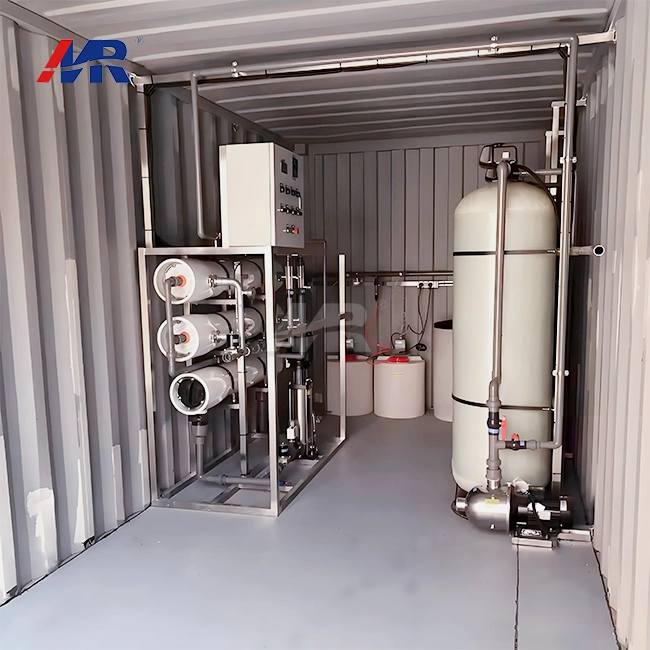 VIEW MOREcontainerized water treatment systems
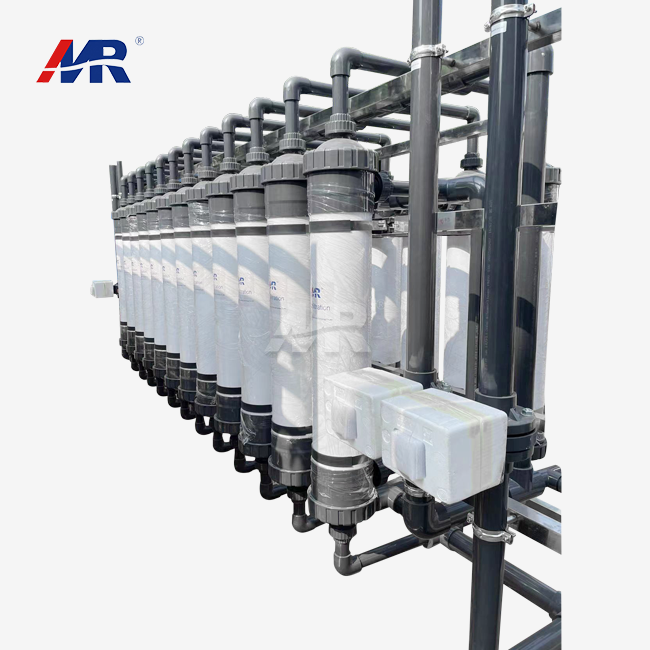 VIEW MOREindustrial ultrafiltration systems
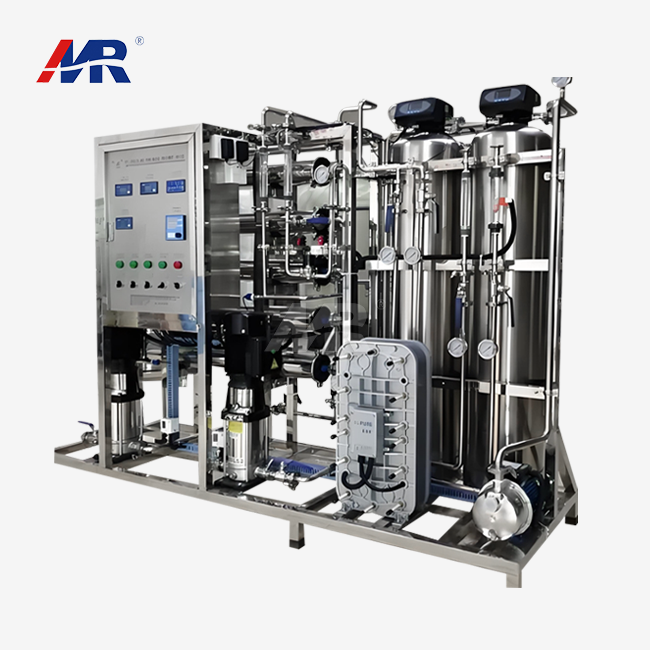 VIEW MOREEDI plant
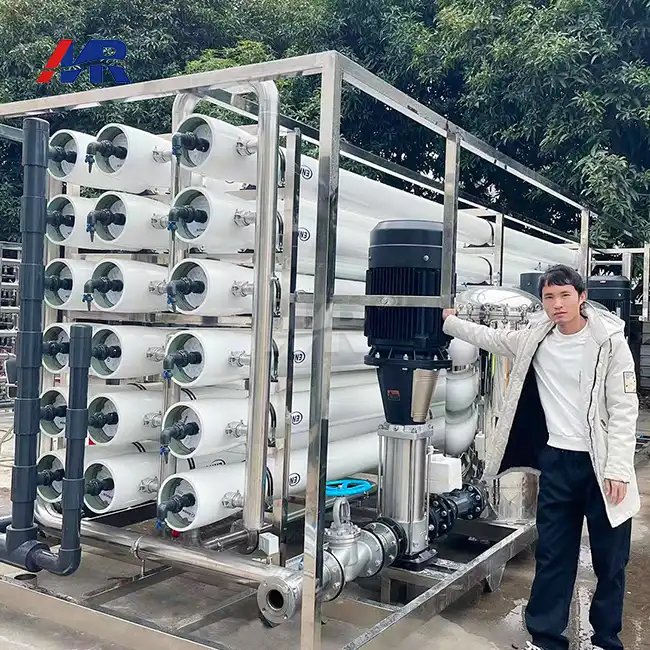 VIEW MORE100m3/hour reverse osmosis system
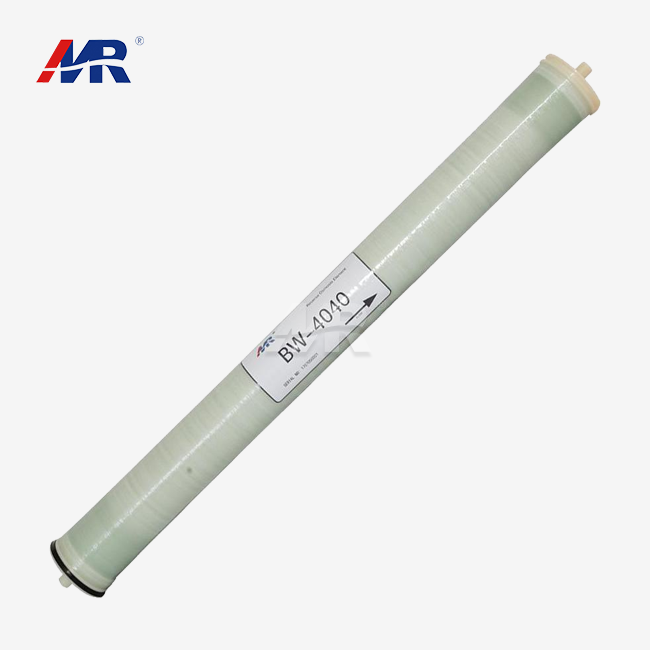 VIEW MORE4040 reverse osmosis membrane
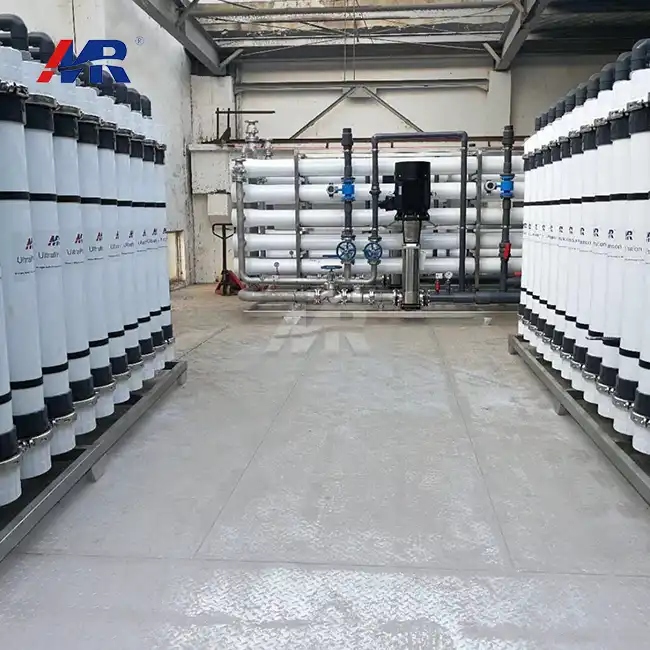 VIEW MORE2000m3/day ultrafiltration equipment
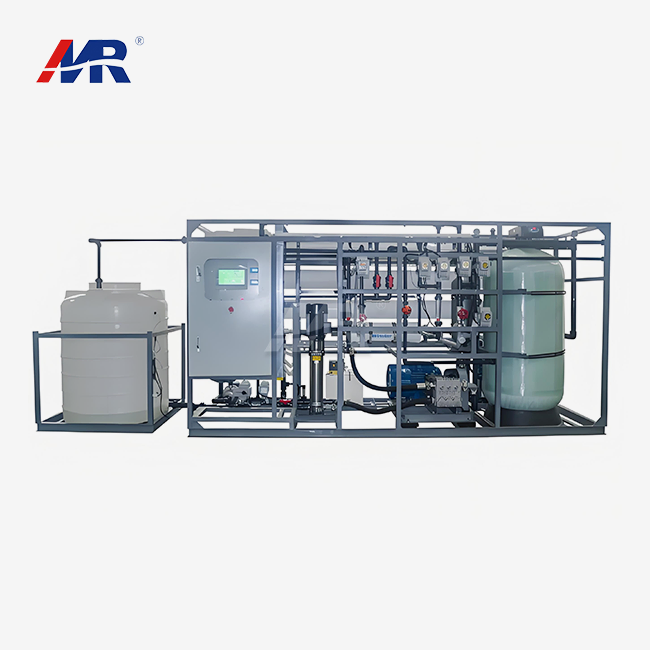 VIEW MOREseawater treatment system
 VIEW MOREbiological reactor wastewater treatment
