_1745823981883.webp)

Wastewater Treatment Facility Design for Sustainable Operations
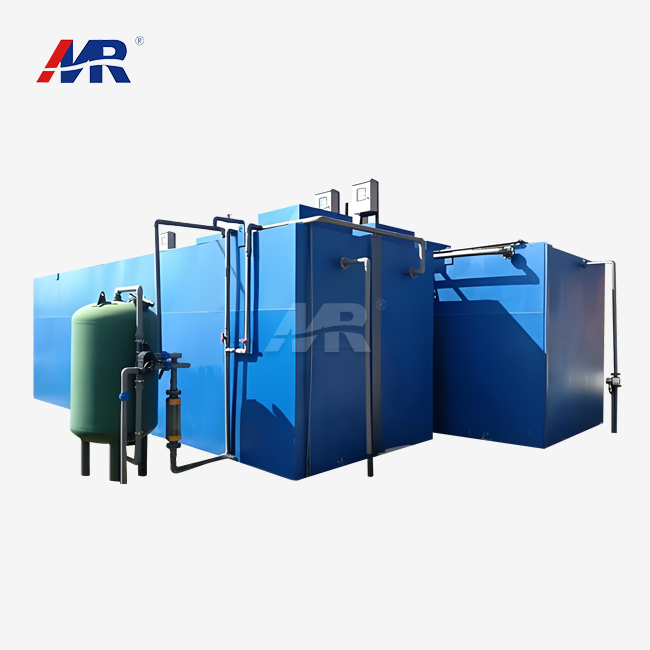
To get rid of toxins before they are released into the environment or used again, a good wastewater treatment facility design uses a mix of physical, chemical, and biological processes. Modern facilities deal with important operational issues like strictly following NPDES rules for BOD and COD levels, lowering environmental risks from improper discharge, handling large amounts of industrial effluent that are too much for municipalities to handle, and lowering operational costs through advanced dewatering and energy recovery. By removing contaminants in one place, these systems protect public health and bring ecological order back to the water bodies they receive.
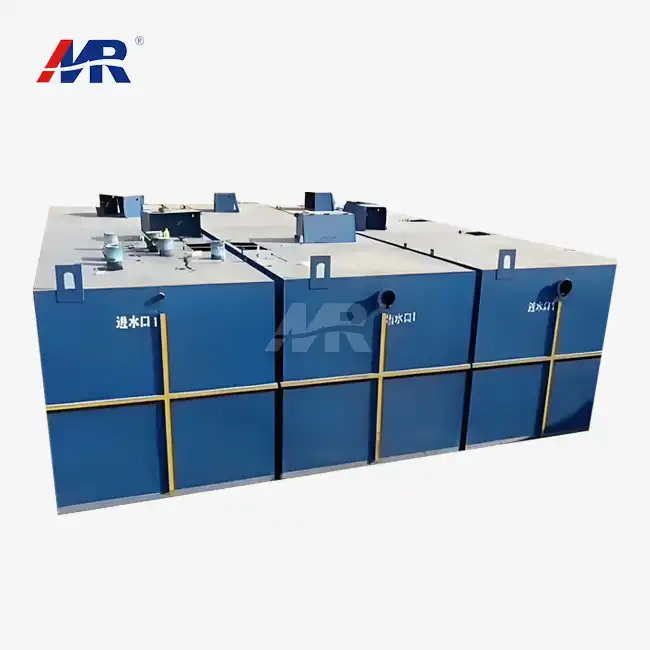
Understanding the Fundamentals of Wastewater Treatment Facility Design
Distinguishing Municipal and Industrial Applications
Municipal systems usually deal with waste from homes that has known amounts of organic matter, but commercial systems have to deal with a wider range of contaminants. Food processing plants release strong organic waste that needs special biological treatment, and drug companies have to follow strict GMP rules that require multiple barriers of cleaning. Different design factors are needed for different types of applications. For example, public facilities focus on volumetric capacity during peak flow hours, while industrial sites focus on contaminant-specific removal methods that are made to fit the specifics of the effluent.
Essential Components and Treatment Technologies
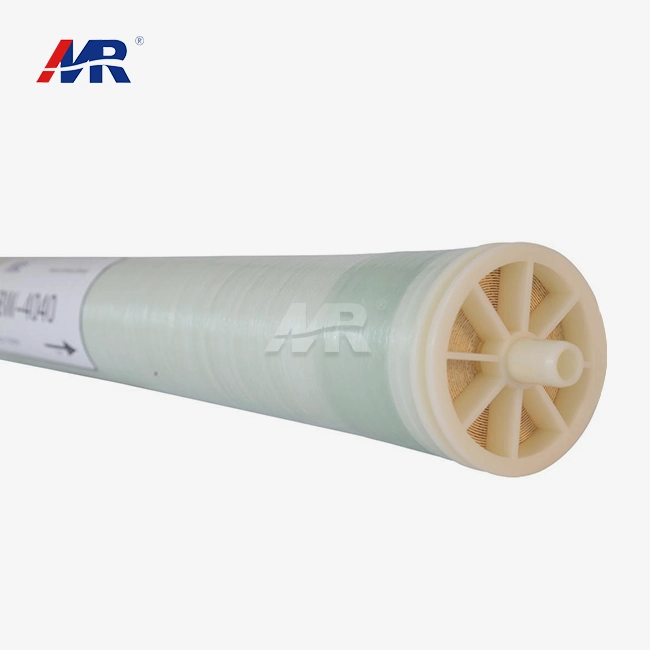
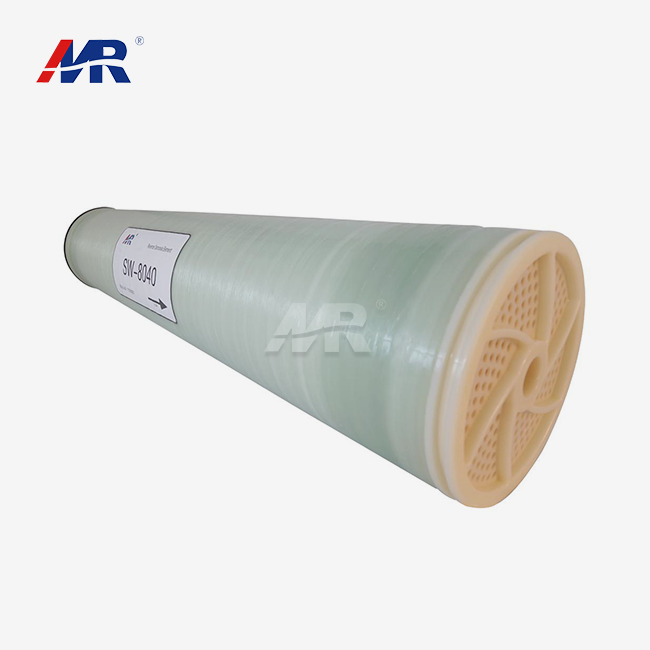
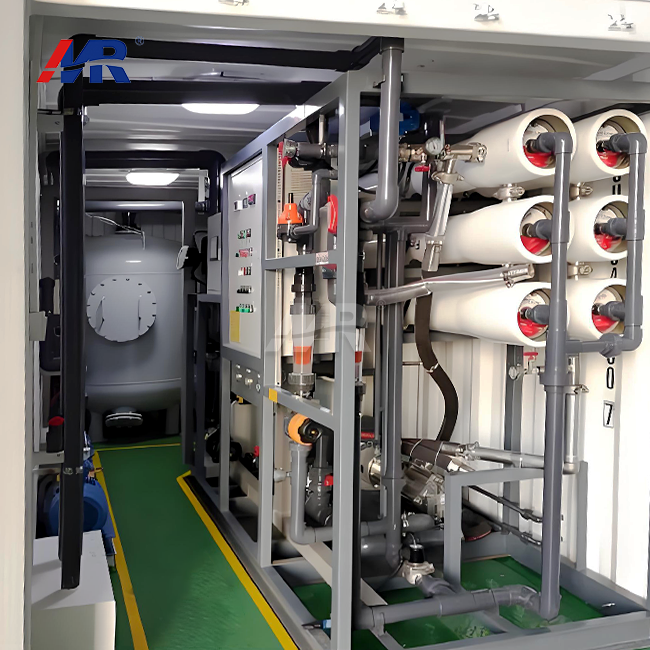
A full facility has three stages: primary clarification for separating solids that can drop to the bottom, secondary biological treatment where bacteria break down dissolved organics, and basic screening to get rid of big pieces of debris. Advanced facilities use membrane bioreactors (MBR) that combine biological breakdown with physical membrane filters to produce better wastewater that can be used again and again. Municipal garbage is mostly treated aerobically because it works quickly. High-strength industrial waste is treated anaerobically, which makes methane that can be used to recover energy. Enhanced Biological Phosphorus Removal (EBPR) or chemical precipitation is used in tertiary treatment to remove nutrients. This is very important for sites that discharge into sensitive rivers.
Regulatory Frameworks Shaping Design Decisions
National Pollutant Discharge Elimination System (NPDES) permits set minimum discharge guidelines under the Clean Water Act. These permits specify the highest concentrations of common pollutants and toxics used in certain industries. State agencies usually set tighter limits. For example, Florida's phosphorus caps are very strict to protect the Everglades, and California's Ocean Plan requires advanced disease reduction for coastal dischargers. Design engineers have to think ahead about how regulations will change over time and make treatment trains flexible enough to work with new limits without having to completely rebuild them. The ISO 14001 license for environmental management sets a framework for improving compliance all the time.
Key Technologies and Innovations Driving Sustainable Wastewater Treatment
Evolution Beyond Conventional Methods
Even though traditional activated sludge systems work well, they use a lot of energy to aerate the sludge and have trouble with Cases of thickening sludge that make settling less effective. Trickling filters take up a lot of space and aren't very good at getting rid of nutrients. Because of these restrictions, people came up with small, energy-efficient options.
Modern membrane filtering systems get rid of all pathogens while taking up half as much room as older clarifiers. Ultraviolet decontamination gets rid of the chemicals and harmful byProducts that come from chlorination. Sequencing Batch Reactors (SBRs) combine equilibration, biological treatment, and clearing all in one tank. This makes them perfect for sites that don't have a lot of room or that want to grow slowly. When pharmaceutical companies switched from traditional multi-stage systems to combined MBR platforms, they were able to cut operational complexity by 40%.
Automation and Process Controls
High-tech SCADA systems keep an eye on dissolved oxygen, pH, and oxidation-reduction potential all the time. They change aeration rates and chemical doses automatically to keep biological conditions at their best. Programmable logic controllers stop damage to equipment when things go wrong by turning off pumps automatically when low-level alarms go off or starting emergency escape procedures when hydraulic spikes happen. Real-time data analytics find performance trends that let workers know about membrane fouling before the loss of permeate flow becomes too dangerous. Time-of-use electricity prices and energy management tools work together to make sure that equipment runs at the right time. This moves non-essential tasks to off-peak hours, when power costs are lower, saving 20 to 30 percent.
Case Applications from Industry Leaders
Veolia's AnoxKaldnes™ moving bed biofilm reactor technology lets wastewater treatment facility systems handle shock loads without washing away the biomass. This is especially helpful for food makers who have regular production peaks. When it comes to pharmaceutical clients who need to be sure that pathogens are gone, SUEZ's ZeeWeed® ultrafiltration membranes provide reliable 0.04-micron absolute filtration, even if there is biological variability upstream. Evoqua's Memcor® systems use low-pressure membrane filtration and automatic backwashing to make chemical cleaning less frequent and membrane service life longer than seven years in urban settings.
Designing for Operational Efficiency and Maintenance Optimization
Strategic Layout Planning
Intelligent facility design arranges treatment processes so that they can use gravity flow. This gets rid of the need for pumps, which wastes 30–40% of all energy costs. Putting the first steps of screening and removing grit at the highest level lets water flow through primary clarifiers, biological reactors, and final settling ponds in a cascading fashion. There are repair corridors around large pieces of equipment that allow cranes to get to them and change parts without stopping the work of nearby process units. When planned repair is done, redundant treatment trains keep the facility running. This is very important for facilities that serve factories that can't stop production.
Critical Equipment Selection
Hardened impellers in submersible pumps protect against harsh wear from grit transfer, so they only need to be replaced every year instead of every three months. Fine-bubble ceramic diffusers keep oxygen transfer rates above 25%, while coarse-bubble systems only manage to reach 15%. This directly lowers the amount of energy used by the fan. Using centrifugal sludge filtration to get a solids content of 25–30% cuts the amount of waste that needs to be thrown away and the cost of transporting it in half compared to belt filter presses. Automated rake clarifiers that track torque can find problems with the sludge blanket before the quality of the sewage gets worse. This causes changes to be made to the activated sludge rates.
Here are some tried-and-true care methods that make assets last longer and stop them from breaking down without warning:
- Preventive Protocols: Checking the mechanical parts every three months keeps pumps from breaking down in terrible ways. Cleaning the diffusers once a year keeps the oxygen transfer rates at the design level. This keeps the efficiency from dropping by 3-5% a year, which drives up energy costs. Online tools are calibrated every six months against laboratory standards to make sure that control programs get accurate feedback on the process.
- Predictive Technologies: Vibration research on rotating machines can find worn-out bearings months before they break. Electrical hotspots, which can be caused by weak connections or overloaded circuits, can be found using thermographic imaging. Ultrasonic thickness testing checks how much rust is happening in chemical feed tanks so that replacements can be planned before control loss happens.
- Digital Innovation: IoT-enabled sensors send constant data about the health of equipment to cloud platforms, where machine learning algorithms set standard performance signatures. Deviations lead to repair work orders before a drop in performance affects the quality of the waste. Digital twin simulations let you try different operational situations online, like finding the best way to dose chemicals or looking at different ways to increase capacity without putting the process at risk.
These combined methods cut unplanned downtime by 60% and make equipment last 30% longer than the maker says it will, which saves a lot of money over its entire life.
Procurement Considerations for Wastewater Treatment Facilities
Evaluating Technology Providers
More than just the specs of the tools, choosing a supplier also means looking at how well they can provide long-term service and how stable their finances are. Established companies keep regional service centers stocked with trained techs and parts, so when a part breaks, there is less downtime. We suggest looking at the installed base of makers in your specific industry sector. For example, a provider with a lot of pharmaceutical references shows that they follow good manufacturing practices (GMPs), but experience in municipal settings might not translate to industrial needs. Ask for references from clients who have similar process setups and then visit the site to compare real performance to what was promised.
When putting new technology into buildings that already have it, technological connectivity is important for wastewater treatment facilities. When proprietary control systems don't talk to existing SCADA platforms, they create information walls that need to be crossed over by hand. Open-protocol technology that supports Modbus or OPC-UA standards makes collaboration easy and protects your automation investment. Membrane systems made for standard cartridge sizes let you buy from more than one seller, which keeps you from being locked into one source, which drives up the cost of replacements.
Turnkey Versus Modular Procurement
Turnkey solutions from planning, procurement, and building firms offer whole facilities with a single point of responsibility. This makes the project delivery process easier and makes it clear what the warranty covers. These plans work well for clients who don't have their own expert staff or who have tight deadlines for commissioning. The cost is usually 15 to 20 percent more than modular procurement, but there are no coordination risks when there are various sellers.
Modular methods let smart buyers get the best parts from specialized makers like German membrane systems, Japanese sensors, and domestic structure packages. This makes sure that performance and cost are optimized across all subsystems. This approach requires strong project management to make sure that interfaces work well together, and it comes with the risk of integration. However, it can cut capital costs by 25% while still getting better technical results. With phased application, the budget can be spread out and practical lessons learned in earlier parts can be used in later phases.
Financial Structures and Incentives
Companies with strong balance sheets that want to own assets and get tax breaks for depreciation should buy capital equipment. Operating leases keep money in the business so it can be used for key investments and allow for upgrades as treatment methods change. Performance-based contracts link payments to guaranteed effluent quality, giving operating risk to specialized service providers. This is a good way for rural mining operations that don't have access to local technical knowledge.
Federal and state benefits make projects much more profitable. For city projects worth more than $20 million, the Water Infrastructure Finance and Innovation Act (WIFIA) offers loans with low interest rates. For smaller sites, state revolving loan funds offer borrowing at a lower rate than the market. Under the Inflation Reduction Act, tax credits for energy efficiency cover 30% of the price of qualified tools for integrating renewable energy or advanced energy recovery systems. If industrial clients meet certain standards for reusing water, they may be able to get their discharge permit fees lowered, which will save them money in the long run.
Regulatory Compliance and Environmental Impact Management
Navigating Jurisdictional Requirements
Federal NPDES licenses set technology-based limits on wastewater that are based on the Best Available Technology Economically Achievable standards for each industry category for wastewater treatment facilities. For example, finishing metal, making medicines, and processing oil all have their own special requirements. Limits based on water quality are used when technology standards aren't enough to protect the intended uses of getting water, which could mean that advanced treatment is needed to make the water quality suitable for drinking. Facilities must send in Discharge Monitoring Reports that show they are always following the rules by using qualified lab tests that follow EPA-approved procedures.
State water quality agencies layer additional requirements reflecting local environmental priorities. States that are part of the Chesapeake Bay watershed have to have nitrogen sharing programs so that facilities can make up for extra phosphorus loads by paying for best management practices for farms. Western states have tight rules on salinity to protect the quality of agricultural water. Tribal governments control tribal waters and sometimes set rules that are stricter than what the state requires. Full regulatory analysis during design stops expensive changes that need to be made after building.
Minimizing Operational Environmental Footprint
Beyond discharge compliance, sustainable facility design looks at how the whole building affects the environment. Chemical optimization lowers the risks of storage and the costs of treatment. For example, replacing phosphorus precipitation with aluminum sulfate cuts the production of sludge by 30% and gets rid of the worries about handling it being acidic. Anaerobic digestion, which produces both heat and electricity, turns organic garbage into clean electricity. This cuts greenhouse gas emissions and offsets 40 to 60% of a facility's energy use.
Progressive operators use water-reuse waterfalls so that cleaned wastewater can be used for non-potable purposes like making up cooling towers, watering plants, and industrial process water. This lowers both the amount of freshwater that is taken in and the amount that is released. Using thermal energy from digester waste to warm up entering influent improves biological kinetics in the winter while lowering the amount of heating fuel needed. By composting or thermally drying biosolids, Class A material is made that can be used on agricultural land. This keeps organic garbage out of landfills and creates income possibilities.
Transparent sustainability reporting through Global Reporting Initiative frameworks or CDP Water Security questionnaires shows stakeholders that a company cares about the environment. This improves the company's reputation and helps it get sustainability Certifications like ISO 14001 or Alliance for Water Stewardship verification. Metrics like gallons saved per production unit, carbon intensity per volume handled, and resource recovery rates make it possible to compare performance to others in the same industry and keep track of ongoing growth.
Conclusion
There is a balance between technical efficiency, following the rules, and lifetime costs in sustainable wastewater treatment facility design. Modern systems use membrane technology, organic nutrient removal, and process automation to meet strict discharge limits while using the least amount of energy and making operations as simple as possible. Long-term project success depends on strategic procurement choices like choosing trusted technology providers, setting up the right financial arrangements, and planning for operating flexibility. As environmental rules get stricter and water shortages get worse, facilities that reuse water and restore resources set up businesses to be able to keep running even when things get tough in the future.
FAQ
1. How does facility design impact long-term sustainability?
Careful design choices have long-lasting benefits for both the environment and the economy. When compared to regular equipment, energy-efficient blowers and high-efficiency diffusers use 30–40% less power. This means that big installations can save millions of dollars in costs. With modular building, capacity can be added in stages to meet real demand growth. This keeps infrastructure from being too big, which wastes money and time. Choosing the right material affects how much upkeep is needed. For example, fiberglass-reinforced plastic tanks don't need to be replaced as often as carbon steel tanks do because they rust, while stainless steel is better for handling harsh chemicals in industrial waste streams.
2. What differentiates municipal from industrial treatment design?
Municipal systems handle mostly consistent household waste by using biological cleaning methods that have been tried and tested in thousands of sites. Different industrial facilities have different types of contaminants that need different treatment processes. For example, electroplating needs to remove heavy metals, textile plants need to get rid of colors, and food makers need high-rate anaerobic pretreatment before biological polishing. Industrial designs include normalization to smooth out effects on production schedules and specialized tracking for process-specific parameters that go beyond standard measures of BOD and suspended solids.
3. How can procurement teams secure cost-effective solutions?
Bidding between pre-qualified sellers sets prices on the market while keeping technical standards high. Instead of prescribing designs that can only be used with certain brands, performance standards that allow for different compliance methods support new ideas. Lifecycle cost analysis compares the original investment, energy use, upkeep needs, and predicted service life to find the true economic value that goes beyond the purchase price. Buying equipment along with a service agreement guarantees stable upkeep costs and makes sure that only factory-trained technicians keep the warranty current.
Partner with Morui for Advanced Wastewater Treatment Solutions
Guangdong Morui Environmental Technology provides complete water treatment equipment that is suited to your business needs and goals for sustainability. For the best performance, our engineering team creates wastewater treatment facility systems that combine tried-and-true technologies like membrane bioreactors, biological nutrient removal, and advanced oxidation. We offer full equipment packages from our factories, along with turnkey installation and testing services that make sure the start-up goes smoothly. Our group has over 500 technical professionals, 20 expert engineers, and 14 regional branches, so we can provide quick, local help for the whole lifecycle of your building. Best-in-class system integration is possible thanks to our relationships with top component makers like Shimge pumps, Runxin valves, and Createc sensors. We'll find the best answer for your needs, taking into account compliance, efficiency, and cost-effectiveness, whether you're a pharmaceutical company that needs GMP-compliant purified water, a food processor that needs to handle high-strength organic loads, or a local utility that needs to increase treatment capacity. Email our wastewater treatment facility supplier team at benson@guangdongmorui.com to talk about the needs of your project and get a full technical proposal.
References
1. Metcalf & Eddy, Inc. (2014). Wastewater Engineering: Treatment and Resource Recovery (5th ed.). McGraw-Hill Education.
2. Water Environment Federation (2018). Design of Municipal Wastewater Treatment Plants: WEF Manual of Practice No. 8, ASCE Manuals and Reports on Engineering Practice No. 76 (6th ed.). WEF Press.
3. Qasim, S.R. (2017). Wastewater Treatment Plants: Planning, Design, and Operation (3rd ed.). CRC Press.
4. United States Environmental Protection Agency (2021). Primer for Municipal Wastewater Treatment Systems. EPA Document 832-R-04-001.
5. Tchobanoglous, G., Stensel, H.D., Tsuchihashi, R., & Burton, F. (2013). Wastewater Engineering: Treatment and Resource Recovery (5th ed.). McGraw-Hill Professional.
6. American Society of Civil Engineers (2017). Standard Guidelines for the Design of Urban Stormwater Systems (ASCE/EWRI 45-05) and Standard Guidelines for the Operation and Maintenance of Urban Stormwater Systems (ASCE/EWRI 57-10). ASCE Publications.