

_1745823981883.webp)

RO Water Membrane Salt Rejection: Understanding Real-World Values
The membrane/8040-reverse-osmosis-membrane">ro water membrane is the most important part of an industrial facility when it comes to water quality issues. This is true whether it's a pharmaceutical plant that needs to make GMP-grade purified water or a power plant that needs ultrapure boiler feed. Reverse osmosis membranes can stop dissolved salts and toxins, usually at rates of between 95% and 99.7%. This is called salt rejection. Knowing how these values affect operations helps people who are in charge of buying things, making technical decisions, and running plants choose systems that provide consistent cleanliness, follow regulations, and work well at a low cost for a wide range of difficult tasks.
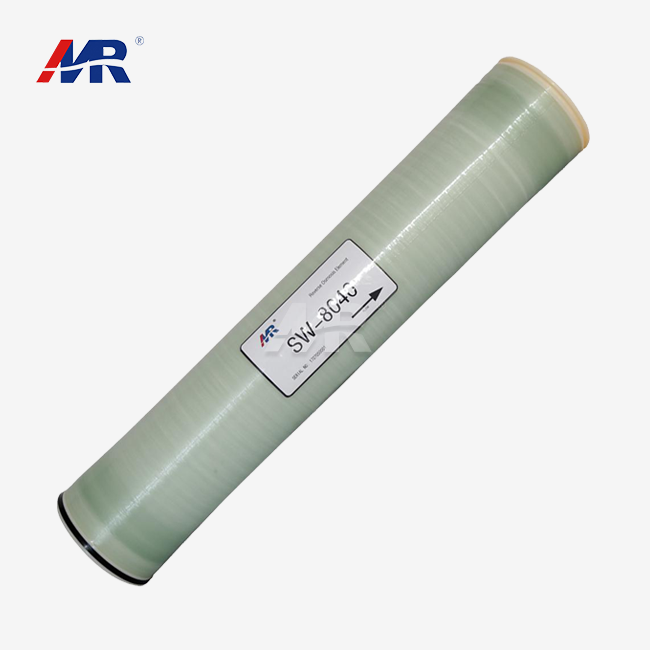
Understanding RO Water Membrane Salt Rejection: Fundamentals and Functions
The Science Behind Semi-Permeable Barriers
A reverse osmosis filter will reject salt ions like sodium, chloride, calcium, magnesium, and other minerals as well as water molecules. The thin-film composite structure has an active layer made of dense polyamide that is bonded to a support layer made of microporous polysulfone. That's the job of the semi-permeable membrane: when feed water under pressure hits it, it lets water molecules pass through its tiny holes but stops bigger hydrated ions and contaminants.
Quantifying Performance Metrics
Under normal test conditions, professional-grade membranes can usually block 99.2% to 99.8% of salt. If the feedwater has 1,000 ppm of total dissolved solids, this percentage shows that the permeate water will only have 2 to 8 ppm. For sensitive applications, the rejection rate has a direct effect on the water quality. For example, to make semiconductors, the resistivity must be higher than 18.2 MΩ·cm, and to make medicines, the water must meet USP standards for purity.
Operating Variables That Shape Efficiency
In real-world installations, rejection performance is affected by a number of important factors. The driving force that overcomes osmotic pressure depends on the applied pressure. If there isn't enough pressure, both the flux and rejection rates go down. Temperature changes the viscosity of water—flux goes up by about 3% for every degree Celsius rise, but too much heat speeds up the breakdown of membranes. The pH, hardness, and organic content of feedwater have a big effect on how likely it is to foul and how stable the salt rejection is over time. Knowing how these things affect each other helps workers keep conditions at their best throughout the membrane's lifecycle.
Key Types of RO Water Membranes and Their Salt Rejection Performance
Thin Film Composite Membranes: Industry Standard
Thin Film Composite (TFC) RO water membranes are used most often in industry because they are better at rejecting substances and are not affected by chemicals. The polyamide active layer consistently rejects 99.5% to 99.7% of salt in brackish water applications and stays stable across pH ranges from 2 to 11. TFC membranes can handle harsh industrial feedwaters like chemical processing effluents, electroplating rinse waters, and high-TDS wastewater streams. With regular upkeep, they can keep working well for 3 to 5 years. Because they are strong, they can be used for recycling projects in cities, systems that clean water for pharmaceuticals, and making ultrapure water for electronics.
Cellulose Acetate: Specialized Applications
Cellulose Acetate membranes can reject about 95% to 98% of salt and are naturally tolerant of chlorine, which makes pretreatment easier. These membranes work well in situations where the feedwater still has chlorine in it or where biological fouling is a problem. They can't be used as much as TFC alternatives because they can only handle pH levels 4 to 6.5 and temperatures up to a certain level. CA membranes are often chosen by cost-conscious facilities that treat municipal water supplies or food processing plants with less strict purity requirements.
Comparing Leading Membrane Technologies
Large manufacturers like Hydranautics, Dow FilmTec, and Toray put out detailed performance data sheets that show how much salt is rejected under standard conditions (2,000 ppm NaCl, 15.5 bar, 25°C, 15% recovery). Conditions in the real world don't always match test settings, so buying teams should ask for pilot testing or case studies from applications that are similar. Most warranties cover the integrity of the membrane for 3 years, but they don't cover performance loss caused by poor operation or chemical contact. We've seen that systems with thorough pretreatment always get failure rates that are within 1% to 2% of what the maker says they should be over the course of their working life.
Real-World Factors Affecting RO Membrane Salt Rejection Efficiency
Feedwater Chemistry and Pretreatment Adequacy
The qualities of the feedwater have a big effect on how long the membrane lasts and how stable it is against rejection. Calcium carbonate or sulphate scaling can happen in waters with a lot of hardness (>200 mg/L as CaCO₃) unless acid dosing or antiscalant injection keeps the Langelier Saturation Index below positive values. Oxidative fouling happens when well water has iron or manganese in it, and biofouling happens when surface water has a lot of organic matter in it. Multimedia filtration, activated carbon adsorption, and capsule filters that get rid of particles bigger than 5 microns are all good ways to prepare the membrane surfaces and maintain their rejection performance.
Membrane Age and Degradation Patterns
Even if you take good care of your membranes, their performance will slowly go down over time. Every year, salt flow usually goes up by 5–10% because the polyamide layer gets packed down and microdefects build up from mechanical stress. Normalised permeate flow often drops by 10-15% after 2 to 3 years, while differential pressure grows at the same time. Tracking normalised data, which takes into account changes in temperature and pressure, shows the true condition of the membrane. Product quality problems and system efficiency can be avoided by replacing parts before they are rejected because they don't meet the application requirements.
Maintenance Protocols for Sustained Performance
Chemical cleaning on a regular basis makes the RO water membrane last longer and keeps its salt rejection stable. Cleaning Products that are acidic, like citric acid or hydrochloric acid solutions, get rid of inorganic scaling. Cleaning products that are basic, like sodium hydroxide mixed with surfactants, get rid of organic foulants and biofilms. Clean-In-Place procedures should follow the compatibility guidelines set by the membrane manufacturer. For example, polyamide membranes can handle up to 2000 ppm chlorine for CA types, but they need to be cleaned without chlorine for TFC types. We suggest setting the cleaning frequency based on either a 10-15% drop in flux or a 15% rise in differential pressure, whichever happens first. Keeping good records of how well you clean helps you figure out when to replace things and make the most of your operational budgets.
Comparative Insights: RO Membrane Salt Rejection vs. Alternative Filtration Technologies
Ultrafiltration: Complementary but Limited
Ultrafiltration membranes with pores that are 0.01 to 0.1 microns in size remove dissolved solids, bacteria, and viruses well, but they don't do much to get rid of salt. UF is a great way to prepare water for reverse osmosis systems because it lowers the chance of fouling and protects the RO elements further down the line. By combining biological treatment with membrane filtration, our PVDF ultrafiltration membrane gets rid of 99.9% of germs and dissolved solids. The material works with pH levels 2 to 11 and can withstand chlorine up to 2000 parts per million. This makes it perfect for treating wastewater in cities, processing food and drinks, and making medicines where biological contaminants need to be removed before RO treatment.
UV Disinfection: Pathogen Control Without Demineralization
Microorganisms are killed by ultraviolet systems because they damage their DNA. However, salts, minerals, and organic molecules that are dissolved stay the same. UV disinfection works with reverse osmosis to protect permeate streams from biological contamination at the last barrier. When used together, UV-RO systems remove minerals and keep microbes safe for important uses like making dialysis water and injectable medicines.
Technology Selection Framework
When making decisions about what to buy, water quality needs should be matched with what technology can do. Reverse osmosis membranes are still the only way to get rid of all dissolved solids in one step, like when desalinating seawater (35,000–45,000 ppm) or treating brackish groundwater (1,500–10,000 ppm). For best results, lower-salinity applications might use both UF pretreatment and RO. To make smart investment decisions, it's important to know the full lifecycle costs of something, like how much energy it uses (RO needs 150–1,200 psi of operating pressure), how often the membrane needs to be replaced, and how many chemicals are used.
Procurement Guidance for RO Water Membranes: Ensuring Optimal Salt Rejection
Evaluating Specifications Against Application Requirements
The first step in technical procurement is to set goals for water quality, such as the required permeate TDS, daily production volume, and feed water analysis that includes the SDI (Silt Density Index), temperature range, and profile of contaminants. Check these numbers against the membrane's requirements. For example, brackish water membranes work best with feedwater below 10,000 ppm TDS, while seawater membranes can handle up to 45,000 ppm. Think about recovery rates (usually 50–75% for brackish water and 35–50% for saltwater) and how they affect the amount of concentrate that needs to be thrown away and the cost of running the business.
Supplier Reliability and Support Infrastructure
When you buy membranes from well-known companies, you can be sure of regular quality, full technical paperwork, and easy access to replacements. In addition to product specs, you should also look at what the supplier can do. For example, can they do pilot tests to make sure the product works with your specific feedwater? Do they train the people who work in operations? How long does it take for Technical support to get back to you when there are problems? We've teamed up with well-known companies like Shimge Water Pumps, Runxin Valves, and Createc Instruments to offer bundled solutions with quick engineering help. Throughout the lifetime of a system, our 20-engineer expert team helps with installation, speed optimisation, and troubleshooting.
Total Cost of Ownership Considerations
The initial cost of the RO water membrane is only 15–25% of the total costs over its lifetime. The majority of the costs are related to energy use, cleaning chemicals, and maintenance labour. Higher-rejection membranes usually work at high pressures, which raises the cost of electricity but lowers the need for post-treatment. Facilities that run more than one RO train or are planning to grow can benefit from buying in bulk because volume pricing and standard inventory make maintenance logistics easier. Warranty terms that cover problems with the way the product was made give you peace of mind, but performance promises need proof that you follow the working guidelines and maintenance plans. Certified installation by experienced integrators keeps mechanical damage from happening during startup and makes sure that systems reject salt right away as planned.
Conclusion
The reverse osmosis membrane value is based on how well it rejects salt in a wide range of industrial settings, from pharmaceutical ultrapure water to desalination projects for cities. It is possible for facilities to get consistent water quality, follow regulations, and run cost-effectively if they understand the basics of semi-permeable barrier technology, know how membrane materials and operating conditions affect rejection rates, and follow strict maintenance protocols. Professionals in procurement who compare product specs to specific needs, work with dependable sellers who offer full expert support, and think about the total cost of ownership make smart investments that lead to long-lasting results in purification. When you choose the right membrane, do the right amount of pretreatment, and keep up with the upkeep, you can build systems that consistently make high-purity water for public water sources and important manufacturing processes.
FAQ
What causes a sudden increase in salt passage in reverse osmosis systems?
A sudden drop in salt rejection is usually caused by damage to the membrane, like tears, leaks in the O-ring seal, or chemical attack from chlorine exposure in polyamide membranes. Gradual increases over weeks point to scaling or fouling that needs to be cleaned with chemicals. To find parts that aren't working right, do integrity tests by separating individual pressure vessels.
How does operating pressure affect salt rejection rates?
Not enough pressure lowers both flux and rejection. When operating below design pressure, more salt can pass because the driving force just barely exceeds osmotic pressure. On the other hand, too much pressure can make the membrane compact, which stops permeate flow and keeps rejection going. Keeping the pressure within the ranges suggested by the maker (usually 150 to 250 psi for brackish water) is best for both factors.
Can membranes recover full salt rejection after fouling?
When done right away after a 10-15% drop in flux, proper chemical cleaning usually brings back 85-95% of the original performance. If cleaning is put off, fouling can happen that can't be fixed, which permanently makes salt passage easier. Performance-based cleaning schedules that keep an eye on rejection rates work better than reactive methods that are used after heavy fouling has happened.
Partner with Morui for Superior Membrane Solutions
Guangdong Morui Environmental Technology is an expert at providing complete water cleaning options that are made to fit the needs of your business. We are an experienced RO water membrane seller with more than 14 branches and our own membrane production plant. We offer full reverse osmosis systems, from analysing the water and designing the system to supplying the equipment, installing it, and turning it on. We offer high-performance TFC membranes that can reject 99.7% of salt for use in electronics and pharmaceuticals, as well as strong PVDF ultrafiltration membranes for pretreatment in tough wastewater environments. With 500 dedicated workers and 20 specialised engineers, we can provide quick technical support, personalised quotes, and lower prices for setups of multiple systems. Visit moruiwater.com or email benson@guangdongmorui.com to talk about how our integrated approach—which includes premium membranes, trusted component brands, and expert service—can help you get the most out of your water purification investments in terms of efficiency, compliance, and return on investment.
References
1. Greenlee, L.F., Lawler, D.F., Freeman, B.D., Marrot, B., & Moulin, P. (2009). "Reverse osmosis desalination: Water sources, technology, and today's challenges." Water Research, 43(9), 2317-2348.
2. Petersen, R.J. (1993). "Composite reverse osmosis and nanofiltration membranes." Journal of Membrane Science, 83(1), 81-150.
3. Fritzmann, C., Löwenberg, J., Wintgens, T., & Melin, T. (2007). "State-of-the-art of reverse osmosis desalination." Desalination, 216(1-3), 1-76.
4. Wilf, M., & Bartels, C. (2005). "Optimization of seawater RO systems design." Desalination, 173(1), 1-12.
5. Al-Amoudi, A., & Lovitt, R.W. (2007). "Fouling strategies and the cleaning system of NF membranes and factors affecting cleaning efficiency." Journal of Membrane Science, 303(1-2), 4-28.
6. Schaep, J., Van der Bruggen, B., Vandecasteele, C., & Wilms, D. (1998). "Influence of ion size and charge in nanofiltration." Separation and Purification Technology, 14(1-3), 155-162.
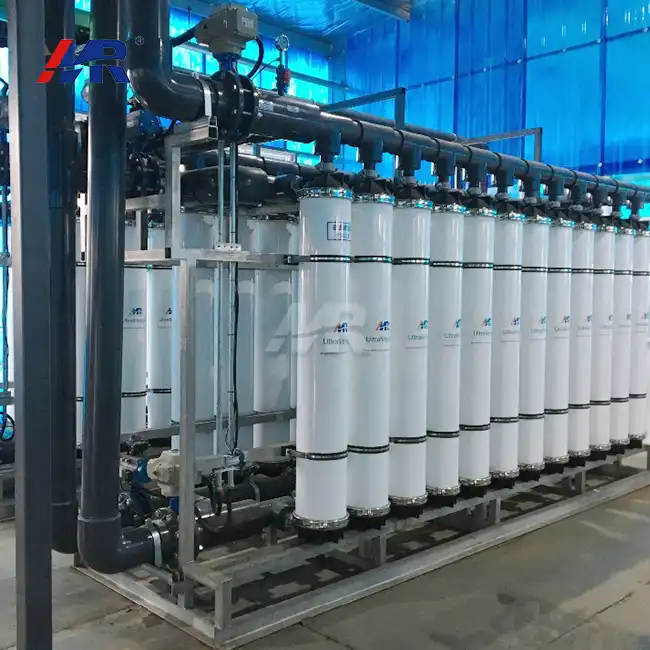 VIEW MORE50m3/hour ultrafiltration plant
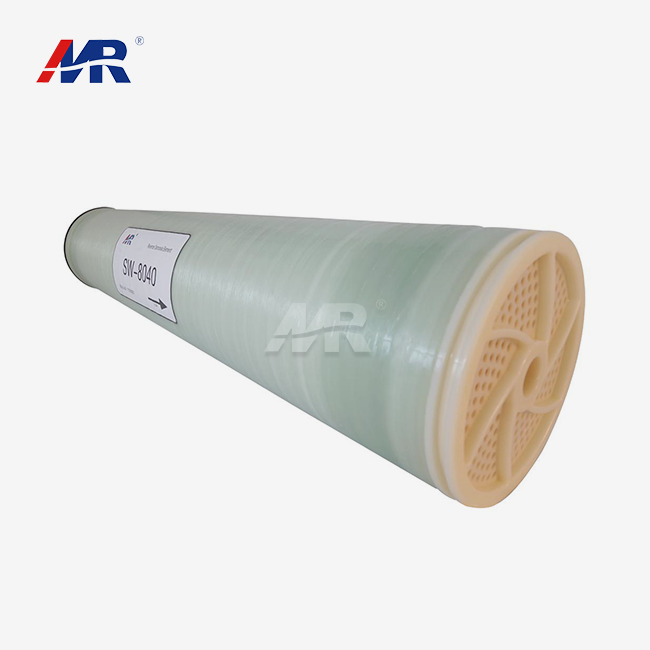 VIEW MOREreverse osmosis membranes
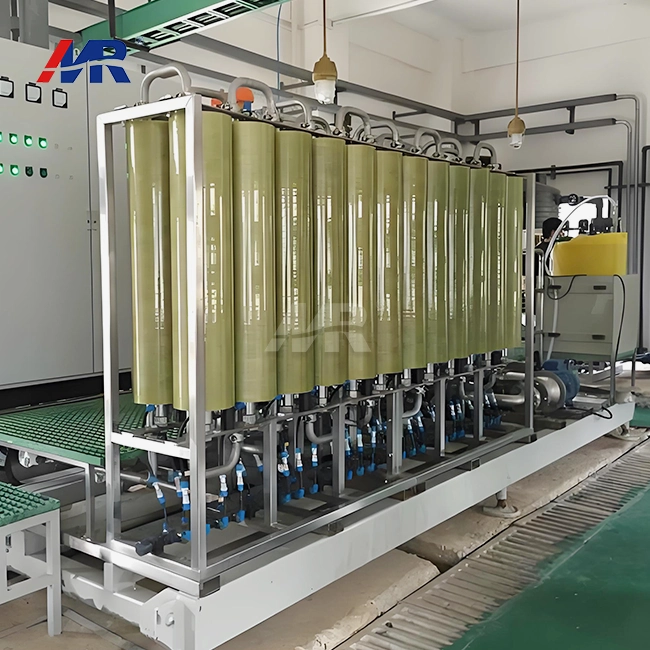 VIEW MOREDisc Tube Reverse Osmosis
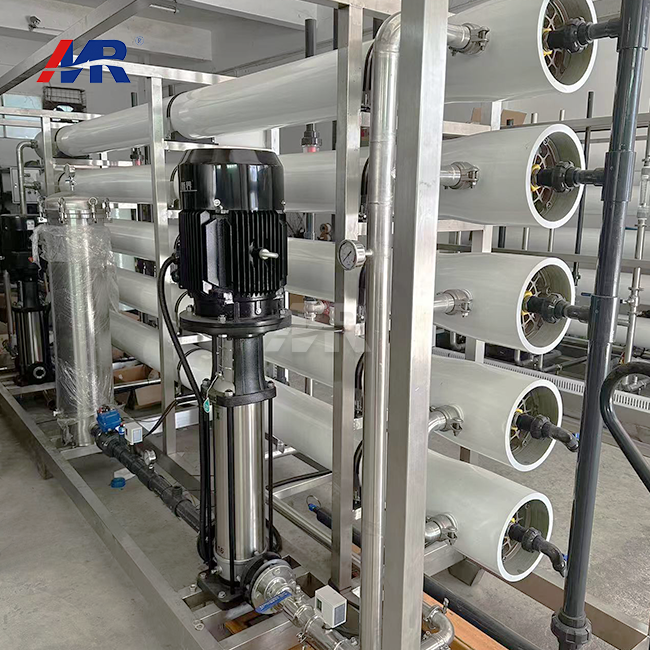 VIEW MOREosmosis water purification system
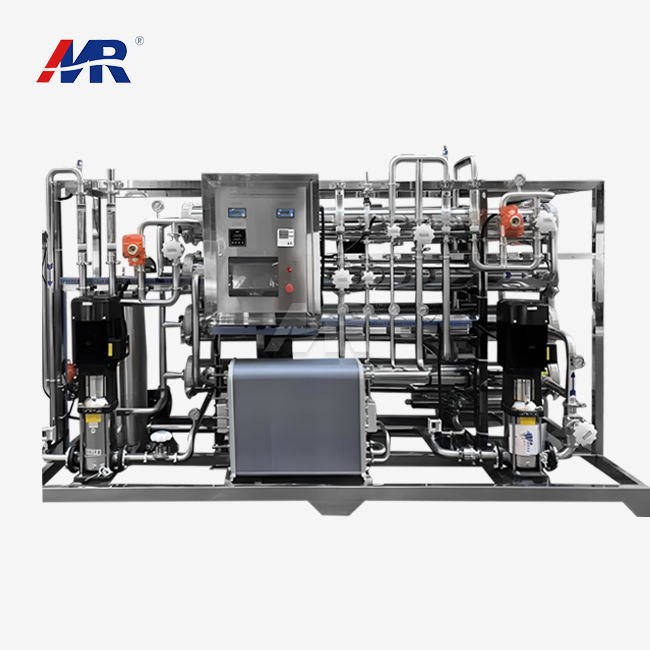 VIEW MOREelectro deionizer system
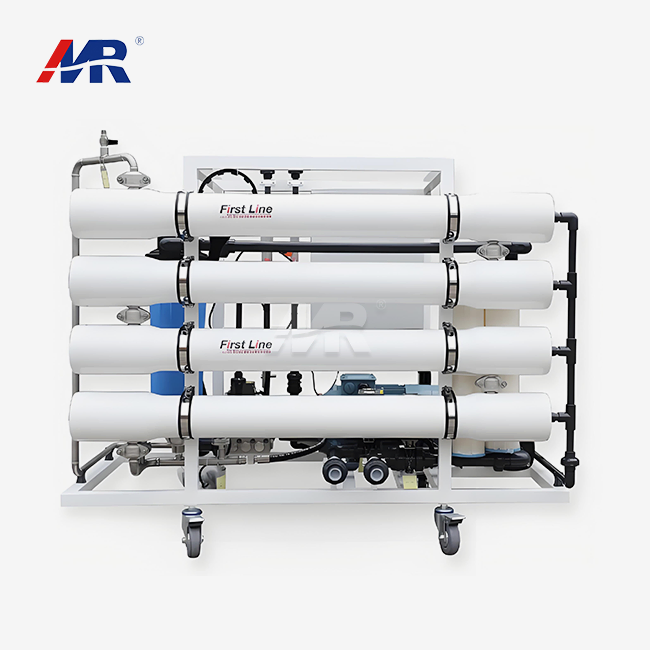 VIEW MOREseawater desalination equipment
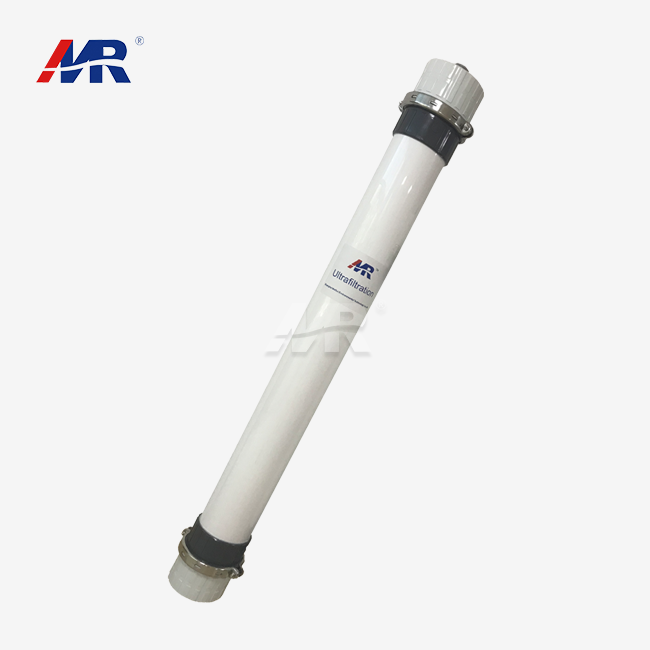 VIEW MOREultrafiltration membrane for wastewater treatment
 VIEW MOREcontainerized water treatment systems
