_1745823981883.webp)

How to Choose a Leachate Treatment Facility for Landfill Needs
Selecting the right membrane">leachate treatment facility requires understanding your landfill's unique waste composition, regulatory constraints, and long-term operational goals. A properly engineered system integrates biological, physicochemical, and membrane technologies to reduce high-strength contaminants—including ammonia nitrogen, COD, and heavy metals—down to discharge standards or enable water reuse, protecting both groundwater and surface ecosystems.
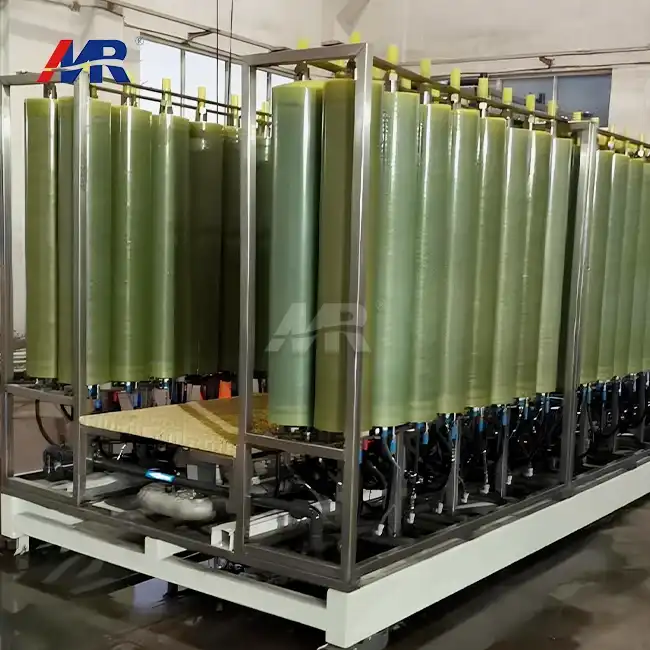
Understanding the Importance of Leachate Treatment Facilities
Leachate is the dark, dirty liquid that forms when rainwater seeps through trash that has been piled up at landfills. If this toxic mix isn't treated properly, it seeps into the soil and moves toward aquifers, putting drinking water supplies and farmland at great risk. Leachate composition is very complicated and changes a lot depending on how old the waste is, the time of year it rains, and how fast the materials break down. This means that standard treatment methods are not enough.
What Makes Leachate So Challenging to Manage?
Today's landfills make leachate that has thousands of milligrams of ammonia nitrogen per liter, along with organic compounds that are hard for living things to break down normally. Changes in seasonal rains cause big changes in volume, so treatment systems need to be able to handle peak loads while still working well during dry times. These practical problems call for infrastructure that is strong and flexible.
Regulatory Compliance as a Driving Force
The Clean Water Act and state-specific guidelines set strict limits on how much water can be discharged across the whole of the United States. EPA rules say that municipal dumps have to keep an eye on the quality of their effluent all the time, and the fines for not doing so get worse very quickly. Industrial waste dumps have to show that their treatment works by getting third-party testing done on a regular basis. These tests must show that the dumps are getting rid of priority pollutants like volatile organic compounds and dissolved metals.
Environmental and Economic Consequences of Inadequate Treatment
If leachate is not treated or is not controlled properly, it can damage the environment in ways that go far beyond the limits of the place itself. Pollution plumes can travel kilometers through groundwater systems, affecting people and wildlife that live downstream. Remediation projects often cost more than tens of millions of dollars, and that's not counting the legal fees and damage to the facility's reputation that both the facility operator and the city government have to pay.
Key Criteria to Consider When Choosing a Leachate Treatment Facility
When choosing a facility, you should weigh technical performance against lifetime costs and make sure that the building can adapt to changing regulatory environments. If you know how different systems react to the types of waste you have, you can avoid expensive upgrades and downtime in the future.
Treatment Capacity and Contaminant Removal Efficiency
To start planning for capacity, you need to make accurate flow predictions based on past rainfall data, the form of the waste cell, and plans for future growth. BOD must be reduced from 5,000 to 20,000 mg/L to less than 30 mg/L, COD must be reduced from 10,000 to 60,000 mg/L to less than 100 mg/L, and ammonia nitrogen must be reduced from 2,000 to 4,000 mg/L to less than 15 mg/L. These performance goals are in line with normal release permits, but they leave room for changes that happen with the seasons.
Operational Cost Analysis and Energy Consumption
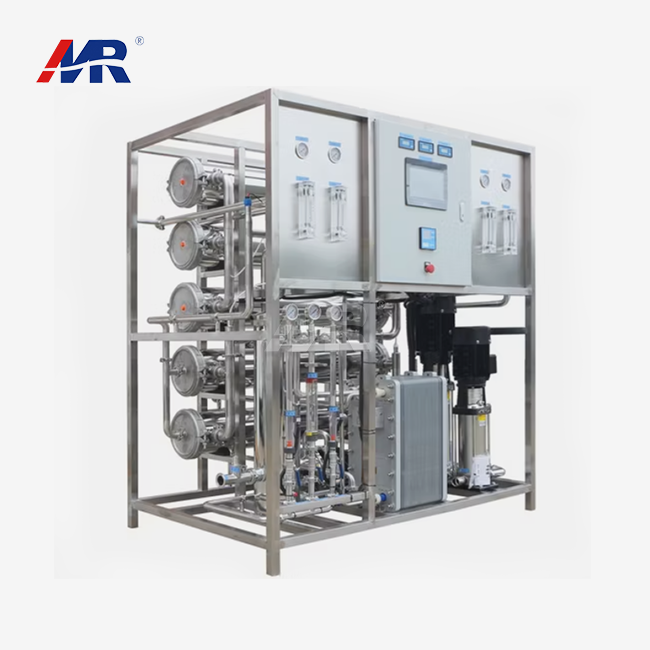
The biggest area of ongoing costs in a leachate treatment facility is energy costs. When compared to older systems, modern ones that use variable frequency drives on the fans and energy recovery devices on the reverse osmosis stages use 20 to 30 percent less electricity. Downtime costs are directly affected by how easy it is to do maintenance. For example, modular membrane systems let you replace cartridges without shutting down the whole system, which keeps treatment operations running as smoothly as possible.
Technology Comparison: Biological vs. Membrane Systems
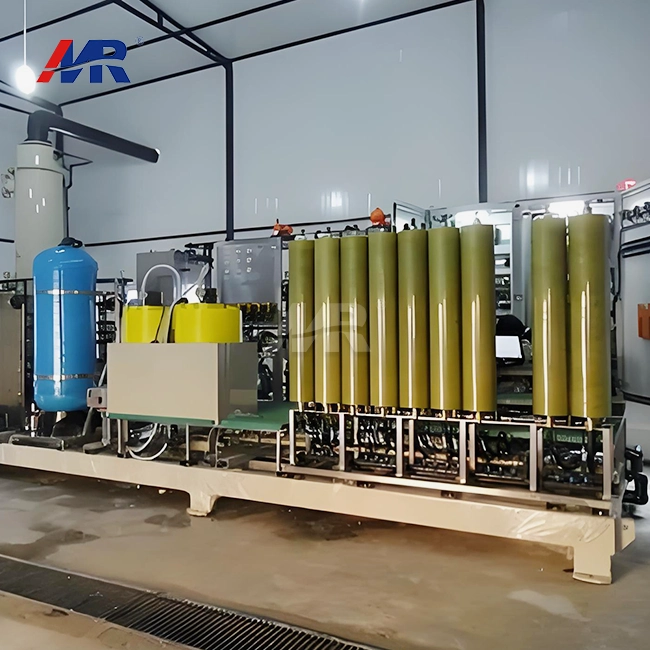
Biological systems are very good at dealing with biodegradable organic loads through multi-stage AO (Anoxic/Oxic) processes or sequencing batch reactors. Membrane bioreactors incorporate ultrafiltration straight into biological treatment, creating high-quality effluent in small spaces that are ideal for locations with limited room. Advanced oxidation processes combined with DTRO (Disc Tube Reverse Osmosis) technology can help old landfills that make leachate that isn't biodegradable. This is because DTRO can handle suspended solids without a lot of pretreatment.
Modularity and Scalability for Future Expansion
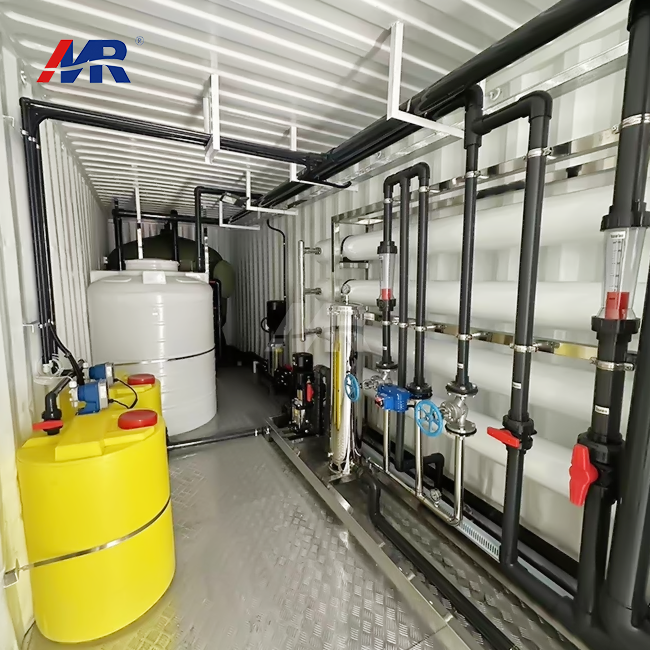
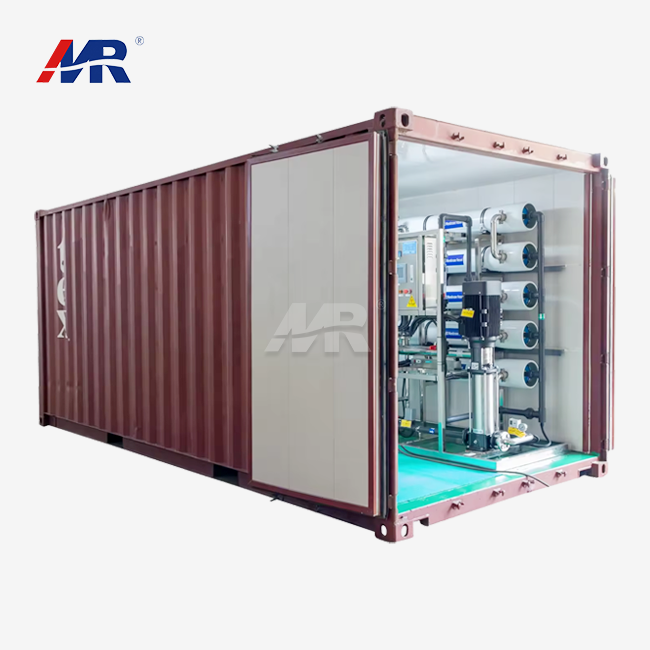
As the waste cells fill up and the closure phases start, your landfill's treatment needs will change. Containerized treatment units are easy to move around and can be used to increase capacity without having to do a lot of big construction work. This method is especially helpful for regional waste management agencies that are in charge of multiple sites because it lets them move equipment around as working goals change from one site to another.
Comparing Leading Leachate Treatment Technologies and Solutions
The choice of technology is based on the age of the leachate, the type of waste, the land area that is accessible, and the standards for discharge. Each method has its own benefits that make it better for different types of operations that happen in municipal and industrial landfills.
Aerobic Biological Treatment Systems
Aerobic processes happen in places with lots of oxygen, where specialized bacterial groups break down organic pollution into carbon dioxide, water, and biomass. These systems work well with young leachate and can remove more than 90% of the BOD when they are set up correctly. To keep microbial populations stable, the technology needs to keep the temperature stable and the nutrients balanced. This makes it perfect for climates with mild seasonal changes.
Anaerobic Treatment and Advanced Oxidation
Anaerobic digesters work without oxygen, which lowers energy costs and makes biogas, which can be used again and again. This method works well for strong organic loads, but it makes wastewater that needs to be polished in later steps of treatment. Using Fenton reagents or ozone input in advanced oxidation processes breaks down compounds that are hard to break down biologically. This makes them necessary for managing aged leachate in older dumps.
Membrane-Based Filtration Technologies
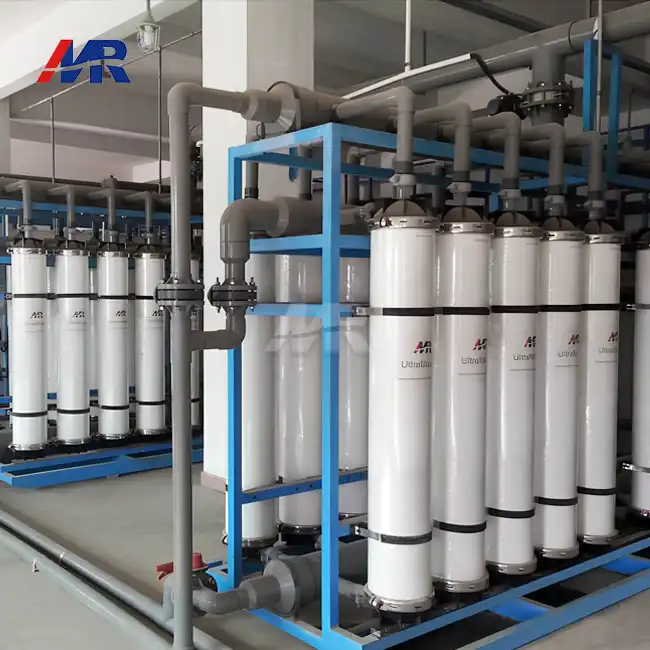
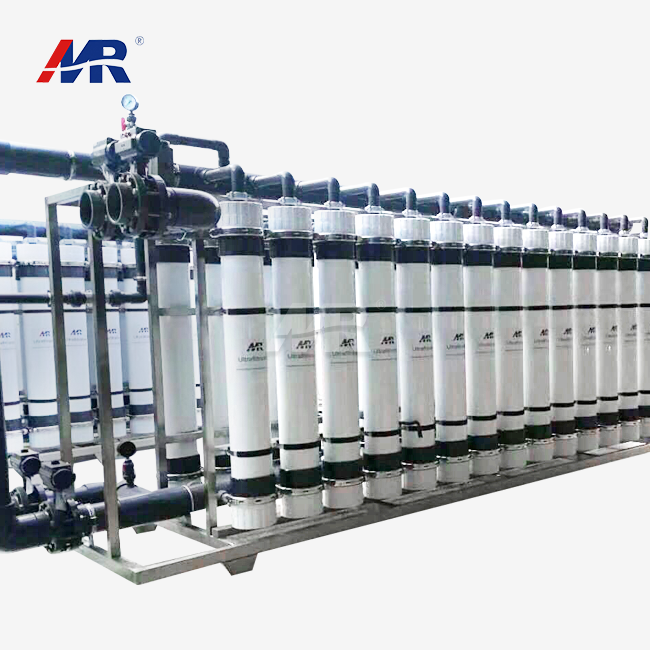
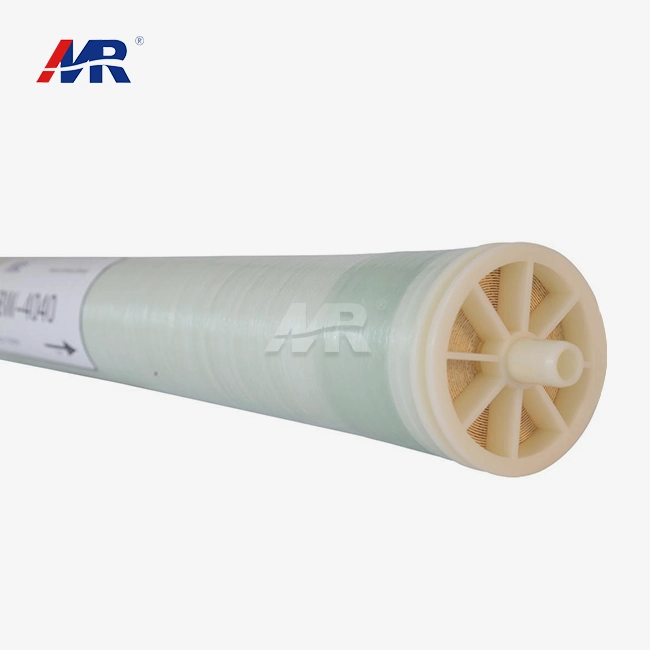
At the molecular level, membrane structures separate toxins with physical barriers. Nanofiltration and reverse osmosis membranes get rid of dissolved salts, heavy metals, and small organic molecules. Ultrafiltration membranes get rid of suspended solids and pathogens. When cleaned properly, mbr membranes last between 3 and 5 years. ro membranes, on the other hand, only last about 2 to 3 years, based on how well they were treated before use and the quality of the feed water.
Cost-Benefit Analysis and ROI Considerations
Capital costs for complete leachate treatment plants range from $500,000 for small systems that handle 50,000 gallons of wastewater every day to over $5 million for large municipal systems that handle 500,000 gallons or more every day. Costs of operation range from $0.015 to $0.045 per gallon cleaned, depending on the price of energy, the amount of chemicals used, and how often the membrane needs to be replaced. Turnkey installations include planning, buying the equipment, building the infrastructure, and starting it up. This makes project management easier, but the price of the equipment alone usually goes up by 15-20%.
Procurement Insights: Selecting the Right Supplier and Facility
When you work with an experienced provider for a leachate treatment facility, you get more than just tools. You also get Technical support, help with regulations, and long-term practical help. The skills of your provider have a direct effect on the success of the project from the planning stages through decades of use.
Evaluating Manufacturer Credentials and Experience
Leading suppliers in the industry show proof of their performance through case studies that cover a wide range of landfill types and locations. Getting Certifications like ISO 9001 for quality management and ISO 14001 for environmental systems shows that you are committed to following standard procedures. Suppliers who have worked with both municipal solid waste facilities and industrial landfills that handle specialized waste streams will understand the specific problems you're facing and the rules that apply to them.
Understanding Warranty Terms and Lifecycle Support
For one to five years, based on the type of component, full warranties cover flaws in the equipment, guarantees on membrane performance, and the ability of the control system to work. Extended service agreements include regular repair visits, emergency action plans, and guaranteed parts availability, all of which keep your business from being shut down for long periods of time. Suppliers can figure out operational problems before they become system failures with the help of remote monitoring.
Contract Flexibility and Customization Options
Standard tool sets can be used for many tasks, but situations in landfills often need unique solutions. Suppliers with their own engineering teams can change the layout of treatment trains, change the size of tanks, and connect to existing systems. Build-Operate-Transfer agreements let cities and towns put off spending money on capital projects while getting treatment capacity right away. After a set operating period, ownership changes hands.
Implementation and Long-Term Management of Your Leachate Treatment Facility
Through careful planning, skilled installation, and thorough user training, implementation turns engineering plans into infrastructure that works. Post-commissioning optimization makes sure that the performance stays high enough to meet permit requirements even when the weather changes with the seasons.
Project Planning and Site Preparation
Civil works on the site include building a sump for collecting leachate, preparing the foundations for equipment, and connecting utilities for power, process water, and chemical storage. Coordinating schedules between building builders, equipment sellers, and commissioning engineers keeps projects from being held up, which takes longer to finish. Federal, state, and local permit processes often take 6 to 12 months, so it's important to start working with regulatory agencies early on.
Commissioning and Operator Training Programs
Performance testing in real-world operating circumstances is part of commissioning tasks that make sure the installed equipment meets the design requirements. Biological systems need 4 to 8 weeks for the microbial population to grow before the medicine starts to work consistently. In-depth training for operators includes regular checks, changes to chemical dosage, cleaning protocols for membranes, and fixing common operational problems. Operations staff feel more confident and skilled when they are taught using real building tools.
Performance Monitoring and Process Optimization
Key factors like pH, dissolved oxygen, ammonia levels, and membrane differential pressure are constantly tracked by automatic devices. Data logging systems look for patterns that mean maintenance or changes need to be made to the process before the quality of the treatment goes down. Performance tests are done every three months to compare real removal efficiencies to plan specs. This makes sure that regulations are followed and finds ways to improve efficiency that lower costs or make the effluent better.
Preparing for Evolving Environmental Standards
As time goes on, environmental laws are getting stricter about how much nutrients, new contaminants, and total dissolved solids can be released into the environment. Preventing premature obsolescence can be done by designing facilities with choices for treatment improvement and growth. Adding more cassettes to modular membrane systems lets you increase their capacity, while adding more media or improving the aeration of biological systems doesn't require major structural changes.
Conclusion
To choose the best leachate treatment facility, you need to carefully look at your landfill's unique features, government rules, and working limitations. Installing something correctly means finding the right balance between tried-and-true technology and design that can be changed to work with different types of waste and different seasons. Partnering with experienced providers who offer full lifecycle support, from the initial planning phase through decades of operation, protects your investment and ensures that your facility stays in line with regulations and takes care of the environment.
FAQ: Common Questions on Choosing Leachate Treatment Facilities
1. How Much Should We Budget for Initial Investment and Ongoing Operations?
Capital costs vary a lot depending on the site's needs, the technology chosen, and the amount of treatment that can be done. For facilities that process 100,000 gallons of oil every day, the initial investment is usually between $1 and $2 million, and the operating costs are between $0.02 and $0.04 per gallon, depending on the cost of chemicals and energy. When making a lifecycle budget, you should plan to replace the membrane every three to five years and fix up the tools every ten to fifteen years.
2. Which Treatment Technology Best Suits Our Landfill Type?
Biological treatment systems remove organic matter from new municipal landfills with biodegradable waste in a cost-effective way. Industrial wastes or old city dumps need membrane systems or improved oxidation that can deal with chemicals that are hard to get rid of. The best technology is chosen by looking at the makeup of the leachate, the amount of land that is accessible, and the discharge standards.
3. What Level of Supplier Support Can We Expect After Installation?
Reliable suppliers offer warranties, regular maintenance plans, emergency response plans, and the ability to monitor from afar. As part of service agreements, sites are usually visited every three months, membranes are inspected once a year, and there are 24-hour technology support hotlines to make sure that operations stay up and running and that regulations are followed throughout the lifetime of the facility.
Partner with Morui for Your Leachate Treatment Needs
We at Guangdong Morui Environmental Technology Co., Ltd. design and build complete leachate treatment facilities that meet the needs of municipal and industrial landfills all over the United States. Our unified method blends advanced oxidation, biological treatment, and membrane filtering technologies into systems that work better and always follow the rules. Our Team of more than 500 professionals, including 20 specialized engineers, manages projects from the first site visit to commissioning and ongoing operational support. We make our own membrane goods and work with top brands like Shimge Water Pumps and Runxin Valves to make sure that the parts we use are of high quality and that the systems they control work well. We offer full construction services and modular solutions that can be changed to fit your needs, whether you're in charge of a small transfer station or a network of landfills across the region. Talk to our technical team about custom leachate treatment solutions by emailing benson@guangdongmorui.com to learn more about all the things we can do as your reliable leachate treatment facility supplier.
References
1. Renou, S., Givaudan, J.G., Poulain, S., Dirassouyan, F., & Moulin, P. (2008). Landfill leachate treatment: Review and opportunity. Journal of Hazardous Materials, 150(3), 468-493.
2. Kulikowska, D., & Klimiuk, E. (2008). The effect of landfill age on municipal leachate composition. Bioresource Technology, 99(13), 5981-5985.
3. Abbas, A.A., Jingsong, G., Ping, L.Z., Ya, P.Y., & Al-Rekabi, W.S. (2009). Review on landfill leachate treatments. American Journal of Applied Sciences, 6(4), 672-684.
4. Kjeldsen, P., Barlaz, M.A., Rooker, A.P., Baun, A., Ledin, A., & Christensen, T.H. (2002). Present and long-term composition of MSW landfill leachate: A review. Critical Reviews in Environmental Science and Technology, 32(4), 297-336.
5. Wiszniowski, J., Robert, D., Surmacz-Gorska, J., Miksch, K., & Weber, J.V. (2006). Landfill leachate treatment methods: A review. Environmental Chemistry Letters, 4(1), 51-61.
6. Cecen, F., & Aktas, O. (2011). Activated Carbon for Water and Wastewater Treatment: Integration of Adsorption and Biological Treatment. Wiley-VCH Verlag GmbH & Co., Chapter 8: Treatment of Landfill Leachate.