_1745823981883.webp)

Does a Containerized Reverse Osmosis System Desalinate at 98%?
Understanding the exact performance limits of your tools is very important when looking at water treatment options for commercial uses. Yes, a containerized reverse osmosis system can achieve desalination rates of 98% or higher. However, this performance relies on a number of technical factors, such as the quality of the membrane, the characteristics of the feedwater, the operating pressure, and the way the system is set up. Modern high-performance units regularly achieve salt rejection rates of between 98% and 99.7%. This makes them a reliable choice for businesses that need clean water output in a variety of placement settings.
Understanding Containerized Reverse Osmosis Systems and Their Desalination Capabilities
What Defines a Containerized Reverse Osmosis System?
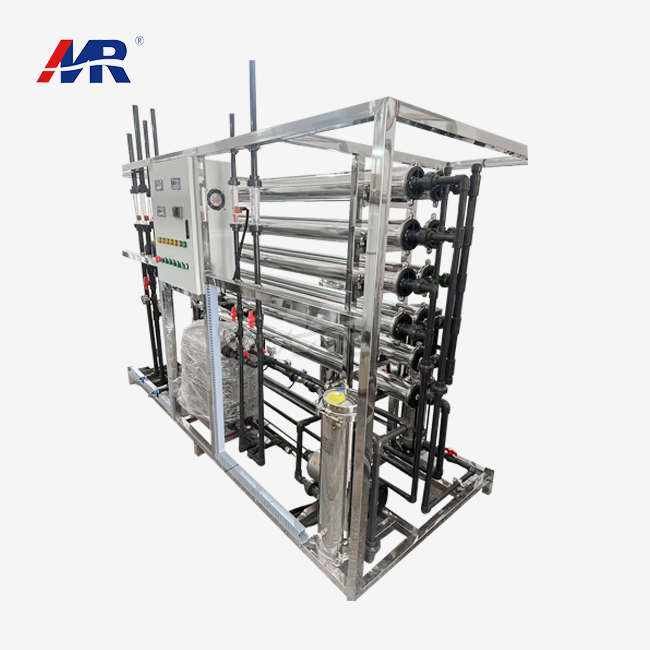
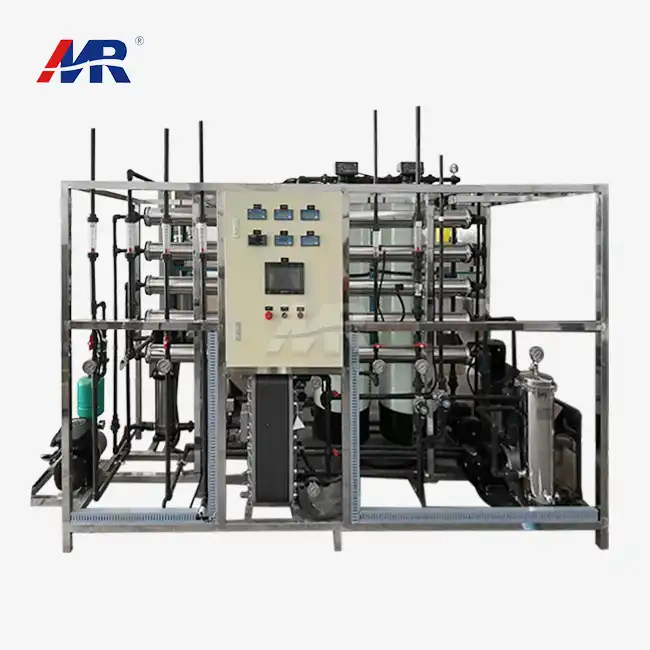
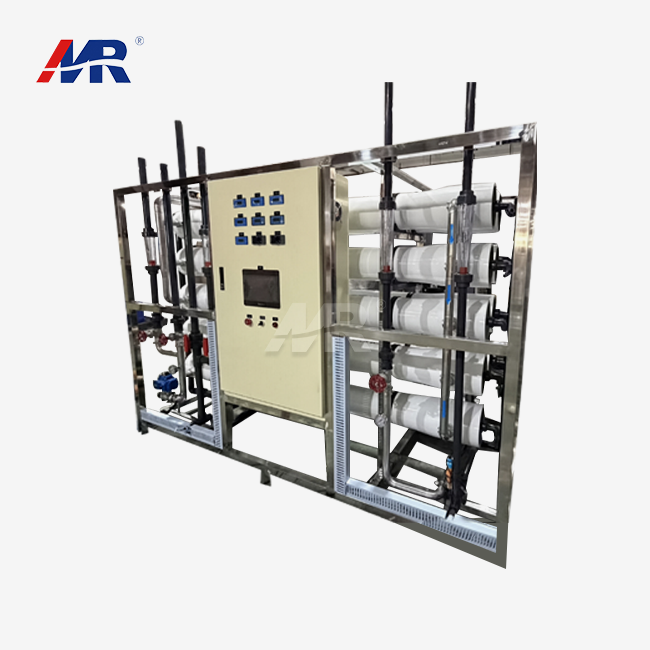
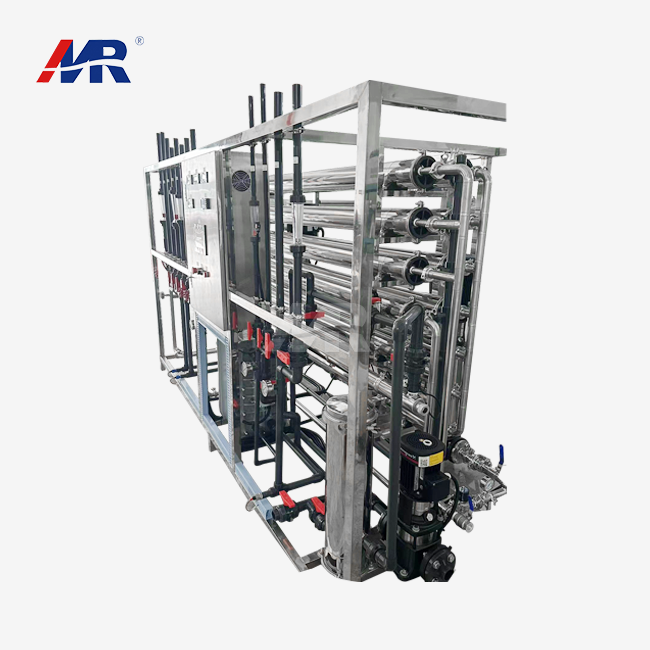
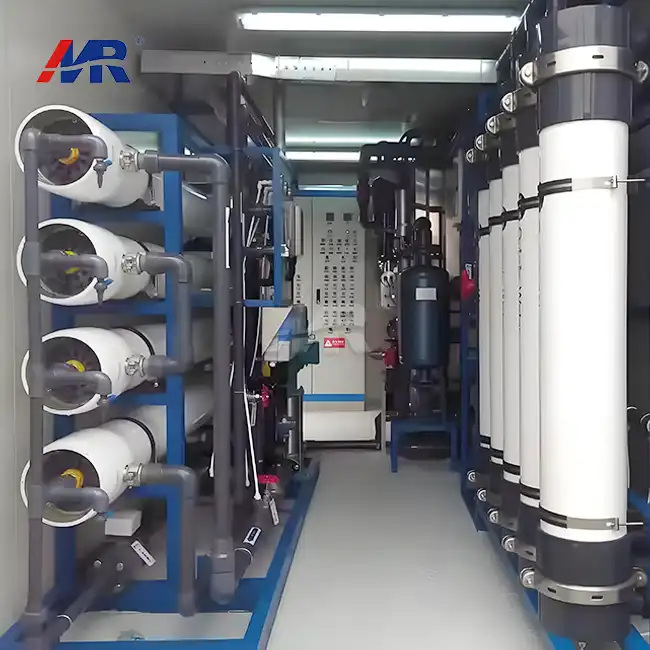
A containerized reverse osmosis system is a complete water treatment system that is housed in normal ISO shipping containers, which are usually 20- or 40-foot units. These self-contained plants combine pre-treatment parts, high-pressure membrane arrays, post-treatment equipment, and automatic control systems into a movable unit that can be kept cool. Unlike standard brick-and-mortar setups, which need a lot of civil building, these modular systems don't have to worry about infrastructure at all. The engineering method solves important problems like long project timelines, high on-site installation costs, and the lack of fixed facilities in remote or temporary places. This plug-and-play feature is useful for many fields, from offshore drilling platforms to disaster aid efforts.
Technical Parameters Affecting Desalination Efficiency
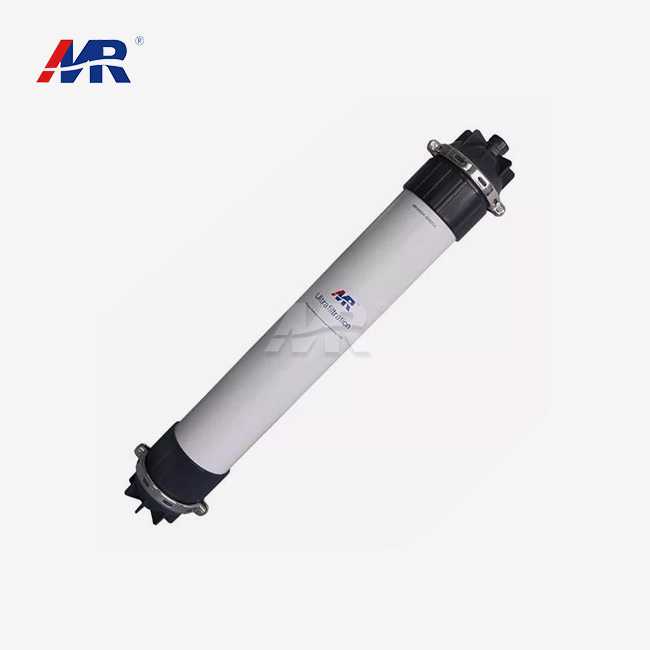
How well reverse osmosis systems remove salt from water depends on certain technical factors. The core technology is made up of high-flux spiral-wound membranes that can be set up in either brackish water reverse osmosis (BWRO) or seawater reverse osmosis (SWRO) modes, based on the saltiness of the feed water. For brackish water uses, the operating pressure is usually between 150 and 1200 psi. For saltwater desalination, the operating pressure needs to be between 800 and 1200 psi to beat the osmotic pressure.
Manufacturers of membranes rate their goods based on how well they remove salt. The best membranes can remove 99.5% to 99.8% of certain contaminants. The real success of the system depends on how well the membrane works, how fast it recovers (usually 50% to 85%), and how well the pre-treatment works. The quality of the feed water is very important. Keeping the Silt Density Index (SDI) below 3 through proper pre-filtration keeps membranes safe and ensures long-term performance. Changes in temperature also affect the production of permeate. The best membrane performance is found between 20°C and 25°C.
Industry Standards Governing Performance Claims
International guidelines are very strict when it comes to quality assurance in water treatment tools. Manufacturing methods follow ISO 9001 rules, which makes sure that the quality of the Products is the same across all units. Pressure vessels are safe for high-pressure activities because they meet the standards of the ASME Boiler and Pressure Vessel Code. Materials that come into contact with drinking water have to be certified by NSF/ANSI 61. This makes sure that they don't add any dangerous chemicals to the treated water.
Standardized testing methods are used to make sure that makers' claims of 98% desalination efficiency are true. Third-party labs check the total dissolved solids (TDS) levels in both the feedwater and the permeate, then figure out the rejection rates for a set of working settings. People who work in procurement should ask for performance proof paperwork, such as test results that were done in conditions that are similar to the ones that will be used.
Benefits and Applications of Containerized RO Systems in B2B Procurement
Rapid Deployment Advantages
Timelines for projects are very important to buying managers in all fields. Usually, it takes 6 to 12 months for a traditional water treatment plant to go from breaking ground to being fully operating. This time includes the steps of building work, equipment installation, and commissioning. With containerized reverse osmosis systems, this timeline is cut down by a huge amount. When pre-engineered systems get to their new homes, they are already set up and ready to connect to power and water sources. This means that they can start working in days instead of months.
This faster distribution is very helpful in situations where the abundance of water has a direct effect on making money. A pharmaceutical plant that is waiting for filtered water that meets GMP standards can start making medicines sooner. If a coastal city or town gets a lot of tourists during certain times of the year, it doesn't have to spend a lot of money on new facilities. The movement factor lets you move as your business needs change, protecting your cash investments by reusing equipment instead of throwing it away.
Modular Scalability for Growing Operations
Demand for water rarely stays the same over the span of a business. At first, new beverage companies might need 10 cubic meters per hour, but as they grow, they often need to increase their capacity. This is taken care of by parallel flexible growth in containerized reverse osmosis systems. To increase capability, more containerized reverse osmosis systems must be added. These units must be able to connect to the current infrastructure using standard protocols.
This method gives you financial freedom that you can't get with traditional set systems. Capital spending grows slowly along with income, instead of needing big investments up front based on what people think they will want in the future. The modular design also provides operational redundancy—many smaller units allow production to continue even during maintenance periods or when parts fail, while a single big plant leaves the company open to total shutdowns.
Application Versatility Across Industries
Containerized reverse osmosis technology is very flexible and can be used for a wide range of tasks. These methods are most useful when they are used in the following situations:
- Seawater Desalination: To make potable or process water, factories along the coast, island towns, and maritime activities turn large amounts of seawater into fresh water. Modern units have energy recovery devices built in that lower the specific power usage to about 3.0 kWh per cubic meter. This means that even in operations that are careful with energy use, large-volume seawater treatment can be done affordably.
- Brackish Water Treatment: These systems are used to turn high-salinity groundwater in agricultural areas into water that can be used for watering. Minerals that would normally build up in soil and make crops less productive over several growing seasons are taken out by this technology.
- Industrial Process Water: Companies that make electronics, medicines, and food need water that is always of a high quality and meets strict cleanliness standards. This stability is provided by containerized reverse osmosis systems, which can also adapt to changes in the production plan thanks to automated control systems that change output based on real-time demand.
- Emergency and Temporary Water Supply: When infrastructure breaks down, natural events happen, or the military is on the ground, people need drinkable water right away. Because containerized reverse osmosis systems can be moved quickly through standard transportation networks, they can be used in emergency scenarios to bring water to places where normal infrastructure has broken down.
Comparing Containerized RO Systems With Other Water Treatment Solutions
Containerized vs. Traditional Fixed RO Plants
Traditional reverse osmosis systems are housed in buildings that were meant to hold them permanently. These buildings have foundations, pipe networks, and electricity distribution systems that were made to last. These sites work great for large-scale uses where the amount of water needed stays the same for decades. But they aren't flexible enough to react to changing business needs or moves to different areas.
When it comes to very large capacities, containerized reverse osmosis systems give up some economies of scale benefits, but they make up for it by not needing civil building costs and shortening project timelines. The thermal insulation and built-in HVAC systems in containers keep the containers at the best working temperatures no matter what the outside temperature is. This is something that is often ignored in fixed setups until performance starts to suffer during yearly temperature changes. Protection grades of IP65 or higher keep sensitive electronics from being exposed to the environment. This means that they need less upkeep than setups that are out in the open.
Containerized vs. Portable RO Units
Portable reverse osmosis equipment is usually skid-mounted units that are meant to be used for short periods of time. These units can move around like containerized reverse osmosis systems, but they are very different in terms of their size and level of operating sophistication. Portable units are usually used for small-scale or emergency situations because they only produce a few hundred liters of water per hour, while containerized reverse osmosis systems produce several cubic meters per hour.
The containerized reverse osmosis system method combines full automation, the ability to watch from afar, and a strong building that can withstand continuous industrial use. Containerized setups run on their own thanks to PLC-based control systems from companies like Siemens and Allen-Bradley. Portable units, on the other hand, need to be supervised by hand and need to be operated by a user on a regular basis. This machinery is necessary for rural areas that don't have staff or production areas that are open 24 hours a day, seven days a week, where the cost of labor would make it impossible to run continuously.
Decision Criteria for Procurement Selection
To choose the best water treatment option, you need to look at a lot of practical and financial factors. Basic technical requirements are set by the quality of the water. For example, uses that need ultrapure water with a resistance higher than 15 megohm-cm need to treat the water after RO using electrodeionization (EDI) or mixed-bed ion exchange, no matter what shape the system takes.
There are more operational costs to think about than just the price of buying tools. Energy use has a direct effect on living costs, which is why energy recovery devices and variable frequency drive pumps are useful even though they cost more at first. Downtime costs are affected by how easy it is to do maintenance. Containerized reverse osmosis systems have an edge because they can place many parts in controlled settings.
The working factors in the environment are very important. Extreme temperatures, corrosive atmospheres, or places with limited room all favor containerized reverse osmosis systems that protect the environment as part of the planning process, rather than being added on as an extra.
Conclusion
When designed and kept up properly, containerized reverse osmosis systems can regularly achieve 98% or higher desalination efficiency. These flexible solutions have many great benefits, such as being easy to set up, scalable, energy-efficient, and able to be used in a wide range of workplace settings. The technology is especially useful for procurement professionals who want to reduce project risk by shortening timelines, protect capital investments by giving them choices for redeployment, and make sure that water quality stays the same in tough operational settings. As water shortages get worse around the world and rules get stricter, containerized reverse osmosis systems are a way to meet operating needs while also being good to the environment. To get these benefits over longer working lifecycles, it's still important to work with experienced makers who can show they have technical knowledge, full support, and a history of performance.
FAQ
1. Can all containerized reverse osmosis systems guarantee 98% desalination?
Not all the time. Modern, high-quality systems can often reject more than 98% of salt, but the actual performance relies on the membrane type, the features of the feedwater, the working pressure, and how well the pre-treatment works. Systems that treat brackish water with low salt levels usually get 99% rejection or higher. On the other hand, systems that treat seawater with high TDS may get 98% to 99.5% rejection, based on the design. The requirements for the procurement should clearly state the lowest rejection rates that are accepted, along with the feedwater factors that will be used to make sure that the vendor bids meet the needs of the application.
2. How often do these systems require maintenance?
Every 3 to 6 months, routine maintenance like cleaning the membrane, replacing the pre-filter, and checking the system's performance is usually done. When the feedwater is dirty, maintenance may need to be done more often, but when the water source is clean, maintenance can be put off longer. When compared to hand cleaning methods, automated systems that include CIP features clean membranes with little help from an operator. This means that less upkeep work is needed.
3. What is the typical lead time for system delivery?
Standard containerized reverse osmosis systems ship 8 to 12 weeks after the order is confirmed, which is a lot faster than the 6 to 12 months it takes for standard stick-built plants. Customized systems that use special materials, have odd capacity needs, or have their own automation routines may make the lead time 12 to 16 weeks. This faster delivery plan makes it possible to finish projects quickly, which is especially helpful when limited water supplies directly affect businesses that make money or when emergency water supply needs need to be met.
Partner With Morui for High-Performance Containerized Reverse Osmosis Systems
Guangdong Morui Environmental Technology Co., Ltd. has a wide range of water treatment knowledge spanning 14 offices and 500 dedicated employees, including 20 specialised engineers. As a well-known company that makes containerized reverse osmosis systems, we combine our own manufacturing of membranes with smart relationships with companies like Shimge Water Pumps, Runxin Valves, and Createc Instruments to provide turnkey systems that are more than 98% efficient at desalination. Our vertically integrated method includes making the equipment, installing it on-site, commissioning it, and providing ongoing expert support. This makes sure that the implementation goes smoothly no matter how complicated the project is or where it is located. Morui's engineering team can make containerized solutions that are exactly what you need, whether you need to desalinate seawater for coastal manufacturing, purify ultrapure water for pharmaceutical production, or treat salty water for farming operations. Get in touch with our sourcing experts at benson@guangdongmorui.com to talk about your water treatment needs and get a full technical plan.
References
1. Greenlee, L.F., Lawler, D.F., Freeman, B.D., Marrot, B., & Moulin, P. (2009). Reverse osmosis desalination: Water sources, technology, and today's challenges. Water Research, 43(9), 2317-2348.
2. Voutchkov, N. (2018). Energy use for membrane seawater desalination – current status and trends. Desalination, 431, 2-14.
3. Elimelech, M., & Phillip, W.A. (2011). The future of seawater desalination: energy, technology, and the environment. Science, 333(6043), 712-717.
4. American Water Works Association. (2020). Reverse Osmosis and Nanofiltration: Manual of Water Supply Practices M46 (3rd ed.). Denver: AWWA.
5. Wilf, M., & Bartels, C. (2005). Optimization of seawater RO systems design. Desalination, 173(1), 1-12.
6. Fritzmann, C., Löwenberg, J., Wintgens, T., & Melin, T. (2007). State-of-the-art of reverse osmosis desalination. Desalination, 216(1-3), 1-76.