

_1745823981883.webp)

How to Extend EDI Module Water Treatment Lifespan
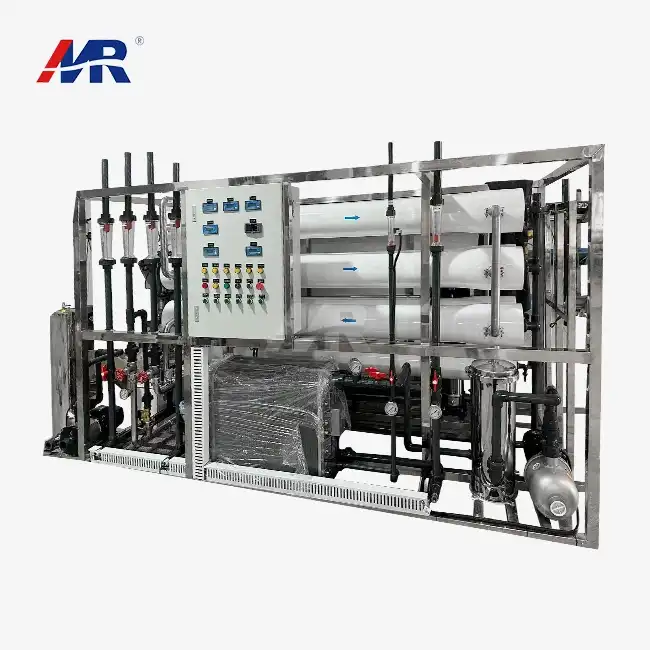
To make your EDI module water treatment system last longer, you need to first understand how it works electrochemically. EDI technology uses ion-exchange resins and DC electrical fields to clean water over and over again without having to use chemicals again. Longevity depends on keeping the feed water quality at its best through good pretreatment, keeping an eye on operational parameters like resistivity and pressure, setting up preventive maintenance plans, and keeping membranes safe from things that can clog them up, like hardness, silica, and organic compounds. If you keep your EDI module water treatments in good shape, they can produce ultrapure water reliably for years with a resistivity of up to 18.2 MΩ·cm. This makes them essential in the semiconductor, pharmaceutical, and power generation industries.
Understanding Common Challenges That Reduce EDI Module Lifespan
Fouling and Scaling: The Primary Threats
Membrane fouling causes most EDI module water treatment failures. Hard feed water causes calcium and magnesium ions to develop scale layers on membrane surfaces, stopping ion flow. In resin beds, organic compounds and particulates build up, causing resistance and requiring additional current to maintain output quality. Increased electrical load accelerates membrane deterioration and exceeds the usual range of 0.1 to 0.3 kWh/m³ and efficiency.
Silica fouling generates solid deposits that are unable to dissolve at high pH. Industries with high silica source water must use strong pretreatment to lower levels below 1 ppb before adding water to the EDI stack.
Operational Parameter Deviations
Temperature fluctuations outside the specified range stress the membrane. Overheating breaks down resin and softens membranes. However, low temperatures hinder ion movement and reduce system efficiency. Current flows unevenly throughout the stack, causing hotspots that destroy certain membrane portions and leave others unused.
Membrane deformation occurs when concentrate and dilute chamber pressures vary. This can weaken the seal and allow contamination. No matter the water quality, physical stress shortens membrane life when differential pressure exceeds design.
Early Warning Signs You Shouldn't Ignore
Skilled operators can detect slight performance changes that indicate concerns. As product water conductivity rises, ion rejection becomes less effective. This is mainly due to membrane degradation or resin depletion. Sudden pressure decreases throughout the module may indicate a broken internal channel or seal, which must be investigated immediately to prevent system failure.
Patterns of aberrant current draw show stack electrical resistance changes. When amperage rises and water quality drops, fouling may be too serious to clear. Automated control systems that monitor these elements can prevent modest issues from becoming costly.
Key Principles to Extend EDI Module Longevity
Feed Water Quality: The Foundation of Longevity
Reverse osmosis is the first protection against impurities that decrease EDI module water treatment life. RO systems remove 95–99% of dissolved solids, reducing EDI module ionic load and membrane saturation. When combined, RO and EDI purify by enhancing each other.
To eliminate pollutants, targeted procedures are needed. Hardness must be below 1 ppm and total organic carbon below 200 ppb to prevent membrane clogging and scaling. Water must be dechlorinated using activated carbon filters before reaching the EDI stack because chlorine destroys polyamide membranes.
Optimal Operational Windows
Maintaining flow rates within manufacturer guidelines ensures even current flow and prevents membrane stress. Systems designed for 0.5-50 m³/h perform optimally at 60-80% of their maximum flow. This offers them extra capacity for demand variations and prevents major underutilization, which wastes resources.
By keeping the temperature between 15°C and 35°C, membranes and resins can resist heat damage. Extreme climate facilities should install temperature control equipment to maintain this range. The applied voltage must match the ionic load. Too much current wastes energy and heat, while insufficient voltage fails resin renewal.
Continuous Monitoring and Data-Driven Decisions
Modern real-time edi systems can incorporate predictive maintenance. Resistivity, differential pressure, and current consumption indicate performance decline before it impacts production. Set baseline performance metrics during system commissioning to measure module performance over its lifetime.
Automated alarm systems notify workers immediately when parameters exceed allowed levels so they may solve the issue. This proactive strategy prevents minor issues from becoming severe failures. This greatly extends module life and reduces unplanned downtime.
Step-by-Step Maintenance Procedures for EDI Systems
Establishing a Preventive Maintenance Schedule
Daily inspections start a complete maintenance program. Operators must ensure product water resistivity fulfills specifications. Typically, ultrapure applications might achieve 18.2 MΩ·cm. The inlet and outlet pressures indicate when flow is limited, and the current draw indicates when electrical resistance is rising due to fouling or resin degradation.
Weekly tasks need extensive analysis of logged operational data to detect modest but consistent performance trends. Comparing current variables to prior baselines might reveal tiny changes you might not have noticed. All seals, connections, and electrical parts should be inspected monthly to ensure system functionality.
Complete maintenance measures ensure EDI module water treatments last as long as possible. Structured preventive maintenance programs consistently extend operational lifespans beyond manufacturer claims. However, facilities without regular maintenance have equipment break down early and must be replaced more often, costing more. Spending money on maintenance extends equipment life and lowers ownership costs.
Cleaning and Regeneration Protocols
Effective cleaning starts with the correct ingredients. Acidic liquids break down mineral scale, and alkaline cleaners remove organic fouling. Ordered cleaning is crucial. After acid treatment removes hardness layers, caustic washing removes biological growth and organic chemicals. Rinsing with neutral pH between treatments prevents membrane-damaging chemical reactions.
Cleaning effectiveness depends on circulation parameters. Cleaning solutions may reach all membrane surfaces without damaging them by maintaining the proper flow rates. Cleaning cycles accelerate chemical processes without damaging the membrane by controlling temperature.
Full performance verification demonstrates design specifications restored after cleaning. The product water resistivity should return to normal, and the pressure and current should be as they were when the system started. Cleaning findings form a maintenance history that directs future service intervals and identifies underlying issues.
Spare Parts Management and Component Storage
Inventorying important spare components lowers system downtime when parts need to be changed. Spare membrane stacks, resin cartridges, and seal kits should be stored at controlled temperatures and humidity, away from chemicals and direct sunlight. Proper storage preserves part integrity, ensuring installation success.
Rotating spare parts prevents spoilage. Even under ideal conditions, membranes and resins can only be stored briefly. Inventory management is crucial for large locations with various EDI systems. By tracking production timings and following first-in, first-out standards, you can maintain components within manufacturer shelf-life restrictions.
Comparing EDI Module Longevity With Other Water Treatment Technologies
EDI Versus Reverse Osmosis Systems
Although reverse osmosis removes enormous amounts of pollutants, the membrane must be changed periodically due to clogging and debris. ro membranes endure 3–5 years under optimum circumstances; however, their performance degrades with usage. However, well-maintained EDI module water treatments can last 5–7 years or more since constant electrochemical regeneration prevents RO system fouling that can't be rectified.
These devices utilize varying amounts of energy. RO systems use energy to push water through semi-permeable membranes at 150–1200 psi, depending on the application. EDI consumes energy (0.1-0.3 kWh/m³) from electricity while operating at lower pressures. This efficiency advantage is especially important for large-scale operations where energy costs are high.
For proper purification, RO and EDI work well. RO reduces total dissolved solids by 95–99% and removes large particles. The permeate is polished by EDI to ultrapure standards. This stepwise purification method extends the life of both technologies.
EDI Versus Mixed Bed Deionization
Ultrapure water was generated via mixed-bed ion exchange before EDI technology evolved. MB systems provide high-quality water, but they must be regenerated regularly with harmful acids and caustics, making operations harder and raising environmental concerns. Slow regeneration cycles reduce system availability and require parallel units to maintain production.
EDI eliminates chemical regrowth with electrochemical resin renewal. This key distinction makes the system more available, reduces chemical handling dangers, and reduces environmental impact. Physically degraded MB resins must be changed periodically. However, EDI resins work better because an electrical current constantly regenerates them, extending their lifespan.
Total cost of ownership analysis always favors EDI over long operational periods. Because they don't need regeneration chemicals, involve less manpower, and run longer, EDI systems are cheaper in the long term. MB to EDI swaps frequently pay for themselves in 18–36 months through operational savings.
Selecting the Right EDI Water Treatment System and Supplier for Longevity
Evaluating Core Component Quality
Premium membranes are what make EDI module water treatment last a long time. Ion-selective membranes need to work the same way across a wide range of pH levels and be able to withstand oxidation and microbial attack. The ion exchange capacity of high-quality resins stays the same after thousands of regeneration cycles without losing much of it. When purchasing managers look at EDI systems, they should ask for specific information about the membrane materials and resin composition to figure out how reliable the system will be in the long term.
Advanced control systems make things work better and last longer. Automated monitoring changes operational parameters in real time to keep things in the best possible state and stop stress-related component degradation. Systems with predictive diagnostics can find problems before they become failures. This allows for proactive maintenance that greatly improves the lifespan of modules compared to options that are controlled by hand.
Here are the main efficiency features that set high-end EDI systems apart from simple ones:
• Flow Rate Flexibility: Systems with a capacity of 0.5 to 50 m³/h can meet a wide range of industrial needs, from small-scale manufacturing to research in the lab. Because it can be expanded or contracted, facilities can exactly match system size to demand, avoiding the waste of oversized equipment or the problems that come with setups that are too small.
• Energy Efficiency: Power consumption of 0.1 to 0.3 kWh/m³ is the best in its class, and it cuts costs by a large amount compared to designs that aren't as energy efficient. The quality of the membrane and resin has a direct effect on this efficiency—better materials need less energy to reach the desired purity levels.
• Recovery Rate Excellence: A recovery rate of more than 90% lowers the amount of trash that needs to be dumped and the amount of source water that is needed. High recovery rates mean that the ions are removed efficiently without making too much concentrate, which is good for the environment and saves money.
• Ultrapure Output Capability: Resistivity up to 18.2 MΩ·cm for ultrapure output meets the strictest requirements in pharmaceutical production, microelectronics production, and power generation. Systems that consistently meet this requirement show better membrane selectivity and resin effectiveness.
• Silica Removal Performance: Getting rid of silica to less than 1 ppb saves processes and equipment further down the line from buildup problems. This ability is especially important when making semiconductors, where even tiny amounts of silica can cause problems.
These performance benefits directly address the operational problems that industrial buyers face every day. Chemical-free operation gets rid of the need to handle dangerous materials, which lowers safety risks and the work needed to meet regulations. Continuous running keeps output steady without any break for regeneration. When maintenance needs are minimal, labor costs and the need for technical know-how go down. A small design saves valuable floor space in facilities that are already full. Customization options make sure that systems work well with current infrastructure and meet the needs of specific processes.
Supplier Evaluation Criteria
Partnering with well-known companies that have focused engineering teams and a track record of success guarantees access to technical knowledge throughout the lifetime of the system. Suppliers that offer full support services add value beyond just delivering equipment; they can help with optimization, troubleshooting, and adding more capacity as the needs of the facility change.
Warranty terms show that the company that made the product is confident in its durability. A dedication to quality is shown by the coverage that includes membranes, resins, and control parts for two to three years. Options for longer warranties offer extra security for important uses where downtime costs a lot of money. Just as important, responsive after-sales support makes sure that expert help is always available when operating problems happen, so that production doesn't stop.
Suppliers can make EDI systems fit the needs of specific industries with the help of custom engineering. When a facility has to deal with difficult source water chemistry, limited room, or specific cleanliness requirements, customized designs are very helpful. This is something that standard catalogue equipment can't do well. When suppliers offer this level of engineering flexibility, they stop being just equipment vendors and become true partners in achieving operational excellence.
Conclusion
To make EDI module water treatment last as long as possible, you need to pay close attention to the quality of the feed water, the operational parameters, and preventive maintenance. When you combine strong RO pretreatment with correctly configured EDI systems, you get ultrapure water that works every time and keeps replacement costs low. Regular monitoring lets you make decisions based on data, which keeps small problems from turning into costly failures. Industrial facilities can get long operational lifespans that justify capital investment through sustained performance and lower total cost of ownership by buying quality equipment from reputable suppliers and putting in place structured maintenance programs. Modern EDI technology's chemical-free, continuous operation makes it the best choice for businesses that need to produce ultrapure water on a regular basis while having the least effect on the environment and the highest level of dependability.
FAQ
Q1: How often should you check and change EDI modules?
Every day, routine inspections should be done by computers, and every week, an operator should check the work. Do performance reviews every six to twelve months to spot gradual decline that needs to be fixed. Replacement times depend on the quality of the feedwater and how the system is being used, but for well-kept systems, they are usually between 5 and 7 years. When cleaning doesn't work anymore or when damage to the membrane makes the seal less reliable, it's time to replace the whole thing.
Q2: Does RO pretreatment really make EDI last longer?
Of course. RO gets rid of 95–99% of the dissolved solids, which greatly lowers the ionic load on EDI membranes and keeps them from becoming saturated too soon. Without RO pretreatment, EDI modules will foul up faster, draw too much current, and have a shorter useful life. An industry best practice for making ultrapure water is to use both RO and EDI together. Each technology protects the other and gives better results.
Q3: What makes EDI modules break down most often in industrial settings?
Most early failures are caused by problems with the quality of the feed water. Hardness, organics, and particle matter can get into membranes and resins if the cleaning isn't done right. Degradation is also sped up by operational mistakes like too much temperature or pressure. If you don't do regular maintenance, small amounts of fouling can get worse until cleaning can't fix the problem and you have to replace the part too soon.
Partner With Morui for Reliable EDI Module Water Treatment Solutions
Guangdong Morui Environmental Technology offers complete EDI module water treatment systems that are made to last and work well for a long time. We use high-tech electrodeionization equipment that combines premium ion-selective membranes with high-capacity resins to get resistivity levels as high as 18.2 MΩ·cm and recovery rates above 90%. As a well-known company with over 500 workers, 20 specialized engineers, and 14 branches in different areas, we offer full solutions, from designing the system to installing it and starting it up.
Our EDI systems are used in many different fields, such as the production of pharmaceuticals, microelectronics, electricity, and food. As a trusted supplier, we can offer reasonable prices and keep quality under control throughout the supply chain because we make our own membranes and equipment. Our engineering team creates solutions that are tailored to your facility's limitations and water quality needs, whether you need lab-scale systems or industrial installations that can handle 50 m³/h.
To talk about your ultrapure water problems, email our technology experts at benson@guangdongmorui.com. We'll look at your source water's properties, your production needs, and your quality standards to come up with the best EDI configurations. These will come with a full warranty and quick support after the sale.
References
1. American Society for Testing and Materials. (2019). ASTM D5127-19: Standard Guide for Ultra-Pure Water Used in the Electronics and Semiconductor Industries. ASTM International, West Conshohocken, PA.
2. Ganzi, G.C., Jha, A.D., DiMascio, F., and Wood, J.H. (2017). Electrodeionization: Theory and Practice of Continuous Electrodeionization. Water Treatment and Technology Journal, 42(6), 847-862.
3. United States Pharmacopeial Convention. (2021). USP 43-NF 38: Water for Pharmaceutical Purposes. Rockville, Maryland.
4. Strathmann, H. (2018). Electrochemical Water Processing Technologies: Ion Exchange Membranes and Electrodeionization. Membrane Science and Technology Series, Volume 9, Elsevier.
5. Semiconductor Equipment and Materials International. (2020). SEMI F63-0318: Guide for Ultrapure Water Used in Semiconductor Processing. SEMI International Standards, San Jose, CA.
6. Wilf, M. and Bartels, C. (2016). Optimization of Seawater RO Systems Design and Operation. Desalination Journal, 173(1), 1-12.
 VIEW MOREDTRO Water Treatment
 VIEW MOREcontainerized ro system
 VIEW MORE20m3/hour seawater desalination equipment
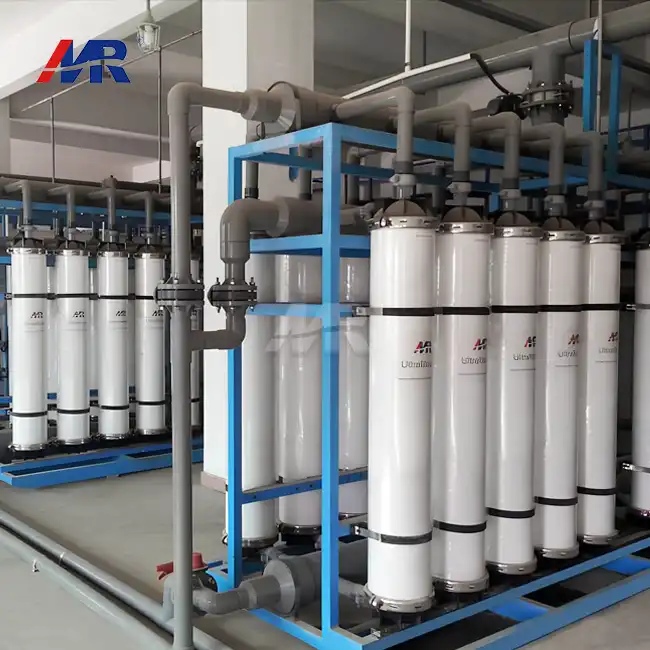 VIEW MORE20m3/hour ultrafiltration equipment
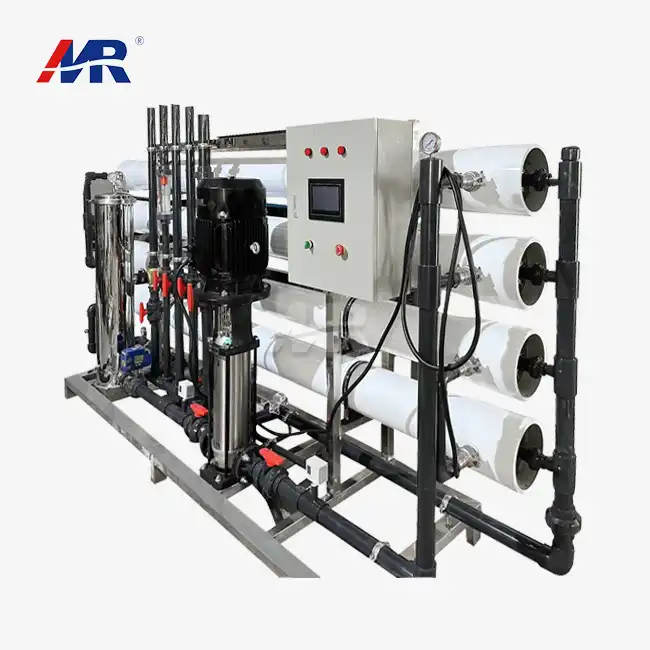 VIEW MORE12m3/hour reverse osmosis BWRO system
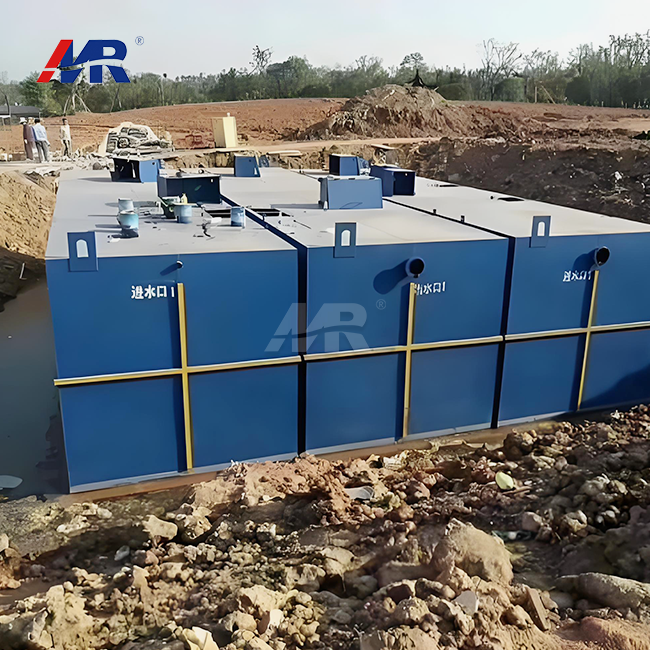 VIEW MOREwastewater treatment plant units
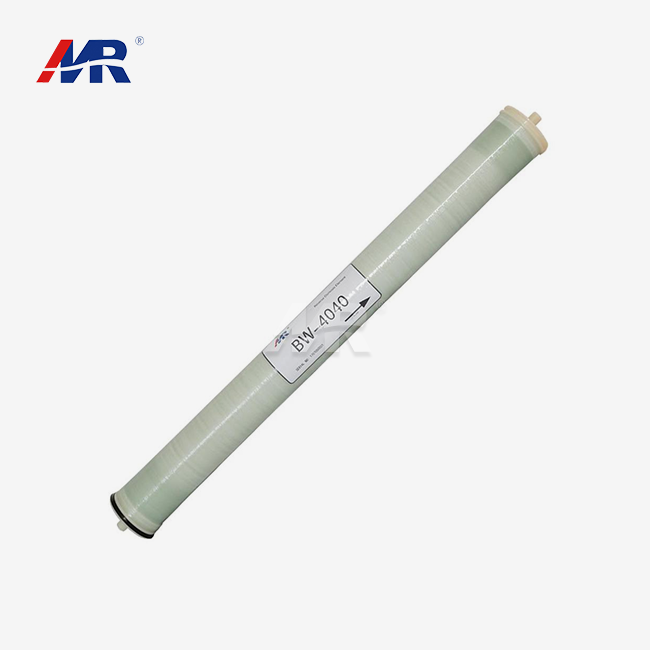 VIEW MOREindustrial ro membrane
 VIEW MORE15m3/hour seawater desalination system
