

_1745823981883.webp)

Scaling Prevention in EDI Module Water Treatment
To keep mineral deposits like calcium carbonate, calcium sulphate, and silica from building up on ion-exchange membranes and resin surfaces in an EDI module water treatment system, careful upstream pretreatment, precise operational parameter control, and constant monitoring. Using strong reverse osmosis filtration, calibrated anti-scalant dosing, optimal pH adjustment, and real-time conductivity tracking stops performance degradation, extends module lifespan, and ensures consistent production of ultrapure water in power generation, semiconductor, pharmaceutical, and food processing facilities.
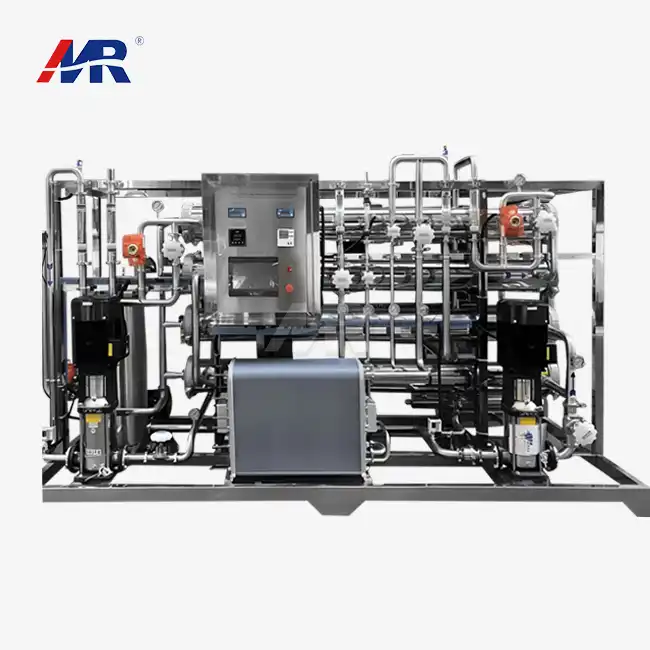
Understanding Scaling in EDI Module Water Treatment
What Causes Scaling in EDI Systems?
Scaling occurs when inorganic compounds dissolve beyond their temperature, pressure, and pH limits. Usually calcium carbonate, calcium sulphate, barium sulphate, and silica are to blame. Electric fields push ions toward membranes and plastics as water passes through the electrodeionization stack. Super-saturation induces precipitation at membrane surfaces during concentration polarisation. Scale forms faster in hard water with high hardness, alkalinity (over 50 mg/L as CaCO3), and silica concentrations above 20 mg/L. This risk increases when industrial raw water comes from groundwater wells, municipal supplies with changing chemistry, or brackish sources. Particularly in power plants, boiler feedwater must attain 18.2 MΩ·cm resistivity.
How Scaling Impacts System Performance
Scale deposits on membrane surfaces and ion-exchange resin beads cause several problems. Increased electrical resistance in the stack causes electricity use to exceed the usual range of 0.1 to 0.3 kWh/m³. Smaller flow paths increase differential pressure. This reduces processing capacity and recovery rates below 90–95%. Reduced ion removal efficiency lowers the product's water resistivity below target. Maintenance visits increase as operators plan citric acid or bespoke chemical cleaning cycles. Long-term scaling reduces membrane longevity by half of the 3–5 year repair period. Cleaning breaks reduce output. Breaks in ultrapure water stop wafer processing lines worth millions of dollars per hour in semiconductor factories.
Industry-Specific Scaling Challenges
Different sectors face growth issues. Manufacturers of Water for Injection must keep things clean and prevent scale from growing, which could help microbes grow or add particles to injectable drugs. Silica scaling can cause chip flaws in semiconductor final polishing with even small amounts of contamination. Calcium sulphate crystallises faster in thermal power plant boiler feed systems at high temperatures. To maintain product quality, food and drink processors that use seasonal water hardness must use adaptive scaling prevention protocols. By understanding these sector-specific pain points, procurement managers and plant engineers can create real-world solutions instead of using general methods.
Principles and Techniques for Scaling Prevention in EDI Modules
Upstream Pretreatment Strategies
For EDI module water treatment, stopping scale starts a long time before water gets into the EDI stack. Reverse osmosis is the first line of defence; it gets rid of 95–99% of dissolved solids, such as silica and hardness. The TDS level in RO permeate is usually less than 10 mg/L, which greatly reduces the chance of scaling. Sodium ion exchange water softeners get rid of calcium and magnesium ions, but they also add sodium, which EDI has to remove later. Solids in the air that could foul membranes are caught by multimedia filters. Activated carbon beds get rid of chlorine and organics that get in the way of resin working properly.
These upstream preparation methods have been shown to work, and Morui uses them:
- Multi-stage RO configuration: Two-pass RO systems lower silica to less than 1 mg/L and hardness to levels that can't be detected, making the water perfect for EDI.
- Softener integration: Ion-exchange softening gets rid of all hardness in water while keeping the chemistry of the water balanced through blending methods.
- Antiscalant injection: In an antiscalant injection, 2–5 mg/L of threshold-inhibitor polymers stop crystal formation without adding liquid solids.
- pH adjustment protocols: Keeping the pH of the feedwater between 6.5 and 7.5 improves membrane performance and lowers the risk of calcium carbonate precipitation.
Together, these layers of pretreatment work better. RO gets rid of large rocks, softeners smooth out any remaining hardness, antiscalants stop small precipitation, and pH control keeps chemicals stable. This multiple-barrier method makes sure that EDI modules always get high-quality feedwater, which lowers the risk of scaling over time.
Operational Parameter Optimization
Even before treatment, operational variables affect scaling. Recovery ratio, the quantity of feedwater converted into product, affects concentrate stream saturation. Running at 90–95% recovery combines safety and productivity. By maintaining turbulent mixing that spreads ions before saturation, EDI cell flow speed prevents concentration polarisation. Current density should match water chemistry because too high a voltage promotes water breaking and local pH changes that induce carbonate scaling.
Temperature control is crucial. Warmer water dissolves minerals faster and accelerates reactions. For most edi systems, 15°C to 35°C is ideal. A concentrate stream's conductivity delivers real-time scale risk signals like a fast-rising signal near saturation. These signals allow automated control systems to change voltage, reject flow rates, or start cleaning cycles. Regularly conditioning the resin bed with brief current reversals or polarity flips removes scale deposits before they set. Technical controls and chemical pretreatment make the system more feedwater-resistant.
Monitoring and Early Detection Systems
Monitoring in advance lets people fix issues before they escalate. Differential pressure sensors throughout the EDI stack detect flow-blocking deposits. Resistivity meters on product and reject streams detect performance loss. Inline turbidity sensors detect particulate carryover. Advanced facilities use real-time silica and hardness monitors on concentrate streams.
A logging system can notice patterns over days and weeks, revealing performance declines that a daily review would miss. Alarm thresholds alert operators when parameters exceed limits. Predictive maintenance algorithms estimate cleaning frequency based on operational data trends. EDI monitoring may be linked to plant SCADA systems to control all water treatment trains. We recommend weekly calcium, magnesium, silica, and barium tests of concentrate streams. Regular maintenance includes monthly membrane autopsy inspections to determine scale composition and adjust pretreatment chemistry. This data-driven approach shifts scaling prevention from post-crisis to pre-crisis planning.
Evaluating and Choosing Scaling Prevention Solutions for EDI Systems
Comparing Traditional and Advanced Prevention Methods
Historically, treatments relied on strong RO pretreatment and 85% EDI recovery. Though effective, this squandered water and polluted the environment. Traditional phosphonate-based antiscalants halted scaling but added phosphorus, which some sectors should avoid. Cleaning with hydrochloric or citric acid produced hazardous waste that had to be neutralized and discarded.
Modern solutions outperform outdated ones. Polymer-based antiscalants alter crystals better than phosphorus-based ones in modest concentrations. Cleaning can be reduced from once a month to three times a quarter with hydrophilic or charged membrane coatings that prevent scale. Electrochemically improved preparation removes hardness before RO without chemical softening using low-voltage fields. New resin formulations with even bead size distribution and high capacity last longer in difficult water chemistry.
Innovative tools may be useful in the future. Capacitive deionisation modules are unaffected by feedwater type. Hybrid EDI-membrane capacitive deionization systems keep working and clean themselves. Nano-filtration screens remove divalent ions but leave monovalent salts through, improving EDI feed chemistry. To evaluate these options, consider upfront and ongoing costs, space constraints, and application-specific water quality criteria.
Decision Criteria for Industrial Applications
Choosing scaling protection depends on many factors. Water chemistry determines pretreatment. Unlike municipal water, brackish groundwater requires greater treatment. Production impacts system size and backups. Continuous pharmaceutical manufacturing cannot handle unplanned downtime. Technology choices are determined by laws; USP-grade water systems can't utilize specific chemicals or minerals.
Economics should consider the 5- to 10-year total cost of ownership. Lower capital equipment expenses may increase chemical consumption or maintenance. Energy savings affect finances, especially for megawatt-powered EDI module water treatment facilities. Minimising trash helps the environment and decreases disposal costs. Space limits equipment utilization. Retrofit projects that cannot employ large softener tanks can use small EDI units.
Technical executives should request genuine plant water pilot testing. Performance validation at a specific site reveals scaling patterns that theoretical calculations may miss. Prompt Technical support from the provider speeds up mending and optimizing. Morui's 20-engineer team and 14 branches serve clients in many sectors with scaling avoidance approaches that fit their present operations via entire pilot programs.
Real-World Applications and Success Stories
Pharmaceutical Manufacturing Case
A place that makes biologics needed Water for Injection that met USP standards and had a resistivity of more than 15 MΩ·cm and a TOC of less than 50 ppb. Their groundwater source had 15 mg/L of silica and 180 mg/L of hardness. At the beginning of EDI operations, scaling happened every month and needed harsh acid cleaning, which could damage the membrane and cause concerns about organic contamination.
We put in place a three-step plan. When the feedwater was changed to two-pass RO with pH adjustment between stages, the hardness and silica levels dropped below 0.5 mg/L and could not be detected. By adding automated antiscalant dosing with feedback control, the best inhibitor concentrations were kept even when the raw water changed with the seasons. Continuous conductivity monitoring of concentrate streams allowed early detection, which led to preventative rinse cycles that stopped scale formation before it happened.
The results were life-changing. The time between cleanings went from 30 to 120 days or more. The resistivity of the product water reached 17.8 MΩ·cm, which was typically higher than what was required. Maintenance costs dropped by 40% a year, and system uptime went from 92% to 98.5%. The facility met all the requirements for validation and didn't have any quality problems that were caused by problems with the water system. This shows how integrated scaling prevention directly helps meet GMP manufacturing standards.
Power Generation Application
For its high-pressure boiler feed and steam engine equipment, a 500 MW combined-cycle power plant needed water that was very, very pure. Their EDI system worked with six parallel modules to handle 50 m³/h. The chemistry of raw water changed with the seasons. The hardness ranged from 120 to 200 mg/L, and the alkalinity ranged from 40 to 80 mg/L. Scaling issues led to a lot of pressure difference jumps and resistance drops below what was needed.
Our engineering team did thorough audits of operations and water chemistry analyses. We improved RO recovery rates from 75% to 85% while keeping saturation levels in the concentrates below critical levels. Putting variable frequency drives on feed pumps let the flow be changed to match the chemistry of the water at the time. By putting inline silica monitors in place, proactive responses were made to periodic spikes caused by aquifer conditions.
Within six months, the differential pressure levelled off, the number of times the membrane had to be cleaned dropped from eight to two per year, and the quality of the product water always stayed at 16+ MΩ·cm. Because the hydraulics were improved, 15% less energy was used per cubic metre. The company didn't have to repair an EDI module, which was supposed to cost $180,000, so the improvements to monitoring and control paid for themselves quickly. This case shows how operational optimisation works with high-quality equipment to keep things running smoothly.
Semiconductor Fabrication Success
A chip factory that makes advanced 7nm processors needed ultrapure water with a resistance of 18.2 MΩ·cm, silica levels below 1 ppb, and particle counts below 10 per liter. Even trace scaling could cause flaws that cost millions of dollars in wasted wafers. During times of high production when water demand went up, their old EDI system had trouble with silica breakthrough.
We worked with their tech team to set up real-time silica analysers that give data on levels every minute. This made it possible to change the reject ratios and current density on the fly, keeping the best removal efficiency even when the flow changed. We also switched to more modern resin formulas that could hold more silica. Setting up two sets of redundant RO trains with automatic switchover made sure that the quality of the feed would not change, even during membrane cleaning cycles.
Over 18 months of monitoring, the facility's EDI module water treatment had no changes in the water quality that were caused by silica. Improvements in production yields, partly due to stable water quality, brought in more than $2 million a year in measurable profits. This semiconductor application shows how important it is to stop growing in ultra-high-purity settings, where contamination as small as a few parts per trillion can ruin a product.
Conclusion
Scaling avoidance is still an important part of EDI module water treatment in industries like pharmaceuticals, semiconductors, power generation, and more. Comprehensive upstream pretreatment, optimised working parameters, constant tracking, and proactive maintenance procedures are all parts of strategies that work. Understanding the nature of water, choosing the right ways to keep it from happening, and using new technologies all lead to better performance, longer machine life, and lower operating costs. As digital transformation and the need to be more environmentally friendly change the way industrial water treatment is done, operators who are ahead of the curve and invest in tried-and-true scaling prevention methods will be able to achieve operational excellence and regulatory compliance in production environments that are getting more difficult.
FAQ
Q1: What is the most effective method for preventing scaling in EDI modules?
Instead of depending on just one method, the best way uses a mix of strategies. Before water gets to the EDI modules, strong reverse osmosis removes 95–99% of the minerals that cause scale. Adding antiscalants that block thresholds at doses of 2 to 5 mg/L stops residual mineral precipitation. Keeping the best operating conditions—recovery ratios between 90 and 95%, the right current density, and controlled flow velocity—lowers the concentration polarisation that leads to scaling. Monitoring difference pressure, conductivity, and concentrate chemistry on a regular basis lets problems be fixed quickly. This unified method takes a broad look at scaling mechanisms instead of trying to make up for poor pretreatment by using aggressive EDI operation.
Q2: How often should EDI modules be cleaned to prevent scaling damage?
How often you clean depends on the quality of the feedwater, the operating conditions, and how well the preparation works. Systems that are well-built and have good RO pretreatment can work for 90 to 180 days without needing to be cleaned. If the raw water chemistry is hard or the pretreatment isn't very good, the system might need to be cleaned once a month. Condition-based maintenance that uses differential pressure tracking, resistivity trends, and flow rate changes is better than set plans because it gives better direction. When the difference in pressure rises 15 to 20 percent above the baseline, or the product's resistivity falls 10 percent, cleaning is needed. When facilities use the complete scaling prevention methods described here, intervals are usually much longer than the averages in the industry.
Q3: Can EDI systems operate effectively with high-silica feedwater?
When set up correctly, EDI technology can handle high silica levels. Silica should be lowered to less than 1 mg/L by standard RO pretreatment before EDI. EDI is very good at getting rid of reactive silica—our systems get rid of silica levels below 1 ppb in product water. Colloidal silica is more difficult to deal with because the bits can clog membranes instead of being electrically cleared. Filtration upstream and changing the pH change particle forms into reacting species. When the silica level in the raw water is higher than 40 mg/L, certain processes, such as hot lime softening or magnesium coprecipitation before RO, can help get rid of the silica. Talk to water treatment engineers with a lot of experience about how to make systems work best with sources of high silica.
Partner with Morui for Reliable EDI Module Water Treatment Solutions
Guangdong Morui Environmental Technology Co., Ltd. is ready to help you with your scaling problems thanks to its 20 years of experience with EDI module water treatment. Our chemical-free Electrodeionization systems can remove silica below 1 ppb and achieve up to 18.2 MΩ·cm resistivity. They can also work at very high energy efficiency levels of 0.1 to 0.3 kWh/m³ for flow rates ranging from 0.5 to 50 m³/h. As an experienced EDI module water treatment manufacturer, we offer complete turnkey solutions that include supplying the equipment, installing it, commissioning it, and providing ongoing technical support. We do this through our network of 14 branches, 500 dedicated employees, and 20 specialised engineers. Vertically linked capabilities, such as membrane production facilities and equipment processing plants, make sure that quality control is maintained throughout the whole manufacturing process. Email us at benson@guangdongmorui.com to talk about your specific water quality needs and find out how our custom scaling prevention protocols can help you make more ultrapure water.
References
1. American Society for Testing and Materials. "Standard Guide for Ultrapure Water Used in the Electronics and Semiconductor Industries – ASTM D5127." ASTM International Standards, 2021.
2. Ganzi, Gary C. et al. "Electrodeionization: Theory and Practice of Continuous Electrodeionization." Electrochemical Society Proceedings, Volume 98-14, 2019, pp. 1-38.
3. Prato, Thomas and Miller, James R. "Scaling Prevention Strategies in Membrane-Based Water Treatment Systems." Journal of Water Process Engineering, Volume 42, August 2021, pp. 102-118.
4. World Health Organization. "Guidelines for Drinking-Water Quality: Fourth Edition Incorporating the First Addendum – Chemical Fact Sheets on Calcium and Silica." WHO Press, Geneva, 2022.
5. United States Pharmacopeial Convention. "Water for Pharmaceutical Purposes – Purified Water and Water for Injection Standards." USP 43-NF 38, United States Pharmacopeia, Rockville, Maryland, 2023.
6. International Society for Pharmaceutical Engineering. "ISPE Baseline Guide Volume 4: Water and Steam Systems for GMP Compliance." Second Edition, ISPE Publications, Tampa, Florida, 2020.
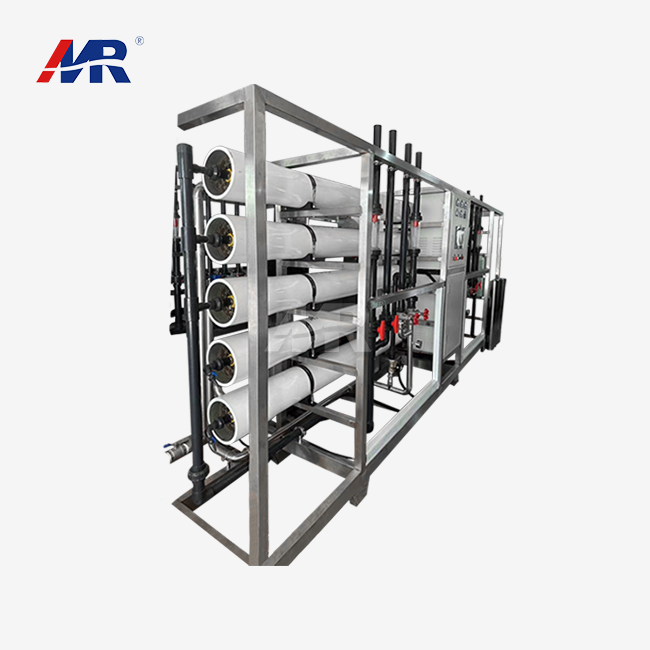 VIEW MOREhighest rated reverse osmosis system
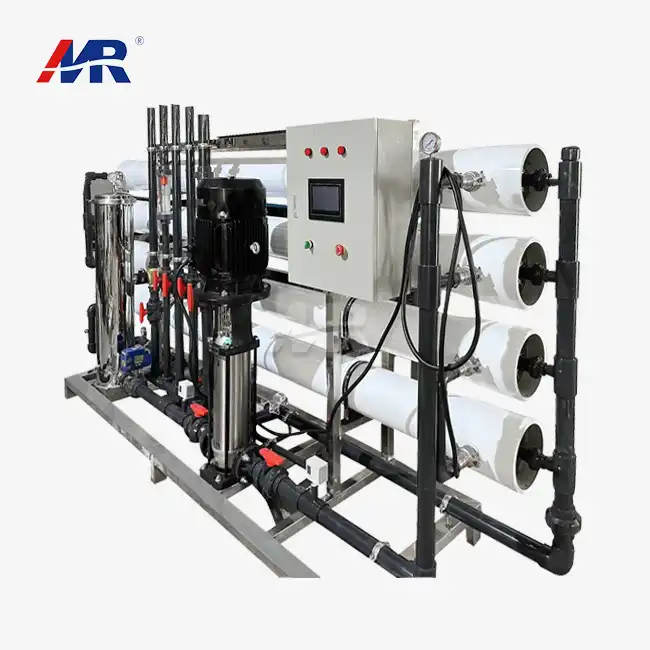 VIEW MORE12m3/hour reverse osmosis BWRO system
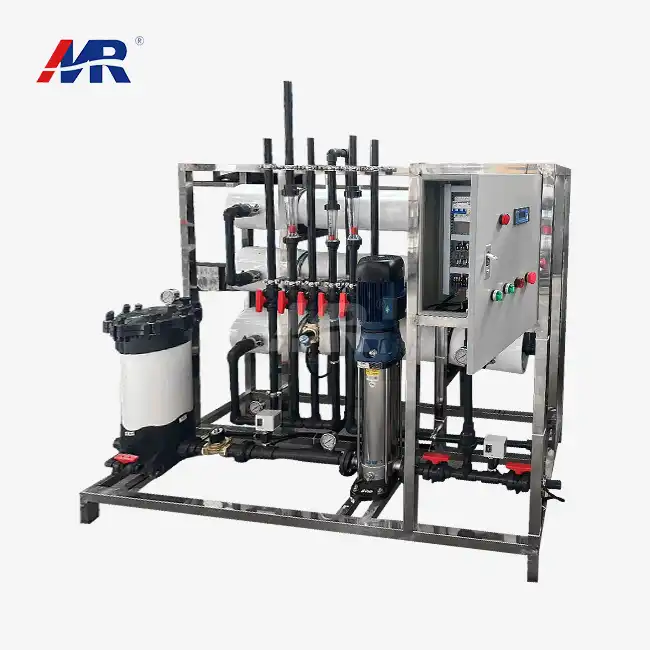 VIEW MORE3T/H reverse osmosis equipment
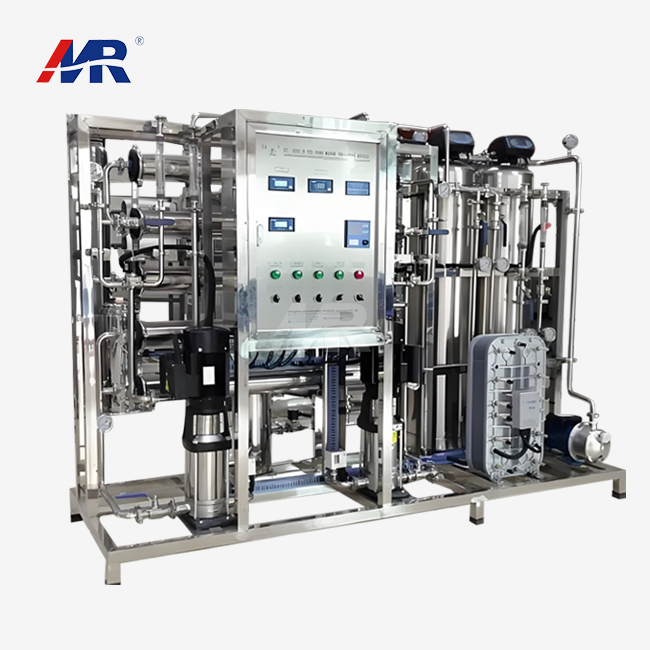 VIEW MORE1000LPH EDI system
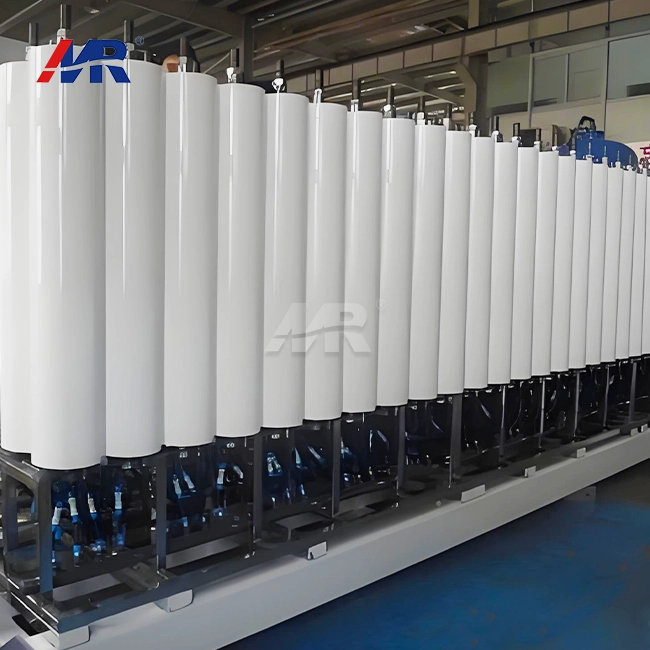 VIEW MORELandfill Leachate Treatment System
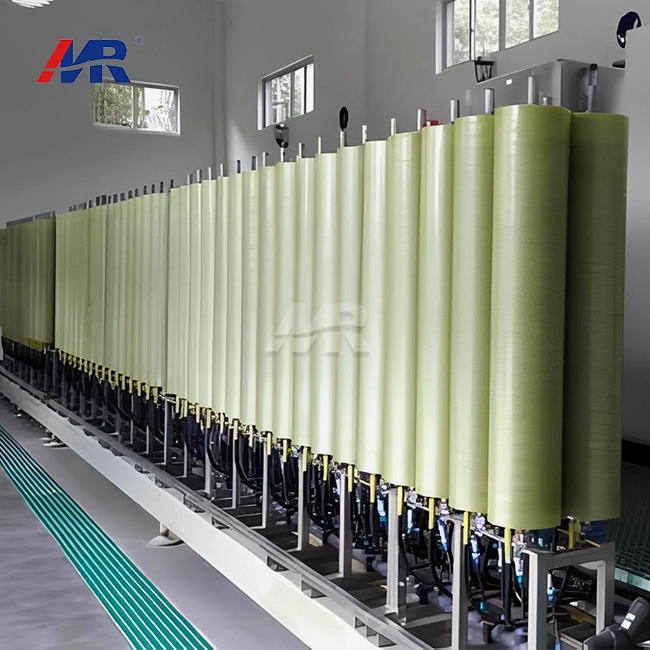 VIEW MORELeachate DTRO Treatment Equipment
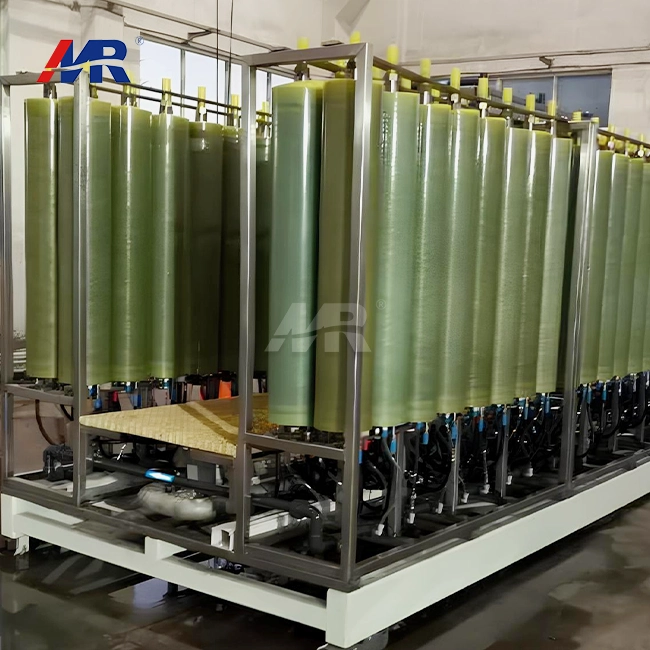 VIEW MOREDTRO for Wastewater Treatment
 VIEW MORE500LPH EDI equipment
