_1745823981883.webp)

Reverse Osmosis Membrane Maintenance Tips to Extend Service Life
Maintaining your membrane/8040-reverse-osmosis-membrane">reverse osmosis membrane properly affects how well it works, how consistent the water quality is, and how long the equipment lasts. Whether they are used to make drugs, desalinate seawater, or make semiconductors, these semi-permeable barriers need to be carefully managed to keep rejection rates above 99%, stop premature fouling, and keep permeate flux within the best ranges. Facility managers and technical teams can lower the number of replacements needed, keep operational costs low, and keep production cycles running smoothly in a wide range of industrial settings by putting in place organized cleaning routines, pre-treatment optimization, and performance tracking.
Understanding Reverse Osmosis Membranes and Their Common Challenges
How Do Reverse Osmosis Membranes Function?
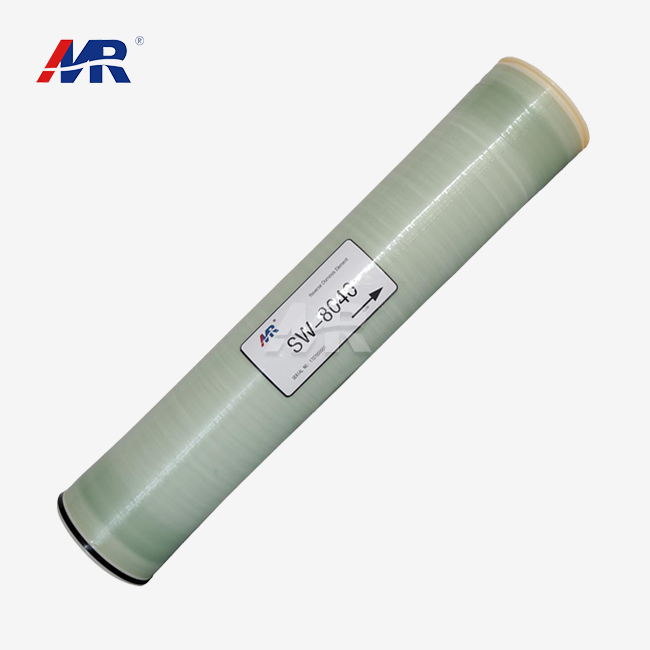
A solution-diffusion mechanism is at the heart of how the reverse osmosis membrane works. A polyamide barrier layer that is about 0.2 micrometers thick lets water molecules pass through but rejects dissolved salts, organics, and contaminants. This thin-film composite (TFC) structure has a polyester backing, a polysulfone support layer, and an ultra-thin active surface that was made by polymerizing at the interfaces. The hydraulic pressure that is used is higher than the natural osmotic pressure. This forces clean water through while keeping the solutes.
Cellulose triacetate (CTA) membranes are an alternative chemistry that can handle chlorine, but not as well as TFC versions when it comes to rejection. Knowing the type of membrane you have helps you choose the right cleaning agent and make changes to the operational parameters.
Recognizing Signs of Membrane Degradation
There are measured signs of a drop in performance. Lower permeate flow, even though feed pressure stays the same, is a sign that the membrane is getting clogged or compacted. When the total dissolved solids (TDS) level in product water is high, it means that the protective layer is damaged or the seal has failed. Normalized pressure drop increases across membrane elements show that particles are building up or scaling. A close look might reveal tears, delamination, or telescoping—mechanical damage that needs to be fixed right away.
Root Causes Behind Membrane Failure
Biological fouling happens when bacteria stick to barrier surfaces and make biofilms that stop water from moving through. Scaling happens when salts that don't dissolve completely, like calcium carbonate or barium sulfate, form crystals when the concentration changes. Particulate fouling happens when pre-treatment isn't done right, letting loose solids build up. Exposure to chlorine, very high or very low pH levels, or cleaning Products that don't mix with the chemical can break it down. Mechanical stress from hydraulic shocks, bad starting methods, or going over the pressure limits speeds up the failure of structures.
Key Maintenance Tips to Prolong Reverse Osmosis Membrane Lifespan
Implement Scheduled Chemical Cleaning
Regular cleaning gets rid of built-up foulants before they become permanently embedded in membrane pores. Mineral scales can be easily removed with low-pH fluids like citric acid or hydrochloric acid at pH 2-3. EDTA or sodium hydroxide, which have a pH of 11 to 12, are high-pH cleaners that break down biofilms and organic waste. How often you clean depends on the quality of the feed water and how the system is built, but for industrial systems that process difficult feeds, cleaning should happen every three to six months.
Chemicals work better when they are cleaned at a controlled temperature for reverse osmosis membranes. Cleaning solutions that are heated to 95 to 104°F make things dissolve and react faster without hurting the polyamide layers. Soaking for 30 to 60 minutes lets the dirt get really deep, and then low-pressure airflow moves the dirt around. Recording the difference in pressure, flow rates, and salt passage before and after cleaning helps figure out how well it worked and lets you make changes to your schedule.
Optimize Feed Water Pre-Treatment
Effective upstream filtration makes membranes last a lot longer. Abrasive damage can be avoided with multimedia screens that catch particles bigger than 10 microns. Free chlorine attacks polyamide chemistry and causes irreversible oxidation, which is taken care of by activated carbon beds. As the last step in the polishing process, 5-micron cartridge filters keep media from carrying over.
Dosing of antiscalants controls the crystallization of salts that don't dissolve very well. These special polymers stop crystals from growing, which keeps the conditions supersaturated without precipitation. Based on the chemistry of the feed water and the recovery ratios, dosage rates are usually between 2 and 5 ppm. Ion exchange softens water by getting rid of hardness ions, which lowers the chance of scaling in high-recovery situations. Changing the pH level of water keeps the chemistry stable, which stops corrosive or scaling conditions that speed up membrane degradation.
Monitor Performance Parameters Continuously
Setting up baseline metrics makes it possible to notice changes in performance early on. Keep an eye on the normalized permeate flow, the percentage of salt rejection, and the difference in pressure between membrane stages. Normalization fixes raw data to account for changes in temperature and pressure, separating real performance changes from routine changes. Weekly trends show that pollution is getting worse and needs to be cleaned up. Sudden changes mean there are serious problems that need to be looked into right away.
Calculations of salt flow show that the barrier is solid. Values more than 5 to 10 percent above the baseline point to membrane damage instead of fouling. Fouling is likely to be the cause of the drop in permeability and stable rejection. When you put together data on flow, pressure, and quality, you get a full performance profile that helps you make decisions about maintenance. Response times are faster with automated tracking systems that have warning levels. This keeps small problems from becoming costly failures.
Decide When to Replace Rather Than Clean
An economic analysis weighs the benefits of replacement against the costs of cleaning. If a membrane's performance is lost permanently—rejection drops below 90% or permeate flow drops by 30% after forceful cleaning—it should be replaced. As fouling gets worse, more chemicals are used, which makes cleaning elements often more expensive than buying new ones. When higher feed pressure makes up for a drop in flux, energy costs go up. Figure out the payback periods by comparing the gains in working efficiency to the costs of capital spending.
Expectations for service life depend on the application. If you take care of your seawater desalination system, it should last between 5 and 7 years. Because there is less osmotic stress in brackish water, uses may last for 7 to 10 years. Pharmaceutical ultrapure water systems usually replace the membranes on their own every three to five years to make sure they are in line with regulations. Condition-based replacement strategies work well with age-based replacement strategies to make sure that critical processes are reliable.
Comparing Reverse Osmosis Membranes for Optimal Maintenance
TFC Versus CTA Membrane Characteristics
Industrial applications mostly use thin-film composite membranes because they have higher rejection rates and can work in a wider range of temperatures. It is possible to clean TFC elements aggressively because they can handle pH levels between 2 and 11. But they can't handle chlorine at all, so they need to be treated with something that gets rid of all free chlorine. In brackish environments, the permeate flux is between 20 and 30 liters per square meter per hour, which allows for small system designs.
Cellulose triacetate membranes can handle up to 1 ppm of chlorine contact over time, which makes cleaning procedures easier. Their lower pH range (4-6.5) limits the cleaning chemicals that can be used on them. Rejection rates usually hit 95–98%, which is good enough for many industrial processes but not enough to make ultrapure water. Biodegradability is a problem in systems that only work sometimes, because microbes can break down the cellulose structure. CTA screens work well in situations where chlorinating the feed water controls bacteria and mild rejection is enough.
Alternative Filtration Technologies
Nanofiltration membranes are between ultrafiltration and reverse osmosis. They work at lower pressures (75–150 psi) and only get rid of divalent ions and organic molecules heavier than 200 kDa. They let monovalent salts through. The maintenance needs are similar to those of RO systems, but because the pores are bigger, they are less likely to get clogged. Some uses are softening water and getting rid of colors, where full demineralization is not needed.
Ultrafiltration screens get rid of germs, proteins, and suspended solids but not dissolved salts. Compared to reverse osmosis membranes, their ability to backflush and handle hydraulic cleaning makes upkeep easier. UF is a strong pre-treatment for reverse osmosis systems that lowers the amount of particles and biological material that gets on the membranes further down the line. Activated carbon filters work with RO instead of replacing it. They get rid of certain contaminants, like chlorine and organics, by adsorbing them instead of blocking them by size.
Leading Membrane Brands and Their Attributes
Dow Filmtec elements are made with their own automated technology that ensures the quality is the same from one production batch to the next. Their high rejection SWro membranes keep 99.8% of salt out at rated flows, which makes them perfect for desalinating seawater. A lot of detailed material helps with fixing problems and making things work better.
In uses using brackish water, hydraulic membranes with low-energy systems use less specific energy. Their CPA series strikes a balance between permeability and durability, which means that replacements can be made more often in harsh industrial settings. Toray elements focus on fouling resistance by changing the surface in ways that make it harder for organic matter to stick to them. LG Chem membranes have low prices without lowering their performance standards, which makes them attractive to buying teams that want to save money. Pentair provides complete system solutions that include membranes, housings, and instrumentation. This makes managing vendors easier.
Procurement Considerations for Maintenance-Friendly RO Membranes
Sourcing Authentic Components from Reliable Suppliers
On the global market, fake membranes are common and offer poor performance and short lifespans. Check for legitimacy by going straight to the maker or an authorized distributor who can give you proof of origin. Batch traceability makes it possible to connect problems with performance to specific production runs. This makes warranty claims and quality investigations easier.
System compatibility isn't just about how things look. Membrane requirements must be met by the materials used for O-rings, the designs of brine seals, and the specifications of the pressure vessels. When you mix parts that don't work well together, you get leak paths and speed problems. Replacement parts should match the original equipment's specs unless upgrades are planned and allow for a departure. Before switching to a different brand of membrane, look at the system documentation or call the equipment's maker.
Pricing Structures and Volume Advantages
With promises to buy a lot, unit prices go down by a lot. Consolidating purchases and negotiating annual contracts with guaranteed pricing and priority allocation are good for facilities that use more than one system. Too much merchandise, on the other hand, wastes money and puts items at risk of becoming obsolete as membrane technology improves. Compare bulk discounts to the cost of storage and your expected usage. Strategic partnerships with distributors give you options, like making smaller purchases on a regular basis while still getting good prices through framework agreements.
How the reverse osmosis membrane gets to its destination affects its condition. Temperature changes during shipping can hurt preservation methods or put stress on the body. While expedited goods cut down on delivery time, they also cost more. For important uses where membrane failure stops production, suppliers who give climate-controlled transportation and protective packaging can charge more.
Warranty Protection and Supplier Support
Most manufacturers' guarantees cover flaws in the materials and workmanship for three to five years, but they don't cover damage caused by poor use or cleaning. Know the limits of your coverage. For example, many warranties charge different amounts depending on how long the service lasts and don't cover damages that happen after the service ends. Extended warranty programs give businesses that don't like taking risks peace of mind, but they cost more up front.
More than just product quality, suppliers are differentiated by the level of Technical support they offer. Having access to application engineers helps with setting up the system at startup, fixing performance problems, and making the best use of operating parameters. Maintenance workers learn how to clean properly and how to read performance data through training programs. Quick emergency replacements are made possible by responsive customer service, which also cuts down on downtime caused by unexpected failures.
Conclusion
To make reverse osmosis membranes last longer, they need to be cleaned on a regular basis, have their pre-treatment improved, and have their performance closely watched. By knowing your membrane's makeup and the stresses it faces during operation, you can make routines that keep it from failing too soon and get the most money out of it. Proactive strategies lower the total cost of ownership and guarantee reliable water quality, whether you're in charge of pharmaceutical ultrapure systems or municipal desalination plants. When you put money into good repair infrastructure and partnerships with suppliers, your system will be more available and your running costs will be more predictable across a wide range of industries.
FAQ
1. How frequently should reverse osmosis membranes be cleaned?
How often you need to clean depends on the feed water and how the system is designed. Every three to six months, industrial systems that deal with surface water or wastewater need to be cleaned. Feeds that are cleaner, like municipal tap water, may make the breaks last 6 to 12 months. Keep an eye on the normalized difference pressure and permeate flow. Clean the system when the pressure goes up 15% or the flow goes down 10% from the starting numbers.
2. What indicates a membrane needs replacement rather than cleaning?
If the salt rejection drops below 90% after being cleaned well or if the permeate flow doesn't get back to at least 85% of its original level, the filter needs to be replaced. Tears, delamination, or telescoping that can be seen during inspection mean that the item needs to be replaced right away. An economic study that shows cleaning more often than every three months also supports replacing.
3. Can standard household cleaners be used on RO membranes?
Without a doubt not. Cleaners for the home have surfactants, scents, and chemicals that don't work with barrier materials and damage them permanently. Only use formulations that have been approved by the manufacturer and are made for membrane chemistry. Using the wrong cleaning products can void guarantees and remove polyamide layers, which ends the ability to filter for good.
Partner with Morui for Superior Membrane Solutions
Guangdong Morui Environmental Technology has been treating water for more than ten years and can help procurement managers and technical decision-makers who need reliable reverse osmosis membrane solutions. Our own membrane factory makes high-performance TFC elements that meet international quality standards. We also work with Shimge Water Pumps, Runxin Valves, and Createc Instruments to make sure that the whole system works together. With 14 branches in different regions, 20 dedicated engineers, and 500 technical professionals, we offer full support from the initial design phase to installation, commissioning, and optimizing ongoing maintenance.
In line with your business needs and budget, our procurement team helps you choose reverse osmosis membrane sources that are easy to maintain. We keep real parts from top makers in stock, so they are available right away, and our prices are fair for large orders. Get in touch with our technical experts at benson@guangdongmorui.com to talk about your specific application problems and find out how Morui's turnkey solutions can lower your total cost of ownership while increasing system reliability.
References
1. Membrane Technology and Applications, Third Edition by Richard W. Baker, John Wiley & Sons Publishing, 2012.
2. Reverse Osmosis: Design, Processes, and Applications for Engineers by Jane Kucera, Scrivener Publishing, 2015.
3. Water Treatment Membrane Processes by American Water Works Association Research Foundation, McGraw-Hill Professional, 1996.
4. Industrial Water Treatment: Principles and Practice by Michael F. Port, Butterworth-Heinemann Technical Books, 2018.
5. Membrane Filtration Handbook: Practical Tips and Hints by Vladislav Todorov and Ljubomir Sekulovski, Desalination Publications, 2013.
6. Operating and Maintenance Manual for Reverse Osmosis Systems by National Water Research Institute, Water Research Foundation Technical Report Series, 2020.