_1745823981883.webp)

How Can a Portable Desalination Machine Deliver Water Anywhere?
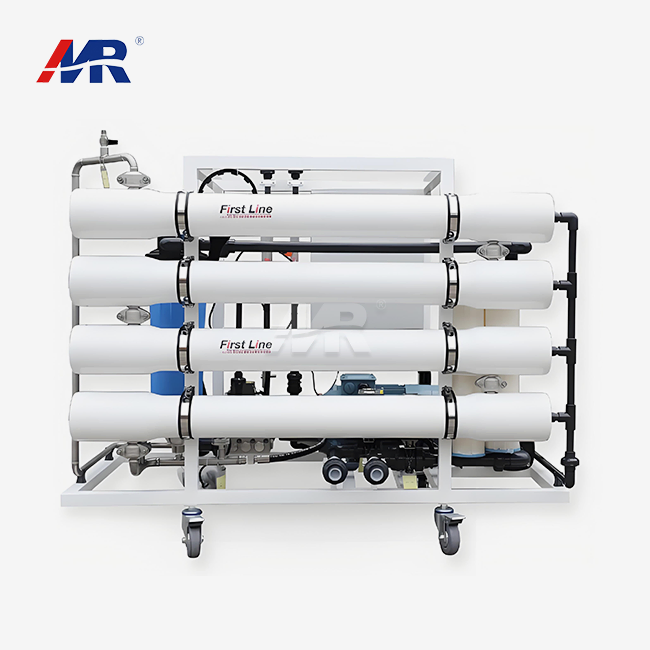
Advanced reverse osmosis technology in a portable desalination machine turns salty or brackish water into clean, drinkable water. This makes it possible to be water-independent in rural areas, disaster zones, and industry sites. These small systems don't depend on city infrastructure and provide instant access to clean water in places where normal supply lines fail. These units meet the important needs of disaster relief teams, maritime operations, and off-grid facilities around the world by combining energy-efficient design with multiple stages of filtration.
Introduction
Getting clean water is still one of the biggest problems in the world, especially in places that aren't close to established infrastructure. Portable desalination machines have become game-changing tools for supply managers, engineers, and business leaders who need to deal with a lack of water. Through complex purification processes, these systems turn salty or dirty sources of water into drinkable water. They offer unmatched freedom for a wide range of businesses, from offshore energy to humanitarian help.
We've seen how portable desalination machine technology changes water security plans in many fields here at Guangdong Morui Environmental Technology. From working with more than 500 clients around the world, we know that understanding both technical skills and real operating needs is key to a successful deployment. This guide gives people who make decisions the information they need to look at, choose, and use portable water cleaning options that help their businesses reach their goals.
The value proposition goes beyond being ready for emergencies. Onboard desalination capacity is useful for manufacturing facilities in areas with limited water supply, pharmaceutical companies that need water that meets GMP standards, and ships that are going on long trips. As the world's need for water grows, businesses that invest in mobile cleaning technology gain a competitive edge by becoming less reliant on outside sources and more stable in their operations.
Understanding Portable Desalination Machines: Technology & Process
Core Desalination Technology
Modern small water treatment systems are built around reverse osmosis. Under this process, pressurized seawater is forced through semi-permeable membranes with pores that are about 0.0001 microns wide. These membranes physically stop salt ions, bacteria, viruses, and dissolved contaminants. Thin-film composite membranes can reject more than 99.4% of salt, making water with less than 500 parts per million of total dissolved solids from source water that has 35,000 parts per million of TDS. It's like a molecular screen; only pure water molecules can pass through, but bigger particles and ionic chemicals can't.
The ro membranes are kept from getting damaged during the pre-treatment stages. Multi-media filters get rid of solids that are floating in the water, and carbon filters get rid of chlorine and chemical compounds that damage membranes. In seawater applications, 800-1000 psi of high pressure is needed to overcome osmotic pressure. Energy recovery devices take in hydraulic energy from the concentrated brine stream. This makes the system use up to 60% less power than older designs.
Design Adaptations for Mobility
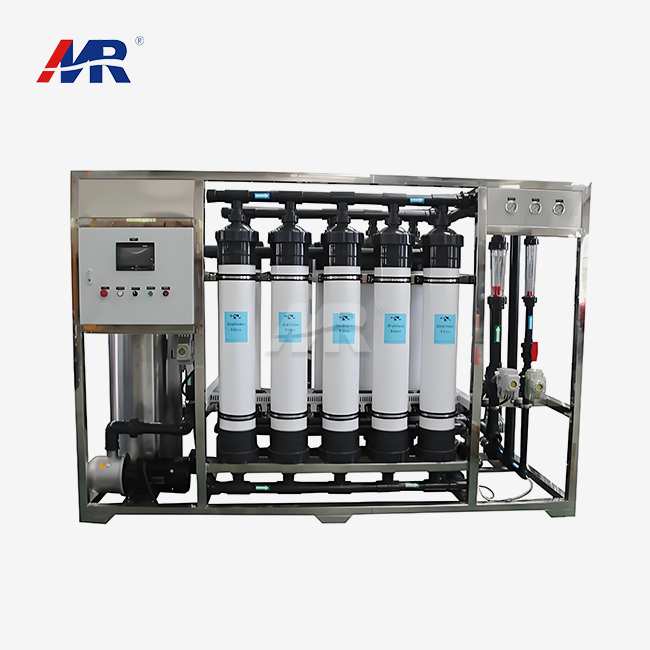
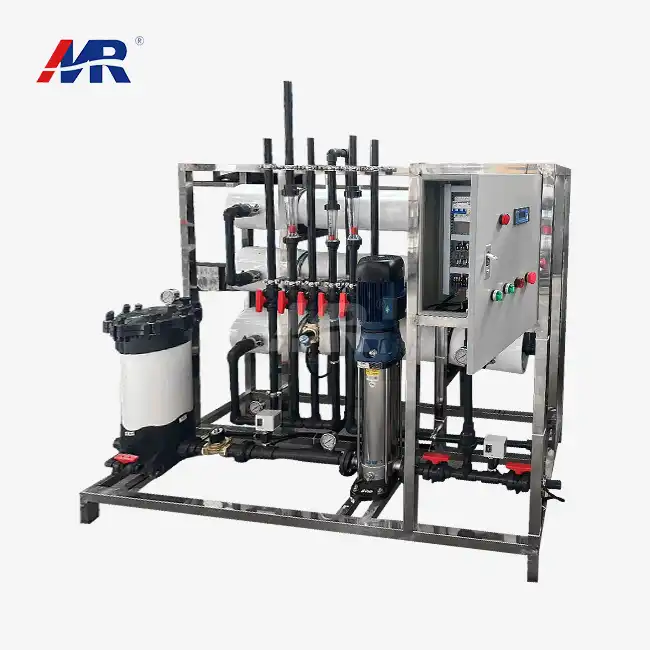
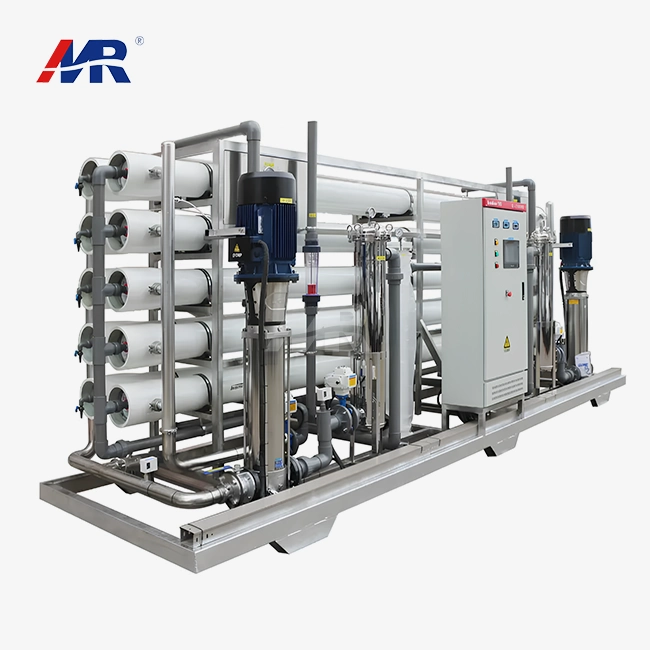
Because mobile units are portable, they have different engineering requirements than stationary installations. Advanced materials like carbon fiber composites and duplex stainless steel, which resist corrosion without adding too much mass, are used in compact systems to cut down on weight. The modular design makes it easy to put together and take apart quickly, and the shock-mounted parts can handle the vibrations of shipping. Skid-mounted designs put all the processing steps on a surface area that is only 2 to 4 cubic meters. This makes it possible to move them to places that would be hard to reach otherwise by light aircraft or water transport.
Automation features make up for the fact that workers in the field might not be well-trained. Without any help from a person, microprocessors and controls handle the pre-treatment washing, pressure regulation, and membrane cleaning processes. Real-time TDS sensors constantly check the quality of the output and sound an alarm if any of the parameters start to drift outside of what is expected. This smart monitoring makes sure that the water quality stays the same, even when it's used by people who don't have specialized training in water treatment.
Power Options and Energy Efficiency
Different implementation scenarios have very different energy sources, which is why flexible power options are so popular. Standard AC configurations use 3 to 6 kWh of power per cubic meter of product water and run on grid power or generators. DC systems that use 12V or 24V batteries work perfectly with solar panel setups, letting them work fully without the power grid in remote areas. When there is an outage or a lack of fuel, hybrid setups instantly switch between power sources to keep output going.
Solar-powered desalination is the area where sustainability-focused businesses are growing the fastest. Modern photovoltaic arrays make enough power for portable desalination machine units that produce 500 to 1500 liters of water every day. However, battery buffering is needed to handle the high current that RO pumps need to start up. Energy recovery devices are especially useful in green energy setups because they let people work longer when the sun goes down. Some companies now make solar kits that come with pre-configured electrical systems. This makes it easier for people who aren't good at electrical engineering to buy solar systems.
Advantages of Portable Desalination Machines for Global Business Needs
Versatility Across High-Stakes Applications
Portable desalination machine technology is useful for three main types of deployments that need water right away. Yachts and commercial shipping fleets alike install small units so that they don't have to stop at ports while on long trips. Ships that go through foreign seas need to be able to produce their own water because they can't buy potable water at every port, which is both inconvenient and expensive. These methods give you the freedom to operate in different ways and plan your trip in any way you want.
After natural disasters that damage or contaminate municipal supplies, humanitarian groups send out rapid-response units to help. When hurricanes hit coastal areas and destroy homes and businesses, portable systems can turn seawater into safe drinking water within hours. The small size makes it possible to transport to remote areas by helicopter, and the ease of use means that local staff can run production with little training. This ability to respond right away saves lives during a critical window when normal relief efforts are still overloaded.
Mobile filtration is seen as important infrastructure rather than backup equipment by businesses that are located in remote areas. Onboard output is important for offshore oil platforms, mining camps, and research sites that are far from freshwater sources. They work all the time in harsh environments, where temperatures can get above 45°C and the water source is cloudy, which would be too much for most systems to handle. With redundant systems, production doesn't stop during repair periods, and operations are protected in case of water shortages that require expensive shutdowns.
Operational Benefits Over Traditional Supply Chains
Being separate from city facilities makes you less vulnerable to supply problems, pollution events, and changes in prices. Controlling how much water an organization uses lowers organizational risk and makes budgeting more predictable. When demand changes, mobile units can adjust their production to keep up. This way, they can avoid the fixed costs and limited capacity that come with centralized treatment facilities.
Here are the main operational benefits that these systems offer:
- Rapid Deployment Speed: Installations are finished in hours instead of months, like permanent infrastructure takes. This lets new needs be met right away without having to go through long permitting processes or civil engineering work.
- Less complicated logistics: Not using water trucks cuts down on the costs, problems with scheduling, and quality control issues that come with using outside suppliers. It also lowers the environmental impact of water delivery operations.
- Simplified Maintenance Needs: New designs only need the membrane to be checked every three months and parts to be replaced once a year. Most of the work can be done by regular maintenance staff using standard tools instead of specialized experts.
- Scalability through modular expansion: more units can be added at the same time to gradually increase capacity. This way, businesses can match the rate of investment with rising demand instead of adding too much capacity at first.
Because of these benefits, you can save money and keep your business running smoothly. Nevada mining companies that switched from trucked deliveries to treating salty water on-site say their water costs went down by 40%. Maritime companies figure that ships that spend more than 200 days at sea each year will have payback times of less than 18 months.
Maintenance Best Practices for Longevity
With proper care, a membrane can last longer than the usual three years, up to five years, which greatly lowers the total cost of ownership. Salt crystallization in the membrane housings can't happen because freshwater is flushed automatically after each production cycle. Operators should keep an eye on the differences in pressure between the steps of a filter and replace the cartridges when the numbers go 20% above the baseline. Every 6 to 12 months, depending on the quality of the source water, mineral scaling can be removed with chemical cleaning that uses citric acid solutions.
To stop biological growth, off-season storage of a portable desalination machine needs to be treated with a preservative. A sodium metabisulfite solution that is safe for food moves through the system, creating an antimicrobial environment that keeps membranes safe during long periods of inactivity. By draining all the water from the parts and adding antifreeze to the pump chambers, proper winterization prevents damage from freezing in cold places.
Comparing Portable Desalination Machines: Making an Informed Procurement Decision
Portable Versus Stationary Systems
Mobile and stationary systems vary mostly in capacity and flexibility. Stationary plants produce 10,000–100,000 liters of water daily with little energy. Permanent facilities have consistent demand. The same location allows them to link to power grids and centralized maintenance systems. Their operating expenses decrease due to economies of scale. Permanent installations make sense for long-standing companies, municipal water systems, and industrial locations that require reliable water.
Portable systems can be transported and set up rapidly, reducing the time. Daily output capacities of 100–3,000 liters are suitable for smaller enterprises, emergency response, and temporary installations. They may be transported to new work locations, vacation spots, and disaster zones without infrastructure since they are tiny and ready for transportation. When operational flexibility outweighs efficiency, portability is worth it.
Key Evaluation Criteria for 2026
You should consider more than the first price before buying. Efficiency metrics, measured in kWh per cubic meter of product water, affect equipment operating costs over time. Energy recovery units utilize 40–50% less power than simple designs, saving fuel and electricity expenses. Recovery ratios reveal how much feed water becomes product. These ratios affect concentrate disposal costs and environmental compliance.
Throughput capacity should meet peak demand, not typical use. To meet peak demand during emergencies, emergency capacity must be increased. Industrial operations benefit from greater capacity to avoid production stops during repair. It's crucial to monitor the link between rated capacity and actual output when source water conditions vary since salty or hazy sources decrease production.
Material quality influences durability in harsh deployment situations. Marine-grade aluminum or duplex stainless steel buildings can withstand salt spray and humidity that degrade other materials. Shock-mounted parts can withstand transit and field handling vibrations. A one- to three-year guarantee demonstrates that the maker trusts the product, and prolonged service agreements help anticipate maintenance expenditures.
Pricing Structures and Procurement Options
Equipment prices vary by size and features. Beginner devices that generate 100–200 liters of water a day cost $3,000–$5,000 for household usage or modest projects. Industrial systems that produce 500–1,500 liters of water daily cost $15,000–$35,000. These systems recuperate energy and automate controls. With enhanced monitoring, high-capacity machines that generate more than 2,000 liters per day may cost $50,000 to $80,000, backed by the reduced production cost per liter in high-volume usage.
Bulk purchase programs give 10–25% savings on five-unit purchases of portable desalination machines. This appeals to firms who wish to set up several systems in various places or stock up on crisis supplies. Short-term projects include rental options from $150 to $400 per day, depending on capacity. Lease-to-own arrangements stretch capital costs over 24 to 48 months, making it cheaper and accumulating funds for auto ownership.
Conclusion
Using advanced reverse osmosis technology, portable desalination machines give people access to clean water without having to worry about getting it. These systems are useful for many things, like maritime operations, emergency response, and industrial facilities that are far away and can't use regular infrastructure. Some important things to think about when making a choice are the right capacity size, energy-saving features, the durability of the materials, and the supplier's ability to help. With the addition of solar panels and Internet of Things (IoT) tracking, the technology keeps getting smarter and more efficient. When businesses buy mobile water treatment, they get more operating flexibility, more predictable costs, and freedom from supply chain weaknesses that are becoming a bigger threat to water security around the world.
FAQ
1. How often should membranes in a portable desalination machine be replaced?
With proper care, a membrane can last for three to five years. Flushing with fresh water after each production cycle stops salt crystals from forming, which damages the membrane's structure. Keeping an eye on the TDS levels in the product water shows how well the membrane is working; higher numbers mean the membrane isn't working as well. Mineral deposits can be removed by chemical cleaning every 6 to 12 months, which increases the life of the equipment. Changing pre-filters at the right time keeps membranes from getting clogged up too soon, which increases the return on the investment in the membrane.
2. Can these systems operate reliably on solar power?
Many DC-powered types work perfectly with photovoltaic panels, so they can be used without connecting to the power grid at all. Battery buffering handles the high start-up current that RO pumps need, making the power supply from variable solar output more stable. Systems that make 500 to 1,500 liters of water a day work well with solar panels that are the right size, but the number of active hours depends on the battery capacity. When the stored energy runs out, hybrid setups instantly switch to backup engines. This keeps production going even when the weather changes.
3. What production capacity do commercial units achieve?
Industrial portable desalination machines make 100 to 3,000 liters of water every day, depending on the model and the characteristics of the source water. When compared to brackish sources that need lower working pressures, high-salinity feed water lowers useful output. The ambient temperature has an effect on performance. When temperatures go above 35°C, production drops by 10 to 15 percent. Recovery rates are usually between 30 and 50 percent, which means that large amounts of concentrate need to be thrown away properly. When demand is higher than a single system's capacity, multiple units can be installed at the same time. This gives both higher output and practical support.
Partner with Morui for Reliable Portable Desalination Machine Solutions
Guangdong Morui Environmental Technology offers complete water treatment services and is backed by 14 regional offices and 500 committed professionals around the world. Our line of portable desalination machines is used in a wide range of fields, from making medicines to offshore energy. The systems are designed to work reliably in harsh conditions. We control quality throughout the whole production chain because we own and run our own membrane factory and equipment assembly facilities. Our relationships with top companies in the field, like Shimge Water Pumps and Runxin Valves, make sure that every part meets strict performance standards.
Email our engineering team at benson@guangdongmorui.com to talk about your specific needs for treating water. We offer personalised talks that look at the quality of the source water, the amount of capacity needed, and the limitations of deployment in order to suggest the best options.
References
1. Greenlee, L.F., Lawler, D.F., Freeman, B.D., Marrot, B., & Moulin, P. (2009). Reverse osmosis desalination: Water sources, technology, and today's challenges. Water Research, 43(9), 2317-2348.
2. Elimelech, M., & Phillip, W.A. (2011). The future of seawater desalination: Energy, technology, and the environment. Science, 333(6043), 712-717.
3. Voutchkov, N. (2018). Energy use for membrane seawater desalination – current status and trends. Desalination, 431, 2-14.
4. Amy, G., Ghaffour, N., Li, Z., Francis, L., Linares, R.V., Missimer, T., & Lattemann, S. (2017). Membrane-based seawater desalination: Present and future prospects. Desalination, 401, 16-21.
5. Shatat, M., Worall, M., & Riffat, S. (2013). Opportunities for solar water desalination worldwide: Review. Sustainable Cities and Society, 9, 67-80.
6. Curto, D., Franzitta, V., & Guercio, A. (2021). A review of the water desalination technologies. Applied Sciences, 11(2), 670-692.