_1745823981883.webp)

How Does Brackish Water RO Lower Operating Costs?
Compared to seawater desalination systems, which need 800 to 1,200 psi of pressure, brackish water RO systems work at much lower pressures, usually 150 to 400 psi. This saves a lot of money. This difference in pressure directly leads to less energy use, which often cuts the cost of electricity by 40 to 60 percent. With the right pre-treatment, brackish water RO membranes can last for three to five years, reducing the need for replacement and the costs associated with downtime.
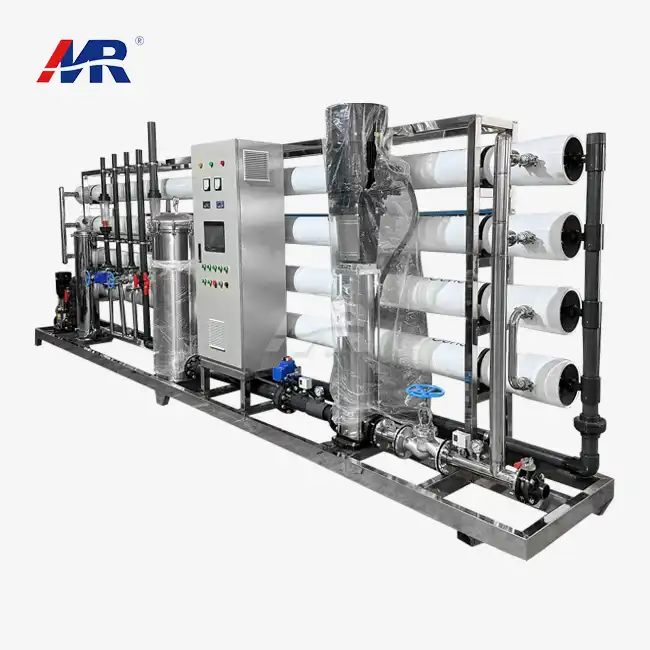
Understanding Brackish Water RO and Its Cost Impact
What Makes Brackish Water RO Different from Other Systems?
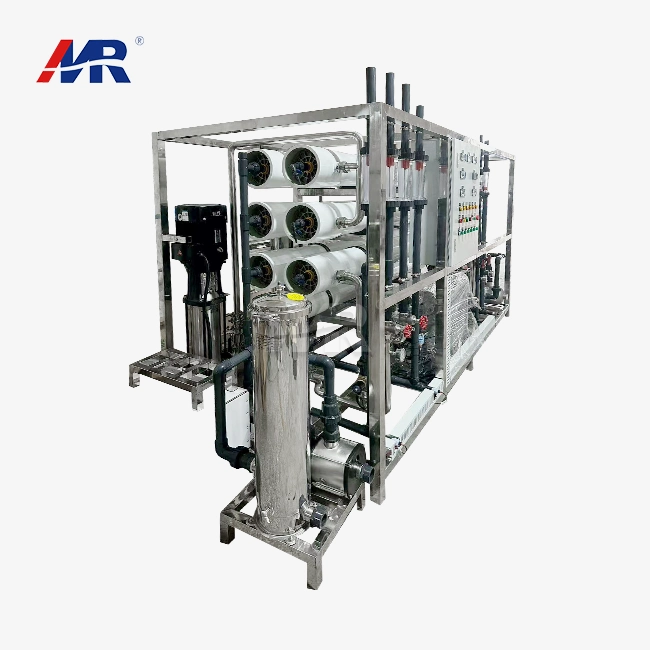
Brackish water RO technology works with a certain range of salinities, like water with TDS levels between 1,000 and 15,000 mg/L. In terms of how hard it is to do and how much energy it needs, this puts it between filtration of freshwater and desalination of seawater. The semi-permeable membranes in these systems are made of thin-film composite (TFC) materials that balance permeability and selectivity. This lets them reject 99.0 to 99.7 percent of salt while using only a moderate amount of energy.
It takes a lot less operational pressure to overcome osmotic forces in brackish water RO than it does in high-salinity situations. While systems that deal with seawater have to deal with osmotic forces above 400 psi, systems that deal with brackish water RO usually don't have to. This basic difference affects every part of the system design, from the specs of the pump to the materials used for the membrane housing. This makes it possible to cut costs in many ways.
How System Design Influences Operational Expenses?
Long-term cost success depends a lot on how the system is built. Recovery rates of 75% to 85% are possible with multi-stage setups. This means that for every 100 gallons of feed water, 75% to 85% become useful permeate. This high recovery ratio cuts down on both the amount of raw water used and the cost of getting rid of concentrate, which are two big costs for facilities that process a lot of it.
Cross-flow filtration keeps the membrane from getting clogged by constantly moving the concentrate across the surface of the membrane. Because of this design choice, cleaning cycles are longer and fewer chemicals are used. This saves money on both direct and secondary costs, like cleaning agents and work time lost during cleaning cycles. Industry standards say that facilities that use cross-flow and optimized pre-treatment designs have 25 to 35 percent lower maintenance costs than facilities that use older single-pass systems.
Key Factors That Influence Operating Costs in Brackish Water RO Systems
Energy Consumption: The Primary Cost Driver
Using energy is the main thing that affects costs. In brackish water RO treatment plants, electricity costs make up about 45 to 60 percent of all operating costs. This group is mostly made up of pump energy, since keeping the transmembrane pressure steady needs constant electrical input. Variable frequency drives (VFDs) are a tried-and-true way to improve performance because they can instantly change the motor speed to match changes in the temperature and quality of the feed water. The viscosity changes with temperature. For every 1°C drop in the temperature of the feed water, the production of permeate drops by about 3%. To make up for this, the pressure needs to rise, which VFDs can do easily.
Energy recovery devices are more popular in seawater applications, but they are being used more and more in big brackish water RO systems that process more than 50,000 gallons of water every day. These devices take hydraulic energy from the concentrate stream and send it back to the feed. In installations of the right size, this lowers net energy use by 15 to 25 percent.
Membrane Quality and Replacement Economics
The choice of brackish water ro membrane is an important purchasing decision that will have long-term cost effects. High-quality TFC membranes made for brackish environments are better able to handle changes in pH (usually between 2 and 11) and chlorine exposure, which delays degradation. These membranes usually last between three and five years if they are properly covered by pre-treatment methods that keep the Silt Density Index (SDI) below 3.
Even though they cost more at first, replacement prices are better for expensive membranes. The total cost of ownership is better for a membrane that costs 30% more but lasts 40% longer because it reduces the number of times the system has to be shut down to replace an element. Normalized performance monitoring, which tracks permeate flow and salt passage while taking temperature and pressure into account, lets you plan replacements ahead of time, which stops catastrophic failures and unexpected production stops.
Maintenance Practices That Control Long-Term Costs
Cost-effective operations can be told apart from expensive reactive settings by their proactive repair procedures for brackish water ro. Regular checks that find early warning signs like a 10% drop in normalized permeate flow or a 15% rise in differential pressure allow action to be taken before performance declines even more. Clean-in-Place (CIP) systems use carefully planned chemical steps to recover membrane permeability at a much lower cost than replacing membranes too soon.
Maintenance investments are more useful when staff are trained. If operators know how the chemistry of the feed water affects the performance of the membrane, they can change the chemical dosing and operating parameters in real time, stopping damage before it happens. Surveys of the water treatment business show that facilities that give their operators thorough training see 20 to 30 percent lower unplanned repair costs.
Strategic Procurement Decisions to Lower Brackish Water RO Operating Costs
Matching System Capacity to Actual Requirements
Systems that are too big waste energy when they're only working at half of their potential, and systems that are too small put stress on parts, which speeds up their wear. To make accurate plans for capacity, you need to do a full analysis of the water quality, including TDS as well as hardness, silica, iron, manganese, and organic content. These factors decide what kind of pre-treatment is needed and affect the choice of membrane, its recovery rate, and how often it needs to be cleaned.
Seasonal changes in the quality of the feed water need to be taken into account when the specifications are being made. Agricultural areas have changes in TDS that depend on how much water is irrigated, while seaside areas have changes in salt that depend on the tides. Systems that are built with the right amount of operational flexibility—adjustable chemical dosing ranges, recovery rates, and staging configurations—keep working at their best in a variety of situations without having to be over-engineered, which can be expensive.
Total Cost of Ownership Analysis
When decisions about what to buy are only based on capital expenditure, the lifetime costs are often higher. A full total cost of ownership (TCO) analysis includes estimates of how much energy the system will use, when the membranes will need to be replaced, how much chemical will be used, how many maintenance workers will be needed, and how long the system is expected to last. In industrial settings, a system that costs 20% more at first but uses 30% less energy usually pays for itself in 18 to 24 months.
When choosing a supplier, you should carefully look at the warranty coverage and service agreements. When a manufacturer backs up their warranties with local service networks, you don't have to worry as much about parts breaking down, and you can get help faster when problems do happen. In production settings, the difference in cost between basic and complete warranty choices is often not worth it when compared to the costs of downtime.
Partnering with Qualified Suppliers
Relationships with suppliers that go beyond just buying equipment give measured value. Manufacturers of original equipment (OEMs) and authorized dealers offer Technical support during system commissioning, operator training programs, and ongoing optimization consulting. These services shorten the time it takes to reach peak performance and help facilities avoid common mistakes that drive up the costs of getting up and running.
When dealing with problems that are unique to a site, the expertise of the supplier becomes even more valuable. To keep scaling from happening, facilities that deal with high silica levels (above 50 mg/L) need special antiscalants and pH adjustment methods. Suppliers who have experience with a certain application can suggest tried-and-true solutions instead of general ones, which saves money by avoiding expensive trial-and-error periods.
Enhancing Cost Efficiency Through Technology and Innovation
Advanced Membrane Materials and Configurations
The technology behind membranes is always changing, and new developments have made it easier to do things. Target rejection rates are reached with low-pressure membranes designed for brackish water RO uses, which have working pressures 10 to 15 percent lower than past generations. This drop in pressure immediately leads to a decrease in energy use over the life of the machine.
Fouling-resistant membrane coatings are another important step forward. These changes to the surface make it harder for organic matter, colloidal particles, and biofilms to stick to it. This means that in many Cases, the time between CIP rounds can be increased from once a month to every three months. Cutting down on how often you clean lowers the cost of chemicals, protects membranes from strong cleaners, and boosts productivity.
Automation and Predictive Monitoring Systems
When Internet of Things (IoT) sensors are combined with artificial intelligence (AI) analytics in brackish water ro smart monitoring systems, reactive maintenance is turned into predictive optimization. Key performance indicators like transmembrane pressure, permeate conductivity, flow rates, and temperature can be continuously monitored. This lets problems with performance be found early. Machine learning algorithms find patterns that show signs of impending fouling, scaling, or membrane damage. This lets preventative actions be taken before big losses in efficiency happen.
Automated chemical dosing systems keep the right amounts of antiscalant and acid/base on hand, so there is no underdosing (which lets scaling happen) or overdoing (which loses chemicals and could damage membranes). Real-time adjustments that react to changes in the quality of the feed water ensure optimal performance across all working conditions. Compared to manual dosing methods, these adjustments cut chemical use by 15 to 25 percent.
Mobile and Modular System Options
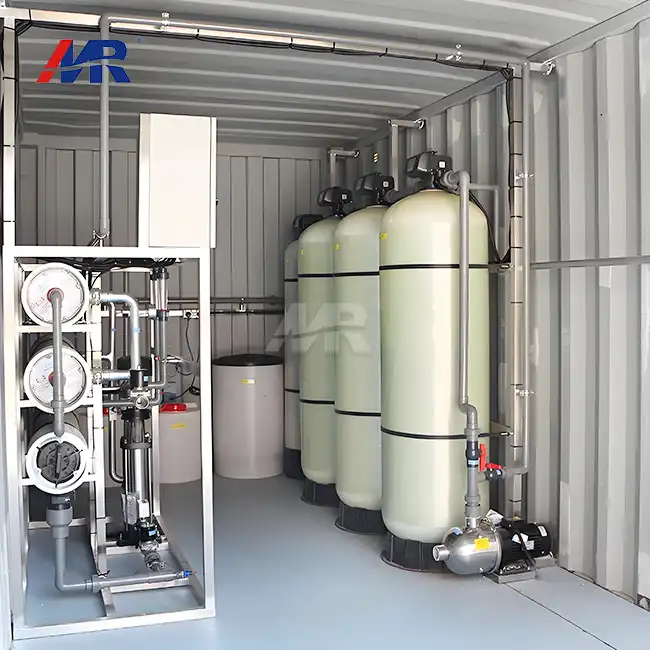
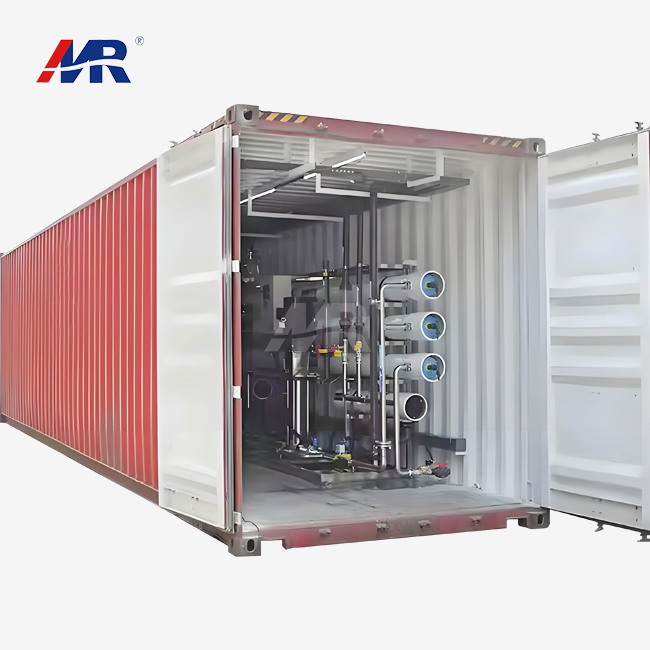
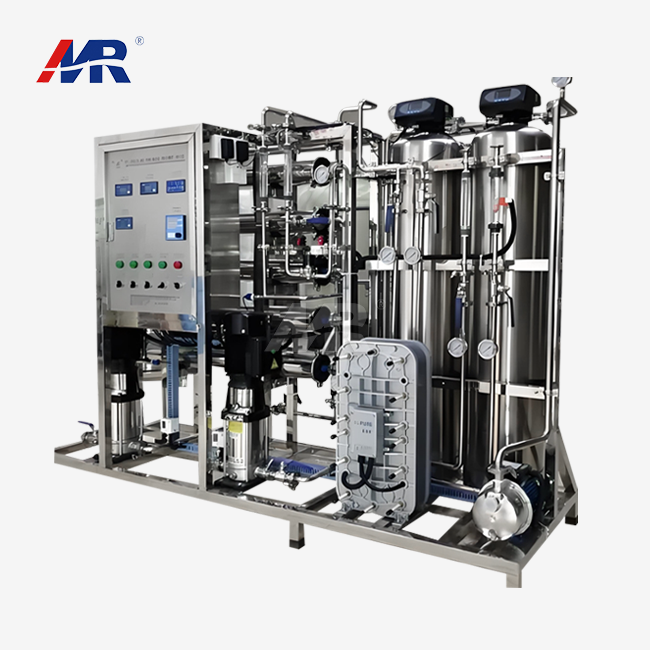
In changing industrial settings, operational flexibility affects system choice more and more. Modular skid-mounted systems have benefits like being easier to expand and faster to set up. They can also be moved to different locations as business needs change. The upfront costs may be higher than with standard built-in installations, but the operating freedom and lower installation costs usually make up for it in situations where the long-term needs aren't clear.
Portable systems are useful for a few specific tasks, like responding to emergencies, temporarily adding to production capacity, and testing before they are permanently installed. Even though not all of the possible combinations are good for continuous industrial production, knowing them all helps procurement teams match technology to real business needs instead of just using standard methods.
Overcoming Common Challenges That Increase Operating Costs
Preventing Membrane Fouling and Scaling
Fouling and scaling are the most frequent and expensive problems that come up when treating brackish water RO. Fouling happens when tiny particles, organic substances, or living things build up on the sides of membranes, making it harder for water to pass through and requiring more pressure to keep the flow going. Scaling happens when minerals that are dissolved in water, like calcium carbonate, calcium sulfate, barium sulfate, or silica, settle on the membrane surfaces as the salt water is concentrated by water recovery.
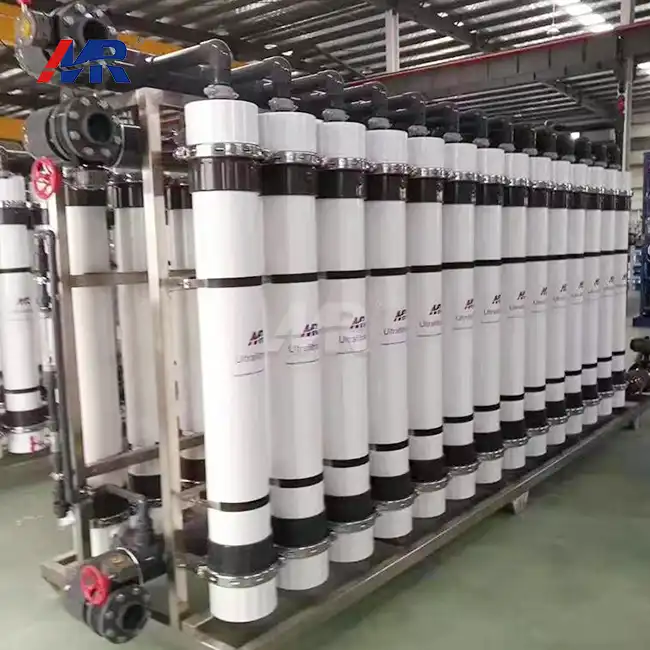
The best way to deal with these problems is to do effective pre-treatment. The exact pre-treatment setup depends on the features of the feed water. It could include multi-stage filtration, activated carbon adsorption, antiscalant injection, pH adjustment, or UV cleaning. For every dollar spent on chemicals and equipment for comprehensive pre-treatment, three to five dollars are saved in operational costs.
Managing Feed Water Variability
The quality of feed water doesn't stay the same for long. The chemistry of brackish groundwater sources is affected by changes in the seasons, industrial discharges upstream, agricultural runoff, and natural changes in the rock formations. When quality extremes hit systems that were designed for normal conditions, they lose efficiency and wear out faster.
Monitoring the quality of the water all the time gives us the info we need for flexible operation. Online instruments that measure pH, conductivity, turbidity, and oxidation-reduction potential make it possible for chemical dosing rates and recovery goals to be changed automatically. Facilities that use adaptive control strategies keep the permeate quality and membrane protection the same even when the feed water changes. This keeps production from dropping and avoids the need for emergency repairs that come with rigid operational approaches.
Training and Knowledge Transfer
Equipment potential doesn't mean much if the person operating it isn't skilled. Staff can get the most out of the system by going through thorough training programs that cover system theory, regular operation, performance tracking, troubleshooting procedures, and maintenance practices. When operators know how operating parameters affect performance, they can make better decisions when things aren't working as they should. This keeps small problems from getting worse and costing a lot to fix.
Documentation and knowledge management tools keep practical ideas alive even after an employee has left the company. Keeping detailed records of how to clean brackish water ro, performance trends, part replacements, and operational changes speeds up troubleshooting and helps guide future efforts to make things better. Facilities that keep full operational histories report that they can solve problems 15 to 20 percent faster than those that rely on individual memories.
Conclusion
In conclusion, brackish water RO technology lowers operating costs in a number of ways that work together. For example, it needs less energy than seawater systems, it recovers more water, so it uses less raw water, and it's an established technology that lets you plan for future maintenance. These benefits are increased by making smart purchasing decisions like matching system specs to real needs, doing a full TCO analysis, and working with suppliers with a lot of experience. Cost performance keeps getting better thanks to new technologies in membrane materials, automation, and tracking systems. Also, careful management of fouling, scaling, and feed water variability stops the operating problems that drive up costs. Companies that treat brackish water and fully understand these cost causes and ways to lower them always have operating costs 30 to 50 percent lower than the average for the industry.
FAQ
1. How often do brackish water RO membranes require replacement?
Good brackish water RO membranes should last between three and five years with the right pre-treatment to keep the SDI below three and the right cleaning methods. The actual lifespan depends a lot on the characteristics of the feed water, the rate of recovery during operation, and how well the system is maintained. Normalized performance monitoring lets replacement decisions be based on data instead of random schedules.
2. What factors drive energy consumption in these systems?
The amount of energy used is mostly determined by the operating pressure, which is directly related to the feed water TDS levels and the recovery rates that are desired. Changing temperatures have a big effect on energy needs because producing the same amount of permeate with colder water requires more pressure. Total electricity use is also affected by how well the pumps work, the type of motor used, and the presence of energy recovery devices.
3. Can brackish water RO systems handle challenging water chemistry?
Specialized configurations are used for difficult feed water conditions like high silica, high hardness, or a lot of organic matter. To keep the solubility, high silica needs a change in pH and special antiscalants. Because each difficult parameter needs a different pre-treatment or operational change, feed water analysis is an important part of system specification.
Partner with Morui for Cost-Effective Brackish Water RO Solutions
For manufacturing, food processing, pharmaceuticals, and municipal applications, Guangdong Morui Environmental Technology specializes in engineered brackish water RO systems. Our all-in-one method includes supplying equipment, installing it, commissioning it, and providing ongoing expert support. We can do this because we make membranes in-house and work with top component providers like Shimge Water Pumps and Runxin Valves. With 20 experienced engineers and 14 area branches, we offer the best options that keep your total cost of ownership as low as possible while also making sure that your business runs smoothly. Get in touch with Our Team at benson@guangdongmorui.com to talk about your unique water treatment problems with a qualified brackish water RO manufacturer who cares about your long-term success.
References
1. Greenlee, L.F., Lawler, D.F., Freeman, B.D., Marrot, B., and Moulin, P. "Reverse Osmosis Desalination: Water Sources, Technology, and Today's Challenges." Water Research, Vol. 43, No. 9, 2009, pp. 2317-2348.
2. Wilf, M. and Bartels, C. "Optimization of Seawater RO Systems Design." Desalination, Vol. 173, No. 1, 2005, pp. 1-12.
3. American Water Works Association. "Reverse Osmosis and Nanofiltration: Manual of Water Supply Practices M46." Second Edition, AWWA, Denver, 2007.
4. Voutchkov, N. "Energy Use for Membrane Seawater Desalination: Current Status and Trends." Desalination, Vol. 431, 2018, pp. 2-14.
5. Kucera, J. "Reverse Osmosis: Design, Processes, and Applications for Engineers." Second Edition, Scrivener Publishing, Beverly, Massachusetts, 2010.
6. Fritzmann, C., Löwenberg, J., Wintgens, T., and Melin, T. "State-of-the-Art of Reverse Osmosis Desalination." Desalination, Vol. 216, No. 1-3, 2007, pp. 1-76.