

_1745823981883.webp)

Modular Reverse Osmosis Desalination Plants: Fast Deployment
Module reverse osmosis desalination plants are a reliable solution for manufacturers, city water departments, and offshore businesses to receive water quickly. They're fast, flexible, and precise. These pre-engineered systems may be implemented immediately, unlike traditional fixed-site installations that take months to develop and plan. Seawater or brackish water can be purified in weeks. Morui has seen procurement managers and plant engineers from healthcare, electronics, and coastal cities and towns use this technology because it solves two primary problems: quick water supply and capacity adjustment. Modular reverse osmosis desalination plants improve how businesses protect water. This balances initial investment and long-term dependability.
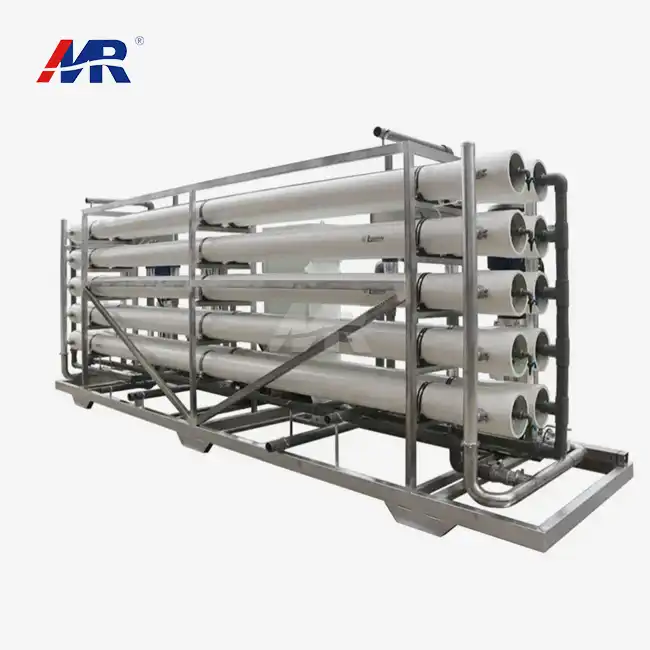
Understanding Modular Reverse Osmosis Desalination Plants
What Defines Modular Architecture?
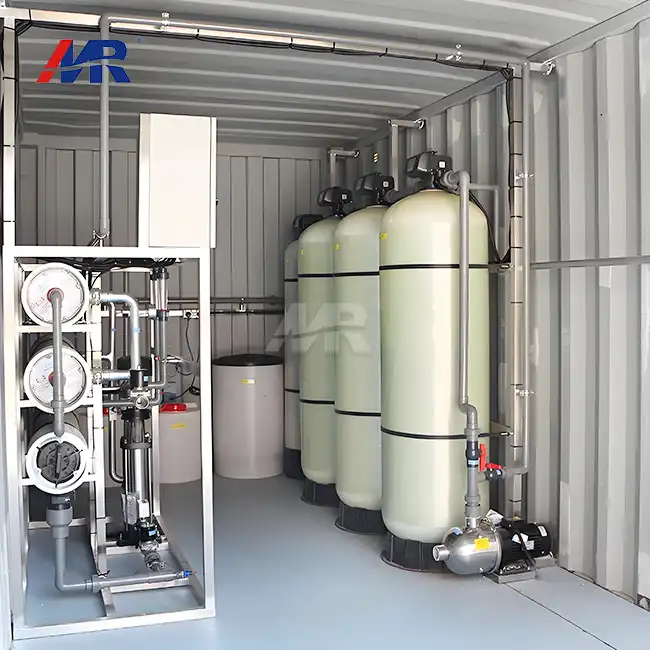
Factory-assembled skid-mounted units or ISO-standard containers contain all the essential parts of a modular desalination system. Energy recovery, semi-permeable membranes, high-pressure pumps, and programmable logic controls are examples. This factory integration eliminates variables that slow down traditional projects during assembly on-site and ensures quality control. Each module is its own treatment train, so operators can use one for trial projects or link several for throughputs of 100,000 cubic meters per day.
How Modular Units Differ from Traditional Plants
Traditional reverse osmosis desalination plants need a lot of civil engineering work, special pipe networks, and multiple construction stages that take longer and cost more in labour. Modular units get around these problems by using standard designs that are tested very carefully before they are sent out. During a drought, a resort on the Gulf Coast needed emergency freshwater. Our Team at Morui produced a 500 m³/day system in containers in just four weeks, which is much faster than traditional building.
Typical Deployment Scenarios
Different types of environments are used by businesses to use modular reverse osmosis desalination plants. Offshore oil platforms depend on small, corrosion-resistant units to provide boiler feedwater and drinkable water for team members to work in the harsh sea environment. Municipal water plants update old systems by adding flexible capacity that doesn't affect current services. These systems are put in place at factories that make semiconductors or medicines to meet the ultrapure water standards needed for precise production. The modular designs make them flexible enough to handle seawater, brackish groundwater, or industrial wastewater sources by letting the pre-treatment and membrane configurations be changed.
Key Benefits of Modular Reverse Osmosis Desalination Plants
There are measurable benefits to choosing modular reverse osmosis desalination plants over traditional options that have an effect on project timelines, budgets, and operational efficiency. These perks are especially important for technical directors who are in charge of making sure systems are reliable and CFOs who are deciding how to spend the company's money.
Accelerated Deployment and Scalability: Usually, it takes 18 to 36 months from the time the design is approved to the time the plant is put into operation. With modular systems, this time is cut down to 8 to 16 weeks. This speed advantage is very important when there isn't enough water to keep production going or protect public health. Scalability works both ways: facilities can increase capacity by adding modules or temporarily lower output during times of low demand by turning off units. This lets them use less energy without making permanent changes to the infrastructure.
Reduced Capital and Installation Costs: Capital and installation costs are lower because factory assembly takes advantage of economies of scale and gets rid of the need for expensive on-site labour premiums. A pharmaceutical client in New Jersey said that the capital costs were 35% lower than with a traditional plant bid. They said that the savings were due to less civil work and faster installation. Modular systems also lower the risks of financing; businesses can spread out their investments by starting with a basic level of capacity and adding to it gradually as funds allow or as demand rises.
Standardised parts across sections make it easy to track excess parts and train workers, improving reliability and maintenance. Maintenance teams swap skids instead of disassembling complex pipe networks when membranes need to be replaced every three to seven years, depending on feedwater quality and pre-treatment. Control panels with real-time monitoring systems alert operators to fouling and pressure fluctuations, preventing unplanned downtime.
Energy recovery equipment in modern modular plants can recover 98% of hydraulic energy from concentrated brine streams. This reduces seawater energy use to 2.5–4 kWh per cubic metre. This efficiency follows California's water-energy nexus policies and company sustainability goals. Chemical dosage devices precisely control antiscalants and disinfectants, decreasing waste and environmental damage.
These combined advantages position modular technology as the preferred choice for organizations requiring rapid, cost-effective, and reliable water treatment solutions. Our engineering team at Morui has helped with more than 200 installations across North America, and these speed gains have always been seen in real-world settings.
The Modular Reverse Osmosis Desalination Process Explained
Pre-Treatment: Protecting Membrane Integrity
The modular reverse osmosis desalination plants need a strong pre-treatment phase to remove suspended particles, organic waste, and biological poisons that dirty screens. Most modular systems drop the Silt Density Index (SDI) below three with multi-media filtering, cartridge filters with five-micron ratings, and UV sterilisation to prevent membrane damage that can't be repaired. Seawater treatment plants incorporate coagulation and flocculation phases to combat coastal algae blooms and colloidal particles.
High-Pressure Membrane Filtration
In core desalination, seawater is pressured at 55–80 bar. By forcing water molecules through semi-permeable membranes, dissolved salts, boron, and tiny pollutants are removed. More than 99.5% of salt is rejected by membrane arrays, leaving permeate with TDS < 500 mg/L. This renders the water drinkable or ultrapure for cleaning. Energy recovery systems use reject brine pressure to reduce operational costs significantly.
Post-Treatment and Quality Assurance
Permeate pH is altered, minerals are supplied to prevent distribution system rusting, and bacteria are killed. Continuous monitoring monitors conductivity, pH, turbidity, and chlorine residuals. If any of these parameters deviate from expectations, the system will shut down to protect product water quality. Post-treatment design follows the WHO drinking water criteria or the USP Purified Water for Pharmaceuticals.
Selecting the Right Modular Reverse Osmosis Plant for Your Needs
Assessing Capacity and Water Source Characteristics
Purchasing teams need to figure out how much water is needed at peak and average times, taking seasonal changes and expected future growth into account. When compared to brackish water, seawater sources require higher operating pressures and more aggressive pre-treatment for reverse osmosis desalination plants. This affects the choice of equipment and the cost of energy. The salt, temperature, SDI, and chemical makeup of the feedwater are analysed to help choose the right membrane type and set up the system.
Comparing Technologies and Customization Options
While modular technology is great for setting up quickly and being able to change how it works, other technologies, such as thermal distillation or electrodialysis, may be better for some uses. Thermal systems can deal with brines that are very salty, but they use more energy. Nanofiltration can work with lower pressures for salty sources, but it rejects less salt. Customisation is possible with modular platforms because they can have different membrane staging, hybrid pre-treatment configurations, or be integrated with existing infrastructure. This balances the benefits of standardisation with the needs of each application.
Evaluating Suppliers and Total Cost of Ownership
Beyond the initial investment cost, people making decisions should also look at how much it costs to change the membrane, how much energy is used, how many chemicals are used, and how easy it is to get expert help. Suppliers with a good reputation offer performance guarantees, full commissioning services, and training programs for operators. Morui works with top membrane makers, like those who make Shimge water pumps and Runxin valves, to make sure that our parts are reliable and that we have access to service networks around the world. When you look at the total cost of ownership over 20 years of use, you'll often find that modular systems are more valuable, even if they cost a little more up front.
Installation, Maintenance, and Cost Considerations
Streamlined Installation Protocols
Levelling the foundations, setting up utility connections for power and feedwater intake, and installing discharge infrastructure for brine disposal are all parts of preparing a site for modular reverse osmosis desalination plants. Plug-and-play units come with control systems that have already been set up. This means that on-site commissioning is only needed for pressure tests, leak detection, and performance verification trials. Our installation teams finish most 1,000 m³/day systems in three weeks from delivery, so they don't have to stop running operations too much.
Proactive Maintenance Strategies
Sticking to Clean-In-Place (CIP) schedules and using approved cleaning agents that remove organic fouling, biofouling, and mineral scaling without hurting membrane polymers is important for keeping membranes in good shape. By keeping an eye on normalised permeate flow and salt passage trends, you can plan preventative maintenance like CIP cycles before fouling has a big effect on performance. When pre-treatment works well, and feedwater quality stays stable, replacement intervals get longer.
Financial Planning and Procurement Models
Modular reverse osmosis desalination plants have capital costs that range from $800 to $2,500 per cubic metre of daily capacity. These costs depend on the saltiness of the feedwater, the level of automation, and the ability to incorporate energy recovery. Most of the costs over the duration are operational, mostly made up of energy, membranes, and chemicals. You can buy the equipment directly, lease it to own it, or sign a Build-Own-Operate-Transfer (BOOT) contract, which lets providers keep ownership and sell treated water under long-term deals while transferring capital risk and practical responsibility.
Conclusion
By providing factory-tested, quickly deployable solutions that scale precisely with demand, reverse osmosis desalination plants redefine water treatment infrastructure. Industries ranging from pharmaceuticals to coastal cities can benefit from shorter installation times, lower capital needs, and more operational flexibility than traditional plants can offer. As the world's water crisis gets worse and rules get stricter, forward-thinking businesses can use modular technology to make sure they have access to reliable, high-quality water supplies while keeping costs and environmental impact low. Putting money into modular desalination is more than just buying equipment. It's a long-term commitment to building water infrastructure that is strong and flexible enough to handle today's problems and tomorrow's growth.
FAQ
Q1: What is the typical deployment timeline for modular reverse osmosis desalination plants?
Depending on the system's capacity and how ready the site is, deployment times for reverse osmosis desalination plants can be anywhere from eight to sixteen weeks from the time the order is placed until the system is fully operational. Smaller units that treat 100 to 500 m³/day can be fully operational in six weeks. Larger multi-module setups that treat more than 10,000 m³/day may need twelve to sixteen weeks to fully integrate and test their performance.
Q2: How do modular systems handle fluctuating feedwater quality?
Advanced control systems keep an eye on the parameters of the feedwater all the time and adjust the working pressure, chemical dosing rates, and membrane flow so that the quality of the permeate stays stable, even when the salinity changes with the seasons or there are short-term contamination events. Variable frequency drives make it possible to precisely control the pump, which reduces energy use while operating in a variety of conditions.
Q3: What are the key differences in maintenance requirements compared to traditional plants?
Maintenance is easier in modular reverse osmosis desalination plants because the parts are all the same and the plants are easy to get to. This means that technicians don't have to learn as much and extra parts are easier to find. Instead of swapping out individual parts in complicated vessels, membrane replacement happens at the module level. This cuts down on downtime and labour hours.
Partner with Morui for Your Modular Desalination Solution
Companies looking for a reliable reverse osmosis desalination plants supplier will find that Morui offers complete solutions that include engineering know-how, high-quality parts, and the ability to set up quickly. Guangdong Morui Environmental Technology has fourteen branches with more than 500 workers and twenty specialised engineers. They also have their own production sites for membranes and processing centers for equipment. Our relationships with top names like Shimge, Runxin, and Createc make sure that every system meets strict quality standards and works reliably. Whether your facility needs a small offshore unit, an installation on a city scale, or a custom pharmaceutical-grade system, our team can do it all, from the initial meeting to completion and ongoing Technical support. Email benson@guangdongmorui.com to talk about your unique water treatment problems and find out how our portable reverse osmosis desalination plants can quickly and safely improve your water security.
References
1. Greenlee, L. F., Lawler, D. F., Freeman, B. D., Marrot, B., & Moulin, P. (2009). Reverse osmosis desalination: Water sources, technology, and today's challenges. Water Research, 43(9), 2317-2348.
2. Elimelech, M., & Phillip, W. A. (2011). The future of seawater desalination: Energy, technology, and the environment. Science, 333(6043), 712-717.
3. Voutchkov, N. (2018). Energy use for membrane seawater desalination – current status and trends. Desalination, 431, 2-14.
4. Ghaffour, N., Missimer, T. M., & Amy, G. L. (2013). Technical review and evaluation of the economics of water desalination: Current and future challenges for better water supply sustainability. Desalination, 309, 197-207.
5. Lattemann, S., & Höpner, T. (2008). Environmental impact and impact assessment of seawater desalination. Desalination, 220(1-3), 1-15.
6. Fritzmann, C., Löwenberg, J., Wintgens, T., & Melin, T. (2007). State-of-the-art of reverse osmosis desalination. Desalination, 216(1-3), 1-76.
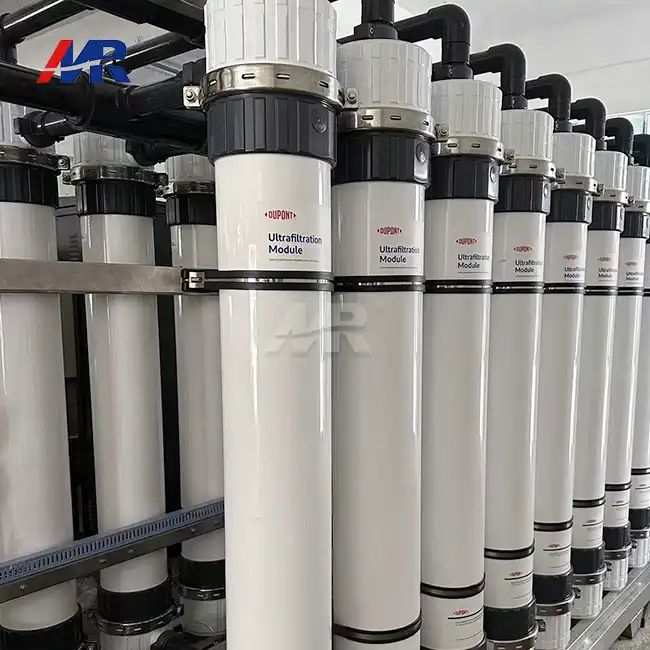 VIEW MORE100T/H ultrafiltration equipment
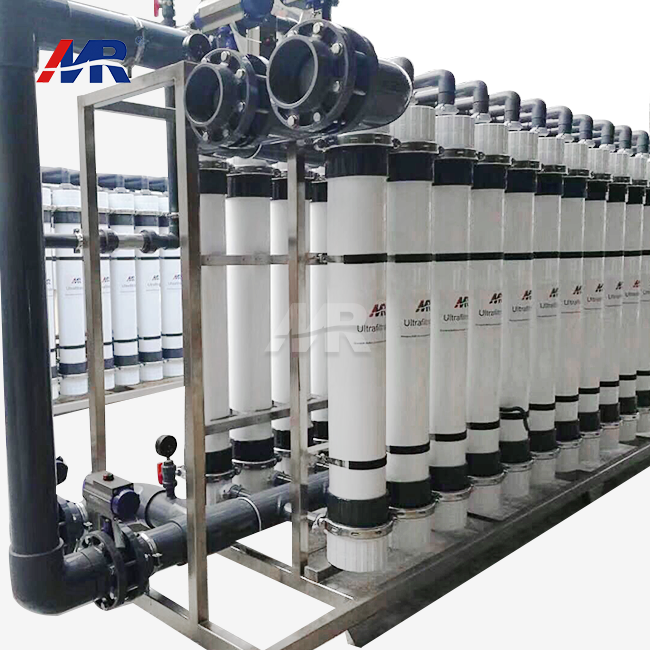 VIEW MOREultrafiltration water system
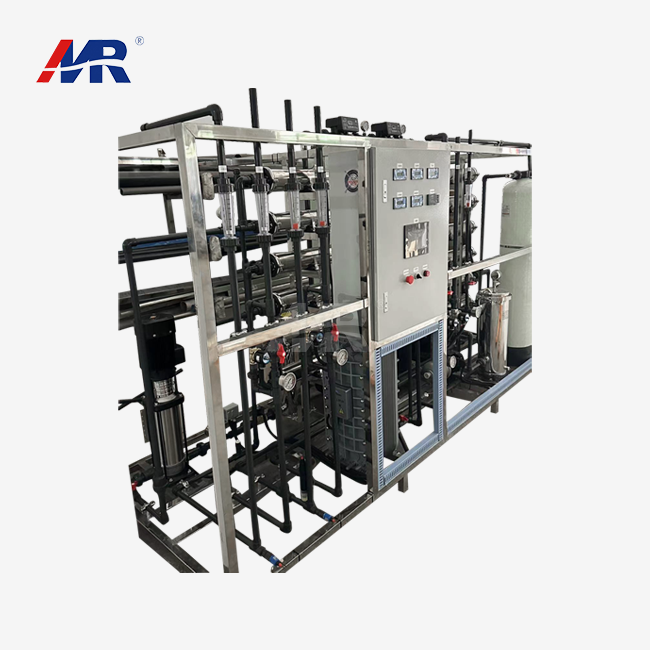 VIEW MOREedi water treatment system
 VIEW MOREhome wastewater treatment plant
 VIEW MOREhome sewage treatment plant
 VIEW MOREunder counter reverse osmosis water system
 VIEW MOREcontainer type 3m3/hour RO equipment
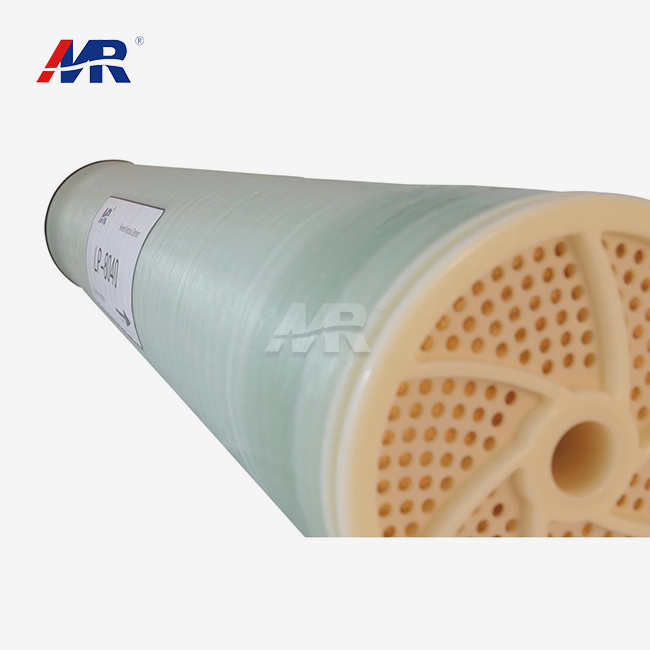 VIEW MOREmembrane used for reverse osmosis
