_1745823981883.webp)

Why choose an ultrafiltration water system for Pretreatment?
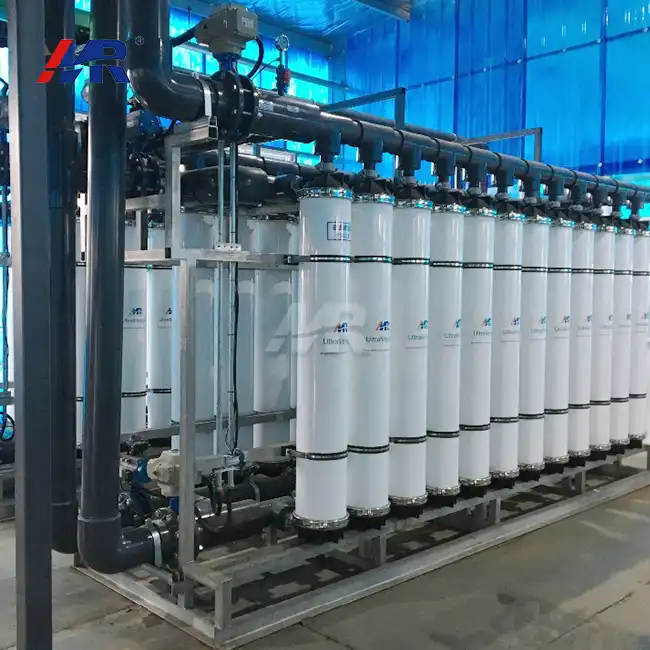
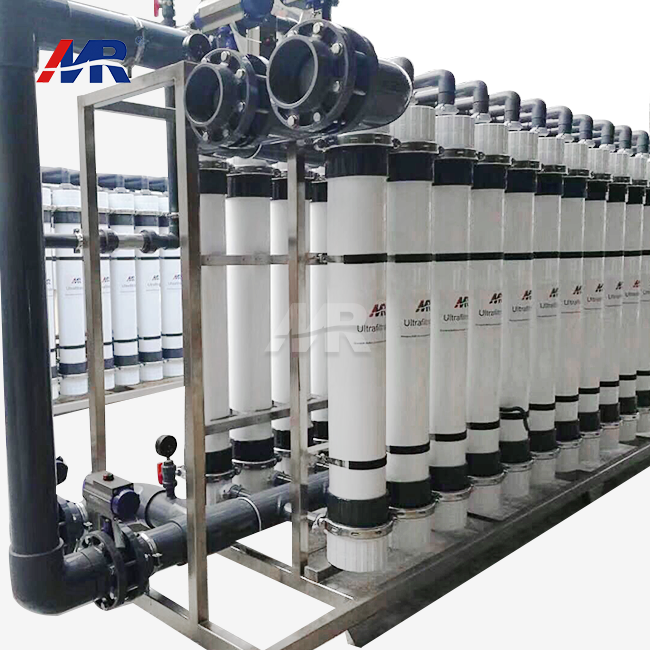
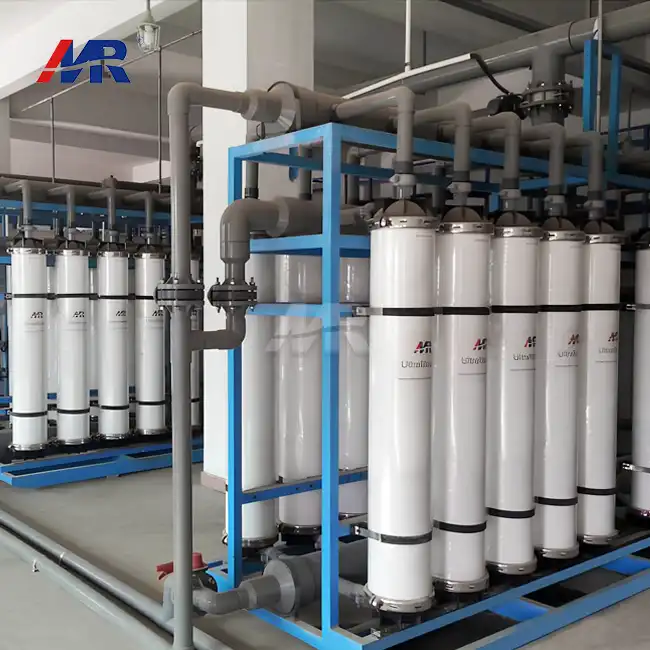
Using an ultrafiltration water system for cleaning protects processes further down the line better and keeps the water quality stable. Ultrafiltration, on the other hand, uses modern membrane technology with pores that are between 0.01 and 0.1 microns in size. This gets rid of dissolved solids, bacteria, viruses, and colloids without using a lot of energy. This accuracy protects expensive Reverse Osmosis membranes from premature fouling, increases equipment lifespan, and lowers overall running costs. It is a smart investment for industrial facilities that put dependability and performance first.
Introduction
Water treatment methods need robust pretreatment measures to maintain quality and equipment life. Businesses, towns, and industries that need to reliably remove impurities before advanced cleaning use ultrafiltration water systems. Guangdong Morui Environmental Technology has witnessed how proper pretreatment may improve operations in many industries, from medicine to saltwater desalination.
Pretreatment is the initial stage and determines how effectively your water filtration system performs. Dirty water in Reverse Osmosis or ion exchange systems fouls membranes quicker, slows cleaning, and raises replacement costs. Ultrafiltration solves these issues by creating a physical barrier that produces consistently low SDI water, generally below 3. This is the standard for securing sensitive equipment later.
As business regulations tighten and water limitations worsen, membrane-based preparation is increasingly vital. Performance-environment solutions are sought by procurement managers and plant engineers. Ultrafiltration solves these demands without chemicals and with a low energy footprint.
Understanding Ultrafiltration Water Systems in Pretreatment
The Science Behind Membrane Filtration
Ultrafiltration excludes size. Water pollutants are physically removed via hollow fibre or spiral-wound filters. The membrane features even pores to block particles, macromolecules, and bacteria while allowing water and dissolved salts to pass. Compared to Reverse Osmosis, which requires 1.5 to 6 MPa, this filtering uses 0.1 to 0.3 MPa.
Transmembrane pressure powers Ultrafiltration. Water molecules pass across the membrane, leaving impurities on the feed side. Most modern uf membranes are polyethersulfone or polyvinylidene fluoride. They are resistant to chemicals between pH 2 and 11 and can withstand temperatures up to 40°C, making them suitable in many industrial environments.
Comparing Pretreatment Technologies
Knowing the distinctions between pretreatment tools helps you choose wisely. Sand or anthracite media filters remove larger particles but not germs or viruses. Activated carbon removes chlorine and chemicals but not germs. Microfiltration removes microorganisms. Ultrafiltration's larger pores (0.1 to 10 microns) work better.
Ultrafiltration water system technology removes all pollutants without chemicals, filling these gaps. Due to its energy consumption and clogging, reverse osmosis is not a viable pre-treatment method for water. It's between Ultrafiltration and Reverse Osmosis; it complicates particle and germ removal. Ultrafiltration water systems are simple to operate and consume minimal energy, making them the greatest pretreatment option for safeguarding subsequent operations.
Performance Metrics That Matter
Ultrafiltration devices get rid of more than 99.9% of bacteria and particles, with Log Reduction Values of up to 6-log for bacteria and 4-log for viruses. Molecular Weight Cut-Off is usually between 10,000 and 500,000 Daltons. This makes sure that all colloids and high-molecular-weight organic substances that would normally clog ro membranes are removed. On average, only 0.1 to 0.3 kWh of energy is used per cubic meter of cleaned water. This is a big savings compared to options that use pressure.
Key Benefits of Ultrafiltration for Pretreatment in B2B Applications
Extended Equipment Lifespan Through Fouling Prevention
Membrane blockage is one of the water treatment facilities' most costly issues. When particles, biofilm, and organic matter build up on RO membranes, flow rates decline, differential pressure rises, and cleaning frequency increases. Ultrafiltration water systems remove contaminants before they reach sensitive equipment. This drastically reduces membrane replacement and maintenance time.
UF pretreatment extends RO membrane life by 40–60% in the pharmaceutical industries. Power firms using Ultrafiltration before deionisation claim they use less chemicals and regeneration. These adjustments immediately reduce the total cost of ownership and improve production consistency.
Consistent Water Quality for Regulatory Compliance
Water quality variations are too much for pharmaceutical GMP and food safety-compliant industries. Ultrafiltration is constant regardless of the supply water. Turbidity stays below 0.1 NTU, and SDI is steady. This reliability ensures batch-to-batch production consistency and aids regulatory compliance paperwork.
UF systems now include automatic backwashing regimens that maintain flux rates without human intervention. Changing flow direction periodically removes impurities from membrane surfaces. Chemically enhanced backwash and Clean-in-Place procedures increase membrane performance, allowing longer maintenance intervals.
Operational Cost Reduction
Ultrafiltration lowers operating costs in a number of ways, in addition to protecting expensive equipment. UF doesn't need coagulants or flocculants to remove contaminants effectively, so a lot less chemical is used. Labor costs go down because operations are automatic and upkeep is done less often. Low working pressures make UF systems energy efficient; when used correctly in the treatment train, they use about one-tenth as much energy as similar RO systems.
Modular UF systems are also cheaper to run because they take up less space. Units can be put in places with limited room and gradually expanded as the need for capacity grows. This scalability lets investments be made in stages that match the growth of the business instead of needing huge starting capital expenditures.
Applications of Ultrafiltration Water Systems Across Industries
Industrial Manufacturing and Processing
An ultrafiltration water system is used to make sure that process water is always of high quality in industries that need it. When making electronics and semiconductors, UF preparation saves ultrapure water systems that clean chips in a way that even small amounts of contaminants can cause problems. UF-treated water is used in electroplating and metal finishing to get a uniform covering quality and to recycle wastewater, which lowers the cost of release.
Ultrafiltration has various benefits for food and drink. Manufacturers of bottled water avoid killing bacteria with heat or chemicals. Whey lines are separated and proteins concentrated by dairy producers. Breweries adjust beer and water using UF. The technology's capacity to maintain product qualities and safety is beneficial for several purposes.
Municipal and Commercial Water Treatment
Water businesses are increasingly using ultrafiltration to upgrade equipment and satisfy changing drinking water requirements. For surface water treatment firms with Cryptosporidium and Giardia issues, UF's physical barrier eliminates pathogens without chlorine byProducts, meeting regulatory standards. This method is particularly useful in areas where water quality fluctuates, making regular cleaning difficult.
Hotels, hospitals, and offices employ UF systems to enhance water supply. The method removes endotoxins and bacteria without leaving compounds that may disrupt medical operations or dialysis treatments, making it beneficial in healthcare.
Specialized Applications in Challenging Environments
Offshore bases and naval boats use small Ultrafiltration units to treat seawater before desalination. This keeps Reverse Osmosis systems from getting biofouled in harsh settings. Farmers in dry areas use UF to clean salty freshwater for irrigation by getting rid of solids that would otherwise get stuck in drip emitters. To keep hygiene high and lower the risk of disease spreading, aquaculture plants cycle water through UF systems.
These different uses show how versatile Ultrafiltration is on a wide range of sizes, from lab benchtop units that process liters per hour to city systems that process 100,000 cubic meters every day. The technology can react to different types of feed water and cleaning goals while still providing the same core performance benefits.
How to Choose the Right Ultrafiltration System for Pretreatment
Assessing Feed Water Characteristics
A thorough study of the water is the first step in choosing the right method. Things like turbidity, total suspended solids, microbe numbers, organic content, and temperature have a direct effect on the choice of membrane and the setup of the system. When water has a lot of particles in it, prefiltration may be needed to keep the UF membranes from getting too dirty. The chemical makeup affects how the cleaning procedure is designed and how well it works with the membrane material.
Flow rate needs indicate how many modules are needed and how they are set up. Size choices should be based on times of peak demand, changes with the seasons, and plans to expand capacity in the future. In an ultrafiltration water system, the recovery rate, or the amount of feed water that is turned into permeate, is usually between 90 and 95 percent. The concentrate stream needs to be disposed of properly or treated further.
Evaluating System Design and Integration
Performance and prices are affected by the choice of configuration between dead-end and cross-flow filter modes. By sending all feed water perpendicular to the membrane surface, dead-end filtering saves the most energy in low-turbidity situations. Cross-flow operation works well in places with a lot of solids because it keeps the radial flow going, which keeps the membrane surface moving and stops cake layers from forming.
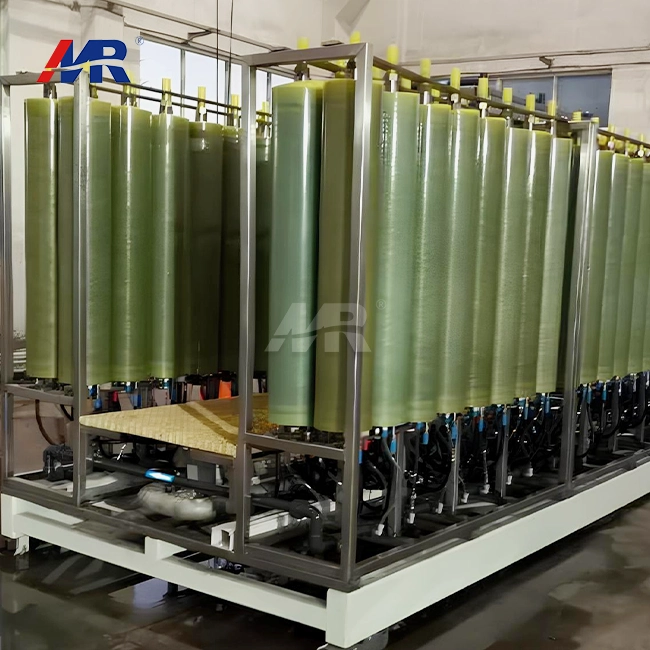
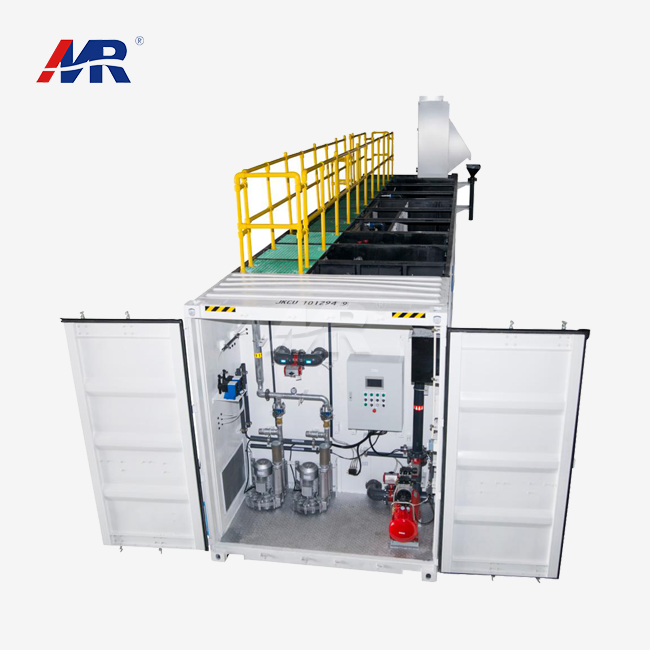
Paying attention to hydraulic compatibility, control system interfaces, and room limits is important when integrating with current infrastructure. Skid-mounted systems make installation easier, but you might not be able to change how they work. Field-erected systems are flexible for big setups, but they make project timelines longer. Knowing about these trade-offs makes sure that technical needs and practical facts are in line with each other.
Selecting Reliable Equipment Partners
There are a lot of trustworthy companies in the Ultrafiltration market that use different types of technology. Checking suppliers means checking the quality of the membrane, the dependability of the system, the availability of spare parts, and the ability to provide expert help. As a partner, Guangdong Morui Environmental Technology works with top component makers like Shimge Water Pumps, Runxin Valves, and Createc Instruments. They also have their own facilities for making membranes. Vertical integration makes sure that quality is controlled and that service after the sale is quick and helpful.
Think about providers who have worked on projects in your business before. References from similar applications show how well the product works in the real world and help with quality. Warranty terms, training programs, and the ability to watch from afar all add value that goes beyond the cost of the technology itself. Long-term relationships with suppliers who care about your business's growth are more important than buying things at the lowest price.
Maintaining and Optimizing Ultrafiltration Systems for Long-Term Performance
Routine Maintenance Protocols
Regular care protects the membrane and keeps the system working well. Transmembrane Pressure, permeate flow, and water quality markers are checked every day to spot problems before they get worse. Backwash cycles that are run automatically usually happen every 30 to 60 minutes, but this depends on the quality of the feed water. The length and frequency of the runs are changed based on performance data. Keeping track of these factors sets a standard for analyzing trends for the ultrafiltration water system.
Chemically improved backwash adds cleaning agents to backwash cycles on a regular basis to get rid of organic matter and biofilms that can't be removed by physical cleaning alone. Solutions usually include alkaline cleaners for organic fouling and acidic cleaners for artificial scaling. The type of cleaner used is determined by the fouling and suitability of the membrane material. This preventative method keeps flux rates steady and avoids the need for harsh Clean-in-Place methods.
Troubleshooting Common Operational Issues
Differential pressure makes signal membrane fouling or mechanical problems worse. Rapid pressure jumps could mean that particles are building up because of poor preparation or inefficient backwash. Gradual rises over weeks show that there is organic or bacterial fouling that needs to be cleaned with chemicals. Different pressure patterns in parallel trains can mean that a valve isn't working right or that the feed isn't being distributed evenly, which needs to be checked mechanically.
More turbidity or bacteria numbers are signs of permeate quality deterioration. This means that a membrane fiber has broken or a seal has failed, letting feed water get around. Isolation and integrity testing done right away find parts that have been affected and need to be replaced. Keeping extra units on hand cuts down on downtime during unplanned fixes, which is especially important in industries that use continuous processes.
Strategic Membrane Replacement Planning
With good care, a membrane should last between three and five years, but harsh feed water conditions may shorten its useful life. Costs can be kept to a minimum by planning replacement rounds based on performance trends instead of random dates. By keeping an eye on differential pressure changes, flux drop rates, and how often things are cleaned, you can tell when repair efforts aren't worth as much as replacement costs.
Large multi-train systems that use phased replacement plans keep their working capacity while keeping capital costs low. Replacing membranes on different trains once a year spreads out costs and lets you see how new and old membranes compare. This method also makes it possible to test new, better membrane technologies as they come out on the market.
Conclusion
An ultrafiltration water system pretreatment is a smart investment that saves equipment further down the line, makes sure that regulations are followed, and lowers running costs in many fields. The technology has been shown to remove particles, viruses, and colloids without adding chemicals or using a lot of energy. This solves one of the biggest problems that water treatment plants face right now. Because they are reliable and efficient, Ultrafiltration systems are becoming more and more important in modern water treatment facilities as water quality standards get stricter and resources get scarcer. Comprehensive preparation with membrane technology gives companies a competitive edge by making processes more reliable, extending the life of equipment, and managing resources in a way that doesn't harm the environment.
FAQ
1. Does ultrafiltration remove dissolved minerals from water?
Instead of dissolved ions, Ultrafiltration screens go after physical contaminants and bacteria. The method gets rid of germs, viruses, and suspended solids while keeping minerals like calcium and magnesium. Because of this, an ultrafiltration water system is perfect for prep tasks where demineralization is done later on by systems like Reverse Osmosis or ion exchange.
2. What differentiates ultrafiltration from reverse osmosis in pretreatment?
Ultrafiltration works at lower pressures and gets rid of particles and germs while letting dissolved salts pass. Reverse Osmosis gets rid of dissolved solids, but it needs more energy and a lot of preparation to keep it from fouling. Using UF as a preparation saves RO membranes and makes the whole system more energy efficient, and lowers its operating costs.
3. How does automated backwashing maintain membrane performance?
Backwashing changes the direction of flow through membranes, which removes contaminants that have built up on fiber surfaces. Automatic processes set off by time intervals or differential pressure limits stop fouling that can't be fixed. Chemically improved backwash adds cleaning agents on a regular basis for greater restoration, keeping flux rates steady between major maintenance events.
Partner with Morui for Superior Ultrafiltration Solutions
Guangdong Morui Environmental Technology has more than 14 offices, 500 committed professionals, and 20 expert engineers who work together to provide complete water treatment solutions. Our own facilities for making membranes and tools for processing make sure that quality control is maintained throughout the whole process of manufacturing and installation. We install an ultrafiltration water system and help you get it up and running. The systems we put together use high-quality parts from known partners like Shimge pumps and Runxin valves.
Our engineering team creates unique solutions that meet your exact needs, whether you're a pharmaceutical company that needs GMP-compliant water, a local utility that wants to increase its treatment capacity, or an industrial facility that wants to improve the quality of its process water. We both make Ultrafiltration water systems and work with you as a strategic partner, helping your business from the first assessment to long-term improvement. Email our technical experts at benson@guangdongmorui.com to talk about how our pretreatment solutions can improve the stability and efficiency of your water treatment facilities.
References
1. Membrane Technology and Applications, Third Edition, Richard W. Baker, John Wiley & Sons, 2012.
2. Water Treatment Membrane Processes, American Water Works Association Research Foundation, McGraw-Hill Professional, 1996.
3. Ultrafiltration and Microfiltration Handbook, Munir Cheryan, CRC Press, 1998.
4. Principles of Water Treatment, Kerry J. Howe et al., John Wiley & Sons, 2012.
5. Industrial Water Treatment Process Technology, Ralph L. Stephenson, CRC Press, 1995.
6. Membrane Filtration Guidance Manual, United States Environmental Protection Agency, EPA 815-R-06-009, 2005.