_1745823981883.webp)

How Does an EDI water system Work in Industrial Purification?
EDI water systems (Electrodeionization) use electricity, ion-exchange membranes, and resin surfaces to remove ions from water constantly without creating new chemicals. The method uses direct current across alternating cation and anion exchange membranes to separate and transport ionic contaminants, making ultrapure water with a resistivity of up to 18.2 MΩ·cm. This is different from traditional deionization, which needs acid and caustic batch regeneration. This process doesn't use any chemicals, so it gets rid of harmful waste, cuts down on operational impact, and ensures uniform water quality, which is important for making semiconductors, medicines, and high-pressure boiler feed.
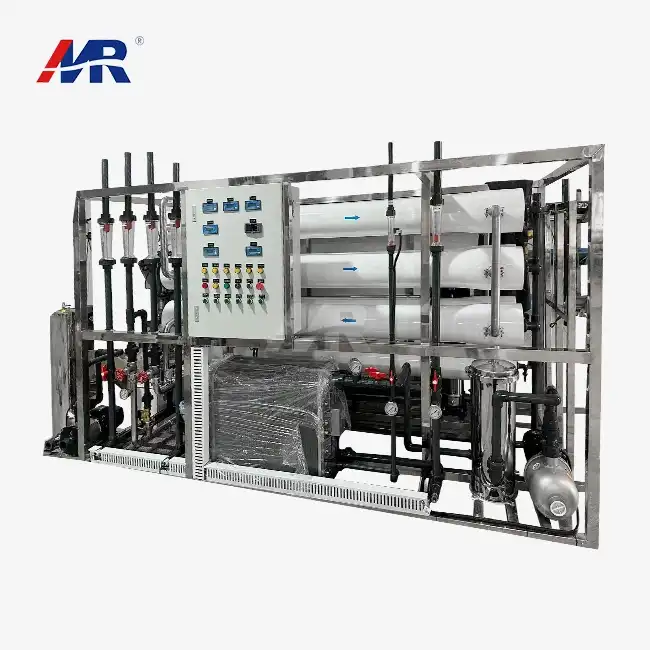
Understanding EDI Water Systems: Technology and Working Principles
What Defines Electrodeionization Technology
Combining ion exchange chemistry with electrodialysis membrane separation, electrodeionization is a big step forward in continuously cleaning water. The technology solves important problems in the industry, like getting rid of the need to handle dangerous chemicals, making it easier to follow environmental rules, and keeping the production of ultrapure water going without stopping. We've seen sites switch from traditional mixed-bed deionizers to EDI setups, which improved the quality of the water and cut regeneration downtime by 100%. Water molecules split into H⁺ and OH⁻ ions, which constantly refresh the resin beads that are inserted in the membrane sections. This is how the system can repair itself.
Core Components Driving Purification Performance
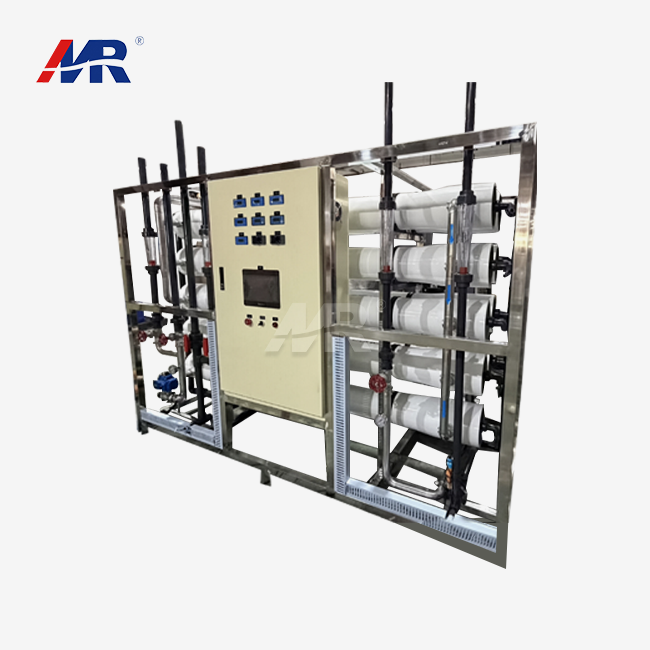
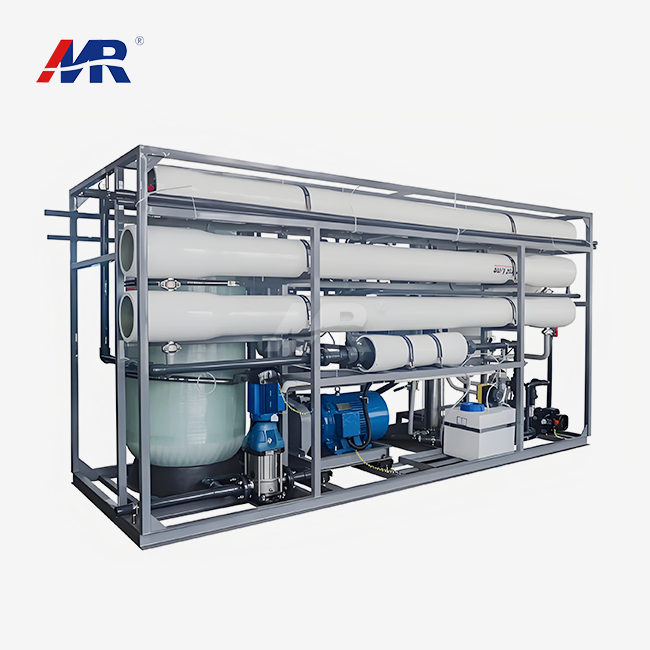
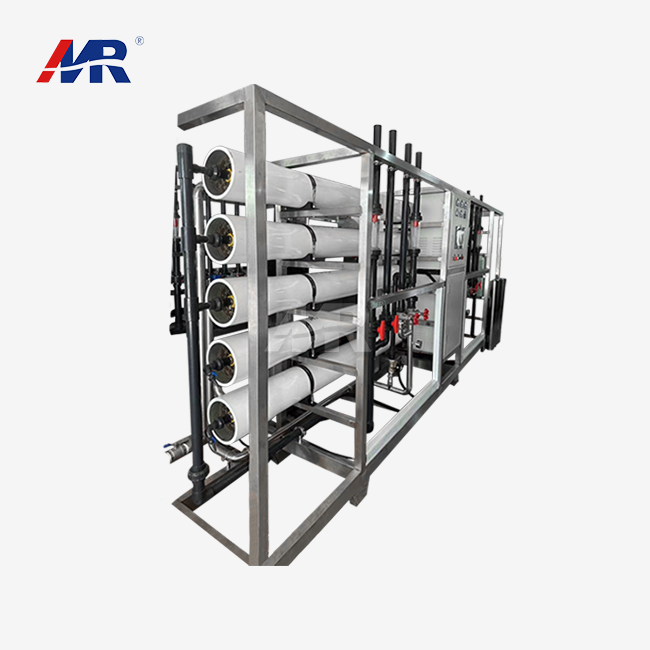
An industrial EDI module is made up of several carefully designed parts that work together to form a structure. Ion-selective membranes make concentrate and dilute chambers that go back and forth, sending cations to the cathode and anions to the anode. The needed direct current field is made by electrode units, which usually work at 200 to 600 volts based on their shape and the conductivity of the feed. Mixed-bed ion-exchange resins are put into the dilute tanks to pick up any leftover ions that the reverse osmosis preparation did not remove. System controllers keep an eye on important factors like pressure difference, electrical resistance, and resistivity of the product water. If the quality of the feed water changes, the voltage is instantly adjusted to make up for it.
Step-by-Step Deionization Mechanism
When water comes into an EDI stack, it first goes through RO filters, which get rid of 95–99% of the dissolved solids. This keeps the electrodeionization unit from getting clogged up too soon. The RO permeate moves into tanks with less water, where leftover ions meet ion-exchange resins. Cations move through cation-selective membranes into neighboring concentrate streams when an electrical potential is applied. Anions, on the other hand, move through anion-selective membranes in the opposite way. This constant movement of ions keeps the product water quality fixed and stops the resin from running out. Streams of concentrated ions that have been rejected leave the system to be thrown away or recovered, while streams of cleaned water go to ultrapure storage or direct use places.
Benefits and Applications of EDI Water Systems in Industry
Chemical-Free Operation and Environmental Advantages
The electrodeionization method gets rid of the need for caustic soda and sulfuric acid, which means that dangerous chemicals don't have to be stored, which saves lives and makes things easier for regulators in EDI water systems. Facilities no longer make acidic or alkaline regeneration waste that needs to be neutralized before it can be released. We found that if a medium-sized pharmaceutical business that makes 50 m³/hour of clean water adopts EDI water systems, it can get rid of about 800 tons of concentrated chemical trash every year. The technology fits with the goals of ISO 14001 environmental management and backs up companies' promises to be more environmentally friendly, which are being looked at more closely by regulators and stakeholders.
Superior Water Quality for Critical Manufacturing
When electrodeionization systems are kept in good shape, the water that comes out of them has a resistance of 16 to 18.2 MΩ·cm, silica levels below 1 ppb, and boron removal above 99%. This performance meets strict needs in a wide range of challenging uses. Facilities that make semiconductors need this level of cleanliness for wafer rinsing, because even small amounts of metallic ions can cause flaws that lower chip output. Power plants need boiler feed water that has a low conductivity so that scale doesn't build up on the blades of turbines that are working at temperatures above 500°C. Pharmaceutical plants make water that meets the standards for USP Purified Water, which is then fed into systems that make water for injection.
Diverse Industrial Applications Driving Adoption
Here are the core sectors where EDI technology delivers exceptional value:
- Pharmaceutical and Biotechnology Manufacturing: Making purified water all the time in a way that follows cGMP rules for preparation, cleaning equipment, and using it as a raw material in the production of sterile injectables. The lack of chemicals keeps the risks of pollution that come with leftover regenerant carryover to a minimum.
- Electronics and Semiconductor Production: Making ultrapure water for photolithography, chip cleaning, and chemical mechanical planarization processes; ionic and particulate pollution has a direct effect on how well devices work and how many are made.
- Power Generation Facilities: High-purity boiler feed water keeps turbine systems from rusting and scaling, which extends the life of equipment and keeps thermal efficiency high in both traditional thermal plants and nuclear installations.
- Laboratory and Research Institutions: Type I reagent-grade water for ICP-MS, HPLC, and molecular biology uses where trace contaminants affect the accuracy of the test and the repeatability of the experiment.
These uses show that EDI can be used in a variety of situations with different temperatures, flow rates, and cleanliness requirements. The flexible design lets you change things to fit your needs, from small lab units that can handle 0.5 m³/h to huge industrial setups that can handle 100 m³/h or more.
Comparing EDI Water Systems with Other Purification Technologies
Electrodeionization Versus Reverse Osmosis
Both methods get rid of dissolved solids, but they do so in very different ways and to very different levels of performance. RO uses semi-permeable membranes and high hydraulic pressure (150–1200 psi) to physically separate molecules and ions based on their sizes. The process can get rid of 95–99.5% of monovalent ions, but the resistance limits are usually between 0.5 and 1 MΩ·cm because of the CO₂ content that gets through. EDI is used after RO in treatment trains to polish conductivity to levels that can't be reached with membrane filtration alone. The mix uses RO's ability to remove bulk ions and EDI's ability to remove trace contaminants, making a result that is better than either technology alone.
Traditional Mixed-Bed Deionization Trade-offs
Using separate cation and anion resin beds for conventional ion exchange makes ultrapure water that is the same quality as EDI, but it needs to be regenerated every so often with strong acids and bases. Regeneration processes take two to three hours, and the system is not working during that time. To keep output going, redundant parallel trains are used. Using chemicals, building storage facilities, and getting rid of waste all make operations more difficult and hurt the earth. EDI turns this batch process into a continuous operation, which gets rid of the need for chemicals, cuts down on the physical size by 30–50%, and keeps the quality of the product fixed without the slow loss of quality that comes with resin running out between regenerations.
Cost Implications and Total Ownership Analysis
Because they have more complex power sources and membrane structures, edi systems usually cost 40 to 60 percent more than mixed-bed deionizers. The picture is different when you look at operating costs. Chemical-based regeneration can cost $0.50 to $1.50 per cubic meter, which includes chemicals, trash treatment, and disposal. It uses about 0.3 to 0.5 kWh of energy per cubic meter of product water. We've seen that switching to electrodeionization pays off in three to five years for pharmaceutical and electronics plants. The savings speed up as chemical costs rise and environmental rules get stricter. EDI has lower maintenance costs because it doesn't need to be serviced as often and doesn't need renewal equipment that is prone to valve and injector failure.
Maintenance, Troubleshooting, and Maximizing EDI System Performance
Routine Care Practices for Sustained Performance
Regular tracking and preventative maintenance plans are needed to keep electrodeionization working at its best. Every day, checks are made to see if the product's water resistance, concentrate flow rates, and electrical current draw are different from the starting points. As part of the weekly jobs, electrode assemblies must be checked for scaling or rust, the quality of the RO permeate must be tested to make sure it has been properly treated, and the pressure drop across membrane stacks must be looked at to see if it suggests possible fouling. Calibration of internal resistance cells once a month ensures that water quality data is correct. The original performance of a membrane stack is maintained by replacing or refurbishing it once a year. Under normal working conditions, the stack should last between 5 and 8 years.
Common Operational Issues and Solutions
If the product water resistance goes down even though the feed quality stays the same, it's likely that organic molecules or colloidal silica are blocking the upstream treatment and fouling the membrane in EDI water systems. We've solved these kinds of problems by cleaning them in place with special non-oxidizing agents made for EDI use. If the electrical current goes up but the resistance doesn't go down, this could mean that scaling is happening on the electrodes or membranes. This is usually caused by calcium carbonate or calcium sulfate precipitation from not using enough antiscalant, or the quality of the RO permeate going down. A high difference in pressure across the stack means that particles are building up, which means that the quality of the multimedia filters and RO elements needs to be checked. By noticing these trends, you can take action before performance problems affect production in EDI water systems.
Enhancing Long-Term System Efficiency
Aside from reactive repair, strategic system management is also needed to improve EDI performance. Adding membrane contactors to remove CO₂ from RO permeate greatly lowers the ionic load on the electrodeionization unit. This lowers power use and increases membrane life. Using dual-train setups with automatic switchover lets you do periodic CIP without stopping output. Newer membrane stack designs that are better at hydrodynamics and electricity efficiency can increase output by 15 to 25 percent from footprints that are already in place. Predictive maintenance is possible with remote monitoring systems because they keep an eye on performance trends and let workers know about small problems before they need to shut down for emergencies.
Procurement Guide: Selecting and Purchasing Industrial EDI Water Systems
Critical Selection Criteria for Your Application
Before choosing the right electrodeionization system, you need to be clear on the exact water quality needs, such as the goal resistivity, silica content, TOC limits, and bacterial requirements. Flow rate calculations need to take into account times of high demand, expected growth, and enough backups. The hardness, TDS, CO₂ content, and organic loads of the feed water are measured and used to guide the design of the cleaning process and determine the size of the membrane stack. Equipment design is determined by how well it works with other RO systems, the voltage and phase of the power source that is available, and the amount of space that is available. Before asking for bids, you should make clear functional specifications and make sure that all vendor quotes include the same performance criteria so that you can compare them in a useful way.
Evaluating Suppliers and Manufacturer Credentials
There are both well-known global companies and specialized regional sellers in the industrial water treatment market for EDI water systems. Each has its own benefits. When judging a supplier's qualifications, you should look at more than just the cost of the tools themselves. The success of a project depends a lot on the Technical support that is available, such as application engineering help, testing services, and quick fixing. Capital investment is protected by warranty terms that cover the life of the membrane stack, electrical parts, and performance promises. The availability of spare parts and the time it takes to send them keep downtime from lasting too long when a component fails. References from similar business uses of EDI water systems show how well the product works in the real world and help you build long-term relationships with suppliers.
Installation Considerations and Operational Economics
In addition to the price of the equipment itself, the total cost of the job includes the work to install it, the cost of changing pipes, the cost of upgrading the electrical infrastructure, and the cost of commissioning it for use. You can rent or lease instead of buying something, which is especially useful for short-term projects or places that want to test technology before putting it into full use. The main cost of doing business is energy, which is affected by local utility rates and the quality of the feed water, which in turn affects the demand for electricity. Comparing the total cost of ownership over 10 to 15-year equipment lifespans, which includes repairs, replacement parts, and planned technological upgrades, gives accurate financial forecasts that support requests for capital funding and choices about which vendors to choose.
Conclusion
Electrodeionization technology has grown into the best way to make ultrapure water all the time in the lab, in the semiconductor, in the pharmaceutical, and in the power generation industries. The chemical-free process meets environmental requirements and consistently produces water quality that meets the highest standards in the business. It's easier to see why EDI systems are better than other ways of cleaning when you know how they combine electrically-driven ion movement with membrane separation and ion exchange. Performance and return on investment are best achieved through proper pretreatment design, regular upkeep, and choosing a provider based on sound information. As standards for industrial water quality get stricter and concerns about sustainability grow, more and more manufacturing companies that need stable, high-purity water sources will start using EDI.
FAQ
1. Does an EDI Water System Require Reverse Osmosis Pretreatment?
Without a doubt, electrodeionization units must come after RO systems that get rid of 95–99% of the dissolved solids earlier. This preparation keeps EDI membranes from getting clogged up and growing, which would quickly lower their performance. If you try to use EDI on either raw or warmed water, it will be damaged right away and need a costly membrane replacement.
2. What Is the Typical Lifespan of an EDI Stack?
High-quality membrane stacks usually last between 5 and 8 years of steady service if they are properly treated with RO and maintained regularly. Lifespan depends on the quality of the feed water, the number of hours it is used, and how well it is cleaned according to the manufacturer's instructions. The upper end of this range is usually reached by facilities that have tight control over the treatment that comes before them.
3. How Does CO₂ in Feed Water Affect EDI Performance?
Even though it is not charged, dissolved carbon dioxide works as an ionic loader, turning into carbonic acid that lowers the product's water resistance. Concentrations above 5–10 ppm have a big effect on function. When amounts are high, we suggest using membrane contactors or degasification towers to get rid of CO₂ before the EDI unit.
4. Is Electrodeionization Energy-Intensive?
The technology works well; it usually uses less than 0.5 kWh per cubic meter of water that is produced. This low electricity demand is better than thermal distillation and has a low running cost compared to chemical regeneration systems that need to heat, neutralize, and clean waste.
Partner with Morui for Your Industrial EDI Water System Needs
Guangdong Morui Environmental Technology Co., Ltd. can help you with your ultrapure water problems because they have a lot of experience with electrodeionization. Twenty of the 500 people on Our Team are specialized engineers who build, install, and start up full treatment systems that combine RO pretreatment with EDI cleaning and are made to fit your exact needs. As a well-known provider of EDI water systems, we can make unique solutions for you, whether you need to clean pharmaceutical-grade water, make ultrapure water for semiconductors, or make high-purity boiler feed for power plants. Our 14 regional branches across China make sure that expert help is quick and that spare parts are always available. We have a special building where we make ion-exchange membranes. We also work with top brands like Shimge Water Pumps and Runxin Valves to provide turnkey setups that come with full insurance coverage. Visit email our technology team at benson@guangdongmorui.com to talk about how our EDI solutions can help you improve your water treatment processes while using fewer chemicals and having less of an effect on the environment.
References
1. American Society for Testing and Materials. (2018). Standard Specification for Reagent Water (ASTM D1193-06). West Conshohocken: ASTM International.
2. Ganzi, G.C., Wood, J.H., and Griffin, K.L. (2017). Electrodeionization: Theory and Practice of Continuous Electrodeionization. Hoboken: Wiley-Blackwell Publishing.
3. International Society for Pharmaceutical Engineering. (2019). ISPE Baseline Guide Volume 4: Water and Steam Systems (Second Edition). Tampa: ISPE Publications.
4. Semiconductor Equipment and Materials International. (2020). SEMI F63-0307: Guide for Ultrapure Water Used in Semiconductor Processing. Milpitas: SEMI Standards.
5. Wood, J., Gifford, J., Arba, J., and Shaw, M. (2010). Production of Ultrapure Water by Continuous Electrodeionization. Desalination, 250(3), 973-976.
6. United States Pharmacopeial Convention. (2021). USP Monograph: Purified Water - Chemical Tests and Assays. Rockville: USP Publications.