

_1745823981883.webp)

Why Choose an electrodeionization system for RO Polishing?
Even though reverse osmosis can make water with total dissolved solids below 20 ppm, a lot of industry processes still don't get it as clean as they need to in order to make semiconductors, medicines, or boiler feed systems. An electrodeionization system fills in this important gap by getting rid of leftover ions without using dangerous chemicals, needing constant downtime for recycling, or the problems that come with getting rid of acidic and caustic waste. EDI technology changes RO permeate into water with a resistivity close to 18 MΩ·cm by using ion exchange membranes and a direct current electric field. This is a level of purity that is hard for standard mixed-bed systems to maintain consistently with an electrodeionization system.
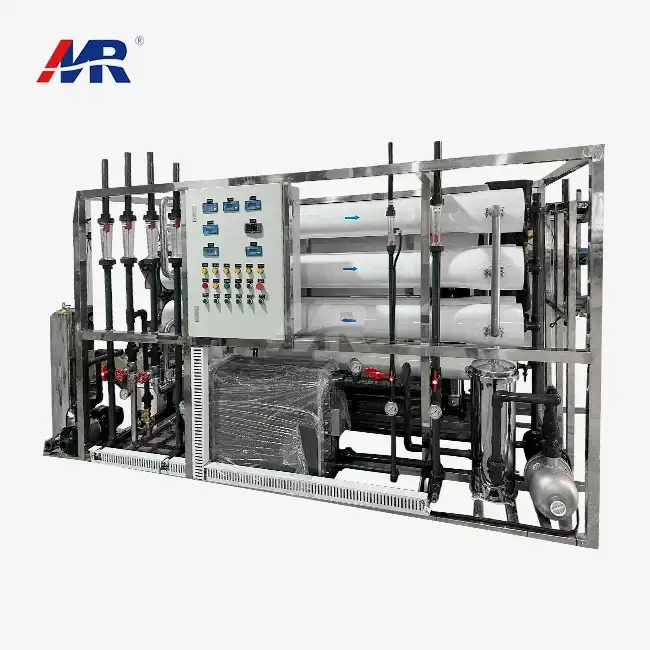
Understanding Electrodeionization Systems: Principles and Benefits
How EDI Technology Works
The EDI uses ion exchange resins and electricity-driven ion mobility. Clean water runs through tubes with mixed resin beads and cation and anion exchange screens. When a direct current travels across these membranes, positive ions migrate to the cathode and negative ions to the anode. The electric field breaks water molecules into hydrogen and hydroxyl ions, which resins employ to form resin beads in real time. This process may continue without chemical regenerants. This closed-loop cycle maintains purity without pausing.
Core Advantages for Industrial Users
Industrial locations gain from EDI after reverse osmosis. Working without chemicals eliminates safety concerns and paperwork associated with strong acids and caustics. This reduces liability insurance and training costs. Continuous recycling keeps resin bed swap manufacturing lines running, improving uptime and output. Thermal distillation and numerous RO cycles utilise more energy than less than 0.1 kWh per cubic metre of water. The tiny, flexible design uses half the floor area of typical ion exchange tanks, saving space in busy plants. Sensors and programmed logic controls automate tracking, freeing technical personnel to focus on more critical activities like valve adjustments and chemical dosing. When reviewing capital equipment, experienced decision-makers and financial controllers generally mention reduced risk, more predictable operational expenses, and less downtime.
Proven Performance in Demanding Applications
Semiconductor makers clean wafers using ultrapure water. Ionic pollutants may harm nanometre circuits even in modest concentrations. EDI modules continually remove boron and silica to parts-per-trillion levels, maintaining resistance over 18 MΩ·cm throughout manufacturing cycles. Water for Injection manufacturers enjoy how EDI can maintain total organic carbon below 500 parts-per-billion while meeting US Pharmacopoeia regulations. EDI reduces silica scaling, which normal cleaning procedures don't always remove during resin exhaustion cycles, reducing turbine blade issues in high-pressure boilers.
Comparing Electrodeionization with Alternative Technologies
EDI Versus Mixed-Bed Ion Exchange
Mixed-bed deionisation requires resin columns to be brought down for chemical recycling every few hours or days. This depends on feedwater quality. As the resins run out, the water purity diminishes, but it rapidly increases following recycling in this batch process. Storage tanks must be too large or inputs unreliable for production planners to adjust for these changes. An electrodeionization system avoids these fluctuations. Regulators monitor labour, safety training, and wastewater neutralisation expenses associated with regenerant chemicals that an electrodeionization system can help reduce.
Because EDI maintains steady-state purity 24/7, these issues don't occur. The output resistance is extremely low since the electric field continually refreshes the resins. Stopping caustic and acid deliveries reduces hazardous on-site and insurance premiums. edi systems are 30–40% cheaper than mixed-bed systems over five years when chemicals, wastewater treatment, and labour savings are included.
How EDI Complements Reverse Osmosis
Reverse osmosis membranes are very good at getting rid of 95 to 99 percent of dissolved salts. However, the last 1 to 5 percent often contains weakly charged species like carbon dioxide and silica that can mess up sensitive processes. RO by itself can't reach resistivities above 2 to 5 MΩ·cm without using a lot of energy or going through several passes. EDI uses RO residue as feedwater and takes advantage of the low ion load to get end resistivities above 15 MΩ·cm with very little power use. This staged method splits the cleaning work: RO gets rid of the big stuff, and EDI rounds off the last bits. This lowers both the cost of capital and the amount of energy used.
EDI Compared to Distillation and Other Methods
Thermal distillation makes very pure water, but it takes a lot of energy to boil the feedwater, so it's not cost-effective unless there is a lot of leftover heat. Nanofiltration works on organics and divalent ions, but not so much on monovalent salts, which makes it unsuitable for ultrapure uses. Ultrafiltration gets rid of particles and bacteria, but it doesn't change the ions that are already dissolved. EDI is a good compromise because it removes ions as well as distillation but uses a lot less energy, takes up less room than multiple filter steps, and works well with RO systems that are already in place.
Designing and Maintaining an Effective Electrodeionization System
Key Design Considerations
First, assess RO permeate quality and output flow rates to determine the best module arrangement. The EDI water must have total dissolved solids below 20 ppm, hardness near zero, and as little organic matter as possible after flowing through activated carbon beds upstream. Flow rate and membrane tension are balanced by the operating pressure of 0.3–0.7 MPa. Small lab benches to huge enterprises may employ 0.5 to 50 cubic meters per hour flow rates. Instead of replacing systems, modular stacks expand capacity by adding parallel units.
Study the electrical specifications. Current flow must meet the DC power supply's ion load, and electrode stack voltage must be set. Too tiny power sources regenerate somewhat, whereas too large ones waste energy and heat membranes. Controlling feedwater temperature between 5 and 45 degrees Celsius prevents resin breakdown and membrane clogging.
Maintenance Protocols That Extend System Life
Regular monitoring prevents issues from worsening. Daily input conductivity, product resistance, and pressure differential assessments reveal membrane scaling or fouling. Electrode surfaces, gaskets, and electrical connections are tested monthly for deposits, leaks, and corrosion. A citric acid cleaning cycle removes mineral scale without harsh chemicals, restoring performance within hours when a product's resistance drops below requirements.
Per the manufacturer, preventative maintenance for an electrodeionization system replaces worn-out O-rings and electrode assemblies regularly. It prevents unexpected malfunctions during critical manufacturing runs. Predictive analytics can detect slight performance changes by tracking flow rates, conductivity, and cleaning cycles in an electrodeionization system. Instead of responding to unforeseen shutdowns, engineers may prepare for scheduled breaks.
Procurement Considerations: Choosing the Right EDI System for Your Business
Evaluating Capacity and Compatibility
Matching system capabilities to demand limits investments and allows development. Examine peak hourly flow demands, seasonal fluctuations, and predicted production increases. Check that your RO system's permeate fulfils EDI feedwater standards. Improving pretreatment may be cheaper than replacing EDI devices to fix input quality.
Compatibility goes beyond water chemistry. Make sure power source voltages and control mechanisms meet industry standards. 480-volt three-phase facilities require a different transformer than 240-volt single-phase facilities. Integration with remote control systems simplifies alarm management and data reporting. You can monitor water treatment and other manufacturing gear from one spot.
Total Cost of Ownership Analysis
Lifecycle costs are much higher than the purchase price. Changes to pipes, electricity work, and building supports for equipment skids are all part of the installation costs. Operating costs include the cost of energy for DC power sources, chemicals to clean the membranes on a regular basis, and replacement parts like electrode stacks that wear out over time. When you compare these numbers to other technologies, you can see why EDI is better: the original investment may be higher than with mixed-bed systems, but the savings in chemicals, wastewater treatment, and labor will more than cover the higher cost within 18 to 24 months for most commercial uses.
Selecting a Reliable Supplier
Working with a manufacturer with a lot of experience means you can get access to ideas that have already been tested, instead of sketchy samples. Look for providers that offer full support after the sale, such as help with setting up the equipment, training for operators, and quick access to extra parts. Companies like Guangdong Morui Environmental Technology make both membranes and tools in-house. This gives them full control over quality and faster reaction times when parts need to be replaced. Their range of Products includes devices for treating industrial wastewater, desalinating seawater, and making ultrapure water. This gives them knowledge that smaller companies can't match.
Why Electrodeionization Remains the Preferred Choice for RO Polishing in 2026 and Beyond
Technological Advancements Driving Adoption
New technologies have made the electrodeionization system more efficient and cheaper. New barrier materials don't get fouled up by chemical compounds that used to need to be cleaned often. When compared to older designs, optimized electrode shapes cut power use by 15 to 20 percent by lowering electrical resistance. Modular stack designs let you add units in parallel to increase capacity, so you don't have to buy new equipment, which is something that stops electrodeionization system facilities from growing.
Regulatory and Sustainability Pressures
In the United States, environmental laws are making it harder to get licenses to release wastewater and store dangerous materials. The Resource Conservation and Recovery Act labels regenerant solutions as toxic garbage, which means that they cost more to transport and get rid of every year. EDI gets rid of these problems by only making a small concentrate stream that can usually be dumped into a clean drain after the pH is adjusted. Companies that want to get ISO 14001 approval or keep track of their environmental, social, and governance goals will find that EDI's chemical-free operation fits right in with standards for sustainability reporting.
Return on Investment Backed by Industry Data
Performance data from drug factories shows that EDI systems have been able to keep up with the requirements set by the United States Pharmacopeia for clean water for five years without any changes to the water quality. When mixed-bed polishing is replaced with EDI, flaw rates drop by 30%, according to semiconductor factories. They say this is because EDI controls resistance better and gets rid of resin fines in the product water. Power plant owners say that consistent silica removal has made boiler maintenance intervals 40 percent longer, which has saved millions of dollars in fixes and unplanned outages to turbines.
Conclusion
Using an electrodeionization system for RO polishing has clear benefits for prices, the environment, and the quality of the finished product. The technology doesn't use any chemicals, so there are no risks of dangerous materials, and constant regeneration means that production doesn't have to stop for small processes. Small footprints and low energy use are in line with regulations about ecology and limited building space. As rules get stricter and businesses need more pure water, EDI technology is a tried-and-true, scalable option that big companies in the power generation, electronics, and pharmaceutical industries rely on for mission-critical tasks. EDI is the next step for facilities that are ready to improve their water treatment systems because it cuts down on downtime, ensures uniform output quality, and saves money in the long run.
FAQ
1. What feedwater quality does EDI require?
The best way for EDI modules to work is for reverse osmosis permeate to have total dissolved solids below 20 ppm, hardness below 0.1 ppm as calcium carbonate, and very little organic material. Not meeting these requirements leads to earlier fouling, which means the membrane needs to be cleaned more often and has a shorter useful life. Making sure the water goes through strong preparation with RO, activated carbon filtration, and cartridge filters will protect your investment and keep the quality of the product stable.
2. How does EDI handle silica removal?
Silica is found in water as a weakly charged species that is hard for regular ion exchange resins to get rid of fully. Continuous renewal at EDI keeps the exchange capacity high, collecting reactive silica efficiently and achieving removal rates of over 95%. This feature is very important in electronics and power generation applications where silica buildup can damage expensive equipment.
3. Can EDI systems scale with production growth?
Modular design lets sites add parallel EDI stacks as the need for water rises, so they don't have to update the whole system. This scalability helps businesses that are growing and global companies that are looking to grow in stages. Adding modules at the right time to meet production goals is the best way to time capital expenditures and keep water quality stable during growth phases.
Partner with Morui for Advanced EDI Solutions
Guangdong Morui Environmental Technology designs and builds water cleaning systems that meet the needs of pharmaceutical, computer, and industrial manufacturing companies. Our electrodeionization systems have recovery rates of over 90% and resistivities above 18 MΩ·cm. They are supported by the fact that we make our own membranes and work with top component providers like Shimge Water Pumps and Runxin Valves. We offer full installation, commissioning, and ongoing Technical support through our 14 regional branches, over 500 workers, and 20 specialized experts on four continents. Get in touch with us at benson@guangdongmorui.com to talk about your needs for ultrapure water with a manufacturer of electrodeionization systems that is dedicated to long-term relationships and measurable performance results.
References
1. American Society for Testing and Materials (ASTM). "ASTM D5127 - Standard Guide for Ultra-Pure Water Used in the Electronics and Semiconductor Industries." West Conshohocken: ASTM International, 2021.
2. Ganzi, G.C., et al. "Electrodeionization: Theory and Practice of Continuous Electrodeionization." Ultrapure Water Journal, vol. 14, no. 6, 1997, pp. 64-69.
3. United States Pharmacopeia. "USP Monograph: Purified Water." United States Pharmacopeia 43 - National Formulary 38. Rockville: United States Pharmacopeial Convention, 2020.
4. Wood, J., et al. "Comparison of EDI and Mixed Bed Ion Exchange for Ultrapure Water Production." Industrial Water Treatment, vol. 31, no. 2, 2019, pp. 18-24.
5. International Desalination Association. "EDI Technology for Industrial Water Treatment: Applications and Case Studies." Topsfield: IDA Publishing, 2022.
6. Semiconductor Equipment and Materials International (SEMI). "SEMI F63 - Guide for Ultrapure Water Used in Semiconductor Processing." Milpitas: SEMI Standards, 2018.
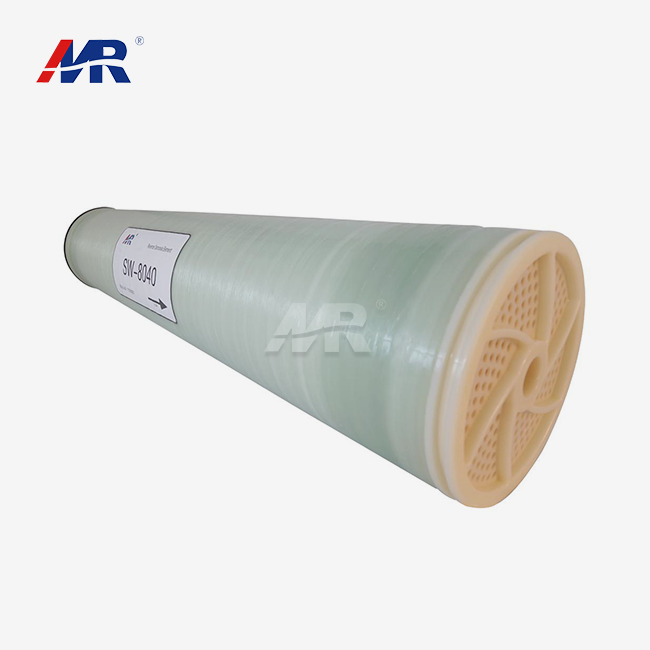 VIEW MOREreverse osmosis membranes
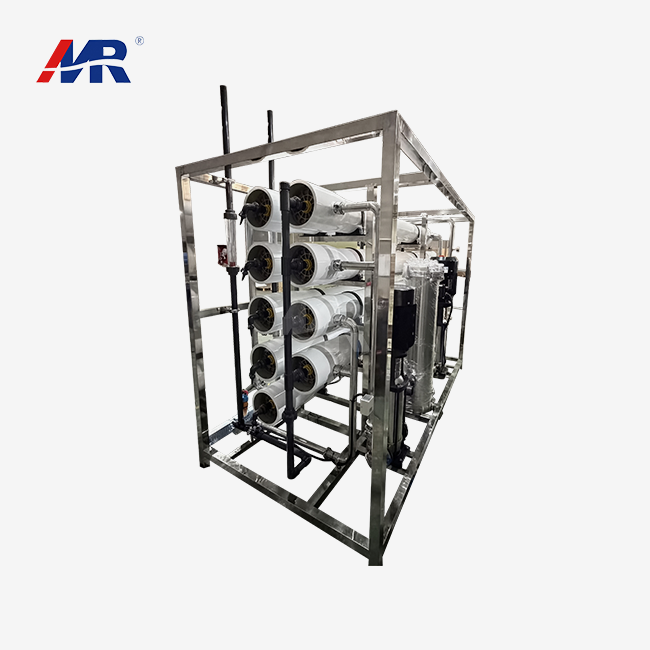 VIEW MOREro reverse osmosis water filter
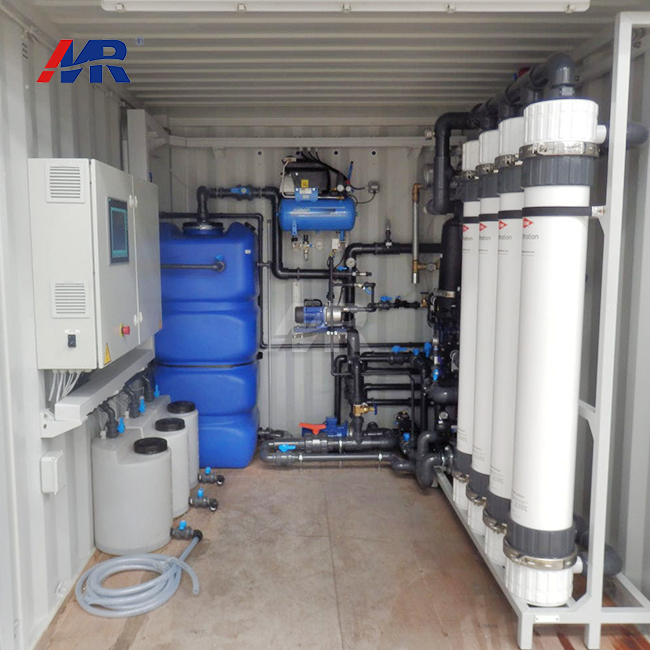 VIEW MOREcontainerized ultrafiltration equipment
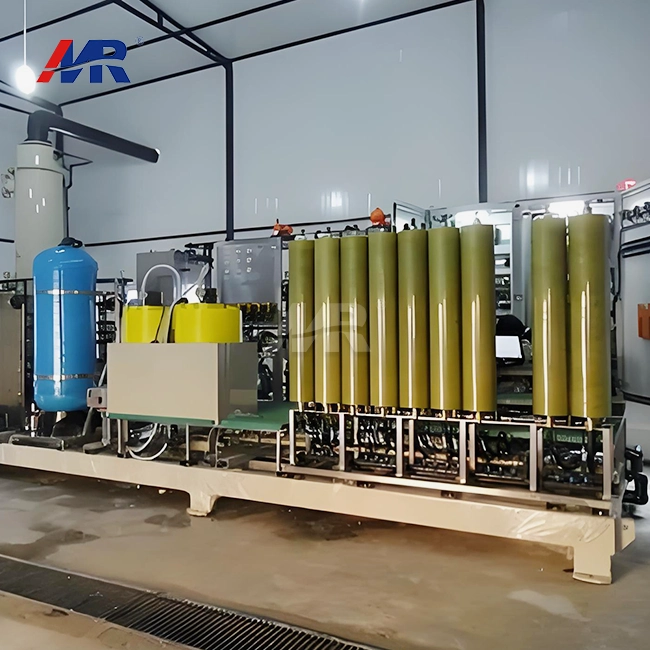 VIEW MOREDTRO Water Treatment
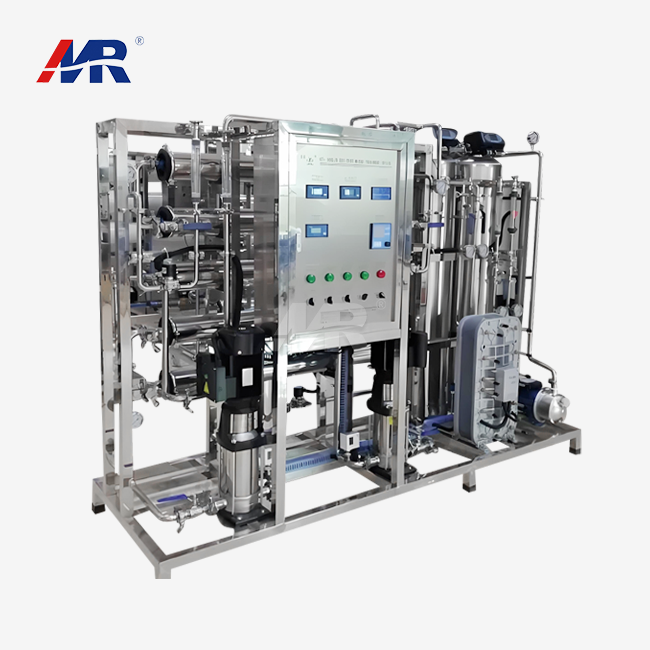 VIEW MORE1000LPH EDI equipment
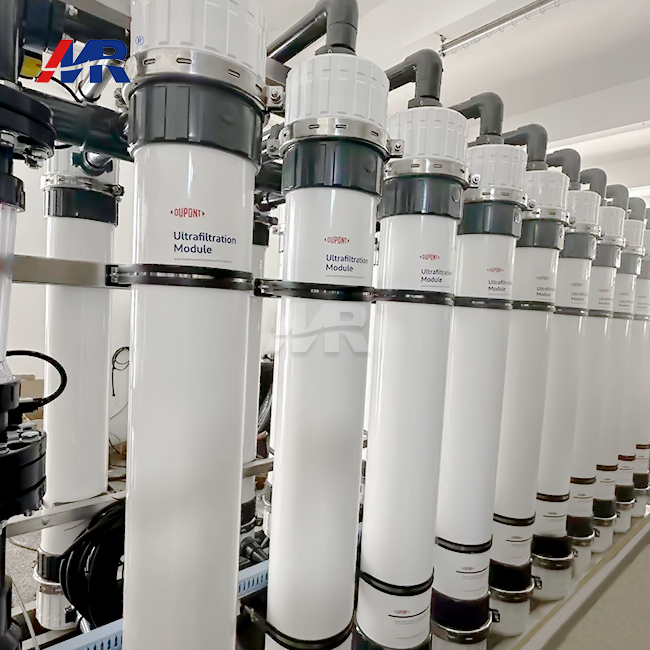 VIEW MOREultrafiltration water treatment system
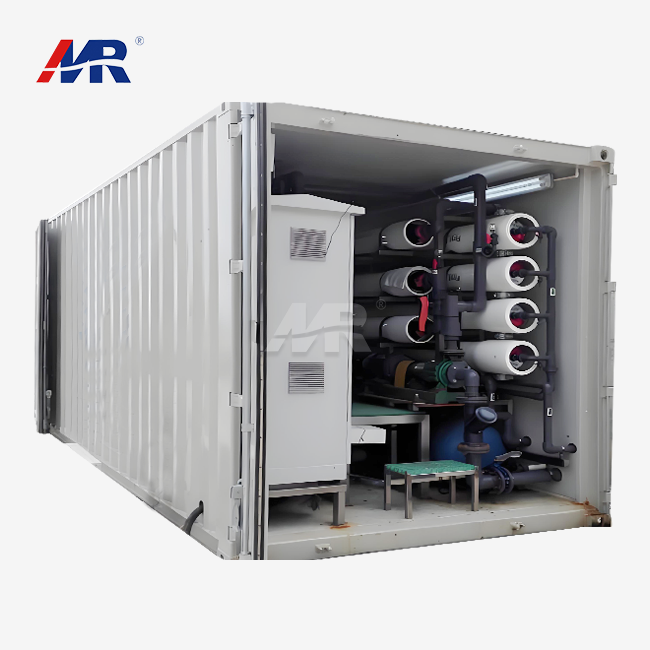 VIEW MOREcontainer seawater desalination equipment
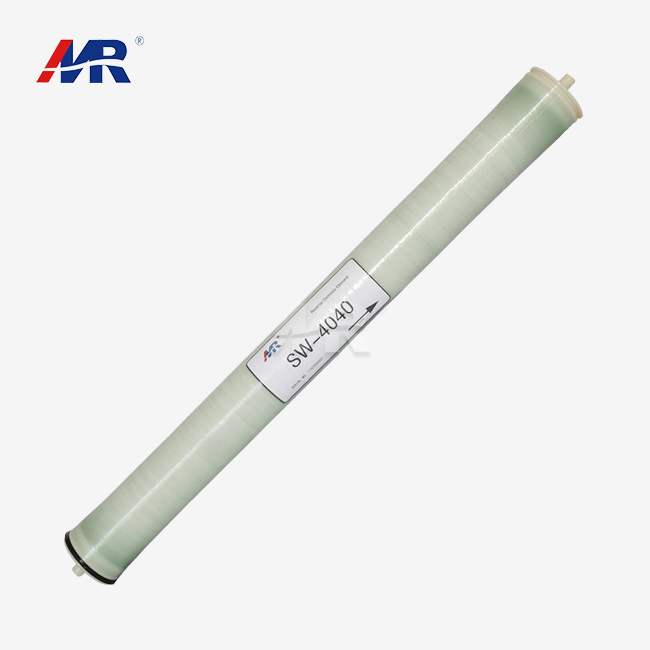 VIEW MORE4040 seawater reverse osmosis membrane
