

_1745823981883.webp)

Ultrafiltration Water System Design for Municipal Plants
Designing an effective ultrafiltration water system for municipal plants involves implementing membrane-based technology that delivers reliable pathogen removal while maintaining operational efficiency. Municipal water authorities across the United States increasingly choose uf membrane systems with pore sizes between 0.01 and 0.1 microns to address stringent regulatory requirements and fluctuating source water quality. This approach removes bacteria, viruses, and suspended solids exceeding 99.9% efficiency, preserving essential minerals that contribute to water taste and health benefits. Municipal operators value this ultrafiltration water system technology for its proven track record in safeguarding public health without relying heavily on chemical disinfection methods.
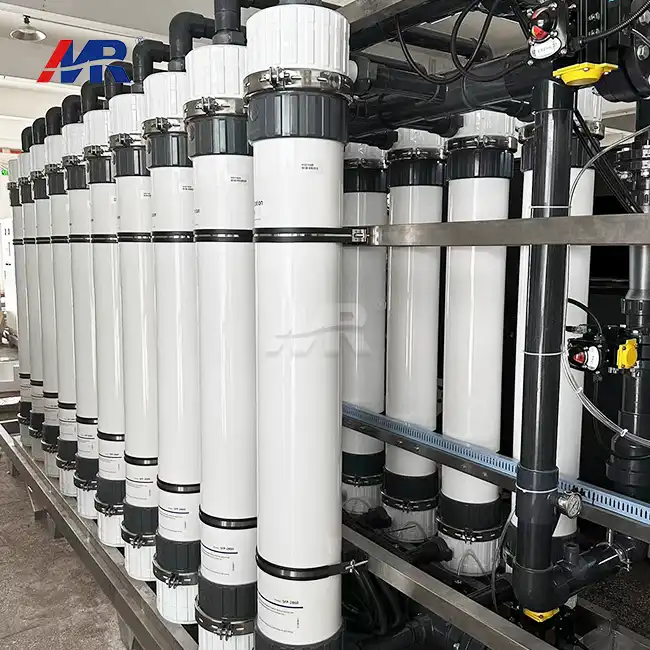
Understanding Ultrafiltration Water Systems in Municipal Applications
Municipal water treatment needs to work the same way all year, even when the weather changes or there are unexpected pollution events. These problems can be solved with membrane filtering technology, which uses a physical barrier to separate things instead of just chemicals.
Core Operating Principles
Ultrafiltration technology is based on membrane separation caused by pressure. Feed water goes through hollow fiber membranes with fixed pressures between 0.1 and 0.3 MPa, which is much lower than what reverse osmosis requires. The membrane gaps, which are between 0.01 and 0.1 microns wide, make a wall that keeps particles, microbes, and colloids out while letting water molecules and dissolved minerals pass through. This selective permeability keeps microbes safe without changing the good chemistry of the water.
Essential System Components
Modern city UF systems have a number of important parts that work together. During the filter stage, feed pumps keep the transmembrane pressure at the right level. Key factors, such as flow rates, pressure differences, and silt levels, are monitored by automated control units. Backwash systems change the direction of flow every so often to get rid of contaminants that have built up on barrier surfaces. Monitoring tools that work in real time keep an eye on performance data, which helps workers spot problems before they affect the quality of the output. These parts work together to make a treatment shield that is strong. This integrated method is especially helpful for municipal plants in places where the quality of the water source changes a lot. This is because automated adjustments keep performance consistent without constant human interference.
Regulatory Compliance and Water Safety
Meeting EPA guidelines and state-specific rules is still very important for local water companies. The log reduction values that UF technology gets are higher than the legal standards for getting rid of Cryptosporidium, Giardia, and viruses. Chemical treatment alone can't promise a strong defense like the physical shield does. A lot of cities use UF as part of multi-barrier methods, which mix membrane filtering with regular treatment to make extra safety layers. This method meets the needs of both current rules and those that will likely be needed in the future as standards keep changing to make disease control tighter.
Comparison of Ultrafiltration Versus Other Filtration Technologies
To choose the right ultrafiltration water system filtration technology, you need to know how the different ways meet different treatment goals and practical limitations.
Ultrafiltration Versus Reverse Osmosis
Reverse osmosis works at much higher pressures (10–25 bar) than ultrafiltration (1-3 bar), and it gets rid of both contaminants and dissolved minerals. RO makes highly demineralized water that can be used in industry, but natural minerals in drinking water from cities are often better left alone. UF systems use between 0.1 and 0.3 kWh per cubic meter, which is about a third of the energy that RO systems do. This energy economy directly leads to lower operating costs over the life of the machine. A lot of city plants use UF as a RO pretreatment. This keeps expensive RO filters from getting clogged and lowers the amount of energy used overall.
Advantages Over Conventional Filtration
Traditional methods like sand filtration and microfiltration are not as good at getting rid of pathogens as UF. Smaller viruses can get through microfiltration, which has pores that are 0.1 to 10 microns wide. To get the same level of bacterial safety, sand screens need chemical coagulation and disinfection, which makes handling chemicals more difficult and increases the complexity of operations. UF consistently removes turbidity below 0.1 NTU, even when the source water changes. Other methods have trouble during times of high pollution, like storms or algae blooms.
Integration Within Treatment Trains
More and more, municipal treatment plans use mixed methods that combine different technologies. UF works well with activated carbon to get rid of all kinds of contaminants. The membranes get rid of particles and bacteria, and the carbon gets rid of taste, odor, and chemical compounds. This relationship works together to make care more effective while keeping costs low. Nanofiltration is between ultrafiltration (UF) and reverse osmosis (RO). It selectively removes minerals and filters particles, but it requires higher operating pressures and prices than regular UF systems.
Designing an Efficient Ultrafiltration System for Municipal Plants
Municipal UF systems that work well start with careful planning that takes into account both present needs and the need for growth in the future.
Source Water Assessment and Pretreatment
A thorough water quality research aids system design and cleaning. The membrane and cleaning method depend on sediment, total organic carbon, iron, manganese, and cellular oxygen requirement. Multimedia filtration or dissolved air floating slows membrane clogging in high-turbidity sources. Source waters with a lot of organic stuff may require coagulation to slow transmembrane pressure rise. After decades of working with cities, we've found that effective preparation may extend membrane life from 3 to 5 years to 5 to 7 years, lowering ownership costs.
Membrane Selection and System Sizing
City membranes in an ultrafiltration water system must balance high flow rates and low fouling resistance. Polyethersulfone (PES) and polyvinylidene fluoride (PVDF) screens clean substances effectively at pH levels 2–11. The system must operate effectively at average flow and heavy demand. Modular membrane train arrangements allow for flexible operations; one train may be removed for maintenance while others produce water. They can handle 1,000 to 100,000 cubic meters per day and can be expanded by adding parallel trains in an ultrafiltration water system. Modular methods allow you to adapt to demand and population increase without replacing the system. Planning for redundancy ensures activities continue when equipment breaks down or requires maintenance.
Automation and Monitoring Integration
Advanced process control converts UF systems from labour-intensive to self-sufficient. Programmable logic controls plan filtration, backwash, and chemical cleaning using real-time data. Pressure sensors, flow meters, and turbidity testers constantly update control systems. Right actions are made when factors vary from the set. This method reduces manual labour and improves the barrier. Data analytics tools detect modest efficiency declines in long-term performance patterns, indicating maintenance requirements before big issues arise. Remote monitoring lets tech teams monitor many installations from one location, saving staff time. Cloud-based solutions provide predictive maintenance, which plans repairs based on equipment performance rather than random periods.
Maintenance and Operational Best Practices
Sticking to repair schedules has a direct effect on how long systems last and how well treatments work.
Routine Cleaning Protocols
Backwashing is the main way that the machine is maintained, and it happens about every 30 to 60 minutes when everything is working normally. This backwards flow moves particles off of the membrane surfaces, making them permeable again. Backwash frequency changes naturally based on differences in transmembrane pressure; systems raise the cleaning frequency as fouling gets worse. Chemically improved backwashing uses weak cleaning solutions on a regular basis to get rid of bacteria and organic deposits that physical cleaning can't get rid of. This better cleaning makes it possible to do less intense care more often.
Chemical Cleaning Procedures
Even though membranes are backwashed regularly, they eventually build up tough gunk that needs chemical intervention. Clean-in-place (CIP) processes are usually done once a month or every three months, based on the source water. Acidic cleaners get rid of mineral scale and organic matter, while alkaline cleaners get rid of biological growth. The cleaning process switches between these chemicals, each one going after a different type of fouling. Manufacturers of membranes provide specific cleaning methods that work best with their materials. Following these instructions will keep membranes from getting damaged and will make cleaning more effective.
Troubleshooting Common Challenges
Membrane fouling patterns indicate operational issues. Rapid transmembrane pressure rises indicate inadequate preparation or cell development. Low permeate quality suggests the membrane has to be changed since it is losing structure. If parallel train flow rates differ, valve adjustments are needed to address hydraulic issues. Experienced operators can notice these tendencies and solve them before tiny issues become huge ones. Pumps, valves, instruments, and structural pieces are tested routinely in preventive repair programs. Lubricating bearings, checking seals, and aligning equipment prevent problems. Working with equipment vendors provides technical expertise and original new components to maintain the system working at its anticipated performance throughout its full life.
Procurement and Supplier Considerations for Municipal Ultrafiltration Systems
Choosing the right technology partner for an ultrafiltration water system has a big impact on how well a project turns out and how well it runs in the long run.
Defining Technical Specifications
Performance standards, water quality goals, and operational limits must all be made clear in procurement papers. In the specifications, you should list the membrane's flow rates, recovery rates, cleaning methods, and ability to be automated. Specifications that are too specific stop vendors from coming up with new ideas, while standards that are too vague let bad bids come in. Finding the best balance between performance standards and source optimization flexibility leads to the most competitive answers. Comparing costs more accurately is easier when you look at the total cost of ownership, which includes things like energy use, chemical use, membrane repair, and work needs.
Evaluating Supplier Capabilities
Technology providers have a wide range of manufacturing skills, expert support facilities, and project experience. Municipal leaders can make better decisions by looking at finished projects of the same size and water quality issues. Actual performance is compared to what the maker says it is during site visits to working facilities. The financial security of the seller is very important because membrane modules need to be replaced every 5 to 7 years, and the supply of spare parts throughout the life of the system relies on how long the supplier stays in business. Companies that have production and service networks in North America can meet support needs more quickly than companies that rely on foreign supply lines.
Turnkey Installation Advantages
Full-service packages that include design, equipment supply, installation, testing, and training for operators make it easier to complete a job. With single-point duty, there are no more problems with workers not being able to work together. Turnkey providers make system integration easier by making sure that all the parts work together and are installed correctly. Performance promises from turnkey suppliers hold providers accountable during setup and the first few months of operation. Even though the original cost might be higher, turnkey methods often lead to faster project finish and more reliable startup, which lowers total risk and costs over the lifecycle.
Conclusion
The design of a municipal ultrafiltration water system strikes a balance between technical performance, ease of use, and long-term economic viability. Membrane technology with pores that are 0.01-0.1 microns wide consistently gets rid of pathogens with more than 99.9% efficiency while keeping healthy minerals. A good system design includes a full analysis of the source water, the right preparation, and the flexibility to expand in modules. Automated tracking and limits cut down on routine work while improving performance. Backwashing and chemical cleaning are examples of regular care that can extend the life of a membrane. The project will be successful if the strategic provider selection focuses on technical skill, support infrastructure, and full service delivery. When municipal water officials buy well-designed UF systems, they get stable water treatment that meets all regulations for decades.
FAQ
1. What distinguishes ultrafiltration from reverse osmosis in municipal applications?
Ultrafiltration gets rid of particles, bacteria, and viruses while keeping minerals that have been dissolved. It works at lower pressures (0.1–0.3 MPa) and uses less energy. Reverse osmosis needs more energy and higher pressures to get rid of dissolved solids, even good minerals. UF's selective removal usually helps municipal drinking water because it keeps the natural qualities of the water while making sure it is safe for microbes.
2. How frequently do UF membranes require replacement?
When used by the city, membranes that are properly kept usually last between 5 and 7 years. Lifespan varies depending on the quality of the source water, how well the preparation works, and how well the cleaning instructions are followed. Backwashing and chemical cleaning on a regular basis increase the life of an operational life, while poor care speeds up the need for replacement.
3. Can UF systems handle variable source water quality?
Seasonal changes and contamination events can be handled by modular systems with automatic controls. Extreme turbidity jumps are dealt with by pretreatment components, and working parameters are kept stable by control systems. Because it is so flexible, UF is perfect for open water sources whose quality changes because of the weather.
4. What energy savings does ultrafiltration provide compared to conventional treatment?
UF systems use only 0.1 to 0.3 kWh per cubic meter, which is a lot less than methods that use a lot of pressure. Less need for chemicals and automated operations makes the total energy impact even smaller. When cities switch from old-fashioned cleaning methods to membrane-based ones, they often save 30 to 40 percent on energy costs.
Partner with Morui for Advanced Municipal Water Treatment Solutions
Guangdong Morui Environmental Technology can help municipal water officials find reliable providers of ultrafiltration water system solutions in a wide range of ways. Our engineering team has a lot of experience planning and putting in place membrane filtering systems with capacities from 1,000 to 100,000 m³/day. We offer full turnkey services that include designing the system, making the tools, supervising the installation, and teaching the operators. Our membrane production plant makes sure that quality control is maintained throughout the whole ultrafiltration water system process. Additionally, our partnerships with top component brands like Shimge pumps and Runxin valves promise that the system will work reliably. Get in touch with our technical team at benson@guangdongmorui.com to talk about your city water treatment needs and get system ideas that are specifically made for your source water and regulatory goals.
References
1. American Water Works Association. (2021). Membrane Filtration Guidance Manual (M53). Denver: AWWA Publications.
2. Crittenden, J.C., Trussell, R.R., Hand, D.W., Howe, K.J., & Tchobanoglous, G. (2020). MWH's Water Treatment: Principles and Design (4th ed.). Hoboken: John Wiley & Sons.
3. Environmental Protection Agency. (2019). Long Term 2 Enhanced Surface Water Treatment Rule Toolbox Guidance Manual. Washington: EPA Office of Water.
4. Jacangelo, J.G., Adham, S.S., & Laine, J.M. (2022). Mechanism of Cryptosporidium, Giardia, and MS2 Virus Removal by MF and UF. Journal of American Water Works Association, 114(6), 107-121.
5. National Research Council. (2020). Drinking Water Distribution Systems: Assessing and Reducing Risks. Washington: The National Academies Press.
6. Water Research Foundation. (2018). Design and Performance Evaluation of Municipal Ultrafiltration Plants. Denver: Water Research Foundation Publications.
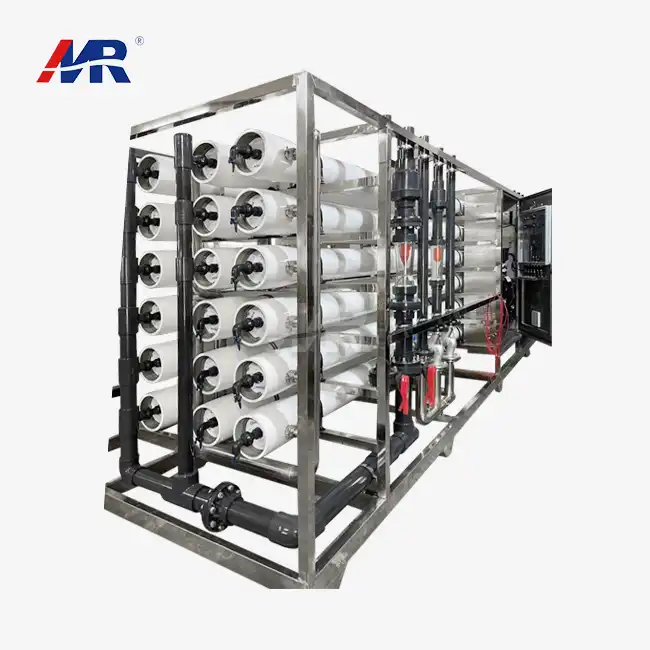 VIEW MORE100m3/hour reverse osmosis equipment
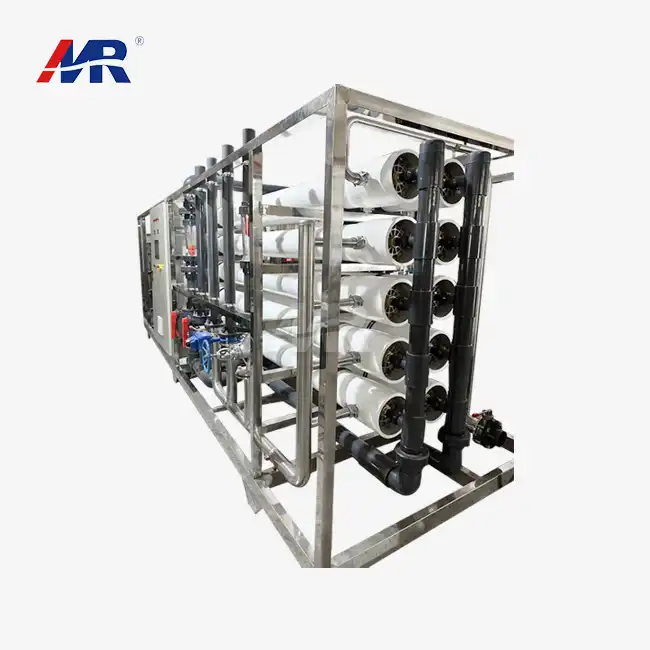 VIEW MORE50m3/hour reverse osmosis equipment
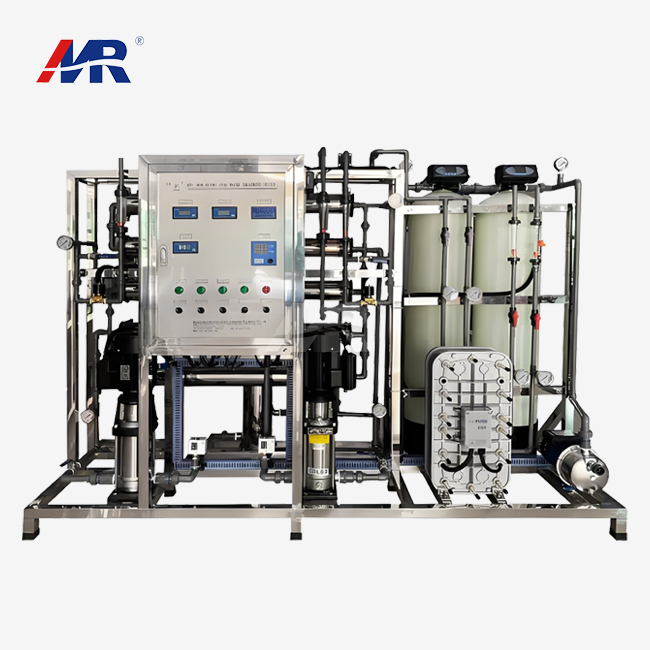 VIEW MORE500LPH EDI equipment
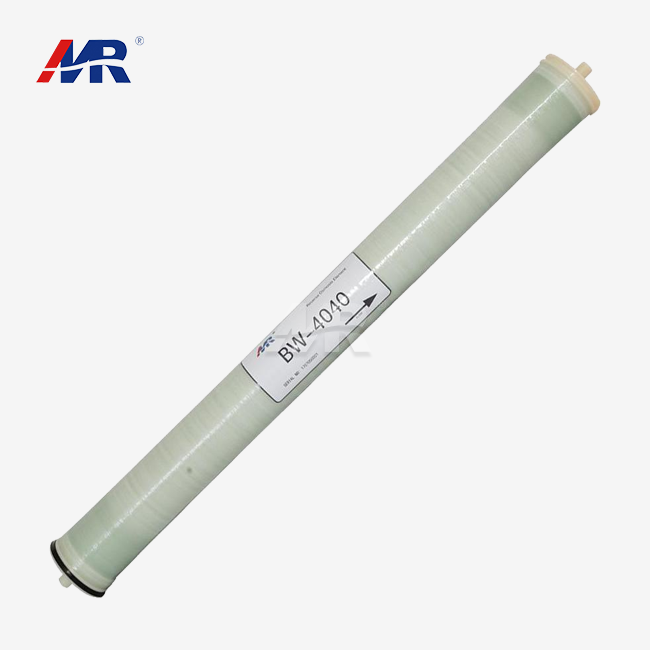 VIEW MORE4040 reverse osmosis membrane
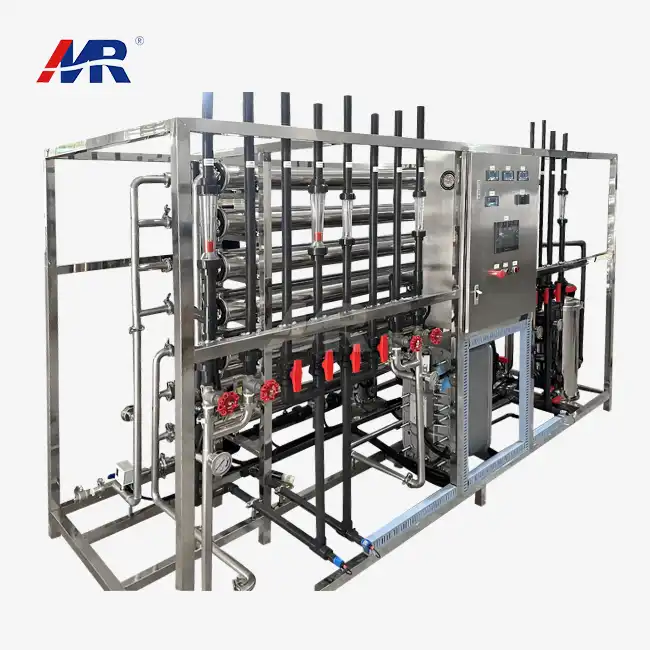 VIEW MORE2m3/hour EDI system
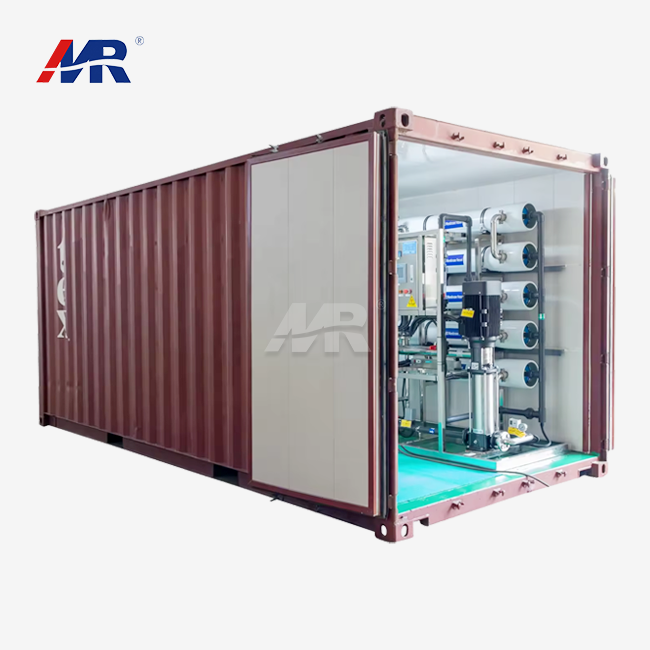 VIEW MOREmobile container reverse osmosis equipment
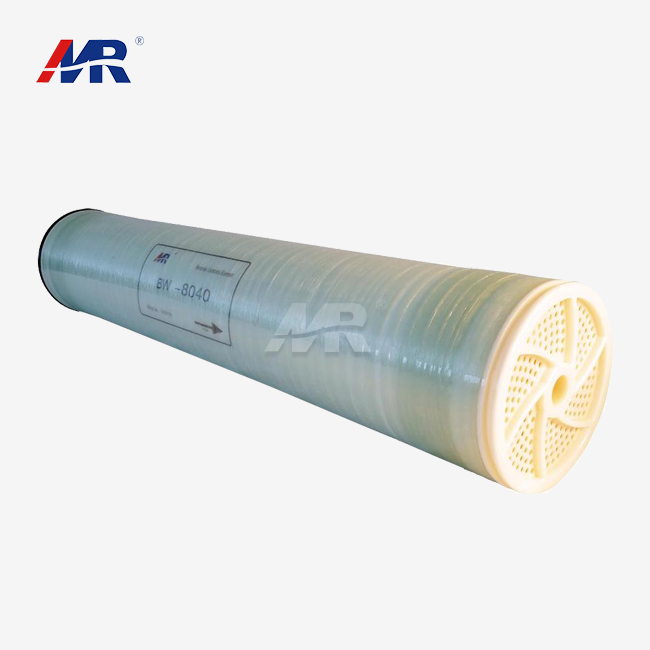 VIEW MORE8040 reverse osmosis membrane
 VIEW MOREcommercial sewage treatment plant
