

_1745823981883.webp)

Seawater RO System Energy Use: kWh per Cubic Meter
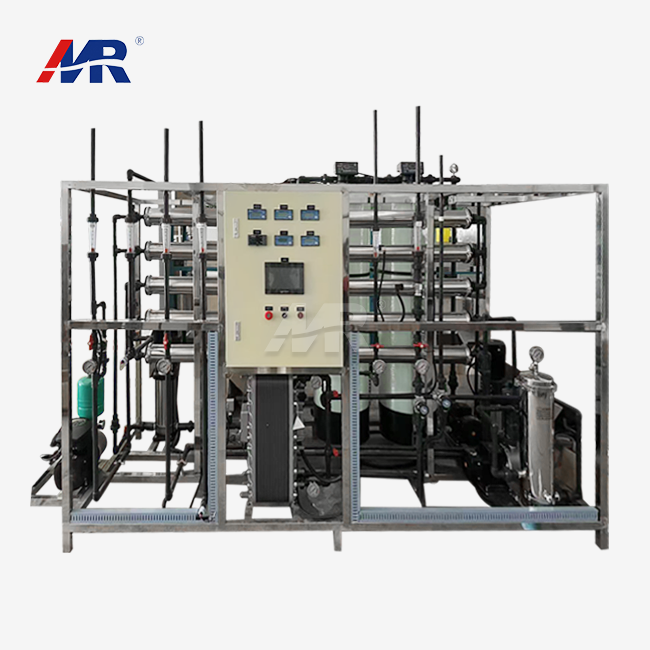
When procurement professionals look at system performance and operational costs, they need to know how much energy is used in desalination. Depending on the type of membrane used, the saltiness of the feed water, the design of the system, and the addition of energy return devices, a modern seawater RO system can use anywhere from 3 to 6 kWh per cubic metre of freshwater created. At Morui, our advanced desalination solutions use as little as 3–4 kWh/m³ of energy, which is the highest level of efficiency and directly leads to lower utility bills and a smaller carbon footprint. This standard helps people who make decisions accurately predict operational costs while also meeting the sustainability goals that today's environmental and regulatory environment requires.
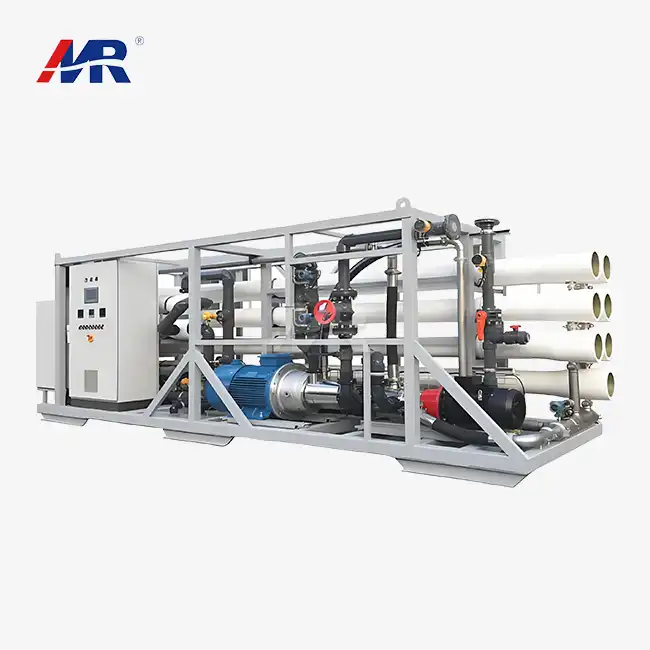
Understanding Energy Consumption in Seawater RO Systems
The main reason why reverse osmosis desalination needs energy is to overcome osmotic pressure. When working with saltwater that has a salinity level of 35,000 to 45,000 mg/L TDS, systems need to make enough pressure to push water molecules through semi-permeable barriers while preventing dissolved salts from passing through. This basic idea explains why certain measurements of energy use are so important when figuring out the total cost of ownership.
Core Operational Principles Driving Energy Use
Using hydraulic pressure (usually 55–80 bar) that is higher than the natural osmotic pressure of salty water is how seawater desalination works. Most of the energy used goes to high-pressure pumps, which make the force needed to move feedwater through thick polymer barriers. Resistance and, by extension, power needs are affected by the type of membrane—spirally wound or hollow fibre. Viscosity and membrane leakage are also affected by temperature. This means that systems that work in colder climates often need more energy than systems that work in warm climates.
Factors Influencing Specific Energy Consumption
The kWh used per cubic metre of freshwater production is based on a number of factors. The main cause is the saltiness of the feedwater; more salt in the water means more pressure and energy are needed. Recovery rate, which is the amount of feedwater that is turned into freshwater, has a direct effect on energy efficiency. For optimal recovery, production volume and concentrate disposal needs should be balanced. Age and fouling of the membrane also affect energy draw, since worn-out or dirty membranes need more pressure to keep output the same. The energy equation is finished with system design factors like pump efficiency, pipe layout, and the presence of energy recovery mechanisms.
Benchmarking Energy Performance Across Applications
The seawater RO system has different implementation options that use different amounts of energy. Large municipal plants that serve coastal cities can often get 3 to 5 kWh/m³ thanks to economies of scale and smart energy recovery integration. Offshore platforms and marine vessels may use 4–7 kWh/m³ with small systems that are designed for reliability rather than maximum efficiency because of limited space and power. When pharmaceutical, electronics, or food processing plants need high-purity water, they have to balance the amount of energy they use with the very strict. Depending on the post-treatment needs, these plants usually run at 3.5 to 5 kWh/m³.
Components and Processes Impacting Energy Efficiency
System architecture and the choice of components have a big impact on how well energy is used. Understanding how each part affects overall consumption gives procurement teams the power to choose systems that meet operational needs and budget limits.
Pre-Treatment and Fouling Prevention
Effective pre-treatment is the first thing that can be done to stop too much energy from being used. Getting rid of suspended solids, biological contaminants, and minerals that cause scale before the water gets to the ro membranes keeps the membranes permeable and lowers the pressure that needs to be applied. At Morui, we use multi-stage filtration that combines ultrafiltration with chemical dosing to keep the Silt Density Index below 3. This method makes membranes last longer while stopping the slow rise in energy needed for membrane fouling. Proper pre-treatment can cut energy use by 15 to 25 percent compared to systems that don't filter well enough.
High-Pressure Pumps and Efficiency Technologies
As the main energy consumer, the choice of pump and how it is run has a big effect on how well the whole system works. We use centrifugal pumps that are very efficient and can reach operating pressures with little mechanical loss. Variable frequency drives (VFDs) change the speed of the motor to match changes in demand. This stops the wasteful use of energy that comes with running at a steady speed when production is low. Setting up the pump correctly and making sure the blade is the right size will keep it running at its most efficient, giving you the pressure you need without using too much power.
Energy Recovery Device Integration
By getting pressure energy back from concentrated brine streams, energy recovery devices changed the economics of desalination. Some of these devices, like isobaric chambers and pressure exchangers, can get back up to 60% of the energy that would have been lost. Our systems have ERDs that move hydraulic energy from the high-pressure reject stream to the incoming feedwater. This makes the net pump work a lot less. Because of this technology, new setups only need 3–4 kWh/m³, while older systems needed 6–8 kWh/m³. Investing in energy recovery usually pays for itself in less than two years because the costs of running the business go down.
Membrane Technology Advancements
Membrane research keeps pushing the limits of efficiency. High-flux thin-film composite membranes have better permeability, which lets the same amount of work be done at lower pressures. Better resistance to fouling keeps performance high for longer periods of time, stopping the slow energy rises that happen with older membrane generations. Our systems use the best membranes in the business, which reject salt at rates higher than 99.7% while requiring less pressure difference than other options. This directly means that the system will use less energy over its entire life.
Comparing Energy Use Among Seawater RO Systems
To evaluate energy performance, you need to know how different technologies, scales, and combinations affect consumption measures. This lets you make smart decisions about what to buy.
Reverse Osmosis Versus Thermal Desalination
When you look at different ways to desalinate water, reverse osmosis uses a lot less energy than thermal processes like multi-stage flash distillation. RO systems usually need 3 to 5 kWh/m³ of electricity, while heating systems need 10 to 15 kWh/m³ of heat energy. Because of this difference, membrane technology is now used for about 70% of the world's desalination capacity. Besides measuring raw energy, RO systems have flexible scalability, lower capital costs, and easier integration with green energy sources. These are all things that are becoming more and more important as businesses focus on both operating efficiency and sustainability.
Scale Effects on Energy Performance
Specific energy usage for a seawater RO system is greatly affected by the size of the plant. Large installations that produce 50,000 to 100,000 m³/day are more efficient because they use advanced control systems, the right-sized parts, and full energy recovery integration. In ideal conditions, these plants can reach 2.5 to 3.5 kWh/m³. Medium-sized systems (5,000 to 20,000 m³/day) that serve factories or smaller towns usually run at 3.5 to 4.5 kWh/m³. Due to design compromises made to balance space, weight, and reliability needs, small units used in marine, offshore, or remote areas may use 4 to 6 kWh/m³. Figuring out these scale relationships helps match the system's specs to the needs of the project.
Manufacturer and Technology Comparison
Leading membrane manufacturers give performance specs that let you compare directly. When built correctly, systems using Toray, Dow, or Hydranautics membranes have similar basic efficiency. The only thing that makes them different is how the system is integrated, not how well the membranes work on their own. Morui has its own facility for making membranes and works with well-known brands like Shimge Water Pumps and Runxin Valves to make sure that the right parts are used in the right situations. When compared to generic system assembly, this approach to integration makes the system work more efficiently.
Strategies to Optimize Energy Use and Reduce Operating Costs
To get the lowest energy use, you have to pay attention to the whole lifecycle of the system, from the initial design to daily use and long-term maintenance.
Maintenance Programs for Sustained Efficiency
Preventive maintenance keeps energy performance high by fixing problems before they cause energy use to rise. Cleaning the membrane regularly gets rid of built-up gunk, which keeps it permeable without having to raise the pressure. As part of our maintenance plans, we check the performance every three months, clean the chemicals based on trends in the pressure differential, and plan replacements based on permeate quality metrics. Automated tracking used in predictive maintenance can pick up on small changes in performance, letting you take action before energy use goes up. When clients do thorough upkeep, their energy use stays at the design level for the entire life of the membrane. On the other hand, systems that aren't taken care of may see 30–50% increases in energy use before they break.
Operational Parameter Optimization
By fine-tuning working conditions, production needs, and energy economy can be balanced. Recovery rate optimisation looks at the characteristics of the feedwater, the disposal options for the concentrate, and the membrane's limitations to find the best place to get the most out of it all. Changing the operating pressure reacts to changes in temperature and the ageing of the membrane, keeping the necessary moving force without putting in too much energy. In multi-pass systems, staging configurations let salt be rejected gradually at the best pressure levels. Our automated control systems keep changing these settings based on real-time conditions to keep energy use as low as possible, even when demand patterns change.
Advanced Control and Automation Technologies
The next big thing in energy optimisation is intelligent control systems. PLC-based technology that can be monitored from afar lets you track performance in real time and act quickly when things go wrong. Machine learning algorithms look at past operating data to figure out what the best parameter settings would be in different situations. Cleaning can be started automatically based on performance indicators instead of set schedules. This cuts down on wasted time and keeps things running smoothly. These technologies, which come standard with our Products, have been shown to save 8–15% of the energy used by manual operation while also making the process more reliable and requiring less labour.
Evidence from Industrial Applications
Facilities that use energy-optimized filtration in manufacturing show strong results. After switching to a Morui system with advanced membranes and built-in energy recovery, a pharmaceutical plant in coastal California cut its energy use from 5.2 kWh/m³ to 3.6 kWh/m³. On a 10,000 m³/day installation, the improvement saved more than $180,000 a year. Similar effects were seen at a petrochemical plant on the Gulf Coast. The improvements to the system paid for themselves in 18 months, thanks to lower energy costs and better water quality that cut down on the need for cleaning further downstream.
Procurement Considerations Related to Energy Consumption
Since energy metrics have the most impact on the total cost of ownership, they should guide procurement strategy. Instead of just looking at capital costs, evaluating vendors based on their kWh per cubic metre specs guarantees long-term value.
Total Cost of Ownership Analysis
When you calculate TCO, you can see that energy costs make a big difference in the total cost of ownership. Based on efficiency, the costs of a system that makes 5,000 m³/day and runs for 8,000 hours a year at $0.12/kWh are very different. A system that achieves 3.5 kWh/m³ costs $168,000 a year, while equipment that uses 5 kWh/m³ costs $240,000 a year. This is a $72,000 difference each year. This efficiency gap is worth more than $1 million over a typical 15-year operational period. This is a lot more than the difference in capital costs between standard and high-efficiency systems. Smart procurement teams use projected energy use, local utility rates, and expected rate increases as part of their factors for choosing a provider.
Specification Development and Vendor Evaluation
Specific specifications for the seawater RO system make sure that proposals can be directly compared. By requiring a guaranteed maximum energy usage at set working conditions, you hold people accountable and avoid shocks after the installation. You can trust what a manufacturer says when you ask for test data that has been independently confirmed by reputable groups. Specification development should be based on site-specific factors like feedwater analysis, atmospheric temperature ranges, and power quality traits. At Morui, we offer full performance guarantees that are backed by factory acceptance testing. This makes sure that the efficiency levels we promise are met in real-world situations.
Financing and Procurement Models
Access to high-efficiency technology can be made easier by using different ways to buy things. Energy Performance Contracting bases payments on how much money is saved, which aligns the interests of both the supplier and the client while lowering the amount of money that needs to be paid up front. Leasing arrangements spread out costs and keep you up to date on new technology by updating your equipment on a regular basis. Businesses with more than one location can get better deals on high-efficiency equipment through bulk purchasing agreements. Longer warranty plans that cover membrane repair and performance promises make long-term energy costs less uncertain, which is especially helpful for businesses that can't do their own upkeep.
Conclusion
The key operational metric determining the performance and lifecycle value of a seawater RO system is energy consumption. With advanced membranes, energy recovery integration, and smart controls, modern systems that use 3–4 kWh/m³ are a big step up from older technology that uses 5–7 kWh/m³. When making purchases, decisions that take into account both energy requirements and capital costs, backed by a full TCO analysis, lead to better long-term value. Knowing the technical factors that affect consumption, such as the choice of membrane and how it is maintained, helps decision-makers choose systems that meet operational needs and budgetary goals. As the lack of water gets worse and the cost of energy goes up, improving efficiency is becoming more and more important for long-term use of desalination in naval, industrial, and urban settings.
FAQ
Q1: What causes energy consumption variation between different seawater RO installations?
There are many things that can cause changes in energy use, such as the salinity of the feed water (higher TDS needs more energy), the temperature of the water (cold water makes it thicker), the age and state of the membrane and fouling, the recovery rate settings, the efficiency of the pump, and the presence of energy recovery devices. Most of the time, systems without ERDs use 40 to 60 percent more energy than similar systems with recovery mechanisms.
Q2: How does energy consumption compare between small and large desalination plants?
Large plants (50,000 m³ or more per day) can get 2.5 to 4 kWh/m³ by using economies of scale, advanced controls, and better energy recovery. Medium plants (5,000 to 20,000 m³/day) usually run at 3.5 to 4.5 kWh/m³. Small systems used offshore or in remote areas may need 4-6 kWh/m³ because they need to be reliable rather than efficient, because they don't have enough room to include energy recovery.
Q3: Can older systems be upgraded to reduce energy consumption?
Adding energy recovery devices, installing VFD controls on pumps, and replacing old setups with current high-flux membranes can cut energy use by 25 to 40 percent. When compared to replacing the whole system, retrofits are often a better investment because they save money on energy costs and pay for themselves in less than three years.
Partner with a Leading Seawater RO System Manufacturer
Guangdong Morui Environmental Technology provides high-quality engineering services through 14 branch offices and a group of 20 specialised engineers who work with 500 dedicated professionals. Our vertically integrated capabilities, such as our own facilities for making membranes and processing multiple pieces of equipment, ensure quality control throughout the entire production process. Our 3–4 kWh/m³ energy use is the lowest in the industry. This is possible thanks to high-efficiency membranes, built-in energy recovery systems, and automatic settings that can be monitored from afar. Systems with capacities between 1,000 and 100,000 m³/day are used around the world for municipal water supplies, industrial processes, offshore platforms, and farming. Corrosion-resistant construction with Super Duplex stainless steel provides life in harsh marine settings, and the structure can be set up in a variety of ways to meet the needs of each project. Get in touch with our technical team at benson@guangdongmorui.com to talk about your desalination needs and get full specs on how our seawater RO system for sale saves you money by using less energy.
References
1. Fritzmann, C., Löwenberg, J., Wintgens, T., & Melin, T. (2007). State-of-the-art of reverse osmosis desalination. Desalination, 216(1-3), 1-76.
2. Elimelech, M., & Phillip, W. A. (2011). The future of seawater desalination: energy, technology, and the environment. Science, 333(6043), 712-717.
3. Voutchkov, N. (2018). Energy use for membrane seawater desalination – current status and trends. Desalination, 431, 2-14.
4. Ghaffour, N., Missimer, T. M., & Amy, G. L. (2013). Technical review and evaluation of the economics of water desalination: Current and future challenges for better water supply sustainability. Desalination, 309, 197-207.
5. Greenlee, L. F., Lawler, D. F., Freeman, B. D., Marrot, B., & Moulin, P. (2009). Reverse osmosis desalination: Water sources, technology, and today's challenges. Water Research, 43(9), 2317-2348.
6. Karagiannis, I. C., & Soldatos, P. G. (2008). Water desalination cost literature: review and assessment. Desalination, 223(1-3), 448-456.
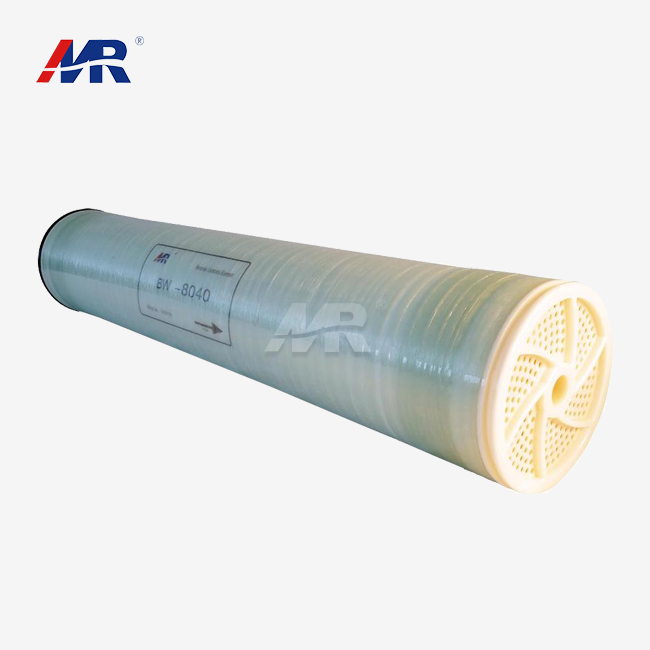 VIEW MORE8040 reverse osmosis membrane
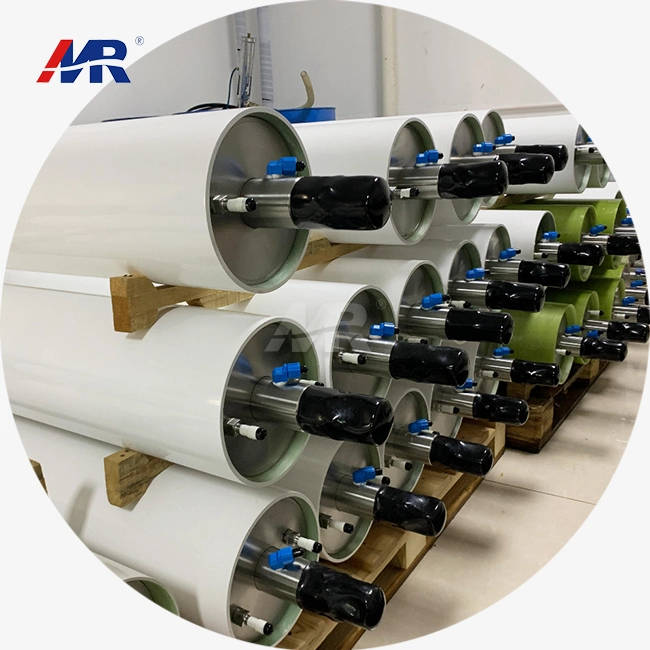 VIEW MORELandfill Leachate Treatment Plant
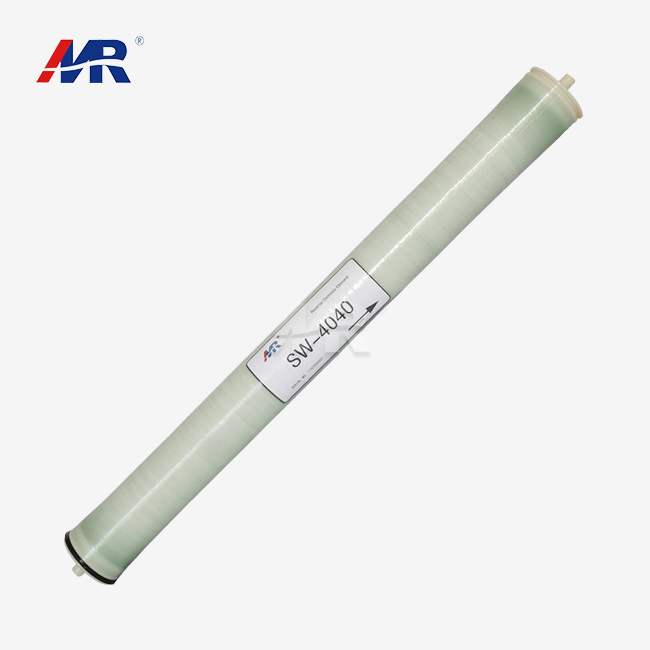 VIEW MORE4040 seawater reverse osmosis membrane
 VIEW MOREelectro deionizer system
 VIEW MOREseawater desalination equipment
 VIEW MOREbrackish water reverse osmosis systems
 VIEW MOREmembrane bioreactor mbr
 VIEW MOREedi purified water system
