

_1745823981883.webp)

When to Replace Your RO Water Membrane: Diagnostic Signs
When to replace your membrane/8040-reverse-osmosis-membrane">RO water membrane can save you a tonne of money and keep your production from stopping without warning. Membrane failure doesn't usually happen all of a sudden. Instead, it shows up as small changes in performance that procurement managers and facility operators need to notice right away. Lower flow rates, worsening permeate quality, and higher difference pressure are all signs that trouble is coming. Taking care of these warning signs ahead of time will make sure that your system always delivers clean water. This will protect processes further down the line in places like making drugs, electronics, food, and municipal water treatment plants, where water quality has a direct effect on product integrity and compliance.
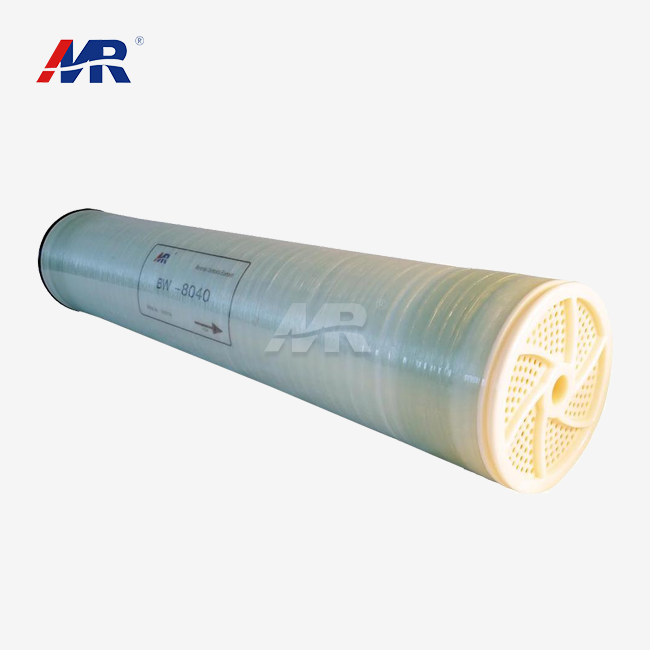
Understanding RO Water Membrane Function and Lifespan
RO water membrane operation and lifespan. Industrial water treatment equipment relies largely on reverse osmosis membranes. These barriers prevent molecular mixing of dissolved salts, organic compounds, bacteria, and microbes with water when pressured. Modern industrial membranes are thin-film composites with a dense polyamide active layer, microporous polysulfone support, and reinforced polyester backing.
How Reverse Osmosis Technology Works in Industrial Settings
Water treatment systems press water through membrane components at 150 psi for brackish water and 1,200 psi for seawater desalination. Based on size and charge, the membrane's selective barrier lets water molecules through but not impurities. When operating effectively, systems reject over 99.2% of salt, ensuring permeate meets industrial requirements.
Process efficiency depends on optimal operation. Temperature affects viscosity. Flux increases by 3% per 1°C temperature rise, but biological growth may accelerate. Tech and pharmaceutical companies must always generate ultrapure water, making this balance crucial.
Expected Lifespan Under Various Operating Conditions
The feed water and use area affect the lifespan of an industrial membrane. With good pretreatment and feed water quality, most systems last 3–5 years. However, excessive turbidity, aggressive fouling, or changing water chemistry can reduce this likelihood.
Feed water chemistry matters. A high Langelier Saturation Index indicates a growth potential that accelerates membrane degradation. Municipal water systems with consistent quality and sufficient preparation can survive longer than expected. In regulated pharmaceutical conditions, Morui has observed well-kept systems last over five years. However, difficult sewage reclamation situations require more system replacements.
Factors Affecting Membrane Durability
Membrane longevity depends on several factors:
The most crucial element is feed water quality. High TDS, suspended particles, organic debris, and biological material accelerate membrane breakdown and blockage. Industries that handle textile wastewater, petrochemical effluent, or high-salinity brackish water need shorter replacement cycles.
Recovery Rate and Operating Pressure affect membrane mechanical stress. Overpressing systems or accelerating recovery causes compaction and premature failure. Optimizing these parameters as the manufacturer suggests will considerably extend system life.
Chemical exposure is risky. Polyamide membranes degrade quickly when exposed to oxidizers like chlorine, so a carbon filter or sodium bisulfite dose is needed. Keeping pH between 2–11 during operation and Clean-In-Place prevents chemical damage.
Many business situations include complex interactions between these components. A semiconductor plant that uses an RO water membrane to treat clean municipal feed water faces different challenges than a power plant with salty cooling water or a food processing plant with high-organic matter wastewater.
Diagnostic Signs Indicating the Need for Membrane Replacement
Recognising patterns of degradation before they lead to a catastrophic failure saves production plans and water quality standards. Monitoring key performance indicators lets you know when membranes are getting close to the end of their useful life, so you can replace them before they break down in an emergency.
Declining Permeate Quality and Rising TDS Levels
More Total Dissolved Solids in product water means less salt rejection. Industrial RO systems keep TDS levels below 10 ppm for pharmaceutical use or 500 ppm for industrial process water when working properly. Gradual TDS creep weakens the membrane.
Conductivity meters continuously track trends over weeks or months. A membrane that blocked 99.5% of salts may now block 98% or less due to polyamide layer breakdown or microscopic tears. This decline in performance impacts downstream operations, such as electronics manufacturing where even low levels of ionic pollutants might ruin the completed product or medication manufacturing where water must exceed USP criteria.
Mechanical damage, chemical breakdown, or prolonged high pressure can increase salt flow. Replace the membrane when the permeate quality drops below requirements even if the system is running correctly.
Reduced Flow Rate and Productivity Loss
Normalized permeate flow falling 10–15% from baseline indicates membrane fouling or packing. Monitor flow rate while considering temperature and pressure to see if membranes maintain design capacity. As flow rate drops, operators must increase feed pressure, which uses energy and stresses system parts.
Organic matter, biological growth, and mineral scaling clog membrane pores, making water flow harder. When gunk gets embedded, or membrane structure breaks down, harsh cleaning may not restore flow rates. Membrane output below process requirements causes production problems in manufacturing plants that need constant water.
Excessive Differential Pressure Across Membrane Elements
Increasing pressure differential between feed and concentrate sides narrows membrane element flow pathways. Membranes can handle minor pressure reductions while clean, but foulants generate resistance. When the differential pressure exceeds the manufacturer's recommendation, generally more than 15%, the membrane must be changed or cleaned completely.
Particles, biofilm, and scale in feed spacers and membrane surfaces cause this issue. Systems use more energy and make less water as the difference pressure rises. The problem worsens until the membranes can't handle any more water, regardless of feed pressure.
Physical Membrane Deterioration and Visible Damage
Visual inspection during routine maintenance might reveal wear and tear. Membrane bending, where the membrane element splits from its housing, indicates mechanical failure from backpressure or poor functioning. Diffuse membrane color changes indicate life or chemicals. Swelling indicates harmful chemical contact.
These physical symptoms should be investigated immediately and replaced rather than cleaned. Damaged membranes can't fulfill rejection or flow requirements regardless of operating adjustments. Industries with high quality requirements can't use faulty membranes.
Common Causes of RO Membrane Failure and Preventive Measures
Knowing how failures happen lets operators use preventive measures that make membranes last longer and lower the total cost of ownership. Most early mistakes are caused by things that could have been avoided, like not doing enough prep work or not keeping up with upkeep.
Fouling Types and Their Impact on Membrane Performance
Fouling is the major reason industrial membranes fail. Stopping and fixing fouling varies by kind.
Particulate fouling occurs when feed water solids accumulate on membranes and feed gaps. Silt, clay, and other colloids can reach membranes if prefiltration is poor. Systems struggle to treat surface water and wastewater with different turbidities.
Bacteria on membrane surfaces form biofilms that block water flow and allow other foulants to develop. Biofouling is more likely in food processing, municipal wastewater, and surface water. Once established, biofilms are difficult to remove using biocidal cleansers.
Carbon-based compounds like oils, natural organic matter, and others cause membrane fouling. Organic fouling is likely in industrial sludge with lubricants, process chemicals, or biological treatment leftovers.
Minerals in water that are too soluble stick to membrane surfaces and scale. Systems that treat hard water or concentrate minerals past recovery commonly have calcium carbonate, calcium sulphate, barium sulphate, and silica scales. Chemical cleaning is difficult because scale forms thick, crystalline layers.
Chemical and Mechanical Damage Prevention
Polyamide membranes are chemically vulnerable. Ozone, chlorine, chloramines, and hydrogen peroxide permanently damage the membrane's active layer. Even a brief exposure to modest quantities permanently damages rejection.
Pretreatment methods like activated carbon filtration or chemical reduction remove oxidants from water before it reaches membranes. Regular testing confirms all oxidants are gone. Businesses that utilize chlorinated municipal water must monitor occurrences to prevent breakthroughs that destroy membrane elements, costing thousands of dollars.
Working with incorrect pH ranges can damage membranes. PVDF materials work from 2 to 11, although polyamide ro membranes perform best from 4 to 11. Clean-In-Place can temporarily handle broad pH ranges. Dosing acids or caustics to maintain pH protects the membrane throughout usage and cleaning.
Failure to start, backpressure, water hammer, or pressure vessel issues can cause mechanical damage to the RO water membrane. To avoid membrane stretching and mechanical failure, pressurize and depressurize the system according to the manufacturer's recommendations. Operators must maintain maximum transmembrane pressure to avoid squishing the fluid and permanently reducing its flow capacity.
Implementing Effective Cleaning Protocols
Membranes last longer when foulants are removed before they cause irreparable harm. Clean-In-Place uses specific chemical combinations to remove foulants.
Acid cleaners dissolve metal oxides and mineral scales. Alkaline cleansers remove biofilms and organics. Choosing cleaning chemicals that work well with membrane material and foulant is crucial. Morui engineers develop extensive cleaning solutions based on industrial water chemistry profiles and fouling trends.
How often you clean depends on fouling and performance monitoring. Some systems need monthly cleaning, others every three or six months. Cleaning regimens based on normalized performance data rather than random time periods enhance membrane quality and save downtime.
After three cleaning cycles, replacing the membrane makes financial sense if performance doesn't improve. Old, broken membranes waste energy and degrade water quality.
Purchasing and Replacing RO Water Membranes for B2B Clients
Strategic RO water membrane buying strikes a balance between performance needs, costs over the membrane's lifetime, and operating dependability. To get the best total cost of ownership, industrial buyers need to look at more than just the original purchase price.
Evaluating Membrane Specifications and Certifications
Manufacturers of reputable membranes give a lot of information about their performance, like how much salt they reject, how much permeate they let through under standard conditions, and the ranges of operating parameters they use. The maximum operating temperature, pH range, chlorine sensitivity, and cleaning chemical compatibility should all be listed in the specifications.
Certifications from the industry prove that membranes work well and are safe. Membranes that are certified by NSF/ANSI 61 meet safety standards for drinking water. FDA compliance is important for both food and medicine. Manufacturing quality control systems should have ISO 9001 certification. Managers of procurement should make sure that certifications meet the needs of their applications and comply with regulations.
The material of the membrane has a big effect on how well it works and how long it lasts. Most industrial RO uses thin-film hybrid polyamide membranes, which have high rejection and flow rates. For certain uses, you might need cellulose acetate membranes that can handle higher chlorine levels or special composite materials that work best with certain contaminants.
Working with Reliable Membrane Suppliers and Manufacturers
Working with well-known membrane makers guarantees consistent product quality and Technical support. Companies around the world that make films, like FilmTec, Hydranautics, Toray, and DuPont, have been leading the market for decades. Through approved manufacturing or exclusive distribution deals, regional providers can often offer affordable prices while still keeping high-quality standards.
As a membrane maker and equipment integrator, Guangdong Morui Environmental Technology works with top component sources like Shimge pumps, Runxin valves, and Createc instruments to make PVDF ultrafiltration membranes. This dual ability gives clients complete solutions, from buying parts to putting the system together and starting it up.
Technical help should be taken into account when choosing a supplier. Membrane systems need help with application engineering, performance issues, and making the best use of their resources. Suppliers who give field service, performance promises, and quick expert support are more valuable than those who only sell goods. Morui's team of twenty engineers offers this wide range of services for municipal, industrial, and commercial water treatment needs.
Managing Replacement Logistics and Inventory
Planning for membrane repair cuts down on unplanned downtime. Buyers should set up inventory management systems that keep track of when things are installed, how they're doing, and when they're expected to be replaced. Keeping important spare membranes on hand, especially for bigger systems, lets you quickly change them when performance indicators show that they are reaching the end of their useful life.
Buying in bulk saves money and makes sure that supplies are always available. Framework agreements with suppliers set prices that are predictable and make sure that planned replacement programs get the parts they need first. This method works especially well for businesses that run more than one treatment facility or big installations that need a lot of membrane elements.
Spare RO water membrane units last longer if they are stored properly. Dry membranes need to be kept cool and dry, out of direct sunlight and away from chemicals that oxidise things. For long-term keeping, wet membranes that are kept in a sodium metabisulfite solution stay ready to work, but the preservation solution needs to be changed every so often. Following the manufacturer's storage instructions will protect your investments in inventory.
Conclusion
By checking the permeate quality, flow rates, and differential pressure on a regular basis to keep an eye on the membrane's performance, problems can be found early on, before they become too bad to fix. By knowing the most common reasons why membranes fail, like fouling, chemical damage, and mechanical stress, workers can take steps to keep them from happening and make them last longer. When cleaning protocols don't work to get things back to normal, replacing them on time protects the water quality and the efficiency of operations. In the pharmaceutical, electronics, food processing, power generation, and municipal water treatment industries, strategic partnerships with dependable RO water membrane suppliers ensure access to quality components, technical support, and replacement logistics that reduce downtime and optimise total cost of ownership.
FAQ
Q1: How often should industrial RO membranes be replaced?
How often they need to be replaced depends on the quality of the feed water, the working conditions, and how often they are maintained. Systems that are well taken care of and have strong pretreatment usually last between 3 and 5 years. Applications that are hard to work with and have a high chance of fouling or water that changes chemistry may need to be replaced every two to three years. Instead of making up random schedules, replacement decisions should be based on performance monitoring.
Q2: Can membrane cleaning restore performance to original specifications?
When done right away after fouling starts, effective Clean-In-Place procedures can often restore 85–95% of the original performance. But repeated fouling cycles and running for a long time in bad conditions damage things in a way that can't be fixed. When three cleaning cycles in a row don't restore performance to a satisfactory level, replacement becomes more cost-effective than keeping trying to clean.
Q3: Are membranes from different manufacturers interchangeable in existing systems?
Standardised elements and building standards across the industry determine how physically compatible two things are. Performance traits, such as salt rejection, flux rates, and fouling resistance, range from one manufacturer to the next. When you switch membrane brands, you need to make sure that the new parts meet the design requirements for the system and the quality standards for the process water. Talking to providers makes sure that everything works together.
Partner with Morui for Reliable Membrane Solutions
To find the best replacement schedule, you need to look at your specific operating conditions and performance data. The Guangdong Morui Environmental Technology company specialises in complete water treatment solutions for municipal buildings, industrial processes, desalinating seawater, and making drinking water. We can make membranes, create systems, supply tools, and do full installation and testing services. We have 14 regional offices with 500 committed pros working for us.
We partner with the best component suppliers in the industry to make high-performance PVDF ultrafiltration membranes. Our engineering team offers specialised solutions backed by decades of combined experience, whether you need relationships with RO water membrane suppliers, a full system upgrade, or performance optimisation for existing installations. Email benson@guangdongmorui.com to talk to one of our technical experts about your water treatment problems and find out how our knowledge can help you improve your operating reliability and water quality.
References
1. Membrane Technology and Applications, Third Edition, Richard W. Baker, John Wiley & Sons, 2012
2. Reverse Osmosis: Design, Processes, and Applications for Engineers, Jane Kucera, Scrivener Publishing, 2015
3. Water Treatment Membrane Processes, American Water Works Association, McGraw-Hill Education, 1996
4. Membrane Filtration Handbook: Practical Tips and Hints, Osmonics Inc., CRC Press, 1998
5. Industrial Water Treatment Process Technology, Chuang Liu and Chen Liao, Elsevier Science, 2017
6. Fundamentals of Salt Water Desalination, Hisham Ettouney and Lourdes García-Rodríguez, Elsevier Science, 2002
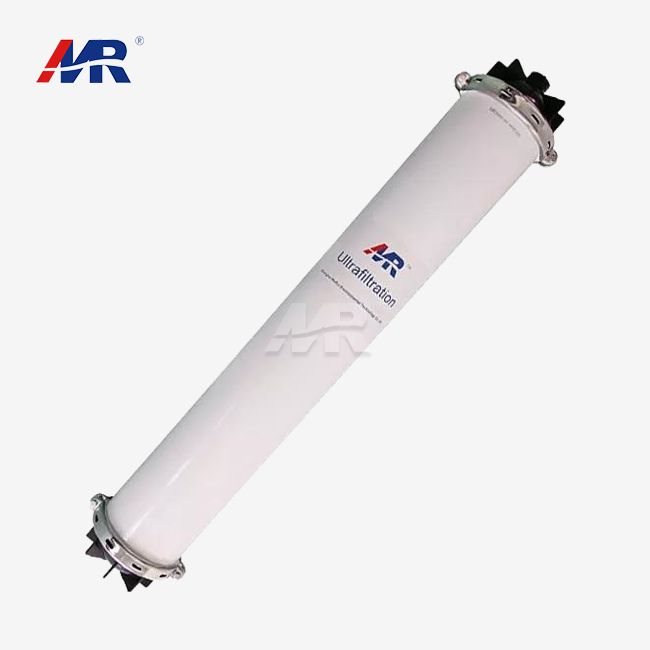 VIEW MOREultrafiltration membranes for water treatment
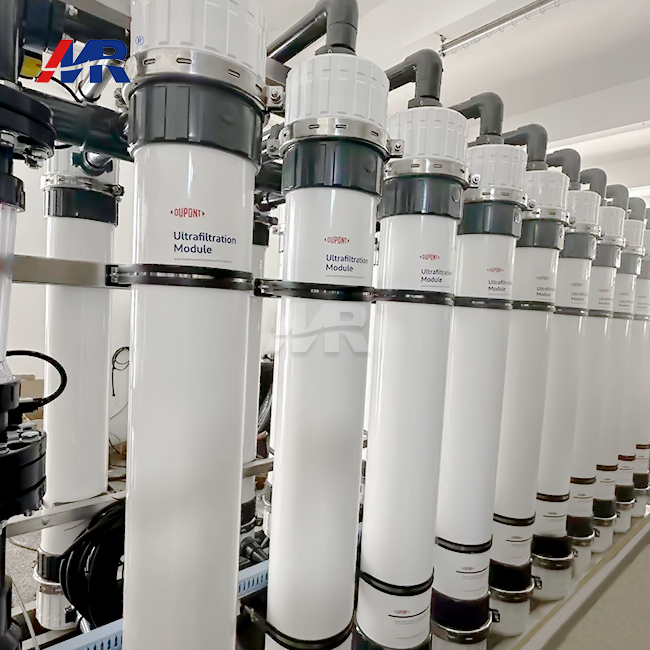 VIEW MOREultrafiltration water treatment system
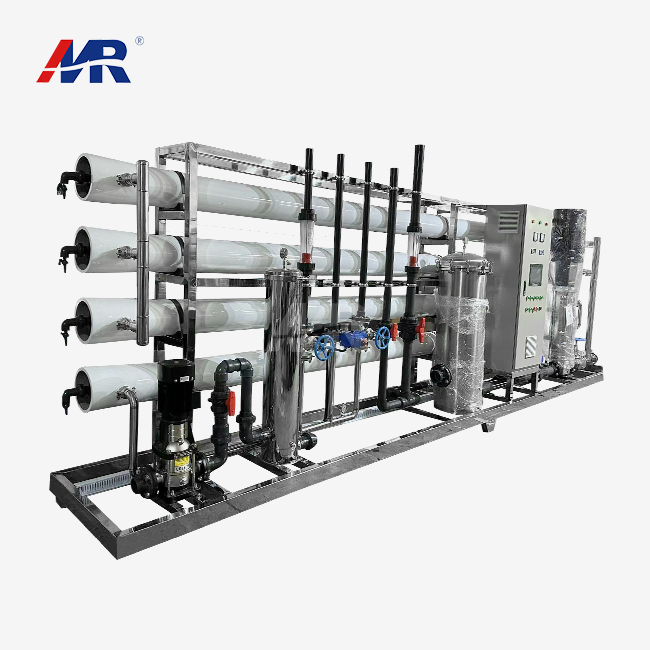 VIEW MOREreverse osmosis plant
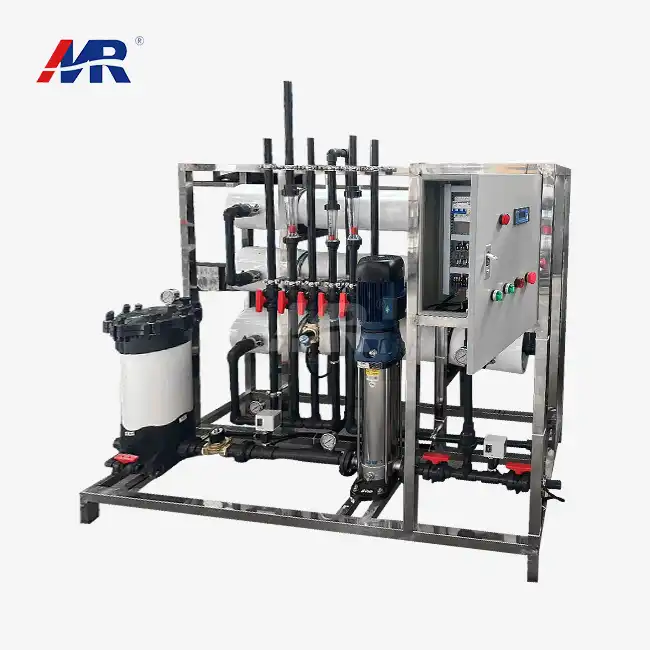 VIEW MORE3T/H reverse osmosis equipment
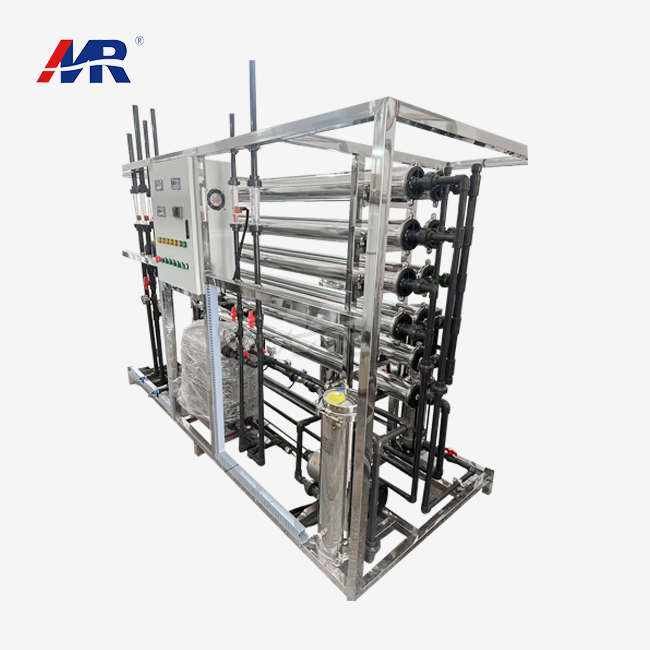 VIEW MOREedi system in water treatment
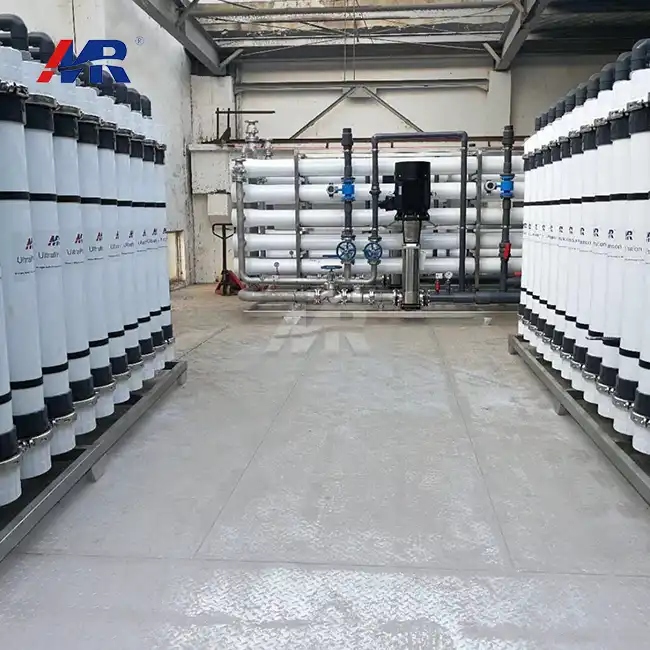 VIEW MORE2000m3/day ultrafiltration equipment
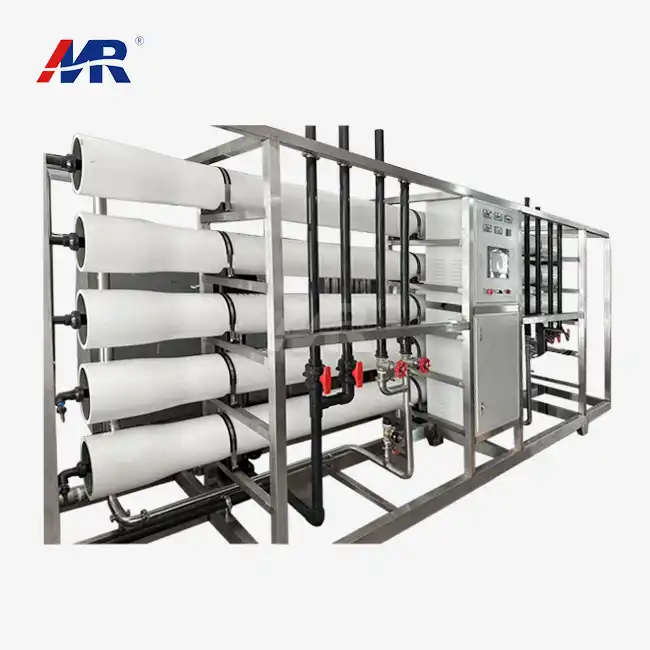 VIEW MORE25m3/hour reverse osmosis equipment
 VIEW MOREedi water purification system
