

_1745823981883.webp)

Scaling in RO Equipment: Causes, Prevention and Cleaning
One of the biggest problems that industrial water treatment plants have to deal with all the time is scaling in reverse osmosis systems. The performance of the entire RO equipment is hampered when mineral layers build up on membrane surfaces, which results in higher operating costs and even system breakdowns. Working with water treatment facilities across pharmaceuticals, food processing, and power generation for many years, I've seen how good scale management can make the difference between running efficiently and having to shut down for expensive repairs. This detailed guide covers the main reasons for scaling, useful ways to stop it, and efficient ways to clean. It is made for procurement managers and facility engineers who need reliable answers.
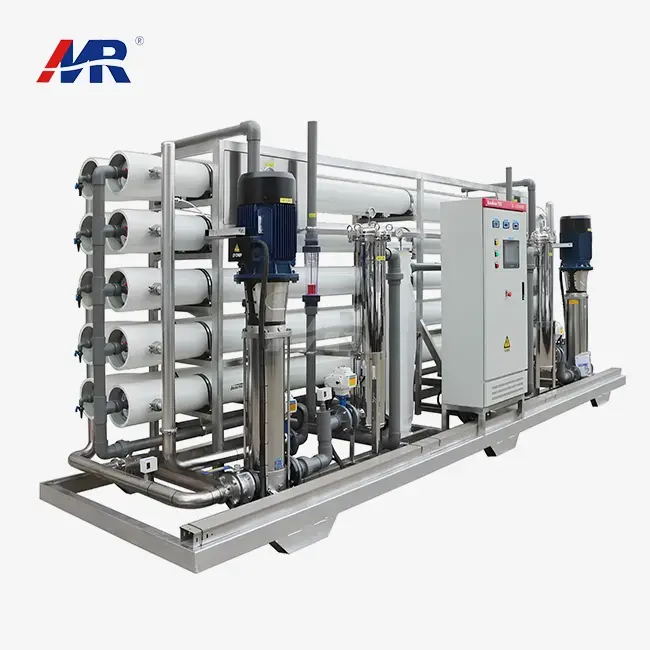
Understanding Scaling in RO Equipment
What Happens When Scaling Occurs
Foodwater minerals that settle on membrane surfaces and surpass their solubility limitations scale. Calcium carbonate, calcium sulphate, barium sulphate, and silica compounds dominate this mineral accumulation. Scaling produces physical barriers that prevent water from passing through semi-permeable membranes, making pumps work harder and use more energy.
Critical Components Vulnerable to Scaling
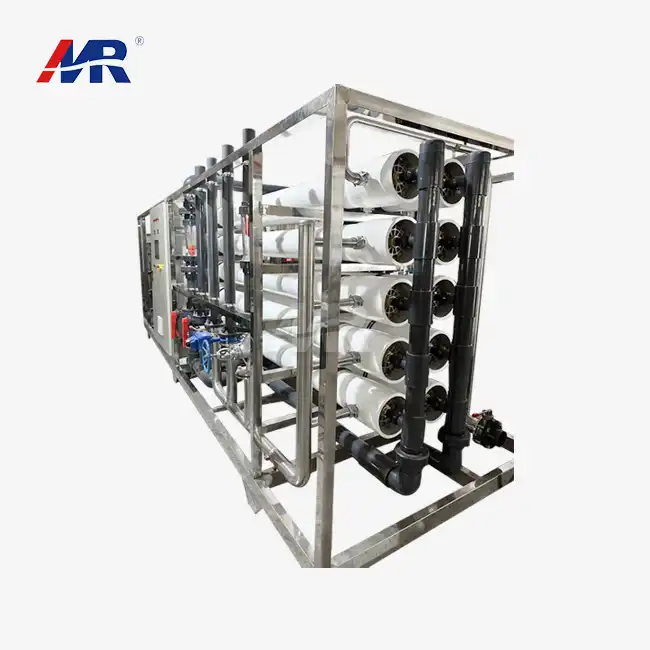
Membrane elements that produce clean permeate and collect rejected salts on the feed side are most prone to scaling. Pressure channels holding these membranes build up deposits over time, especially near the tail end, where concentrations are highest. Crystallised minerals clog the membrane module feed channels and spacers. As differential pressure rises, flow is limited. Finding these weaknesses enables targeted monitoring and intervention before performance issues arise.
Early Warning Signs Every Operator Should Monitor
Scaling symptoms detected early reduces cleaning frequency and damage. If normalised pressure declines are more than 15% over baseline, membrane elements are limiting flow. Membrane surface scaling reduces rejection by decreasing permeate flow and increasing salt passage. The system becomes more robust when the feed pressure is increased to maintain production rates. Regularly tracking these parameters by automated control systems provides data for preemptive maintenance decisions.
Causes of Scaling in RO Equipment
Water Chemistry Factors Driving Scale Formation
For RO equipment, scaling chemistry is mostly made up of minerals that make things harder in most industrial settings. Calcium and magnesium amounts above 100 mg/L can cause water scale, especially if they are mixed with carbonate alkalinity. Silica is hard to clean because it polymerises into colloidal forms that are not easily removed with normal means. When there is barium or strontium around, sulphate salts can form tough layers that need special chemical processes to break down. The pH of the feedwater has a big effect on how well calcium carbonate dissolves—pH levels above 8 speed up the rate of precipitation.
Operational Parameters That Accelerate Scaling
Setting the recovery rate has a direct effect on scaling tendency because it determines the concentration factors in the membrane system. When systems work at 75% recovery, the feedwater is concentrated four times, which pushes marginal waters past the limits of saturation. The solubility of minerals changes with temperature. For example, calcium carbonate dissolves less easily in cold water, and calcium sulphate dissolves less easily in warm water. Scale precursors can get to membrane surfaces through poor pretreatment, where they quickly gather and form crystals.
System Design Considerations
The configuration of the membrane array changes how the scaling is spread out across parts. When set up in normal ways, lead elements tend to have slower scaling rates than tail elements, which are where concentration peaks. If the cross-flow speed isn't fast enough, the concentration in the boundary layer can rise, which can lead to localised supersaturation near the membrane surfaces. Systems that don't have the right tools to keep an eye on important factors work without seeing, missing early warning signs that would normally cause them to take action to stop problems.
Prevention Strategies for Scaling in RO Equipment
Pretreatment Technologies That Protect Membranes
Ion exchange softens water by removing hardness minerals before they reach ro membranes. This is the most reliable way to prevent calcium and magnesium scaling. Acid dosing reduces feedwater pH and converts bicarbonate alkalinity to carbon dioxide, preventing calcium carbonate formation. This method is a cost-effective way to control scaling when managed through automated pH monitoring systems.
Antiscalant chemicals represent the industry standard for comprehensive scaling prevention across a wide range of water chemistries. These specialty polymers inhibit crystal growth and distort crystal structures, keeping scale-forming minerals in solution even under supersaturated conditions. Dosing the correct amount of antiscalant requires careful calculation based on thorough water analysis and system recovery rates.
Modern RO equipment with improved pretreatment stages significantly extends membrane service life while reducing cleaning requirements. Our systems at Morui use multiple stages of filtration to remove organic matter and suspended solids before pressure-driven membrane separation, addressing many fouling processes simultaneously.
Operational Optimization for Scale Prevention
Optimizing the recovery rate balances production efficiency against scaling risk. Maintaining recovery values below 70% preserves safer concentration factors, which is crucial for challenging feedwaters with high hardness or silica levels. Proper membrane flux management prevents excessive concentration polarization near membrane surfaces. Operating within manufacturer-recommended flux ranges preserves the boundary layer dynamics that stop localized supersaturation.
Regularly flushing membrane elements with low-pressure feedwater during shutdowns removes concentrated brine, preventing scale precipitation. Control systems programmed with automated flush sequences ensure consistent execution without operator intervention. Temperature control through heat exchangers keeps operating conditions stable, preventing solubility fluctuations from triggering precipitation. Stable thermal environments support predictable performance and extend cleaning intervals.
Real-Time Monitoring Systems
Advanced monitoring provides the data foundation for proactive scaling management. Tracking the conductivity of both feed and permeate streams reveals patterns of salt passage indicating early membrane degradation. Pressure transducers across each membrane stage show when flow restrictions are forming before they impact production. Flow meters recording normalized permeate production identify capacity losses that require investigation and corrective action.
Our cutting-edge systems feature automated control platforms that continuously compare operating parameters to baseline conditions. Based on diagnostic tools, these intelligent systems alert operators to abnormal trends and recommend specific corrective actions. This proactive approach transforms maintenance from emergency response to planned, cost-controlled activities.
Effective Cleaning Procedures for Scaling Removal
Determining When Cleaning Becomes Necessary
Cleaning frequency depends on feedwater quality, operating conditions, and acceptable performance thresholds. Facilities should initiate cleaning when the normalized pressure drop increases 15% above initial values, the normalized permeate flow decreases 10%, or the normalized salt passage increases 10%. These industry-standard triggers find a good balance between cleaning effectiveness and membrane wear from excessive chemical contact.
Chemical Cleaning Protocols
Mineral scales can be removed by acidic cleaning Products because they lower the pH and bind to minerals. At a concentration of 2%, citric acid formulations remove calcium carbonate and iron deposits effectively while remaining membrane-compatible. Hydrochloric acid solutions can address stubborn sulfate scales, but the pH must be carefully controlled to prevent membrane damage. Cleaning temperatures between 95°F and 104°F accelerate dissolution without breaking down polyamide membrane materials.
When organic fouling and mineral scaling occur together, alkaline cleaning follows acidic treatment. Sodium hydroxide mixed with surfactants removes biological films and organic deposits that acidic cleaners cannot address. This two-stage approach restores comprehensive membrane performance across mixed fouling scenarios common in industrial settings.
Cleaning-in-Place Systems
Cleaning solutions are circulated through membranes in CIP systems, which optimize contact time and chemical concentration. For CIP to work correctly, it requires recirculation for 30 to 60 minutes followed by soaking periods to allow chemical reactions to proceed. During cleaning, flow rates should match normal operating velocities to ensure the solution reaches all membrane surfaces equally.
A pharmaceutical manufacturer in New Jersey documented a 23% permeate flow recovery after implementing our recommended CIP protocol for severe calcium sulfate scaling. The facility had delayed cleaning due to production pressures, allowing scaling to progress until output fell below contractual requirements. Systematic acidic cleaning restored performance and established quarterly maintenance schedules, preventing recurrence.
Environmental Considerations
When choosing chemicals, disposal regulations and environmental impact must be considered. Citric acid is biodegradable and suitable for direct neutralization and discharge under most permits. Phosphate-free formulations prevent nutrient loading in receiving waters. Spent cleaning solutions require pH neutralization before discharge, typically accomplished through automated acid-base titration systems integrated with CIP equipment.
Maintenance Tips to Extend RO Equipment Life and Reduce Scaling Risks
Inspection and Monitoring Protocols
Once a week, visual checks of RO equipment find outside signs of scaling, like mineral deposits on the outside of the tank or strange readings on the pressure gauge. Normalised membrane performance estimates done every month can pick up on trends that might be missed in yearly reviews. Testing the water quality every three months makes sure that the process is working and finds changes in the chemistry that need to be fixed in the way things are done.
The historical database that supports predictive maintenance strategies is made by keeping careful records. By keeping track of cleaning dates, chemical types, contact times, and performance recovery rates, trends can be found that are specific to each building. This institutional knowledge guides attempts to improve things and supports spending money on things like pretreatment or replacing membranes.
Predictive Maintenance Strategies
Condition-based maintenance can be used instead of random time-based plans thanks to new sensor technology. Differential pressure transmitters keep an eye on the transmembrane pressure and let workers know when certain levels are reached that show fouling is getting worse. Conductivity analysers that track salt flow can find changes in the integrity of the membrane that need to be inspected or replaced.
Digital platforms combine sensor data into detailed dashboards that show the health of the system across a number of different factors at the same time. Machine learning algorithms find small links between working conditions and performance degradation and suggest specific steps that should be taken before failures happen. This approach, which is based on data, cuts down on unplanned downtime and makes the best use of maintenance resources.
Strategic Membrane Replacement Planning
Depending on the quality of the feedwater and how hard they are used, membrane elements usually last between 3 and 7 years. In proactive replacement programs, parts that show persistent increases in salt passage or cleaning response degradation are taken out of service before they cause catastrophic failures that stop production. Keeping important spare membranes on hand lets you replace them quickly without having to wait for long procurement delays.
When you work with knowledgeable suppliers, you can get genuine replacement parts that meet the requirements of the original equipment. Our membrane production facility makes parts that are especially made for applications that are likely to scale. These parts have advanced surface modifications that stop minerals from sticking to them. When compared to normal configurations, these specialised products greatly increase the time between cleanings.
Leveraging Expert Support Networks
In complex scaling situations, it's helpful to get help from experts who aren't normally operators. Our technical team does remote diagnostics by looking at running data to find the root causes and suggest ways to fix them. On-site reviews look at the whole system, including how well the pretreatment works and how the operations are run. This all-around method takes a systematic approach to scaling instead of treating symptoms one at a time.
Problem-solving goes faster when you have access to application engineers who know how to deal with problems that are unique to your business. A food processing plant that kept getting silica scaling got customised antiscalant formulations and changes to its operating protocols that got rid of the problem for good. Our knowledge of water chemistry and their process knowledge were combined in a way that made solutions that would not have been possible if either party had worked alone.
Conclusion
To manage on a larger scale, you need to pay close attention to the chemistry of the water, be disciplined in your work, and do preventative maintenance. Mineral layers that slow down RO equipment can be avoided by properly treating the water before it is used, making sure the equipment is running at its best, and cleaning it when it's needed. As more and more industries expect cleaner water and more efficient operations, scaling prevention stops being a nice-to-do maintenance task and becomes an essential part of doing business. The strategies described here are tried-and-true methods that have been used in a wide range of business settings, from making medicines to making electricity. Scaling management is seen as an ongoing part of a successful facility's system, not just something that needs to be done when something goes wrong.
FAQ
Q1: How often should RO membranes be cleaned to prevent scaling?
Cleaning frequency varies based on feedwater quality and operating conditions, but most industrial systems require cleaning every 3-6 months under normal circumstances. Facilities processing hard water or operating at aggressive recovery rates may need monthly cleaning. The key lies in monitoring normalized performance parameters rather than following arbitrary schedules. When the differential pressure increases 15% or the permeate flow decreases 10% from baseline, cleaning becomes necessary regardless of elapsed time. Automated monitoring systems tracking these metrics provide reliable cleaning triggers optimized for specific operating conditions.
Q2: Can scaling be completely eliminated through pretreatment alone?
Comprehensive pretreatment significantly reduces scaling risk but rarely eliminates it entirely in industrial applications. Water softening removes hardness minerals effectively but requires regeneration and produces waste brine. Antiscalant dosing prevents scale formation under controlled conditions but loses effectiveness when dosing accuracy falters or water chemistry changes unexpectedly. The most reliable approach combines multiple strategies—pretreatment, operational optimization, and routine cleaning—creating layered defenses against scaling.
Q3: What distinguishes scaling from other membrane fouling types?
Scaling specifically refers to mineral precipitation, while fouling encompasses biological growth, organic matter accumulation, and colloidal deposition. Scaling typically responds to acidic cleaning, whereas biological fouling requires alkaline treatments with biocides. Diagnostic methods differentiating these mechanisms include membrane autopsy, revealing deposit composition, and cleaning response patterns indicating whether acidic or alkaline chemistry proves effective. Accurate diagnosis drives appropriate corrective action.
Partner with Morui for Comprehensive RO Equipment Solutions
Scaling challenges require more than standard equipment—they demand engineering expertise, quality components, and responsive Technical support. Guangdong Morui Environmental Technology specializes in delivering customized water treatment solutions backed by comprehensive service capabilities. Our systems incorporate advanced membrane technology, achieving 99.5% rejection rates while maintaining recovery rates up to 75%, optimizing both water quality and operational efficiency. With capacity ranging from 1,000 to 100,000 GPD and modular construction supporting future expansion, our RO equipment supplier capabilities serve operations from startups to multinational corporations.
We engineer systems specifically addressing your feedwater chemistry challenges and production requirements. Our integrated approach combines robust pretreatment, intelligent automation, and energy-efficient design, delivering reliable performance with minimal maintenance requirements. Contact our technical team at benson@guangdongmorui.com to discuss your specific scaling concerns and discover customized solutions protecting your water treatment investment.
References
1. American Water Works Association. (2021). Reverse Osmosis and Nanofiltration Manual of Water Supply Practices M46. Denver: AWWA.
2. Greenlee, L.F., Lawler, D.F., Freeman, B.D., Marrot, B., & Moulin, P. (2009). Reverse osmosis desalination: Water sources, technology, and today's challenges. Water Research, 43(9), 2317-2348.
3. Antony, A., Low, J.H., Gray, S., Childress, A.E., Le-Clech, P., & Leslie, G. (2011). Scale formation and control in high pressure membrane water treatment systems: A review. Journal of Membrane Science, 383(1-2), 1-16.
4. Karime, M., Bouguecha, S., & Hamrouni, B. (2008). RO membrane autopsy of Zarzis brackish water desalination plant. Desalination, 220(1-3), 258-266.
5. Dydo, P., Turek, M., & Ciba, J. (2003). Scaling analysis of nanofiltration systems fed with saturated calcium sulfate solutions in the presence of carbonate ions. Desalination, 159(3), 245-251.
6. Wilf, M., & Bartels, C. (2005). Optimization of seawater RO systems design. Desalination, 173(1), 1-12.
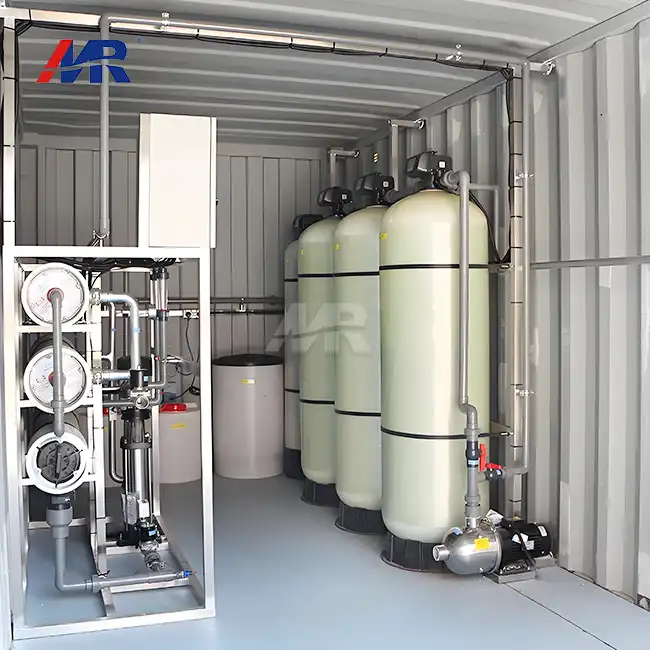 VIEW MOREcontainer type 3m3/hour RO equipment
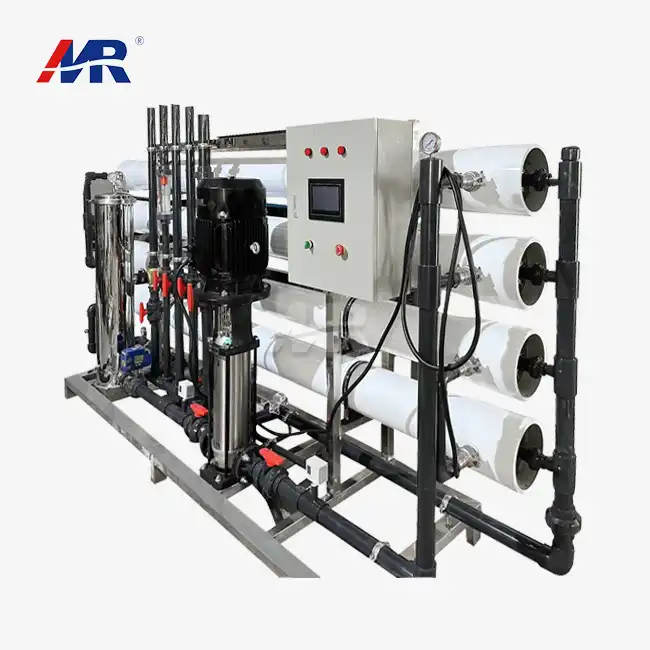 VIEW MORE12m3/hour reverse osmosis BWRO system
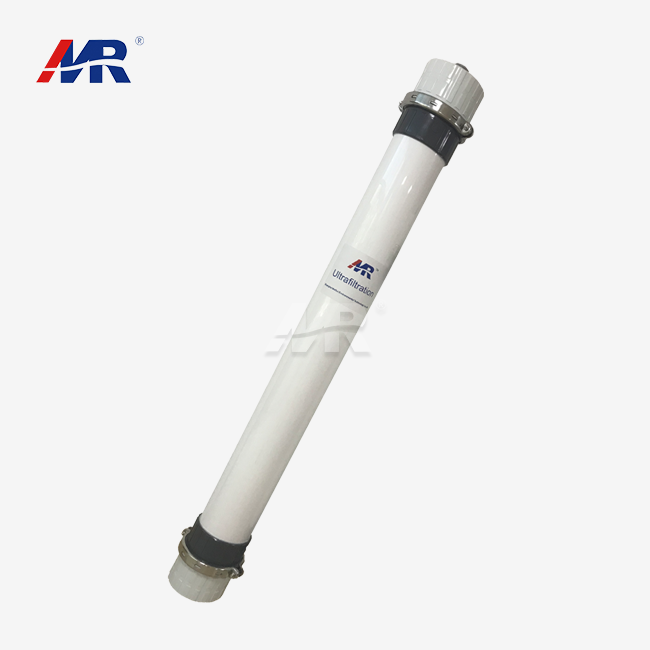 VIEW MOREultrafiltration membrane for wastewater treatment
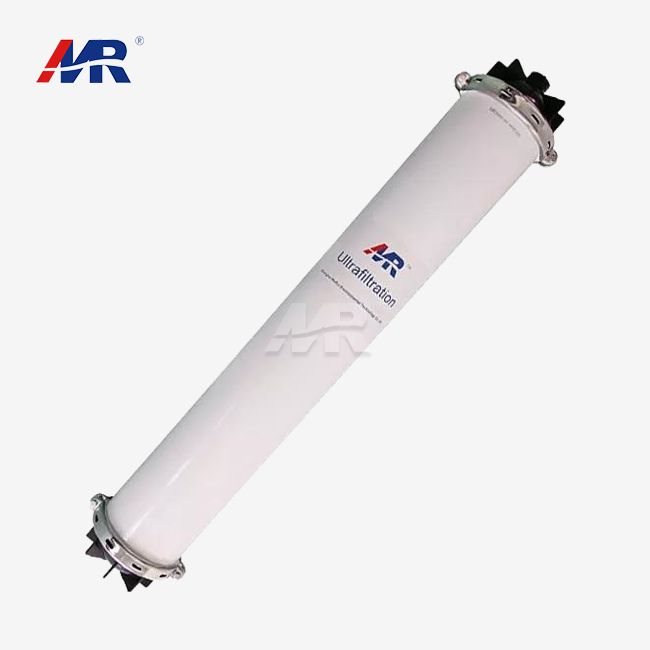 VIEW MOREultrafiltration membranes for water treatment
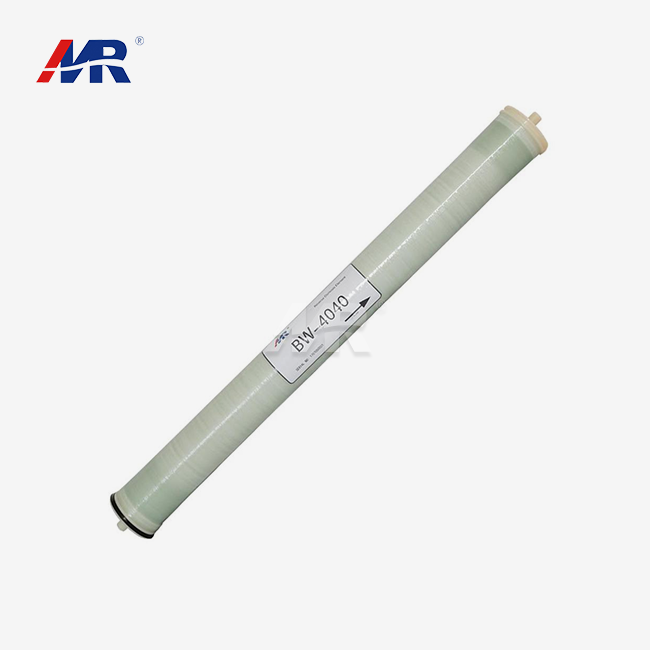 VIEW MOREindustrial ro membrane
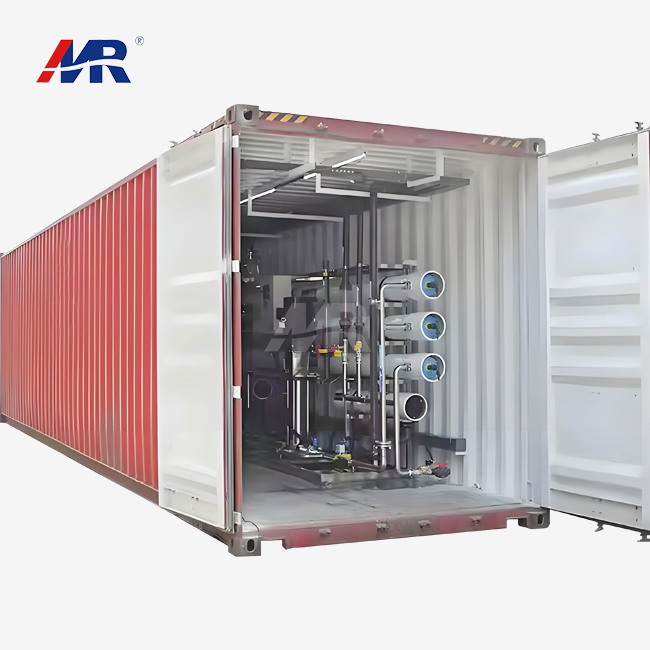 VIEW MOREContainerized Reverse Osmosis Systems
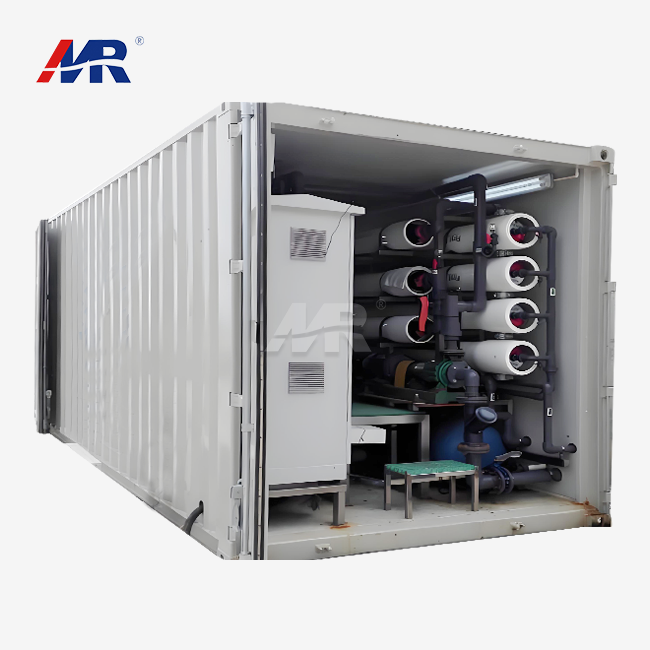 VIEW MOREcontainer seawater desalination equipment
 VIEW MORE50m3/hour reverse osmosis equipment
