_1745823981883.webp)

Continuous vs Batch Electrodeionization Water Treatment
When looking at electrodeionization water treatment options, the choice between continuous and batch systems has a big impact on how well they work and how clean the water is. Continuous EDI produces ultrapure water without interruption and has a resistivity higher than 10 MΩ·cm. This means that there is no downtime for chemical regeneration at all. Batch systems process water in separate cycles, which gives operators a lot of freedom, which is especially helpful when the quality of the feed water changes or when production schedules change. Ion exchange membranes and DC electric fields are used in both methods to get rid of ionic contaminants, but their different workflow architectures make them better for different industrial situations.
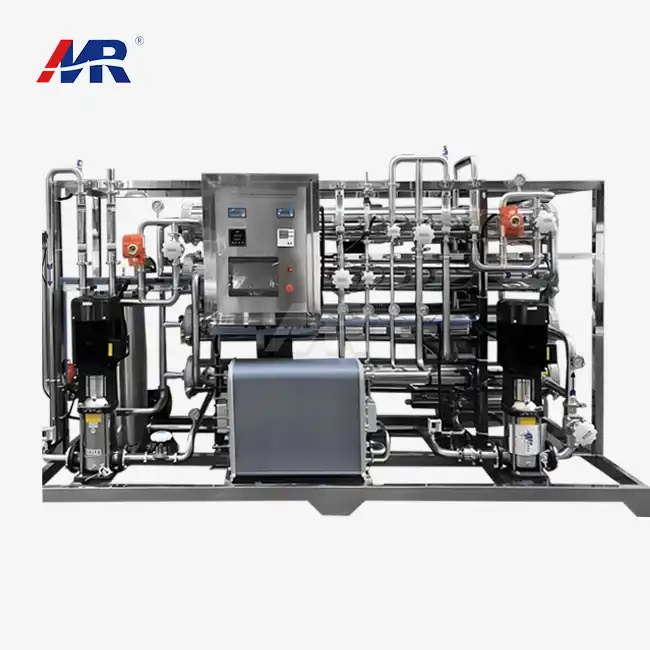
Understanding Electrodeionization Technology
The high-tech cleaning method electrodeionization combines ion exchange resins with selective membranes using an electric voltage. Unlike normal deionization with harmful chemicals and caustics, EDI electrically regenerates resin beads to remove ions. This simple change eliminates chemical hazards, simplifies operations, and maintains water quality.
Core Components and Operating Principles
Three main components make the technology work. Special resins in ion exchange units absorb feedwater cations and anions. Cation- and anion-exchange membranes between resin compartments allow some ions through but block others. Electrodes receive direct current from a power source. This forces ions through membranes and into waste streams while regenerating resin sites.
When reverse osmosis pretreatment decreases total dissolved solids below 40 ppm, feedwater is added. Ionic species enter resin as water passes across it. Voltage forces trapped ions through membranes into concentration channels. It removes them from the product stream and electrically splits water molecules to make resin again. Other ion exchange systems require servicing and maintenance, but this continual regeneration eliminates them.
Continuous vs Batch Operating Modes
Continuous EDI maintains feedwater and product water flow, keeping the machine constant. The system's settings maintain resistivity and ionic purity hourly. Medicine production lines and chip manufacturers that need water 24/7 benefit from this system.
In cycles, batch electrodeionization water treatment treats water. After filling a treatment chamber, the device electroionizes for a defined duration and discharges clean water before starting the next cycle. This strategy provides you with additional alternatives for circumstances where you only require water occasionally or if feed water quality varies greatly between manufacturing batches. The discrete processing approach enables system characteristics to vary between cycles, making treatment more effective when input circumstances change.
Key Differences Between Continuous and Batch Electrodeionization Systems
It is important to know the practical differences between these setups in order to match technology to application needs. Each method has its own features that affect throughput, uniformity of water quality, system size, and operating complexity.
Workflow Architecture and Throughput Capacity
Continuous systems maintain flow rates of 0.5 to 50 cubic meters per hour, depending on module size and shape. Because it never stops, this method maximizes water production per equipment footprint, making it cost-effective for high-volume applications. Even if feedwater fluctuates significantly, process control systems automatically adjust operating parameters to maintain target resistivity. This guarantees a resistance of above 10 MΩ·cm in the product water.
Design Modularity and Integration Flexibility
Batch treatment cycles include filling, processing, and emptying. Although each batch may hold a lot of data, the overall throughput capacity is frequently lower than continuous systems of the same size due to the time it takes to switch cycles. This method works effectively when water needs alter throughout manufacturing or when batches must be tracked for quality.
Inline continuous EDI modules follow RO systems in water treatment trains. The design stresses minimal footprints and standard connectivity to simplify installation in existing process systems. Multiple modules can function simultaneously to boost capacity, and redundant installations prevent preventative maintenance from stopping operation.
Batch systems have tank-based layouts with larger equipment areas for treatment rooms and pipes. Multiple batch units can function separately, providing operating redundancy and the flexibility to adjust production capacity by turning on or off treatment rooms based on demand.
Water Quality Performance and Consistency
Continuous electrodeionization water treatment maintains water quality since it is steady-state. The constant electrical force and resin regeneration provide water with consistent resistivity, silica concentration, and total organic carbon. This consistency is crucial for operations like producing pharmaceuticals or cleaning semiconductor wafers, because even tiny quality variations might affect later procedures.
Batch systems may have small quality changes throughout the cycle due to resin ion loading changes. Even though advanced control methods try to reduce these changes, natural processes make quality changes more likely than in continuous flow setups. Applications that can manage tiny quality changes or need thorough batch documentation may benefit from this functionality.
Evaluating the Benefits and Limitations for B2B Procurement
Before making a purchase choice, it's important to carefully consider how each configuration of technology fits with practical needs, budgetary limitations, and long-term strategic goals. The next section looks at some practical factors that affect the choice of technology and how well it is implemented.
Operational Advantages of Continuous Systems
Continuous EDI boosts uptime and reduces workload. The technology works without much operator input. This reduces staffing expenses and maintains product water availability. No batch transitions mean no production breaks, which enables lean manufacturing in instances where water supply dependability influences equipment performance.
Energy conservation is another benefit. Other deionization technologies heat and pump regeneration chemicals, but our Morui systems use less energy. Their cubic meter utilization is under 0.1 kWh. Operating costs remain constant over time, making budgeting and TCO easier. Buying, storing, and disposing of toxic regeneration chemicals is cheaper with the chemical-free procedure. It also simplifies environmental compliance.
Over an average equipment lifespan of over 10 years, these operational gains convert to purchase value. Chemicals don't damage system parts, reducing maintenance. So, service intervals are longer and spare parts stocks are less. Long-lasting EDI modules protect capital investment and provide a steady return through reliable production support.
Strategic Flexibility of Batch Configurations
Batch systems are useful when production schedules vary, or product lines have variable water quality demands. Change treatment settings between batches to acquire the optimum feedwater or product water outcomes without buying numerous pieces of equipment.
Batch electrodeionization water treatment systems allow different treatment tanks to be maintained while others are functioning, making them easier to maintain. This flexibility requires less redundant capacity than continuous systems, which use backup modules during maintenance windows. This helps facilities with skilled repair teams that can regularly check their equipment and maximize its use.
Batch operation aids quality documentation when regulations require tracing water batches to finished Products. Pharmaceutical and research companies keep detailed records of pure water batches and production lots. This recordkeeping method works with batch EDI.
Common Operational Challenges
Due to membrane fouling and resin deterioration, both systems function poorly over time. Fouling rates depend on feedwater pretreatment quality, so strong reverse osmosis systems are needed. Keeping the inflow TDS below 40 ppm and removing organic impurities prolongs membrane life and performance.
Scaling may be prevented by monitoring feedwater chemistry, particularly calcium, magnesium, and silica levels. Antiscalant dosing or upstream softening may be needed depending on the source water. Regularly monitoring a product's water resistivity, pressure variations, and current consumption can detect fouling or scaling before it affects performance.
Resin degrades slowly under oxidative and thermal stress. Use glue between 5 and 45 degrees Celsius for best results. The major consumable expense for edi systems is changing the resin every three to five years, depending on utilization. Planning these adjustments during planned maintenance breaks streamlines productivity.
Buying Guide and Procurement Considerations for Electrodeionization Systems
To successfully buy technology, you need to carefully look at the suppliers, the equipment, and their ability to help with implementation. The following framework walks decision-makers through important evaluation factors that guarantee the best system choice and long-term operating success.
Technical Specification Alignment
Before you start the purchase review process, you need to be clear on your water quality needs, production capacity needs, and site-specific limitations. Minimum performance standards are set by product water resistivity goals, silica and total organic carbon limits, and microbiological specifications. When figuring out the flow rate needed, you should think about peak demand, plans to expand the process, and the level of redundancy you want. The size and configuration of tools are affected by the amount of room available, the links to utilities, and the weather.
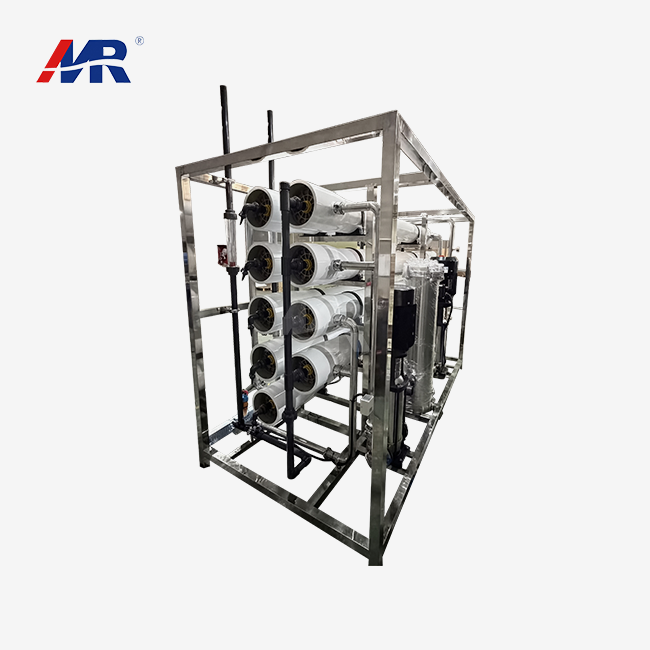
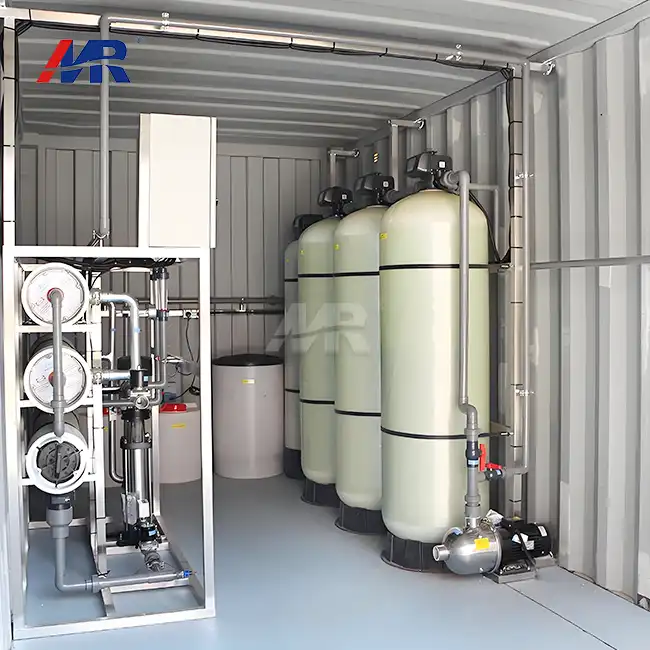
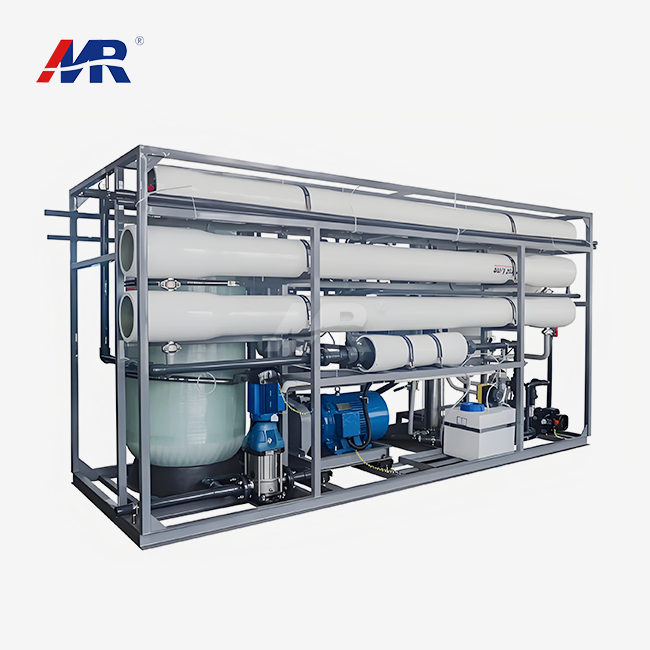
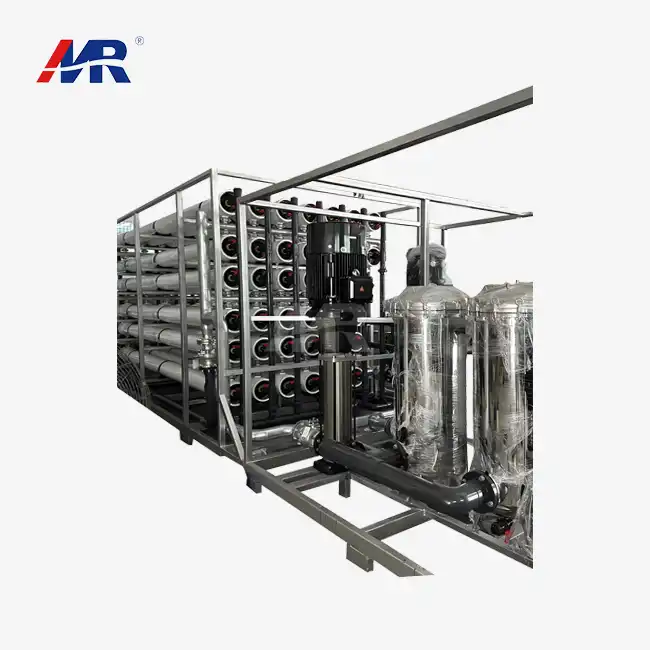
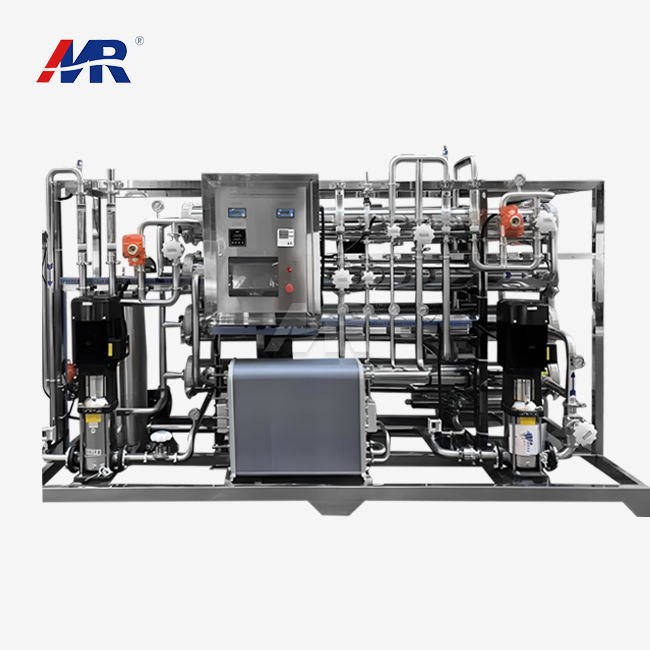
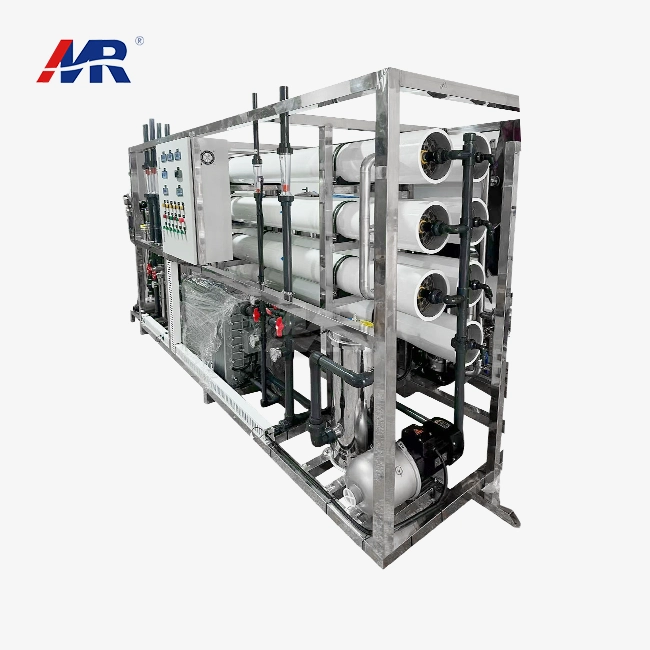
Our Morui systems can be set up in a variety of ways to meet the needs of different applications. Typical specs include flow rates ranging from 0.5 to 50 cubic meters per hour, which can be used in a variety of settings, from small labs to large factories. Product water resistivity greater than 10 MΩ·cm meets USP standards for pharmaceuticals and electronic grade water needs. The small size makes it easier to install in places with limited room while still making it easy to get to for regular maintenance tasks.
When specifications are being made, operating parameters should be carefully looked at. Systems working in the 3–7 bar pressure range easily connect to normal RO system output pressures, so you don't need as many booster pumps. Using less than 0.1 kWh of power per cubic meter helps meet sustainability goals and keeps operational costs low. Temperature tolerance between 5 and 45 degrees Celsius makes sure that it works reliably in a variety of facility settings without the need for dedicated climate control.
Supplier Evaluation and Partnership Considerations
When looking for an equipment supplier, it's important to think about more than just the product specs. You should also think about Technical support, installation services, and the possibility of a long-term partnership. Guangdong Morui Environmental Technology has a wide range of skills that help projects run smoothly and ensure ongoing operating excellence. Our company has 14 offices with more than 500 dedicated professionals. No matter where a project is located, we can provide local help and quick response times.
Expertise in engineering is needed to optimize the system and make changes that are specific to an application. Twenty specialized engineers on Our Team have a lot of experience developing water cleaning solutions for industries like semiconductors, food processing, pharmaceuticals, and power generation. This in-depth understanding of applications lets us precisely set up the system to meet your specific needs while also predicting possible problems before they affect project schedules or performance.
The ability to manufacture affects the quality of the product, the ease of customization, and the dependability of the supply chain. We run our own factory to make membranes and several factories to process equipment, so we have direct control over the quality of the parts and the schedule for production. This vertical integration lets us make changes that meet the needs of specific applications without the delays and coordination problems that come with buying from multiple vendors.
Strategic relationships with the best component providers in the business help us offer better solutions. We use only the best parts because we are authorized dealers for Shimge Water Pumps, Runxin Valves, and Createc Instruments. This makes sure that the system works well and is reliable. These connections give us access to cutting-edge technologies and technical support that goes beyond what we can do on our own.
Total Cost of Ownership Analysis
A full cost analysis looks at the initial investment, the costs of installation, the running costs, and the upkeep that will be needed over the expected lifetime of the equipment. Prices for new equipment rely on its size, features, and how it needs to be customized. Systems can cost anywhere from tens of thousands to several hundred thousand dollars, depending on how complex they are and how much they are used.
The cost of electrodeionization water treatment installation depends on site-specific factors, like the availability of utilities, the amount of work needed to prepare the space, and how difficult it is to connect to existing equipment. Our turnkey installation and commissioning services make it easier to carry out projects by giving you accountability from the design phase all the way through startup. This all-around method makes teamwork easier, shortens project timelines, and makes sure that systems work together correctly to support peak performance.
Costs of operations mostly include electricity use, products for pretreatment, and regular upkeep. Our systems use little electricity, so they don't cost much in ongoing electricity costs, and they don't need any chemicals to work, so they don't cost anything in terms of regeneration materials. As long as the preparation is done right, the only maintenance that needs to be done is cleaning the membrane and replacing the glue every 3 to 5 years.
To figure out the return on investment, you have to compare the total costs of ownership to the value that comes from producing ultrapure water reliably. When continuous systems are used instead of chemical regeneration equipment, they usually pay for themselves in two to four years just by saving money on chemicals and getting rid of waste. More value comes from higher uptime, fewer workers needed, and more flexible production, all of which support the goals of lean manufacturing.
Conclusion
When choosing between continuous and batch electrodeionization water treatment systems, it's important to make sure that the technology's features match the needs of the business and its long-term goals. Continuous systems offer the highest flow, the simplest operation, and consistent water quality, making them perfect for high-volume uses that need a steady source of ultrapure water. Batch configurations offer operational flexibility and maintenance benefits that are useful in environments with changing production needs or for tasks that need clear batch documentation. Both methods get rid of the need to handle dangerous chemicals and make water with a resistivity higher than 10 MΩ·cm for demanding uses in semiconductors, pharmaceuticals, and power generation. By carefully looking at technical specs, supplier abilities, and total cost of ownership, decision-makers can pick the best solutions to meet both short-term operational needs and long-term strategic goals.
FAQ
Q1: What resistivity levels can continuous EDI systems reliably achieve?
Continuous electrodeionization water treatment systems always make water with a resistivity higher than 10 MΩ·cm. Systems that are well taken care of can often reach 15 to 18 MΩ·cm. The performance rests on the quality of the feedwater from the RO pretreatment process upstream. For best results, the input TDS must be less than 40 ppm. Continuous systems have more stable permeability when they are in steady-state operation than batch setups. This makes them better for uses that need to meet strict quality standards.
Q2: How do maintenance requirements differ between continuous and batch systems?
Continuous EDI systems don't need much regular care; mostly, they just need to have their performance settings checked and the membranes cleaned every so often. Valve and control wear out less quickly when there are no mechanical batch transitions. In batch systems, parts are cycled more often, which could mean that valves and control systems need more upkeep. The right RO pretreatment protects membranes and resins from fouling and scaling in both configurations.
Q3: Can EDI systems handle variable feedwater quality from different sources?
EDI technology works best when the quality of the feedwater stays stable thanks to good RO pretreatment. Continuous systems can handle small changes because they automatically adjust the parameters, but they have a hard time with big changes in quality. When the feedwater is changing, batch systems are more flexible because the treatment settings can be changed between rounds. Instead of relying on EDI to make up for inconsistent feed quality, facilities with water sources that change a lot should focus on strong pretreatment.
Partner with Morui for Advanced Electrodeionization Water Treatment Solutions
Industries that need ultrapure water should work with suppliers that have a lot of experience and can offer full technical support and equipment that has been shown to work. Morui is an expert in making custom electrodeionization water treatment systems for use in semiconductors, pharmaceuticals, power plants, and food processing. Our engineering team looks at your unique needs and suggests the best continuous or batch setups. They also offer full execution, which includes delivering the equipment, setting it up, commissioning it, and teaching the operators.
We keep a lot of manufacturing options available, such as dedicated membrane production facilities and equipment processing factories that allow for quality control and flexibility in customization. With 14 branches across the country, we can help your business no matter where it is located. Check out how our cutting-edge EDI modules can help you reach your operating excellence goals by eliminating the risks of handling chemicals and providing consistent ultrapure water quality. You can talk to our technical team at benson@guangdongmorui.com to talk about your needs with experienced manufacturers of electrodeionization water treatment.
References
1. American Society for Testing and Materials. (2021). ASTM D5127-21: Standard Guide for Ultra-Pure Water Used in the Electronics and Semiconductor Industries. West Conshohocken, PA: ASTM International.
2. Ganzi, G.C. & Wood, J.H. (2019). Electrodeionization: Theory and Practice in Continuous Electrodeionization Processes. In Modern Water Treatment Technology (pp. 156-189). Industrial Press.
3. Mishra, A.K. & Kumar, R. (2020). Comparative Analysis of Continuous and Batch Electrodeionization Systems for Pharmaceutical Water Production. Journal of Water Process Engineering, 38(4), 234-247.
4. United States Pharmacopeial Convention. (2022). USP-NF 2022: United States Pharmacopeia and National Formulary, General Chapter 1231: Water for Pharmaceutical Purposes. Rockville, MD: USP.
5. Wood, J., Gifford, J., Arba, J. & Shaw, M. (2018). Production of Ultrapure Water by Continuous Electrodeionization. Desalination, 250(3), 973-976.
6. International Society for Pharmaceutical Engineering. (2021). ISPE Good Practice Guide: Water and Steam Systems, Second Edition. Tampa, FL: ISPE Publications.