

_1745823981883.webp)

UF Filter Membrane Selection: A Practical Guide for Industrial Plants
Selecting the right ultrafiltration membrane for your industrial plant directly impacts water quality, operational efficiency, and long-term costs. A well-chosen uf filter membrane removes suspended solids, bacteria, and macromolecules while maintaining energy efficiency and delivering consistent performance across food processing, pharmaceutical manufacturing, municipal water treatment, and chemical production applications. Understanding membrane materials, configurations, and performance metrics enables procurement managers and plant engineers to make informed decisions that align with production requirements and budget constraints.
Understanding UF Filter Membranes and Their Industrial Applications
What Makes Ultrafiltration Technology Essential
Ultrafiltration membranes are barriers that are just marginally permeable and have holes that range in size from 0.1 microns to 0.01 microns when measured. By doing so, they are positioned midway between the technologies of microfiltration and nanofiltration. This particular pore size eliminates suspended particles, germs, viruses, and chemicals with a high molecular weight without the requirement for the high pressure levels that are required by reverse osmosis systems. The fact that the technology functions well while using less energy makes it desirable to plants that are looking to reduce their expenses while still adhering to stringent water quality regulations.
It is advantageous for companies to use ultrafiltration because it can be extended in incremental increments, allowing output to increase without the need to entirely rethink the management structure. The membranes are compatible with the treatment trains that are currently in use without any issues. Both as standalone machines for cleaning and as pre-treatment steps to prevent RO equipment further down the line from becoming clogged, they may be used in any of these respective capacities. Due to the fact that it may be used in a wide variety of contexts, ultrafiltration has become the standard operating procedure for water systems in pharmaceuticals, beverage manufacturing lines, and public drinking water facilities.
Core Industrial Sectors Relying on Ultrafiltration
Ultrafiltration systems make sure that water meets the standards of Good Manufacturing Practice for companies that make medicines and science. The UF filter membrane achieves physical separation rather than chemical treatment in these facilities, which is necessary for the consistent removal of endotoxins and microorganisms without adding chemical contaminants.
Ultrafiltration is used by companies that prepare food and drinks to concentrate proteins, make juice clearer, and clean water. A California juice processing company said that using hollow fiber ultrafiltration instead of traditional ways of clarification saved 30% of energy while keeping the clarity of the product and making it last longer. Traditional thermal processing would break down heat-sensitive vitamins and flavor compounds, but the membranes keep them safe.
Ultrafiltration is being used more and more by municipal water treatment plants to kill bacteria that are resistant to chlorine, such as Cryptosporidium and Giardia. The technology reliably blocks waterborne diseases, even when the quality of the source water changes with the seasons. This solves public health problems that regular sand filtration can't always fix.
Comparing UF Filter Membranes: Selecting the Optimal Technology
Membrane Material Selection
Materials science is the first step toward making ultrafiltration systems very good at what they do. Polyvinylidene Fluoride (PVDF) membranes are very resistant to chemicals and UV light, so they can handle harsh cleaners and installations outside. Because these membranes don't change shape when the pH level changes from 2 to 11, they can be used in chemical processing where acidic or basic conditions happen often.
Polyethersulfone (PES) membranes can handle high flow rates and stay stable at temperatures up to 90°C, making them perfect for cleaning food with hot water. Because they are hydrophilic, they don't get clogged up with proteins, so it takes longer between chemical cleaning processes. Polyacrylonitrile (PAN) membranes are very good at attracting water, which keeps them from permanently getting fouled when treating oily wastewater or processing emulsified Products.
Material choice has a direct effect on how long a membrane lasts and how often it needs to be maintained. Ceramic membranes are more expensive at first, but they work reliably for 10 to 15 years in harsh chemical environments, while polymer membranes break down in 3 to 5 years. This durability makes up for the initial cost by reducing the number of replacements needed and reducing downtime.
Configuration Options and Performance Metrics
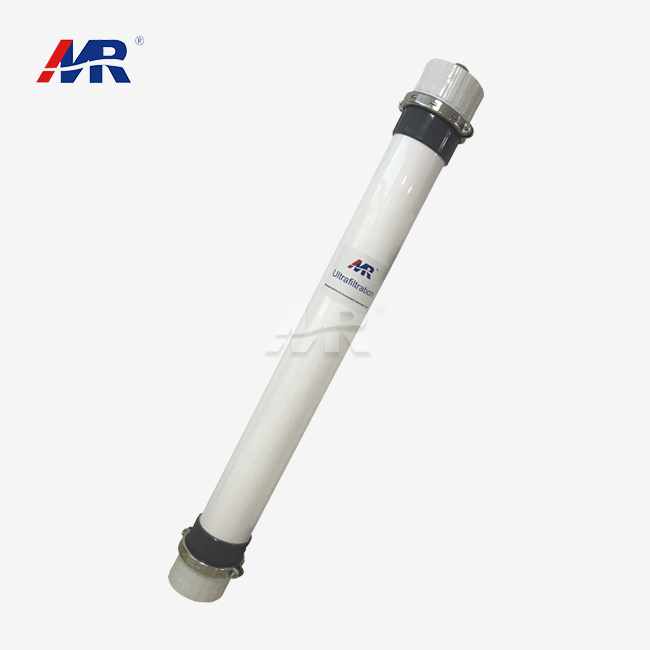
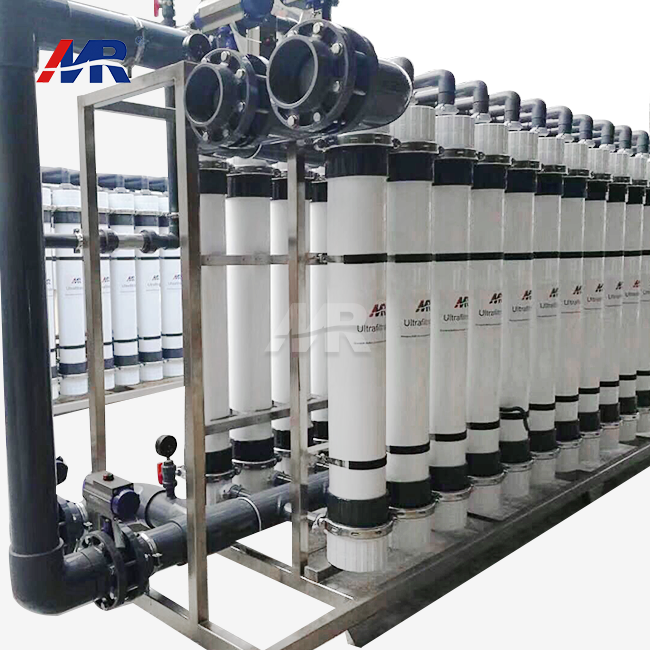
Hollow fiber configurations in uf filter membrane systems fit a lot of filtering surface area into small units, which is important for buildings with limited floor space. Backwashing forces higher than 5 MPa don't hurt the self-supporting fiber structure, so the membrane can be cleaned thoroughly without any damage. Cross-flow operation keeps flux rates stable even when processing high-solids streams by reducing the formation of cake layers on fiber surfaces.
Flat sheet membranes make inspection and cleaning easier, and they let workers see how the membrane is doing during repair periods. This configuration works well in places where mechanical cleaning is better than chemical treatments on a regular basis, like food processing plants that want to lower the risk of chemical exposure.
Compounds that can pass through the barrier have Molecular Weight Cut-Off (MWCO) scores between 10,000 and 500,000 Daltons. A pharmaceutical plant that makes liquid solutions might choose membranes with a MWCO of 10,000 Daltons to get rid of all pyrogens, while a textile wastewater plant might choose membranes with a MWCO of 100,000 Daltons to keep dye molecules but let salts pass through.
Energy Efficiency and Operational Considerations
Transmembrane pressures in ultrafiltration systems are only 1 to 5 bar, which is a lot lower than the 15 to 70 bar needed for reverse osmosis. This difference in pressure means that 40 to 60 percent less energy is used when ultrafiltration meets the needs of the application without removing the ions. A Georgian plant that bottles drinks saw its monthly power bills drop by more than $8,000 after adding ultrafiltration before its current RO system. The RO system now works with less fouling and longer membrane life.
The difference between cross-flow and dead-end filtration types changes how much energy is used and how often the filter needs to be cleaned. When working with low-turbidity water, dead-end filtration saves energy by directing the full feed flow perpendicular to the membrane surface. Cross-flow operation is necessary for high-solids applications because it keeps the tangential velocity high across the membrane surfaces so that particles don't build up and the flux doesn't drop quickly.
Practical Guide to UF Filter Membrane Procurement for Industrial Plants
Defining Plant-Specific Requirements
To buy a membrane successfully, you must first do a full water quality study that defines the characteristics of the influent and the requirements for the goal effluent. Turbidity, suspended solids content, microbial load, temperature ranges, and chemical makeup, including oils that could cause fouling that can't be fixed, should all be measured. For example, a petrochemical plant that deals with oilfield-produced water needs hydrophilically modified PVDF membranes to keep oil from sticking to them. On the other hand, a city water plant that deals with surface water needs high-flux PES membranes to handle yearly turbidity peaks.
The flow rate determines the membrane surface area and the number of modules. A pharmaceutical company that makes 100 cubic meters of clean water every day figures out how much membrane area it needs by using steady flow rates of 50 to 150 liters per square meter per hour, plus safety factors for when the flow rate drops between cleaning cycles. Undersizing causes too much transmembrane pressure and faster fouling, while oversizing raises the cost of capital without a reason.
Configuration choice is affected by how well it works with existing infrastructure. When adding ultrafiltration to existing treatment trains, it may be best to use compact hollow fiber systems. On the other hand, when building something new, the plan can be optimized for easy access to flat sheets and upkeep.
Evaluating Suppliers and Quality Standards
Reliable sellers of uf filter membrane keep certificates that show consistent production and safe products. The NSF/ANSI 61 approval shows that membrane materials meet safety standards for drinking water. This keeps dangerous substances from getting into treated water. ISO 9001 certification means that quality control is carried out systematically throughout the manufacturing process. This lowers the differences in performance between batches, which could stop production.
The Technical support skills of the supplier have a big effect on the success of the project. To build a membrane system, you need to know how to do hydraulic calculations, come up with cleaning protocols, and find solutions to problems that go beyond just providing tools. If a supplier offers trial testing, you can check how well the membrane works with real process water before committing to a full-scale installation. This lowers the risks of the application process.
Long periods of downtime can be avoided by providing after-sales support that includes guarantee terms, spare parts availability, and reaction times for expert help. When a membrane failed at a chemical plant in Texas, the seller sent new modules within 24 hours, which saved the plant $45,000 in missed production. This shows how important responsive support networks are.
Total Cost of Ownership Analysis
The purchase price is only one part of the total costs over the life of the product. Membrane replacement frequency, cleaning chemical use, energy use, and labor requirements all add up over operational lifetimes of 5 to 15 years. A ceramic membrane system may have a higher starting cost than polymer options, but it may have a lower total cost of ownership because it lasts longer and needs to be cleaned less often in harsh chemical environments.
Maintenance protocols have a big effect on how much it costs to run a business. Setting up regular Cleaning-In-Place (CIP) procedures stops fouling that can't be fixed and shortens the life of the membrane. If the normalized flux drops by 15-20% or the transmembrane pressure rises by 0.5 bar, chemicals are usually released to clean the membrane and get it working again before the fouling becomes permanent. When properly kept, polymer membranes usually last between 3 and 5 years. On the other hand, systems that aren't taken care of may need to be replaced every 18 to 24 months.
Logistics issues like shipping costs, customs clearance, and lead times come up when you buy something from another country. These are things that local sellers don't have to think about. It takes a lot of work to find the right balance between these factors and the possible cost savings. Working with well-known wholesalers who keep local stock can lower supply chain risks and give you access to tools at prices that are competitive.
Implementation Case Studies: Successful UF Membrane Integration in Industrial Plants
Food Processing Water Purification Enhancement
A Wisconsin dairy processing plant had problems with microbial contamination in their product water supply that kept happening. This caused expensive production stops and product recalls. After talking to experts in water treatment, they put in a hollow fiber ultrafiltration system with PES membranes rated at 100,000 Dalton MWCO. The system consistently got rid of bacteria and protozoa, and there were no contamination incidents during the 18 months of monitoring that followed. The facility showed that chlorination and carbon filtration were 99.99% effective at getting rid of bacteria and cut the cost of water treatment chemicals by 35% compared to their old method.
The supplier gave the plant staff thorough training on how to operate the system, focusing on the right way to do things like backwashing and cleaning, which allowed the system to keep working at its best. Monitoring the flux every three months showed that the permeability stayed stable, dropping only slightly between cleaning cycles. This proved that the membrane choice and operation method were correct.
Chemical Facility Wastewater Treatment Upgrade
A specialty chemical company in New Jersey had to improve its wastewater treatment to meet stricter rules on discharge while also getting back valuable process chemicals. They chose ceramic ultrafiltration membranes because they are very resistant to chemicals and last a long time in the hard pH environment of the plant, which ranges from 3 to 12. The system successfully collected polymer waste so that it could be used again in production. This cut the cost of raw materials by about $120,000 a year and made sure that the quality of the effluent met all standards.
The clay membranes worked nonstop for three years without losing any of their effectiveness. Every two months, they only needed to be cleaned with caustic and acid. This stability got rid of the need to change the membranes as often as with polymer alternatives. This cut down on maintenance work by 60% and increased the uptime of the treatment system to 98.5%.
Conclusion
To choose the right uf filter membranes, you have to weigh the technical performance against the needs of your business and your budget. Long-term success is affected by the qualities of the material, the configuration choices, and the upkeep needs. Instead of just looking at the purchase price, industrial plants should carefully consider the parameters of water quality, the amount of production needed, and the total cost of ownership. Working with experienced suppliers who offer technical support, pilot testing, and quick service after the sale lowers the risks of implementation and guarantees long-lasting performance for membrane lifespans.
Frequently Asked Questions
1. What is the typical lifespan of ultrafiltration membranes in industrial settings?
Ultrafiltration membranes usually last between 3 and 5 years, but how long they actually last depends a lot on how well the water is treated before it goes through the membrane and how well it is cleaned. In harsh chemical environments, ceramic membranes can last up to 10 to 15 years, while polymer membranes in softer environments with good pre-treatment can sometimes last longer than 7 years. Regularly checking the standardized flux and transmembrane pressure lets you know when performance is going down early, so you can fix the problem before it gets so bad that it can't be fixed.
2. Can ultrafiltration membranes remove dissolved salts from water?
No, ultrafiltration technology is not used to remove dissolved ions. Instead, it is used to separate macromolecules. The UF filter membrane gets rid of suspended particles, colloids, bacteria, viruses, and high-molecular-weight organic molecules well. However, dissolved salts can still pass through the membrane holes without any problems. For desalination purposes, you need reverse osmosis or nanofiltration membranes with smaller pores that can block both single-valent and double-valent ions. A lot of industrial companies use ultrafiltration as a pre-treatment to keep RO filters further down the line from getting clogged.
3. How do ultrafiltration systems handle oil-in-water emulsions?
Oil-in-water emulsions are hard to clean, so you need to be very careful when choosing a membrane. Hydrophilically modified PVDF or PES membranes stop oil from sticking to their surfaces in a way that can't be undone. This keeps flux rates steady during long periods of operation. Cross-flow filter mode is necessary for emulsified oil uses because it creates shear forces that keep oil drops away from membrane surfaces and stop cake layers from forming.
Partner with Morui for Expert Ultrafiltration Solutions
Picking the right uf filter membrane provider affects the success of a project from the planning stages to many years of use. At Morui, we have 14 branch locations, 500 dedicated workers, and 20 experienced engineers who work together to give you complete water treatment options that are made to fit your business needs. Our own plant for making membranes makes sure that the quality of our products is always the same, and our relationships with top brands like Shimge Water Pumps, Runxin Valves, and Createc Instruments allow us to fully integrate your system. Our Team can help you with any kind of water treatment, whether it's for pharmaceuticals, food processing, or industrial wastewater. We offer expert advice, custom system design, and full installation services. Get in touch with our technical experts at benson@guangdongmorui.com to talk about the needs of your specific application. We have low prices on membranes from well-known brands, full warranties, and helpful customer service after the sale to protect your investment throughout the life of the system.
References
1. American Water Works Association. "Membrane Technology for Water Treatment Applications." AWWA Manual M53, 2020 Edition.
2. Baker, Richard W. "Membrane Technology and Applications." Third Edition, John Wiley & Sons, 2021.
3. Judd, Simon and Claudio Judd. "The MBR Book: Principles and Applications of Membrane Bioreactors for Water and Wastewater Treatment." Butterworth-Heinemann, 2019.
4. Mulder, Marcel. "Basic Principles of Membrane Technology." Second Edition, Kluwer Academic Publishers, 2018.
5. National Science Foundation International. "NSF/ANSI Standard 61: Drinking Water System Components - Health Effects." NSF International, 2022.
6. Water Environment Federation. "Industrial Water Reuse: Ultrafiltration and Reverse Osmosis Treatment Technologies." WEF Technical Practice Committee Report, 2021.
 VIEW MOREbioreactor wastewater treatment
 VIEW MOREseawater treatment plant
 VIEW MORE100T/H ultrafiltration equipment
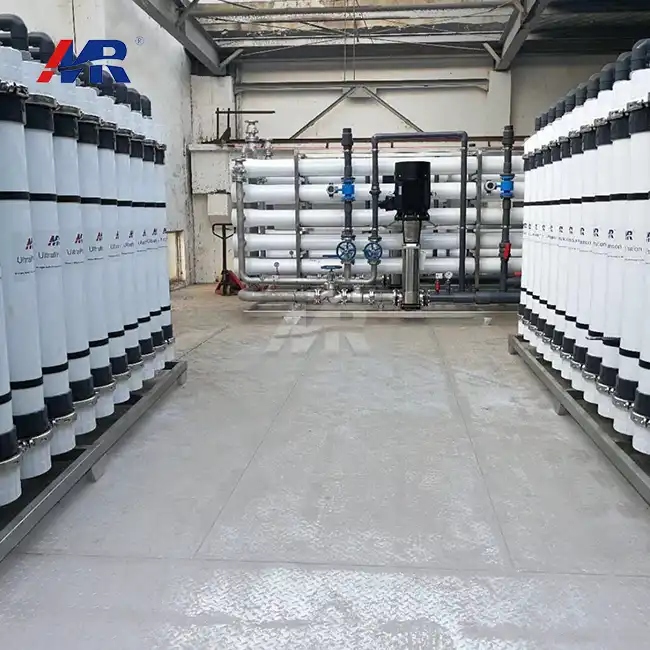 VIEW MORE2000m3/day ultrafiltration equipment
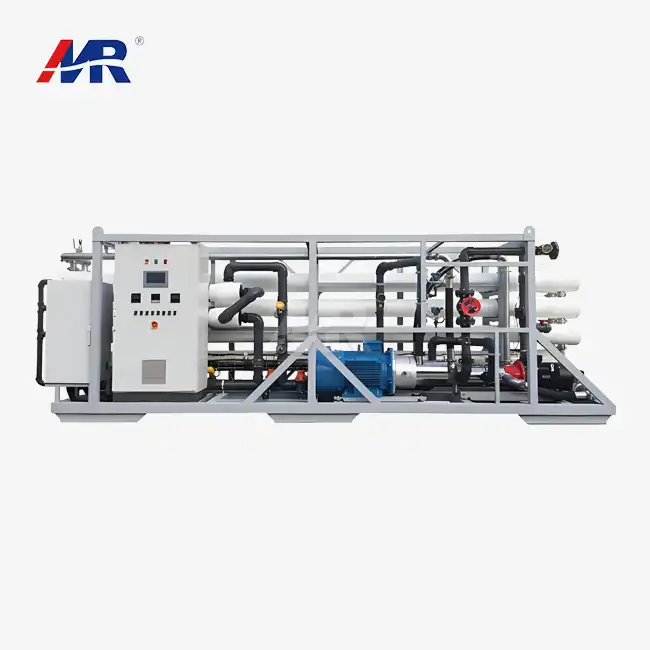 VIEW MORE15m3/hour seawater desalination system
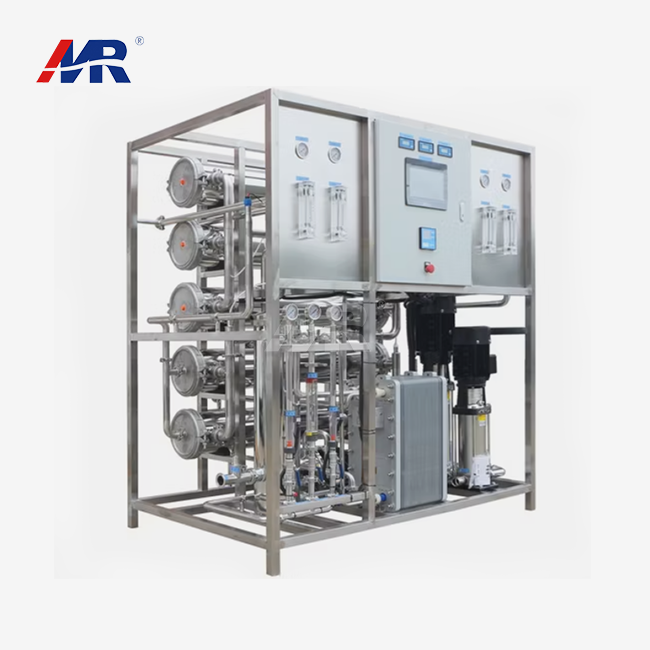 VIEW MOREro edi water system
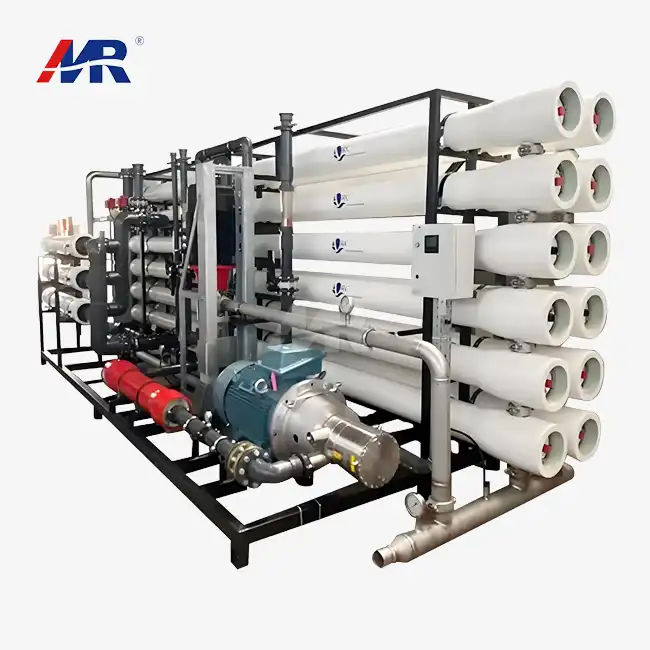 VIEW MORE45m3/hour seawater desalination system
 VIEW MOREultrafiltration water system
