

_1745823981883.webp)

Reverse Osmosis Filtration System vs. Water Filter: Key Differences
When evaluating water purification technologies for industrial or commercial applications, understanding the distinction between a reverse osmosis filtration system and conventional water filters becomes essential. A reverse osmosis filtration system employs semipermeable membrane technology to remove up to 99% of dissolved solids, heavy metals, and microbial contaminants at the molecular level. Traditional water filters, including activated carbon and mechanical cartridge types, primarily target particulates, chlorine, and organic compounds but cannot eliminate dissolved salts or fluoride. The fundamental difference lies in filtration precision: RO operates at 0.0001 microns, while standard filters function between 0.5 and 5 microns, making RO the superior choice for applications demanding pharmaceutical-grade purity or consistent TDS reduction.
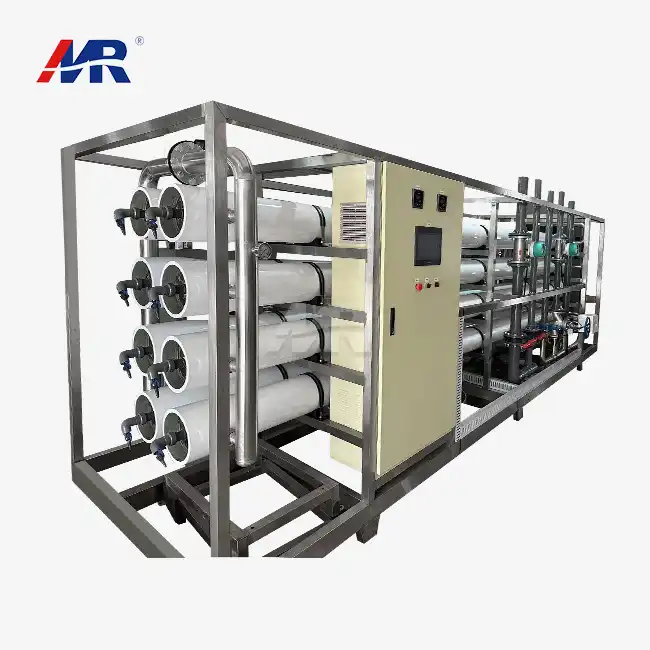
Introduction
Industry, food, medical, and public works purchasers should invest in water filtering technologies. Choosing a reverse osmosis filtering system over alternative technologies affects product quality, company costs, and compliance. Industrial water purity needs are increasing as global manufacturing standards tighten. In the semiconductor and beverage industries, even tiny levels of impurities may impair production rates and affect flavour characteristics.
By distinguishing membrane-based RO technology from mechanical or carbon filtration, purchasing managers and technical teams may pick systems that address water quality issues instead of settling for ineffective solutions. This research uses technical performance measurements, operational economics, and application-specific appropriateness to assist consumers in making wise purchases that save capital costs and total ownership costs.
Understanding Reverse Osmosis Filtration Systems and Water Filters
The Science Behind Reverse Osmosis Technology
Industrial hydraulic pressure is 150–220 PSI. Water molecules are pushed through a semipermeable barrier, leaving behind dissolved salts, heavy metals like arsenic and lead, fluoride compounds, and dangerous microbes. The membrane's thin-film composite polyamide layers have holes approximately 0.0001 microns wide, far smaller than virus particles, which are 0.02 microns in diameter. This physical barrier repels charges and excludes particular particles. Depending on the input water and operating circumstances, it may reject 96–99% of dissolved solids.
Multi-stage industrial reverse osmosis filtering systems are common. Sediment pre-filtration eliminates particles larger than 5 microns to preserve the membrane, activated carbon removes chlorine that would destroy polyamide membranes, and post-filtration polishing maintains output quality. Modern systems include automated cleaning cycles, antiscalant dosing to prevent mineral formation, and permeate quality monitoring to maintain performance even when feed water conditions vary.
Traditional Water Filter Technologies
Different methods are used in conventional water filters to remove different types of contaminants. While activated carbon filters are great at getting rid of chlorine, adsorbing organic compounds, and improving the taste of water through chemical adsorption processes, they aren't very good at protecting against dissolved metal salts or microbial contamination. Ultrafiltration systems use hollow fiber membranes with a thickness of 0.01-0.1 microns to get rid of bacteria, protozoa, and suspended solids while still letting dissolved minerals pass through. This makes the system suitable for uses that need biological safety without demineralization.
Mechanical container filters with polypropylene or pleated media can get rid of grit, rust bits, and suspended matter bigger than their micron grade, but they can't get rid of contaminants that are dissolved in the fluid. Multimedia filters with sand, anthracite, and garnet layers can handle water streams with a lot of turbidity in pretreatment applications for cities and factories. The main problem with standard filter methods is that they can't deal with dissolved ionic species. This means that they can't be used on their own when changing the chemistry of water is needed.
Core Performance Differences Between RO Systems and Water Filters
Contaminant Removal Capabilities
Reverse osmosis varies from contaminant filtration. Rapid reverse osmosis membranes extract inorganic salts. Salt, calcium, magnesium, and silica are decreased by 95–98% to minimise boiler feed water and cooling tower scaling. Lead, cadmium, chromium, and mercury rejection always exceeds 97% due to pharmaceutical and food contact water limitations.
This novel RO removes fluoride 85–92% better than activated carbon and average filters. Nitrate and sulphate levels decline 90–95%, purifying agricultural waste-contaminated well water. ro membranes physically block bacteria, cysts, and viruses that flow via broken filter tubes or full carbon beds, increasing microbiological safety gaps.
Traditional filters are cost-effective and eliminate chlorine, taste, smell, and silt without dissolved solids. Carbon filtration absorbs volatile organic contaminants, insecticides, and industrial solvents and reduces chlorine by 95%. Unlike RO, ultrafiltration securely removes germs without removing concentration.
Operating Economics and Lifecycle Costs
The operating expenditure study indicates that technology costs vary. RO systems utilise 0.5–1.5 kWh per 1,000 gallons, depending on water acidity and design. Energy-hungry high-pressure pumps. Well-maintained industrial settings require $500–$3,000 membrane replacements every 24–36 months. The concentrate stream, which takes up 20–40% of feed volume, costs cities 10–30 cents per 1,000 gallons to dispose of.
Water quality and flow rate affect traditional filter cartridge replacement frequency and cost. Industrial carbon filters for chlorinated municipal water must be updated every three months for $50–200 per cartridge, depending on size. Sediment prefilters may require monthly replacement in high-turbidity situations. Even tho individual parts are cheaper, RO systems' annual pollution treatment expenses are the same.
Regular filtering without membrane separation takes more energy, and sediment and carbon systems may function without pumps at line pressure. Different maintenance methods vary greatly. RO systems require monitoring differential pressure, permeate conductivity, and pH, whereas filter-based systems just need cartridge replacement.
Use Case Suitability: Matching Solutions to B2B Needs
Industrial Applications Requiring RO Technology
Reverse osmosis filtration systems are the only way for pharmaceutical and biotechnology factories to get United States Pharmacopeia-grade pure water that meets conductivity standards of less than 1.3 microsiemens at 25°C. In these facilities, RO is used as the first step in the cleaning process before electrodeionization polishing. This makes sure that the ions are completely pure, which is needed for making injection formulations and cell culture media. In the same way, the semiconductor industry relies on RO-treated water as a source for ultrapure water systems that help make wafers. In this industry, even parts-per-billion pollution leads to defect rates that destroy the economics of production.
RO is used by food and drink processors to standardize the chemistry of ingredient water. This gets rid of differences in minerals that affect the taste of bottled water, soft drinks, and beer. Coastal desalination projects use big RO systems to process seawater at 800-1,000 PSI to make drinking water for cities. These modular plants can handle anywhere from 50,000 to several million gallons of water per day. RO is used to clean the boiler feedwater before it goes into the turbines. This keeps the turbines' heat transfer efficiency and equipment life longer by preventing scaling and corrosion.
Applications Where Traditional Filters Suffice
Point-of-entry sediment filtration is enough to protect commercial buildings, restaurants, and light manufacturing. It stops particulate matter from damaging fixtures and equipment without the need for demineralization. Activated carbon systems are great at getting rid of chloramines in places like aquaculture farms and dialysis clinics, where regular disinfectants are harmful to fish or don't work with treatment plans. Portable cartridge filter systems are useful for emergency situations and temporary building sites because they get rid of pathogens right away without the need for complicated electricity infrastructure or wastewater management.
If you use ultrafiltration to get rid of biological contamination while keeping beneficial minerals, you can get good crop yields from irrigation wells that are moderately salty. This way, you can avoid the large amounts of wastewater that are produced by RO desalinating brackish water. In mariculture facilities that use recirculating tank water, ultrafiltration is enough to get rid of suspended solids and pathogens while keeping the water clear and protecting animal health. It does this without lowering the pH or removing minerals like RO permeate does.
Procurement Considerations for B2B Buyers
Total Cost of Ownership Analysis
Industrial purchasing decisions need full lifecycle costing that goes beyond the prices of the equipment that is being quoted. A commercial reverse osmosis filtration system that can handle 40,000 gallons per day costs between $35,000 and $75,000, depending on how automated it is, what materials it is made of, and any pretreatment parts that are built in. For piping, electrical connection, and testing, installation costs go up by 20 to 40 percent. The costs of running the business each year include replacing the membranes ($2,000 to $8,000), buying prefilter tubes ($1,500 to $3,000), using chemicals ($800 to $2,000) to clean and stop scaling, paying for energy ($1,200 to $3,000), and getting rid of the concentrates ($500 to $2,500).
Conventional filtration systems with similar flow rates require less capital—$8,000 to $25,000 for multistage sediment and carbon arrays—but this cost advantage becomes smaller when RO technologies are needed to fully remove contaminants. Maintenance contracts for RO systems usually cost 8–12% of the initial cost per year. They cover regular maintenance, emergency response, and performance guarantees that lower the risk of unplanned downtime.
Supplier Evaluation and Technical Support
When choosing providers for industrial water cleaning equipment, you need to look at more than just prices. Case studies in related uses, third-party performance Certifications, and multi-year warranties that cover membranes and control systems are all ways that well-known manufacturers show that they have a track record. Having local dealer networks or direct factory support presence in your working area makes sure that parts are available quickly and that you have on-site expert help during setup and fixing.
In regulated industries, compliance documentation is very important. For example, suppliers must show material certifications, NSF/ANSI Standard 61 drinking water component approvals, and FDA-compliant elastomers for food contact applications. Training programs for operators and repair workers are extra services that add value, speed up the merging of systems, and improve their long-term performance. Customization features let you set up equipment in a way that fits the site's requirements for space, voltage, and compatibility of the automation platform with the building's existing controls.
Addressing Common Problems and Enhancing System Efficiency
Operational Challenges and Solutions
Membrane fouling is the main problem that reverse osmosis filtration systems have to deal with. It shows up as a slow loss of flow and a high pressure difference. Particulate fouling from poor preparation means that sediment filters need to be maintained regularly, and changes to multimedia filters should be thot about. When biological fouling happens in warm places or on the surface of water, shock chlorination methods or constant biocide dosing are needed, while membrane oxidation limits must also be taken into account. Scaling from calcium carbonate, calcium sulfate, or silica precipitation needs antiscalant programs that are specially made for the chemistry of the feed water and the recovery rate goals.
As the pressure drops across the filter cartridges, it means that they are saturated and need to be replaced. The frequency of monitoring is changed to account for changes in the water quality. Carbon filter passage and bacterial growth slowly lower performance, and this is often not noticed without special testing methods. Using differential pressure transmitters, turbidity analyzers, and automated alert systems changes maintenance from reactive to predictive. This helps keep production running smoothly and extends the life of parts.
Installation Best Practices for Industrial Environments
Installing a system correctly sets the stage for effective performance. To keep cavitation damage from happening, RO feed pumps need to be mounted in a way that isolates vibrations and has the right NPSH. To keep membrane vessels from sagging, which could risk the stability of the seal, they need to be laid flat and supported properly. Backpressure control should be a part of concentrate flow management to keep the crossflow speed at the best level for membrane scouring. Permeate holding bins need to have the right venting, overflow safety, and recirculation loops to keep the fluid from standing still.
The pretreatment trains should be set up with enough changeout space and separation valves so that the cartridges can be replaced without having to shut down the system. When placing instruments, it's important to pick sampling places that are representative of the whole, so that readings aren't skewed by dead ends or rough spots. Local codes say that electrical installations must have the right number of wet-area enclosure ratings and the right-sized disconnects for pump and control loads. Staged startup sequences, high-pressure interlocks, and low-level shutdown protection should be built into the control programming to keep the pump from damaging itself by running dry.
Morui's Advanced RO Solutions for Industrial Excellence
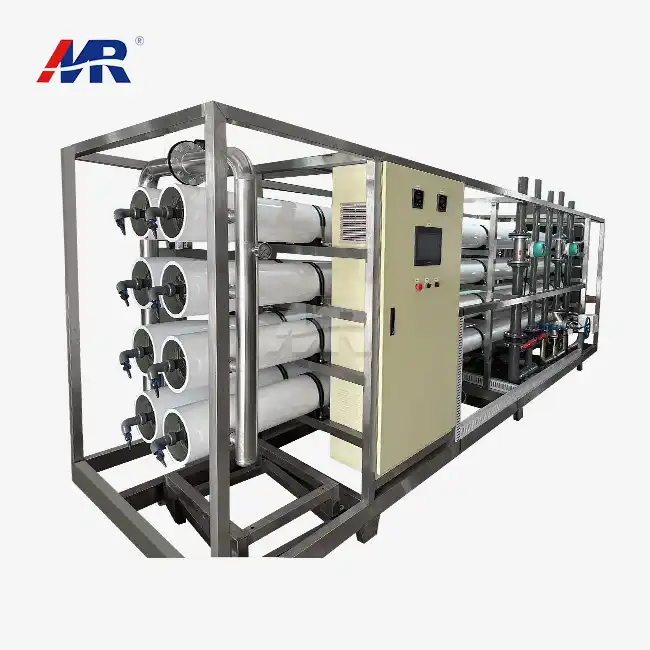
Guangdong Morui Environmental Technology creates customised water treatment solutions for pharmaceutical, food processing, semiconductor, and local businesses. Custom-built industrial reverse osmosis filtering systems from 1,000 to 40,000 GPD are available. Modern thin-film composite membranes remove 99% of dissolved solids. Precision sediment pre-filtration, high-performance activated carbon treatment, membrane separation, and UV sterilisation modules are part of the multi-stage cleaning process. These procedures eliminate all pollutants from feed water to the end product.
Our technological requirements emphasise efficiency and reliability. Working at 150–220 PSI in 40–100°F temperatures allows usage in all weather situations. The compact 18" x 14" x 24" design maximises space in busy production environments without losing capacity. It operates with 220V and 380V, 50/60Hz, making it easy to install worldwide. Energy-efficient pumps reduce operating expenses and maintain output quality regardless of input water chemistry.
The design aims to simplify installation and maintenance. Modular structure allows rapid startup and capacity expansion. Quick-connect connectors and colour-coded pipework reduce installation errors. Operators can monitor intake pressure, permeate conductivity, and recovery % using intuitive control interfaces and multilingual displays. Clients may choose from increased pretreatment for challenging water sources, integrated storage and distribution systems, or complete automation with remote monitoring.
Our application portfolio shows that it works well in pharmaceutical manufacturers meeting GMP-compliant water specifications, beverage plants ensuring ingredient water consistency, agricultural operations treating brackish groundwater for irrigation, and healthcare facilities producing medical-grade water for dialysis and sterilisation. Our 14 branch sites, 500 devoted employees (including 20 specialised engineers), membrane production, and strategic collaborations with top component manufacturers like Shimge Water Pumps, Runxin Valves, and Createc Instruments provide us with adaptability.
Conclusion
For applications requiring pharmaceutical purity or consistent demineralization, reverse osmosis filtration system technology offers unmatched dissolved solids reduction, heavy metal removal, and microbiological safety. Conventional filters offer cost-effective solutions for sediment, chlorine, and taste control where ionic contaminants pose minimal risk. Industrial buyers benefit from comprehensive total cost of ownership analysis considering capital investment, operating expenses, maintenance complexity, and regulatory compliance. Selecting qualified suppliers offering Technical support, customization capabilities, and proven performance across similar applications ensures successful system implementation and long-term operational reliability.
FAQ
1. What contaminant removal advantages does reverse osmosis provide over standard filters?
Ionic purity is very important in processes like pharmaceutical water production, semiconductor manufacturing, and seawater desalination, where equipment protection and product quality depend on it. A reverse osmosis filtration system physically blocks dissolved salts, fluoride, heavy metals, nitrates, and microorganisms at the molecular level. These are contaminants that pass through activated carbon and sediment filters unaltered.
2. How frequently is membrane replacement required in industrial RO systems?
Industrial membranes usually last between 24 and 36 months, but this depends on the quality of the feed water, how well the water is treated before use, and how the system is operated. Systems that process well water with a lot of hardness may have shorter intervals (18 to 24 months), while municipal feed water that has been thoroughly treated before use extends the service life beyond 36 months. Regular cleaning protocols and keeping an eye on changes in differential pressure allow for accurate replacement scheduling.
3. Can traditional filters effectively address hard water problems?
Hardness is caused by dissolved calcium and magnesium, which can't be removed by standard filters. Ion exchange resin water softeners replace hardness minerals with sodium, while RO systems physically reject these ions, lowering hardness by 95–98%. Applications that need demineralization, like boiler feedwater or cooling tower makeup, need RO or ion exchange methods instead of filtration.
4. What factors influence concentrate disposal costs in RO operations?
Concentrate volume is directly related to system recovery rate and is usually 20–40% of the feed flow. The cost of disposal depends on local rules, available infrastructure (municipal sewer with discharge permits), and the chemistry of the concentrate. High-salinity concentrate may need special disposal or evaporation, which costs an extra $0.10–$0.50 per 1,000 gallons produced compared to low-TDS streams that are discharged to sanitary sewers.
Partner with Morui for Tailored Water Purification Excellence
Industrial water problems need engineered solutions that are backed by technical know-how and proven performance. Morui designs and builds reverse osmosis filtration systems that are perfectly matched to your operational needs, whether you need pharmaceutical-grade purity, high-capacity desalination, or cost-optimized industrial process water. Our full-service model includes providing equipment, installing and commissioning the system, and providing ongoing technical support thru our nationwide network of 14 branches and 20 specialized engineers. Contact us at benson@guangdongmorui.com to talk about your specific water quality goals and get a custom system proposal.
References
1. American Water Works Association. (2021). "Reverse Osmosis and Nanofiltration: Manual of Water Supply Practices M46." AWWA Publications.
2. Crittenden, J.C., Trussell, R.R., Hand, D.W., Howe, K.J., Tchobanoglous, G. (2012). "MWH's Water Treatment: Principles and Design, Third Edition." John Wiley & Sons.
3. National Research Council. (2008). "Desalination: A National Perspective." The National Academies Press.
4. Pharmaceutical Engineering Society. (2020). "Water and Steam Systems: Technical Monograph." International Society for Pharmaceutical Engineering.
5. Semiconductor Equipment and Materials International. (2019). "Ultrapure Water Standards for Microelectronics Manufacturing." SEMI Standards Publications.
6. World Health Organization. (2017). "Guidelines for Drinking-water Quality: Fourth Edition Incorporating the First Addendum." WHO Publications.
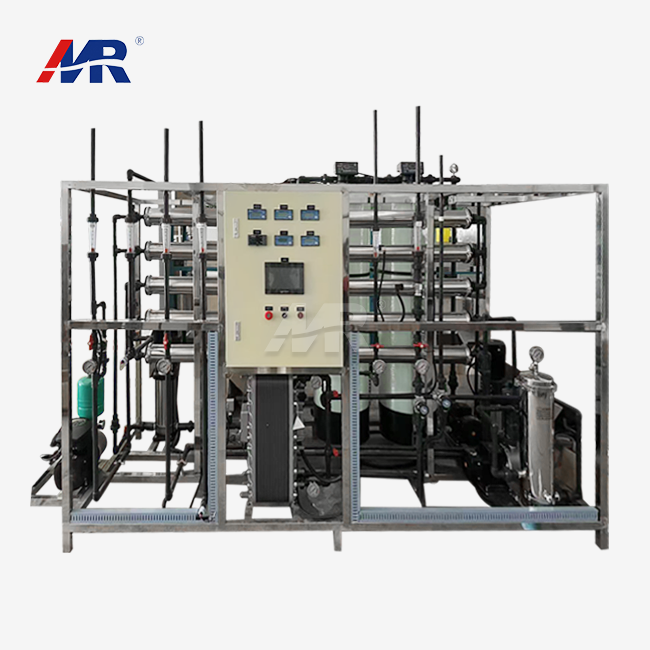 VIEW MOREedi purified water system
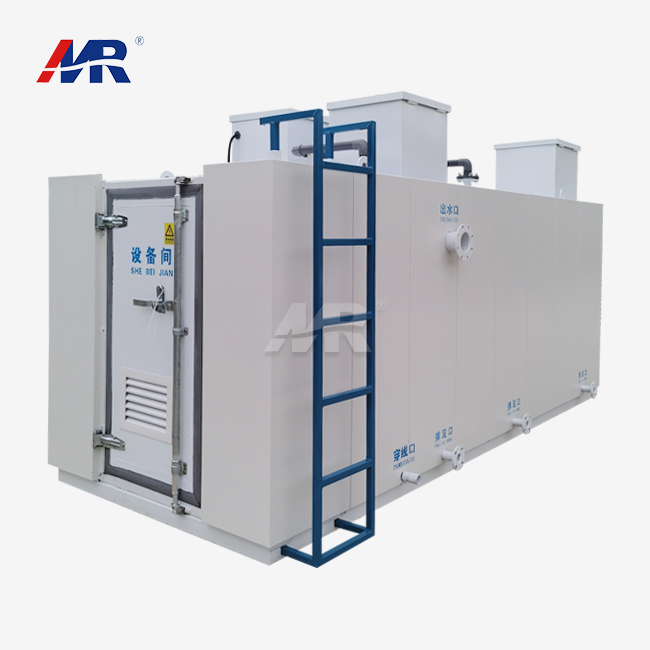 VIEW MOREwastewater treatment plant
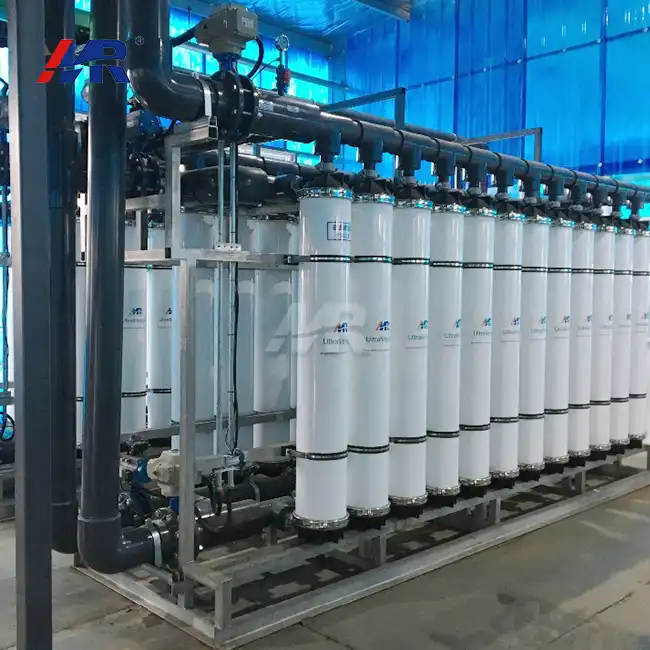 VIEW MORE50m3/hour ultrafiltration plant
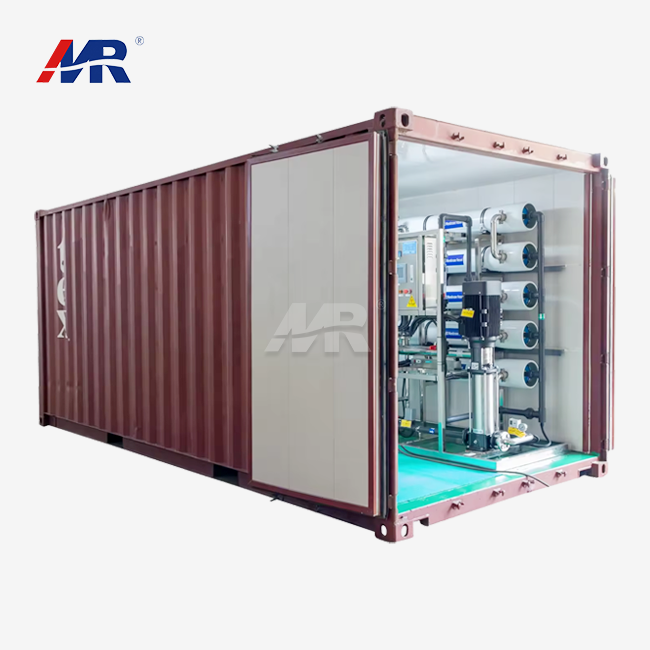 VIEW MOREmobile container reverse osmosis equipment
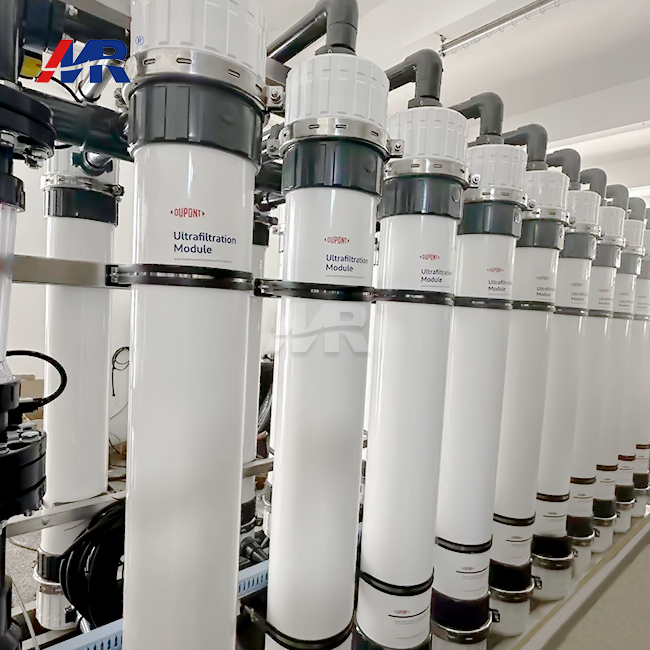 VIEW MOREultrafiltration water treatment system
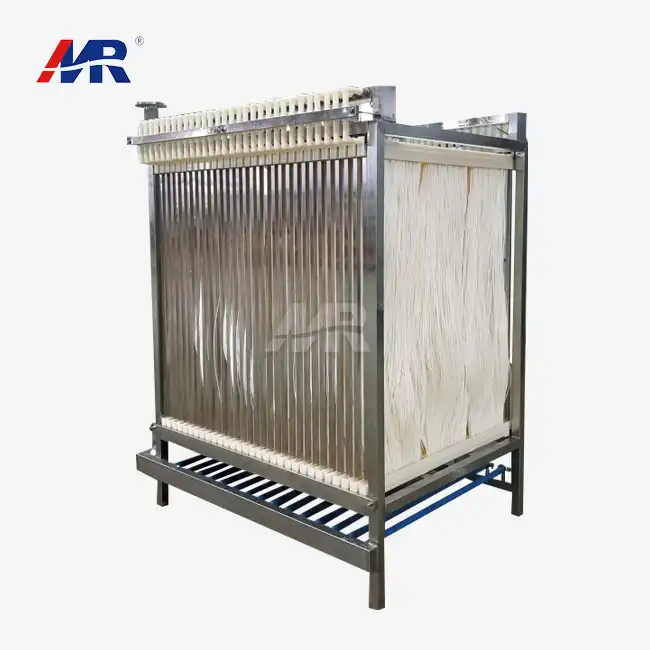 VIEW MOREmembrane mbr
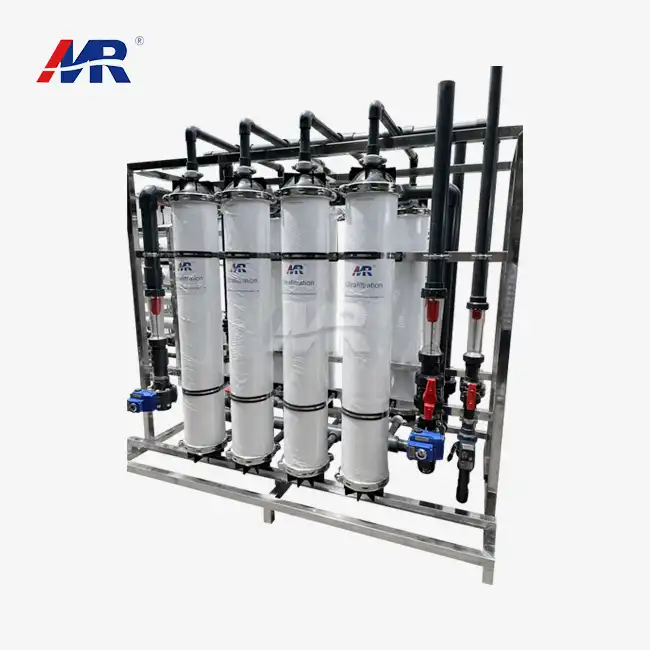 VIEW MORE15T/H ultrafiltration system
 VIEW MORE8m3/hour two pass reverse osmosis system
