_1745823981883.webp)

How Does a Reverse Osmosis Drinking System Work?
A reverse osmosis drinking system is a sophisticated multi-stage water purification technology utilizing a semi-permeable membrane with pore sizes of approximately 0.0001 microns to eliminate molecular-level contaminants. By applying hydraulic pressure exceeding natural osmotic pressure, the system selectively permits water molecules to pass through while rejecting dissolved solids, heavy metals, and organic compounds. This advanced membrane filtration technology addresses critical water quality challenges facing modern industries, including PFAS contamination, lead leaching from aging infrastructure, elevated Total Dissolved Solids levels, and microplastic concerns in alternative water sources.
Introduction
You can't just want clean water; you need it for many things, like medicine, food supply, public services, and business. Reverse osmosis drinking systems and other high-tech water cleaning systems are needed to make sure that the water that these places drink is safe. When procurement professionals understand reverse osmosis drinking system technology, they can make smart purchases that meet business goals and safety standards.
This in-depth guide completely explains how reverse osmosis drinking system equipment works, what its benefits are, how they stack up against other filter technologies, and how to pick one and keep it in good shape. In the end, those who make decisions will know what they can do to improve the water while also taking into account cost, use, and the long run.
What is a Reverse Osmosis Drinking System?
A reverse osmosis drinking system filters water through a semi-permeable membrane and several stages to get rid of trash, germs, and solids that are mixed in with the water. It works on a simple but useful idea: when water molecules are pushed through tiny holes in a membrane, the dirt is picked up, but clean water can still pass through.
Core Components of Industrial RO Systems
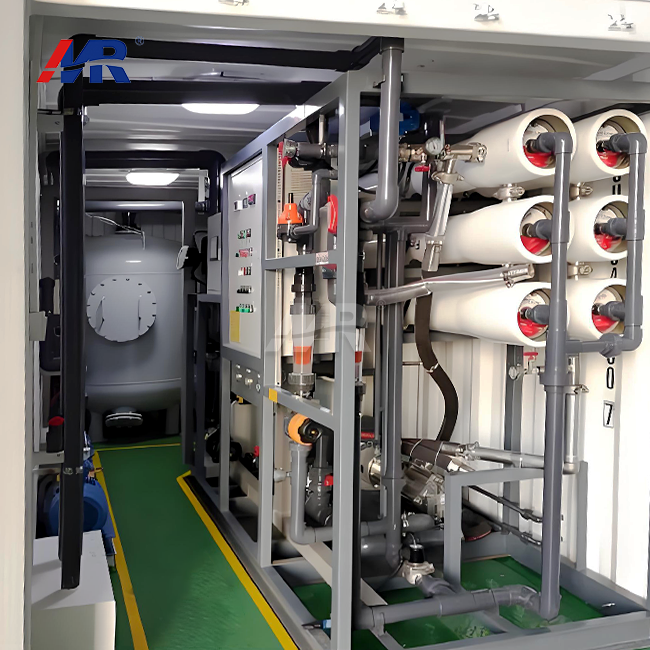
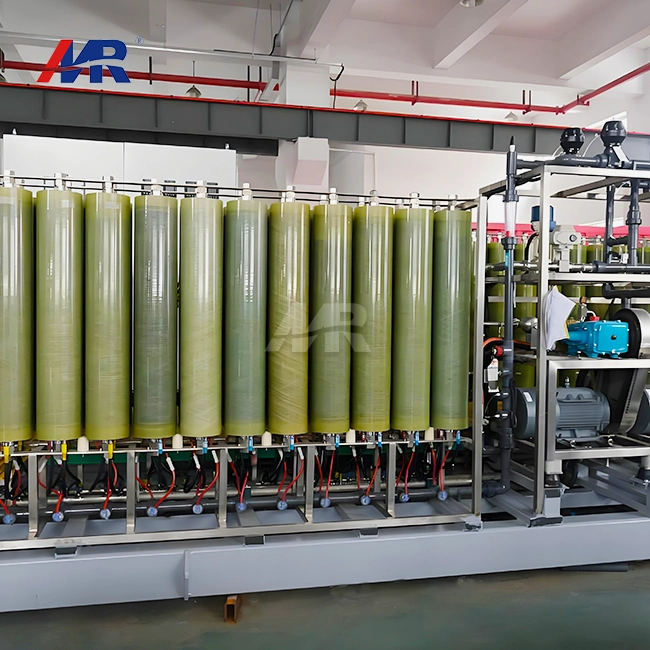
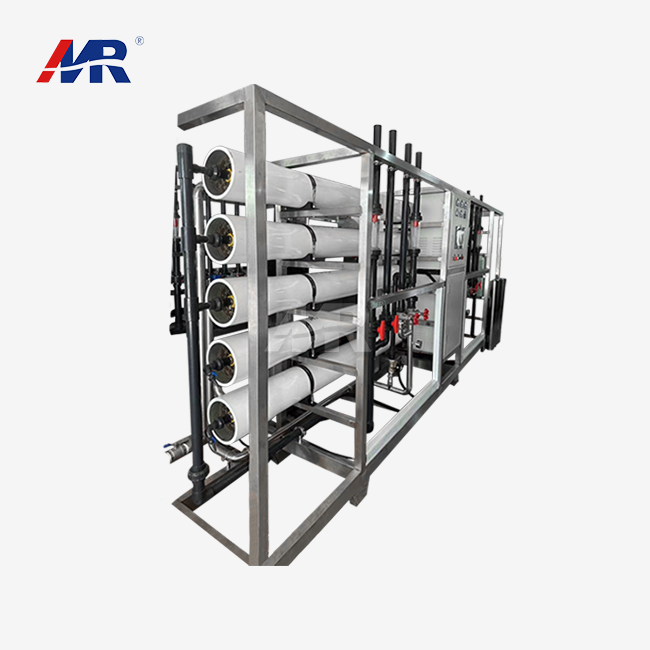
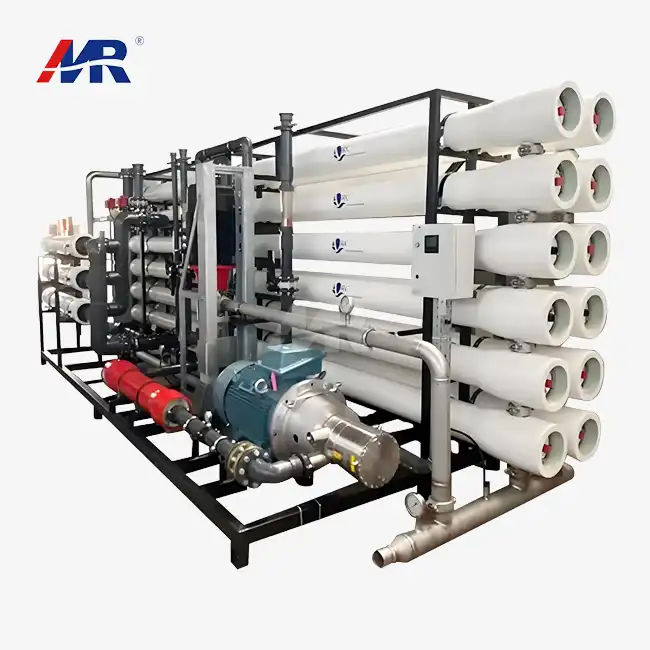
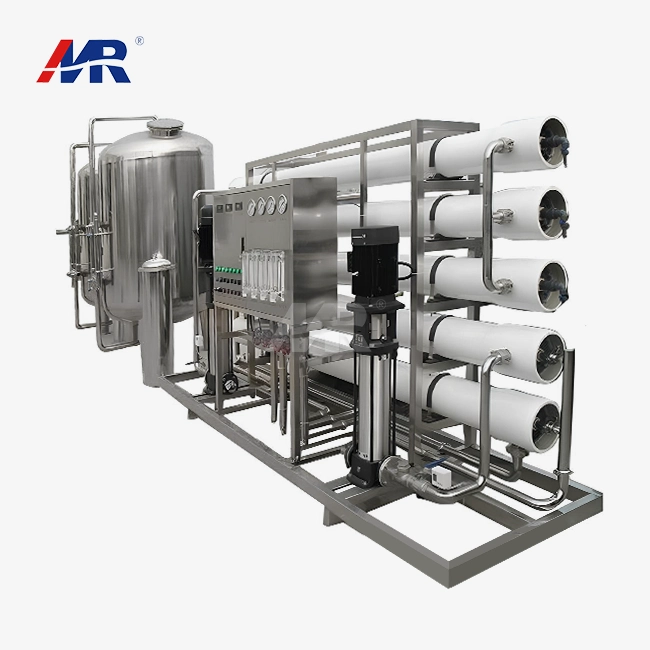
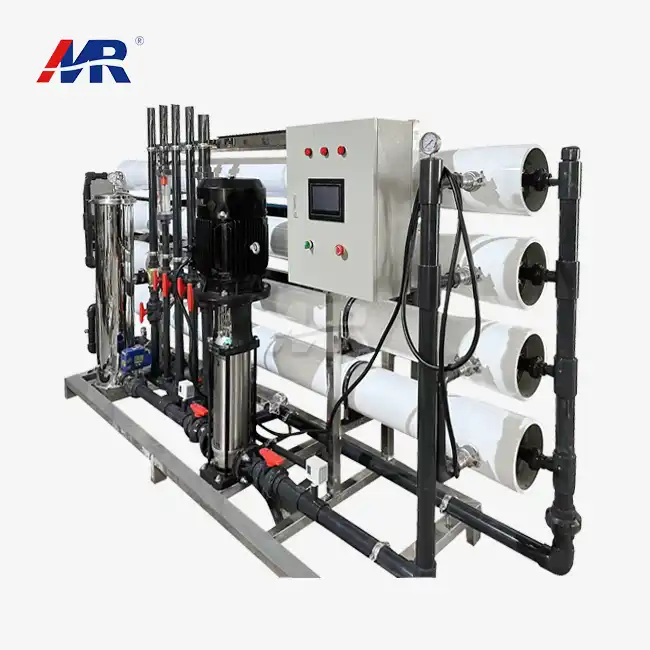
These are the carbon and sediment pre-filters that get rid of chlorine and particles in the main structure. This keeps the reverse osmosis drinking system membrane from breaking down too quickly. The barrier is what cleans things up. The taste and smell are better after the post-filters. Very strong pumps make sure that the membrane can take the force, and tanks that hold the water keep the flow steady. Systems today have tools that keep an eye on the pressure, flow rates, and how well they work automatically.
How RO Outperforms Alternative Filtration Methods
However, they can't get rid of heavy metals or dissolved salts. They can get rid of chlorine and organic compounds. UV filters are good at getting rid of biological pollutants but not chemical pollutants. Distilling takes a lot of power, but it gets rid of most of the bad stuff. It's clear that reverse osmosis drinking system technology is better than these methods because it removes a wider range of impurities, from germs as small as 1 micron to ions at the molecular level that are dissolved in water. People who make drugs, drinks, electronics, or other goods that need clear, regular water will love this B2B use.
Typical Industrial Applications
There are a lot of different types of tasks that business use Cases cover. In factories, it cleans the water that is used for precise milling and coating. Clean water is important for food and drink businesses to make sure their Products always taste good and are the same. The water that is sent out by city water plants is better because they have large reverse osmosis drinking system installations. Things made for pharmaceutical use are used to clean and treat people in medical areas. Because each use is different, it has specific needs when it comes to cleanliness and ability.
How Does a Reverse Osmosis Drinking System Work?
It's not easy to get clean water, but reverse osmosis drinking systems can get rid of things that regular screens can't. Heavy metals like lead and mercury, germs that are dangerous, and pollutants that stay in the ground for a long time can all hurt the goods and the health of the workers. The system works well because it has technology with multiple barriers that can handle both large and small particles of pollution.
The Science Behind Membrane Filtration
There is a barrier that lets some water through but not all of it. This lets water move from a place with low solute concentration to a place with high solute concentration. To stop osmotic pressure and change the direction of the flow in reverse osmosis drinking systems, 10 to 16 bar of pressure from the outside is used. When water is pushed through a screen under pressure, it leaves behind concentrated contaminants called "reject water." This separation happens at the molecular level because membrane holes stop particles bigger than 0.0001 microns while letting water molecules and gases pass through.
Multi-Stage Purification Workflow
When source water goes through silt pre-filters, it starts to get cleaner. As little as 5 microns of rust, sand, and other solids in the air are caught by these. And then carbon pre-filters get rid of chlorine, smelly chemicals, and other things that are bad for you and could hurt the membrane or change the taste. The water moves to the high-pressure pump, which raises the pressure enough to break through the wall. During the membrane module, the concentrate and clean water are split up. It moves to storage, and rejects water washes away any pollutants that have built up. Post-filtration screens get rid of any taste compounds that are still in the water and change the pH to make it totally pure. The water is always the same because of this organized process. This is important in factories where the quality of the water directly impacts how consistent the products are.
Understanding Rejection Rates and Recovery Efficiency
Most industrial systems can get rid of 99.5% of dissolved solids. This is shown by how well their membranes work. How much of the feed water is cleaned up is shown by the recovery rate. These days, 75% of the water can be recovered by more advanced reverse osmosis drinking systems. It uses less water and lasts longer this way. As the working pressure, temperature, type of water used, and state of the barrier change, so do all of these things. Operators can do their jobs better and know when to fix things when they keep an eye on these measures.
Benefits and Health and Safety of Reverse Osmosis Drinking Water Systems
There is a big change in how good drinking water is when up to 99.5% of the bad things are taken out of it. This always makes sure the water is clean enough to drink and use in jobs. This big cut has biological dangers, artificial compounds, and organic chemicals that are bad for the workers' health and the quality of the product. Reverse osmosis drinking systems deliver consistent purity essential for industrial settings.
Addressing Mineral Removal Concerns
Reverse osmosis drinking system filters remove minerals like calcium and magnesium from the water. Remineralization filters add these minerals back to the water along with any other contaminants that are in it. These filters clean the water and then add minerals back in at a steady level. The pH level is kept between 7.0 and 8.5, so the water still tastes cool. Customized remineralization makes sure that the recipe needs are met for industrial uses where the minerals in the product change how it is made.
Operational Cost-Effectiveness
If you look at the total cost of ownership, you can quickly see that there are big savings. Every six to twelve months, or as often as the water source needs it, pre-filters need to be changed. Reverse osmosis drinking system filters last between 24 and 36 months, tho. There's no need to buy water in bottles that cost $1.50 a gallon when you can make your own clean water for about $0.05 a gallon. In the long run, this saves you a lot of money. It only needs 1.5 to 2.5 kWh of energy per cubic meter, which is a lot less than distilling and heating the water. When maintenance is done less often, output is interrupted less often, which keeps things running smoothly.
Environmental and Regulatory Benefits
By getting rid of plastic bottles that are only used once, reverse osmosis drinking system technology helps businesses be better for the environment. More than 18,000 plastic bottles would not end up in the trash every year if every building used just 500 gallons of water every day. For example, the EPA standards for making drugs and the FDA standards for making food are getting stricter. But it is still possible to meet these standards because the water-cleaning power has been proven. These rules help protect the brand's reputation and show that the company cares about the environment.
Key Factors When Choosing a Reverse Osmosis System for Your Business
When you're shopping for the right gear, you should pay close attention to both its technical specs and how it should be used. When capacity doesn't meet demand, there is either not enough supply or capital is lost. That's why it's important to check everything out. A reverse osmosis drinking system must be selected based on production plans, the number of workers, and process needs.
Assessing Water Volume and Quality Requirements
Look at the production plans, the number of workers, and the process's needs to find out how much water is used every day. A place that deals with drinks and moves 10,000 bottles of alcohol every day needs a lot more room than a building with 200 offices. When you study source water, you find out how much TDS, hardness, chlorine, and other pollutants are in the water. This changes how the reverse osmosis drinking system is set up. Feed water with up to 10,000 mg/L TDS can still be cleaned, but it takes special filters and more pressure.
Critical Technical Specifications
The cutting-edge tech in our lab shows how small changes in technology can make something work better or worse. A small lab or a big factory that makes things can use it because it can hold 1,000 to 100,000 gallons per day. Getting recovery rates of up to 75% is the best way to save water and keep the membrane's shape. It is pure enough for pharmaceutical use (99.5% rejection rate), so it can be used in places where safety is important. Power use and fluid flow are the same when the reverse osmosis drinking system pressure is 10 to 16 bar. Everything will work as long as the pH level of the water is between 3 and 11. Also, hard water doesn't have to be treated before it can be used.
Before exploring specific equipment advantages, understanding how these specifications align with operational demands ensures procurement decisions deliver measurable value. The following capabilities directly address common industrial challenges.
A thin-film hybrid construction is what our cutting-edge membrane technology is based on. It doesn't break down when chlorine is added, and live things don't block it up. When demand is low, pump motors with variable frequency drives use less power, which is better for the globe. With flexible building, it's easier to put things together in small rooms. It'll also be easier to make more room in the future. Automatic control systems always keep an eye on changes in flow rates and pressures and let workers know when the system needs to be serviced so it keeps working right. A small size saves space when there is a lot on the floor already.
It will save you money, be easier to run, and take less time to fix things if you know these skills. The parts are from well-known brands like Shimge Water Pumps and Runxin Valves, so they will last a long time. There aren't many maintenance needs, so there aren't many delays in making things. The plan can be changed as the business grows, so the whole system doesn't need to be changed. The tools are easy to use, so workers can check on performance and make changes without having to go through a lot of hoops. If you follow foreign rules like NSF/ANSI 58 and WHO standards, your goods will be accepted by officials all over the world.
Investment Analysis and Supplier Comparison
Starting up a small unit costs about $5,000, and starting up a big business unit costs about $150,000. Every year, $300 to $800 is spent on new filters, and every two years, $1,200 to $2,500 is spent on new membranes. Energy is also used. It's not enough to just look at prices when you need to find a supplier. You should also think about things like what the warranty covers, how quickly you can get professional help, and how easy it is to get replacement parts. When setting up a reverse osmosis drinking system, you can avoid extra costs if you know what you need, such as power, drains, and hanging options.
Maintenance and Installation Guide for Reverse Osmosis Drinking Systems
If you put the cleaning system in properly and keep up with its upkeep, it will work well and last longer. Reverse osmosis drinking systems will experience membranes breaking down too quickly, water quality getting worse, and activities stopping for no reason if systems aren't taken care of properly.
Professional Installation Considerations
In a site study, people look for places where water can be sourced, ways to drain water, power sources, and places where the temperature stays stable. You need to use the right fittings, pressure regulators, and backflow prevention to connect to plumbing that is already there. Teams at Guangdong Morui Environmental Technology that put together and test systems are made up of trained professionals. They set the controls, make sure the pressure is right, and condition the reverse osmosis drinking system membranes, among other things. We have 20 specialized engineers and more than 14 area offices, so we can make sure that every building has the right people to put things together. Tests and approvals make sure the system works as planned and meets the needs before it is given to someone else.
Establishing Effective Maintenance Protocols
Fixing things ahead of time keeps them in good shape. Every three months, you should check the pressure difference of the sieve pre-filters and replace them if it goes above what the manufacturer recommends. Based on how much chlorine is in the water, carbon filters last anywhere from 6 to 12 months. When you clean the reverse osmosis drinking system membrane with approved chemical solutions, you get rid of the scale and organic films that have formed. This lets the flow of permeate return to normal. The control system is set up, the pump is checked, and the valves are put to the test once a year.
Troubleshooting Common Operational Issues
If the flow of permeate slows down, it's likely because the feed pressure is too low or the membrane is blocked. What does it mean when the product water has a high TDS level? It means the seal or barrier in the reverse osmosis drinking system is broken and needs to be changed. If your pump is making strange noises, it's likely old or cavitating, which means not enough air is getting into it. You can find trends that will help you figure out when a part is going to break before it stops production if you keep strict service logs. Protecting the warranty and making sure the parts work with the original equipment are two reasons to only buy OEM replacement parts from authorized sellers.
Conclusion
If people who buy things know about reverse osmosis drinking system technology, they can use it to keep costs low over time, protect product quality, and make sure they follow the rules. A lot of different filtration steps, the newest membrane technology, and well-thought-out upkeep plans all work together to make sure that there is always clean water for many business uses. To make sure that the equipment picked meets both the current needs and the plans for future growth, it is important to carefully look at the technical specs, capacity needs, and provider skills. Companies that want to build a water treatment system that works well and makes them money should work with manufacturers who have been in the business for a while and offer full installation support as well as ongoing technical help.
FAQ
1. Why does reverse osmosis produce wastewater during operation?
The reject water stream in a reverse osmosis drinking system pushes toxins that are clumped together off the membrane surface. Fouling would get worse over time and make cleaning less effective, so this keeps it from happening. The performance stays the same for a long time because this flushing is done all the time.
2. How often should membranes and filters be replaced in industrial settings?
The silt and carbon pre-filters should be changed every six to twelve months. How often depends on how much the water is used and how good the water source is. If you take good care of your reverse osmosis drinking system membranes, they should last 24 to 36 months. If your water is hard, you may need to change them more often.
3. Can RO systems effectively treat hard water with elevated TDS?
Reverse osmosis drinking system technology can deal with feed water that has up to 10,000 mg/L TDS. It gets rid of minerals like calcium and magnesium that make water hard and cause scale. For systems that deal with very hard water, the water may be softened first, then cleaned. There is more life left in the system because of this.
4. Is reverse osmosis water safe for long-term consumption?
It's safe to drink because it meets the standards set by the EPA and the WHO for a reverse osmosis drinking system. Filters that remineralize water can put minerals back into the water that were taken away when it was cleaned. You can still make sure the water is safe and clean while getting the taste you want.
Contact Morui for Industrial Reverse Osmosis Solutions
Guangdong Morui Environmental Technology's main business is making special water cleaning devices for businesses, the government, and industries. At our special membrane production site, we make parts for reverse osmosis drinking systems. This is one of the many things we sell. A number of processing companies for tools back this up and ensure quality and capability. People are aware that we sell reverse osmosis drinking system units. Over 500 people work for us, and we have 14 locations across the country. We take care of everything, from the first meeting to the setup and start-up. By writing benson@guangdongmorui.com, you can talk to our technical team about your needs and get full details that work for your business.
References
1. Greenlee, L.F., Lawler, D.F., Freeman, B.D., Marrot, B., & Moulin, P. (2009). Reverse osmosis desalination: Water sources, technology, and today's challenges. Water Research, 43(9), 2317-2348.
2. World Health Organization. (2017). Guidelines for Drinking-water Quality: Fourth Edition Incorporating the First Addendum. Geneva: WHO Press.
3. Elimelech, M., & Phillip, W.A. (2011). The future of seawater desalination: Energy, technology, and the environment. Science, 333(6043), 712-717.
4. American Water Works Association. (2020). Reverse Osmosis and Nanofiltration Manual of Water Supply Practices (M46, Third Edition). Denver: AWWA.
5. Wilf, M., & Bartels, C. (2005). Optimization of seawater RO systems design. Desalination, 173(1), 1-12.
6. National Research Council. (2008). Desalination: A National Perspective. Washington, DC: The National Academies Press.