

_1745823981883.webp)

4 stage reverse osmosis system Maintenance Guide
Maintaining a 4 stage reverse osmosis system requires a strategic approach that balances performance, cost-efficiency, and operational continuity. This guide equips facility managers, plant engineers, and procurement professionals with essential maintenance protocols to sustain optimal water quality. Proper upkeep of your RO filtration equipment directly impacts output purity, energy consumption, and equipment lifespan—all critical factors when your operations demand consistent, high-grade purified water for production, processing, or safety compliance.
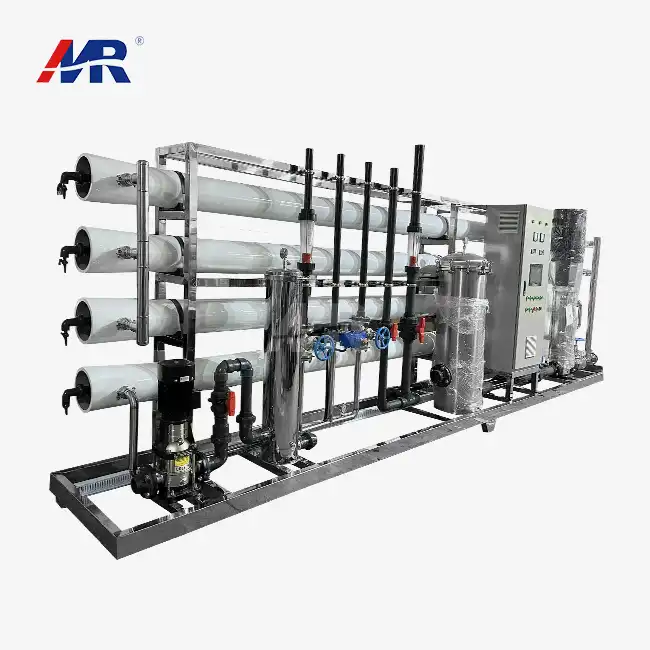
Understanding the 4 Stage Reverse Osmosis System
Core Components and Their Functions
A well-designed 4-stage reverse osmosis system has four different filtration stages that work in order to get rid of contaminants. The sediment pre-filter gets rid of particles as small as 5 microns, which keeps parts further down the line from getting damaged by sand, rust, and silt. The activated carbon block filter then gets rid of chemical threats, mostly chlorine and chloramines, that would damage the thin-film composite membrane if they got through.
In the third stage, the TFC membrane works at 150–300 psi to get rid of 99.5% of dissolved solids, heavy metals, fluoride, nitrates, and microbes that are harmful to the water. This membrane uses semi-permeable technology with pores that are about 0.0001 microns wide. It removes particles that can't be seen by regular filtration. The last filter, after carbon cleaning, improves the taste and smell, making sure the permeate meets strict quality standards for making medicines, drinks, or things used in the lab.
Expected Filter Lifespan and Influencing Factors
Knowing how long it takes to repair things helps buying teams make accurate budgets and avoid unplanned downtime. Pre-filters usually need to be changed every 6 to 12 months, but if the feed water is very cloudy, which can happen with well water or in places where the city's infrastructure is old, it may need to be changed every three months. A similar pattern can be seen in the carbon stage, where performance drops as adsorption sites fill up.
When used properly, ro membranes last between 24 and 36 months, making them the most expensive part of the system. The working pressure, water hardness, and total dissolved solids levels all have a big effect on how long a barrier lasts. Systems that process feed water with more than 500 ppm TDS or that run at full capacity all the time may need to be replaced sooner. Regularly checking the TDS level gives early warnings of membrane degradation, which lets replacements be planned ahead of time instead of having to be done in an emergency, which throws off production schedules.
Key Maintenance Tasks for 4 Stage RO Systems
Scheduled Filter Replacement Protocols
Setting up a written replacement plan stops the slow loss of performance that most people don't notice until they start to worry about the water quality. Pre-filters and carbon blocks should be changed according to the manufacturer's instructions, which should be adjusted to fit the qualities of your feed water. We suggest keeping an evaluation cycle of 90 days during which technicians check the pressure differences between each step. A 10 psi rise usually means the filter is saturated and needs quick attention.
For membrane repair, you need to do a more detailed analysis. After the manufacturer's recommended time frame, use calibrated conductivity meters to check the permeate TDS levels every week. When TDS readings go up by 10–15 percent above the baseline, the membrane's performance has gotten so bad that it needs to be replaced. Write down these numbers in maintenance logs so that you can set up replacement schedules that are specific to your site and show how it works, rather than following general rules.
System Sanitization and Performance Monitoring
Biofilm formation and bacterial colonization are very bad for system integrity and water purity. Sanitizing a 4 stage reverse osmosis system every three months with food-grade hydrogen peroxide or approved chlorine solutions stops the growth of microbes that can damage membranes and let pathogens into your clean water stream. After emptying the storage tank fully, run the sanitizing solution through all of its steps for the suggested amount of time. Finally, flush the system well before putting it back into service.
Performance tracking should include a number of reliable measurements of different factors. These are the most important metrics that every facility should keep an eye on:
- System Pressure: Feed pressure, interstage pressure, and permeate pressure show how well the pump is working and how the membrane resistance changes.
- Flow Rate: The permeate production rate and the concentrate discharge rate both show how well the system works.
- TDS Testing: Conducted on the feed water, seep streams, and concentrate streams to find out the real rejection rates.
- Recovery Ratio: The amount of feed water that is turned into clean permeate compared to the trash concentrate.
These methods of tracking lay the groundwork for tactics for planned maintenance. When pressure readings don't match the baseline or flow rates drop without a change in TDS, techs can figure out what's wrong with a particular part of the system before the whole thing breaks down.
Troubleshooting Common Operational Issues
A low permeate pressure is usually caused by a storage tank that doesn't have enough air in it. This is easy to fix by lowering the bladder pressure to 7–10 psi when the tank is empty. If the tank pressure is good, check the automatic shut-off valve to see if it closed too soon because of a broken pressure switch. If the taste is bad even after changing the filters, it's likely that germs have grown in the storage tank or final filter and need to be cleaned right away.
It's possible that the membrane is fouling or scaling if the flow rate drops while the pressure stays the same. If you catch it early, cleaning the membranes with citric acid solutions can bring them back to life, but if they get really dirty, you'll have to get new ones. High concentrate discharge rates compared to permeate output could mean that the membrane is damaged or the flow restrictor is the wrong size. In both Cases, expert help is needed to stop too much water waste and higher running costs.
Comparing Maintenance Needs: 4 Stage vs 5 Stage Reverse Osmosis Systems
Maintenance Complexity and Cost Implications
A remineralization filter or secondary post-carbon stage is what makes a 4-stage reverse osmosis system different from a five-stage configuration. For drinking water uses, five-stage systems offer better taste refinement or mineral addition, but they need to be replaced more often and require a little more upkeep work. The final carbon polishing in the fourth stage of a standard RO system controls taste and smell very well, so the fifth stage isn't needed for most industrial and commercial uses.
When looking at the total cost of ownership, four-stage methods are better. Fewer filter stages mean less stuff to keep on hand, easier training for maintenance staff, and fewer places where the system plumbing could leak. The difference in cost is more noticeable in large installations with lots of filters. A facility that uses a lot of parallel RO units can save a lot of money by standardizing on four-stage configurations.
Suitability for Different Water Sources
The features of the feed water should be more important than the number of stages when choosing a system. Standard four-stage systems work well with municipal water supplies that are consistently good and don't have a lot of hardness. When using well water, especially in rural areas with lots of minerals or brackish water, better pre-treatment is better than adding more steps of filtering after the fact.
If the water hardness is more than 180 ppm, it usually needs to be softened before it goes through the RO system. This is done to keep the membranes from getting calcium carbonate scale on them. Facilities that get their water from surface sources may need bigger or two separate pre-filters to remove more sediment. These improvements to the pre-treatment process protect the core RO components better than adding post-filtration steps. This makes the membrane last longer and requires less upkeep overall.
Optimizing System Efficiency & Cost for Procurement Decisions
The Relationship Between Maintenance and Energy Performance
Regular maintenance has a direct effect on how much power RO operations use. Clean pre-filters keep the flow going smoothly with little pressure drop. This lets the high-pressure pump work within its designed efficiency range instead of having to work harder to get past resistance that it doesn't need to. A clogged sediment filter can make the pump work 15-20% harder, which can lead to real increases in electricity costs over time. 4 stage reverse osmosis systems that are well taken care of and use 3 to 5 kWh/m³ work much better than systems that aren't and may use 6 to 8 kWh/m³ while making less good water.
The condition of the membrane also affects how well it uses energy. As membranes get dirty or scale over time, the system needs more operating pressure to keep up production rates. This uses more energy and puts more stress on the pump's parts. Delaying upkeep on the membranes leads to premature pump failure, which is a much more expensive fix than replacing the membranes at the right time.
Total Cost Analysis and Return on Investment
Knowing the whole picture of finances helps financial decision-makers understand why repair funds are necessary. Take a look at a medium-sized system that can produce 10,000 GPD: The initial cost of buying tools is only 30–40% of the total cost of ownership over ten years. About 25% of the cost is spent on replacing the filters, 20% is on energy use, and 15% is on labor for routine maintenance. The leftover costs cover fixes that were not planned for, lost time, and water quality problems that need to be fixed or Products that need to be thrown away.
"Unexpected repair" falls a lot lower with structured maintenance plans. Facilities that use written preventive maintenance plans get 60–70% fewer emergency service calls than those that use reactive maintenance methods. Proactive maintenance ensures quality and keeps production going. This has a return on investment (ROI) that goes beyond just saving money; it also protects brand reputation, follows regulations, and keeps customers happy.
Selecting Reliable Suppliers and Ensuring Parts Quality
Cost cuts are always being pushed on procurement teams, which makes aftermarket filters and parts look appealing. However, non-OEM parts often don't meet the exact requirements needed for best performance. Higher TDS passage rates may be possible if the membrane materials aren't compatible. Fake carbon filters often don't have enough activated carbon, and O-rings that are the wrong size can create leak points that let contaminants in.
These risks can be reduced by working with well-known water treatment experts who carry original spare parts and offer Technical support. Look for providers that offer full warranties on both the equipment and the parts that go into it, as well as expert support materials written in English and helpful customer service. When cheap parts break membranes, cancel warranties, or lower product quality and need expensive repairs, the small savings they offer quickly disappear.
Best Practices & Advanced Tips for Long-Term Maintenance
Tailored Strategies for Challenging Water Conditions
Businesses that handle well water with iron levels above 0.3 ppm should use oxidation and filtration as a pre-treatment to keep membranes from getting clogged permanently. Before it gets to the RO system, iron is taken out by a simple air pumping device and then a manganese greensand filter. In the same way, facilities in places where water quality changes with the seasons can benefit from flexible maintenance plans that let them replace filters more often during times of high turbidity or algae blooms in city source water.
Special care needs to be taken with seawater desalination applications and facilities that treat brackish water. The higher salt speeds up membrane breakdown and raises the fouling potential, which means that chemical cleaning processes need to be done more often. For high-salinity uses, we suggest that the performance of the 4-stage reverse osmosis system be checked once a month, keeping an eye on not only TDS but also specific conductance and salt rejection rates for each ionic species.
Preventive Measures Against Biological and Chemical Fouling
It is common for bacteria to start living in the carbon filter stages, where organic compounds build up and feed the bacteria. Regular cleaning every three months stops biofilms from forming on membranes, where they are very hard to get rid of. When you're cleaning, pay extra attention to the storage tank—drain it all the way and clean the inside surfaces as well as the wiring that connects them.
Stopping chemical fouling starts with designing the system correctly. In addition to basic TDS readings, facilities should analyze the feed water on a regular basis. The Langelier Saturation Index predicts the risk of calcium carbonate scaling, and the levels of iron and manganese show the risk of oxidative fouling. When the chemistry of the feedwater gets close to levels that could be harmful, lowering the pH by injecting acid or using antiscalant doses stops damage from happening.
Industrial Maintenance Case Study
After having three unexpected shutdowns in six months, a pharmaceutical manufacturing plant that processed 25,000 GPD of injectable-grade water started a full maintenance program. Their new procedure included checking the TDS every week, keeping track of the pressure difference every month, cleaning the system every three months, and having a third party check the system once a year. In just twelve months, they had no unexpected downtime, cut the cost of replacing membranes by 40% by making them last longer, and kept the water quality above USP standards.
Instead of relying on a single technician, they taught several staff members how to do maintenance tasks, which was key to their success. This cross-training made sure that work got done consistently, even when people had different schedules. They also built ties with providers of equipment that made it easy to get replacement parts and expert help when monitoring data showed strange patterns. The facility wrote down its steps in a repair manual that was specific to its system setup. This created institutional knowledge that was kept even after staff changed.
Conclusion
Maintaining your 4 stage reverse osmosis system properly will protect your investment and make sure that you always have access to clean water for important tasks. The steps described here, such as regularly replacing filters and keeping an eye on their performance, along with strategies and precautions that are specific to each water source, make up a complete plan that balances operational needs with cost management. Businesses and factories can't afford the output delays, quality problems, and regulatory issues that come up when RO systems aren't maintained properly. Your facility gets the consistent water quality that modern manufacturing, processing, and healthcare need by following structured processes, training qualified staff, and working with reputable providers.
FAQ
1. How frequently should filters be replaced in industrial RO systems?
Pre-filters and carbon blocks should be replaced every 6 to 12 months, but in places that process high-turbidity water, they may need to be changed every three months. Most RO membranes last between 24 and 36 months. Since operating conditions vary a lot from facility to facility, the most reliable method is to keep an eye on pressure differentials and TDS levels instead of sticking to strict schedules.
2. Can a four-stage system effectively remove fluoride and arsenic?
Yes, the TFC membrane can reject 95–99% of fluoride and arsenic when it is well taken care of and working at the right pressure. Because these pollutants are ions that are too small for the 4-stage reverse osmosis system membrane's 0.0001-micron pores, they are successfully removed. Regularly checking the TDS level shows that it is still working.
3. What causes sudden pressure drops in RO systems?
Most of the time, sudden pressure loss is caused by clogged pre-filters, broken pressure switches, or problems with the high-pressure pump. Check the pressure gauges at each stage to find the place that isn't working right. A slow drop in pressure over a few weeks could mean that the membrane is getting clogged and needs to be cleaned with chemicals or replaced.
4. Is professional maintenance necessary, or can facility staff handle it?
Basic tasks like cleaning and replacing filters can be done by trained facility staff who follow the right steps. But professional inspections by qualified water treatment specialists once a year are a good way to keep the system in good shape and find problems before they become major problems. This balanced method gets the best results for both cost and system stability.
Partner with Morui for Industrial-Grade Water Treatment Solutions
Guangdong Morui Environmental Technology Co., Ltd. is ready to help you meet your water needs by providing complete 4 stage reverse osmosis system options designed for tough commercial uses. Our equipment uses thin-film composite membrane technology that rejects 99.5% of the flow between 1,000 and 100,000 GPD, recovers 70% of that flow, and uses only 3 to 5 kWh/m³ of energy. As both a manufacturer and an authorized supplier of top component brands like Shimge Water Pumps and Runxin Valves, we can fully integrate your system and make configurations that fit your exact water quality needs. You can email our technical team at benson@guangdongmorui.com to talk about the details of your project and get professional advice on choosing a system, installing it, and planning for long-term upkeep.
References
1. American Water Works Association. (2020). Reverse Osmosis and Nanofiltration: Manual of Water Supply Practices M46. Denver: AWWA Press.
2. Greenlee, L.F., Lawler, D.F., Freeman, B.D., Marrot, B., and Moulin, P. (2009). Reverse osmosis desalination: Water sources, technology, and today's challenges. Water Research, 43(9), 2317-2348.
3. National Sanitation Foundation International. (2019). NSF/ANSI 58: Reverse Osmosis Drinking Water Treatment Systems - Certification Standards. Ann Arbor: NSF International.
4. Wilf, M. and Bartels, C. (2005). Optimization of seawater RO system design. Desalination, 173(1), 1-12.
5. World Health Organization. (2017). Guidelines for Drinking-water Quality: Fourth Edition Incorporating the First Addendum. Geneva: WHO Press.
6. Zhao, Y., Taylor, J.S., and Hong, S. (2005). Combined influence of membrane surface properties and feed water qualities on RO/NF mass transfer. Journal of Membrane Science, 264(1-2), 167-175.
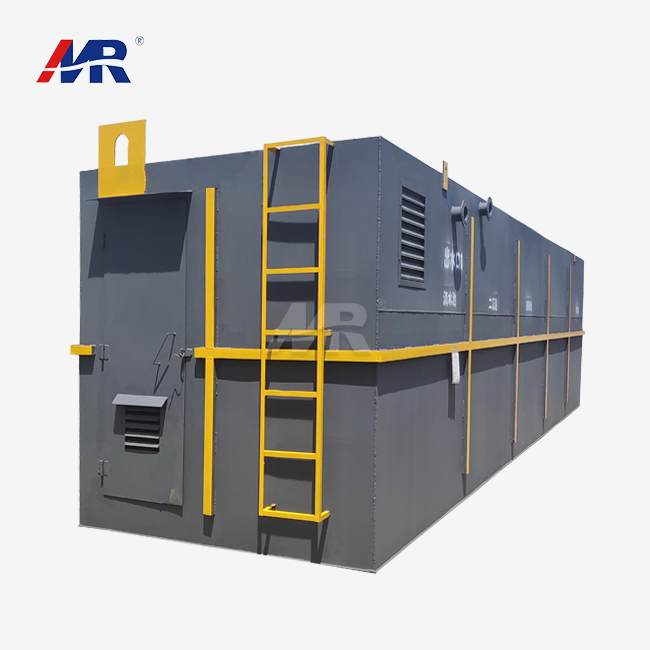 VIEW MOREhome wastewater treatment plant
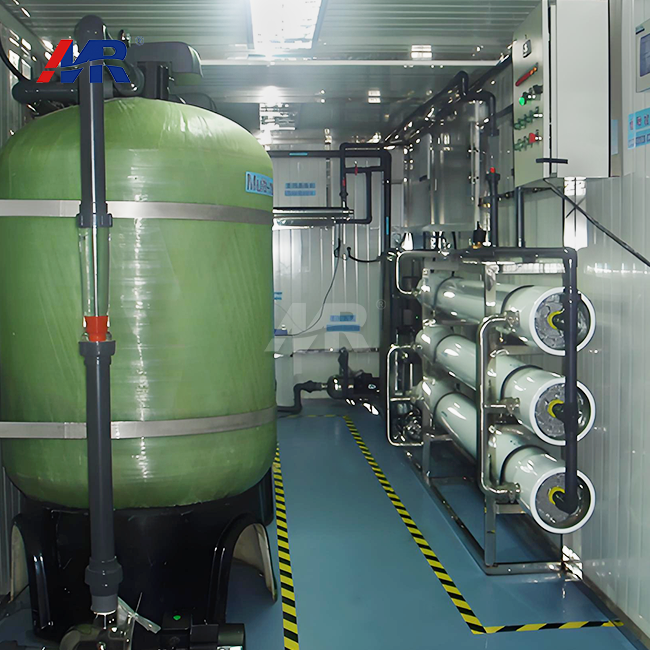 VIEW MOREContainerized Mobile Water Treatment Systems
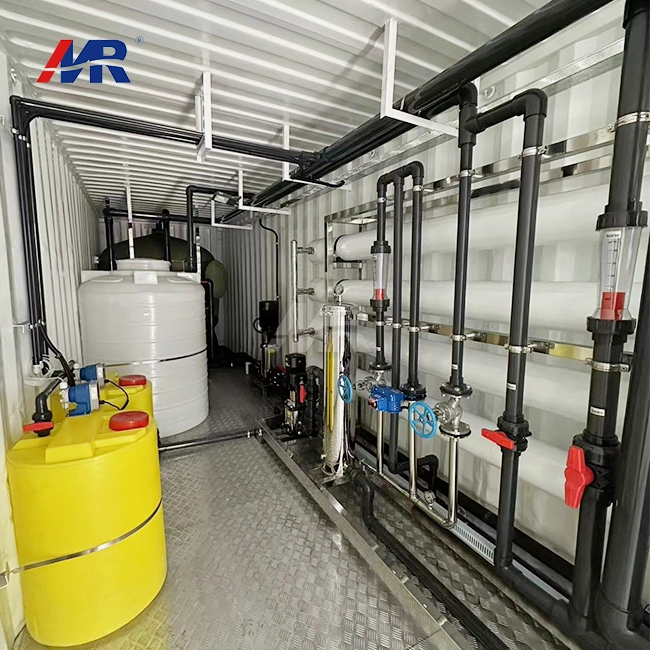 VIEW MOREcontainerized desalination plant
 VIEW MOREcontainer seawater desalination equipment
 VIEW MOREreverse osmosis membranes
 VIEW MOREultrafiltration drinking water system
 VIEW MOREwaste water treatment system
 VIEW MOREportable wastewater treatment plant
