_1745823981883.webp)

ro machine price Guide: Costs, Features, and ROI
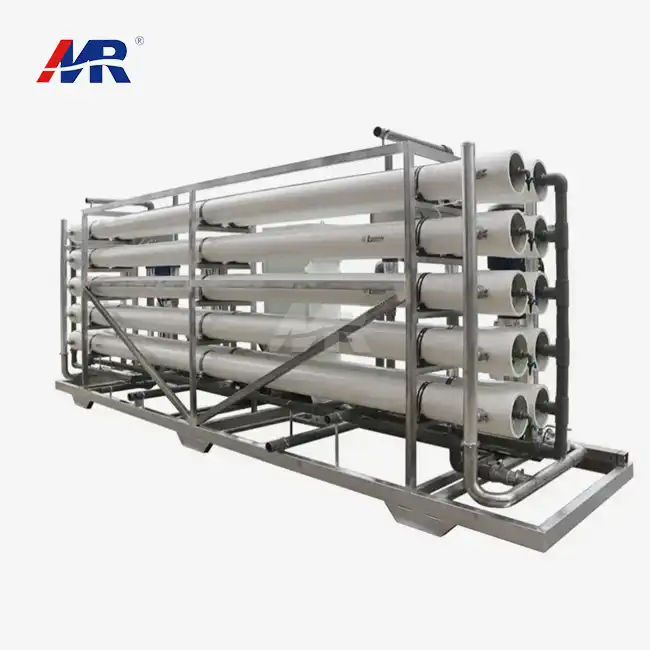
Understanding the financial investment behind reverse osmosis systems is crucial for procurement managers and business owners evaluating water treatment solutions. An ro machine price encompasses more than the initial purchase cost—it represents total capital expenditure, operational efficiency, and long-term sustainability. Industrial RO systems typically range from $5,000 for basic commercial units to $500,000+ for large-scale installations handling 100,000 gallons daily. The pricing spectrum reflects capacity differences, membrane technology sophistication, automation levels, and compliance Certifications essential for pharmaceutical, food processing, and manufacturing applications.
Introduction
Businesses are under pressure to find safe, low-cost, high-quality water cleaning techniques. The gold standard for medication manufacture and municipal water treatment is reverse osmosis. Financial, plant engineering, and purchasing managers must grasp how tool investments boost operations and revenue.
This lesson answers a B2B buyer question: What determines tool value? How do technical specs impact performance? Which investing strategies measure returns? Short-term financial and long-term operational efficiency are considered while procuring. We guide water treatment infrastructure decision-makers on capacity, technology, and ownership costs.
Whether you're modernising beverage bottling plant systems, generating pharmaceutical-grade water, or desalinating saltwater for coastal operations, knowing the investment landscape helps you make smarter purchase choices that meet your company's objectives and regulatory laws.
Understanding RO Machine Prices: Key Factors to Consider
The value of equipment is based on many technical and business factors that have a direct effect on how well it works and how long it lasts. Buyers can better explore seller offers and find real value propositions when they are aware of these factors.
Capacity Requirements and Daily Output
The level of investment and the size of the equipment are largely determined by the production capacity. Systems are rated in gallons per day (GPD) or cubic meters per hour. Depending on the needs of the building, industrial uses usually need between 1,000 and 100,000 GPD. A drug factory that makes liquid medicines might need 10,000 GPD of water that meets USP standards, while a factory that makes semiconductors might need 50,000 GPD of ultrapure water. Higher capacity systems have bigger membrane arrays, stronger high-pressure pumps, and more durable pre-treatment stages. These add to the cost, but they help with economies of scale for large operations.
Membrane Technology and Filtration Stages
The quality of the membrane is the most important part of any RO system. Thin-film hybrid membranes can reject up to 99.5% of dissolved solids. More advanced systems use more than one step for cleaning, like sediment filtration, carbon absorption, reverse osmosis, and remineralization after treatment. Each of these steps makes the system more complicated and expensive. For systems that need to work with difficult feedwater, like brackish water with TDS levels of 10,000 mg/L, they need special membrane configurations and chemical dosing equipment. The choice of membrane has a direct effect on the amount of energy used. For example, newer low-energy membranes only need 1.5–2.5 kWh/m³ of power, while older methods needed 4-6 kWh/m³.
Automation and Control Systems
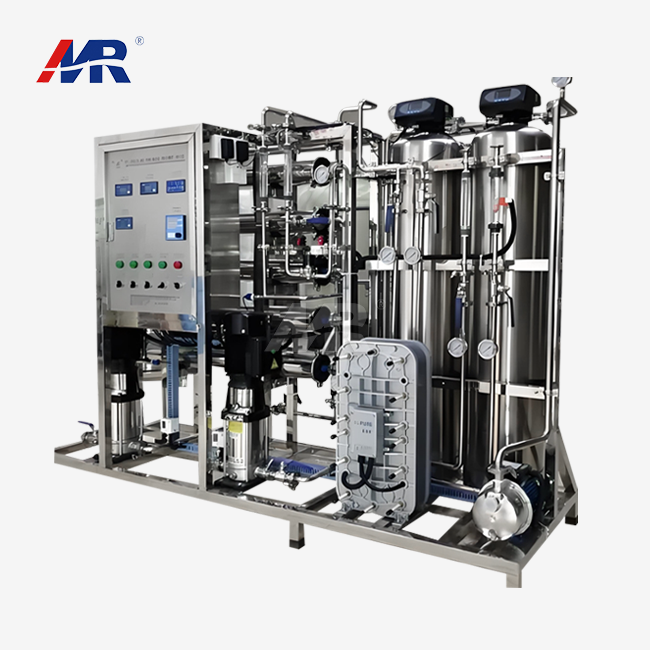
These days, industrial RO systems have automatic controls that keep an eye on performance factors, change working pressures, and send maintenance alerts. Basic manual systems with analog gauges are inexpensive, but fully automatic systems with PLC controls, touchscreen displays, and the ability to watch from afar cost a lot. Automation cuts down on labor costs, eliminates human error, and improves operations to extend the life of membranes. Systems that monitor TDS in real time, have automated membrane flushing cycles, and predictive maintenance algorithms offer operational benefits that justify higher capital expenditures for facilities that put uptime and consistent water quality first.
Material Quality and Construction Standards
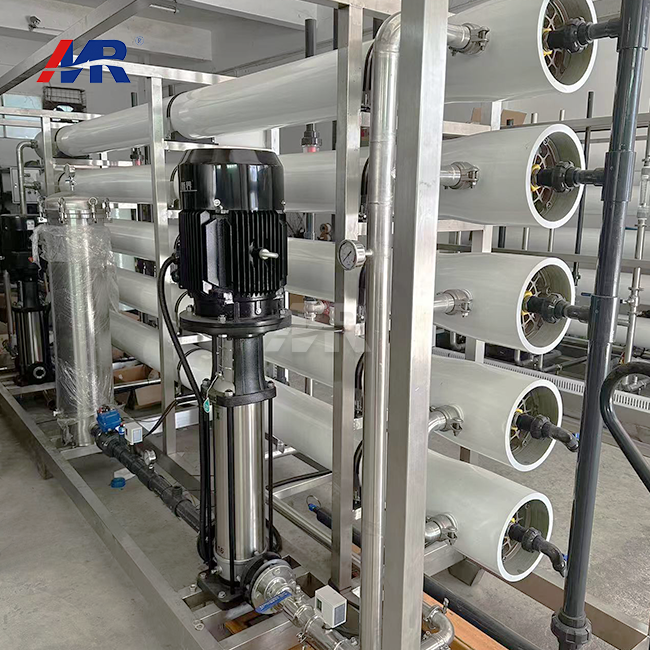
The quality of the parts and the materials used to build the equipment determines how long it will last. Stainless steel frames and food-grade housing materials don't rust in tough settings, so they last longer than 15 to 20 years. Reliable high-pressure pumps from well-known brands cut down on unplanned downtime, and pressure vessels that have been certified can safely handle operating pressures of 10 to 16 bar. Quality control is guaranteed by following international standards such as NSF/ANSI 58 for material safety and ISO 9001 for manufacturing processes. Systems with standard parts are easier to maintain and change parts for than those with custom designs that need consumables made by the maker.
RO Machine Price Comparison: Evaluating Quality and Value
When making investment decisions, you have to weigh the up-front costs against operational performance and customer service. There are different levels of equipment on the market to meet the needs of different operations and ro machine price budgets.
Entry-Level Commercial Systems
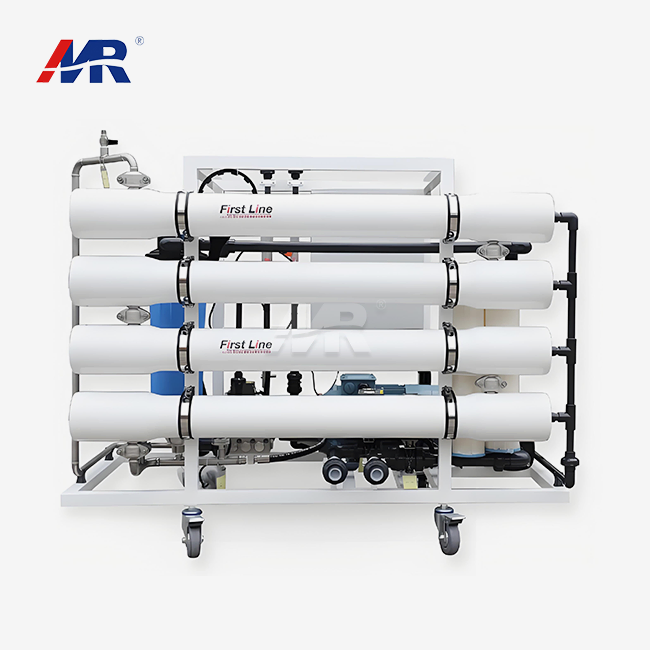
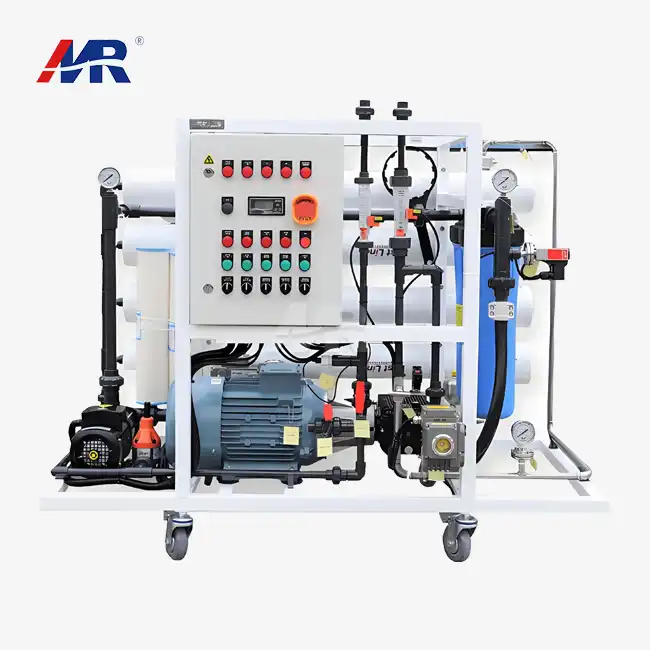
Depending on the features and level of automation, commercial systems with 1,000 to 5,000 GPD usually cost between $5,000 and $25,000. These units work well for restaurants, small hotels, car washes, and aquaculture businesses that need to handle a moderate amount of water every day. Sediment and carbon pre-filtration, single-stage ro membranes, and hand control valves are some of the most basic designs. Even though the initial investment is still low, these systems may not have advanced tracking, which means they will need more operator care and may cost more to maintain. Recovery rates usually range from 50 to 65%, and in places where water is scarce, higher waste production can raise running costs.
Mid-Range Industrial Equipment
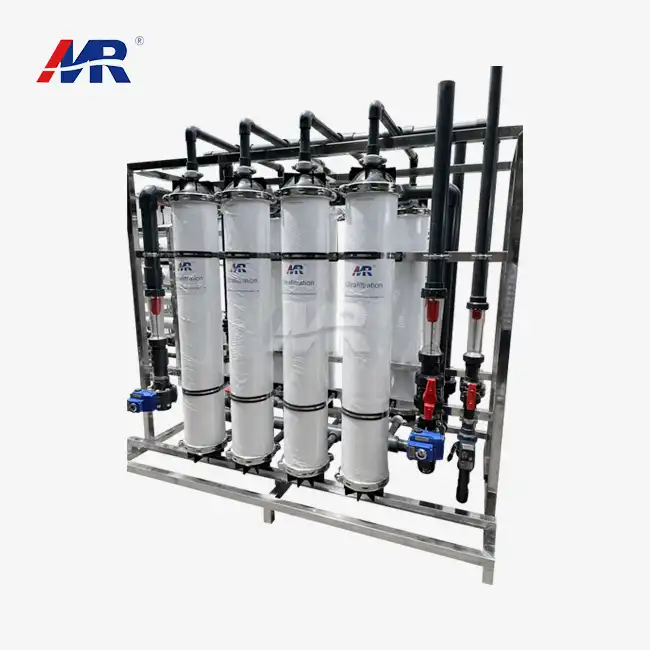
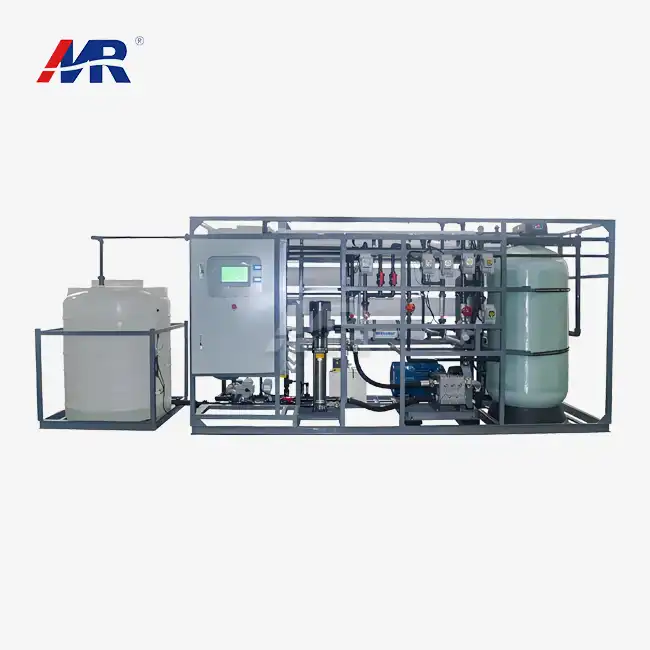
Systems that make 10,000 to 50,000 GPD cost between $50,000 and $200,000. They are the most common type of system used in food processing, pharmaceuticals, and light industry. Our mid-range industrial RO systems from Morui use advanced membrane technology and energy-efficient designs to get up to 75% of the water back. These systems are built in modules, which let the capacity grow as production does. They also have automated control systems that require little to no human input, and they meet GMP standards, which are important for industries that are controlled. The small footprint saves important floor space, and the high-quality parts make it reliable, which means that production stops less often and costs less.
Large-Scale Industrial and Municipal Systems
High-capacity installations that can handle more than 100,000 GPD require big investments in infrastructure that range from $300,000 to several million dollars for desalination plants and public water systems. These complicated systems have advanced pre-treatment trains, multistage RO arrays, energy recovery devices, and centralized monitoring systems that are centralized. Even though the initial investment seems big, the cost of production per gallon goes down a lot as the business grows. Economies of scale help municipal water authorities and big industrial complexes, and if they are properly kept, systems can last longer than 25 years. At this level of investment, full-service agreements and warranties become very important things to think about.
How to Buy RO Machines: Procurement Strategies for B2B Buyers
Strategic buying chooses suppliers, negotiates prices, and signs contracts with rules that protect long-term interests in order to get the most value.
Supplier Evaluation and Qualification
Choosing reliable manufacturers and distributors is the first step to a successful system implementation. Buyers should check the credentials of the supplier, such as ISO certifications, inspections of the manufacturing facility, and examples of installations used in similar situations. Well-known companies offer engineering help for designing systems, which helps make the specs best for the water chemistry and output needs. With more than 14 offices and more than 500 employees, including 20 specialized engineers, Guangdong Morui Environmental Technology is a great example of the kind of institutional ability that is needed for big water treatment projects. Our plant for making membranes and processing facilities for equipment allow us to keep an eye on quality throughout the whole supply chain. Our partnerships with names like Shimge Water Pumps and Runxin Valves also make sure that the parts are reliable.
Negotiation Tactics and Bulk Discounts
Volume-based prices can save businesses a lot of money when they buy a lot of units or coordinate purchases across multiple locations. When buyers order 5–10 systems, they usually get 10-15% off, and when they make bigger promises, they may get 20–25% off. Not only should the price of the equipment be negotiated, but also installation services, help with setup, training for operators, and longer guarantee terms. Supplier capacity is affected by the time of year, with possible benefits during slower times. Package deals that include equipment, service contracts that last more than one year, and spare parts inventories help you plan your budget and make sure that maintenance doesn't stop.
Installation and Commissioning Considerations
The total cost of the job includes more than just the equipment. It also includes preparing the spot, installing the equipment, changing the pipes, and doing electrical work. Professional installation makes sure that the system works well and that the warranty is followed. Depending on the complexity of the site, this can add anywhere from 15% to 25% to the cost of the equipment. One-stop installation and commissioning services from suppliers that offer turnkey solutions make project management easier and make it clear who is responsible for what. Comprehensive commissioning includes checking the water quality, making sure the system works, and teaching the operators to make sure the system can do what it's supposed to do before it's accepted. These services keep startup problems from happening, which could slow down production and lower the quality of the water during the first few crucial steps of operations.
ROI and Total Cost of Ownership: Evaluating the Investment in RO Machines
For financial reasons, you need to look at more than just the payback period. You need to look at the whole duration of the tools and how it affects operations.
Capital Expenditure vs. Operational Savings
Initial investment needs to be weighed against lower operational costs and more money coming in. A ro machine price that keeps a 200-person center from buying bottled water saves them $50,000 to $75,000 a year and makes sure the quality is always the same. Manufacturing companies that used to have to reject Products because of bad water quality start saving money right away because they're throwing away less. By keeping their water systems validated, pharmaceutical plants can avoid costly batch rejects and problems with following the rules. Energy-efficient designs that use 1.5 to 2.5 kWh/m³ are much more cost-effective than older systems that use 4-6 kWh/m³. For high-volume operations, this can save thousands of dollars a year in electricity costs and balance the RO machine price.
Maintenance Costs and Membrane Replacement
Ongoing maintenance is a big part of the total cost of ownership that needs to be carefully planned for. Depending on the quality of the feedwater and the number of hours the system is used, membrane parts need to be replaced every two to five years. Each membrane costs between $800 and $3,000. Pre-treatment screens need to be changed every three to six months, which costs $200 to $800 per service. Systems that use automated cleaning cycles and the right amount of chemicals can make membranes last longer, which lowers costs in the long run. Designs that don't need much maintenance have less downtime, and systems that are stable and reach 98% or higher uptime are essential for ongoing manufacturing processes. Advanced systems with predictive maintenance can stop sudden breakdowns that could stop production and cause emergency service charges.
Compliance Value and Risk Mitigation
Following the rules has both direct and indirect financial effects. Pharmaceutical companies that are controlled by the FDA must use validated water systems that meet USP standards. If they don't, they could have to return their products, which could cost millions of dollars. Food and drink makers have to follow HACCP rules and pass customer checks that demand proof of their water quality programs. Systems that are ready for compliance are useful for more than just avoiding fines. They also help protect your brand and build customer trust. Environmental laws are making it harder to dump wastewater, so high-recovery RO systems that reduce the amount of effluent are strategically valuable. Insurance companies may lower the rates of businesses that show they take steps to manage their water quality and lower the risk of contamination.
Latest Trends and Innovations Impacting RO Machine Prices in 2026
As technology changes, equipment skills and cost structures are always changing too. This has an effect on buying strategies and how suppliers can stand out.
Smart Monitoring and IoT Integration
Connected RO systems that send data in real time allow for monitoring from afar, performance analysis, and maintenance planning ahead of time. IoT-enabled devices measure differences in membrane pressure, the quality of permeates, recovery rates, and the accuracy of chemical doses. They send this information to cloud platforms so that it can be analyzed. Because of this connectivity, building managers can keep an eye on many things in different places from one central dashboard. Predictive algorithms find performance problems before they happen, so maintenance is scheduled for planned downtime instead of being done in an emergency. These features raise the price of the system by 5–10%, but they lower operating costs by improving speed and making parts last longer.
Energy Recovery and Sustainability Features
Energy recovery devices (ERDs) are being used in bigger RO systems because of rising energy costs and vows to sustainability. ERDs use the pressure energy in concentrated salt streams to cut the amount of power needed by pumps by 40 to 60 percent. This technology used to only be found in very large desalination plants, but now it can be found in systems that can handle more than 20,000 GPD. For high-volume businesses, the extra cost rise of $15,000 to $50,000 is paid for in less than three years. Green building standards like LEED are giving more weight to measures that save water. This gives buildings that want to get sustainability badges an extra value that attracts investors and customers who care about the environment.
Modular and Scalable Designs
Uncertainty in manufacturing and growth predictions favors modular system architectures that let capacity grow in stages. Instead of installing too much at first, buyers can use base capacity with expansion options, which saves money up front and keeps future options open. Maintenance is easier with modular designs because they let you separate modules without shutting down the whole system. This means that you can keep some production going during service breaks. Containerized RO systems are movable and can be used for short-term tasks or to quickly set up in new areas. These design ideas change how things are bought by changing big purchases into staged investments that match the growth of real demand. This makes managing cash flow easier and lowers the risk of things becoming obsolete.
Conclusion
When buying reverse osmosis equipment, consider technical, economic, and operational concerns. You can make better buying selections when you understand how technological standards, automation levels, and capacity affect ro machine price. A complete study of the total cost of ownership, including energy usage, maintenance, and compliance value, provides all the financial information stakeholders need to agree.
There's equipment for anything from modest commercial systems to huge industrial sets. Each sort of equipment satisfies distinct job demands. Successful procurement requires aligning the system's capabilities to the application's demands, finding competent suppliers with adequate support, and negotiating conditions that minimise short-term and long-term costs and advantages. New technologies improve system efficiency and communication, so keeping up with new features keeps investments competitive.
FAQ
1. What factors most significantly impact industrial RO system pricing?
Capacity is the main factor that affects costs, and systems are designed to handle daily production amounts of tens of thousands to hundreds of thousands of gallons. Different price levels are set for each capability category based on the quality of the membrane technology, the level of automation, and the building materials used. Systems that deal with difficult feedwater conditions need more advanced pre-treatment and special membranes, which raise the cost.
2. How do maintenance expenses affect total ownership costs?
Major ongoing costs include replacing the membrane every two to five years and changing the pre-treatment filter on a regular basis. Consumables and service for systems that produce 10,000 GPD usually cost between $3,000 and $8,000 a year, but for larger installations, the costs may be over $25,000. Proper use and automatic cleaning make parts last longer, which lowers the long-term cost of upkeep.
3. What ROI timeframe should buyers expect for industrial RO investments?
Payback times depend on the application but are usually between 2 and 7 years. Facilities that replace bought water or get rid of quality-related production costs usually see faster returns. In high-volume businesses, energy-efficient systems pay for themselves in three to four years by saving money on utilities. Compliance value and risk avoidance provide extra benefits that are hard to measure but strategically important.
Partner with Morui for Optimized Water Treatment Solutions
When deciding what RO equipment to buy, people in charge should work with manufacturers that have a lot of experience, offer full expert help, and have a track record of making reliable systems. Morui specializes in custom water treatment solutions for business, government, and industrial settings, and they can deliver equipment that is designed to meet your exact needs. Our integrated method includes designing the system, making it, installing it, and providing ongoing service support. This makes sure that the execution goes smoothly and that the system performs at its best for a long time.
Our research team works with clients to make sure they get the right capacity, choose the right membrane configurations, and make sure the system works as efficiently as possible for their water chemistry and output needs. We offer quality equipment at reasonable prices because we are a well-known ro machine price supplier that can make membranes and has strategic partnerships for parts. You can email us at benson@guangdongmorui.com to talk about your project needs and get detailed technical proposals that are based on your operational goals and budget.
References
1. U.S. Environmental Protection Agency. (2023). Membrane Filtration Guidance Manual. Office of Water, Washington, D.C.
2. Water Quality Association. (2024). Commercial and Industrial Water Treatment: Market Analysis and Technology Trends. WQA Industry Report Series.
3. American Water Works Association. (2023). Reverse Osmosis and Nanofiltration: Manual of Water Supply Practices M46, Third Edition. Denver, Colorado.
4. International Desalination Association. (2024). Global Water Desalination Market Report: Trends, Technologies and Economic Analysis. IDA Research Division.
5. National Science Foundation International. (2023). NSF/ANSI 58: Reverse Osmosis Drinking Water Treatment Systems - Standard Requirements and Testing Protocols.
6. Industrial Water & Wastes Digest. (2024). Total Cost of Ownership Analysis for Industrial Water Treatment Systems: A Comprehensive Financial Framework. Technical White Paper Series.