_1745823981883.webp)

Wastewater Treatment System Design: Key Factors You Should Know
A successful wastewater treatment system design requires the correct combination of technical performance, regulatory compliance and economic feasibility. In a well-designed system, the pollutants included in industrial effluents, municipal sewage and agricultural run-off are successfully removed by a planned combination of physical, chemical and biological processes. Grasping the key design aspects from wastewater characterisation to technology selection and scalability, organisations can put in place solutions that protect the environment, meet stringent discharge regulations and reduce operational costs. In this post, we discuss the important issues that need to be considered by decision-makers when investing in treatment infrastructure.
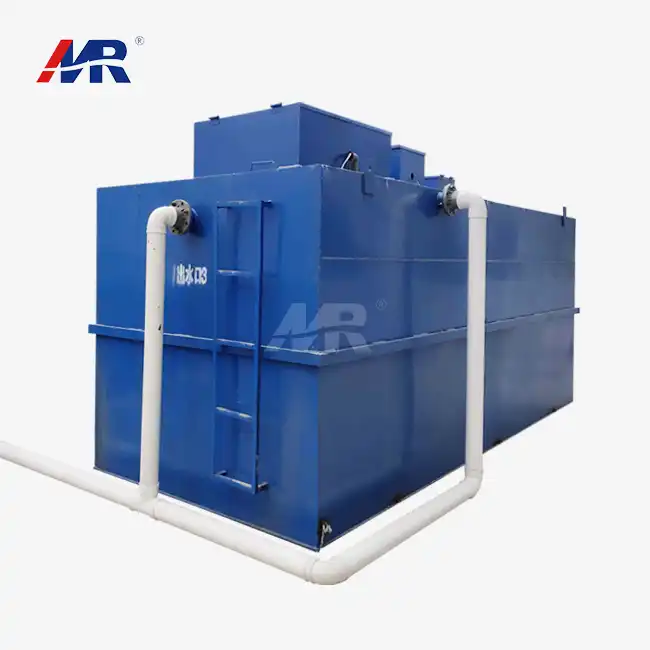
Understanding Wastewater Treatment System Design: An Overview
Defining Wastewater Treatment and Its Environmental Role
The major goal of treatment before discharge or reuse is to remove hazardous pollutants from wastewater. Biochemical oxygen demand (BOD), chemical oxygen demand (COD), total suspended solids (TSS), nitrogen, and phosphorus are contaminants that are harmful to human health and the aquatic environment. Modern treatment plants are a big stumbling block in the process. They convert toxic effluents into clean water that may be released to fulfil international environmental standards, including the Clean Water Act in the United States.
Differentiating Treatment Approaches
There are a total of three therapy modalities. Large debris and suspended particles are removed by physical steps such as screening, sedimentation and filtering. Chemical treatments, such as coagulation, precipitation and disinfection, neutralise certain contaminants. Biological treatment is the employment of micro-organisms in the decomposition of organic materials in aerobic or anaerobic processes. Aerobic systems are appropriate because of the demand for oxygen and the rapid breakdown of organics for municipal and food processing applications. Anaerobic treatment is carried out in the absence of oxygen and converts waste into valuable biogas. This is ideal for high-strength industrial waste streams such as those from breweries or pharmaceutical production.
Industrial versus Municipal Systems
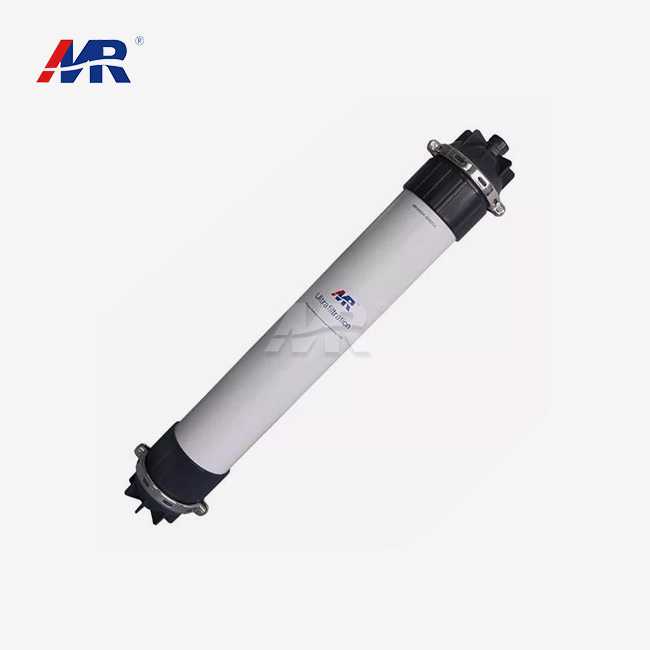
Certain industrial wastewaters have specific pollutants requiring specific treatment trains. For example, pharmaceutical facilities utilise ultrafiltration and reverse osmosis for removal of active medicinal substances; electroplating operations use ion exchange or chemical precipitation for removal of heavy metals. Municipal systems employ typical activated sludge methods, nutrient removal stages, and disinfection to handle home sewage. Knowing the distinctions enables the proper technology to be used in the wastewater treatment system, preventing equipment failure and regulatory penalties.
Core Factors to Consider When Designing a Wastewater Treatment System
Comprehensive Wastewater Characterisation
The successful design of a wastewater treatment system depends on adequate characterisation. Engineers need to consider the volume of effluent, the variability of flow, the temperature, pH and toxicity. A hospital producing 100 m³/day of pathogen-loaded wastewater requires a different approach than a textile business producing 500 m³/day with high colour compounds and TSS. Lab testing identifies BOD, COD, TSS, nitrogen, phosphorus, heavy metals and specialised pollutants so equipment size and process are selected correctly.
Technology Selection and Energy Efficiency
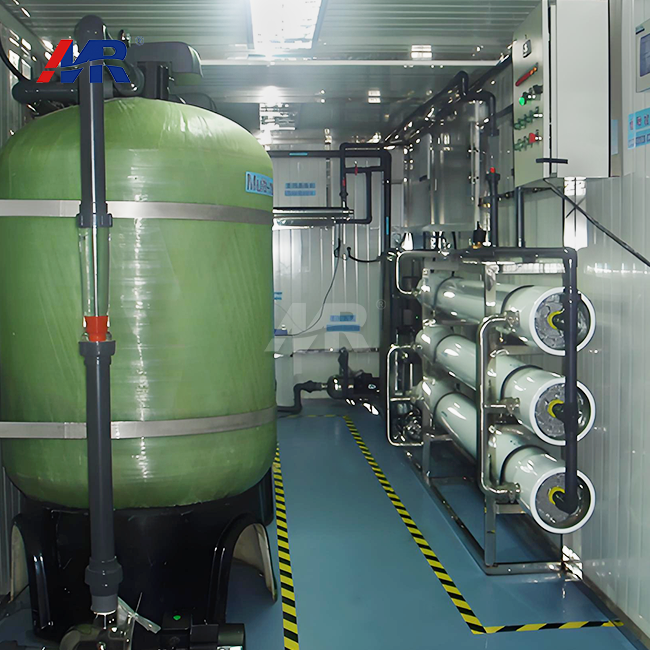
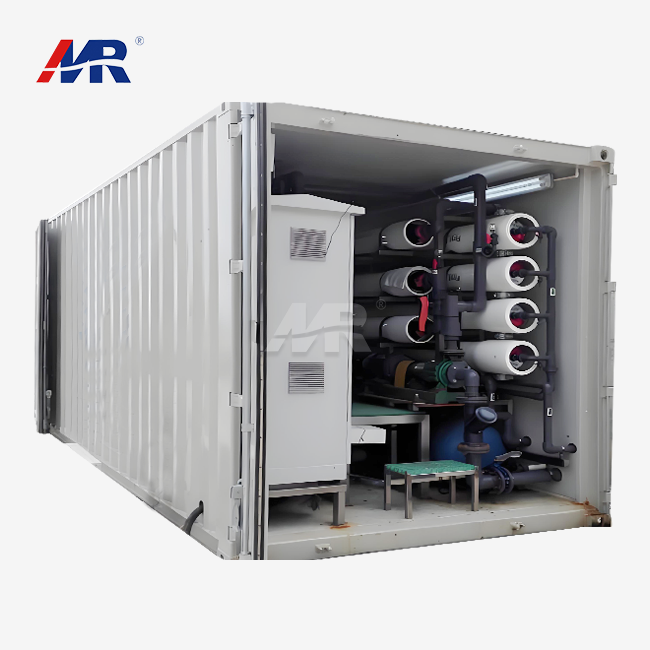
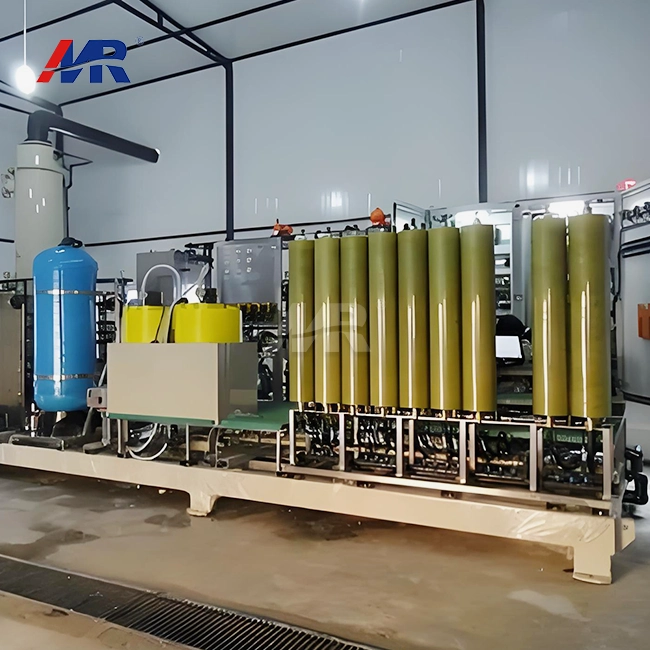
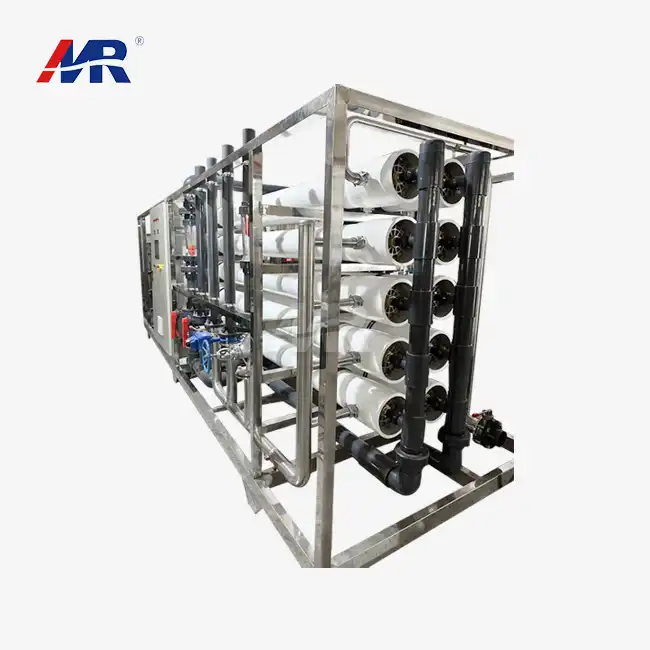
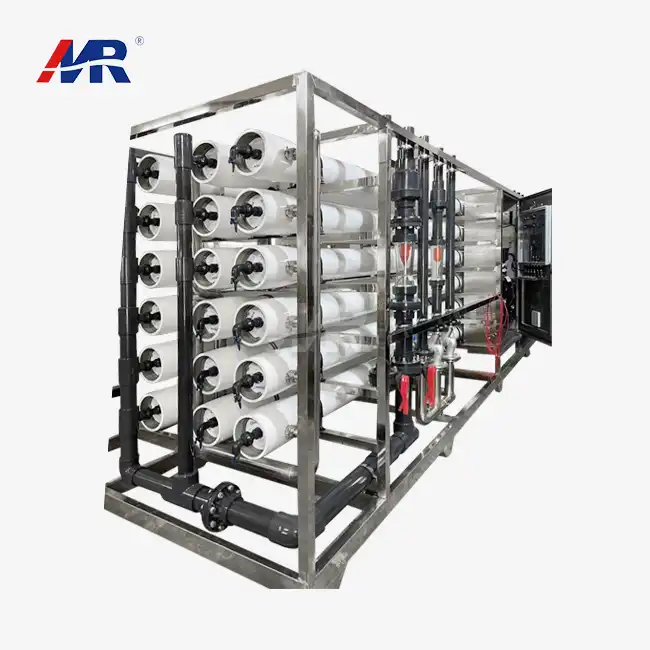
The technology chosen has a substantial effect on performance and long-term costs of therapy. Procurement teams usually have several basic options when it comes to selecting a wastewater treatment system. membrane Bioreactor (MBR) technology combines biological treatment and membrane filtration to produce high-quality effluent for reuse purposes. Another advantage of MBR units is their smaller footprint compared with conventional activated sludge systems. This is an advantage if land is limited. Modular systems treat 50 – 10,000 m³/day and reach 99% removal efficiency for BOD, COD and TSS. The energy consumption is typically between 0.3 and 0.5 kWh/m³ and may be optimised by the use of variable frequency drives (VFDs) for the blowers and real-time monitoring of the dissolved oxygen.
Conventional activated sludge is still a cost-effective solution for large municipal applications but requires vast clarifier tanks. Anaerobic digestion is suitable for industrial high-strength waste and minimises the sludge produced and provides methane for energy recovery. Advanced oxidation methods are employed for the treatment of refractory compounds in the pharmaceutical and chemical sector. Power is a major running expense, and selection of energy-efficient components such as high-efficiency fine-bubble diffusers and sophisticated control systems is critical.
Scalability and Customisation
Make plans to grow. Securing an investment for the future. Modular systems offer an incremental increase in capacity for increased output or tighter discharge requirements. A food processing firm that is processing 200 m³/day now may need to be able to process 800 m³/day in 5 years’ time. Modular architecture enables the addition of treatment trains without disrupting present operations. Customisation is done for industry-specific difficulties, such as using dissolved air flotation (DAF) units for the removal of fats, oils and grease from food and beverage waste streams or customised reactors for pharmaceutical wastes and semiconductor ultrapure water production.
Maintenance and Operational Efficiency
The decisions made in the design stage will have a significant influence on the level of maintenance needed and the long-term reliability of the product. Remote monitoring of fully automated systems reduces the need for labour, which is a particular benefit in remote mining camps or offshore platforms. Calibration of pH, dissolved oxygen and oxidation-reduction potential sensors, monitoring of sludge waste and periodic evaluation of pumps, blowers and mixers are part of routine maintenance. Choose reliable manufacturers such as Shimge pumps, Runxin valves and Createc instruments; you will acquire components and save downtime. Good systems include equalisation tanks to buffer peak flow events so you don't hydraulically overload the bioreactors and kill the microorganisms.
Comparing Wastewater Treatment System Options: Making the Right Choice
Key Performance Metrics
Decision-makers must take into account a multi-dimensional wastewater treatment system. The efficacy of the treatment will determine whether the effluent meets discharge restrictions or reuse conditions, which is critical under intense regulatory scrutiny. Capital expense includes equipment, civil works and installation. Operating costs include power, chemicals, personnel and sludge disposal. Space constraints in urban locations or institutions make system footprint a significant issue. Further, energy use directly impacts a facility’s carbon footprint and operational budget.
Aerobic versus Anaerobic Systems
Understanding the trade-offs between aerobic and anaerobic treatment is helpful in technology selection. Aerobic systems use substantial quantities of energy for aeration yet offer speedy treatment and dependable performance. Anaerobic processes do not need aeration and generate useful biogas and less sludge but need careful temperature control and longer start-up periods. Many brewers and distilleries use anaerobic digesters to handle high-BOD wastewater, and methane capture offers a means to recoup energy expenditures.
Sustainable Design Innovations
As part of contemporary treatment systems, sustainability ideas are included in the wastewater treatment system design in recent years. Recycling water using membrane technology helps reduce the amount of fresh water needed for production in areas where water is scarce. Nutrient recovery systems capture phosphate and nitrogen, which may be used to manufacture fertiliser, converting waste into a source of revenue. Energy-neutral designs are such things as anaerobic digestion and combined heat and power (CHP) systems that supply electricity to offset facility consumption.
Practical Performance Examples
Let’s consider a medium-sized pharmaceutical company producing 1,500 m³/day of process wastewater. A typical system is 5,000 m² and utilises 750 kWh/day. Alternative to MBR Footprint: 2000 m², 600 kWh/day. Reusable water in line with GMP criteria. The MBR costs 30% more to build but pays for itself in 4 years via water reuse savings and reduced discharge expenses.
Implementing Your Wastewater Treatment System: From Purchase to Operation
Selecting Reputable Suppliers
The credibility of a supplier is a major determinant of project success. Assess possible partners for Certifications like ISO 9001 in quality management and ISO 14001 in environmental systems. Assess their Technical support skills, including commissioning support, training of operators, and availability of replacement parts. Guangdong Morui Environmental Technology is a prominent producer of wastewater treatment systems, employing over 500 people, with 20 engineers and 14 branches, offering full services from equipment production to turnkey installation and commissioning.
Understanding Cost Frameworks
The total cost of ownership (TCO) is greater than the purchase price. The original cost comprises equipment, installation, plumbing, electrical work, and control systems. Operating expenditures consist of energy, chemicals, labour, maintenance, and sludge handling. A Total Cost of Energy (TCO) study over 20 years will usually show that energy accounts for 40-60% of operating expenses, supporting investments in efficient technology. Startups and mid-sized businesses might use financing alternatives such as equipment leasing or performance-based contracts to aid with cash flow.
Installation and Commissioning Best Practices
Successful implementation starts with proper site preparation that provides appropriate space, utilities and access for equipment delivery. Coordinate construction contractors, equipment suppliers and facility operations to minimise expensive delays. Commissioning includes initiating individual components, biological seeding and performance testing under different loads. Operator training is quite thorough so that all people are aware of normal processes, troubleshooting and emergency reactions. The period of time to develop stable biological populations by proper commissioning is generally four to eight weeks.
Ongoing Maintenance Programmes
Preventive maintenance prolongs equipment life and maintains treatment efficacy. Flow rates, pressures, temperatures and quality of effluent are monitored daily. Each week, screen cleaning, pump inspection and sensor calibration. Monthly operations include membrane cleaning, blower bearing lube and control system backups. Structural components such as tanks and pipelines generally last 20-30 years. Electromechanical equipment like pumps and blowers must be replaced every 5-10 years.
Future Trends and Innovations in Wastewater Treatment System Design
Smart Monitoring and IoT Integration
Digital transformation is a game changer for the wastewater treatment systems sector. Sensors in the Internet of Things (IoT) provide real-time data, enabling predictive maintenance, which may spot broken components before they fail. Cloud-based solutions allow remote monitoring by smartphone or tablet, which is an advantage for facilities with more than one location. Artificial intelligence algorithms regulate aeration rates, chemical dosing and sludge disposal, keeping you compliant and reducing operational costs by 10-20%.
Circular Economy and Resource Recovery
Progressive organisations see wastewater as a resource. Membrane filtering technologies enable water to be re-used in cooling towers, irrigation and industrial uses, which may result in significant savings in freshwater usage. The digestion of sludge results in biosolids, which are utilised as a soil amendment in agriculture. Other recovery procedures include energy recovery by means of anaerobic digestion and cremation of sludge that may be utilised to satisfy the power needs of the plant. Chemical recovery systems may be used to recover valuable compounds from industrial streams such as precious metals or solvents.
Evolving Regulatory Landscape
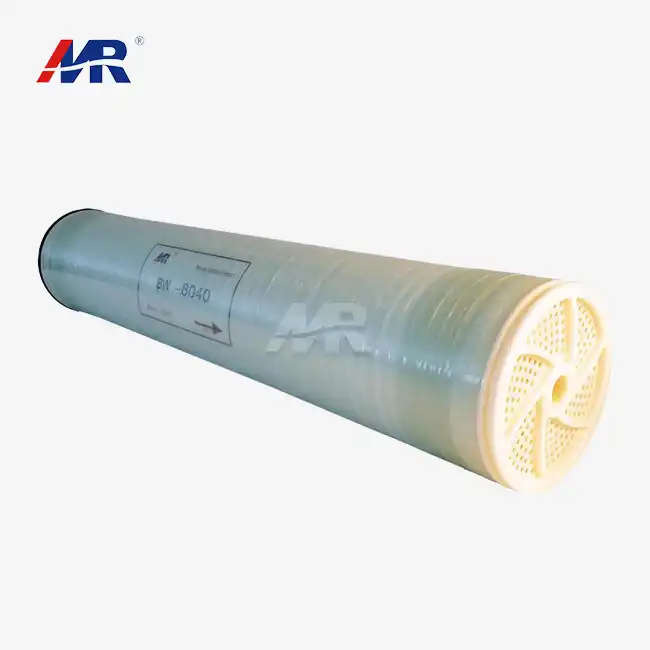
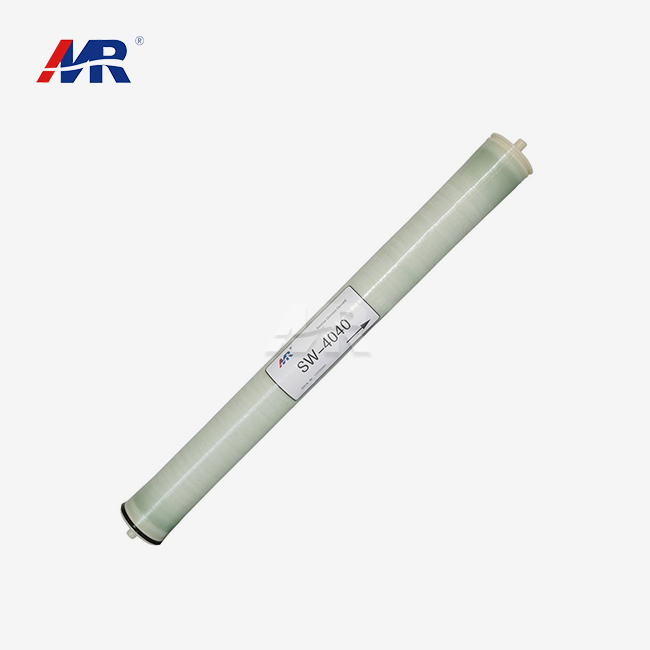
As our scientific understanding of the consequences of pollutants improves, environmental limitations are becoming more stringent. Regulators are increasingly targeting emerging contaminants like PFAS, microplastics, and pharmaceutical residues. The EPA and state authorities sometimes relax their prohibitions on the discharge of nutrients, toxics, and illnesses. More adaptable treatment solutions are being invested in by innovative enterprises that will fulfil more strict standards. Membrane-based systems are flexible, since they often need modifications to membrane elements, rather than structural modifications, to improve performance.
Conclusion
Designing an effective wastewater treatment system demands careful evaluation of wastewater characteristics, technology options, scalability requirements, and lifecycle costs. Successful implementations balance treatment performance with operational efficiency, regulatory compliance, and environmental stewardship. As technologies advance and sustainability expectations rise, systems incorporating membrane bioreactors, smart monitoring, and resource recovery position organisations for long-term success. Partnering with experienced suppliers who provide comprehensive support ensures your investment delivers reliable performance and adapts to evolving needs.
FAQ
1. What differentiates MBR from conventional activated sludge processes?
MBR technology replaces secondary clarifiers with membrane filtration modules, achieving superior effluent quality suitable for reuse. The membrane barrier retains biomass at higher concentrations, enabling smaller reactor volumes—typically 50-60% less footprint than conventional wastewater treatment systems. This compact design benefits space-constrained facilities while producing effluent virtually free of suspended solids and pathogens.
2. How should systems accommodate peak flow variations?
Equalisation tanks buffer influent spikes, providing constant flow rates to biological reactors. These tanks prevent hydraulic overload that disrupts microbial populations and degrades treatment performance. Proper sizing accounts for daily and seasonal flow patterns, ensuring consistent operation during production shifts, weather events, or batch discharge scenarios common in food processing and chemical manufacturing.
3. What maintenance activities require regular attention?
Routine tasks include calibrating sensors for pH, dissolved oxygen, and oxidation-reduction potential to maintain control accuracy. Sludge wasting management prevents biomass accumulation that reduces reactor efficiency. Periodic inspection of blowers, pumps, and mixers identifies wear before failures occur. Membrane systems require chemical cleaning every three to six months to restore flux rates. Establishing maintenance schedules during commissioning prevents neglect that shortens equipment lifespan.
Partner with Morui for Your Wastewater Treatment System Needs
Guangdong Morui Environmental Technology brings two decades of water treatment expertise to challenging industrial and municipal applications. As a wastewater treatment system manufacturer, we deliver turnkey solutions from initial assessment through equipment supply, installation, and commissioning. Our engineers design customised systems handling 50 to 10,000 m³/day across food and beverage, pharmaceutical, textile, chemical, and municipal sectors. With in-house membrane production, partnerships with leading component brands, including Shimge, Runxin, and Createc, and comprehensive service infrastructure spanning 14 branches, we provide reliable support throughout your system's operational life. Contact Our Team at benson@guangdongmorui.com to discuss your specific requirements and receive a detailed proposal addressing your wastewater challenges.
References
1. Metcalf & Eddy, Inc. "Wastewater Engineering: Treatment and Resource Recovery." McGraw-Hill Education, 5th Edition, 2013.
2. United States Environmental Protection Agency. "Clean Water Act Section 301: Effluent Limitations." EPA Office of Water, 2022.
3. Judd, Simon. "The MBR Book: Principles and Applications of Membrane Bioreactors for Water and Wastewater Treatment." Elsevier, 2nd Edition, 2011.
4. Water Environment Federation. "Design of Municipal Wastewater Treatment Plants: MOP 8." WEF Manual of Practice No. 8, 6th Edition, 2018.
5. Crittenden, John C., et al. "MWH's Water Treatment: Principles and Design." John Wiley & Sons, 3rd Edition, 2012.
6. International Water Association. "Towards a Circular Economy in Wastewater Treatment: Energy Recovery and Nutrient Reuse." IWA Publishing, 2020.