

_1745823981883.webp)

Leachate Treatment Plant Process: A Complete Step-by-Step Guide
A membrane">leachate treatment plant process is a sophisticated, multi-stage engineering system designed to address the highly contaminated liquid that percolates through solid waste in landfills. This process integrates physical, chemical, and biological technologies to handle complex pollutants, including high-concentration organic matter, ammonia nitrogen, heavy metals, and inorganic salts. The system tackles critical challenges such as the refractory nature of aged leachate, extreme toxicity that inhibits standard biological activity, and stringent environmental compliance requirements. Understanding this comprehensive treatment workflow enables procurement teams and facility managers to make informed decisions when selecting equipment and system configurations that meet both operational demands and regulatory standards.
Introduction
Leachate is one of the most difficult types of trash to deal with in today's world. This very polluted liquid comes from trash breaking down in dumps. It has heavy metals, ammonia, dissolved organic compounds, and other poisonous chemicals that are harmful to groundwater and ecosystem health. There is more and more pressure on municipal waste facilities, industrial landfills, and hazardous waste sites across the US to find effective treatment solutions that meet EPA rules and state-specific discharge standards.
Our guide covers the important technical and purchasing issues that engineering teams, plant managers, and people in charge of making decisions need to know in order to build or improve leachate treatment infrastructure. We look at the whole treatment process, compare the different tools that are out there, and talk about useful ways to buy things that balance big-ticket purchases with long-term cost savings. This tool helps people involved in managing leachate understand how complicated it is and find low-cost options that meet sustainability goals and legal requirements.
Understanding Leachate and Its Treatment Challenges
What Makes Leachate So Problematic?
Leachate's make-up changes a lot depending on how old the trash is, the weather, and how the dump is managed. Young leachate usually has a lot of biodegradable organic molecules in it (BOD/COD ratios above 0.5), which means that biological treatment is possible. Mature leachate, on the other hand, has biodegradability ratios below 0.1, ammonia levels above 1,000 mg/L, and persistent organic pollutants that can't be treated with normal methods. Because of this, we need flexible, multi-barrier treatment methods that can deal with changing input traits.
Regulatory Drivers for Treatment Investment
Federal and state environmental agencies are making it harder for leachate treatment sites to exceed their disposal limits. The Clean Water Act sets basic rules, but many states have their own rules about things like total dissolved solids, heavy metal amounts, and nutrient runoff. Facilities that send wastewater to city sewer systems must follow pretreatment rules that keep biological processes from getting messed up. People who use direct discharge have to deal with even stricter rules that require more advanced treatment technologies. Not following the rules can lead to big fines, shutting down operations, and damage to your image that goes beyond the instant financial costs.
Key Technical Obstacles
Treatment difficulty is caused by a number of natural factors. High levels of ammonia stop normal nitrification processes from working, so they need to be addressed through specialised biological methods or chemical treatments within the leachate treatment plant process. Heavy metals and stubborn organic compounds don't break down naturally, so we need more advanced oxidation or membrane separation technologies. Changes in the amount and strength of leachate that happen with the seasons make system design difficult and require strong operating flexibility. When these factors come together, they create situations where regular methods for treating municipal wastewater don't work, which increases the need for specialised technical solutions and tools made just for those situations.
Step-by-Step Breakdown of Leachate Treatment Plant Process
The complete treatment process usually goes through five main stages. Each stage targets a different type of pollution and gets the wastewater ready for the next stage of treatment.
Preliminary Treatment and Solids Removal
The first step in treatment is coarse screening, which gets rid of big pieces of trash, plastic, and floatable things that could damage equipment further down the line. These things get caught by bar screens with 10–25 mm gaps, which protects pumps and other mechanical systems. The next step is flow equalisation, which uses holding tanks to smooth out changes in the amount of leachate coming in and keep the feed rates steady for biological treatment units. In this step, gravity settlers or dissolved air flotation systems may be used to separate the oil and grease. This is especially important when handling leachate from industrial waste sites. Here, too, the pH is changed to bring the highly acidic or alkaline leachate into areas that are good for living things, usually between 6.5 and 8.5.
Biological Treatment Systems
Most facilities that deal with leachate that is young to medium-aged use biological treatment as their main method. For aerobic processes, activated sludge systems, sequencing batch reactors, or moving bed biofilm reactors are used to grow microbial populations that can break down organic compounds and nitrify ammonia to nitrate. When biodegradable organics make up most of the waste stream, these devices get rid of a lot of COD and BOD. Anaerobic treatment methods work well with strong leachate because they use methanogenic bacteria to turn organic matter into biogas while lowering the amount of energy needed for treatment. In more advanced designs, there are anoxic zones that allow denitrification, which is the process by which nitrate changes into nitrogen gas. This gets around the problem of total nitrogen release limits that many sites face.
Chemical Treatment and Advanced Oxidation
Chemical cleaning steps go after toxins that can't be broken down by living things. Using aluminium sulphate, ferric chloride, or polymer flocculants in coagulation and flocculation processes makes colloidal matter and floating particles less stable, which lets them be removed by sedimentation or flotation. Powerful oxidising agents, like ozone, hydrogen peroxide with UV light, or Fenton's reagent, are used in advanced oxidation processes to break down tough organic compounds into simpler molecules that are easier for living things to break down. These methods work especially well for treating old leachate with low BOD/COD ratios. They make treatment more effective overall and help sites meet strict release standards for components that are hard to treat.
Membrane Filtration Technologies
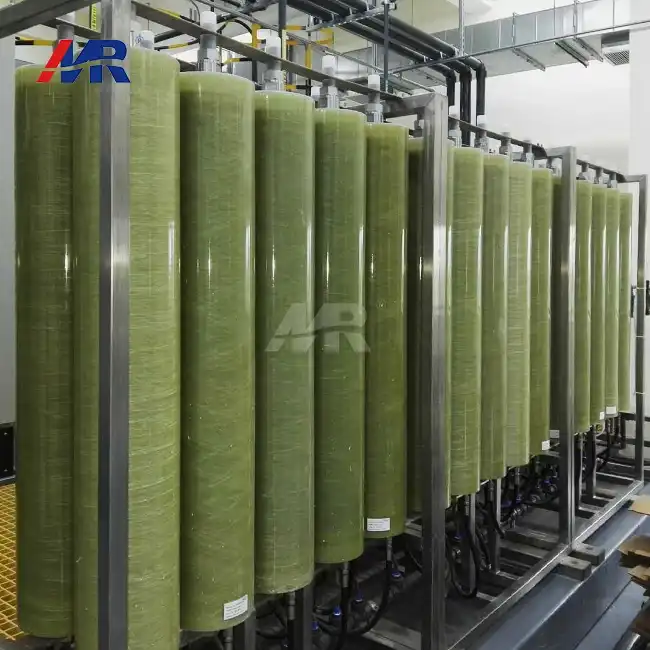
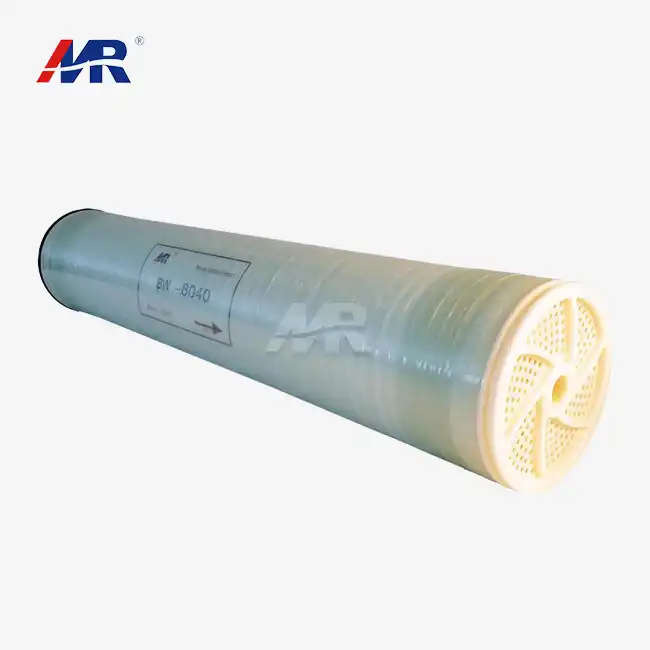
Membrane systems are very good at separating inorganic salts, dissolved organics, and suspended solids, making them a critical part of the leachate treatment plant process. Ultrafiltration (UF) membranes with pores that are between 0.01 and 0.1 microns in size remove solids in suspension, bacteria, and viruses. They also make high-quality permeate that can be used again or treated further. Reverse osmosis (RO) is the most advanced membrane technology. It uses semi-permeable membranes that work at high pressures to remove dissolved salts, heavy metals, and biological matter that is still present. RO systems can get rid of 95–99% of all dissolved solids, which makes the permeate water quality close to that of pure water. Membrane bioreactor (MBR) designs combine biological treatment with membrane filtering in a single small system. This takes advantage of the best parts of both methods while requiring much less space than traditional treatment trains.
Final Polishing and Discharge
The last stages of treatment make sure that all discharge parameters are met. With granular activated carbon columns or powdered activated carbon addition, residual organic compounds, colour, and smell-causing substances can be removed by adsorption. Ion exchange systems can get rid of some solid pollutants, like heavy metals or leftover ammonia. Pathogenic bacteria are killed by disinfection with chlorine, UV light, or ozone before release. Monitoring systems check the quality of effluent constantly across a number of factors. If the quality isn't met, the systems instantly change the treatment processes or divert non-compliant water for re-treatment. This makes sure that regulations are followed and operations are run as efficiently as possible.
Comparison of Leachate Treatment Technologies for B2B Procurement Decisions
Biological Systems: Aerobic vs. Anaerobic
For soluble leachate with BOD/COD ratios above 0.3, aerobic treatment methods work reliably. With moderate capital costs ranging from $200 to $500 per cubic metre of daily treatment capacity, these systems are able to remove 85 to 95% of organic matter. When dealing with the right kinds of waste, operating costs stay acceptable, but 40 to 60 percent of running costs go to energy use for aeration. When dealing with high-strength leachate that has more than 5,000 mg/L COD, anaerobic systems are better because they produce biogas that covers energy costs and cuts sludge production by 60–80% compared to aerobic systems. Capital costs are a little higher, at $300 to $600 per cubic metre of capacity, but lower operating costs and energy return make the lifetime economics good for some uses.
Membrane Bioreactors vs. Conventional Treatment
Membrane bioreactor technology combines ultrafiltration and biological treatment in one system that takes up 30–50% less space than regular activated sludge setups. MBR systems make better wastewater with generally low levels of suspended solids and turbidity, which makes it easier to clean further down the line. Capital investment is 20–35% higher than with traditional systems, but room savings, lower chemical use, and controlled operation often make up for the extra cost for sites that don't have a lot of land or need small solutions. Conventional treatment still has benefits like being easy to use, being known to operators, and having lower membrane repair costs. This makes it a good choice for facilities that want to make operations as simple as possible and make sure they have enough room.
Advanced Oxidation and RO Selection Criteria
Advanced oxidation methods work well for places that have to deal with old waste that has tough chemical profiles that are hard for living things to break down. In the leachate treatment plant process, ozone systems need a lot of money to set up ($500 to $800 per cubic metre), but they use fewer chemical reagents and have lower operating costs than Fenton processes. Reverse osmosis is the best way to get rid of contaminants, and the permeate it makes is good for zero-liquid discharge uses or strict direct discharge situations. RO capital costs range from $800 to $1,500 per cubic metre of capacity, depending on the characteristics of the feed water and the recovery rate. Concentrate management is a very important issue that needs to be dealt with in a way that doesn't harm the environment, and this can be done by evaporation or crystallisation technologies.
Conclusion
To treat leachate, you need complex, multistage processes that use biological, chemical, and physical technologies that are tuned to the waste's properties and the rules for release. To make implementation work, you need to carefully choose the technologies you use, keeping in mind the costs of capital, running the business, and making sure the systems work reliably, all while planning for changes in regulations and future capacity needs. When procurement teams know about the whole treatment workflow, they can better evaluate vendor offers, define the right equipment configurations, and negotiate good terms that will support long-term operating success. Because managing leachate is so complicated, it's very helpful to work with reputable makers that can provide tested technologies, full support services, and the technical know-how to easily handle difficult treatment situations.
FAQ
1. What biological treatment method works best for landfill leachate?
The best biological approach depends on how old the leachate is and what it is made of. When the BOD/COD ratio of young leachate is above 0.4, activated sludge systems or sequencing batch reactors work well to get rid of 80 to 90% of the organic matter. To deal with stubborn compounds and high ammonia levels that are hard for regular processes to handle, mature leachate needs more advanced setups that include longer aeration periods, nitrification-denitrification cycles, or mixed systems that combine biological treatment with chemical oxidation.
2. How long does leachate treatment plant installation typically require?
Project timelines are very different depending on how complicated the system is and how the site is set up. For facilities that treat 50 to 200 cubic metres of waste every day, modular systems usually take 4 to 6 months from the arrival of equipment to the end of commissioning. Larger turnkey systems that handle 500 cubic metres or more per day may take 12 to 18 months to complete, which includes thorough planning, civil building, equipment manufacturing, installation, and optimisation for startup. Getting vendors involved early in the planning process speeds up delivery by making specs clearer and streamlining the procurement process.
3. Can leachate treatment systems accommodate hazardous waste applications?
Specialised designs are used to deal with dangerous waste leachate that has high levels of heavy metals, toxic organics, or other difficult components. These systems have extra hurdles for treatment, like advanced oxidation, improved chemical precipitation, or specialised ion exchange resins that target particular contaminants. Before a full-scale application, thorough pilot testing makes sure that the treatment method works. This makes sure that it meets regulatory requirements and finds the best tools and working conditions for the waste at the site.
Partner with Morui for Reliable Leachate Treatment Solutions
To set up leachate management systems that work, you need partners with a lot of experience who can combine technical know-how with a wide range of equipment and quick support services. In the United States and around the world, Guangdong Morui Environmental Technology specialises in custom water treatment solutions for public sites, industrial operations, and specialised waste management needs. Our engineering team creates complete systems that include biological treatment, membrane filtration, advanced oxidation, and final polishing stages that are best for your leachate and how it needs to be discharged.
We are an experienced leachate treatment plant process manufacturer with multiple equipment processing facilities and the ability to make membranes in-house. We offer turnkey and modular solutions and have a lot of experience using them in a wide range of industries. We have relationships with some of the best component makers, like Shimge Water Pumps, Runxin Valves, and Createc Instruments. These partnerships make sure that our equipment works well and that it's easier to keep up. We offer full installation and commissioning services, as well as ongoing Technical support and maintenance agreements to protect your operational investment.
Get in touch with our technical experts at benson@guangdongmorui.com to talk about your leachate treatment problems and find custom solutions that meet regulations, improve operational efficiency, and protect the environment over time.
References
1. Renou, S., Givaudan, J.G., Poulain, S., Dirassouyan, F., and Moulin, P. (2008). "Landfill Leachate Treatment: Review and Opportunity." Journal of Hazardous Materials, Volume 150, Issue 3, Pages 468-493.
2. Kulikowska, D., and Klimiuk, E. (2008). "The Effect of Landfill Age on Municipal Leachate Composition." Bioresource Technology, Volume 99, Issue 13, Pages 5981-5985.
3. Zhao, R., Gupta, A., Novak, J.T., Goldsmith, C.D., and Driskill, N. (2013). "Characterisation and Treatment of Organic Constituents in Landfill Leachates that Influence the UV Disinfection." Water Environment Research Foundation Technical Report.
4. Amokrane, A., Comel, C., and Veron, J. (1997). "Landfill Leachate Pretreatment by Coagulation-Flocculation". Water Research, Volume 31, Issue 11, Pages 2775-2782.
5. Chian, E.S.K., and DeWalle, F.B. (1976). "Sanitary Landfill Leachates and Their Treatment." Journal of the Environmental Engineering Division, ASCE, Volume 102, Issue EE2, Pages 411-431.
6. United States Environmental Protection Agency (2014). "Review of Emerging Technologies for the Treatment of Landfill Leachate." Office of Research and Development, EPA Publication 600/R-14/077.
 VIEW MOREseawater treatment plant
 VIEW MORELandfill Leachate Treatment System
 VIEW MOREreverse osmosis membrane
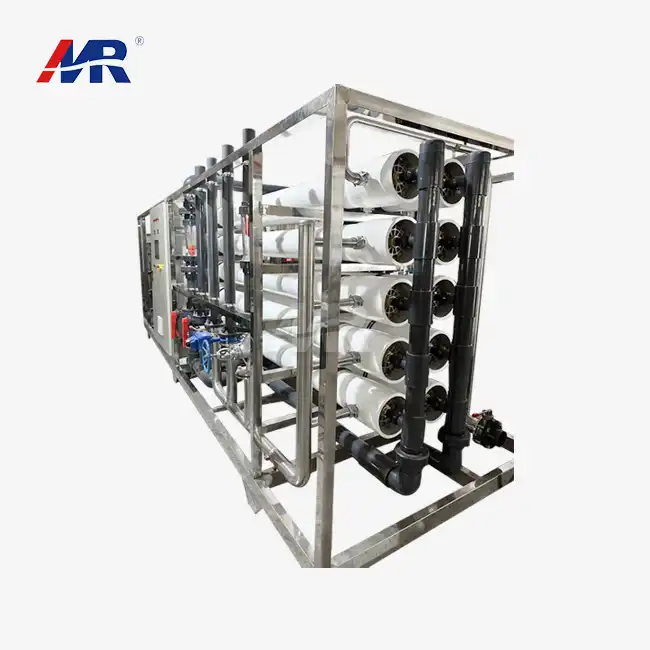 VIEW MORE50m3/hour reverse osmosis equipment
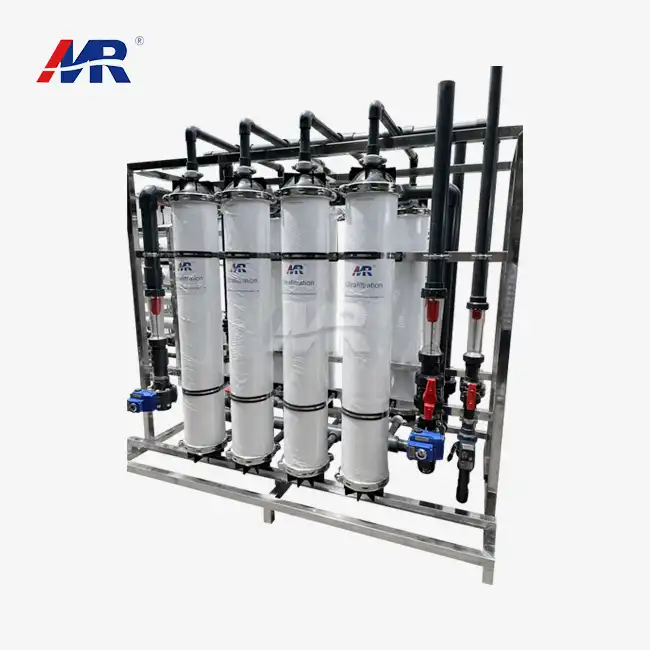 VIEW MORE15T/H ultrafiltration system
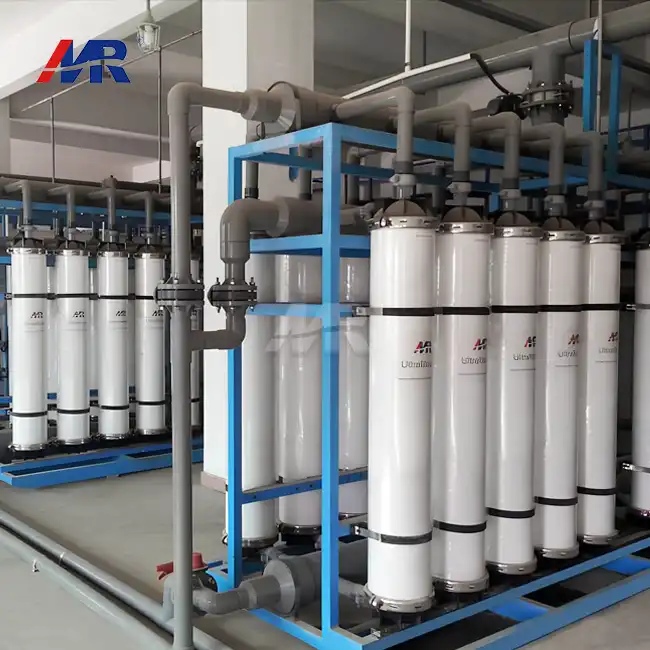 VIEW MORE20m3/hour ultrafiltration equipment
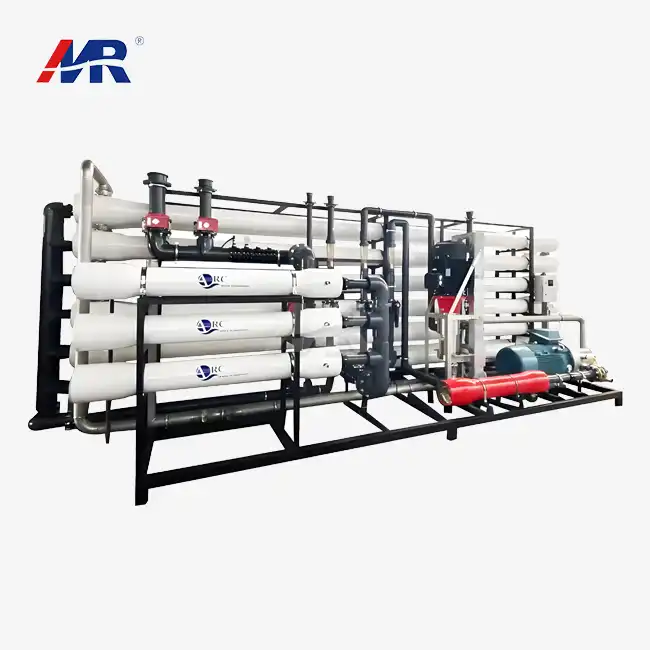 VIEW MORE25m3/hour seawater desalination plant
 VIEW MORE80 40 ro membrane
