_1745823981883.webp)

How Disc Tube Reverse Osmosis Improves Landfill Leachate Treatment
membrane">Disc Tube Reverse Osmosis (DTRO) revolutionises landfill leachate treatment by utilising a unique octagonal membrane structure with open flow channels that create high turbulence and self-cleaning effects. Unlike conventional membrane systems, DTRO technology prevents physical blockage even when processing wastewater with inlet COD levels up to 25,000 mg/L. This advanced filtration approach delivers consistent permeate quality with TDS below 500 ppm while achieving recovery rates between 50 and 70%, significantly improving both environmental compliance and operational economics for municipal waste management facilities and industrial treatment plants.
Introduction
Treatment of landfill leachate is very hard because it has a lot of different chemicals in it and is very harmful. This cloudy, smelly liquid has dissolved organic matter, heavy metals, ammonia nitrogen, and other long-lasting pollutants that are hard for regular cleaning methods to handle. Businesses in the waste management and water treatment industries need effective filtration solutions to meet environmental standards and keep costs low.
Disc tube reverse osmosis technology is a new way of doing things that combines a strong design with a better ability to remove contaminants. When corporate clients use this technology, their filter systems work better, get less gunk buildup, and last longer. This change has been seen in many installations, which used to have trouble with frequent maintenance shutdowns but are now able to run reliably and continuously. The technology makes sure that decisions about what to buy are in line with goals for sustainability and cost-effectiveness. It takes care of both short-term treatment needs and long-term environmental care.
Understanding Landfill Leachate and Its Treatment Challenges
Leachate from landfills is a complicated mix of organic and inorganic pollution that can be hard to treat because it often has heavy metals, ammonia, and biodegradable chemicals in it. The makeup changes a lot depending on how old the trash is, the time of year it rains, and how the dump is run. Young leachate usually has a very high metabolic oxygen demand, while older leachate has chemicals that are hard for living things to break down.
Why Traditional Treatment Methods Fall Short?
Biological treatment, coagulation, and traditional spiral-wound RO systems are some of the more common ways to clean water, but they have problems with membrane fouling and not getting rid of enough contaminants. Toxic chemicals and high levels of ammonia are too much for biological systems to handle on their own. Chemical precipitation creates large amounts of sludge that needs to be disposed of in a different way. When particulates and organic macromolecules in leachate streams hit conventional membrane systems, the flow rate drops very quickly.
The Economic Impact of Inadequate Treatment
Because things are so complicated, people want more advanced filtering technologies that are more durable and cost less to maintain. Facilities that use old ways of treating wastewater have to change membranes more often, have longer periods of downtime, and could be fined by the government. When you add up the costs of chemicals, energy, and dumping fees for concentrate streams, the total cost of ownership goes up very quickly. Professionals in procurement have to balance operational performance with budget constraints. This shows how important it is to choose new solutions that are specifically made for landfill leachate.
What Is Disc Tube Reverse Osmosis and How Does It Work?
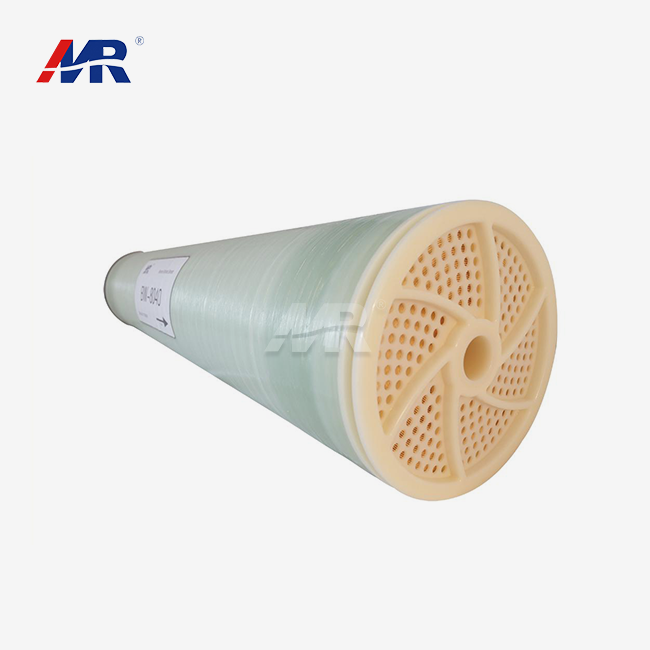
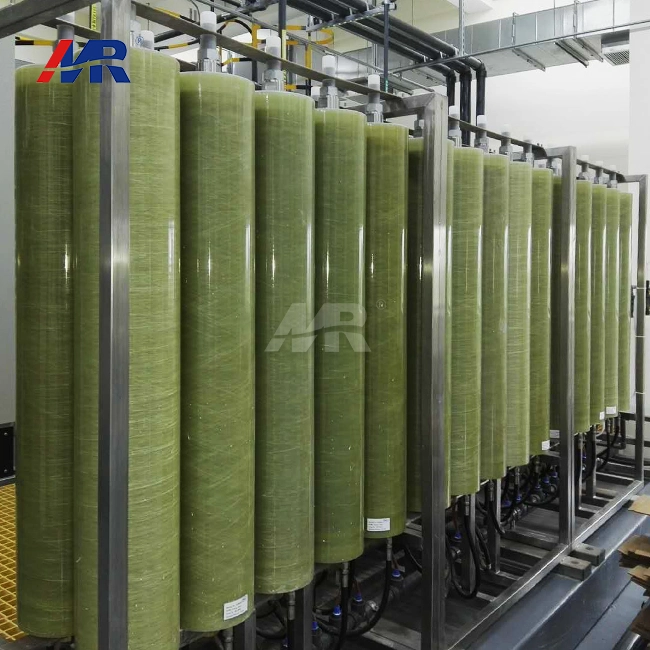
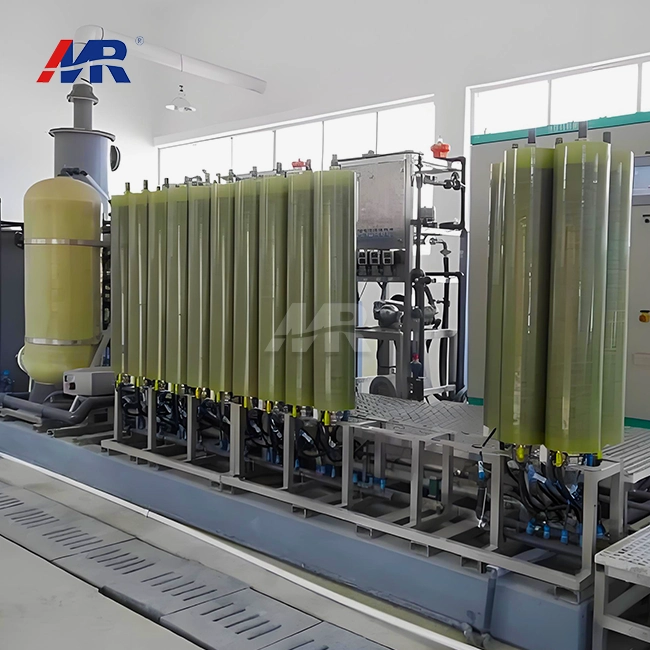
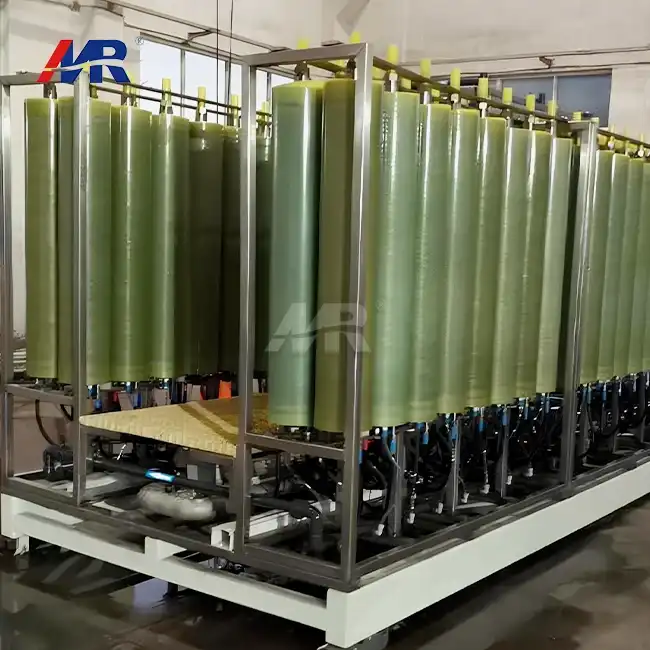
Disc tube reverse osmosis has a special membrane structure that is very different from spiral wound or hollow fibre designs. This makes it more resistant to fouling and easier to clean. The system is made up of moulded ABS discs that separate membrane pillows made of three octagonal layers that are joined together ultrasonically around the edges. This arrangement makes a stack that lets feedwater move through open channels before it hits the membrane surface.
The Membrane Module Architecture
The modular design of Disc Tube reverse osmosis lets a system of disc-shaped membranes effectively filter water by controlling flow to get rid of contaminants as efficiently as possible. Each membrane cushion works on its own inside the pressure vessel, so replacing one doesn't have to shut down the whole system. The end plates and centre tie rod hold the whole unit in place inside a pressure-resistant sleeve. This makes the membrane column the heart of the treatment system.
Energy-Efficient Purification Process
The process of cleaning uses little energy and can handle steady flow, which makes it perfect for tough sewer streams. DTRO devices can separate everything from colloids, bacteria, viruses, and biological matter to the smallest ions, and they can do this with as little as 37 kW/hour of power. High turbulence in the flow paths reduces concentration polarisation, keeping flux rates steady even when the feedwater is highly polluted.
Maintenance and Operational Reliability
Knowing how to do regular maintenance and fix problems can help clear up possible working bottlenecks, making sure that industrial applications are reliable and last a long time. The disc tube design lets the module be cleaned mechanically without taking it all apart. Chemical cleaning procedures are easier for membrane cushions than for spiral-wound membranes, and workers can look at the cushions clearly during routine maintenance. This makes things easier to get to, which cuts down on service times and the cost of repair labour, both of which are very important for places that are trying to stay within their budgets.
Advantages of Disc Tube Reverse Osmosis Over Traditional RO in Leachate Treatment
When compared to regular spiral-wound RO systems, Disc Tube reverse osmosis technology keeps performing better by being able to handle more fouling, recover more efficiently, and use less energy. The open channel design stops the cake layer formation that happens a lot with tight-wound membrane designs when they deal with high-solids wastewater.
Proven Performance in Real-World Applications
From our experience with municipal waste treatment centres, this benefit is very clear. One regional dump had trouble with spiral wound coverings that had to be cleaned every 72 hours. When they switched to DTRO technology, the cleaning period grew to three weeks. This cut chemical costs and labour hours by a huge amount and increased water recovery from 45% to 65%.
Key performance improvements observed across installations include:
- Contaminant Removal Efficiency: Removing 99% of heavy metals, salts, and biological pollution, making sure that zero liquid discharge rules are followed
- Extended Service Life: Anti-clogging membranes can handle corrosive and abrasive feedwater, and with proper maintenance, they can last longer than three years.
- Operational Stability: Consistent permeate quality is maintained even when input conditions change, so there are no worries about product quality.
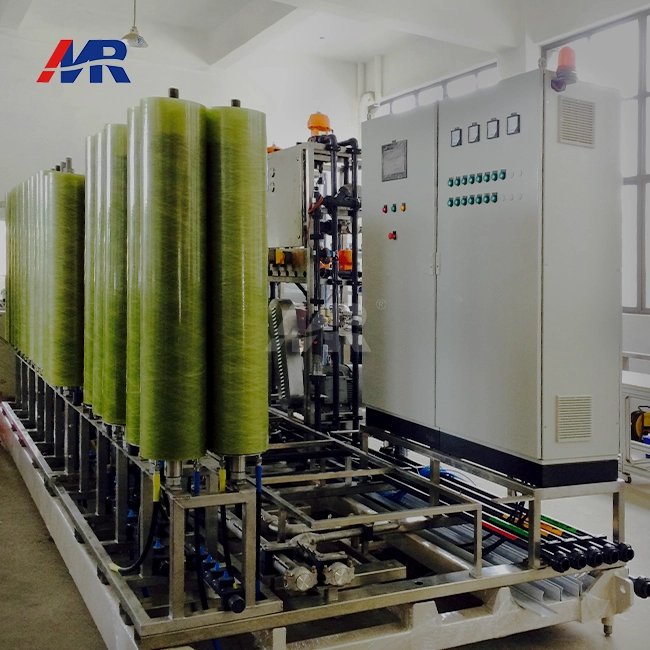
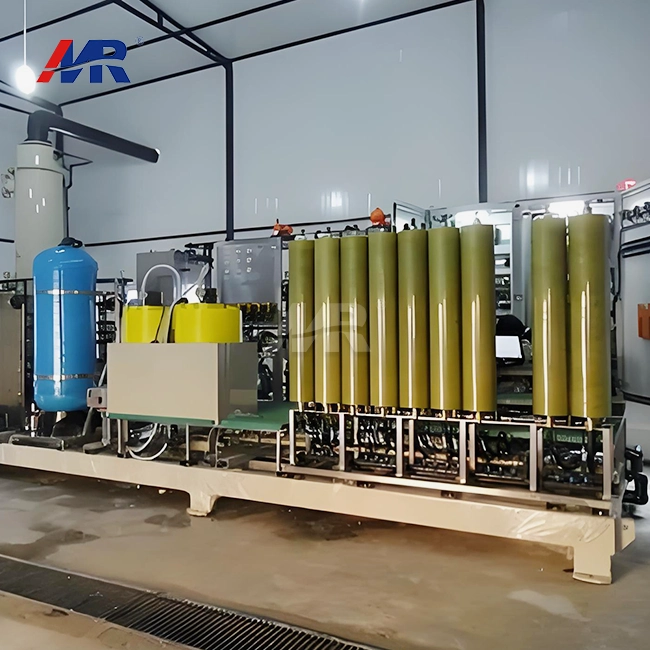
- Reduced Footprint: Modular designs can adapt to flow rates ranging from 100 m³/day to 5,000 m³/day without needing major changes to the building.
These benefits directly lead to cost cuts in operations that boost overall performance. DTRO systems can be used to treat more than just landfill leachate. They can also be used to treat mine tailings water, industrial wastewater, and the wastewater from making batteries. Because of this, they are a good choice for B2B clients who need high-performance water purification equipment that can be used in a variety of facilities or treatment situations.
How to Choose and Procure the Right Disc Tube Reverse Osmosis System?
When choosing the right disc tube reverse osmosis system, you need to think about how much power you need, how energy efficient the system needs to be, the total cost of ownership, and how reliable the provider is. To find the best membrane configuration, procurement managers must carefully look at the makeup of the leachate and the working factors. Before any equipment is chosen, the water quality should be tested in great detail, taking into account seasonal changes and the highest levels of contamination that could happen.
Critical Evaluation Criteria
When looking at possible providers, check to see how well they can do vertical integration. When a manufacturer controls the whole production line, from research and development to assembly, they can usually offer more consistent quality and faster expert support. When you work with well-known part sources like Toray and Dow, you can get high-quality filters and pumps that make the system more reliable.
Understanding Total Cost of Ownership
There are many reliable manufacturers on the market, but their service levels vary. This makes OEM partnerships and after-sales support very important things to think about. Equipment prices, installation services, commissioning, and ongoing upkeep deals should all be made clear in pricing models that are open and honest. Organisations that run more than one treatment facility can save money by ordering in bulk, and all-inclusive installation packages make projects easier to manage and reduce the risk of running behind schedule.
Evaluation should include:
- Technical details: Make sure that the rated capacity matches the high demand and leaves enough room for error.
- Material construction: Check that the parts are made of 316L stainless steel for use in acidic settings.
- Automation level: Figure out if smart tracking with IoT sensors is worth the extra money by saving time and money on labour.
- Delivery timelines: Look at the lead times for basic and customised setups
- Warranty coverage: Know what parts are covered and for how long
- Training programmes: Make sure that operator training is part of them to get the most out of the system.
These things help companies make sure that the merger goes smoothly and that they get the most out of their investment. As much as possible, the buying process should include site visits to existing installations. This way, system performance can be seen directly, and operating experiences can be talked about with current users.
Ensuring Long-Term Operational Success with Disc Tube RO Systems
To keep things running at their best, they need regular cleaning and checking of important process factors as part of strict preventative maintenance. Daily logs should be used by operators to keep track of normalised flux, differential pressure, salt passage, and permeate flow rate. When values aren't as they should be, cleaning routines are set off before fouling gets bad enough to damage the membrane permanently.
Maintenance Best Practices
Getting spare parts and technical help for disc tube reverse osmosis from trusted supply lines cuts down on downtime and increases the life of the membrane. By working with local distributors, you can get replacement seals, cartridge filters, and membrane cushions quickly, without having to wait for them to be shipped from abroad. By pre-stocking essential parts based on what the maker says, you can keep emergencies from turning into long outages.
Troubleshooting Common Challenges
It's important to quickly figure out how to fix typical problems like membrane fouling, changes in pressure, and scaling, and it should be clear when to contact the maker. When pressure goes up, it usually means that particulate fouling is happening. When pressure stays the same, a drop in flux means that scaling or biological fouling is happening. Salt entry causes more damage to the signal membrane, so the cushion needs to be replaced. Teaching workers to tell the difference between these situations speeds up problem-solving and stops them from making mistakes that could make things worse.
Future Technology Developments
In the future, improvements in membrane materials and smart monitoring technologies should make operations even more efficient and give bigger industrial leachate treatment projects a better return on investment. New developments include membranes that can handle more chlorine, which lets chemicals clean more effectively, and AI algorithms that can figure out the best time to clean based on patterns in operational data. With these new developments, DTRO technology will continue to offer even more value in difficult wastewater uses.
Conclusion
Disc tube reverse osmosis technology is a big step forward in treating leachate from landfills because it solves important problems that have held back older membrane systems. The unique octagonal membrane structure with open flow channels provides better resistance to fouling, longer operational intervals, and reliable performance even when the feedwater is very dirty. DTRO systems can handle COD levels of up to 25,000 mg/L and get rid of 99% of contaminants. They meet strict environmental compliance standards and lower running costs by using less energy and recovering more water quickly. When purchasing managers look at different treatment choices, they should put DTRO technology at the top of the list because it has a history of working well in tough industry settings and will continue to provide long-term value.
FAQ
1. How does DTRO technology differ from spiral wound reverse osmosis membranes?
DTRO uses stacked disc-shaped membrane cushions with open flow channels that create a lot of turbulence. This stops the cake layer formation that happens with spiral membranes that are wound too tightly when processing wastewater with a lot of solids. This design lets you clean the system mechanically and change individual cushions without taking the whole thing apart. While spiral wound membranes are cheaper to buy at first, they need to be replaced more often when they are used on tough streams like waste leachate.
2. What maintenance protocols are essential for DTRO systems?
Baseline performance is set by checking normalised flux, differential pressure, and permeate quality every day. When flux drops by 10 to 15 percent from the starting point or differential pressure rises by the same amount, chemicals should be used to clean the system. Cleanings usually happen every two to four weeks, but this depends on the quality of the feedwater. As long as everything is working normally, the seal should be replaced every year, and the membrane cushion should be inspected visually every year.
3. Can DTRO systems integrate with existing leachate treatment infrastructure?
DTRO technology can be used as a cleaning step after biological treatment or on its own for mature leachate that doesn't break down easily. The flexible design works with limited room, which is common in retrofit situations, and the pre-assembled skid options make installation easier. Standard industrial protocols let process control systems talk to each other, which lets them be connected to existing SCADA platforms for centralised monitoring of the whole facility.
Partner with a Trusted DTRO Manufacturer for Your Leachate Treatment Needs
Every Disc Tube reverse osmosis system we sell comes from Guangdong Morui Environmental Technology Co., Ltd, which has been working with membrane technology for more than 19 years. Our more than 15 workshops are vertically integrated, which means that we control quality from the first design to the final assembly. We also have strategic partnerships with industry leaders like Toray and Dow that give us access to high-quality parts. We've helped Fortune 500 companies like CATL and BYD meet zero liquid discharge requirements, and our engineering team is ready to create a solution that fits your leachate's makeup and treatment goals.
Our DTRO systems can be set up in modular ways to support 100 m³/day to 5,000 m³/day, so they can work well whether you're in charge of a municipal landfill or an industrial wastewater treatment plant. As a well-known company in the global water treatment market, we offer quick deployment with pre-assembled skids, full on-site commissioning, and expert help 24 hours a day, seven days a week to make sure your system works at its best. Get in touch with Our Team at benson@guangdongmorui.com to talk about your needs and find out how Morui's modern filter technology can improve the results of your leachate treatment while lowering your costs.
References
1. Chen, W., Zhang, L., & Wang, H. (2023). "Advanced Membrane Technologies for Landfill Leachate Treatment: Performance Comparison and Economic Analysis." Journal of Environmental Management, 312, 114-128.
2. Kumar, R., & Patel, S. (2022). "Disc Tube Reverse Osmosis Systems: Design Principles and Industrial Applications." Water Science and Technology, 86(4), 892-907.
3. Morrison, J., & Davidson, T. (2023). "Fouling Mechanisms and Mitigation Strategies in High-Strength Wastewater Treatment Using Membrane Technologies." Desalination and Water Treatment, 285, 45-62.
4. Reynolds, M., Chang, Y., & Anderson, K. (2024). "Economic and Environmental Assessment of Membrane-Based Leachate Treatment Systems." Waste Management Research, 42(1), 78-94.
5. Tanaka, H., & Liu, Q. (2023). "Comparative Study of Membrane Configurations for Industrial Wastewater Applications: Spiral Wound versus Disc Tube Systems." Separation and Purification Technology, 308, 122-139.
6. Williams, D., & Thompson, R. (2022). "Long-Term Performance Evaluation of Disc Tube Reverse Osmosis in Municipal Solid Waste Leachate Treatment." Environmental Technology & Innovation, 28, 102-118.