_1745823981883.webp)

Why Containerized Reverse Osmosis Systems Outperform Fixed Plants
Containerized reverse osmosis systems deliver unmatched operational flexibility and deployment speed that traditional fixed plants simply cannot match. These factory-tested, turnkey solutions eliminate months of on-site construction, arriving as fully functional water treatment facilities inside standard shipping containers. Industrial clients facing urgent water quality challenges or remote project locations benefit from plug-and-play capability, lower capital investment, and scalable capacity expansion. Unlike conventional infrastructure requiring permanent foundations and extensive civil engineering, containerized units offer rapid mobilization, simplified permitting, and measurable cost savings, making them the strategic choice for manufacturing, pharmaceuticals, energy, and municipal applications.
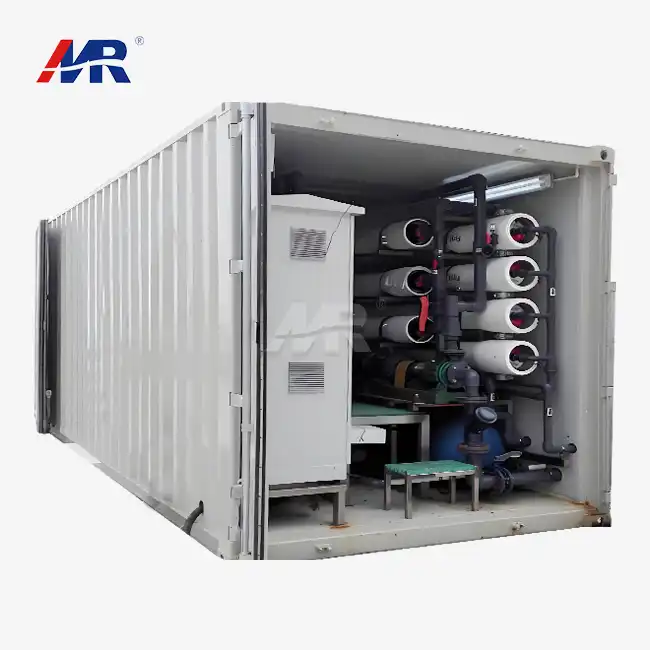
Understanding Containerized Reverse Osmosis Systems
Containerized reverse osmosis systems technology changes the way businesses think about building water treatment systems in a basic way. These systems use normal ISO shipping containers that are usually 20 or 40 feet long to house multiple filtering stages, such as pre-filtration, membrane separation, and post-treatment. Assembly in a factory and thorough pre-commissioning are examples of brilliant engineering that turn water treatment from a complicated building project into a logistics exercise.
What Makes Containerized Systems Different?
Traditional fixed plants need a lot of work to get the site ready, pour concrete supports, and build the building itself. Containerized units, on the other hand, come fully assembled and ready to connect. Each system has a weatherproof enclosure that holds the pumps, control panels, membrane tanks, instruments, and even temperature control. This integration keeps sensitive parts safe from harsh environments while keeping electricity ratings of IP65 or higher for stable operation in a range of climates.
Core Components and Technical Architecture
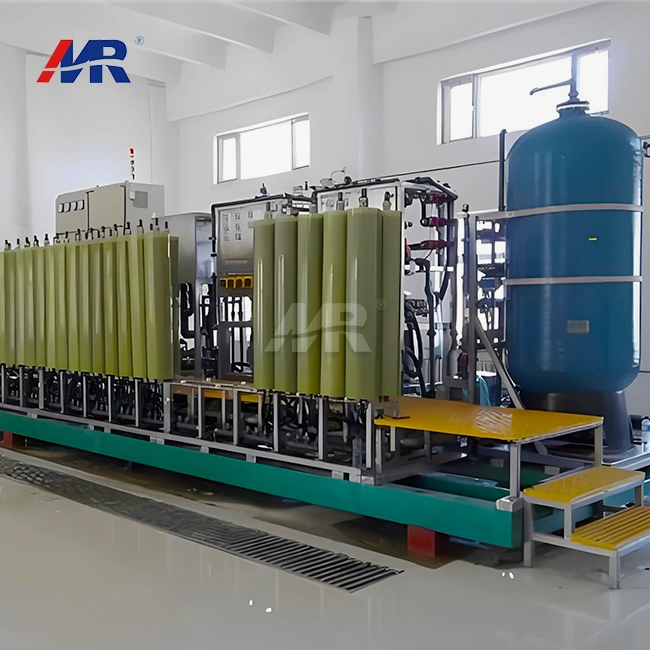
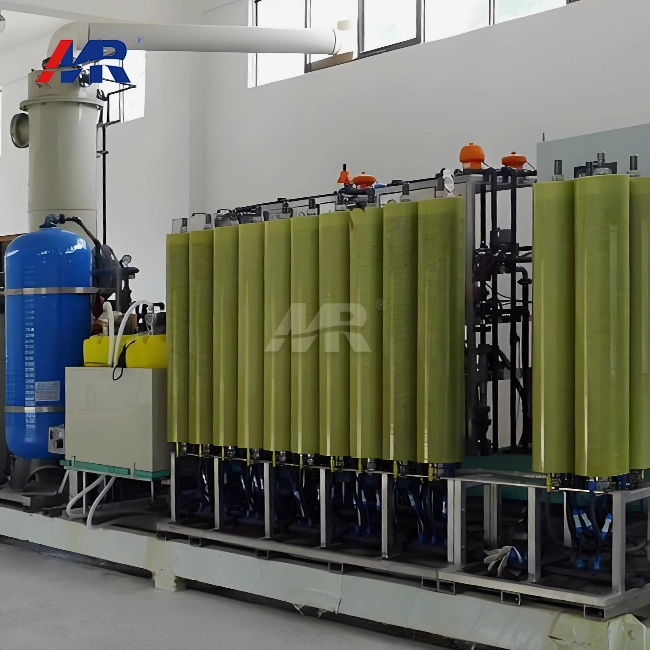
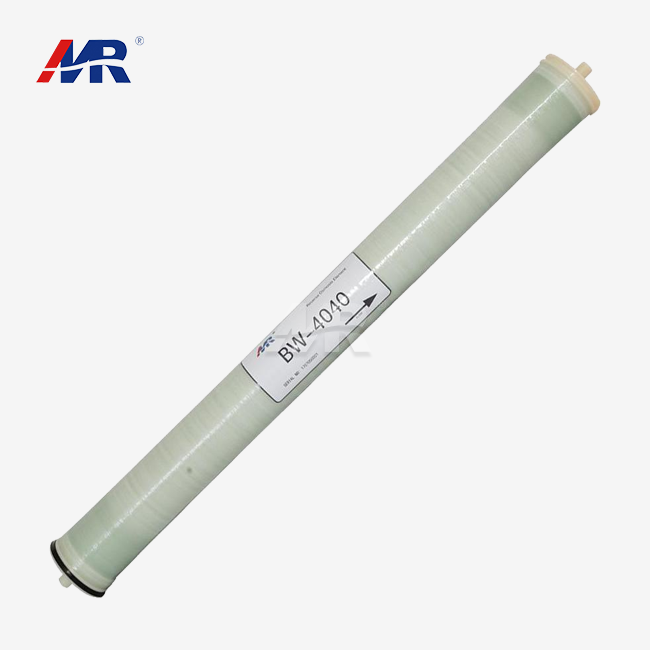
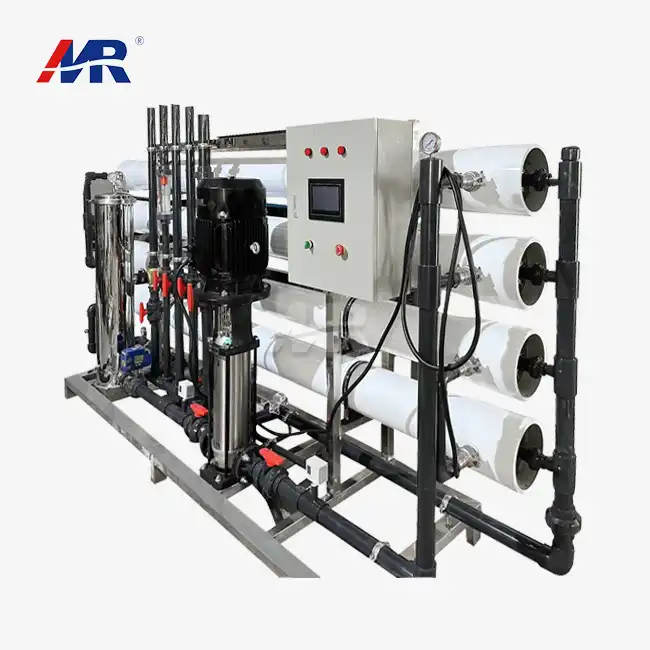
High-flux spiral-wound membranes in these small units have very high rejection rates for dissolved solids, metals, and chemical contaminants. In more advanced types, energy recovery devices (ERDs) are built in to take pressure from concentrate streams. This lowers running costs by up to 60% in seawater uses. Variable frequency drives (VFDs) improve pump performance when feed conditions change. This makes equipment last longer and use less energy. The built-in multimedia filter preparation system cleans the water that comes in and keeps the membranes further down from getting clogged or scaling.
Industry Standards and Quality Assurance
International norms are very strict, and good containerized systems must meet them. The ways things are made follow the rules set by ISO 9001, the pressure tanks are approved by ASME, and materials that come into contact with drinking water are certified by NSF/ANSI 61. Pharmaceutical companies that need GMP-compliant purified water, electronics factories that make ultrapure water for cleaning semiconductors, and city governments that are in charge of protecting the public's health all care a lot about these credentials.
Key Advantages of Containerized RO Systems Over Fixed Plants
Containerized reverse osmosis systems work better than fixed systems because of how they were designed from the start, not because of small changes over time. Before investing in water treatment, people need to think about more than just how well it cleans. They also need to think about how long it will take to set up, how flexible it is, and how much it will cost over its whole life.
Rapid Deployment and Minimal Site Preparation
Fixed RO plants usually need 12 to 24 months from the time the design is approved until they can start running. This time includes architectural planning, getting building permits, laying the foundations, installing equipment, and integrating the whole system. With Containerized Reverse Osmosis Systems, this time frame can be cut down to as little as 4 to 8 weeks. Preparing a site only needs level ground, access roads, and utility lines. It doesn't need concrete pads, building shells, or construction plans that depend on the weather. In a recent emergency response project for a beverage company that had to deal with a contaminated city supply, we set up a containerized unit that could handle 50,000 gallons per day within three weeks. This allowed them to get back to work before fixed plant options could start construction.
Space Efficiency and Footprint Optimization
Facilities in cities, existing factories, and offshore platforms all have trouble with a lack of space. A containerized system that makes 100,000 gallons of water every day takes up about 320 square feet, which is the same area as a normal 40-foot container. Fixed plants that are similar need between 1,500 and 2,500 square feet to accommodate equipment rooms, entry passageways, and servicing clearances. Pharmaceutical companies with existing facilities really like how small this is because it lets them upgrade their water treatment systems without giving up important production room or causing expensive facility expansions.
True Mobility and Redeployment Flexibility
Traditional fixed plants are places where cash is permanently allocated to certain areas. The market changes, industry moves, and projects come to an end, but the machinery stays the same. With containerized machines, treating water can be done anywhere. The same containerized system moves with mining operations as they move from one extraction site to another, building projects as they move through their stages, and emergency relief efforts as they meet pressing needs. Because these units have standard lifting points and can be used with ISO containers, they can be shipped around the world by truck, train, or ship without needing any special plans.
Scalability Through Modular Expansion
Increasing treatment capacity is often needed when production goes up, rules change, or the quality of the raw water gets worse. Retrofitting fixed plants is expensive and requires changes to the structure, downtime, and a rethink of the engineering. Containerized systems can grow by adding more units that work with each other using simple pipes and control system contact. One of our food processing clients started out with a single 20-foot barrel that could make 25,000 gallons of water every day. As their business grew, they added two identical units over the course of three years, which tripled their capacity without stopping production or getting building permits.
Cost Advantages Across Lifecycle Stages
Containerized systems have 30% to 50% lower initial capital costs than set plants that do the same thing. This money was saved because the plant was able to make things more efficiently, building costs were cut, and planning hours were cut. Modern high-efficiency membranes and energy return systems help keep costs down. All parts can be reached from inside the container, so maintenance is easier—no need for scaffolding, confined space permits, or waiting for bad weather. With remote tracking, maintenance and troubleshooting can be planned ahead of time and done without having to go to the spot. When looking at the total cost of ownership over 15 years, containerized solutions often give a 40% better return on investment than traditional installations.
Comparing Containerized RO Systems with Other Solutions
The terms "skid-mounted," "modular," "mobile," and "containerized reverse osmosis systems" are all used by people who work in procurement to describe different ways to treat packed water. Understanding these differences keeps expectations from being misaligned and makes sure that specifications are followed correctly.
Containerized Versus Fixed Plant Architecture
Fixed plants have buildings that are built on-site to hold equipment that is chosen and put in place one piece at a time. This method allows for the most customization, but it exposes the building to the weather during construction, makes it harder to coordinate the work of many freelancers, and takes longer to finish. Some design freedom is lost with containerized systems, but Containerized Reverse Osmosis Systems offer weatherproof protection, responsibility from a single source, and performance tests in the factory before shipping.
Containerized Versus Skid-Mounted Units
Skid-mounted systems put parts on structural frames that are made to be lifted and moved. They help with plant assembly, but they don't have environmental barriers, so at distribution sites they need their own buildings or shelters. With containerized units, the shelter and equipment are combined into a single unit, so no extra building is needed. Skid systems work best for indoor installations in buildings that are already there, while containerized solutions work best for new construction sites or outdoor locations.
Understanding Modular Water Treatment Approaches
Different stages of pre-assembly are described by modular language, ranging from groups of parts on frames to fully combined plants in containers. Completeness and self-sufficiency are what make them different. Truly containerized systems come with extras like lights, climate control, and control rooms, so they can work on their own. Installing, designing utility connections, and integrating systems are still big parts of partial modular designs that need to be done in the field.
Application Suitability Across Project Types
Temporary projects like draining building sites, responding to emergencies, and seasonal demand spikes are great times to use containerized mobility. Containerized compactness is helpful for permanent installations in places with limited space. Turnkey containerized delivery keeps logistics from being a headache in remote areas with little building infrastructure. Fixed plants are still a good choice for large city buildings with stable long-term needs and land that is available. The success of a project depends on how well the technology is matched to the application.
How to Choose the Right Containerized Reverse Osmosis System?
To choose the right containerized reverse osmosis systems equipment, you need to carefully look at the technical specs, the supplier's skills, and the cost. Hasty choices about what to buy can result in systems that are too small, don't work with each other, or don't have enough after-sales help.
Defining Capacity and Performance Requirements
Start by making accurate daily calculations of the amount of water that will be needed, including levels of peak flow and predictions of future growth. Pharmaceutical uses that need ultrapure water 24 hours a day, seven days a week, need different specs than farm irrigation systems that only work during certain times of the year. The feed water study tells us which membranes to use and what kind of preparation is needed. For example, brackish sources need different configurations than saltwater desalination. Product water quality standards must match application standards, whether they are for FDA-approved pharmaceutical-grade water, ultrapure water for the electronics industry, or EPA drinking water standards.
Evaluating Supplier Credentials and Manufacturing Quality
Choosing the right supplier has a big effect on long-term satisfaction. We've seen that established manufacturers who can make membranes in-house consistently offer better performance than businesses that outsource critical components. Audits of manufacturing facilities show how quality control is done, how tests are done, and how deep the planning is. Certifications like ISO 9001 for quality management, CE marking for European markets, and approvals specific to the industry show that the company is committed to following the rules. Ask for examples of installations that were done in similar situations, and get in touch with operational clients to find out about their performance and support experiences.
Assessing After-Sales Support Infrastructure
Water treatment devices need to have ongoing expert assistance, access to spare parts, and regular upkeep. Operator training, remote tracking, preventative maintenance schedules, and emergency response are just a few of the services that suppliers provide that can help lower operating risks. Our 20-engineer team and 14-branch network in Asia, North America, and Europe allow us to respond quickly no matter where the launch is happening. This infrastructure is especially important for foreign projects that depend on being able to receive services locally.
Understanding Total Cost of Ownership
The price of the purchase is only one part of lifetime economics for Containerized Reverse Osmosis Systems. Operating costs are mostly made up of energy use, which means that high-efficiency membranes and energy recovery devices are valuable even though they cost more at first. Long-term costs are affected by how often membranes need to be replaced. Premium membranes, which cost 30% more but last twice as long, save money in the end. Over decades of use, warranty terms, service contract prices, and the cost of extra parts add up. Detailed TCO modelling over 10 to 15 years shows real economic performance, often showing that mid-priced systems with great efficiency do much better than cheaper options by large amounts.
Conclusion
Through unmatched deployment speed, operational freedom, and financial efficiency, Containerized Reverse Osmosis Systems fundamentally beat conventional fixed plants. Their turnkey design cuts down on building delays and the work needed to prepare the site. Their small sizes also make the best use of space in a wide range of industries, from medicines to local water supply. Real mobility lets you move capital around as your business needs change, and modular scale lets you match capacity growth to demand growth. The total cost of ownership benefits are strong because they include lower capital investment, fewer maintenance needs, and better energy efficiency. As problems with water quality get worse around the world and operating flexibility becomes more important, containerized solutions are not only an option but also the standard for smart investments in industrial water treatment.
FAQ
1. What is the typical lifespan of a containerized RO system?
With regular upkeep, good containerized systems will work well for 15 to 20 years. The container structure and major parts like pumps and pressure vessels last for decades. However, parts that are used up quickly, like membranes, need to be replaced every 3 to 7 years, depending on the quality of the feed water and how the system is used. Changes to cartridge filters, cleaning processes for membranes, and calibration of control systems are all examples of regular preventive maintenance that can increase the life of equipment.
2. How much customization is possible with containerized systems?
Large-scale customization meets the needs of specific applications. We can change the types of membranes, pretreatment methods, levels of automation, and the ability to watch from afar to fit your water quality problems and operating needs. The size of the container, the requirements for climate control, and any extra tools all work together based on the conditions at the spot. The container shape sets the physical limits, but the interior configuration can be changed to meet the needs of a wide range of industries, from ultrapure pharmaceutical water to desalinating seawater.
3. What maintenance is required for containerized RO systems?
As part of routine maintenance, the system is checked for problems every day, the capsule filters are inspected and replaced every week, the membranes are cleaned every month, and the whole system is checked every three months. Our full maintenance service plans include trained techs, original replacement parts, and regular preventive maintenance that keeps your equipment running at its best. Our tech team can solve problems ahead of time thanks to remote monitoring. Often, problems are fixed before they affect production.
Partner with Morui for Advanced Containerized Water Treatment Solutions
Guangdong Morui Environmental Technology is ready to help you turn your problems with cleaning water into competitive benefits. We make Containerized Reverse Osmosis Systems and have 14 foreign branches, over 500 workers, and 20 specialised engineers. We offer proven turnkey solutions and make our own membranes and offer full installation services. We know how to treat industrial wastewater, make ultrapure water that is GMP-compliant for pharmaceuticals, process food-grade beverages, treat municipal drinking water, and desalinate seawater, among other things. Our factory-tested containerized systems can handle 10,000 or 500,000 gallons of water per day. They can be set up quickly and reliably, and their performance and lifecycle costs are known. You can email our technical team at benson@guangdongmorui.com to talk about your specific needs and get detailed system specs that are based on your feed water analysis. You can also learn more about how our experience as a provider of containerized reverse osmosis systems gives you a measured return on your investment.
References
1. American Water Works Association (AWWA). Reverse Osmosis and Nanofiltration: Manual of Water Supply Practices M46, 2nd Edition. Denver: AWWA Publishing, 2021.
2. Greenlee, L.F., Lawler, D.F., Freeman, B.D., Marrot, B., and Moulin, P. "Reverse Osmosis Desalination: Water Sources, Technology, and Today's Challenges." Water Research 43, no. 9 (2009): 2317-2348.
3. National Research Council. Desalination: A National Perspective. Washington, DC: The National Academies Press, 2008.
4. Wilf, M., and Bartels, C. Optimization of Seawater RO Systems Design. Desalination 138, no. 1-3 (2001): 299-306.
5. World Health Organization. Desalination for Safe Water Supply: Guidance for the Health and Environmental Aspects Applicable to Desalination. Geneva: WHO Press, 2007.
6. Zhu, A., Christofides, P.D., and Cohen, Y. "Effect of Stream Mixing on RO Energy Cost Minimization." Desalination 261, no. 3 (2010): 232-239.