

_1745823981883.webp)

What Is the Lifespan of a Containerised Sewage Treatment Plant?
Depending on design quality, operating activity, and maintenance discipline, a containerised Sewage Treatment Plant can usually provide a useful lifespan of 15 to 25 years. All treatment steps, such as biological treatment, filtration, and disinfection, are built into these premade modular systems, which fit into normal ISO shipping containers. Because they are made of marine-grade steel or stainless steel and have improved coatings that prevent rust, they can handle harsh environments and still work properly. The real service life depends on things like the type of wastewater, the climate, and how well preventative maintenance is done. For the best return on investment, it is important to make sure that buying and operating management are done correctly.
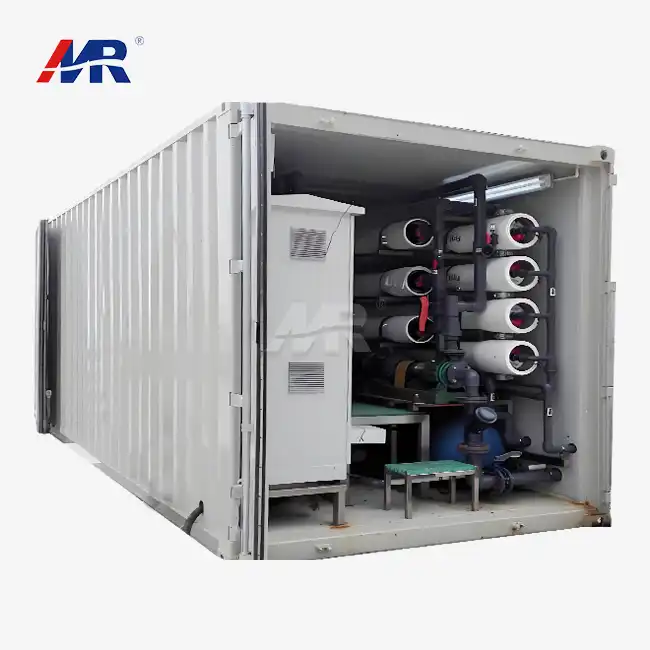
Understanding the Lifespan of Containerised Sewage Treatment Plants
What Defines a Containerised Sewage Treatment Plant?
Containerised sewage treatment plants are a big step forward in the technology used to handle wastewater. Unlike standard concrete-based facilities that need a lot of civil engineering work and a long time to build, these systems come as fully assembled units that can be used right away. A 20- or 40-foot shipping container can hold the whole treatment chain, from basic sedimentation to advanced biological processing using membrane Bioreactor (MBR) or Moving Bed Biofilm Reactor (MBBR) technologies. This flexible method solves some of the biggest problems in the industrial world, like reducing building delays and site disruptions and making it possible to install sanitation systems in places where regular infrastructure isn't practical or affordable.
Expected Operational Lifespan Range
Procurement managers need accurate lifetime estimates when deciding if an investment is a good idea. Under normal conditions, well-designed containerised sewage treatment plants usually last between 15 and 25 years. This range shows differences in the quality of the building, how it is used, and environmental stresses. The upper end of this range could be reached by a unit serving a temporary mining camp that only works sometimes. On the other hand, a plant that deals with high-strength industrial waste in a corrosive coastal climate might need to change parts more often. The main difference is that lifespan is more than just structural stability. It also includes how well the treatment works over time, how reliable the machine is, and whether it's cheaper to keep using it instead of replacing it.
Comparison with Traditional Treatment Infrastructure
Traditional wastewater treatment plants often say they last 30 to 40 years, but this comparison leaves out important details. Conventional plants need constant upkeep, regular repairs to their concrete structures, and new technology to keep up with changing discharge standards. These costs add up over decades. Fixed infrastructure isn't as flexible as containerised sewage treatment plants. Units can be moved as operating needs change, added modules can be used to increase capacity, or new cleaning technologies can be added without tearing down existing assets. When you figure out the total cost of ownership, containerised sewage treatment plants often have better financial returns than other types because they have shorter average lifespans, lower failure risk, and lower capital expenditures.
Key Factors Affecting the Lifespan of CSTPs
Material Quality and Design Excellence
Material choice and technical accuracy are the building blocks of durability. Carbon steel containers are coated with C5-M epoxy coatings, which are specially made to prevent hydrogen sulphide corrosion that happens in containerised sewage treatment plants. Premium systems use 304 or 316L stainless steel, especially for parts that will be in close touch with wastewater. To get rid of structural problems, weld quality goes through non-destructive tests like ultrasonic thickness gauging and dye penetrant inspection. Internal tanks are tested hydrostatically at full capacity for 24 to 48 hours to make sure there are no leaks before they are shipped. These quality control methods have a clear link to longer operational life, which stops early failure modes that hurt the effectiveness of treatment and put people at risk.
Operational Environment and Usage Intensity
Conditions in the environment have a big effect on how long a system lasts. Plants that work in the American Midwest, where temperatures change a lot, are stressed by different things than plants that work in wet ocean areas. Different types of wastewater have different effects on membranes, pumps, and pipe systems. For example, high amounts of dissolved solids, acidic or basic pH, or industrial chemicals can all speed up the wear and tear on these parts. Component wear rates are determined by how much they are used. A wastewater treatment plant that works at 80% of its design capacity and has steady flow patterns is under less mechanical stress than one that goes through times of high load and low load. Knowing the conditions at the spot during the buying process lets the right material changes and safety measures be put in place to keep the system's integrity.
Maintenance Frequency and Professional Support
No method for treating garbage doesn't need to be maintained, and containerised sewage treatment plants are no different. Scheduled regular inspections find new problems before they get worse and cost a lot to fix. Cleaning procedures for membranes stop fouling that can't be fixed and lower the effectiveness of treatment and shorten membrane life. Mechanical parts like pumps, blowers, and automatic valves need to be oiled, aligned, and replaced at the right time every so often, as specified by the maker. Plants with recorded maintenance plans often last longer than expected, while units that aren't maintained fail early, even though they were built better. This fact makes it even more important to work with suppliers who offer full after-sales help, expert training, and spare parts that are easy to get.
Maintenance Tips to Maximise the Lifespan of Your CSTP
Establishing Routine Inspection Protocols
Systematic inspections that find possible problems early are the first step in proactive maintenance. During weekly eye checks, you should look for strange smells that could mean a biological process isn't working right, changes in the pressure gauge that could mean a membrane is getting clogged, and changes in the sound of the pump or blower that could mean the bearings are wearing out. Electrical connections are checked for corrosion every month, level monitors and automatic controls are made sure to work properly, and structural parts are checked for coating degradation or rust formation. Deep checks are done every three months and include taking samples and testing the quality of the waste, making sure the alarm system works, and writing down how parts wear out over time. This multi-level method creates early warning systems that stop catastrophic failures that need urgent fixes and longer periods of downtime.
Component Replacement Schedules and Technology Upgrades
Strategically replacing parts of a system increases its total lifespan while keeping treatment working well. Depending on the type of wastewater and how well it cleans, membrane modules in MBR systems usually need to be replaced every 5 to 8 years. For constant use, pumps and fans should last between 3 and 5 years before they need to be replaced. PLC controllers, sensors, and actuators are all automation parts that benefit from technology update processes that make them more reliable and add new tracking features. Instead of seeing these changes as failures, forward-thinking operators see them as chances to make older systems more competitive with newer ones by adding features that make them more efficient and increase their capacity.
Operator Training and User Awareness
How long equipment lasts depends a lot on how skilled and aware the operators are. Staff who have been properly trained can spot when things aren't working right, fix small problems before they get worse, and follow procedures that keep users from damaging things. Basics of biological processes, how mechanical systems work, regular maintenance, and how to fix common problems should all be covered in training classes. When operators know how their actions affect the health of the system, they don't take shortcuts that hurt the level of service or break equipment. Plants with committed, well-trained staff always do better than those that rely on casual control or staff that come and go and don't know how the system works.
Procurement Considerations Relating to Plant Lifespan
Supplier Reputation and Quality Assurance
Careful seller review is needed when choosing containerised sewage treatment plants. You can be sure that design claims are based on real-world success when you buy from well-known makers with a history of doing so. Getting ISO 9001 approval shows that you are dedicated to quality management systems that guide the production process. When electrical parts have the CE marking label, it means they meet safety standards for both the American and European markets. By asking for reference setups, you can check how long a system actually lasts and how well it works in similar circumstances. Suppliers who are sure of their goods are open about the materials they use, how they test them, and how they figure out what went wrong. This helps buyers make smart choices.
Total Cost of Ownership Analysis
The buying price is only one part of the total costs over the course of the product's life. A full financial analysis takes into account the costs of installation, continued upkeep, energy use, replacement of consumables, and eventually shutting down. If you buy a cheaper unit made of lower-quality materials, it may need to be fixed more often, have more expensive new parts, and last less long, so it doesn't really save you money in the long run. On the other hand, high-end systems with advanced technology take less labour, make the process more stable, and go longer between major overhauls. When figuring out costs, procurement managers who work with the pharmaceutical, food processing, or tech industries—where problems with wastewater treatment can stop production—must put a lot of weight on dependability and uptime.
Customisation and Future Scalability
As businesses grow or government rules get stricter, their wastewater cleaning needs change. Modular containerised sewage treatment plants can grow with the business by adding more units at the same time or increasing the space inside current containers. Specifications for purchases should make sure that the item can work with new technologies in the future, like improved oxidation processes, the ability to remove nutrients, or water return systems. Standardised connection ports and written technical standards make it possible to make these kinds of changes without having to replace everything. This ability to adapt makes systems last longer by keeping them from becoming obsolete too soon when practical needs change.
Environmental and Economic Benefits of Long-Lasting Containerised Sewage Treatment Plants
Sustainability Through Extended Service Life
Environmental responsibility is becoming more and more important in all fields when it comes to buying things. Containerised sewage treatment plants that last 20 years or more lower the amount of carbon that is released when new equipment is made, the amount of building waste that is created when a facility is upgraded, and the amount of pollution that is released when equipment is delivered. Biological treatment methods that use less energy, like MBR technology, are better at getting rid of contaminants while using less power than traditional activated sludge systems. High-quality effluent that meets WHO reuse standards lets water be recycled for industrial processes, field watering, or cooling tower makeup. This cuts down on the use of freshwater. These benefits for the environment are in line with companies' promises to sustainability and meet legal requirements in places with strict discharge limits.
Economic Returns and Operational Efficiency
Longer machine life directly leads to better financial success. When compared to assets that need to be replaced every ten years, depreciation plans that last twenty years lower yearly accounting costs. Reliable operation cuts down on emergency repair costs and output delays caused by treatment system breakdowns. Regular repair plans help you stick to your budget and avoid unexpected costs for capital improvements. When plants constantly follow the design specs, they avoid fines from the government for discharge violations and may be able to get rewards for good environmental performance. Manufacturing sites that treat wastewater on-site using long-lasting containerised sewage treatment plants are less reliant on city infrastructure and the fees that come with it. This makes cost control and operating independence better.
Conclusion
The useful life of a containerised sewage treatment plant includes more than just how long it lasts. It also takes into account how well it treats sewage, how much it costs, and how well it can adapt to new needs. 15 to 25 years of steady service are typical for systems that are built with good materials, used in the right way, and kept according to strict rules. Buying things by looking at the total cost of ownership instead of just the initial price, choosing reliable sources with a track record of performance, and spending money on teaching operators are the best ways to get the most out of these assets. As rules get stricter and people expect businesses to be more environmentally friendly, long-lasting portable wastewater treatment options help them meet both their financial and environmental obligations while still letting them be flexible in how they run their businesses.
FAQ
1. How often should a containerised sewage treatment plant undergo professional servicing?
Professional service times rely on how complicated the system is and how much it is used. Basic checks should be done every three months, and full maintenance should be done once a year, which includes checking the stability of the membrane, evaluating the motor parts, and improving the process. Detailed checks every six months are good for high-intensity areas like industrial sites that are open 24 hours a day, seven days a week. Working with providers who offer organised repair contracts helps you get service when you need it and keep your warranty valid.
2. What indicators suggest a system approaches end-of-life status?
Key danger signs include decreasing effluent quality despite adding more chemicals, higher energy use due to wear and tear on machines, frequent component failures that need to be replaced, and structural corrosion that threatens the stability of the container. When yearly repair costs get close to 40 to 50 percent of the new value, economic analysis usually suggests replacing the system. Instead of reacting to crises, advanced monitoring systems that track performance trends let you make choices based on data throughout the lifecycle.
3. Can older systems integrate new treatment technologies?
Many containerised sewage treatment plants can add new technology to containers that are already there. Some examples of upgrades are more advanced oxidation units, better nutrient removal, or better automation. It's possible if there is enough room and electricity, and the building will work with the other parts. Talking to technical experts before buying something ensures that the system has ways to be improved in the future, which increases its useful life as needs change.
Partner with Morui for Reliable Containerised Sewage Treatment Plant Solutions
Guangdong Morui Environmental Technology has more than ten years of experience providing reliable containerised sewage treatment plant systems for a wide range of industry uses. Our engineering team uses marine-grade materials and tried-and-true MBR/MBBR technologies to come up with solutions that are both long-lasting and efficient. We offer full support from the first meeting through installation, commissioning, and lifecycle upkeep. We have 14 branches, 500 committed workers, and 20 experienced engineers. Our in-house membrane production center and ability to process equipment maintain quality control throughout the whole manufacturing process. We sell high-end names like Shimge Water Pumps, Runxin Valves, and Createc Instruments, which use the most reliable parts in their classes. Morui offers tailored solutions backed by quick expert support, whether you need a containerised sewage treatment plant source for out-of-the-way mining activities, pharmaceutical facilities, or local uses. You can email Our Team at benson@guangdongmorui.com to talk about your wastewater treatment needs and get full technical specs for systems that are built to last for decades.
References
1. Metcalf & Eddy, Inc. (2014). "Wastewater Engineering: Treatment and Resource Recovery." McGraw-Hill Education, Fifth Edition.
2. American Water Works Association (2017). "Membrane Bioreactors for Water and Wastewater Treatment: Operational Performance and Longevity Studies." AWWA Research Foundation Report.
3. Environmental Protection Agency (2019). "Decentralized Wastewater Treatment Systems Technology Fact Sheet: Containerized Treatment Units." EPA Office of Water Publication.
4. International Water Association (2020). "Life Cycle Assessment of Modular Wastewater Treatment Infrastructure: Comparative Analysis." IWA Publishing Technical Report.
5. National Association of Corrosion Engineers (2018). "Corrosion Prevention in Wastewater Treatment Facilities: Material Selection and Protective Coating Standards." NACE International Standards Publication.
6. Water Environment Federation (2021). "Design and Operation of Membrane Bioreactor Systems: Best Practices for Extended Service Life." WEF Manual of Practice No. 36.
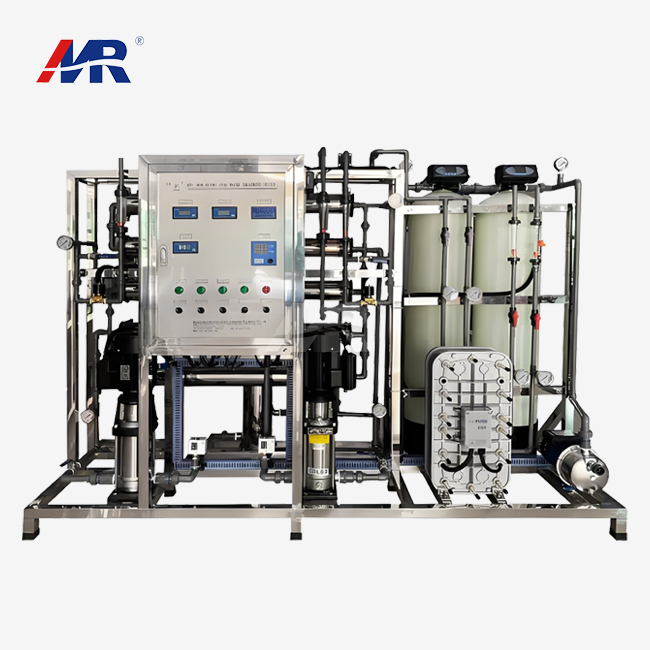 VIEW MORE500LPH EDI equipment
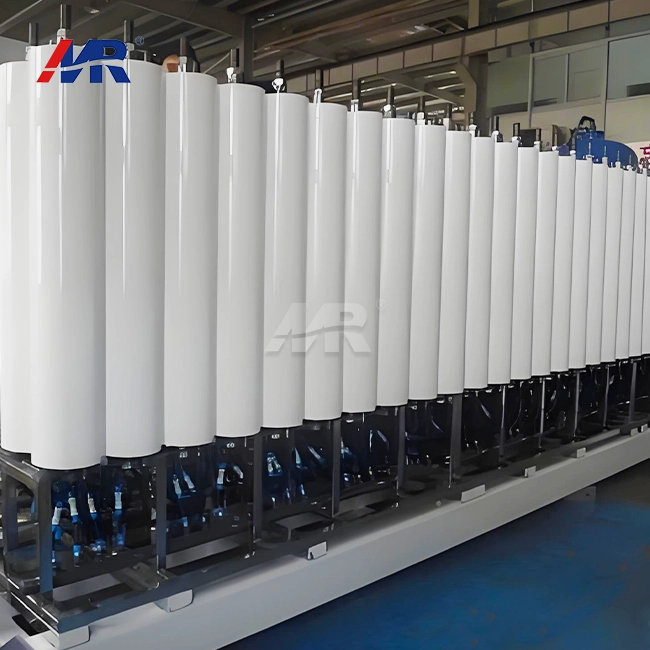 VIEW MORELandfill Leachate Treatment System
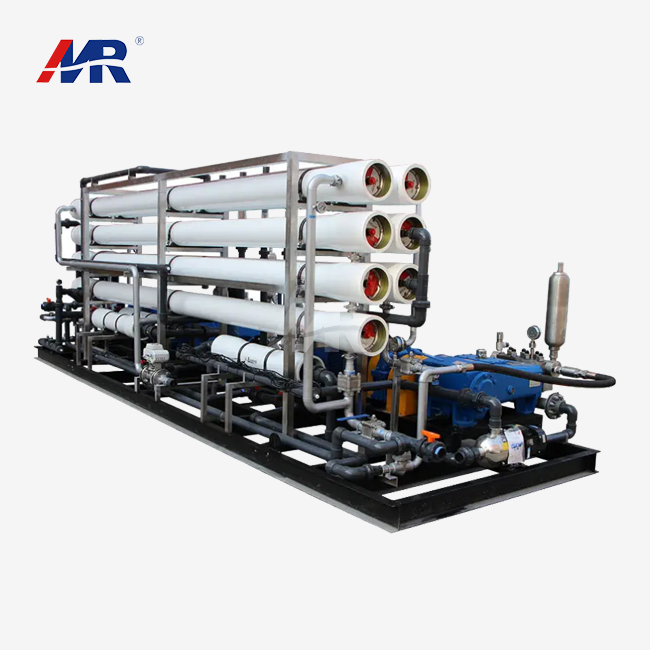 VIEW MOREseawater desalination machine
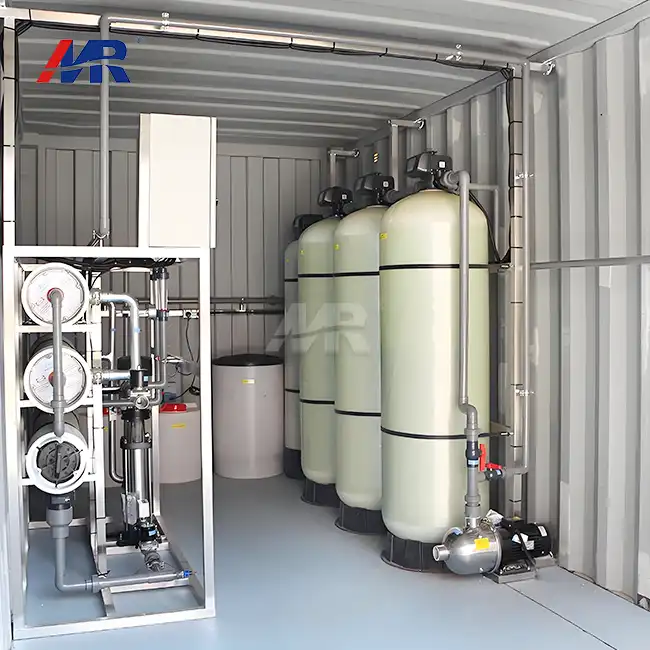 VIEW MOREcontainer ro equipment
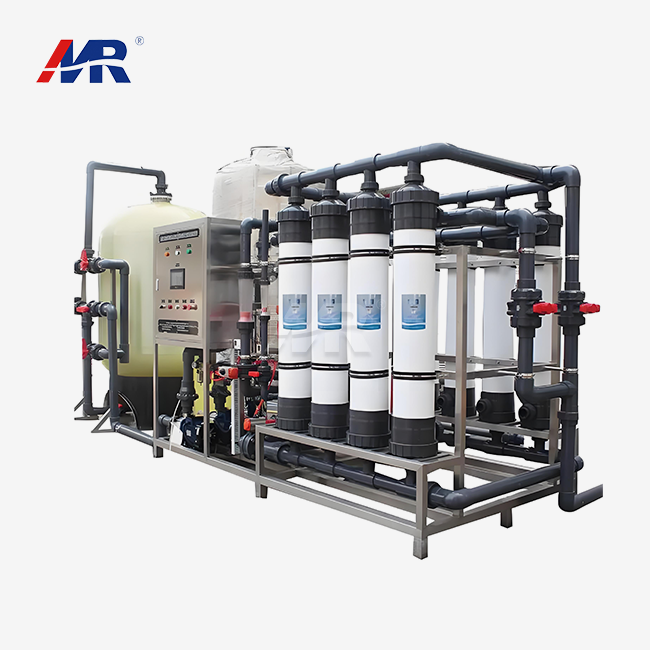 VIEW MOREuf ultrafiltration
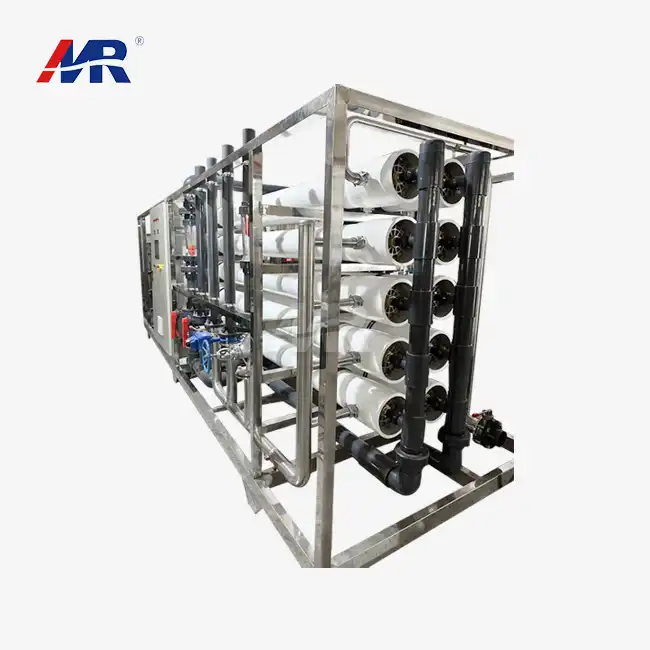 VIEW MORE50m3/hour reverse osmosis equipment
 VIEW MOREindustrial ro membrane
 VIEW MOREultrafiltration membrane for wastewater treatment
