_1745823981883.webp)

Are Modular Treatment Plants for Wastewater More Flexible?
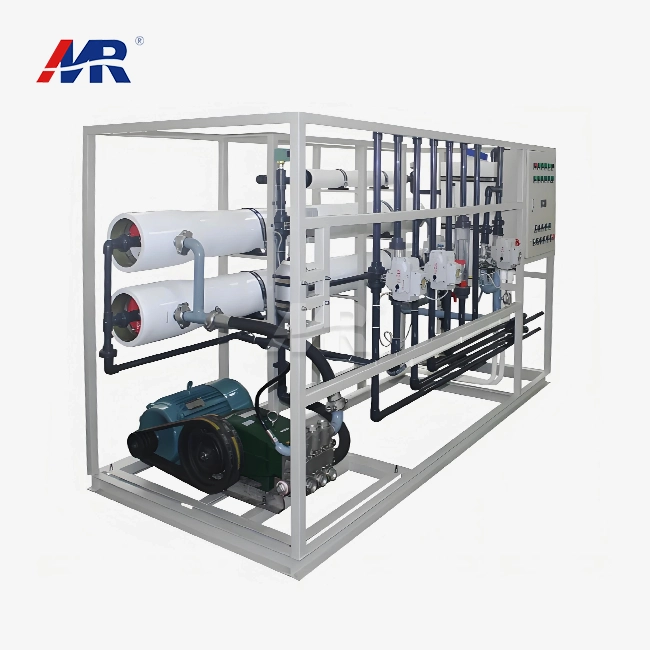
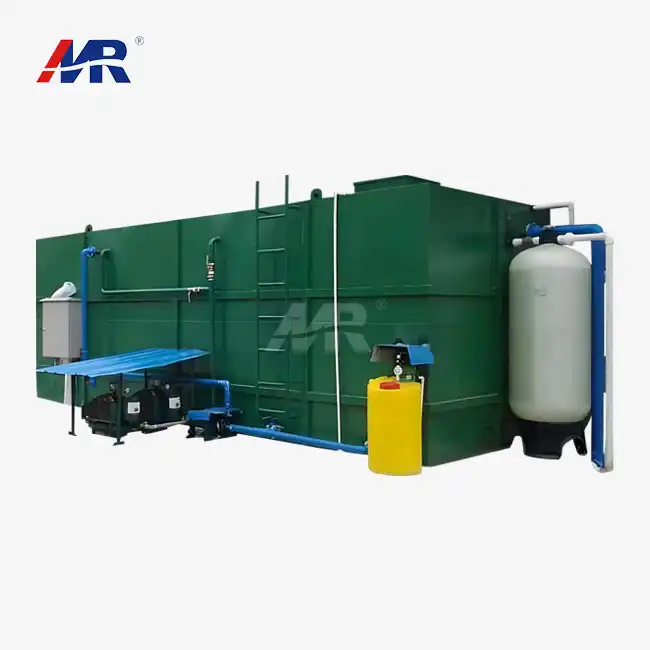
In comparison to conventional centralised systems, modular treatment plants for wastewater offer much greater freedom. Their fixed, scalable design lets companies gradually increase their capacity, adjust to different types of influent, easily incorporate new purification technologies, and quickly adapt to changes in regulations without having to do a lot of removal or rebuilding. Because they are so flexible, modular systems are great for businesses that have to deal with changing production rates, changing discharge standards, or sites that don't have a lot of room for traditional building, because it would be too expensive or hard to do.
Understanding Wastewater Treatment Plant Flexibility
Flexibility is a system's ability to adapt quickly to new operating needs, changing regulatory requirements, and future capacity growth, all without requiring too much downtime or capital investments. Working with a variety of industrial clients, I've seen how difficult it is for standard centralised wastewater systems to adapt to these changing needs.
Traditional Versus Modular Treatment Approaches
Most conventional treatment plants for wastewater use permanent concrete buildings that are made to handle set amounts of wastewater and certain types of contaminants. When production goes up or government rules get tighter, like when nitrogen release limits get stricter, these plants need a lot of changes to the civil engineering. During the construction phase, businesses are often shut down for months at a time, which can lead to compliance issues and lost income.
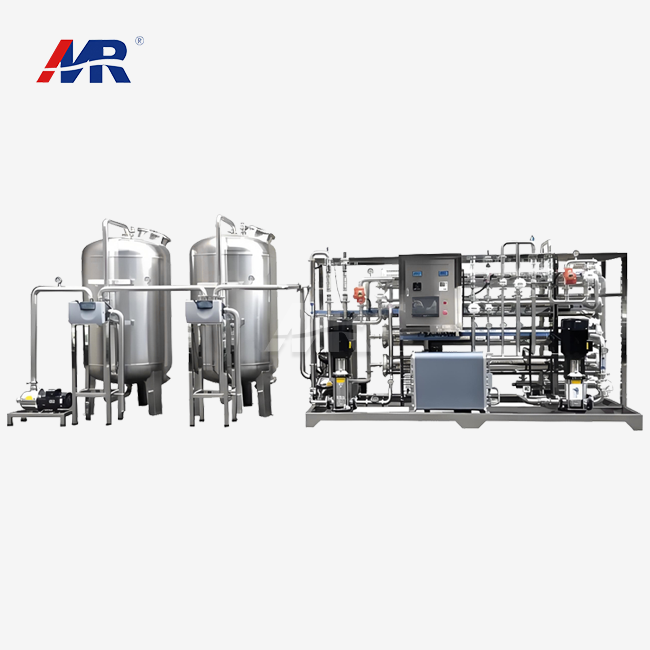
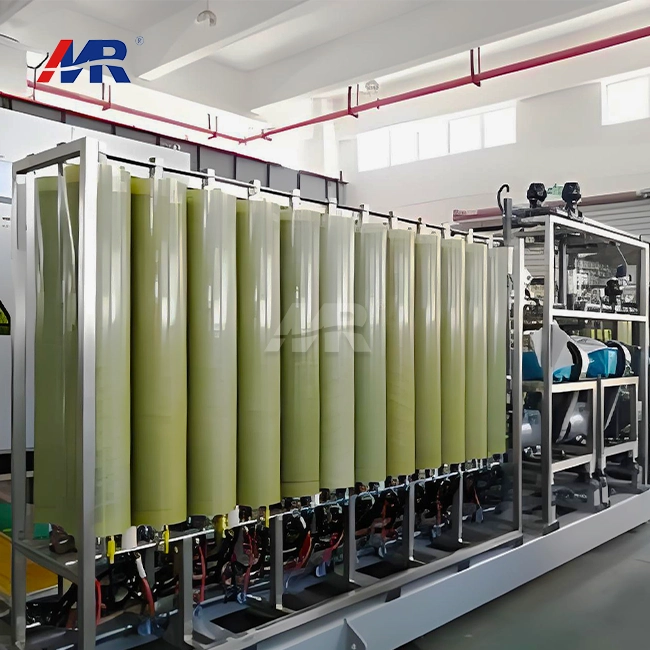
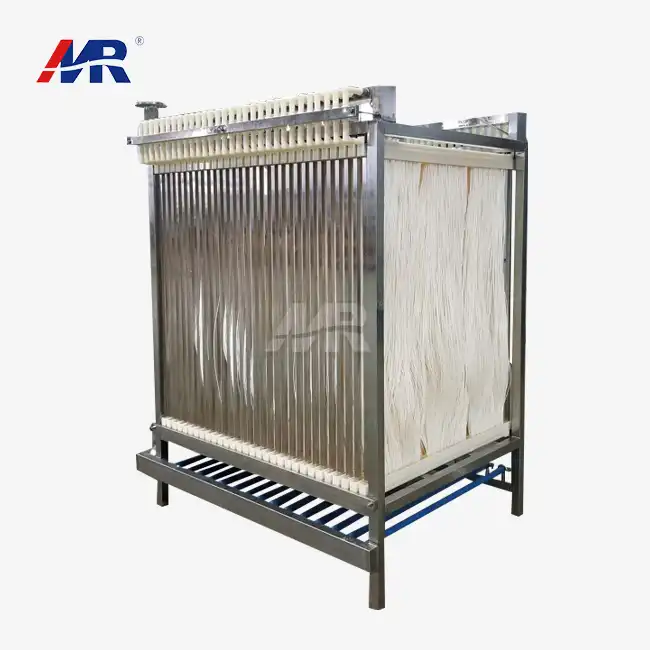
Modular sewer systems completely change this way of thinking. Each step of treatment comes as a separate unit, such as preliminary screening, biological reactors, membrane bioreactor (MBR) modules, and disinfection chambers. These units can be easily moved, installed, or extended without causing too much damage to the site. A pharmaceutical company in New Jersey recently doubled its treatment capacity by adding two MBR units in one weekend. During the increase, they kept production at full speed.
Operational Adaptability in Real-World Contexts
This flexibility benefit is shown very clearly in the biological treatment stage. In standard plants, activated sludge processes need to be carefully optimised for certain rates of organic loading. When a food processing plant goes from canning vegetables during certain times of the year to making drinks all year long, the quick change in chemical oxygen demand (COD) can make microbial populations less stable, which can lead to treatment failures.
This problem can be solved by modular systems that use compartmentalised reactor design. We can separate and change some treatment trains while keeping others running at a steady state. Moving bed biofilm reactors (MBBR) are built into some more modern modular platforms. These can handle changes in loads better than suspended-growth systems. During a recent job for a dairy processing plant, we set up their modular system so that it could switch between high-rate treatment during busy production months and low-energy upkeep mode during yearly shutdowns. This is something that traditional infrastructure would not be able to do.
How do modular treatment plants address industry challenges?
The handling of wastewater from factories and cities is under more and more pressure, which cannot be solved by standard infrastructure. As regulators expect better effluent quality and faster project timelines, I've seen procurement managers fight with tight budgets.
Overcoming Financial and Schedule Constraints
Usually, it takes 18 to 36 months for a traditional wastewater building project to go from planning to commissioning. As site conditions and change orders become more unpredictable, the capital costs rise. A textile company that wants to build a 500-cubic-meter-day treatment plant for wastewater is facing instant problems, such as getting the money to pay for the building, making sure that contractors work together, and dealing with possible delays in getting permits.
These times are cut down by a huge amount with modular treatment plants for wastewater. Making things happen in controlled factories where quality control goes above and beyond what is expected in the field. Within 12 to 16 weeks, a containerised modular system can be delivered to your site, complete with instrumentation, pipes, and control systems that are already set up. Instead of months of concrete work and equipment setup, installation only takes a few days and includes preparing the base and connecting utilities. In Arizona, an electronics company built a 300-cubic-meter-per-day ultrapure water system in just nine weeks. This was done to meet a tight output schedule that could never have been met with normal building methods.
Also, financial barriers get a lot smaller. Modular systems allow for gradual capacity increase that matches real growth instead of building too much just in case. You could start with two treatment units to handle the current amount and then add a third when production goes up. This way, you can spread the cost of capital over several fiscal years and avoid the operational waste that comes from conventional plants that aren't being used to their full potential.
Technology Integration and Process Enhancement
Technology for treating wastewater is changing quickly, but most standard plants are still stuck in process designs that are decades old. Usually, the whole plant has to be rebuilt when switching from regular activated sludge to MBR technology or adding secondary nutrient removal.
Modular design adapts to changes in technology. When new rules said that a city client had to get the phosphorus level down to less than 0.5 mg/L, we just added a chemical precipitation module before their biological treatment units. Instead of the two years that most plants need to rebuild after a change, this one only took three weeks.
The petroleum industry is a great example of these perks. The amount of oil in wastewater from refineries varies a lot, so it needs to be treated with dissolved air flotation (DAF) before it can be processed biologically. We gave them a modular DAF unit that works with their current API separators and consistently removes oil below 10 mg/L at input amounts ranging from 200 to 1,500 mg/L—a level of performance that is hard for rigid traditional designs to match.
Key Design Principles of Modular Wastewater Treatment Plants
The adaptability of modular treatment systems comes from their basic design principles, which stress standardisation, interchangeability, and making the best use of small spaces. These guidelines make it possible for treatment plants for wastewater to work consistently across a range of uses while still being flexible.
Standardised Components and Interchangeable Modules
In a modular plant, each treatment stage has to meet standard dimensions and interaction requirements. Through standard pipe flanges and electrical terminations, biological reactor modules, membrane filtering skids, and sludge handling equipment can all join to each other. Standardisation has big benefits: spare parts stockpiles get smaller, repair workers get to know more installations, and capacity increases can happen without having to do custom engineering.
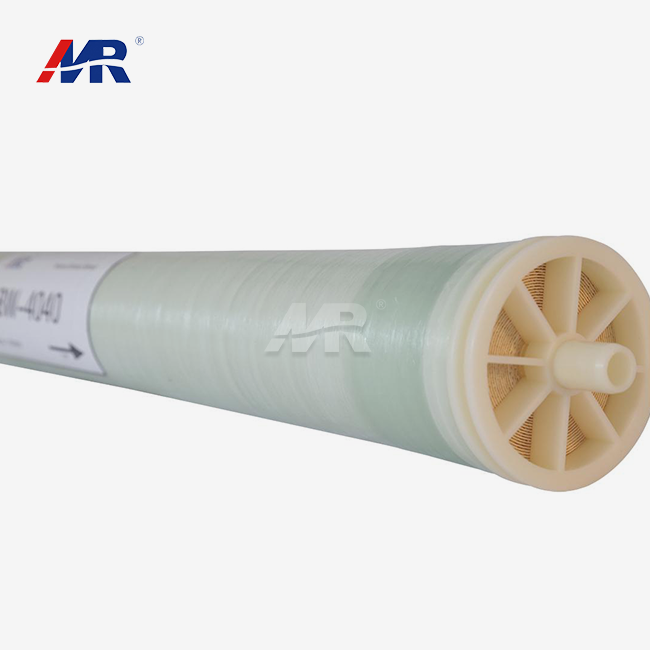
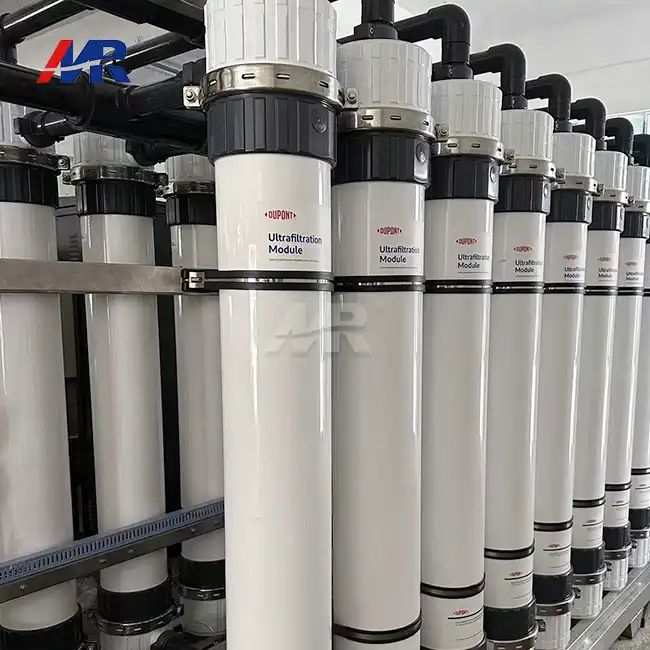
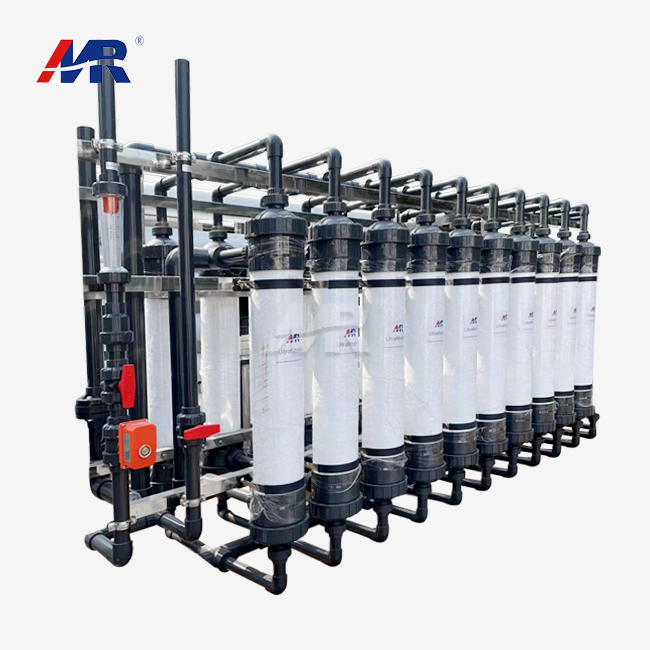
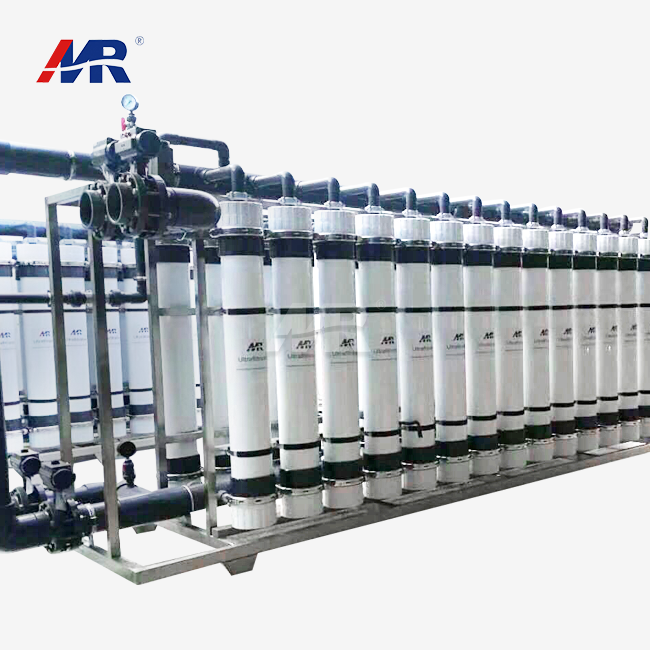
We changed an old ultrafiltration module with a newer high-flux membrane unit as part of a recent upgrade at a plant that makes drinks. The standard size and links made it possible to do the swap during a planned break in production. Within hours, full treatment capacity was restored. When trying to make similar upgrades in traditional plants, it usually takes a lot of work to change the pipes and several weeks of downtime.
Compact Footprints for Space-Constrained Sites
Limited room is a problem for producers in cities, resorts on islands, and platforms in the ocean. In traditional wastewater treatment plans, many concrete ponds and machine buildings are spread out over a lot of land. I've seen expansion plans fall through because the limits of the site just couldn't fit a normal plant size.
Vertical integration and high-speed processes in modular systems get around the problem of limited space. With membrane bioreactor technology, there are no more extra clarifiers, which means that the area is 40–60% smaller than with activated sludge plants of the same capacity. A recent operation at a coastal aquaculture plant used a 10-metre shipping container to treat 150 cubic metres of water every day. This included screening, biological treatment, membrane filtration, and UV disinfection. The reused water met standards for irrigation, and the small structure kept important shoreline land.
Regulatory Compliance Across Varied Jurisdictions
Different states, businesses, and areas of water that receive wastewater treatment plants for wastewater have very different rules about how it can be dumped. Pharmaceutical plants have to follow strict GMP guidelines for making water and handling waste streams that contain living things. Nutrient limits are put on municipal plants to stop eutrophication further downstream. Through treatment trains that can be changed, modular design can meet all of these different needs.
We just recently sent modular systems to three plants that process chicken: one in Georgia, one in Arkansas, and one in Delaware. Each had to deal with different rules and regulations. The facility in Georgia had to remove nitrogen quickly; the facility in Arkansas had to control phosphorus; and the facility in Delaware had to follow strict bacteria limits because it was near the coast. Instead of designing three unique systems, we put together modular treatment trains using standard parts: anoxic reactors for Georgia to get rid of nitrogen, chemical precipitation modules for Arkansas to get rid of phosphorus, and improved UV purification for Delaware. This method provided treatment that was in line with the rules while keeping production efficient and cost-predictable.
Evaluating the Business Benefits and Total Cost of Ownership
A financial study looks at more than just the original capital costs. It also looks at operational costs, maintenance needs, legal compliance costs, and how reliable the system will be over many years of use. These measures show strong benefits for modular treatment plants for wastewater.
Capital and Operational Cost Comparison
A standard activated sludge plant that can handle 500 cubic meters of sludge per day could cost between $1.2 and $1.8 million to build. This includes the cost of civil planning, buying equipment, and managing the building process. Modular MBR systems that handle similar amounts usually cost between $800,000 and $1.3 million. They save 20 to 30 per cent on capital costs and take up half as much space.
Even bigger differences can be seen in operational costs. Modular MBR systems make a lot less sludge trash than traditional methods, which cuts the cost of removal by 40 to 50 per cent. Integrated process control and automated membrane cleaning rounds reduce the amount of work that needs to be done by an assistant. A pharmaceutical client with both conventional and modular plants said that the labour costs were 35% lower at the modular facility, even though it handled 20% more flow rates.
Energy use should be carefully looked at. In MBR systems, membrane aeration uses more power than regular clarification, but not pumping water between different treatment areas often results in a net energy balance. Modern fan control systems make the best use of aeration by tracking dissolved oxygen in real time. This keeps energy from going to waste when the system isn't being used.
Financing Flexibility and Leasing Options
Lack of money in the capital budget often stops or delays projects to build wastewater infrastructure, especially for small and medium-sized businesses. Modular systems make it possible to buy things in new ways that don't use up working capital.
Leasing programmes for medical equipment let you set up a fully working treatment capacity with little money up front. Initial costs could be cut to 15 to 20 per cent of the system's value with a seven-year loan. Maintenance and technology upgrades could be included in the monthly payments. When the lease is up, you can buy the equipment, switch to newer technology, or return the system. With fixed traditional infrastructure, you can't be as flexible.
Another choice that is becoming more popular is build-own-operate-transfer (BOOT) agreements. Professionals in wastewater services will place modular systems on your property, run them under performance contracts that guarantee proper discharge, and then hand over control after a certain amount of time. This plan shifts operating risk while making sure that regulations are followed. This is especially helpful for manufacturers whose main area of knowledge is not environmental engineering.
Reliability Enhancement Through Modular Redundancy
Redundancy is built into modular designs for treatment plants for wastewater from the start. If one membrane skid needs maintenance, a four-module MBR plant can keep running at 75% capacity. This keeps the plant in compliance with regulations while fixes are done without having to pay extra for overtime. A chemical factory had a three-train modular system that just moved flow to different working units during a membrane cleaning cycle. Maintenance was done during normal business hours, so there were no late-night calls for emergency help like there are when a normal plant fails.
Conclusion
With their scalable capacity growth, quick deployment times, ability to integrate new technologies, and efficient use of space, modular treatment plants for wastewater offer greater freedom than traditional infrastructure. Capital limitations, legal adaptability, operating resilience, and site limitations are some of the biggest problems that the industry has to deal with. These systems solve these problems, which is why they are becoming more and more popular in manufacturing, municipal, energy, and specialised industrial settings. Conventional plants are still useful for stable, high-volume city settings, but flexible solutions give purchasing managers the freedom to perfectly match wastewater infrastructure with how businesses grow and change the needs of their operations.
FAQ
1. What are the main advantages of modular wastewater treatment plants over traditional systems?
Modular treatment plants for wastewater can be set up faster (12–16 weeks vs. 18–36 months), require less initial capital through staged growth, are better at adapting to changing regulations, have smaller areas that lower land costs, and have built-in redundancy that improves operating reliability. These benefits directly lead to lower financial risk and better security for following the rules.
2. Can modular systems handle complex industrial contaminants effectively?
Of course. By letting you set up specific process setups, modular design actually makes the treatment of difficult industrial wastewater better. We can add specialised units like DAF for getting rid of oil, ion exchange for heavy metals, and advanced oxidation for tough organics to make custom treatment trains that are hard for regular plants to handle without major rebuilding.
3. What installation timelines should we expect for a modular wastewater treatment plant?
Depending on the complexity and size of the system, the average installation takes 8 to 14 weeks, from preparing the site to commissioning. Preparing the site takes two to three weeks, putting in the modules and connecting the utilities takes three to five weeks, and then there are three to four weeks for optimising the start-up and training the operators. Compared to normal building projects that last several months, this shorter schedule causes less damage to the business.
Partner with Morui for Advanced Modular Wastewater Solutions
Modular treatment plants for wastewater give your business the practical freedom and cost-effectiveness it needs. In the areas of energy production, municipal infrastructure, industry, and specialised uses, Morui specialises in building customised treatment systems across the globe. Our wide range of services includes making membranes in-house, making equipment through various processing facilities, and working with top component sources like Shimge Water Pumps, Runxin Valves, and Createc Instruments.
Our "turnkey" method takes care of the whole project, from the initial analysis of the wastewater and design of the system to its installation, start-up, operator training, and ongoing expert support. We provide the reliable partnership that complicated sewer projects need with over 500 committed professionals, 20 specialised engineers, and 14 regional branches across North America that can respond quickly. As a well-known company that makes wastewater treatment plants, we can control the quality of our Products and keep our prices low enough that foreign systems can't compete.
Get in touch with our engineering team at benson@guangdongmorui.com to talk about your unique garbage problems. We'll do a full site survey, come up with custom treatment plans that meet your operating needs and budget, and send you detailed proposals that show how modular technology can save you money over the life of the system.
References
1. Tchobanoglous, G., Stensel, H.D., Tsuchihashi, R., and Burton, F. (2014). Wastewater Engineering: Treatment and Resource Recovery (5th Edition). McGraw-Hill Education.
2. Judd, S. and Judd, C. (2011). The MBR Book: Principles and Applications of Membrane Bioreactors for Water and Wastewater Treatment (2nd Edition). Elsevier.
3. Crittenden, J.C., Trussell, R.R., Hand, D.W., Howe, K.J., and Tchobanoglous, G. (2012). MWH's Water Treatment: Principles and Design (3rd Edition). John Wiley & Sons.
4. Metcalf & Eddy, Inc., Tchobanoglous, G., Burton, F.L., and Stensel, H.D. (2003). Wastewater Engineering: Treatment and Reuse (4th Edition). McGraw-Hill.
5. Qasim, S.R., Motley, E.M., and Zhu, G. (2000). Water Works Engineering: Planning, Design, and Operation. Prentice Hall.
6. United States Environmental Protection Agency (2021). Emerging Technologies for Wastewater Treatment and In-Plant Wet Weather Management. EPA Office of Water, Washington, D.C.