

_1745823981883.webp)

What Concentrate Disposal Options Follow Leachate Water Treatment?
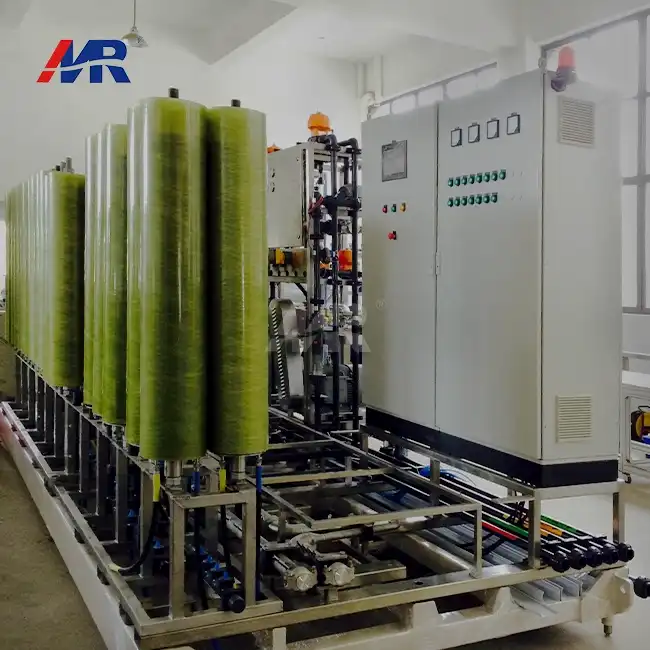
Plant workers must manage the highly concentrated reject stream created by membrane systems like reverse osmosis or DTRO after leachate water treatment has been completed at city landfills, waste incinerators, and hazardous waste centers. Heavy metals, leftover organics, and high salinity are just some of the toxins that have been collected in this concentrate. It needs to be thrown away in a certain way to protect the environment. Some common methods are zero liquid discharge systems that turn concentrate into solids that can be recovered; deep well injection when the geology allows it; thermal evaporation; crystallization processes; and managed landfilling of hardened waste. Each way of getting rid of waste strikes a balance between following the rules, keeping costs low, and protecting the earth.
Introduction
Taking care of runoff from solid waste sites requires a lot of complex engineering. But the work doesn't end when the COD, ammonia nitrogen, and heavy metals are removed. Advanced leachate water treatment systems, especially those that use membrane technologies, make a second byproduct: a concentrated reject that has more pollutants than the original influent. This concentrate causes problems with operations and damage to the environment that procurement managers and building engineers need to think about in a planned way.
When concentrates are not managed properly, they can cause fines from the government, pollution of groundwater, and rising disposal costs that cut into business profits. As environmental rules get stricter in North America and around the world, choosing the right way to get rid of waste becomes an important purchasing choice that will affect the plant's ability to stay open in the long run. This guide looks at tried-and-true methods for getting rid of concentrates, compares their technical and financial features, and gives decision-makers useful guidelines to help them make sure their removal plans meet legal requirements and don't go over budget.
Understanding the Challenges of Concentrate Disposal After Leachate Treatment
The Nature of Leachate Concentrate
When membrane systems clean runoff water from dumps or burning plants, they separate the clean permeate stream from the concentrated reject stream. This mix usually makes up 15–30% of the original wastewater volume but has 70–85% of the pollutants in it. Total Dissolved Solids levels often go over 50,000 mg/L, ammonia nitrogen levels hit 5,000 to 15,000 mg/L, and organic chemicals that are hard for living things to break down refuse to do so. Heavy metals like lead, cadmium, and mercury build up to amounts that need special handling procedures.
Regulatory and Environmental Pressures
The Resource Conservation and Recovery Act and state-specific discharge licenses from the U.S. EPA set tight rules for how concentrates can be disposed of. Lack of toxicity limits makes direct runoff to open waters very rare. For underground pumping, you need a Class I well permit that includes thorough geological studies. More and more limits are being put on putting liquid concentrate in landfills, which is pushing operators to use more advanced cleaning or evaporation technologies. Not following the rules can lead to big fines and the shutdown of operations.
Operational Complexity and Cost Implications
Handling concentrates makes plant operations more difficult (leachate water treatment). For storage, you need tanks that don't rust; for shipping, you need to know how to label hazardous trash; and the cost of disposal goes up as the amount of pollution increases. Leachate production changes with the seasons because of changes in rainfall patterns. These changes affect the concentration amount, which makes it hard for systems with set capacities to get rid of the waste. Older dumps make "mature" leachate with a lot of inorganic matter, while younger facilities make "young" leachate with a lot of organic matter. This means that waste management methods need to be flexible enough to adapt to how waste changes over the lifetime of a facility.
Overview of Concentrate Disposal Methods in Leachate Treatment
Traditional Disposal Approaches
In the past, people used methods that were easy on the wallet but bad for the environment. In dry areas, evaporation ponds let water evaporate naturally from the sun, which reduces the amount of water needed and the concentration of pollution in the leftover sludge. Deep well injection pumps concentrate on porous rock forms below groundwater basins. This method works only in certain geographies and is getting more and more attention from regulators. Off-site hauling to approved disposal sites changed who was responsible, but it came with ongoing transportation costs and dependence on a third party.
Modern Advanced Technologies
Today's answers focus on recovering resources and taking care of the earth. Zero liquid discharge devices use heat evaporators and crystallizers to get rid of all liquid waste, recovering water and making solids that can be sold or safely thrown away in landfills. When compared to standard thermal ways, mechanical vapor recompression evaporators use less energy. Biological treatment and advanced oxidation methods can break down leftover organics even more before they are thrown away for good. Membrane distillation is becoming more popular as a way to concentrate with high recovery and low energy needs.
The shift toward advanced methods reflects tightening regulations and corporate sustainability commitments. While capital costs exceed traditional approaches, operational savings through volume reduction, recovered resources, and regulatory compliance often justify investments over multi-year planning horizons. Lifecycle costs are being weighed against upfront costs more and more in procurement choices, especially as environmental responsibilities become significant financial threats.
Detailed Analysis of Top Concentrate Disposal Options
Zero Liquid Discharge Systems
ZLD is the best way to handle concentrates because it recovers almost all of the water while also making dry solids that can be put in a stable dump or used to get resources. These systems have steps for both evaporation and crystallization. Thermal evaporators use heat to turn concentrate into vapor, which turns back into clean liquid that can be used again or thrown away. The rest of the brine goes into crystallisers, which use controlled freezing to make the dissolved salts solidify. Centrifuges or filter presses separate the solid crystals from the water that is still there.
Energy consumption poses the primary challenge in leachate water treatment—heating large areas needs a lot of heat or electricity. This problem can be fixed by mechanical vapor recompression, which reuses vapor heat and uses 60–80% less energy than regular evaporators. Brine concentrators do a good job of reducing the bulk volume, and crystallisers smooth out the most concentrated parts. The cost of capital ranges from $800,000 to $3 million, based on the amount of concentrate and how complicated the makeup is.
Thermal Evaporation Technologies
Thermal evaporators use direct heating to lower the amount of concentrate that is needed in situations where full ZLD is not required. Multi-effect evaporators move concentrate through a series of tanks that are working at increasingly lower pressures. This makes the best use of heat. Vapor from one stage heats the next, which means less energy is needed from outside sources. These methods reduce the amount by 90–95%, leaving behind sludge that can be disposed of in the usual way.
Scaling and rust are problems for heating systems that handle leachate concentrate with a lot of salt. Cleaning with chemicals on a regular basis keeps heat transfer working well. Using anti-scalants and adjusting the pH before starting upkeep makes the time between shutdowns longer. The cost of running a business depends a lot on the price of energy. In some places, the abundance of natural gas makes thermal methods appealing, but the economics of facilities that use electricity are more variable.
Deep Well Injection
When the ground conditions allow it, Class I underground injection wells get rid of concentrate by pumping it into porous forms that are confined thousands of feet below water sources for drinking. Geology that works well includes layers of sandstone or limestone surrounded by rock that doesn't let water pass through it. For injection, you need to show that you have a lot of information capacity, confinement guarantees, and tracking procedures.
Regulatory pathways have narrowed as concerns about induced seismicity and long-term containment security grow. New licenses have to go through strict environmental reviews and are opposed by the public. Operating wells need to have their pressure constantly checked, their mechanical soundness checked on a regular basis, and a financial guarantee for closure and tracking after closure that lasts for decades.
Crystallization and Solidification
Controlling the temperature and pressure during crystallization turns liquid salts into solids. Crystallizers that cool the water slowly lower its temperature, which makes salt crystallize. Evaporative crystallisers use rounds of heating and cooling to get the most solid back. The salt grains that are left over are dried out by centrifugation or filtering, which makes a cake with 5–15% moisture.
Solidification uses binding agents like cement, fly ash, or special polymers to treat leftover sludge or concentrated brines. These agents surround pollution in solid matrices. This stops heavy metals from moving and limits their ability to leach, so the materials can be put in hazardous waste landfills according to RCRA Subtitle C rules or, if the toxicity levels are met, in regular local dumps.
Biological Treatment and Reprocessing
New methods use microbial adaptation to break down leftover organics by sending the concentrate back to the biological treatment steps. This works best with "young" leachate concentrate that has chemicals that break down naturally. Microbial groups that have become used to high levels of salt and ammonia can handle them and still reduce COD by a small amount. The cleaned wastewater goes back through membrane treatment with fewer pollutants, which slows down the rate at which concentrates are made.
Limitations arise with leachate water treatment; "mature" waste leachate makes a concentrate that is mostly made up of inorganics and humic substances that don't break down easily. Biological processes don't help much here. Advanced oxidation processes, like ozone, UV/hydrogen peroxide, or Fenton reactions, break down stubborn organics before biological treatment, which makes them more useful. These mixed systems need skilled operation and careful process optimization, but they don't use as much energy as heat disposal methods.
Conclusion
Comprehensive leachate water treatment includes a final step called concentrate disposal, which turns a difficult waste stream into doable leftovers while protecting the environment. Traditional techniques to advanced ZLD systems are all types of technologies that can be used to find solutions that fit a wide range of working scales, regulatory settings, and budgets. Facilities are set up for long-term success when they make purchasing choices that balance capital costs, operating complexity, regulatory compliance, and environmental care. Technology choices can be made with confidence when vendors are carefully evaluated, sample tests are done, and lifetime cost analyses are done. As rules get stricter and people expect businesses to be more environmentally friendly, they need to invest in strong infrastructure for dumping concentrates if they want to be good at their job and care about the environment.
FAQ
1. What are the typical costs for concentrate disposal at small to medium-sized landfills?
The cost of disposal depends on the amount of concentrate, what it is made of, and the technology that is used. Off-site hauling to approved facilities usually costs between $0.15 and $0.40 per gallon, which covers transportation and handling costs that change with fuel prices. On-site thermal evaporation cuts the amount by 90%, which lowers the cost of dumping by a large amount but adds energy costs of $0.08 to $0.18 per gallon cleaned, based on the utility rates. When the cost of removal goes over $0.25 per gallon, evaporation is often a good option for small sites that process 5,000 to 15,000 gallons of waste every month. The initial cost of a compact evaporator is between $200,000 and $400,000. At higher waste rates, it pays for itself in three to five years.
2. How does zero liquid discharge impact regulatory compliance and long-term operational expenses?
ZLD gets rid of all liquid waste, so permit limits are no longer a big deal when it comes to following the rules. This also makes liability risks related to groundwater contamination much lower. By using ZLD, facilities can avoid future changes to regulations that could affect their release permits. Long-term costs change from dumping fees to upkeep and energy costs. Even though a lot of energy is used, recycled water lowers the cost of local water supplies, and not having to pay disposal fees usually covers 40 to 70% of ZLD's running costs. Facilities in areas with limited water or where waste limits are getting stricter find ZLD to be more cost-effective, even though it requires a bigger initial investment.
3. What regional regulatory differences affect concentrate disposal options in the United States?
States on the coast and areas with sensitive aquifers have tighter flow limits and less access to deep well injection. Tougher monitoring means that states in the Northeast, Florida, and California will need to use advanced treatment or ZLD methods. Deep well injection may be easier to do in inland states with good bedrock and less water shortage. Different state-level NPDES programs allow for different release levels during extreme weather, while others require constant compliance no matter what. Early on, procurement managers need to talk to state environmental agencies to find out what kinds of dumping are allowed and how long it will take to apply for permits in the places where their businesses are located.
Partner with Morui for Complete Leachate Water Treatment Solutions
Guangdong Morui Environmental Technology offers combined leachate water treatment systems that solve problems with dumping concentrates by using custom engineering and tried-and-true technologies. Our all-around method includes membrane systems, thermal evaporation, and ZLD. We have over 500 skilled workers and 20 experienced engineers spread out across 14 area branches to back us up. We have been making leachate water treatment systems for a long time, and we offer full setups that include everything from the initial design to commissioning and ongoing expert support. This makes sure that all regulations are followed and the system works well. Get in touch with Our Team at benson@guangdongmorui.com to talk about your concentrate management needs and look into custom solutions that are made to fit your facility's waste types, output needs, and environmental goals.
References
1. Renou, S., Givaudan, J.G., Poulain, S., Dirassouyan, F., & Moulin, P. (2008). "Landfill Leachate Treatment: Review and Opportunity." Journal of Hazardous Materials, 150(3), 468-493.
2. Kjeldsen, P., Barlaz, M.A., Rooker, A.P., Baun, A., Ledin, A., & Christensen, T.H. (2002). "Present and Long-Term Composition of MSW Landfill Leachate: A Review." Critical Reviews in Environmental Science and Technology, 32(4), 297-336.
3. Tow, E.W. & Lienhard, J.H. (2016). "Quantifying Osmotic Membrane Fouling to Enable Comparisons Across Diverse Processes." Journal of Membrane Science, 511, 92-107.
4. United States Environmental Protection Agency. (2014). "Underground Injection Control Program: Class I Industrial and Municipal Waste Disposal Wells." EPA 816-R-14-002.
5. Dialynas, E. & Diamadopoulos, E. (2009). "Integration of a Membrane Bioreactor Coupled with Reverse Osmosis for Advanced Treatment of Municipal Wastewater." Desalination, 238(1-3), 302-311.
6. Mulder, M., Antakyali, D., & Ante, S. (2015). "Costs of Membrane Bioreactor and Reverse Osmosis for Municipal Wastewater Treatment." Water Science and Technology, 71(2), 230-236.
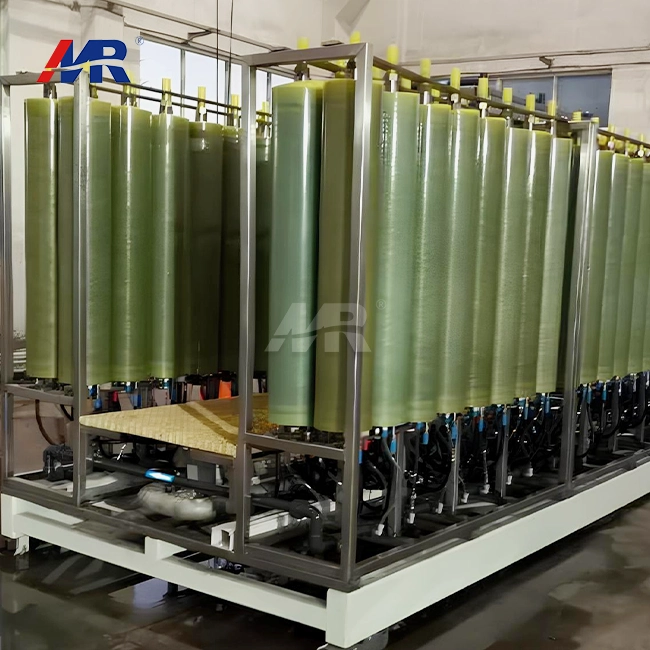 VIEW MOREDTRO for Wastewater Treatment
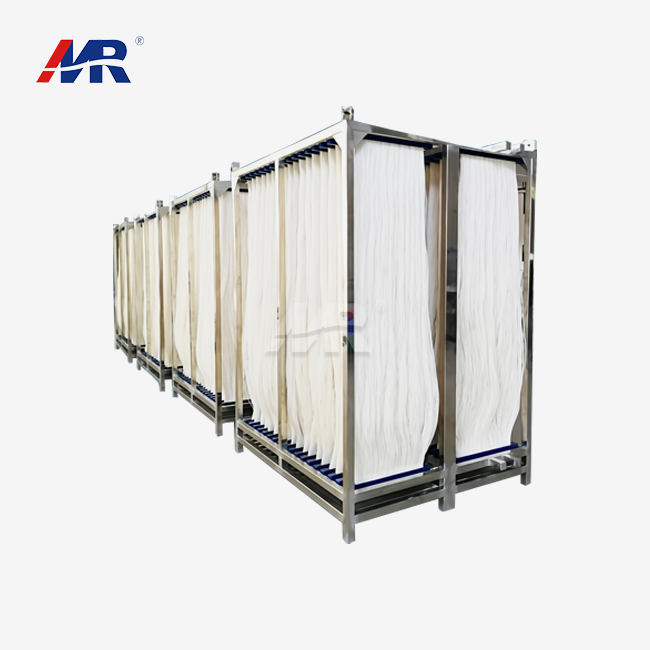 VIEW MOREbioreactor wastewater treatment
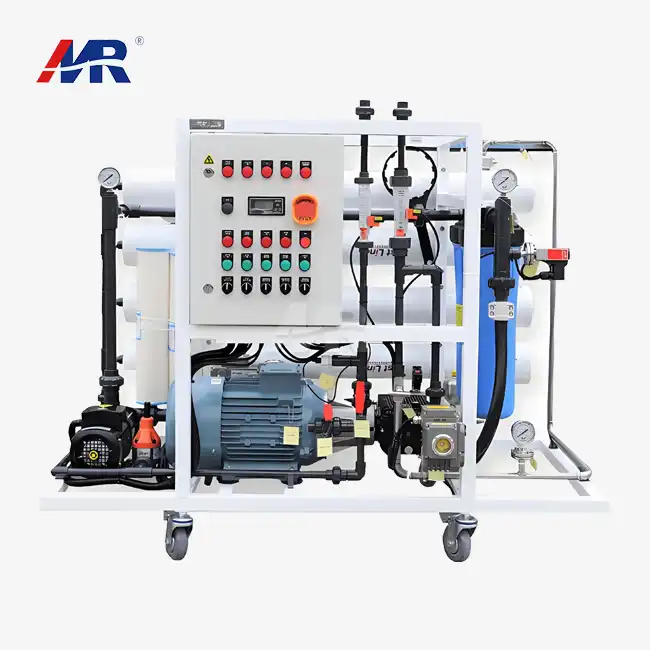 VIEW MORE2m3/hour seawater desalination equipment
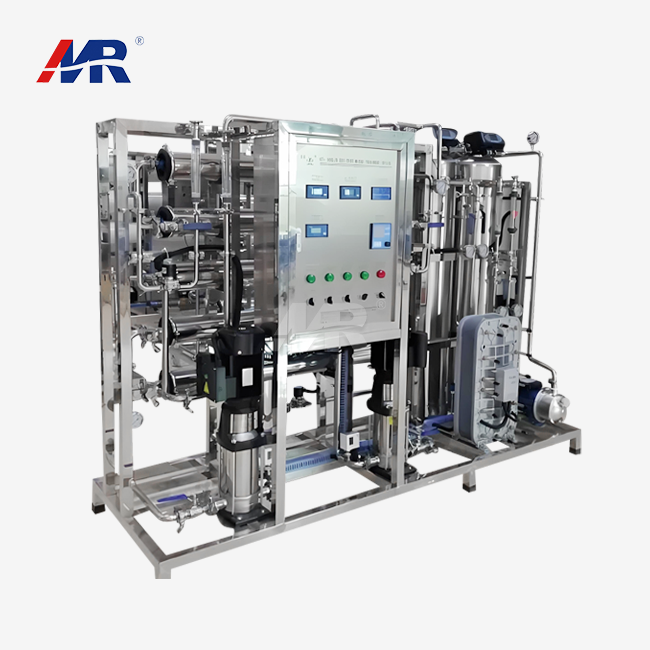 VIEW MORE1000LPH EDI equipment
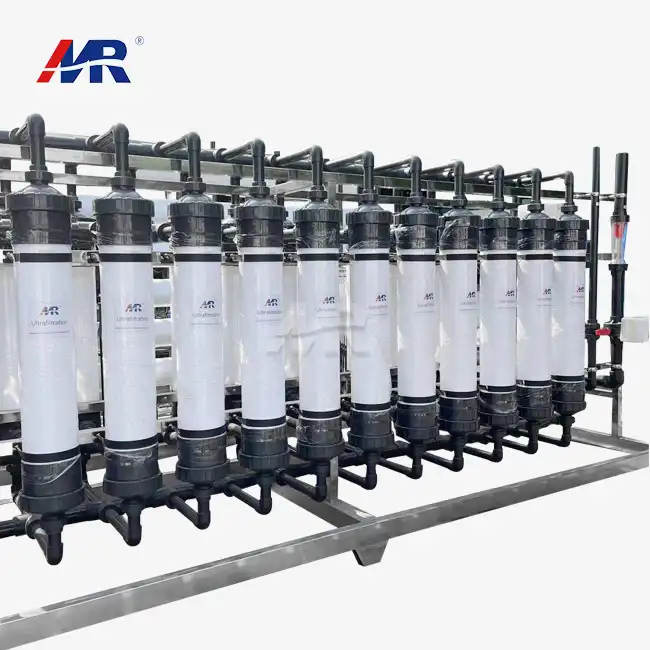 VIEW MORE30m3/hour ultrafiltration equipment
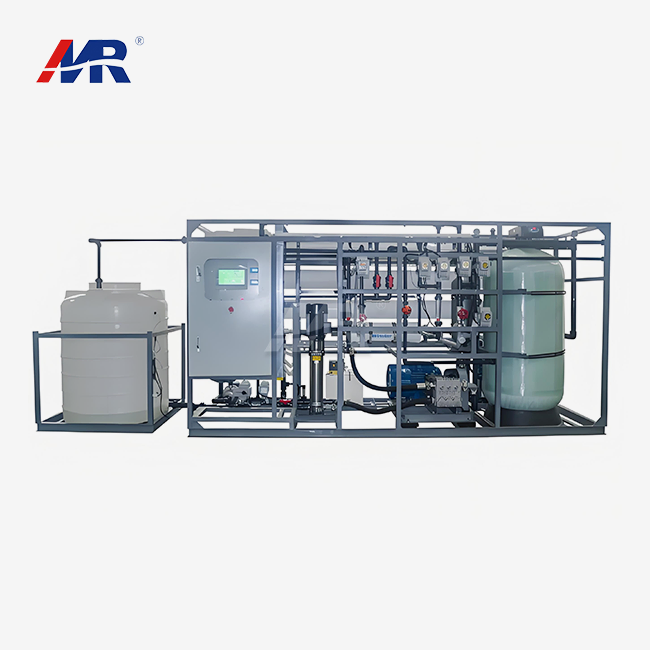 VIEW MOREseawater treatment system
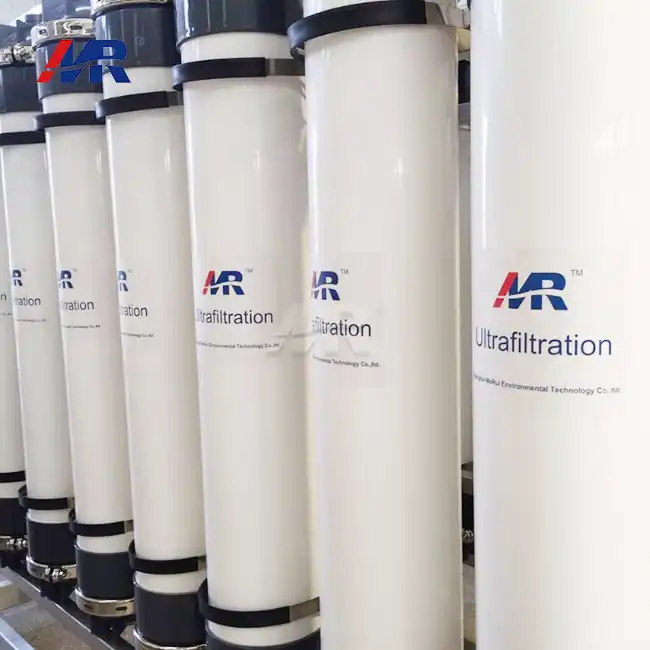 VIEW MORE90T/H ultrafiltration equipment
 VIEW MOREro reverse osmosis water filter
