

_1745823981883.webp)

Membrane Bioreactor Technology Trends in Sustainable Treatment
membrane/bioreactor-wastewater-treatment">Membrane bioreactor technology is a huge step forward in treating wastewater. It combines biological processes with membrane filters to produce high-quality effluent while also making it easier to meet regulations and limited room requirements. This advanced method swaps out regular clarifiers for microfiltration or ultrafiltration membranes. This lets businesses meet standards for reusing water, cut down on their environmental impact, and keep their performance stable even when the load changes. As environmental laws get stricter around the world and water shortages get worse, procurement workers in the manufacturing, local utilities, pharmaceutical, and food processing sectors are looking at membrane bioreactor technology systems as long-term investments more and more. This guide gives purchasing managers, expert decision-makers, and CEOs the information they need to choose the right membrane bioreactor technology, weigh their options, and make sure that their buying choices are in line with their financial and environmental goals.
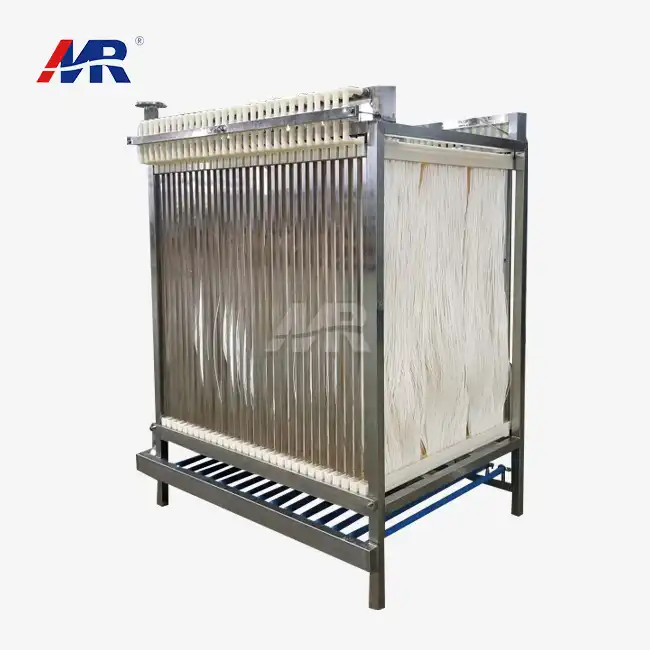
Understanding Membrane Bioreactor Technology in Sustainable Treatment
Core Principles and System Architecture
Membrane bioreactor technology combines advanced membrane separation with activated sludge treatment. It usually uses hollow fiber or flat sheet designs made from PVDF materials. Membrane bioreactor technology membranes completely block floating solids, bacteria, and most viruses, unlike other activated sludge systems that depend on gravity to settle the sludge. The biological reactor keeps the concentration of mixed liquor suspended solids between 8,000 and 15,000 mg/L, which is much higher than traditional systems. This makes it possible for smaller designs and a better breakdown of organic matter. By separating the sludge retention time from the hydraulic retention time, operators can grow bacteria that break down nitrogen slowly while keeping the tank volumes small.
Critical Design Parameters for Industrial Applications
Managing transmembrane pressure, flux rates (usually 15 to 25 LMH for municipal uses), and fouling control techniques are key to making the system work well. Most industrial installations use aerobic bioreactors, but anaerobic membrane bioreactor technology variants are becoming more popular for treating high-strength wastewater with high COD levels. Fine screening at 0.5 to 2.0 mm keeps hair, fibers, and other debris from damaging the membrane. Air scouring cleans the surface continuously, and chemically enhanced backwashing and automated backwashing cycles get rid of organic buildup and scaling. Teams in charge of buying things have to decide if submerged or external membrane configurations work best for their space limitations, energy budgets, and ability to maintain them.
Sustainability Advantages Driving Adoption
According to guidelines from the Water Environment Federation, membrane bioreactor technology only needs 25–50% of the space needed for regular activated sludge plants. This makes it perfect for urban facilities with limited land and industrial sites that want to increase their capacity without building new roads or bridges. Effluent turbidity below 0.1 NTU allows direct recovery for cooling towers, irrigation, and process water, which lowers the costs of taking freshwater out of the ground and releasing it into the environment. Better ability to remove nutrients helps facilities meet strict nitrogen and phosphorus discharge permits and addresses eutrophication concerns.
Emerging Trends and Innovations in Membrane Bioreactor Technology
Advanced Membrane Materials Reducing Lifecycle Costs
Recent advances in material science have led to the creation of fouling-resistant membranes with changed hydrophilicity on the surface and higher dynamic strength. The total cost of ownership goes down because these next-generation PVDF and PTFE membranes last longer than 10 years under ideal conditions. Some manufacturers now offer warranties that cover 7-8 years of continuous use, which shows that they are sure the materials will last. Anti-fouling coats and nanoparticle-embedded membranes cut down on the number of times that chemicals need to be cleaned. This saves money and time on chemicals while keeping the flux stable.
Digitalization and Predictive Maintenance
When IoT devices and AI-driven data are combined, membrane bioreactor technology processes change from reactive management to predictive management. Monitoring transmembrane pressure, dissolved oxygen, and nutrient levels in real time lets aeration rates and backwash intervals be changed automatically, which saves the most energy. Machine learning algorithms look at past performance data to predict when membranes will need to be cleaned before they get seriously fouled up. Cloud-based platforms let you keep an eye on multiple locations from afar, which is especially helpful for distributors who are in charge of installations at different client sites. These digital tools cut down on operational labor needs by 20–30% while also making treatment more consistent.
Energy Recovery and Circular Economy Integration
New system designs include anaerobic preparation steps that take biogas from strong wastewater, which balances out the energy needs of parasites. Combined heat and power units turn methane into electricity and heat for heating processes. By combining membrane bioreactor technology with thermal hydrolysis and anaerobic digestion, some modern systems can run without using any energy. Phosphorus recovery systems take struvite crystals out of waste streams, which makes money and meets nutrient discharge limits at the same time. These circular methods are in line with companies' environmental goals and can help buying teams figure out the long-term value of a project more accurately.
Comparing Membrane Bioreactor Technology with Alternative Wastewater Treatment Technologies
Performance Metrics Against Conventional Activated Sludge
Traditional activated sludge systems need secondary clarifiers that take up 30 to 40 percent of the plant's space. Membrane bioreactor technology, on the other hand, doesn't need any of this equipment at all. The wastewater from CAS plants usually has 10 to 30 mg/L of TSS, while the permeate from membrane bioreactor technology plants has almost no suspended solids. The rates at which pathogens are removed are very different. CAS gets rid of 1-2 logs of bacteria, while membrane barriers get rid of 4-6 logs. This means that membrane bioreactor technology can be used for reusing water without requiring tertiary disinfection. Due to longer SRT, 20–40% less sludge is made, which lowers disposal costs and environmental impact.
MBR Versus Moving Bed Biofilm Reactor Systems
While MBBR technology is easier to use and costs less to set up, it can't match the quality of membrane bioreactor technology effluent without further polishing. To meet standards for reuse, MBBR systems still need clarifiers and sometimes tertiary filtration. Membrane bioreactor technology works great for tasks that need constant high-quality output no matter how different the inputs are. This is especially important for pharmaceutical manufacturing and food preparation, where exact process water specs must be met. MBBR works well for facilities with a lot of room and modest effluent needs, while membrane bioreactor technology is better for facilities with limited space and strict release permits.
Economic Considerations and Total Cost Analysis
The cost of capital for membrane bioreactor technology is usually 15–30% higher than for CAS systems with the same capacity. This is mostly because membrane modules are more expensive. Operating costs depend on how much energy costs and how often the membrane needs to be replaced. The average amount of energy used is between 0.6 and 1.2 kWh per cubic meter treated, which is more than CAS but could be balanced out by not having to use tertiary treatment stages. When freshwater prices or disposal fees are high, the value of reusing water makes the economy much more viable. A 10-year lifecycle study usually shows that membrane bioreactor technology is better than other options when saving land, dealing with less sludge, and getting water back are taken into account. When evaluating vendors, people in charge of buying things should ask for specific OPEX forecasts that include when membranes will need to be replaced and how much chemicals will cost.
Procurement Insights: Choosing and Buying Membrane Bioreactor Systems
Evaluating Supplier Capabilities and Support Infrastructure
When looking for a good membrane bioreactor technology supplier, you need to look at more than just the equipment specs. You also need to look at technical knowledge, the ability to make changes, and support after the installation. There are chances to test the treatment process with real wastewater samples from reputable providers before making a full-scale commitment. Turnkey solutions that include design, fabrication, installation, and commissioning make it easier to keep track of who is responsible for what. Check to see if the companies you're considering have area service networks that can handle maintenance needs in a reasonable amount of time. The availability and wait times for membrane replacements have a direct effect on operating continuity. This is why supply chain robustness is an important evaluation factor.
Key Technical Specifications for Request for Proposals
In the procurement documents, the desired effluent parameters (BOD, COD, TSS, TN, and TP) should be listed, along with the design flow rates and influent characteristics based on actual sampling data. Ask vendors to explain the membrane materials, pore sizes, and estimated flow rates for each job. Guarantees of energy use, given in kWh per cubic meter, make it possible to compare plans in an objective way. Set the amount of automation, the requirements for SCADA integration, and the ability to watch from afar so that they work with the operational staffing. Ask for specific instructions on how to clean the membrane, how often it should be replaced, and how much it will cost to do so. This will help you make an accurate lifetime budget.
Understanding Pricing Structures and Hidden Costs
Civil works, mechanical equipment, electrical systems, instrumentation, and commissioning services for membrane bioreactor technology should all have clear price breaks. The prices of membrane modules make up 20 to 30 percent of the total cost of an installation, and they vary a lot from one manufacturer to the next. Make it clear if the plans include stocks of spare parts, programs to train operators, and the terms of the guarantee. Operating budgets can be kept stable with maintenance contracts that include preventative maintenance and emergency response, but the scope of the service and response times must be carefully reviewed. Prices stated for international purchases go up by 10 to 20 percent because of import taxes, shipping costs, and the need for foreign experts to oversee the installation.
Conclusion
Membrane bioreactor technology has grown into a reliable, long-lasting answer to both the problem of not having enough water and the problem of protecting the environment. Because the technology can consistently produce high-quality effluent in small spaces, it is essential for industries that have limited land or strict discharge rules. Even though the initial costs are higher than other options, full life cycle analyses show that the economics are better when you look at the value of reusing water, the cost of getting rid of sludge, and making sure that regulations are followed. In a global economy that cares more and more about water, procurement pros who take the time to learn about system basics, new innovations, and vendor skill sets their companies up to be the best at both protecting the environment and running their businesses efficiently.
FAQ
1. What types of wastewater are best suited for membrane bioreactor technology?
Membrane bioreactor technology systems deal with a variety of wastewater streams, such as sewage from cities, wastewater from food and drink processing, wastewater from drug manufacturing, and discharge from the chemical industry. The technology works really well even when the amount of organic matter in the soil changes and the seasons change, which makes regular treatment less stable. Industrial wastewater with a COD level above 2,000 mg/L might need anaerobic preparation to control the amount of organic matter in it. To protect the membrane surfaces, wastewater that is oily or has a lot of fiber needs better screening and flotation before it gets to the bioreactor.
2. How often do membranes require cleaning or replacement?
Backwashing for routine maintenance happens automatically every 10 to 30 minutes. Chemically enhanced backwash cycles happen once a week or every other week, depending on how fast the fouling builds up. With the right preparation and flux control, a membrane should last between 5 and 10 years on average. Instead of having set dates, when to replace something depends on transmembrane pressure trends, permeability decline, and the results of integrity testing. Active monitoring and consistent maintenance schedules make membranes last longer and cost less to own overall.
3. Can existing treatment plants be upgraded with membrane bioreactor technology?
It is common and inexpensive to add membrane modules to activated sludge infrastructure that is already in place. By turning aeration basins into membrane bioreactor technology bioreactors, the capacity can be increased by 50 to 100 percent while keeping the same size. The cleanliness of the wastewater is also improved. With this method, cities and businesses can meet the needs of growth and stricter rules without having to buy more land or build new facilities.
Partner with Morui for Tailored Membrane Bioreactor Technology Solutions
Guangdong Morui Environmental Technology stands ready to support your transition to advanced wastewater treatment through a full range of membrane bioreactor technology options. In addition to having the ability to make membranes in-house and partnerships with top component suppliers like Shimge Water Pumps and Runxin Valves, our engineering team has a lot of real-world experience in municipal, industrial, and commercial settings. We provide full turnkey services, from the initial feasibility studies to installation, commissioning, and ongoing practical support. This makes sure that your investment meets performance promises and long-term goals. As a supplier of membrane bioreactor technology with sites in public utilities, pharmaceutical manufacturing, food processing, and food processing, we know the problems that technical decision-makers and CFOs face when they are looking at big investments in water treatment. Get in touch with our experts at benson@guangdongmorui.com to talk about custom system configurations, pilot testing options, and lifecycle support packages that are made to fit your wastewater and reuse goals.
References
1. Water Environment Federation. (2018). Membrane Bioreactors: WEF Manual of Practice No. 36. McGraw-Hill Education.
2. Judd, S., & Judd, C. (2011). The MBR Book: Principles and Applications of Membrane Bioreactors for Water and Wastewater Treatment (2nd ed.). Elsevier.
3. United States Environmental Protection Agency. (2012). Guidelines for Water Reuse (EPA/600/R-12/618). Office of Research and Development.
4. Kraume, M., & Drews, A. (2010). Membrane Bioreactors in Waste Water Treatment – Status and Trends. Chemical Engineering & Technology, 33(8), 1251-1259.
5. Meng, F., Zhang, S., Oh, Y., Zhou, Z., Shin, H. S., & Chae, S. R. (2017). Fouling in membrane bioreactors: An updated review. Water Research, 114, 151-180.
6. European Commission. (1991). Council Directive 91/271/EEC Concerning Urban Waste Water Treatment. Official Journal of the European Communities.
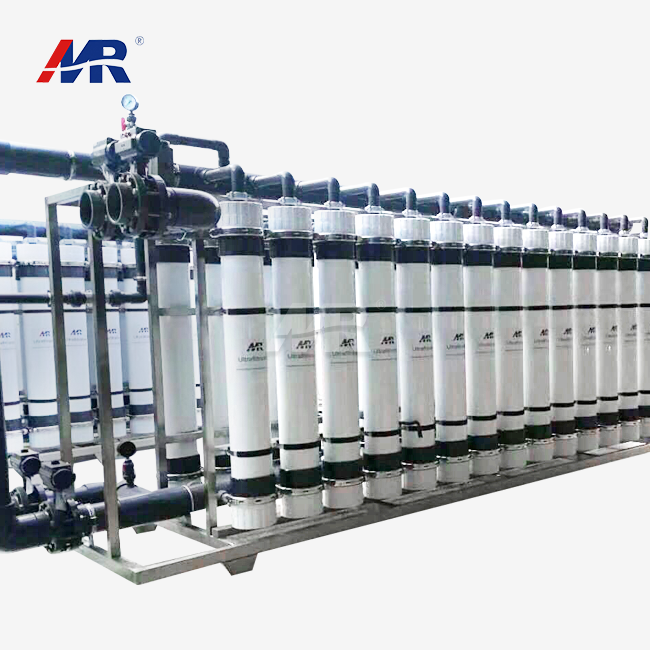 VIEW MOREUltrafiltration Systems
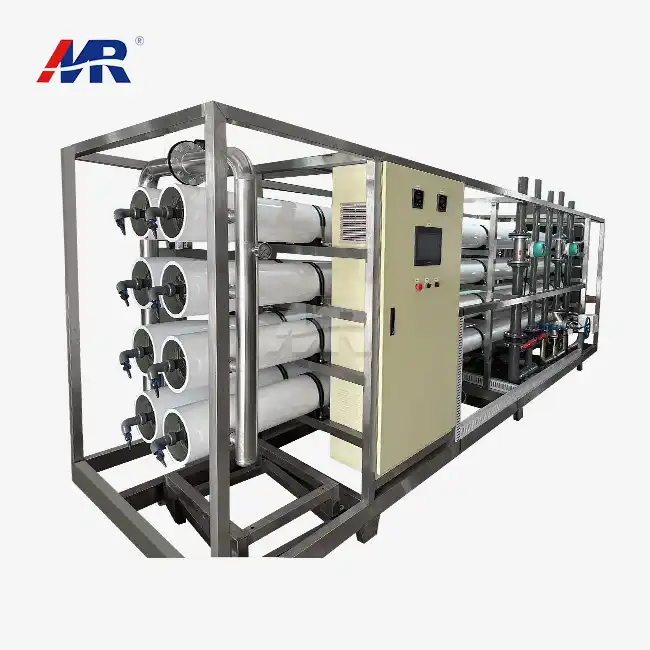 VIEW MORE8m3/hour two pass reverse osmosis system
 VIEW MOREro edi system
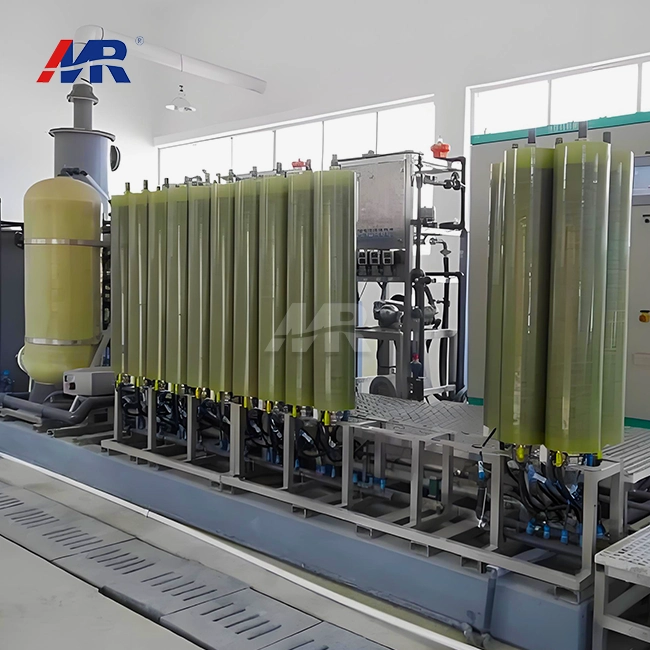 VIEW MOREDTRO Landfill Leachate Treatment
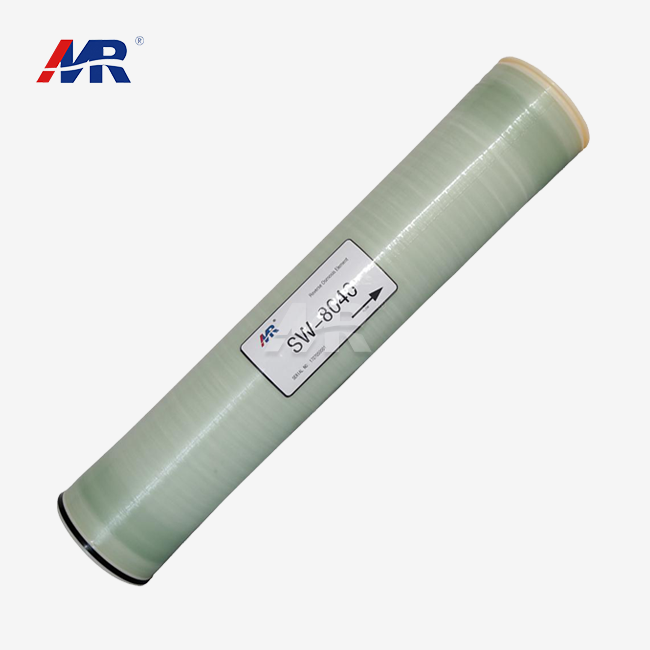 VIEW MORE8040 seawater reverse osmosis membrane
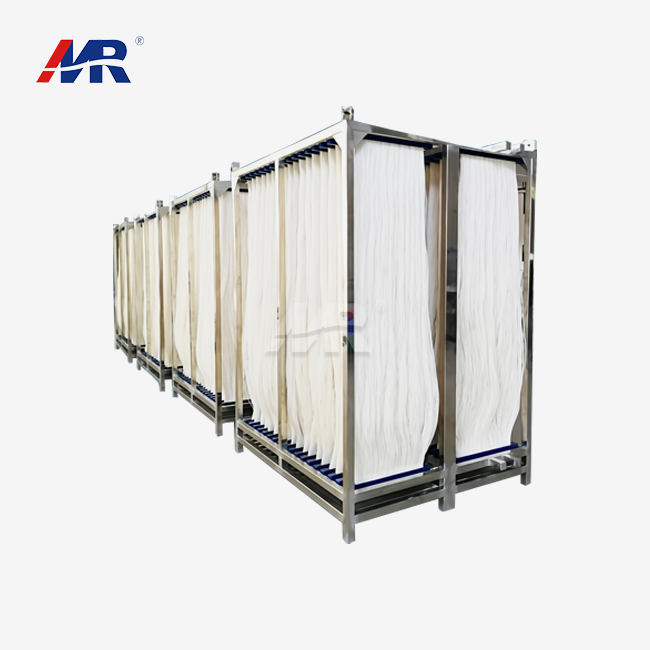 VIEW MOREbioreactor wastewater treatment
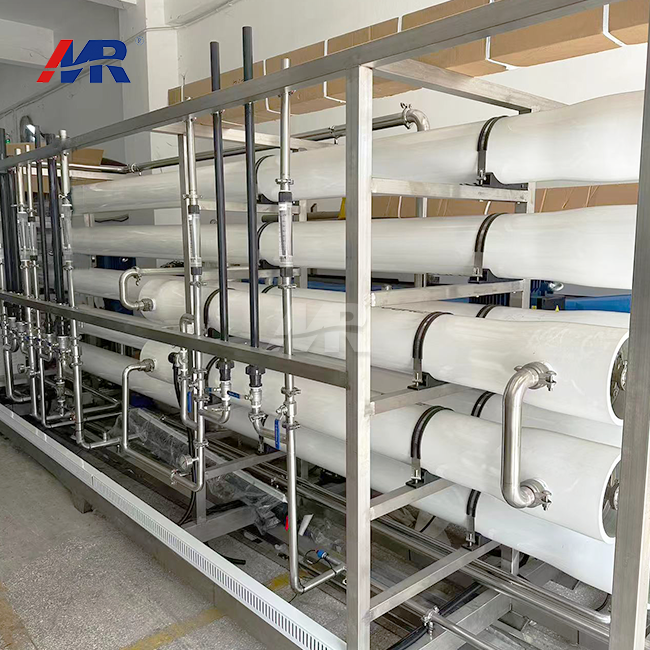 VIEW MOREosmosis drinking water system
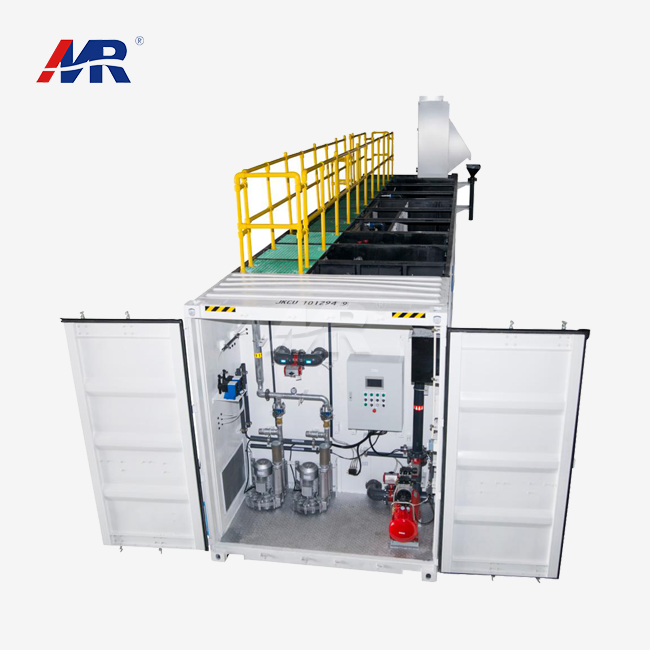 VIEW MOREhome sewage treatment plant
