_1745823981883.webp)

What Industries Benefit Most from Containerized RO Systems?
By providing scalable, portable, and quick deployment solutions, containerized RO systems are changing the way water is cleaned in a variety of industrial sectors. These self-contained units are very useful for many types of businesses, from desalination plants for seawater and remote mines to power plants and drug factories. In contrast to traditional fixed installations, containerized reverse osmosis systems don't need long building periods and don't require as much capital. They also keep the water quality at a very high level. Their modular design solves important operational problems like limited room, broken infrastructure, and the urgent need for flexible water treatment capacity in spread-out places.
Understanding Containerized RO Systems and Their Industrial Relevance
What Defines a Containerized Reverse Osmosis System?
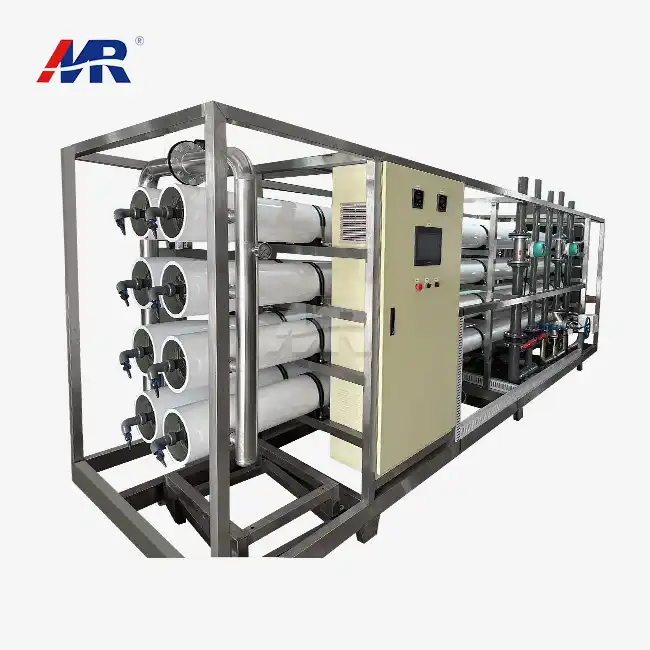
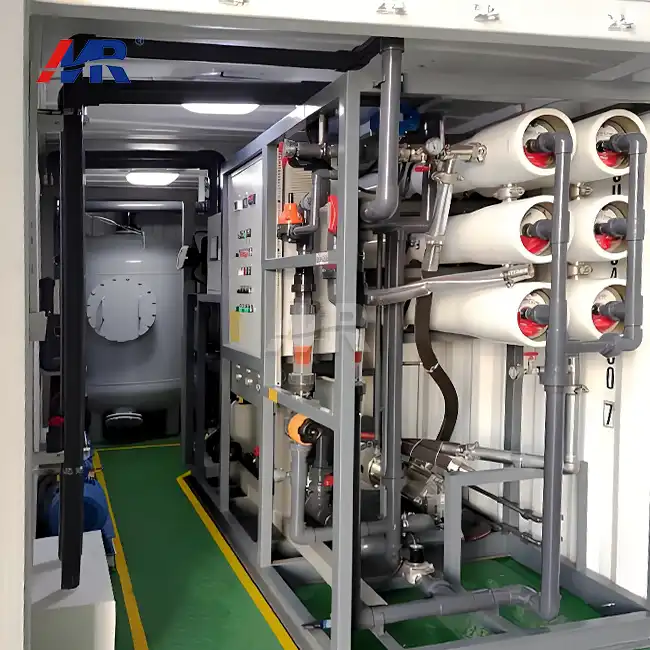
A containerized RO system is a complete water treatment plant that fits inside a standard ISO shipping container, which is usually 20 or 40 feet long. With these full solutions, pre-treatment parts, high-pressure pumps, membrane arrays, post-treatment equipment, and automatic control systems are all put together in one climate-controlled unit. The engineering method turns complicated water cleaning equipment into a portable, plug-and-play device that doesn't need any of the normal civil building steps.
Operational Process and Core Components
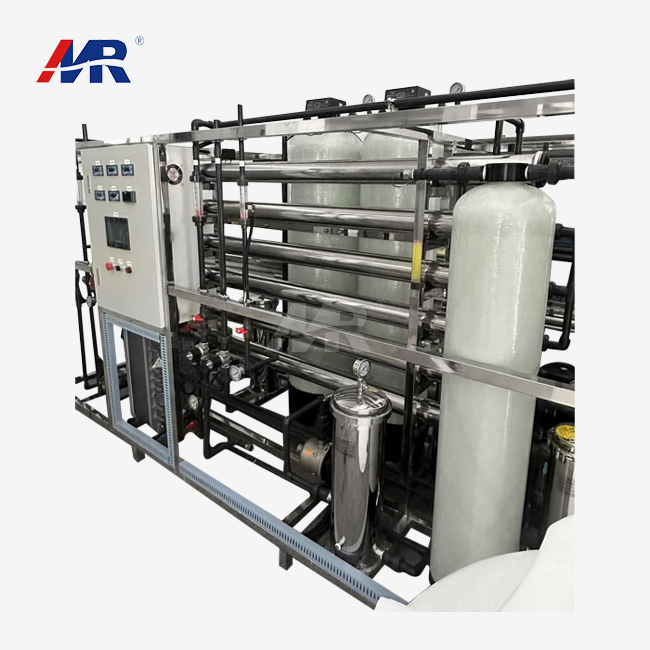
When fresh water comes in through a source intake with booster pumps, the functional change starts. Multimedia filtration, chemical dosing for pH adjustment and antiscalant application, water softening, and carbon filtration to remove chlorine are all part of the pre-treatment stages that make membranes last longer. Before the water gets to the high-pressure pump system, cartridge filters get rid of any last particles. Pressure levels change based on the saltiness of the feed water. For example, brackish water needs 150–400 psi and saltwater needs 800–1,200 psi. Separating the clean permeate from the concentrated reject streams are membrane vessels. Energy recovery devices take back pressure from the concentrate discharge. Depending on the needs of the end use, post-treatment may include cleaning, remineralization, or pH correction.
Flow rates, pressure differences, conductivity measurements, and water quality parameters are all constantly tracked by automated monitoring systems. These control screens allow for online diagnostics and practical changes, which cuts down on the need for expert staff to be on-site while keeping recovery rates at the best level, which is between 60 and 85% for brackish sources and 35 to 50% for seawater uses.
Key Advantages Driving Industrial Adoption
Modern businesses are under more and more pressure to improve operational efficiency while also keeping an eye on limited capital. Containerized RO solutions meet these needs in a number of compelling ways. With rapid rollout, project timelines are cut from months to weeks, so businesses can act quickly in case of emergencies or changed water needs. The flexible construction lets you increase capacity by adding more containers in parallel, instead of redesigning the whole system. Transportation versatility lets units move as project needs change, protecting capital investments as working environments change.
When it comes to places where real estate is expensive, space optimization is especially useful. Putting all the treatment processes into a small area frees up important floor space that can be used for activities that make money. Built-in temperature control keeps sensitive equipment safe from harsh environments, so it works the same way in the desert, the Arctic, or the tropics. Because of these benefits, containerized options become more appealing compared to permanent installations that need a lot of groundwork and construction schedules that depend on the weather.
Top Industries That Benefit Most from Containerized RO Systems
Seawater Desalination and Coastal Operations
Coastal cities, island communities, and platforms in the ocean all have unique water security issues that can be solved with containerized RO technology. Ships and other maritime vessels that go on long trips need a reliable way to make fresh water that doesn't depend on port infrastructure. Containerized units have a daily capacity of 50 to 250 cubic meters, which is enough for the needs of the crew and the operation. When natural disasters damage water infrastructure, emergency response plans benefit from being able to quickly deploy resources.
Corrosion-resistant materials and strict building standards make the containerized RO systems strong enough to survive harsh marine conditions. Saltwater intake systems work well with container-mounted pumps and pre-treatment equipment. The release of concentrates follows environmental rules by being properly diluted and spread out.
Mining and Resource Extraction
Mining businesses in dry, remote areas have to deal with two problems: water sources that change quality and a lack of water. Containerized systems clean brackish groundwater, recycled process water, or supplies that are brought in by truck so that they meet standards for drinking, keeping dust down, and processing minerals. The fact that it can be moved around works perfectly with the lifecycles of mines, as it lets equipment be moved around as extraction zones change or projects finish.
Because the minerals in source water change, pre-treatment setups need to be flexible. Container-based solutions let you choose the right filtration media, antiscalant programs, and membranes for your specific dissolved solids profiles. Exploration camps and temporary work sites like these systems because they don't need much site preparation and can be put into use quickly.
Food and Beverage Manufacturing
When making bottled water, drinks, or food, the quality of the final result rests on how pure the water is. Containerized RO systems support environmental efforts through wastewater recycling while delivering uniform quality that meets FDA guidelines and industry-specific requirements. An expandable capacity that grows with production growth without stopping ongoing operations is helpful for breweries, dairy processors, and bottling plants.
Hygienic design elements like sanitary fittings, cleaning protocols that have been tested, and documentation packages help with HACCP compliance and regulatory audits. Compared to installations where equipment is spread out, the contained environment lowers the risk of contamination. Adding temporary capacity during times of high demand makes seasonal changes in production more doable.
Pharmaceutical and Biotechnology Production
For pharmaceutical manufacturing, you need clean water that meets strict US Pharmacopoeia standards and Good Manufacturing Practice rules. Containerized solutions use multiple stages of purification, including reverse osmosis and electrodeionization modules, to get conductivity levels below 1 microsiemens per centimeter. Regulatory authorities need proof of validity, and systems for continuous monitoring and automated documentation systems provide it.
Contract manufacturers and biotechnology research centers like being able to add separate water systems for different production lines or clinical trial batches. Isolating contamination with different treatment trains protects the integrity of the product and makes cleaning validation methods easier.
Power Generation and Energy Sector
A lot of ultrapure water is used in thermal power plants and nuclear sites for their boiler feedwater and cooling systems. Containerized reverse osmosis equipment removes large amounts of dissolved solids before the final cleaning step, which is the first step in the demineralization process. The modular method lets you add capacity in stages that match the growth of power production without having to shut down the whole system.
Containerized units are used by petrochemical refineries to treat water from oil fields so that it can be injected again. This cuts down on the need for freshwater and the cost of disposal. As environmental release limits get stricter, process water recycling systems make the best use of resources while still meeting those limits. Rapid installation keeps income losses to a minimum during repair windows or improvements to capacity.
Municipal and Public Utilities
Water treatment authorities have to deal with infrastructure that is getting old and more people who want reliable service expansion. Containerized RO systems can be used as temporary storage while a plant is being upgraded, as a backup in case something goes wrong, or as long-term solutions for small distribution zones. This method works especially well for towns with fewer than 50,000 people, where the economics of standard plant building become hard to understand.
Disaster relief situations show how important it is to have water treatment capacity that can be moved around. When a hurricane, earthquake, or contamination event threatens municipal supplies, containerized units can be quickly sent to the scene to help. More and more, these systems are being used by federal and state disaster management agencies to plan for preparedness and speed up reaction times.
Comparing Containerized RO Systems with Other RO Solutions for Industrial Procurement
Design and Installation Considerations
When procurement managers look at different treatment options, they have to consider a lot of things that affect the total cost and time frame of the job. Skid-mounted systems need to be connected to utilities, have environmental controls, and be built on top of existing building infrastructure. This adds architectural and mechanical costs on top of the equipment price. Even though packaged units make integration a little easier, the site still needs to be prepared in a lot of ways, such as for supports, weather protection, and utility routes.
Because they are self-contained, containerized RO systems get rid of most of the need for civil development. The structure of the shipping container protects against the weather and includes access platforms, equipment mounting frames, and other components. Level ground, utility hookup places, and feed-water intake pipes are all that are needed for a site. Traditional builds take 12 to 18 months to install, but container systems only take 4 to 8 weeks. This speeds up the return on investment and the generation of revenue.
Operational Flexibility and Mobility
Traditional fixed installations are long-term investments in capital that are tied to certain places. When business conditions change, resources run out, or strategies change, important assets can get left behind with no way to get them back. It is possible to move containerized equipment to different facilities, make lease agreements, or sell the equipment in secondary markets, which keeps its value.
This mobility is especially helpful for businesses that work on projects, such as building, temporary events, military missions, and research. Units are shipped using standard methods, like trucks, trains, or cargo ships, without any special handling gear. The standard footprint makes logistics planning easier and cuts down on transportation costs compared to custom-built skids that need special carriers.
Energy Efficiency and Operating Costs
These days, containerized systems have energy recovery devices that take 25 to 60 percent of the energy from the feed pump and use it to power concentrate streams. Variable frequency drives improve pump performance across different demand cycles and lower electricity use when demand is low. LED lights, insulated panels, and efficient HVAC systems keep the need for extra power to a minimum and protect the equipment's lifespan.
A full cost study shows that containerized RO systems usually have a 15–30% lower total cost of ownership than standard installations with the same amount of space. Lower insurance rates, shorter access times for maintenance workers, and a simpler inventory of spare parts all help to save money on ongoing operations. Structures for financing, like operating leases and equipment rental programs, help businesses better manage their cash flow and keep capital available for investments that are important to the business.
Conclusion
Containerized RO systems are a revolutionary way to treat industrial water because they are so adaptable, quick to set up, and affordable for a wide range of needs. These flexible solutions are used by many industries, from mining and desalination of seawater to medicines and power generation, to solve problems with water quality while making the best use of capital. When compared to traditional fixed installations, containerized options are becoming more and more appealing because they are portable, require little site preparation, and can be expanded to hold more. To get the best system performance and long-term operational success, you should carefully choose your suppliers based on their technical knowledge, service infrastructure, and ability to customize solutions for your specific needs.
FAQ
1. What ranges of capacities do containerized RO systems offer?
Containerized RO systems can produce anywhere from 10 to 1,000 cubic meters of water per day from 40-foot containers. This is enough for small applications. For bigger needs, multiple parallel units are used to meet them, which provides backup and operational flexibility. Based on the source water's properties and the needs of the end use, custom designs balance permeate quality, recovery efficiency, and footprint optimization.
2. How much faster can containerized systems be set up than regular plants?
Usually, it takes 4 to 8 weeks from the time the equipment arrives until it is fully operational. For traditional construction, it takes 12 to 18 months. Ground leveling and utility connection points are now the only things that need to be done to prepare the site. Factory testing of pre-assembled parts makes sure they work before they are shipped, which cuts down on problems and delays at the customer's site. This sped-up plan makes the project's economy much better by bringing in money faster and lowering the cost of financing it.
3. What kind of care know-how do containerized RO systems need?
For basic operational oversight, technicians must be able to keep an eye on instruments, record data, and do everyday tasks like changing filters and adjusting chemical doses. Within three to five days, comprehensive training programs from reliable suppliers build the skills that are needed. Supplier service agreements usually cover complex maintenance like replacing membranes and fixing problems with control systems. This makes it easier for building staff to do their jobs while still making sure the right steps are taken.
Partner with Morui for Your Containerized RO Systems Needs
Guangdong Morui Environmental Technology Co., Ltd. can help you fix your water needs with containerized RO systems that are the best in the business and can be customized to fit your needs. Our engineering team has more than 20 years of experience in desalinating seawater, treating industrial process water, and using water for city purposes. They are backed up by 20 specialized engineers and a manufacturing plant where they make membranes. As a well-known provider of containerized RO systems to the mining, food and beverage, power generation, and pharmaceutical industries, we offer complete solutions, from the initial meeting to installation, testing, and ongoing service support. Our 14 regional branches offer quick, local help, and we work with top component makers like Shimge Water Pumps and Runxin Valves to make this possible. Email our technical team at benson@guangdongmorui.com to talk about the details of your project and get a full proposal that takes into account your budget, capacity needs, and water quality goals.
References
1. Greenlee, L.F., Lawler, D.F., Freeman, B.D., Marrot, B., & Moulin, P. (2009). Reverse osmosis desalination: Water sources, technology, and today's challenges. Water Research, 43(9), 2317-2348.
2. Voutchkov, N. (2018). Desalination Project Cost Estimating and Management. CRC Press, Boca Raton, Florida.
3. American Water Works Association. (2021). Reverse Osmosis and Nanofiltration (M46), Second Edition. Denver, Colorado.
4. Wilf, M. & Bartels, C. (2005). Optimization of seawater RO systems design. Desalination, 173(1), 1-12.
5. Fritzmann, C., Löwenberg, J., Wintgens, T., & Melin, T. (2007). State-of-the-art of reverse osmosis desalination. Desalination, 216(1-3), 1-76.
6. Macedonio, F., Drioli, E., Gusev, A.A., Bardow, A., Semiat, R., & Kurihara, M. (2012). Efficient technologies for worldwide clean water supply. Chemical Engineering and Processing: Process Intensification, 51, 2-17.