_1745823981883.webp)

Choosing the Right Ultrafilter Membrane System for Your Project
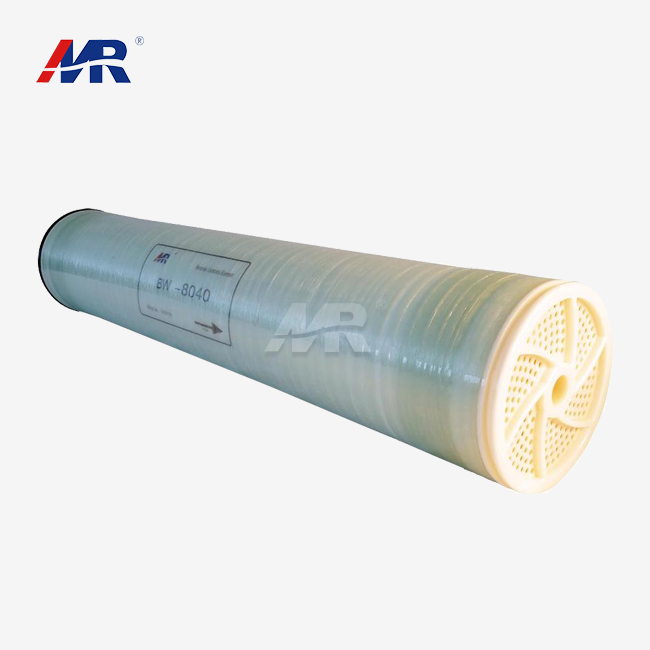
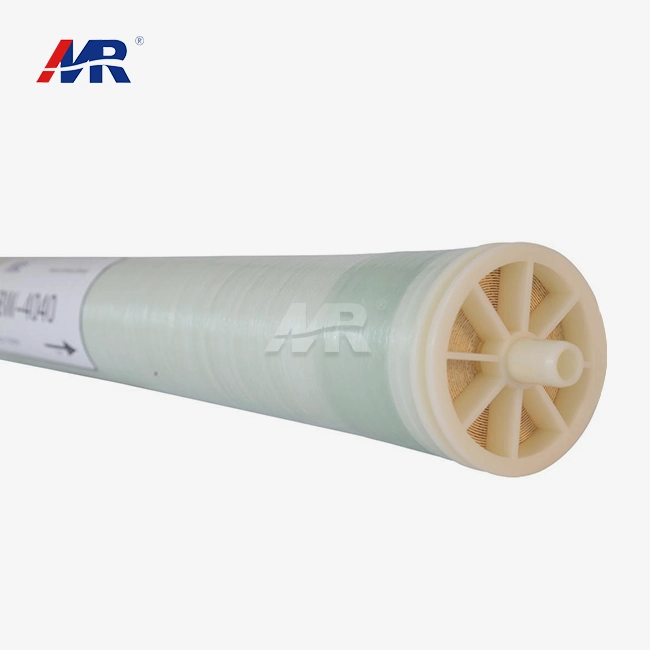
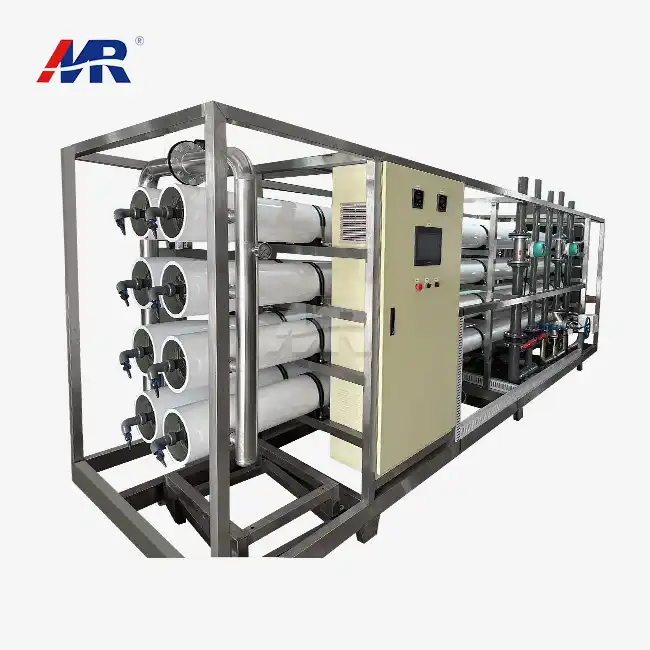
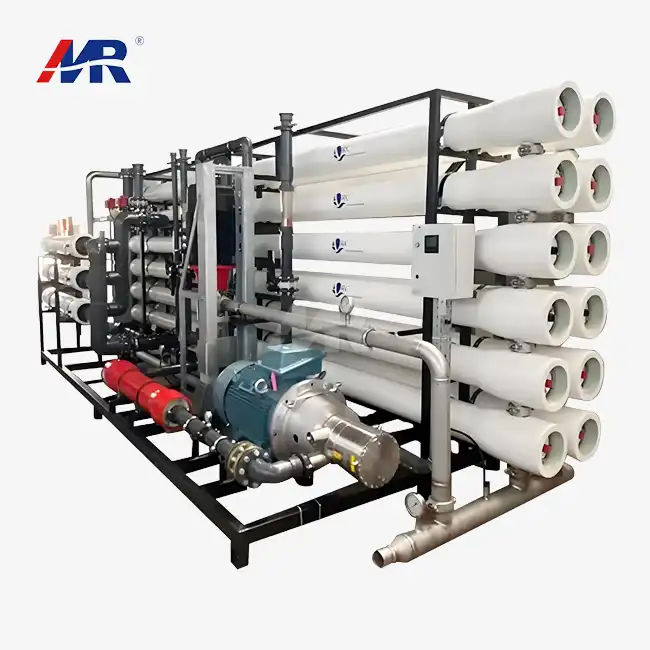
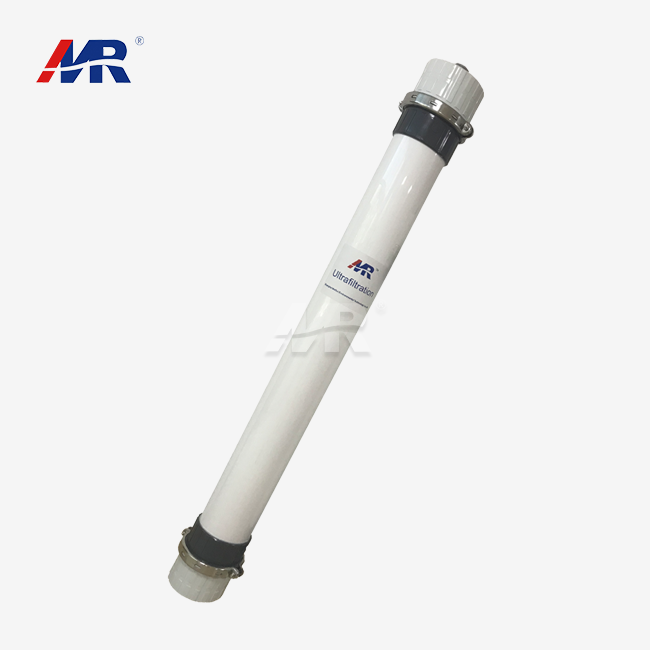
Selecting an membrane/ultrafiltration-membrane-system">ultrafilter membrane system requires balancing technical specifications, operational demands, and budget constraints across diverse industrial applications. An ultrafilter membrane operates as a pressure-driven barrier with pore sizes between 0.01 and 0.1 microns, effectively removing suspended solids, bacteria, viruses, and macromolecules while maintaining low energy consumption. Whether you manage water treatment for pharmaceutical manufacturing, municipal drinking water facilities, or food processing operations, understanding membrane characteristics and system configurations determines project success and long-term operational efficiency.
Introduction
The quality of the water has a direct effect on production standards in many fields, from making drugs to running city services. These days, ultrafilter membranes are an important part of modern water purification systems because they can solve problems that regular filters can't. More and more, procurement managers, plant engineers, and technical decision-makers are being pushed to set up systems that provide constant water quality while lowering costs and harming the environment.
This guide is written with the concerns of professionals in mind who are in charge of choosing, buying, and maintaining ultrafiltration systems. We look at how membrane technology can be added to current systems, what performance measures are most important for various uses, and how to choose suppliers based on their technical skills rather than their marketing claims. The information given comes from industry standards, operating data, and real-life application experiences in a number of different fields, such as wastewater reclamation, the food and beverage industry, and the making of electronics.
Understanding Ultrafilter Membrane Technology
How Does Ultrafiltration Work in Industrial Settings?
Size exclusion is how ultrafiltration works. Water moves through semi-permeable barriers, but contaminants bigger than the membrane pores are kept out. The technology uses hollow fibre or flat sheet shapes, with pores that are usually between 0.01 and 0.1 microns wide and molecular weight limits of 1,000 to 500,000 Daltons. This way of filtering is very different from reverse osmosis, which uses diffusion to get rid of dissolved salts and smaller molecules.
Ultrafilter membrane systems in factories are used to treat certain problems that are hard to treat with standard methods. Changes in the amount of turbidity in raw water sources can be too much for regular filters to handle. On the other hand, pharmaceutical uses need solid barrier technology to get rid of pathogens. No matter how the feed water changes, membrane systems keep the quality of the effluent the same. This gives them operational stability that thermal separation or media filtration can't match.
Material Science and Membrane Construction
Modern membranes are made of materials that have been designed to have certain chemical and mechanical qualities. Polyvinylidene fluoride (PVDF) membranes are very resistant to oxidation and can handle chlorine exposure up to 1,000 parts per million during chemical cleaning processes. Polyethersulfone (PES) is better at attracting water, which keeps organic fouling to a minimum in situations where there are a lot of living things. Our systems use PVDF and PVC membranes with hollow fibers that have a linear tensile strength of more than 5 MPa to keep the fibers from breaking during backwash cycles.
Advanced membranes have asymmetric pore structures that make them need low transmembrane pressures, usually between 0.1 and 0.3 MPa. Compared to technologies with tighter filters, this design uses less pump power, which directly lowers running costs. Membranes that meet NSF/ANSI 61 standards make sure that the material is safe for use in drinking water applications, and ISO 9001 approval shows that the quality of the manufacturing process is always controlled.
Application Scope Across Industries
Ultrafiltration has different uses based on the needs of the business. These systems are used by municipal water plants to improve the way they treat drinking water. They get rid of Cryptosporidium and Giardia that chlorination alone can't. Food and drink companies use membranes to make process water that meets strict cleanliness standards for making drinks, dairy Products, and bottled water.
Facilities that work with drugs and science need water that meets United States Pharmacopoeia (USP) standards. Ultrafiltration using an ultrafilter membrane has been shown to be an effective way to keep germs out of this water. When making electronics, membrane systems are used to clean the water before reverse osmosis and electrodeionization. This keeps downstream equipment from getting clogged with colloidal matter. More and more wastewater treatment plants are using membrane bioreactor technology, which combines biological treatment with ultrafiltration to make sewage that can be reused or recycled.
Critical Factors to Consider When Choosing an Ultrafilter Membrane System
Performance Metrics That Define System Capability
The flux rate is the amount of water moving through the membrane area in a given amount of time. It is usually given in liters per square meter per hour (LMH). Under normal working conditions, our systems can handle flux rates of up to 150 LMH. However, their real performance depends on the quality and temperature of the feed water. Higher flow rates lower the membrane area needed for a given capacity. This lowers the cost of capital but could raise fouling rates if the feed water has a lot of organic or particulate matter in it.
The amount of target contaminants that are removed during filtration is measured by rejection efficiency. Ultrafiltration is good at getting rid of bacteria, viruses, and solids in suspension, but it doesn't get rid of dissolved salts or small organic molecules. Knowing these limits keeps you from making mistakes when specifying reverse osmosis or nanofiltration instead. Recovery rate shows how much of the feed water is turned into product water. Depending on the cleaning process and needs of the application, our systems can recover up to 95% of the feed water.
Material Selection and Durability Considerations
Chemical tolerance, mechanical strength, and fouling characteristics are all directly affected by the material of the membrane. PVDF membranes can handle harsh chemical cleaning methods. They can work in temperatures ranging from -1°C to 40°C and pH levels ranging from 2 to 11. This chemical resistance makes membranes last longer in situations where they need to be cleaned often, like when they're treating outdoor water with a lot of particles or industrial process streams that can get organic matter stuck on them.
Different ultrafilter membrane materials can handle chlorine in very different ways. Some polymers break down quickly when exposed to oxidants, but PVDF stays structurally sound when it is cleaned regularly with sodium hypochlorite solutions. This feature makes it easier to follow sanitization protocols for pharmaceutical- and food-grade uses that need to control microbes. To keep the membrane from breaking down too quickly, the material should be chosen with both normal operating conditions and cleaning needs in mind.
Cost Analysis Beyond Purchase Price
The total cost of ownership includes more than just the original capital investment. It also includes installation, energy use, membrane replacement, and labor for upkeep. Cheaper systems might be made with lower-quality parts that need to be replaced more often, which means they cost more over the course of five years of use. Operating pressure directly affects how much energy is used. Membranes that need higher transmembrane pressure need more pump power, which raises the ongoing cost of electricity.
When to change the membranes depends on the quality of the feed water, the flow rate, and how often the system is maintained. If the system is run correctly and the membranes are properly treated, a good PVDF ultrafilter membrane should last between three and five years. Not only do membrane modules cost a lot to replace, but so do the labor to install them and the time the system is down while they are being changed. When comparing quotes from suppliers, don't just believe what the maker says; ask for specifics on how long the membrane should last in the conditions that are right for your purpose.
Comparing Ultrafilter Membrane Systems: Making the Rational Choice
Evaluating System Configurations and Design Approaches
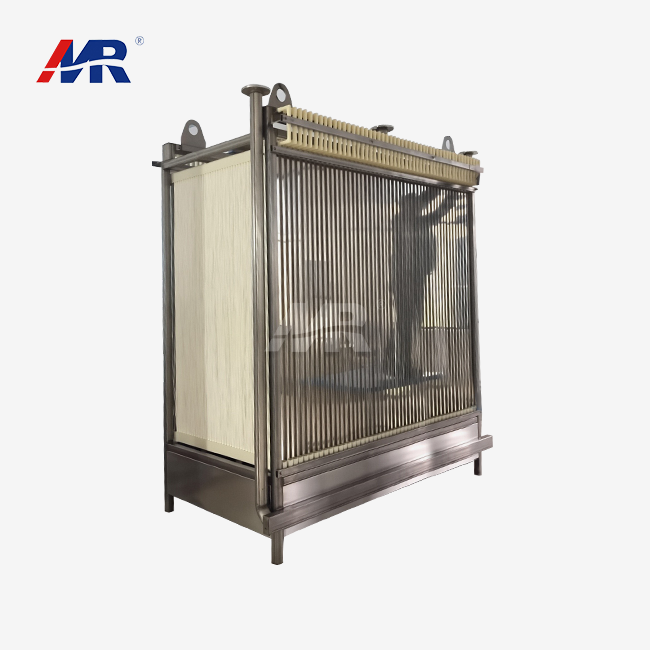
Membrane configuration has a big effect on the size of the system, how often it needs to be maintained, and how well it cleans. Hollow-fiber membranes have a high packing density, which means they can filter more in the same amount of room. When there is a lot of turbidity, outside-in flow setups work well because they let you backwash and remove the solids without having to do a lot of complicated mechanical cleaning. Inside-out designs are better for low-turbidity situations where finding fibre breaks is very important.
Before you compare different makers, you should be clear about what results you need based on your water quality goals. Write down the features of the feed water, such as its turbidity, total suspended solids, temperature ranges, and any specific contaminants that need to be removed. Figure out how much capacity you need, taking into account times of high demand and any planned facility expansions. Instead of reading marketing materials that focus on features that aren't important to your application, these specifications are what you need to compare ultrafilter membrane systems in a useful way.
Supplier Evaluation Criteria Beyond Product Specifications
Suppliers who know about industrial water treatment are different from those who just sell equipment because they offer Technical support. Check with possible providers to see if they have application engineers on staff who can look over your water quality data and suggest the best way to set up your system. Guangdong Morui Environmental Technology has a team of more than 20 engineers who are experts in treating wastewater for municipal, industrial, and specialised uses. These engineers help plan and carry out projects by giving technical advice.
When projects need custom designs or to work with current infrastructure, the ability to manufacture is important. When a company runs its own membrane production sites, it has control over quality and can meet specific needs that cataloged goods can't. Delivery times and access to new parts are affected by distribution networks. Suppliers with well-established transportation systems reduce downtime during regular maintenance or emergency fixes.
Matching Technology to Application Requirements
When making medicines, you need to use methods that have been tested and proven to work. You also need to keep records of these tests and follow strict cleaning and testing routines. With redundant capacity and automated tracking systems, municipal drinking water treatment puts operating dependability and ease of maintenance at the top of its list of priorities. When it comes to industrial process water, the main goals are uniform quality and integration with current treatment trains. This is usually done as a pretreatment step to protect reverse osmosis equipment that comes later.
When figuring out the size of a system, ultrafilter membrane fouling must be taken into account, since it lowers the system's useful capacity over time between cleaning cycles. When flux rates are kept low, cleaning times and membrane lifespans are extended. However, the increased membrane area leads to higher capital costs. Aggressive flux rates lower the initial investment, but they may mean that the membrane needs to be cleaned more often and replaced earlier. The best balance depends on how much labor costs, how much chemicals cost, and how much operational complexity your facility can handle.
Conclusion
To choose the right ultrafilter membrane system, you need to compare the technical specs to the needs of the application, the skills of the provider, and the total cost of ownership. The material of the membrane, the way the system is set up, and the operating parameters must all match your water quality goals and the limitations of your facility. Supplier approval includes more than just product requirements. It also includes expert help, the ability to make the product, and long-term service promises. The ultrafiltration industry is always changing as new materials and technologies for optimising operations are introduced. These are making ultrafiltration better at treating industrial water and making it more efficient. By carefully looking at these factors, you can set up your project to be implemented successfully and run reliably for a long time.
FAQ
1. What contaminants can ultrafiltration membranes remove effectively?
Ultrafiltration is a reliable way to get rid of bacteria, viruses, turbidity, suspended solids, and high-molecular-weight organic compounds. Pathogens like Cryptosporidium and Giardia can't get through ultrafilter membranes with pores that are between 0.01 and 0.1 microns wide. Ultrafiltration does not get rid of heavy metals, small organic molecules, or dissolved salts, though. For that, you need reverse osmosis or ion exchange technologies.
2. How long do industrial ultrafiltration membranes typically last?
How long a membrane lasts relies on the quality of the feed water, how it is used, and how often it is maintained. When used correctly and with the right preparation, high-quality PVDF membranes usually last between three and five years before they need to be replaced. A membrane's life can be greatly shortened by harsh chemical cleaning, using it at higher flux rates than intended, or not pre-treating properly.
3. Why does membrane flux decline over time?
Fouling happens when contaminants build up on the membrane's surface or inside its holes, causing the flux to drop. Organic matter, colloidal particles, and organic growth all make it harder for water to move. Regular backwashing gets rid of materials that are only loosely attached, and chemical cleaning every so often gets rid of more stubborn fouling. When pretreatment is done right and working conditions are optimized, fouling rates are lowered, and cleaning gaps are increased.
Partner with Morui for Your Ultrafiltration Needs
If you need ultrafiltration, work with Morui. Guangdong Morui Environmental Technology specialises in providing complete water treatment solutions for business and public uses. Our engineering team creates unique systems using high-performance ultrafilter membrane technology that can handle flux rates of up to 150 LMH and recovery rates of up to 95%. We make our own PVDF and PVC hollow-fiber membranes, so we can keep an eye on quality and provide expert support for the whole duration of the system. We offer complete solutions from the first consultation to installation, commissioning, and continued service. We have 14 regional branches with more than 500 workers and partnerships with top equipment names like Shimge Water Pumps and Runxin Valves. Get in touch with our technical experts at benson@guangdongmorui.com to talk about your project needs and get detailed specs from a reliable ultrafilter membrane supplier that cares about your business's success.
References
1. American Water Works Association. (2021). Membrane Technology for Water Treatment: Principles and Applications. Denver: AWWA Press.
2. Singh, R. (2020). Ultrafiltration Systems: Design, Operation, and Economics in Industrial Applications. London: Water Treatment Publishers.
3. Membrane Technology Research Institute. (2022). Global Market Analysis: Industrial Ultrafiltration Systems 2022-2027. Technical Report Series, Volume 18.
4. Pharmaceutical Engineering Journal. (2021). "Validation Protocols for Ultrafiltration in GMP Water Systems," Volume 41, Issue 3, pp. 54-68.
5. Environmental Protection Agency. (2020). Membrane Filtration Guidance Manual for Public Water Systems. Washington DC: EPA Office of Water.
6. Journal of Membrane Science and Technology. (2023). "Advances in PVDF Membrane Materials: Chemical Resistance and Fouling Mitigation Strategies," Volume 29, Issue 2, pp. 112-128.