_1745823981883.webp)

Choosing the Right Water and Wastewater Treatment Plant Equipment
Choosing the right equipment for your water and wastewater treatment plant requires matching treatment technologies to your operational demands, regulatory obligations, and sustainability targets. Whether you're operating a municipal facility handling domestic sewage or an industrial plant managing pharmaceutical effluent, equipment selection directly influences treatment efficiency, operational costs, and environmental compliance. A properly configured water and wastewater treatment plant incorporates technologies like membrane bioreactors, advanced oxidation systems, and energy-efficient pumping to achieve effluent standards while minimizing lifecycle expenses and environmental footprint.
Introduction
Picking the right treatment equipment is a key part of making sure that operations run smoothly, rules are followed, and the environment is cared for in the long term in the municipal, industrial, and commercial sectors. Your choices about what to buy must be in line with changing rules about discharge standards in your area, changing requirements for water quality, and changing needs for throughput.
The effects of choosing the wrong tools go beyond the initial cost of buying them. Systems that aren't optimized use 30–40% more energy than installations that are, and equipment that is too small can cause compliance issues and costly operational disruptions. Over-engineered solutions, on the other hand, waste money by requiring too much capital investment and raising the cost of upkeep.
This complete guide covers a wide range of market needs, including those in the food processing, semiconductor production, petrochemical operations, and public utilities sectors. We look at how customized choices of equipment can improve treatment performance in a way that can be measured while also supporting long-term sustainability goals and responsible resource management.
Understanding Water and Wastewater Treatment Plant Equipment
To meet strict standards for wastewater, modern water and wastewater treatment plants use combined systems that combine many technologies. When workers know about the basic parts and how they work, they can make decisions that are in line with their treatment goals.
Core Equipment Components and Their Functions
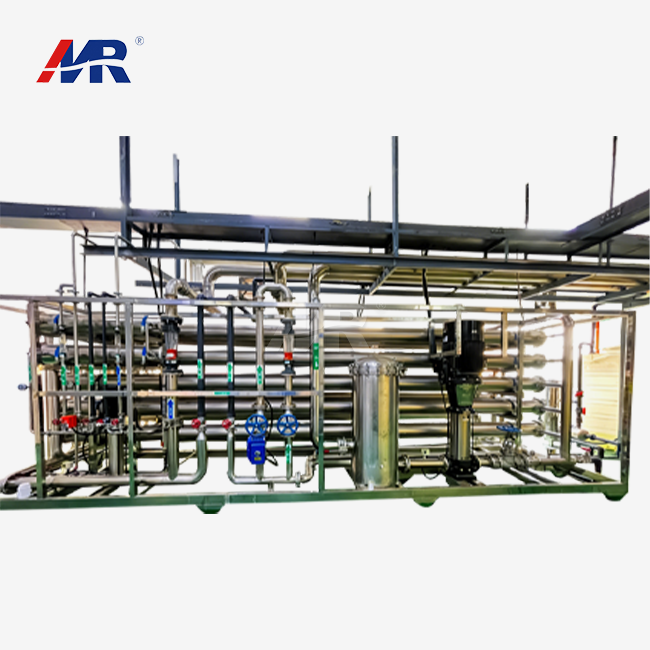
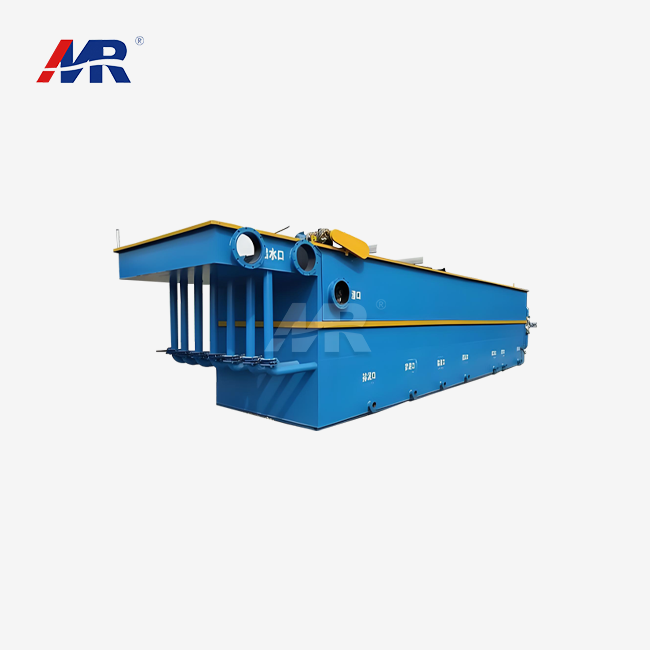
Treatment plants use specialized tools that do different jobs at different stages of the treatment process. Bar screens, grit chambers, and equalization tanks are used in preliminary treatment systems to get rid of big solids and keep flow rates stable before secondary processing. Primary clarifiers use gravity to get rid of solids that can settle, which lowers the amount of organic matter that gets into biological systems further down the line.
Biological treatment equipment uses microbial communities to break down organic pollutants. It includes aeration tanks, biofilm reactors, and membrane bioreactor systems. Pumping systems keep the hydraulic flow going through the whole building, and blowers provide the oxygen that living things need to do aerobic processes. Biosolids made during cleaning are taken care of by thickeners, dehydration presses, and anaerobic digesters, which are types of sludge handling equipment.
Distinguishing Water and Wastewater Applications
Apps that make drinkable water and apps that treat wastewater have very different equipment needs. Using technologies like multimedia filtration, activated carbon adsorption, and UV treatment, drinking water systems make sure that pathogens are removed and the water looks good. When compared to wastewater facilities, these systems usually handle cleaner inputs with lower levels of contaminants.
Wastewater treatment plants have to deal with much higher amounts of nutrients, dissolved solids, and organic matter, which means they need strong biological treatment and solids-sorting tools. Industrial wastewater is more complicated because it contains heavy metals, persistent organic toxins, and very high pH levels, which means that it needs to be treated in ways that are different from what is normally done in city systems.
Regulatory Compliance and Environmental Standards
Facilities must be able to meet the flow limits set by environmental bodies with the help of treatment equipment in a water and wastewater treatment plant. According to the Clean Water Act, the National Pollutant Discharge Elimination System sets maximum levels for biochemical oxygen demand, total suspended solids, ammonia, phosphorus, and pathogenic microorganisms.
Failure to comply leads to enforcement actions, such as fines of more than $50,000 per violation day and possible criminal charges for serious violations. In addition to what is required by law, communities are expecting facilities to have less of an effect on the environment through energy efficiency, lowering greenhouse gas emissions, and resource recovery programs that turn wastewater treatment plants into water resource recovery facilities.
Criteria for Choosing the Right Treatment Plant Equipment
For equipment selection to work well, operational needs, performance standards, and lifecycle economics must all be carefully considered and matched to the specifics of your building.
Defining Your Treatment Scenario and Requirements
Municipal facilities usually handle household waste that has fairly consistent properties and flow patterns, which lets cleaning methods be standardized. The quality of the influent in industrial operations can change more depending on the production schedules. This means that they need strong equalization and maybe even specialized pretreatment before biological processing.
Treatment capacity is one of the most important specs. Systems can handle anywhere from 50 m³/day for small businesses to over 10,000 m³/day for large regional government plants. Accurate capacity planning takes current loading and expected growth over the next 15 to 20 years into account. This way, capacity limits don't happen too soon, and there isn't too much extra capacity that drives up capital and running costs.
The right treatment technologies are chosen based on factors like organic strength, nutrient concentrations, temperature, and toxic constituents. Heavy industrial wastewater might need physical cleaning, and processes that are sensitive to temperature change need thermal conditioning to keep biological activity at its best when the seasons change.
Evaluating Performance and Efficiency Metrics
Treatment effectiveness has a direct effect on how reliable compliance is and how much it costs to run the business. Modern membrane bioreactor systems can clean wastewater up to 99.9% of the time, making high-quality runoff that can be dumped into the environment or used again in industry. Using between 0.5 and 1.5 kWh/m³ of energy has a big effect on running costs, especially for big plants that process millions of gallons of water every day.
Lifecycle costs and operating continuity are affected by how reliable a system is and how much upkeep it needs. Equipment with multiple parts, materials that don't rust, and easy-to-reach repair places has less downtime and lasts longer. With remote tracking, you can do predictive maintenance, which finds problems before they happen and stops downtime.
Analyzing Lifecycle Costs and Investment Returns
A full cost study looks at more than just the initial investment. It also looks at ongoing costs like running the business, fixing problems, and the cost of replacing old equipment at the end of its useful life. Energy-efficient systems that cost an extra 15 to 20 percent in capital often have good payback times because they use less power, which is especially helpful in places where energy costs a lot.
Modular designs allow for flexible scaling, which means that capacity can grow in stages to match rising demand without having to replace the whole system. This method lowers the original cash needs while keeping the flexibility for future growth, which is very important for cities and businesses that are growing.
Customization Versus Standardized Solutions
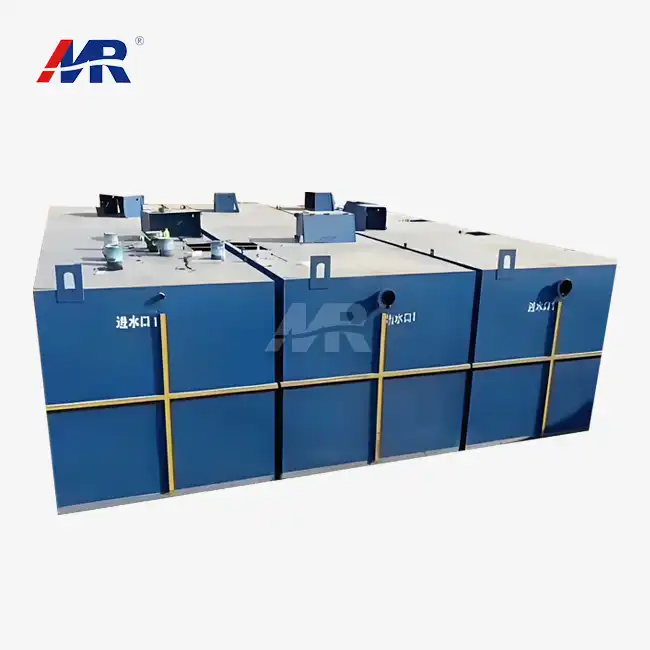
Standardized packaged treatment systems can be set up faster and have been shown to work well in common situations. These turnkey water and wastewater treatment plant solutions work well for sites that deal with typical wastewater and have simple treatment goals. They provide steady performance with little engineering complexity.
Customized systems solve specific operating problems by engineering solutions that are made to fit particular contaminants, limited room, or strict effluent needs. Custom-engineered approaches that maximize performance within their specific constraints are helpful for pharmaceutical companies that deal with antibiotic residues, semiconductor manufacturers that need ultrapure process water, and facilities that don't have a lot of room.
Comparing Popular Water and Wastewater Treatment Technologies
Knowing the different technologies that are out there and how they work lets you make an informed choice that fits your treatment goals and operating preferences.
Activated Sludge and Biological Treatment Systems
Activated sludge, which breaks down organic pollutants with the help of floating microbe cultures, is still the most common biological treatment method. Conventional systems have been shown to work reliably and have low initial costs, but they need big footprints and skilled operating control to keep biological groups safe.
Different types, like extended aeration, sequencing batch reactors, and oxidation ditches, are used to meet different operational needs. Long-term aeration is a strong treatment method that ensures a stable process, making it ideal for places where operators don't have a lot of experience. Sequencing batch reactors are great for places with limited room or loading patterns that change often because they are flexible in how they work and get rid of nutrients effectively.
Membrane Bioreactor Technology
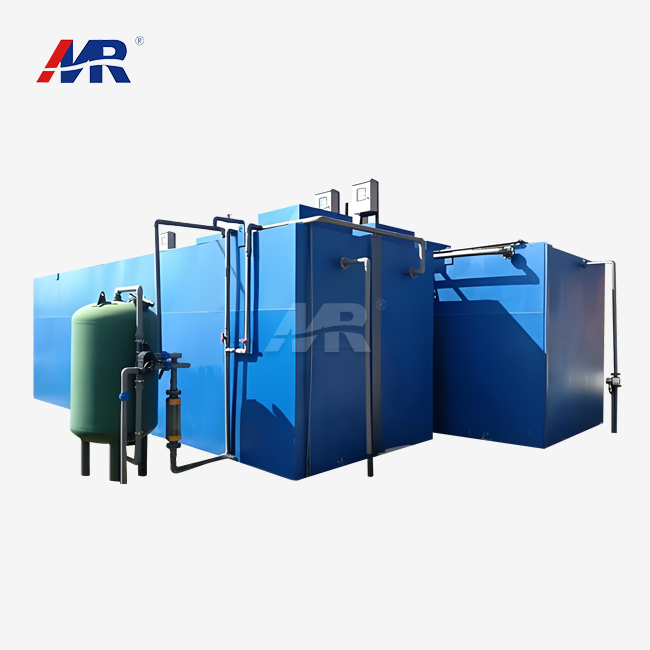
Membrane bioreactors combine biological treatment with direct membrane filtering, so they don't need extra clarifiers and make better effluent. These systems take up 30–50% less room than regular ones, which helps solve the problem of limited land that stops urban centers from adding more treatment capacity.
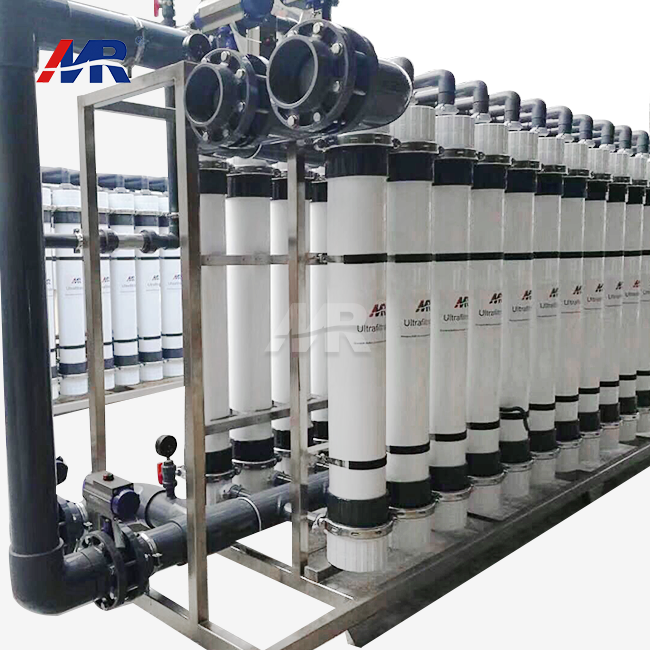
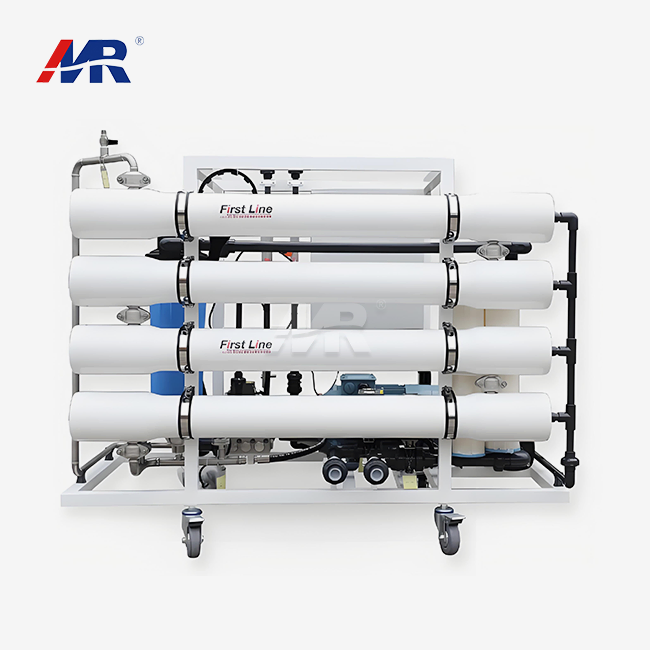
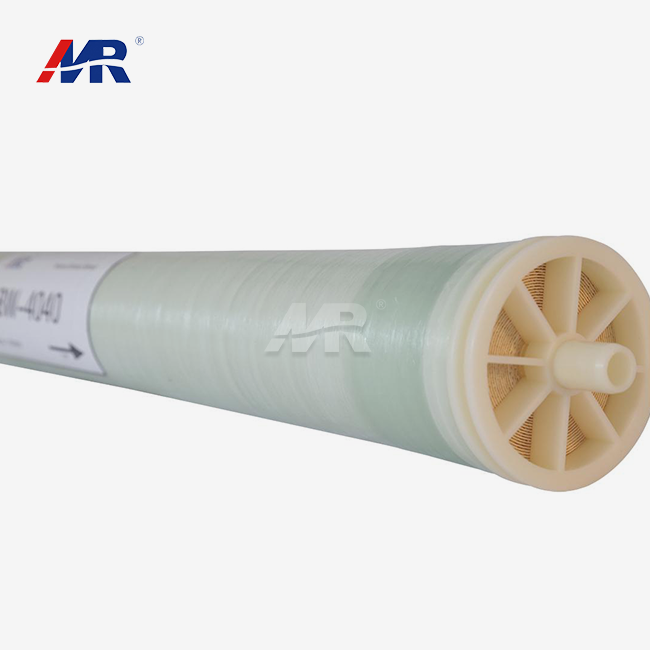
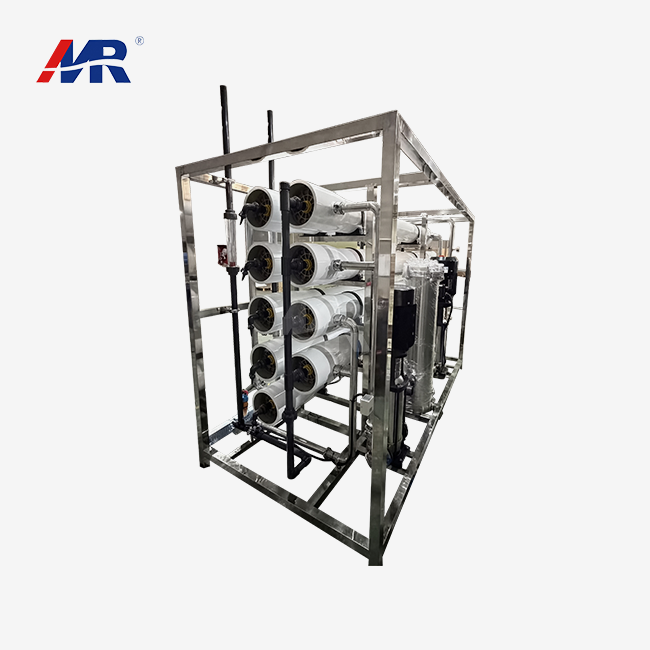
We use cutting-edge membrane filtration technology that combines biological processes that work with and without oxygen with ultrafiltration membranes to get rid of a lot of contaminants in both urban and commercial settings. The modular design makes it easy to add more space, and the remote monitoring features let you plan maintenance ahead of time so that it doesn't interfere with operations too much.
When constant high-quality effluent needs to be released into the environment or used again, these systems work great. Examples include food processing plants, pharmaceutical factories, and city buildings that are trying to reclaim water. A treatment efficiency of 99.9% makes sure that regulations are followed, even when discharge limits are very strict.
Advanced Oxidation and Disinfection Technologies
Ultraviolet decontamination kills pathogens effectively without using chemicals or leaving any cleaning leftovers. This makes it a good choice for facilities that treat waters that are sensitive to the environment. Compared to traditional mercury vapor technologies, LED-based UV systems use less energy and have lamps that last longer.
Ozone oxidation gets rid of contaminants that are stubborn and can't be cleaned up by living things. This includes medicines, personal care Products, and industrial chemicals. Using ozone, hydrogen peroxide, and UV rays together in improved oxidation methods gets rid of more contaminants in difficult industrial wastewaters.
Evaluating Equipment Suppliers and Manufacturers
The quality of the equipment, the availability of expert help, and the length of time that services are available all depend on the supplier that is chosen. Established manufacturers with a lot of installed references have shown that their products are reliable, while newer companies may offer new technologies at prices that are competitive.
Manufacturers who offer warranties that last longer than the standard one year show that they are confident in the durability of their products. For a water and wastewater treatment plant, comprehensive service agreements that cover things like preventative repair, availability of spare parts, and the ability to respond to emergencies lower the business risks that come with equipment breaking down.
Conclusion
To choose the right cleaning equipment, you need to carefully consider your working needs, performance requirements, legal responsibilities, and the cost of ownership over its entire life. By learning about the different technologies that are out there and how they can help your facility, you can make decisions that are best for its needs and long-term goals.
Contemporary membrane bioreactor systems treat wastewater very well in small spaces, meeting strict standards for effluent quality while making the most of limited space. Careful planning, skilled installers, and diligent maintenance programs all work together to make sure that your equipment is reliable and lasts as long as possible. This protects your investment and makes sure that you always follow the rules.
Working with well-known companies that sell treatment equipment and offer full Technical support, reliable manufacturing, and helpful customer service can lower project risks and improve long-term operational performance.
FAQ
1. What are the primary cost drivers for treatment plant equipment installations?
The costs of capital include buying tools, building structures, installing electricity and instrumentation systems, and starting up the systems. Choosing the right equipment has a big effect on how much the whole job costs. For example, advanced membrane systems cost more than standard activated sludge setups. Civil construction costs are affected by things like the type of soil, the current infrastructure, and the amount of room that is available. Energy use, chemical additives, maintenance labor, and getting rid of waste are all examples of operational costs. At most facilities, energy costs make up 40 to 60 percent of ongoing costs.
2. How do aerobic and anaerobic treatment systems differ in application?
Aerobic systems use microorganisms that need oxygen to break down organic pollutants. They treat wastewater quickly and well, making them suitable for most municipal and industrial uses. Continuous aeration is needed for these systems, which uses a lot of energy but reliably removes ammonia through nitrification. In anaerobic treatment, there is no oxygen present. This creates biogas, which can be used as a green energy source, and lowers the production of sludge. Anaerobic systems work well with strong industrial wastewaters, but they need longer retention times and temperature control. They are usually used before aerobic polishing.
3. What maintenance requirements should facilities anticipate?
Daily operating checks to make sure flow rates, treatment performance, and machine operation are all part of routine maintenance. Every week, chores include checking the pumps, maintaining the blowers, and calibrating the instruments. Every month, tasks include cleaning the membrane, working out the valves, and doing thorough evaluations of performance. Complete overhauls of all equipment, structural inspections, and audits of regulatory compliance are all part of annual maintenance. Maintenance budgets should usually be between 2 and 4 percent of the value of the capital equipment every year, but this can change depending on the type of treatment and how much it is used.
Connect With Morui for Your Water and Wastewater Treatment Plant Equipment Needs
Guangdong Morui Environmental Technology specializes as a comprehensive water and wastewater treatment plant manufacturer delivering customized solutions across industrial and municipal sectors. Our engineering team, which is made up of more than 20 specialized professionals and 500 committed employees spread across 14 regional branches, takes care of the whole project, from the initial assessment to installation, commissioning, and ongoing technical support.
We encourage people who are in charge of buying things, running a facility, and making technical decisions to look into how our advanced membrane bioreactor systems, flexible designs, and energy-efficient technologies can help you with your unique treatment problems. Please email Our Team at benson@guangdongmorui.com for one-on-one consultations, full technical specs, and project quotes that are specifically made for your needs.
References
1. Water Environment Federation, "Membrane Bioreactors: Operation and Maintenance Manual," 2018.
2. McGraw-Hill Professional, "Wastewater Engineering: Treatment and Resource Recovery," Fifth Edition, 2014.
3. American Water Works Association, "Water Treatment Plant Design," Sixth Edition, 2020.
4. International Water Association, "Advanced Biological Treatment Processes for Industrial Wastewaters," 2019.
5. National Research Council, "Water Reuse: Potential for Expanding the Nation's Water Supply Through Reuse of Municipal Wastewater," 2012.
6. Environmental Protection Agency, "Emerging Technologies for Wastewater Treatment and In-Plant Wet Weather Management," 2013.